

Mastering the Art of Hosting: Your Comprehensive Guide to Unforgettable Home Gatherings
There’s a real magic in opening your home to friends, family, or even new acquaintances. Hosting a gathering, be it an intimate dinner or a lively bash, feels incredibly rewarding, doesn’t it? Yet, the thought of planning one can sometimes feel a bit… overwhelming. But I’m here to tell you, it absolutely doesn’t have to be. With a thoughtful approach and a sprinkle of savvy planning, you can transform the daunting into the delightful, crafting memorable experiences that resonate long after the last guest departs.
Think of this as your personal playbook, a step-by-step roadmap to navigate the journey from initial idea to sparkling clean-up. We’re going to dive deep, ensuring every detail is covered so you can actually enjoy your own party. Because let’s be honest, seeing your guests laugh and connect is the best part, and you deserve to soak it all in too.
1. Defining Your Vision: Purpose and Theme are Your North Star
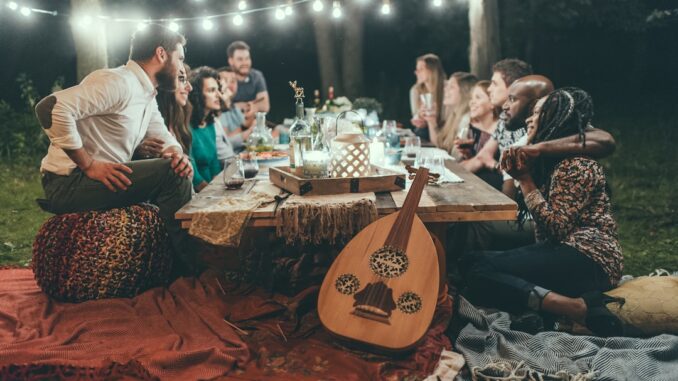
Creating a stunning setting for home entertaining.
Before you even think about guest lists or what delectable treats you’ll serve, pause. Take a deep breath and ask yourself, ‘What’s the why behind this gathering?’ Understanding the fundamental purpose of your event is truly the bedrock upon which everything else is built. Is it a milestone birthday bash, a relaxed ‘just because’ catch-up with old friends, a professional networking mixer, or a sophisticated holiday dinner? The answer to this question profoundly influences every subsequent decision, from your budget allocation to the overall atmosphere you’re striving to create. You wouldn’t plan a casual backyard BBQ the same way you’d approach a formal engagement party, would you?
Once that ‘why’ is clear, let’s inject some personality with a theme. A theme isn’t about rigid rules; it’s a guiding star, a creative thread that weaves through your entire event, making it cohesive and memorable. It can be as subtle as a ‘Cozy Autumn Evening’ with warm lighting, spiced scents, and comfort food, or as vibrant as a ‘Tropical Luau’ featuring bright leis, fruity cocktails, and reggae tunes. My friend, Sarah, once hosted a ‘Mystery Dinner’ party where each guest received a character to play, leading to an evening filled with unexpected plot twists and uproarious laughter. It was a lot of effort for her, yes, but the payoff in shared experience was incredible. The theme can dictate your menu, your decor, the music playlist, even what your guests might choose to wear. Don’t be afraid to think outside the box a bit. Seasonal themes are always a hit – think ‘Summer Solstice Sunset Soiree’ or a ‘Winter Wonderland Feast.’ Or, perhaps tap into a shared interest like a ‘Movie Night Marathon’ complete with popcorn bar and classic film posters, or a ‘Board Game Bonanza’ where friendly competition reigns supreme. The point is, a well-chosen theme doesn’t just make things pretty; it enriches the entire experience, transforming a simple get-together into an event with real character and, frankly, a much stronger impression on your guests.
2. Curating Your Crew: The Art of the Guest List
With your purpose and theme firmly in mind, it’s time to consider who you’d like to share this experience with. Planning the guest list is more than just jotting down names; it’s about crafting the dynamic of your event. Start by considering the size of your space. Can your living room comfortably accommodate 20 people mingling, or is it better suited for an intimate group of 8 seated around a dining table? Overcrowding is a common pitfall, often leading to discomfort and hindering genuine conversation, so be honest about your home’s capacity. Nobody wants to feel like they’re playing human Tetris just to get a drink.
Next, think about the mix of people. Will everyone know each other? Is it a blend of different social circles? Sometimes, introducing new people to each other can spark fascinating conversations and new connections, but sometimes you just want the comfortable familiarity of your closest crew. Consider the personalities – a good host thoughtfully balances a lively conversationalist with someone who might need a little prompting to open up, ensuring a harmonious vibe. And what about children? Decide early if this will be an adults-only affair or if little ones are welcome, as this profoundly impacts food, activities, and even safety considerations. A smaller, more intimate gathering typically allows for deeper, more personalized interactions, fostering a sense of connection that’s hard to achieve in a bustling crowd. A larger group, on the other hand, often generates an infectious, high-energy atmosphere, perfect for celebrations where mingling is key. There’s no right or wrong answer, just what’s right for your event. Remember, the ultimate goal here is for every single person you invite to feel comfortable, included, and genuinely happy to be there.
3. Pinpointing Perfection: Choosing the Date and Time
Selecting the ideal date and time might seem straightforward, but it requires a bit of strategic thinking to maximize attendance and set the right mood. Weekends are, of course, the classic choice, offering guests the freedom to relax and not worry about early morning commitments. However, don’t automatically rule out a weeknight if your gathering is casual and won’t run too late. A Tuesday evening ‘Taco & Trivia’ night, for instance, can be a fantastic way to break up the week without demanding too much of anyone’s time. Think about the rhythm of your guests’ lives.
Beyond just the day, the time of day matters immensely. Are you envisioning a sun-drenched brunch, a late afternoon garden party, an elegant dinner, or a sophisticated evening cocktail hour? Each has its own distinct energy and logistical demands. For instance, a daytime event often feels lighter and might require less elaborate lighting, while an evening affair naturally leans into moodier ambiance and perhaps a more substantial menu. Before you commit, do a quick check for major holidays, long weekends, or significant local events – nobody wants their party to clash with the annual town festival or a major sporting event. Sending out ‘save the date’ messages or formal invitations well in advance – I’m talking 3-4 weeks for casual, and 6-8 weeks for something more significant – dramatically increases the likelihood of your preferred guests being able to attend, giving them ample time to clear their schedules. It’s also a thoughtful gesture, showing you value their presence.
4. The First Impression: Crafting and Sending Invitations
Your invitation is more than just a notification; it’s the very first impression your guests will have of your event. It sets the tone, builds anticipation, and provides all the crucial information they’ll need. In this digital age, you’ve got a fantastic array of options, each with its own charm and efficiency. Digital invitations, sent via email (think Evite, Paperless Post) or even through private social media groups, are incredibly convenient, cost-effective, and excellent for tracking RSVPs. They often allow for interactive elements, like direct messaging or maps. But, don’t discount the timeless elegance of a traditional mailed invitation, especially for more formal gatherings or when you want to make a truly special statement. There’s something undeniably charming about receiving a beautiful card in the mail, isn’t there? It whispers ‘this is important, this is special.’
Regardless of your chosen medium, clarity is king. Your invitation absolutely must state the date, the precise time (with an end time if appropriate), the full address, and crucially, your RSVP deadline and preferred method. You might also include a dress code, if applicable – ‘cocktail casual’ or ‘festive attire’ helps guests feel prepared. Any special instructions, like ‘parking available on street’ or ‘please bring your favorite board game,’ are super helpful. A little tip: for digital invites, include your contact number for any last-minute questions, as not everyone is great at checking their email right before heading out. Crafting the language of your invitation carefully also makes a huge difference. Inject some of your theme here. Instead of just ‘dinner party,’ try ‘An Evening of Moroccan Delights’ or ‘Autumn Harvest Feast.’ A well-crafted invitation doesn’t just inform; it excites, it intrigues, and it makes people genuinely look forward to stepping into your thoughtfully planned world. And remember to send a friendly reminder a few days before the RSVP deadline, because life gets busy, and people genuinely appreciate the nudge.
5. The Heart of the Party: Designing Your Menu
Ah, the menu. This is where your gathering truly comes to life, a pivotal element that can either elevate the experience or, well, fall flat. Planning your food isn’t just about cooking tasty dishes; it’s about curating an experience, ensuring every guest feels catered to and delighted. My personal rule of thumb is always to aim for variety and consideration. Before you even think about recipes, send out a quick, polite query with your RSVP request: ‘Please let us know if you have any dietary restrictions or allergies we should be aware of!’ This simple step is invaluable.
Navigating Dietary Needs and Preferences
Seriously, don’t underestimate the importance of dietary accommodations. It’s a huge marker of gracious hosting. Having a friend who can’t eat gluten or a family member who’s vegan doesn’t have to be a headache; it’s an opportunity to get creative! I remember a few years back, I hosted a potluck, and one friend, bless her heart, brought a delicious gluten-free pasta salad that everyone, even the non-gluten-free folks, absolutely loved. It was a revelation. Consider offering at least one vegetarian or vegan main dish, and ensure it’s clearly labeled. For allergies, clear communication is paramount. If someone has a severe nut allergy, it’s often safer to simply avoid nuts in all dishes altogether. If that’s not possible, meticulous cross-contamination prevention is crucial, or suggest they bring a safe dish for themselves if they’re comfortable.
Crafting a Balanced and Manageable Spread
Think about the overall balance of your menu. You want a mix of flavors, textures, and colors that appeal to a wide range of palates. Don’t feel pressured to cook everything from scratch. Seriously, it’s okay to buy some high-quality items, like a gourmet cheese board or artisanal bread, to supplement your homemade dishes. The goal is enjoyment, not exhaustion! A good rule of thumb: pick one or two ‘hero’ dishes that you’re excited to make and that can largely be prepared in advance. Then, fill in with simpler sides, salads, and appetizers. Dishes that can be served at room temperature are fantastic for reducing day-of stress, like a vibrant quinoa salad, an antipasto platter, or a roasted vegetable medley. If you’re going for a buffet, ensure items are easy to eat while standing and mingling. For a sit-down dinner, consider dishes that hold well and aren’t overly delicate to serve. A friend of mine, a notoriously ambitious cook, once attempted a soufflé for a dinner party. It, predictably, deflated five minutes before serving, causing a hilarious but stressful scramble. Learn from her experience: aim for delicious, but keep it practical! Embrace dishes that offer flexibility and forgive slight timing imperfections.
Budgeting and Presentation
Food costs can quickly add up, so be smart with your budget. Seasonal ingredients are often fresher, more flavorful, and usually more affordable. Don’t be afraid to stretch pricier proteins with hearty grains or vegetables. Presentation also makes a big difference. Simple garnishes like fresh herbs, a sprinkle of paprika, or a lemon twist can elevate even the simplest dish. Use varying heights on your buffet table with risers or stacks of books covered with tablecloths to add visual interest. Labeling dishes, especially those accommodating dietary needs, is a really thoughtful touch that shows you care. A well-planned menu isn’t just about filling bellies; it’s about nourishing connections and creating a sensory experience that complements your overall theme and intention.
6. Setting the Scene: Thoughtful Decor and Ambiance
Once your culinary plans are simmering, it’s time to turn your attention to the visual and sensory experience of your space. Decorating isn’t about transforming your home into a magazine spread; it’s about crafting an atmosphere, a feeling that welcomes your guests and enhances the gathering’s theme. Simple touches often have the most profound impact, creating a mood that lingers.
Start with lighting. It’s a game-changer, honestly. Harsh overhead lights can instantly kill any cozy vibe. Instead, layer your lighting: dimmers, if you have them, are your best friend. Supplement with candles (safely placed, of course!), string lights (the fairy lights kind are universally beloved), or even strategically placed lamps. The soft, warm glow creates an inviting, intimate feel. Think about scent too, but subtlety is key here. A light, fresh diffuser or a freshly baked something can add a lovely background note without overpowering the food. Avoid strong, artificial air fresheners; they can be quite jarring for some guests.
Next, consider your surfaces. A clean, uncluttered space is always more welcoming. Fresh flowers or a beautifully arranged branch from your garden make a wonderful centerpiece, instantly adding life and color. Choose flowers that align with your theme or color palette. For a rustic feel, use mason jars; for elegance, a simple glass vase works wonders. Don’t forget textiles! A nice tablecloth, cloth napkins (if you’re feeling fancy!), or even throw pillows can add texture and comfort. If your theme is, say, ‘Mediterranean Escape,’ think blues and whites, perhaps some terracotta pots with herbs. For a ‘Bohemian Rhapsody’ vibe, think patterned throws, floor cushions, and perhaps some macramé. Remember, the goal isn’t to spend a fortune; it’s to use what you have creatively or source inexpensive items that tie into your chosen aesthetic. Sometimes, simply tidying up and rearranging furniture to encourage conversation zones can be the most effective ‘decor.’ The little details, from a neatly folded hand towel in the bathroom to a small curated display on a shelf, truly speak volumes about your thoughtfulness as a host.
7. The Thirst Quenchers: Setting Up a Beverage Station
No gathering is complete without a well-appointed beverage station. It’s not just about offering drinks; it’s about convenience, variety, and adding another layer of hospitality to your event. A dedicated station prevents bottlenecks in the kitchen, empowers guests to help themselves, and ensures everyone finds something delightful to sip on.
Start with the essentials. Plenty of water is non-negotiable – offer both still and sparkling, perhaps with slices of lemon, lime, or cucumber for a refreshing touch. Then, move on to non-alcoholic options: a selection of sodas, fruit juices, or a homemade iced tea or lemonade are always appreciated. Don’t forget coffee and tea for later in the evening, especially if you’re hosting a longer event. For alcoholic selections, consider your guest list and theme. Wine (red and white), a few craft beers, and perhaps a selection of spirits for simple mixed drinks (like gin and tonic or vodka soda) usually cover most preferences. My personal go-to is always to have a good Prosecco or Cava on hand; it’s versatile and always feels celebratory.
Want to elevate your beverage game? Introduce a signature cocktail! This is where you can really tie into your theme and add a personal touch. A ‘Spiced Apple Cider Mimosa’ for an autumn brunch or a ‘Summer Berry Spritzer’ for a garden party. Pre-batching a large quantity of your signature cocktail means less mixing during the party and more time enjoying your guests. Remember to provide all the necessary accouterments: plenty of ice (you’ll always need more than you think!), garnishes like citrus wedges, fresh mint, or olives, and a variety of glassware suitable for different drinks. Having a separate station for used glasses or a small bin for recycling bottles and cans can also make post-party cleanup much easier. Ensure the station is easily accessible, perhaps even slightly away from the main food spread, to facilitate a natural flow and prevent crowding. A thoughtful beverage setup shows you’ve considered everyone’s tastes and made it easy for them to enjoy themselves.
8. Creating Good Vibes: Organizing Entertainment
Beyond the food and drink, what truly ignites the spirit of a gathering? Often, it’s the entertainment, the thoughtful activities or background elements that keep conversations flowing and laughter echoing. The key here isn’t to over-schedule or force fun; it’s about providing options and setting a mood where enjoyment can naturally unfold.
Music, for instance, is absolutely essential. It’s the silent orchestrator of atmosphere. Curate a playlist that perfectly matches your theme and desired energy level. For a dinner party, think smooth jazz, classic soul, or acoustic covers – something present but not intrusive, allowing conversation to flourish. As the evening progresses, you might transition to something more upbeat if dancing is on the cards. Ensure your sound system provides clear, consistent audio without being overpowering. Nobody wants to shout over the speakers. Sometimes, a well-placed speaker in a quieter zone, like the kitchen or even a bathroom, can create a seamless soundscape.
Then, consider more interactive elements. Do your guests love a bit of friendly competition? A selection of board games or card games can be fantastic icebreakers. For an outdoor event, lawn games like cornhole, giant Jenga, or bocce ball are always a hit. A DIY photo booth with silly props and a fun backdrop can create hilarious memories and encourage guests to interact. I once went to a party where they had a ‘story starter’ jar, filled with random prompts. Guests would pick one and share a short anecdote, which led to some truly surprising and engaging conversations. The point is to create an environment where guests feel relaxed and have opportunities to connect, either through shared activity or simply by having a pleasant backdrop for their conversations. Don’t feel obligated to have every minute planned out. Sometimes, the best entertainment is simply good company, good food, and a comfortable space to enjoy it all. A well-placed fire pit or even just a beautifully lit garden area can be entertainment enough as people gather to chat and relax.
9. The Master Plan: Preparing a Detailed Timeline
When it comes to hosting, a detailed timeline is your unsung hero, the invisible scaffolding that supports a seamless and stress-free event. Without one, you’re essentially flying blind, leaving yourself open to last-minute rushes, forgotten details, and an unnecessary amount of anxiety. Trust me, I’ve learned this the hard way more than once. Allocating specific times for each task, both before and during the event, ensures everything progresses smoothly, letting you focus on actually being present and enjoying your guests.
Your timeline should ideally start days, even weeks, before the event. Think about the ‘pre-game’ tasks:
- Weeks Out: Finalize guest list and send invitations. Plan the menu, noting which dishes can be prepped in advance. Do a deep clean of your home, especially guest-facing areas.
- A Week Before: Confirm RSVPs. Create your shopping list for food and beverages. Order any special items or rentals. Check your glassware, plates, and cutlery counts. Plan your playlist.
- 2-3 Days Before: Grocery shopping. Begin any make-ahead cooking (chopping veggies, making sauces, baking desserts). Chill all beverages. Iron tablecloths.
- The Day Before: Final kitchen prep, setting the table, arranging decor. Layout serving dishes and utensils. Charge your camera or phone. Take out the trash!
Now, for the ‘day-of’ timeline, breaking it down by hours is most effective:
- 4-5 Hours Before: Final cooking. Shower and get ready. Set up the beverage station and any entertainment zones.
- 2-3 Hours Before: Place decor, light candles (if using). Do a final sweep for clutter. Set out appetizers that can sit at room temperature.
- 1 Hour Before: Put on your chosen music. Turn on any external lights. Open wines that need to breathe. Take a moment to compose yourself and maybe have a quick, calming sip of something.
- Guest Arrivals (Onwards): Greet each guest warmly, offer a drink, introduce them to others. Monitor food and beverage levels. Initiate any planned activities.
Don’t forget to build in buffer time – things will take longer than you anticipate. And if you have a partner or family helping, assign specific tasks from the timeline to them. Delegation is a superpower for hosts! A well-structured timeline doesn’t stifle spontaneity; it liberates you to embrace it, knowing that all the foundational work is meticulously handled. It means less frantic dashing about and more genuine connection with the people you care about.
10. The Heart of Hospitality: Being a Gracious Host
Of all the steps, this one is arguably the most critical. You, as the host, are the emotional anchor of the event. Your demeanor, your energy, and your attentiveness truly set the tone for everyone. Forget trying to achieve perfection; focus instead on genuine warmth and ensuring your guests feel truly valued and at ease. Remember, you’re creating an experience, not just serving food.
The Art of the Welcome
Start strong right from the doorstep. Greet each guest warmly, making eye contact and offering a sincere welcome. Take their coat, direct them to where they can put their bags, and immediately offer them a drink or an appetizer. This initial interaction is crucial; it helps them transition from ‘outside’ to ‘inside’ your relaxed world. If they don’t know many people, take a moment to introduce them to one or two other guests, offering a small, connecting detail about each person. For instance, ‘Sarah, this is Tom, who I know from my book club; Tom, Sarah’s a fantastic photographer who just returned from Iceland!’ These little bridges make all the difference, making conversations much easier to start.
Circulating and Connecting
Resist the urge to stay tethered to the kitchen or one specific group. Your role is to circulate, engaging in conversations with different guests. Be present, listen actively, and contribute where appropriate. This doesn’t mean you need to be constantly ‘on’ or performative; it simply means being accessible and approachable. Pay attention to subtle cues. Is someone looking a bit lost? Go over and chat. Is a glass empty? Offer a refill. Is the room too warm or too cold? Adjust accordingly. Being an observant host allows you to anticipate needs before they become requests, which is a hallmark of true hospitality. My friend Liam is amazing at this; he seems to effortlessly flit between groups, making everyone feel like the most important person in the room, yet he’s never overbearing. He calls it ‘orchestrating the good vibes,’ and it’s brilliant.
Handling the Unexpected and Letting Go
Things will inevitably go slightly awry – a spilled drink, an awkward lull in conversation, or an unexpected guest. Handle these moments with grace and a light touch. A spill? ‘No worries at all, let me grab a cloth!’ An awkward silence? Offer a lighthearted observation or ask an open-ended question. The key is to maintain your calm and good humor. Guests take their cues from you. If you’re stressed, they’ll feel it. Ultimately, part of being a gracious host is knowing when to step back and let your guests simply enjoy themselves and each other’s company. You’ve set the stage; now let the magic unfold. Don’t be afraid to sit down, relax, and savor the moments you’ve so carefully created.
11. Pressing Pause: Capturing the Moments
In the whirlwind of hosting, it’s easy to forget to document the very joy you’ve painstakingly created. But trust me, you’ll be so grateful later for those snapshots, those candid glimpses of laughter and connection. These aren’t just photos; they’re tangible memories, little anchors that bring you back to the warmth of the evening.
Don’t feel like you need to become a professional photographer during your own party. One simple strategy is to designate someone else – a willing friend, partner, or even a responsible teenager – to be the ‘official’ party photographer for an hour or two. Arm them with your phone or a good camera and give them a brief to capture candid interactions, happy faces, and the overall ambiance, rather than forced poses. Alternatively, set up a small, unobtrusive tripod with your phone on a timer in a well-lit area, encouraging guests to snap their own shots. You could even create a unique hashtag for the event and encourage guests to share their photos on social media, or create a shared digital album (like a Google Photos album) where everyone can contribute. Just be mindful of privacy; always ask before posting photos of others online, particularly if they’re not close friends. These visual mementos serve as cherished keepsakes, reminding you and your guests of the wonderful time shared. They’re perfect for a ‘thank you’ message after the event, offering a little visual recap of the fun.
12. The Grand Finale: Planning for a Smooth Clean-Up
Let’s be real: the post-party clean-up can feel like a mountain after the exhilarating climb of hosting. But with a bit of foresight and strategic planning, it doesn’t have to be a dreaded chore. Think of it as the final, important act of your event, one that ensures you can wake up the next morning feeling accomplished, not overwhelmed.
Pre-Party Clean-Up Strategy
The clean-up actually begins before the party. Decluttering and organizing your space before guests arrive means there’s less to deal with afterward. Ensure you have ample trash cans, strategically placed and easily accessible, to encourage guests to dispose of their own waste. This simple step is surprisingly effective. Also, have a designated spot for dirty dishes – perhaps a tub in the kitchen sink or a counter space that’s out of the main guest traffic area – so they don’t pile up awkwardly during the event. My friend, David, who’s an absolute wizard at entertaining, always sets out a ‘compost’ and ‘recycling’ bin too, which really helps with sorting the inevitable mountain of waste.
During the Event: Little Tidies
As the host, you’ll find brief moments during the party where you can do a quick tidy. Emptying a full trash can, gathering empty bottles, or wiping down a spilled drink immediately prevents things from getting out of hand. These small, ongoing efforts make a huge difference to the final clean-up load. Don’t be afraid to politely ask guests where they put their empty plates if you see them wondering. Most people are happy to help.
Post-Party: Teamwork Makes the Dream Work
When the last guest departs, the real action begins. If you’ve been smart, you’ve already enlisted a few close friends or family members to stay a bit longer and help. This is where teamwork truly shines. Break down the tasks: one person tackles dishes, another clears tables, someone else takes out the trash. Don’t feel you have to do it all yourself that night. Sometimes, simply clearing the main table, getting dishes soaking, and taking out the most overflowing trash is enough for the immediate aftermath. Leave the deep clean for the morning. You’ve just hosted a wonderful event; you deserve some rest!
For the morning after, prioritize. Load the dishwasher, wipe down surfaces, and then tackle the floors. Recycling and returning rented items (if any) can typically wait until later in the day. Planning for clean-up ensures that the delightful memories of your gathering aren’t overshadowed by the thought of a monumental mess. It’s the final act of a truly thoughtful host, allowing you to reflect on your success with a clean slate and a happy heart.
Hosting a gathering at home truly is one of life’s great joys. It’s an act of generosity, a way to build community, and a chance to express your creativity. By approaching it with a clear plan, a dash of creativity, and a whole lot of heart, you’re not just throwing a party; you’re crafting an unforgettable experience. So go on, invite those people, plan that menu, and prepare to make some beautiful memories. You’ve got this.
Be the first to comment