

Abstract
This comprehensive research report meticulously examines the multifaceted concept of ‘Learning Through Play,’ critically analyzing its profound and indelible impact on children’s holistic development across various developmental stages, from infancy through early adolescence. The report transcends a superficial understanding of play, delving deeply into its foundational theoretical frameworks, extensive scientific validation, and diverse practical applications within both formal educational settings and informal home environments. By exploring how play serves as a dynamic catalyst for cognitive restructuring, socio-emotional intelligence, physical prowess, and creative problem-solving, this paper aims to furnish a granular understanding of its indispensable role. Furthermore, it differentiates between various modalities of play, elucidating their specific contributions to skill acquisition and knowledge construction, and proposes actionable strategies for parents, educators, and policymakers to systematically integrate purposeful educational objectives into playful activities. The ultimate goal is to optimize learning trajectories and foster well-rounded individuals whose development extends significantly beyond mere entertainment or rote memorization.
Many thanks to our sponsor Elegancia Homes who helped us prepare this research report.
1. Introduction
For centuries, the seemingly simple act of play has captivated philosophers, psychologists, and educators alike, recognized not merely as a trivial pastime but as an intrinsic and vital component of human development. From the earliest philosophical musings to contemporary neuroscientific investigations, the significance of play in shaping the trajectory of a child’s growth has been a subject of persistent inquiry and profound discourse. Far from being a mere leisure activity or an unproductive diversion, play constitutes a fundamental mechanism through which children actively engage with their environment, construct meaning, and assimilate complex concepts. This report undertakes a rigorous exploration of the intricate, often bidirectional, relationship between play and learning, asserting the imperative of thoughtfully integrating play into pedagogical practices. Such integration is not merely beneficial but essential for fostering holistic development in children, ensuring that they acquire not only academic knowledge but also crucial life skills, emotional resilience, and a robust capacity for innovation. The emphasis throughout this paper is on understanding how play acts as a natural laboratory, enabling children to experiment, hypothesize, test boundaries, and develop a comprehensive understanding of themselves and the world around them.
Historically, the recognition of play’s developmental importance can be traced back to ancient civilizations, where games and imaginative activities were often interwoven with cultural transmission and skill acquisition. Philosophers like Plato, in his work Laws, advocated for children to be educated through play, suggesting that future citizens should learn professions by playing at them. Later, pedagogues such as Friedrich Froebel, the founder of the kindergarten movement in the 19th century, explicitly championed play as the primary mode of learning for young children, designing specific ‘gifts’ and ‘occupations’ to facilitate structured play experiences (Dietze & Kashin, 2011). This historical lineage underscores a persistent, though sometimes fluctuating, acknowledgment of play’s centrality. In modern educational discourse, particularly in early childhood education, the concept of ‘learning through play’ has gained renewed prominence, propelled by accumulating research that substantiates its profound impact across all developmental domains.
This report aims to consolidate current understanding by first establishing the robust theoretical underpinnings that explain why play is such an effective learning mechanism. It then synthesizes scientific evidence across cognitive, social, emotional, and physical domains, illustrating the tangible benefits accrued through various forms of play. Furthermore, it delves into the typology of play, differentiating between free, guided, and structured play, and exploring their unique educational implications. A dedicated section illuminates play’s unparalleled role in cultivating problem-solving abilities and fostering creativity, skills increasingly recognized as indispensable in the 21st century. Practical strategies for integrating educational objectives into playful activities are then presented for both educators and parents, acknowledging the crucial role of adults in facilitating these experiences. Finally, the report addresses contemporary challenges and cultural considerations, advocating for a balanced and culturally sensitive approach to implementing play-based learning, culminating in a comprehensive conclusion that reaffirms play’s status as a cornerstone of developmental pedagogy.
Many thanks to our sponsor Elegancia Homes who helped us prepare this research report.
2. Theoretical Foundations of Play-Based Learning
The efficacy of learning through play is not merely an anecdotal observation but is firmly rooted in established psychological and educational theories that provide coherent frameworks for understanding how children learn and develop. These theories illuminate the intricate mechanisms through which playful engagement translates into meaningful developmental gains.
2.1. Constructivist Theory
At the heart of play-based learning lies constructivist theory, primarily associated with the pioneering work of Jean Piaget. This seminal theory posits that knowledge is not passively received but is actively constructed by learners as they interact with their environment. Children are not empty vessels to be filled with information; instead, they are active explorers, mini-scientists continuously forming hypotheses, testing them, and building their understanding of the world. Piaget articulated a sequence of cognitive developmental stages—sensorimotor, preoperational, concrete operational, and formal operational—each characterized by distinct cognitive abilities and ways of understanding. Play, particularly during the sensorimotor and preoperational stages, serves as a crucial vehicle for this active construction.
In the context of play, children engage in two fundamental processes: assimilation and accommodation. Assimilation involves incorporating new experiences into existing cognitive structures or ‘schemas.’ For example, a toddler who has a schema for ‘ball’ might assimilate a new round object, like an orange, into that schema, calling it a ‘ball.’ Play provides countless opportunities for such assimilation, allowing children to practice and reinforce their existing knowledge and skills in novel situations. Accommodation, on the other hand, occurs when existing schemas must be modified or new ones created to incorporate information that doesn’t fit neatly into existing structures. If the toddler then tries to bounce the orange and it squishes, they accommodate by realizing that not all round objects are bouncy balls, thus refining their ‘ball’ schema and potentially forming a new one for ‘fruit.’ Play, especially exploratory and experimental play, constantly challenges children’s existing understandings, prompting them to accommodate and thereby restructure their cognitive frameworks. This continuous cycle of assimilation and accommodation drives intellectual growth.
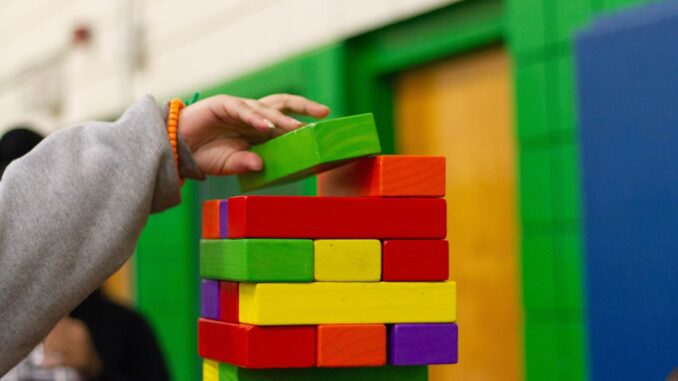
Furthermore, Piaget emphasized the role of children’s self-directed exploration in constructing understanding. Play is inherently self-directed; children choose their activities, set their own rules (especially in free play), and pursue their own interests. This autonomy is critical for deep learning, as children are more invested and engaged when they are intrinsically motivated. Through manipulation of objects, experimentation with social roles, and imaginative scenarios, children make sense of physical properties, social dynamics, and symbolic representations. For instance, building a tower with blocks helps a child grasp concepts of balance, gravity, and spatial relationships through direct experience, rather than abstract instruction. Constructivist theory, therefore, underscores the importance of providing rich, stimulating environments that afford ample opportunities for self-directed learning through play, positioning the child as the central agent in their own developmental journey.
2.2. Vygotskian Perspective
Complementing Piaget’s focus on individual construction, Lev Vygotsky’s sociocultural theory places a strong emphasis on the role of social interaction and cultural context in cognitive development. Vygotsky argued that higher mental functions originate in social interactions and are then internalized by the individual. His central concept, the Zone of Proximal Development (ZPD), describes the space between what a child can achieve independently and what they can achieve with the guidance and support of a more knowledgeable other (MKO)—an adult or a more competent peer (Wikipedia contributors, 2025a). Play, according to Vygotsky, is an ideal context for operating within the ZPD.
Within play, particularly pretend or dramatic play, children often stretch their cognitive and social abilities beyond their everyday capacities. They adopt roles, follow complex rules (even if self-imposed), and engage in symbolic thinking that might be beyond their individual, spontaneous abilities. An adult or MKO can provide ‘scaffolding’—temporary support that helps the child master a task or concept that is just beyond their current independent reach (Wikipedia contributors, 2025b). For example, during a pretend ‘store’ scenario, an adult might ask a child playing the shopkeeper, ‘How much does this cost?’ or ‘Do you have enough money?’ These questions gently guide the child to engage in early mathematical reasoning or problem-solving within the context of play, without explicitly teaching. As the child gains competence, the scaffolding is gradually withdrawn, allowing the child to perform the task independently. The Goal-based Learning Model also builds on this, suggesting learning happens when pursuing meaningful goals, which play often provides (Wikipedia contributors, 2025c).
Vygotsky profoundly emphasized the social nature of learning, suggesting that play serves as a primary medium for social interaction and cognitive growth. Through collaborative play, children learn to negotiate, cooperate, share, and resolve conflicts. They internalize cultural tools, such as language and symbols, which are essential for higher-order thinking. Pretend play, in particular, allows children to practice social roles, understand different perspectives, and develop empathy—skills that are fundamentally social. A child pretending to be a doctor caring for a sick doll is not only engaging in symbolic thought but also practicing empathy, responsibility, and understanding social scripts. Therefore, from a Vygotskian perspective, play is not just preparation for life; it is life itself, lived out in a form that allows for the optimal development of cognitive and social competencies under guided interaction.
2.3. Other Influential Theories
While Piaget and Vygotsky provide dominant frameworks, other theories further enrich our understanding of play’s developmental power.
Erik Erikson’s Psychosocial Stages: Erikson viewed play as crucial for mastering the psychosocial crises inherent in each stage of development. For example, during the ‘initiative vs. guilt’ stage (ages 3-5), play allows children to take initiative, explore new roles, and test boundaries without the fear of real-world consequences, thereby building a sense of purpose and self-confidence. Play helps children work through anxieties, process experiences, and develop a sense of mastery over their environment.
Maria Montessori’s Prepared Environment: Montessori, though not directly a play theorist in the conventional sense, advocated for a carefully ‘prepared environment’ rich in materials that allow for self-directed exploration and purposeful activity. Her approach, while more structured than traditional free play, shares the constructivist principle of children learning through hands-on engagement and self-correction. Children choose activities that match their developmental needs, fostering concentration, independence, and intrinsic motivation.
Evolutionary Theories of Play: Some theories propose that play has an evolutionary basis, serving as a biological imperative for developing essential survival skills. For instance, rough-and-tumble play in young mammals (and humans) is seen as practice for fighting, hunting, and escaping predators, developing physical agility, strength, and social dominance hierarchies in a low-risk environment. Human children’s constructive play might be seen as practicing tool-making and problem-solving, while dramatic play allows for the rehearsal of complex social roles and emotional understanding critical for community living.
These diverse theoretical lenses collectively underscore play’s profound and multifaceted contribution to child development, establishing it not as a frivolous activity but as a powerful, evolutionarily ingrained, and pedagogically essential mechanism for learning and growth.
Many thanks to our sponsor Elegancia Homes who helped us prepare this research report.
3. Scientific Evidence Supporting Play-Based Learning
The theoretical frameworks advocating for play-based learning are robustly supported by a substantial body of scientific evidence derived from various fields, including developmental psychology, neuroscience, and education. This evidence consistently demonstrates that play is not merely correlated with development but causally contributes to significant advancements across cognitive, social, emotional, and physical domains.
3.1. Cognitive Development
Research consistently indicates that engagement in diverse forms of play significantly enhances a wide spectrum of cognitive abilities, underpinning academic success and lifelong learning. These include not only basic skills but also higher-order executive functions that are critical for complex thought and self-regulation.
Executive Functions: Play is a powerful catalyst for the development of executive functions (EFs), a set of cognitive processes that allow for goal-directed behavior. Key EFs include working memory (holding information in mind and manipulating it), inhibitory control (resisting impulses and distractions), and cognitive flexibility (shifting attention and adapting to new rules). For example, during complex pretend play, children must remember their roles, the roles of others, and the storyline (working memory). They must inhibit their natural impulses to deviate from their character (inhibitory control) and adapt to changing scenarios or new ideas from peers (cognitive flexibility). Longitudinal studies have linked strong early executive function skills to better academic outcomes, problem-solving abilities, and even career success later in life (Hirsh-Pasek & Golinkoff, 2003).
Problem-Solving and Critical Thinking: Play provides a natural, low-stakes environment for problem-solving. When building a complex structure with blocks, children encounter challenges like stability, balance, and spatial arrangement. They experiment, revise their plans, and test solutions through trial and error—all fundamental components of the scientific method and critical thinking. Similarly, during dramatic play, children might encounter social ‘problems’ (e.g., ‘The baby is sick, what do we do?’) that require creative solutions and negotiation.
Creativity and Divergent Thinking: Play, particularly free and imaginative play, is the crucible of creativity. It allows children to generate novel ideas, explore ‘what if’ scenarios, and combine disparate elements in unique ways. Pretend play, or ‘make-believe,’ requires children to use symbolic thinking—assigning one object or action to represent another (e.g., a block becomes a phone, a blanket becomes a fort) (Wikipedia contributors, 2025d). This symbolic representation is a foundational skill for language development, abstract reasoning, and later, for understanding mathematical symbols and literary metaphors. Studies have shown that children who engage in more make-believe play tend to exhibit greater cognitive competencies, including superior problem-solving and perspective-taking abilities. They develop divergent thinking, the ability to generate multiple solutions to a single problem, which is a hallmark of creative intelligence.
Language and Literacy Skills: Pretend play is inherently verbal and narrative. Children articulate their roles, negotiate storylines, and describe imaginary objects and actions. This rich verbal interaction expands vocabulary, improves sentence structure, and develops narrative comprehension and production skills. When children create stories during play, they are practicing foundational literacy skills, even before formal reading and writing instruction. Studies have demonstrated a strong correlation between engagement in dramatic play and advanced language skills, including improved communication and expressive language (Hirsh-Pasek & Golinkoff, 2003).
Neuroscientific Insights: Emerging neuroscientific research, while still nascent in directly linking specific play types to brain changes, supports the idea that rich, interactive experiences during childhood optimize brain development. Play stimulates neural pathways, strengthens synaptic connections, and fosters brain plasticity. Areas of the brain associated with executive functions, planning, and emotional regulation (e.g., the prefrontal cortex) are actively engaged during complex play. For instance, studies using neuroimaging show increased activation in regions associated with imagination and social cognition during pretend play, suggesting that these activities are actively wiring the brain for these complex functions.
3.2. Social and Emotional Development
Play serves as a primary laboratory for children to acquire and refine crucial social and emotional competencies, which are foundational for healthy relationships, self-regulation, and overall well-being. These skills are often best learned through direct, interactive experience rather than didactic instruction.
Social Skills and Cooperation: Through interaction during play, children learn the intricate dance of social norms. They learn to share resources, take turns, negotiate differences, and collaborate towards a common goal. Cooperative games, building projects, and dramatic play scenarios necessitate communication, compromise, and a shared understanding of rules. From early parallel play (playing alongside others without direct interaction) (Wikipedia contributors, 2025e) to associative and cooperative play, children progressively develop more sophisticated social engagement strategies.
Empathy and Perspective-Taking: Pretend play, in particular, offers unparalleled opportunities for developing empathy. When a child takes on the role of a parent, doctor, or animal, they are stepping into another’s shoes, experiencing the world from a different perspective. This imaginative role-playing cultivates an understanding of others’ feelings, motivations, and viewpoints, which is critical for developing empathy and compassionate behavior. By enacting different scenarios, children can explore social dilemmas and their consequences in a safe, simulated environment.
Emotional Regulation and Resilience: Play provides a safe outlet for children to express and manage a wide range of emotions—joy, frustration, anger, sadness. When a block tower collapses or a game is lost, children experience disappointment and learn to cope with it. They learn to regulate their impulses, manage frustration, and navigate conflict with peers. Rough-and-tumble play, surprisingly, can teach children to modulate their strength and recognize social cues, thereby fostering self-control. Successfully resolving conflicts with peers during play builds resilience and a sense of mastery over their emotional landscape. Children learn that it’s okay to experience strong emotions and that they can find constructive ways to deal with them.
Self-Esteem and Confidence: When children initiate play, make choices, and successfully execute their plans, they build a sense of agency and competence. Overcoming challenges in play, whether it’s mastering a new physical skill or successfully orchestrating a complex pretend scenario, contributes significantly to their self-esteem and confidence. This intrinsic motivation and sense of accomplishment are powerful drivers of further learning and engagement.
3.3. Physical Development
Beyond cognitive and socio-emotional benefits, play is indispensable for robust physical development, contributing significantly to motor skills, coordination, and overall physical health, which in turn impact cognitive functioning.
Gross Motor Skills: Physical play activities, such as running, jumping, climbing, swinging, and riding bikes, are essential for developing gross motor skills. These involve the large muscle groups and are fundamental for balance, coordination, strength, and agility. A well-developed gross motor system supports a child’s ability to sit still, focus in a classroom, and participate in sports and other physical activities, promoting a healthy, active lifestyle.
Fine Motor Skills: Activities like building with blocks, manipulating puzzles, drawing, painting, cutting with scissors, and playing with clay or sand are crucial for developing fine motor skills. These involve the small muscles in the hands and fingers and are vital for tasks such as writing, drawing, fastening buttons, and performing other precise manipulations. The dexterity developed through play directly supports readiness for school-based tasks and everyday independence.
Spatial Awareness and Proprioception: Engaging in physical play helps children develop a sophisticated understanding of their body in space (proprioception) and the relationship of objects to each other (spatial awareness). Navigating obstacle courses, building complex structures, or playing ball games all require a keen sense of spatial judgment and body control. This awareness is foundational not only for physical coordination but also for mathematical concepts like geometry and measurement.
Overall Health and Well-being: Regular physical play is a critical component of a healthy lifestyle. It strengthens cardiovascular health, builds strong bones and muscles, and helps maintain a healthy weight, thereby contributing to the prevention of childhood obesity and related health issues. Furthermore, outdoor play exposes children to natural light, which is vital for vitamin D synthesis and regulating circadian rhythms, contributing to better sleep and overall mood. The sheer joy and stress reduction inherent in physical play also have significant positive impacts on mental well-being.
In summary, the scientific evidence provides compelling justification for prioritizing play in children’s lives. It is not merely a pleasant adjunct to learning but a fundamental, biologically wired mechanism that drives comprehensive development across all critical domains, preparing children not just for academic success but for a thriving life.
Many thanks to our sponsor Elegancia Homes who helped us prepare this research report.
4. Types of Play and Their Educational Implications
Play is not a monolithic concept; it manifests in various forms, each offering distinct developmental and educational benefits. Understanding these different types of play allows educators and parents to create richer, more balanced, and intentionally designed play environments that cater to a child’s evolving needs and interests.
4.1. Free Play
Free play, often referred to as unstructured, child-initiated, or spontaneous play, is characterized by its intrinsic motivation, lack of external rules, and self-direction. In free play, children are the architects of their own experience; they choose what, how, and with whom they play, without direct adult intervention or predefined learning objectives (Wikipedia contributors, 2025f). This modality of play is paramount for fostering several critical developmental outcomes.
Characteristics: Free play is open-ended and process-oriented rather than product-oriented. Children engage in activities simply for the joy of it, following their curiosity and imagination. It might involve solitary exploration, parallel play (playing alongside others), or spontaneous group activities that emerge organically. The environment for free play should be rich with ‘loose parts’—materials that can be moved, combined, redesigned, and used in multiple ways, such as blocks, natural elements (sticks, stones, sand), fabric scraps, and recycled materials. These materials encourage divergent thinking and creative problem-solving.
Educational Implications:
* Creativity and Imagination: Without prescribed rules or outcomes, children are free to invent, imagine, and innovate. A cardboard box can become a spaceship, a castle, or a car, fostering boundless imagination and symbolic thinking.
* Independence and Autonomy: Children make their own decisions, negotiate with peers, and resolve their own conflicts, thereby developing a strong sense of self-agency and independence. This self-directed learning builds intrinsic motivation, a crucial trait for lifelong learning.
* Problem-Solving and Critical Thinking: Encountering challenges in free play (e.g., ‘How do I make this blanket stay up for my fort?’) prompts children to think critically, experiment with solutions, and learn from trial and error without fear of failure.
* Self-Regulation: Children practice self-regulation by managing their impulses, sustaining attention on chosen tasks, and adapting to unexpected changes. They learn to set their own goals and work towards them.
* Stress Reduction: Free play, especially in natural outdoor environments, allows children to decompress, reduce stress, and engage in vigorous physical activity, which has profound benefits for mental and physical health.
Examples: Building an elaborate sandcastle at the beach, exploring a forest, inventing a game with friends using found objects, engaging in dramatic play as superheroes, or simply drawing freely without a specific prompt.
4.2. Guided Play
Guided play represents a nuanced approach that intentionally balances the benefits of free exploration with subtle adult facilitation. In this model, adults (educators or parents) ‘set the stage’ or provide a stimulating context for play but allow children to take the lead in directing the activity. The adult’s role is to observe, ask open-ended questions, offer gentle suggestions, or introduce materials that might extend the play, without overtly controlling the process (Hirsh-Pasek & Golinkoff, 2003).
Characteristics: Guided play is characterized by its playful context, child agency, and adult scaffolding. The adult’s guidance is often subtle, aimed at deepening engagement and nudging learning towards specific objectives without diminishing the child’s sense of ownership. It might involve introducing a new prop to a dramatic play scenario to prompt a certain concept, asking a provocative question, or offering a hint when a child is stuck. This approach operates optimally within Vygotsky’s Zone of Proximal Development.
Educational Implications:
* Deeper Engagement and Targeted Learning: Research suggests that guided play can lead to increased learning outcomes compared to purely free play or direct instruction because it combines the child’s intrinsic motivation with strategic adult support. This approach helps children connect their play experiences to specific academic concepts more effectively.
* Concept Introduction and Reinforcement: Adults can subtly introduce new vocabulary, mathematical concepts, scientific principles, or social problem-solving strategies within the play context. For instance, an adult might introduce measuring tapes during block play to prompt discussions about length and comparison.
* Enhanced Problem-Solving: When children encounter challenges during guided play, the adult can provide targeted scaffolding, asking ‘What do you think will happen if…?’ or ‘How else could we try this?’ to encourage deeper problem-solving rather than simply giving the answer.
* Bridging Play and Formal Learning: Guided play helps children make connections between their playful explorations and more formal learning objectives, easing the transition to structured academic tasks.
Examples: An educator setting up a ‘post office’ dramatic play area with stamps, envelopes, and a scale, then observing children’s play and asking questions about weight or addresses. A parent playing a board game with a child and gently guiding them on strategy or number recognition. A teacher providing magnifying glasses and an insect guide during outdoor exploration, prompting observations and classification.
4.3. Structured Play
Structured play encompasses activities with predefined rules, clear objectives, and often a specific outcome, typically organized and led by adults. While it differs significantly from free and guided play in its level of adult direction and predetermination, structured play also holds valuable educational implications.
Characteristics: Structured play is goal-oriented and follows explicit instructions. Examples include organized sports, board games, traditional classroom games, specific art projects with step-by-step instructions, or group activities designed to teach a particular skill. The primary motivation often comes from external factors, such as achieving a goal or winning.
Educational Implications:
* Specific Skill Development: Structured play is highly effective for teaching specific skills and concepts, such as following rules, understanding game mechanics, strategic thinking (in board games), developing motor skills (in sports), or learning vocabulary (in word games).
* Rule-Following and Compliance: Children learn the importance of rules, fair play, and taking turns within a structured framework, which are essential for social order and classroom management.
* Goal Orientation and Persistence: Engaging in structured play often requires persistence and effort to achieve a goal, teaching children about delayed gratification and working towards an objective.
* Teamwork and Sportsmanship: Organized group games and sports teach children about collaboration, supporting teammates, and handling winning and losing gracefully.
Challenges and Considerations: While beneficial, an overemphasis on structured play can potentially limit creativity, independence, and the child’s intrinsic motivation. Children may become reliant on external direction and less adept at self-initiating activities. Therefore, balancing structured and unstructured play is essential to support various aspects of development, ensuring children experience the full spectrum of play’s benefits.
4.4. Other Significant Play Types
Beyond these primary categories, play can also be differentiated by its content or social dimension:
- Symbolic/Dramatic/Pretend Play: As extensively discussed, this involves using objects, actions, or ideas to represent other things. It’s crucial for language, abstract thought, empathy, and social skills. (Wikipedia contributors, 2025d)
- Constructive Play: Children manipulate materials to create something, like building with blocks, drawing, or making models. This type fosters fine motor skills, spatial reasoning, problem-solving, and creativity.
- Exploratory/Sensory Play: Children engage their senses to investigate materials like sand, water, clay, or natural objects. This play is foundational for scientific inquiry, sensory integration, and early conceptual understanding.
- Rough-and-Tumble Play: Characterized by wrestling, chasing, and tumbling, often without aggression. It helps develop physical coordination, social boundaries, and emotional regulation (learning to read cues and know when to stop).
- Games with Rules: Already covered under structured play, but important to reiterate its role in teaching strategy, negotiation, and turn-taking.
By understanding the diverse tapestry of play, educators and parents can intentionally design environments and interactions that leverage the unique power of each play type, thereby maximizing developmental opportunities for children.
Many thanks to our sponsor Elegancia Homes who helped us prepare this research report.
5. Play’s Role in Problem-Solving and Creativity
Play stands as a natural, unparalleled context for children to cultivate and hone essential problem-solving skills and unleash their innate creativity. Unlike didactic instruction, play offers a low-stakes environment where experimentation, failure, and revision are not only tolerated but are fundamental components of the learning process. This inherent freedom within play fosters a profound capacity for critical thinking and innovation.
5.1. Problem-Solving Through Play
In play, children are constantly confronted with ‘problems’ that demand solutions. These problems can range from simple physical challenges to complex social dilemmas, and the process of resolving them is deeply formative:
- Trial and Error: Whether a child is trying to stack blocks to build a stable tower, figuring out how to get a toy car down a ramp, or trying to make a blanket fort stand up, they are engaging in iterative problem-solving through trial and error. They test an idea, observe the outcome, analyze what went wrong, and adjust their approach. This process is the bedrock of scientific inquiry and engineering design.
- Hypothesis Testing: During exploratory play, children often form implicit hypotheses. For example, ‘If I mix more water with this sand, it will be better for making a sandcastle.’ They then test this hypothesis through their actions and observe the results, refining their understanding of cause and effect.
- Strategic Thinking: Board games, puzzles, and even complex pretend play scenarios (e.g., ‘How do we rescue the trapped dinosaur?’) require children to plan, anticipate consequences, and devise strategies. This cultivates foresight and the ability to think several steps ahead.
- Adaptability and Resilience: When a playful plan goes awry, children learn to adapt. A collapsing block tower isn’t a failure but an opportunity to rebuild differently. A friend’s unexpected action in pretend play requires flexible thinking and quick adjustments. This continuous process builds resilience and the capacity to overcome obstacles.
- Resourcefulness: Children learn to make do with available materials, transforming ordinary objects into extraordinary tools or props. A stick becomes a sword, a leaf becomes food, a box becomes a vehicle. This resourcefulness is a fundamental aspect of practical problem-solving.
5.2. Fostering Creativity and Innovation Through Play
Creativity, defined as the ability to produce novel and valuable ideas or solutions, flourishes in playful environments. Play provides the psychological safety and mental space for children to think divergently and imaginatively:
- Imagination and Symbolic Representation: As discussed, imaginative play allows children to transcend reality, transforming objects, roles, and situations. This symbolic thinking is a cornerstone of creativity, enabling them to conceive of things that don’t yet exist and to view existing things in new ways. The ability to abstract and symbolize is critical for innovative thought across all disciplines.
- Divergent Thinking: Play encourages children to generate multiple ideas and solutions for a single problem, rather than seeking a single ‘right’ answer. When building a house for dolls, there isn’t one correct way; children can experiment with countless designs, materials, and internal layouts. This promotes flexible thinking and brainstorming, which are vital for innovation.
- Experimentation Without Fear of Failure: In play, mistakes are rarely penalized. A child can try out a wild idea, and if it doesn’t work, they simply try something else. This freedom from judgment is crucial for fostering risk-taking, which is essential for creative breakthroughs. The absence of pressure allows for spontaneous exploration of novel ideas.
- Combining Disparate Elements: Play often involves combining unrelated objects or concepts in new ways (e.g., a dinosaur going to the moon, using kitchen utensils as musical instruments). This ‘associative play’ strengthens the ability to make connections between seemingly unconnected ideas, a core mechanism of creative thought.
- Narrative Construction: Engaging in imaginative play allows children to create elaborate narratives, complete with characters, plots, conflicts, and resolutions. This narrative ability strengthens their capacity for storytelling, sequential thinking, and envisioning complex scenarios, skills highly relevant to creative writing, problem definition, and project management.
In essence, play is not just a mechanism for developing specific skills; it is a holistic training ground for the mind, fostering the adaptive, inventive, and resilient thinkers that society increasingly needs. By providing ample opportunities for self-directed, imaginative play, we empower children to become innovative problem-solvers and original thinkers, equipped to navigate an ever-changing world.
Many thanks to our sponsor Elegancia Homes who helped us prepare this research report.
6. Integrating Educational Objectives into Play
The true power of ‘learning through play’ lies in the intentional and thoughtful integration of educational objectives within playful contexts. This integration moves beyond simply allowing children to play and instead involves adults (educators and parents) strategically designing environments and interactions that leverage play’s inherent learning potential. The goal is to provide purposeful learning experiences without diminishing the child’s sense of agency or the joyful nature of play.
6.1. Role of Educators and Parents
Educators and parents are not passive observers in play-based learning; rather, they serve as crucial facilitators, designers, and guides. Their role is multi-faceted, requiring a deep understanding of child development, pedagogical principles, and the nuances of play.
Creating a Rich Environment: The first step is to establish an environment that is physically and psychologically safe, stimulating, and rich in open-ended materials. This includes a variety of ‘loose parts’—materials that can be moved, carried, combined, redesigned, and put back together in multiple ways (e.g., blocks, natural materials, fabric, recycled items, art supplies). A well-designed environment should also offer designated zones for different types of play: quiet areas for reading or puzzles, active areas for building or dramatic play, and sensory areas for sand, water, or clay play. The psychological safety involves fostering an atmosphere where experimentation, ‘mistakes,’ and diverse ideas are welcomed and valued.
Observing and Documenting: Effective play-based facilitation begins with observation. Adults need to keenly observe children’s play to understand their interests, developmental levels, emerging skills, and the concepts they are exploring. Documentation (e.g., notes, photos, videos) can help adults identify patterns, track progress, and tailor future interventions or environment modifications. This observational approach is key to authentic assessment in play-based learning.
Scaffolding Learning Through Strategic Interaction: While children lead the play, adults can provide subtle scaffolding to extend learning, as theorized by Vygotsky. This involves:
* Asking Open-Ended Questions: Instead of ‘What color is that?’, ask ‘Tell me about what you’re building’ or ‘What do you think will happen if…?’ or ‘How did you figure that out?’ These questions prompt critical thinking, language development, and reflection.
* Introducing New Vocabulary: As children play, adults can introduce new terms related to their activities (e.g., ‘trajectory’ when rolling balls, ‘hypothesis’ when experimenting with materials, ‘negotiate’ when resolving conflicts).
* Modeling Play: Sometimes, joining the play briefly and modeling a new idea or strategy can help children expand their engagement without taking over. For example, demonstrating a new way to connect blocks or introducing a new character to a dramatic play scenario.
* Providing Relevant Materials: If children are engaged in pretend cooking, introducing a measuring cup or a cookbook can naturally extend the play into mathematical or literacy domains.
* Connecting Play to Real-World Concepts: Helping children see how their play relates to real-world phenomena (e.g., ‘You’re building a strong bridge, just like engineers do!’) reinforces the relevance of their learning.
* Facilitating Social Interaction: Guiding children to negotiate conflicts, share resources, and take turns without imposing solutions, helps them develop crucial social-emotional skills.
Planning and Reflection: Educators should plan ‘provocations’ or ‘invitations to play’ based on their observations and curriculum goals. These are setups that spark curiosity and encourage exploration around specific themes or concepts. After play, reflecting with children about their experiences helps consolidate learning: ‘What was challenging about building that tower?’ ‘What did you discover about how water moves?’
6.2. Designing Playful Learning Environments
The physical and emotional environment profoundly influences the quality and depth of play-based learning. An effective playful learning environment is dynamic, responsive, and intentionally designed to stimulate curiosity and sustained engagement.
Key Elements of a Playful Learning Environment:
* Variety of Materials: Offer a rich assortment of open-ended materials, including natural elements (pinecones, leaves, sand, water), manufactured items (blocks, puzzles, art supplies, construction toys), and real-world tools (measuring tapes, magnifying glasses, clipboards). Ensure materials are accessible and organized.
* Defined Zones/Centers: Create distinct areas for different types of play (e.g., a quiet reading nook, a dramatic play area, a building zone, an art studio, a sensory table, an outdoor exploration space). This helps children focus and signals different play possibilities.
* Flexibility and Adaptability: The environment should be easily reconfigurable by children and adults. Furniture that can be moved, large construction materials, and portable storage allow for transformation based on emerging interests.
* Safety and Comfort: Ensure the environment is safe, clean, and comfortable, inviting children to relax, explore, and take appropriate risks. A sense of security encourages deeper engagement.
* Opportunities for Risk-Taking: Provide age-appropriate opportunities for physical challenges (e.g., climbing structures, uneven surfaces) and cognitive risks (e.g., complex puzzles, open-ended questions) within a safe context. These foster resilience and problem-solving.
* Cultural Responsiveness: Incorporate materials, books, and props that reflect the diverse cultural backgrounds of the children, making the environment inclusive and relatable. For instance, a dramatic play area might feature cooking utensils or clothing from different cultures, encouraging intercultural understanding.
* Integration of Technology (Thoughtfully): While traditional play is paramount, thoughtfully integrated digital tools can also enhance learning. For example, interactive tables or educational apps that promote problem-solving, coding, or collaborative storytelling can complement physical play (Sampanis, 2025).
Curriculum Integration: The most effective play-based learning seamlessly integrates curriculum objectives rather than treating play as separate from ‘academics.’
* Literacy through Play: Set up a post office, restaurant, or doctor’s office in a dramatic play area. Children naturally engage in reading (labels, signs), writing (orders, prescriptions), and storytelling (narrating their play). Provide paper, pens, clipboards, and relevant books.
* Numeracy through Play: Incorporate measuring tools, scales, counters, dice, and number labels into play. Children can measure ingredients in a mud kitchen, count ‘customers’ in a store, or create patterns with blocks, thereby developing early mathematical concepts through concrete experience.
* Science and Engineering through Play: Provide materials for building, experimenting with cause and effect (e.g., ramps, water tables, natural objects), and observation (magnifying glasses, petri dishes). Children naturally explore physics, chemistry (mixing), and biology (observing insects) during play.
* Social Studies through Play: Dramatic play allows children to explore community roles (firefighter, farmer, shopkeeper), cultural traditions (celebrations, food preparation), and historical scenarios.
By embracing their roles as active facilitators and creating rich, responsive environments, adults can harness the profound power of play to achieve robust educational outcomes, nurturing children’s natural curiosity and building a strong foundation for lifelong learning.
Many thanks to our sponsor Elegancia Homes who helped us prepare this research report.
7. Challenges and Considerations
While the benefits of learning through play are well-documented and widely accepted in principle, its effective implementation in real-world educational systems and family settings faces several significant challenges and considerations. Navigating these complexities is crucial for ensuring that play remains a central, valued, and equitable component of child development.
7.1. Balancing Play and Academic Demands
One of the most pervasive challenges, particularly in primary and increasingly in pre-primary education, is the tension between the recognized need for play and the growing emphasis on academic achievement, standardized testing, and an ever-expanding curriculum. This often leads to a ‘push-down’ curriculum, where academic expectations traditionally reserved for older children are introduced at younger ages, inadvertently diminishing time and space for play.
The ‘Academic Press’: Many educational systems worldwide are experiencing an ‘academic press,’ where early childhood settings are pressured to focus more on direct instruction in literacy and numeracy, driven by accountability measures and public perception. This can result in reduced recess time, less free play in classrooms, and an overall devaluing of play as a legitimate learning activity. The fear that children will ‘fall behind’ if they are not exposed to formal academics early often overshadows the evidence for play-based learning’s long-term benefits.
Consequences of Imbalance: When play is marginalized, several negative consequences can arise:
* Reduced Holistic Development: Children may excel in rote memorization but lack critical thinking, creativity, problem-solving, and socio-emotional skills that are fostered through play.
* Increased Stress and Anxiety: The pressure to perform academically at a young age can lead to heightened stress, anxiety, and disengagement from learning.
* Loss of Intrinsic Motivation: When learning becomes solely about external rewards or avoiding punishment, children’s natural curiosity and love of learning can diminish.
* Exacerbation of Achievement Gaps: Children from disadvantaged backgrounds, who may have fewer opportunities for rich play experiences at home, are disproportionately affected when play is removed from school, widening achievement gaps.
Strategies for Balance: Striking a balance requires systemic and individual efforts:
* Advocacy for Play: Educators, parents, and researchers must continually advocate for play’s educational value to policymakers and the public.
* Integration, Not Separation: Instead of viewing play and academics as separate, educators should integrate learning objectives into play activities, demonstrating how children acquire literacy, numeracy, and scientific concepts through playful exploration (Parker & Thomsen, 2019).
* Professional Development: Training for teachers on how to implement effective play-based pedagogies and how to assess learning within playful contexts is crucial.
* Rethinking Assessment: Developing authentic assessment methods that capture learning outcomes from play-based activities, rather than relying solely on standardized tests, can alleviate pressure.
7.2. Cultural Perspectives on Play
Perceptions and practices related to play are profoundly shaped by cultural values, beliefs, and socio-economic contexts. A ‘one-size-fits-all’ approach to play-based learning can be ineffective or even culturally inappropriate.
Variability in Play’s Definition and Value: Different cultures may define ‘play’ differently, or attribute varying levels of importance to it. In some Western cultures, play is often viewed as a child’s ‘work,’ a valuable activity distinct from adult work. However, in many indigenous or agrarian societies, children’s activities, which Westerners might label as ‘play’ (e.g., helping with chores, tending to younger siblings, mimicking adult roles), are often seen as integral parts of learning and contributing to the family and community. The example of a Mayan mother seeing her daughter setting up a fruit stand as play, while Western observers might view it as ‘work’ if sales occur, highlights this distinction. These ‘playful’ contributions are deeply embedded in the cultural fabric and serve vital educational purposes through observation and participation.
Socio-Economic Factors: Socio-economic status significantly impacts play opportunities. Children from affluent backgrounds may have access to a wealth of toys, structured activities, and safe play spaces, while those from low-income communities might have limited resources, unsafe environments, or increased responsibilities that curtail free play time. Cultural expectations around child labor or household duties also vary, impacting how much time children have for self-directed play.
Parental Beliefs and Practices: Parental beliefs about the purpose of childhood and the role of adults in children’s learning vary culturally. Some parents prioritize academic rigor and formal instruction from a young age, believing it’s the best path to success. Others value independence and self-discovery through unstructured exploration. Understanding these diverse perspectives is crucial for effective communication and collaboration between educators and families.
Implications for Implementation: When implementing play-based learning strategies in diverse settings, it is vital to:
* Engage with Communities: Collaborate with families and community members to understand their cultural values, definitions of play, and expectations for children’s learning.
* Cultural Responsiveness: Ensure that play materials, activities, and dramatic play scenarios reflect the diverse cultural backgrounds of the children, making learning relevant and inclusive.
* Respect Indigenous Pedagogies: Recognize and integrate indigenous ways of learning, which often emphasize observation, participation in community life, storytelling, and hands-on experience, often indistinguishable from play.
7.3. The Role of Digital Play
In the 21st century, the rise of digital technologies presents both opportunities and challenges for play-based learning. Digital play, encompassing video games, interactive apps, and virtual worlds, is an increasingly pervasive form of play for children.
Opportunities:
* Engagement and Motivation: Digital games can be highly engaging and intrinsically motivating, leveraging rewards, challenges, and narrative to sustain interest.
* Skill Development: Many well-designed educational games can foster problem-solving, strategic thinking, fine motor skills, spatial reasoning, and collaboration. Some games offer opportunities for coding, design, and even scientific inquiry (Sampanis, 2025; Cropper, 2019).
* Accessibility and Personalization: Digital platforms can offer personalized learning experiences, adapting to individual learning paces and styles, and making educational content accessible to a broader range of learners.
* Creative Expression: Digital tools allow for new forms of creative expression, from digital art to game design and virtual storytelling.
Challenges and Considerations:
* Passive vs. Active Engagement: Not all screen time is equal. Passive consumption of media (e.g., watching videos) offers fewer developmental benefits than active, interactive, and creative digital play.
* Excessive Screen Time: Concerns about excessive screen time replacing physical activity, face-to-face social interaction, and outdoor play are valid. Balance is key.
* Content Quality: The quality and educational value of digital games vary widely. Ensuring children engage with age-appropriate, well-designed, and truly educational content is crucial.
* Digital Divide: Unequal access to technology can exacerbate existing inequalities in learning opportunities.
* Addiction and Mental Health: Potential risks of digital game addiction, cyberbullying, and negative impacts on mental health must be acknowledged and mitigated through parental guidance and digital literacy education.
Addressing these challenges requires ongoing research, thoughtful design, parental guidance, and a balanced approach that integrates the best of digital play with traditional forms of playful learning. The critical distinction lies in whether digital interaction is truly ‘play’—child-led, intrinsically motivated, and engaging—or merely passive consumption or extrinsic task completion.
In navigating these challenges, a flexible, informed, and culturally sensitive approach to play-based learning is paramount. Recognizing the complexities and continuously adapting strategies will ensure that play remains a powerful and equitable force for children’s holistic development in an ever-evolving world.
Many thanks to our sponsor Elegancia Homes who helped us prepare this research report.
8. Conclusion
Learning through play is unequivocally a fundamental and indispensable aspect of child development, serving as a dynamic engine for cognitive, social, emotional, and physical growth. This comprehensive report has elucidated the profound theoretical underpinnings—from Piaget’s constructivism emphasizing active knowledge construction to Vygotsky’s sociocultural theory highlighting the role of social interaction and scaffolding—that firmly establish play as a primary mechanism of learning. The extensive body of scientific evidence further substantiates these theoretical claims, demonstrating how play enhances executive functions, problem-solving, creativity, language acquisition, empathy, emotional regulation, motor skills, and overall well-being. Far from being a mere recreational pursuit, play is revealed as a biologically wired imperative, a natural laboratory where children experiment, hypothesize, and make sense of their world.
By differentiating between free, guided, and structured play, this report has illustrated the diverse educational implications of each modality, emphasizing the unique contributions of child-initiated exploration, adult-facilitated discovery, and rule-bound engagement. Play’s unparalleled capacity to foster critical thinking, divergent problem-solving, and imaginative creativity positions it as an essential pedagogical tool for nurturing the adaptive and innovative minds required for future societal challenges. The practical strategies outlined for integrating educational objectives into playful activities underscore the crucial role of educators and parents as informed facilitators, capable of designing rich, responsive environments and engaging in strategic interactions that extend learning without diminishing the joy and autonomy inherent in play.
However, the effective implementation of play-based learning is not without its complexities. The persistent tension between the valuing of play and the increasing academic pressures on young children, alongside the myriad cultural variations in defining and valuing play, necessitates thoughtful consideration and advocacy. Furthermore, the advent of digital play introduces new opportunities for engagement and learning, while simultaneously demanding careful navigation to ensure balance, quality, and equitable access. Moving forward, a balanced, evidence-informed, and culturally responsive approach is imperative to integrate play seamlessly into educational practices across all developmental stages. This requires a collective commitment from policymakers, educators, and families to champion play as a cornerstone of childhood, recognizing that investing in playful learning is an investment in the holistic development, intellectual vitality, and emotional resilience of future generations. By embracing the power of play, we can cultivate lifelong learners who are not only academically proficient but also creative, compassionate, and capable citizens of the world.
Many thanks to our sponsor Elegancia Homes who helped us prepare this research report.
References
- Belkhale, S., & Sadigh, D. (2022). PLATO: Predicting Latent Affordances Through Object-Centric Play. arXiv. (arxiv.org)
- Cropper, A. (2019). Playgol: learning programs through play. arXiv. (arxiv.org)
- Dietze, B., & Kashin, D. (2011). Playing and Learning. Pearson Prentice Hall.
- Hirsh-Pasek, K., & Golinkoff, R. M. (2003). Einstein Never Used Flash Cards. Rodale.
- Parker, R., & Thomsen, B. S. (2019). Learning through play at school: a study of playful integrated pedagogies that foster children’s holistic skills development in the primary school classroom. The EdTech Hub. (docs.edtechhub.org)
- Sampanis, N. (2025). Innovative Tangible Interactive Games for Enhancing Artificial Intelligence Knowledge and Literacy in Elementary Education: A Pedagogical Framework. arXiv. (arxiv.org)
- Yang, Y., Shen, Y., Sun, T., & Xie, Y. (2025). Validating the Effectiveness of a Large Language Model-based Approach for Identifying Children’s Development across Various Free Play Settings in Kindergarten. arXiv. (arxiv.org)
- Wikipedia contributors. (2025a). Instructional scaffolding. Wikipedia. (en.wikipedia.org)
- Wikipedia contributors. (2025b). Learning through play. Wikipedia. (en.wikipedia.org)
- Wikipedia contributors. (2025c). Goal-based Learning Model. Wikipedia. (en.wikipedia.org)
- Wikipedia contributors. (2025d). Make believe. Wikipedia. (en.wikipedia.org)
- Wikipedia contributors. (2025e). Parallel play. Wikipedia. (en.wikipedia.org)
- Wikipedia contributors. (2025f). Free play. Wikipedia. (en.wikipedia.org)
Be the first to comment