
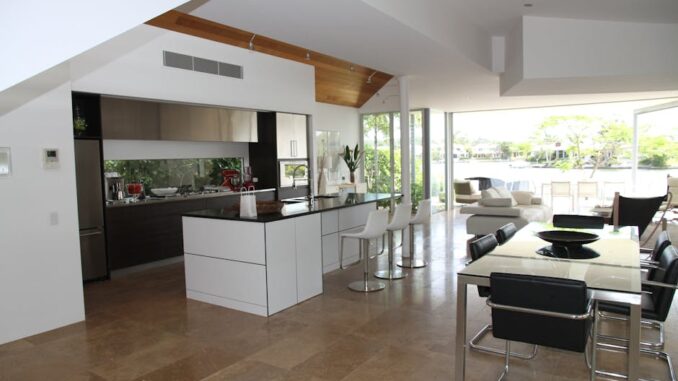

Elevating Your Everyday: Ten Transformative Ideas for Your Orangery Kitchen Extension
Ever dreamt of a kitchen that feels less like a functional space and more like a sun-drenched sanctuary? An orangery kitchen extension might just be the answer you’re looking for. It’s truly a game-changer, beautifully merging the robust warmth of a traditional kitchen with the glorious, light-filled openness of a conservatory. Picture yourself sipping your morning coffee, feeling the sun’s gentle kiss on your face, or perhaps chopping vegetables while bathed in natural light, all with an uninterrupted, panoramic vista of your garden. It’s not just an extension; it’s an entire lifestyle upgrade, I reckon.
But how do you take this fantastic concept and truly make it your own, ensuring it’s not only beautiful but supremely practical too? Well, that’s what we’re diving into today. We’re going to explore ten truly innovative ideas that’ll inspire you to craft an orangery kitchen extension that’s not just a room, but the vibrant, beating heart of your home.
1. Drench Your Space in Light with Strategic Roof Lanterns
There’s something utterly magical about natural light, isn’t there? It lifts your mood, makes colours pop, and just makes a space feel… alive. And when it comes to an orangery kitchen, roof lanterns are your secret weapon for achieving this. Installing these architectural wonders can literally flood your kitchen with an abundant, glorious cascade of natural light, transforming it into the brightest, most welcoming spot in your home.
Think about it: instead of a traditional ceiling, you’ve got these incredible glass structures drawing light in from above, creating a truly airy and expansive feel. It’s not just about illumination, though that’s a huge part of it. It’s also about the sense of volume, the way the light shifts throughout the day, painting different patterns on your walls and floor. Positioning these lanterns thoughtfully, perhaps directly above your central kitchen island or your dining table, isn’t just a design flourish; it enhances both the functionality and the sheer aesthetic joy of these key areas. Imagine preparing a meal under a perpetually changing canopy of light, or gathering for dinner as the sky turns from cerulean to a deep, inky blue above you.
Now, when you’re considering roof lanterns, you’ve got options. You could go for a sleek, contemporary flat-roof lantern, which offers clean lines and a minimalist aesthetic. Or, perhaps a more traditional pyramid or pitched design might better complement your home’s existing architecture, adding a touch of classic elegance. Materials matter too, you know. Aluminium frames are often chosen for their durability and slim sightlines, offering maximum glass area. uPVC can be a cost-effective choice, while timber frames offer a warmth and traditional charm that’s simply unmatched, though they’ll need a little more maintenance over time. And don’t forget the glazing itself! You can opt for self-cleaning glass – a real blessing, let me tell you – or perhaps solar-controlled glass to help regulate temperatures, or even acoustic glass if you’re in a particularly noisy area.
I remember a client in Surrey, a lovely couple, actually. They were a bit hesitant about the cost of two substantial roof lanterns for their new orangery. ‘Is it really worth it?’ they asked. But after installation, they couldn’t stop raving. ‘It’s like a perpetual sunrise in our kitchen!’ the wife exclaimed, ‘It literally changes the way we start our day.’ It really does, the sheer volume of light illuminated their entire kitchen and dining areas so beautifully, creating a vibrant, inviting hub they never wanted to leave. It truly added that ‘wow’ factor they hadn’t quite anticipated, transforming their everyday cooking and dining into something special.
2. Erasing Boundaries with Seamless Indoor-Outdoor Flow: The Magic of Bi-Fold Doors
One of the most compelling reasons to choose an orangery over a standard extension is its inherent connection to the outdoors. And to truly maximise that, you absolutely must consider large format opening doors. Bi-fold doors, in particular, are masters at bridging the gap between your culinary haven and the verdant embrace of your garden, allowing for an incredibly seamless transition that feels utterly luxurious. When those doors are fully open during beautiful weather, your living space doesn’t just expand; it quite literally spills out into the garden. This is simply perfect for entertaining, isn’t it? Imagine a summer barbecue where guests can effortlessly drift between the warmth of your kitchen and the fresh air of the patio, or enjoying an impromptu al fresco meal without having to trek back and forth through a single, narrow doorway.
But bi-fold doors aren’t your only option, and it’s worth exploring the landscape of possibilities. You could opt for sleek sliding doors, which offer vast expanses of glass and tuck neatly behind one another when open, giving you maximum uninterrupted views. Or, for a more classic, perhaps a little more elegant touch, French doors can be charming, albeit they offer a smaller opening. Each choice brings its own flavour to the party, so think about the aesthetic you’re aiming for.
Material choices are crucial for these doors, just like with roof lanterns. Aluminium is a popular pick for bi-folds because it’s strong, light, and allows for very slim frames, which means more glass and more view. Timber offers a gorgeous natural warmth and can be painted in any colour you like, blending beautifully with both traditional and contemporary homes. And then there’s uPVC, often a more budget-friendly option, providing decent thermal efficiency and low maintenance.
Security, of course, is paramount. Modern bi-fold and sliding doors come with sophisticated multi-point locking systems and toughened glass, so you can have that open, airy feel without compromising on safety. Energy efficiency is another big one; look for doors with excellent U-values to ensure your orangery stays comfortable year-round, keeping those heating bills in check during the cooler months. And let’s not overlook the threshold design. A flush threshold, where the floor inside and outside are at the same level, truly eliminates any barrier, creating that sought-after seamless flow. Believe me, you won’t want to trip over a step every time you go outside, especially with a tray of drinks!
A family I know in Manchester, they installed a beautiful set of charcoal grey bi-fold doors in their orangery. Their garden used to feel disconnected, almost like a separate entity. Now, it’s just an extension of their kitchen. Their kids literally run in and out, playing, and the whole space feels so open and airy, it’s a revelation. They told me ‘It’s like our kitchen grew wings!’ And frankly, I couldn’t agree more; it’s exactly how it felt to me when I visited. That blurred boundary between inside and out? Pure genius.
3. The Heartbeat of Your Home: Crafting a Central Kitchen Island
If the orangery is the soul of your extension, then the kitchen island is undoubtedly its beating heart. It’s more than just a big slab of countertop; it’s a multi-faceted hub, a focal point that anchors the entire space. A well-designed central kitchen island instantly offers a fantastic expansion of your workspace, which, let’s be honest, we can never have enough of in a kitchen. But it’s so much more than just extra counter space; it’s a storage powerhouse, a casual dining spot, and a magnet for social interaction.
Let’s really dig into the functions. An island can be a dedicated prep zone, with a built-in chopping board and maybe even a small prep sink. It could house your hob, transforming cooking from a back-to-the-wall activity into a social performance. Imagine stirring a risotto, chatting with guests perched comfortably on bar stools. Speaking of stools, incorporating seating around the island creates a wonderfully informal dining area – perfect for quick breakfasts, school homework sessions, or just a spot for friends to gather, wine glass in hand, while you’re putting the finishing touches on dinner. It’s truly brilliant for drawing people into the kitchen without them getting under your feet.
When you’re planning your island, size and shape are crucial. Too big, and it can overwhelm the space and impede traffic flow. Too small, and it loses its impact and functionality. Think about the ‘working triangle’ – the relationship between your sink, hob, and fridge. Your island should enhance, not disrupt, this crucial ergonomic flow. Rectangular islands are common, but don’t shy away from L-shaped or even curved designs if your space allows and your aesthetic leans that way. These shapes can add a real sense of bespoke luxury and interesting visual dynamics.
Material choices for your island countertop are another key consideration. Durable quartz, luxurious marble, rustic timber, or even sleek stainless steel – each material brings its own texture, colour, and maintenance requirements. Complementing or contrasting it with your main kitchen countertops can create visual interest. And above all, don’t forget the lighting! Pendant lights hanging elegantly above the island don’t just provide task lighting; they’re also a massive design statement, drawing the eye and defining the space. And for goodness sake, make sure you plan for power outlets! Charging phones, running a blender, using a laptop – an island without power is a missed opportunity, trust me on that one.
I recall a couple in Bristol who truly made their island the nexus of their home. Their orangery was beautiful, but the island? That was the star. It was a huge, magnificent piece, with an integrated hob, a sink, and enough seating for their entire family of five. ‘It’s where everything happens,’ the husband told me with a proud grin. ‘Homework, cooking lessons, evening drinks, even just laying out the post for the day.’ It wasn’t just furniture; it was truly the beating heart of their bustling family life.
4. Embracing Tomorrow: Integrating Modern Technology into Your Kitchen
In our increasingly connected world, ignoring the power of modern technology in your kitchen, especially in a brand-new orangery extension, would be a real oversight. This isn’t just about flashy gadgets; it’s about enhancing functionality, boosting convenience, and creating an ambiance that truly elevates your everyday experience. Think of it as crafting a smarter, more responsive space that adapts to your needs.
Let’s talk specifics. Integrated lighting systems are a fantastic starting point. Forget flipping switches; imagine lights that can adjust their brightness and colour temperature throughout the day, automatically, or at your command. Warm, inviting tones for evening meals, bright, crisp light for detailed prep work. Smart lighting can also be controlled remotely, dimmed with a voice command, or even set to specific ‘scenes’ – say, ‘dinner party’ or ‘morning coffee.’ And while we’re on ambiance, built-in sound systems are a must, aren’t they? Discreet speakers integrated into the ceiling or cabinetry can fill your orangery with your favourite music, podcasts, or the radio, providing entertainment without cluttering your countertops with ugly speakers. You could even have different zones, playing mellow jazz in the dining area and a lively pop playlist in the cooking zone.
But we can go further. Voice assistants like Alexa or Google Assistant, seamlessly integrated, can help you with recipe conversions, set timers while your hands are covered in flour, or even add items to your shopping list. Smart appliances are becoming incredibly sophisticated too. Ovens you can preheat from your phone on your commute home, fridges that tell you when you’re running low on milk, or even coffee machines that brew your morning cup before you’ve even stepped out of bed. These aren’t just novelties; they’re genuine time-savers and convenience boosters.
And what about the often-overlooked details? USB charging ports integrated into your island or cabinetry mean no more hunting for wall sockets. Underfloor heating, controlled via a smart thermostat, ensures your light-filled orangery remains wonderfully cosy even on the chilliest winter days. Planning for this tech infrastructure early in the design phase is crucial. You’ll want to think about data cabling, power points, and speaker wiring before the plasterboard goes up, not after! It saves a lot of hassle and ensures a sleek, integrated finish rather than an afterthought of trailing wires.
I once helped a tech-savvy homeowner in London outfit his orangery, and it was quite the project! He had everything: smart blinds, a hidden projector that dropped down from the ceiling for movie nights, an induction hob that communicated with his extractor fan. He even had a sensor that automatically turned on subtle floor lighting if he got up for a midnight snack. He told me ‘It’s not about being lazy, it’s about making my life smoother, and honestly, a lot more fun.’ And you know what? He was absolutely right. It felt less like a kitchen and more like a command centre for culinary delight and comfortable living. It felt truly futuristic, and honestly, a little bit like living in a luxury hotel.
5. The Enduring Elegance of a Monochrome Colour Palette
Sometimes, simplicity is the ultimate sophistication, and nowhere is that more evident than in the enduring appeal of a monochrome colour scheme for your orangery kitchen. If you’re aiming for a sleek, contemporary look that feels both utterly timeless and incredibly chic, this palette is a true winner. It strips away visual clutter, allowing the architecture, the light, and the quality of your finishes to truly shine.
When we talk ‘monochrome,’ most people jump straight to stark black and white, and yes, that’s a stunning, high-contrast option. Imagine crisp white walls and countertops paired with bold black window frames, kitchen cabinetry, and perhaps a dramatic black island. This pairing creates a striking visual dynamic that’s undeniably modern and incredibly impactful. But monochrome isn’t just about black and white; it’s about using varying shades and tones of a single colour, or a tightly curated family of colours. Think sophisticated greys – from palest dove grey to deepest charcoal – perhaps mixed with muted creams or off-whites. This approach offers a softer, perhaps more atmospheric monochrome, creating layers of subtle depth rather than sharp contrast.
One of the beauties of a monochrome palette is its versatility. It provides a neutral, elegant canvas that you can easily update or infuse with personality through textures and accent pieces. You can introduce warmth through natural wood elements – perhaps a timber dining table, or wooden flooring that grounds the space. Soften the edges with luxurious fabrics in your seating area, or incorporate textural elements like exposed brick, a rough-hewn concrete countertop, or even woven bar stools. These textures become even more pronounced and appreciated within a monochrome setting, preventing the space from feeling cold or sterile.
And if you ever feel the need for a pop of colour? A monochrome kitchen is the perfect stage for it! A vibrant bowl of fruit, a colourful piece of art, a collection of bright cookbooks, or a stunning vase of fresh flowers can instantly inject personality without clashing or overwhelming the calm sophistication. The beauty is you can change these accents with the seasons or your mood, keeping your kitchen feeling fresh and dynamic without a major renovation.
An interior designer friend of mine in Edinburgh, she absolutely nailed this for a client’s orangery. The existing space was quite traditional, a bit fussy actually. She stripped it back, opting for deep charcoal cabinetry, a pristine white quartz island, and then used black steel frames for the windows and roof lantern. The result? A breathtaking transformation into a stylish, almost gallery-like culinary haven. She later told me, ‘It’s all about making those subtle differences count, letting the materials speak. Monochrome lets you do that beautifully.’ And she was right; the space felt utterly luxurious, calm, and incredibly inviting, all at once.
6. The Art of the Perfect Fit: Incorporating Bespoke Joinery
When you’re investing in an orangery kitchen extension, you’re creating a unique space, so why settle for off-the-shelf cabinetry that might not quite fit, or worse, doesn’t truly reflect your personal style? This is where bespoke joinery truly shines. It’s not just about getting exactly what you want; it’s about crafting a kitchen that’s perfectly tailored to your specific needs, your unique preferences, and the exact dimensions of your space. Bespoke pieces aren’t just functional; they’re works of art that inject incredible character and elevate the functionality of your entire kitchen.
Think about it: standard kitchen units come in standard sizes, with standard configurations. But what if you have an awkward corner, a specific appliance you want to integrate seamlessly, or a collection of items that require unique storage? That’s where a skilled joiner becomes your best friend. From handcrafted cabinetry that extends right up to your ceiling, maximising every inch of vertical space, to unique shelving units that showcase your personality, bespoke solutions offer unparalleled flexibility and precision.
Let’s brainstorm some possibilities, shall we? Imagine a hidden pantry, perfectly integrated into a wall, that swings open to reveal shelves laden with your favourite ingredients. Or a custom-built wine rack, designed to fit a specific alcove. Perhaps a spice rack built into the back of a cupboard door, or pull-out units designed specifically for oils and condiments next to your hob. How about integrated seating nooks with clever storage underneath, or bespoke radiator covers that blend seamlessly into your décor, rather than standing out as an eyesore? These are the kinds of thoughtful details that bespoke joinery brings to the table, making your kitchen not just beautiful, but incredibly efficient and intuitive to use.
The materials you choose for your joinery also play a huge role. Solid oak, walnut, or even painted tulipwood can create stunning results, offering durability and a tactile warmth that mass-produced units often lack. Working with a good joiner is key here. They’ll not only bring their craftsmanship but also their experience, offering design insights you might not have considered, helping you balance aesthetics with practicality.
I recall a family in York, with four energetic kids, they really struggled with storage. Their old kitchen was a chaotic mess of overflowing cupboards. When they extended with an orangery, they brought in a local carpenter. He created custom storage solutions that were just genius: a walk-in larder disguised as a regular cupboard, deep drawers for pots and pans, a bespoke unit for their endless collection of board games, and even a secret compartment for their charging station. ‘It’s like our kitchen finally exhaled,’ the mum told me, ‘Everything has its place now, and it actually looks stylish!’ It was amazing to see how much space and style they maximized, all thanks to that thoughtful, custom approach. My own kitchen, sometimes I wish I’d gone more bespoke, you know, for those oddly shaped items that just never quite fit. So, don’t make my mistake!
7. Elevating the Ceiling: The Impact of a Multi-Width Roof Lantern
While we’ve already sung the praises of roof lanterns for their light-bringing prowess, let’s zoom in on a particular variation that can truly transform the architectural personality of your orangery kitchen: the multi-width roof lantern. This isn’t just about throwing more glass at the problem; it’s about intentional design, creating visual interest, and strategically enhancing the sense of space and light in specific zones within your open-plan layout.
Imagine your orangery isn’t just one long rectangle, but a space with distinct areas – a cooking zone, a dining area, maybe a cosy lounge corner. A multi-width roof lantern can visually segment and define these spaces from above. For instance, you might have a narrower lantern running over your main kitchen prep area, then a significantly wider section expanding dramatically over your dining table. This creates an almost ‘cathedral’ effect, drawing the eye upwards, making the dining area feel incredibly grand and open, while the adjacent kitchen might feel a touch more intimate and focused. It’s a clever trick of the light and architecture, isn’t it?
This architectural differentiation isn’t just for show. It maximises light precisely where you need it most. That wider lantern over your dining area ensures it’s bathed in glorious sunlight during the day, making every meal feel like a special occasion. It also creates a powerful design statement, turning a functional element into a stunning focal point. You’re not just adding a window to the sky; you’re crafting a ceiling that’s dynamic and engaging, rather than static and flat.
Of course, a multi-width lantern means more complex structural considerations, so it’s essential to work with experienced designers and builders who understand how to properly support these larger, more intricate structures. The visual impact, however, is well worth the extra planning. It adds a luxurious layer of sophistication that single-width lanterns, while still lovely, simply can’t achieve. It’s like having a bespoke skylight designed specifically to highlight the most important parts of your room, making your space feel truly unique and thoughtfully curated.
There was this homeowner in Cambridge who really understood this. Their orangery was quite large, encompassing both kitchen and dining. Instead of one uniform lantern, they designed it with a magnificent, extra-wide roof lantern precisely above the dining table. It immediately became the showstopper. ‘When the sun streams through that wide lantern, it just elevates every meal,’ she told me, ‘It’s more than just a dining area; it’s a bright, inviting haven where we connect as a family.’ And you know, seeing it, I completely agreed. It was a brilliant move, transforming a functional space into a focal point of family life, all thanks to that clever bit of architectural flair.
8. Harmonising with History: Matching Frame Colours to Your Home’s Exterior
An orangery, while a distinct addition, should ideally feel like a natural extension of your home, not an afterthought bolted on. One of the most effective, yet sometimes overlooked, ways to achieve this seamless integration is by carefully selecting frame colours that perfectly complement your home’s existing exterior. It’s about visual harmony, a gentle nod to the past while embracing the present, ensuring your orangery enhances, rather than detracts from, your property’s overall charm and curb appeal.
This isn’t just about matching the natural stone of a Georgian property, although that’s certainly a fantastic starting point. Think broader. Does your house feature classic red brick, or perhaps a modern, rendered finish? Do your existing windows have a particular colour frame? What about your roof tiles? All these elements contribute to your home’s unique palette, and your orangery frames should ideally pick up on these cues. For example, if your home has warm, rustic brickwork, a dark green or even a subtle cream frame might blend beautifully, creating a softer transition than a stark black or grey. Conversely, a contemporary grey rendered house would probably look incredibly sharp with anthracite grey frames, creating a unified, modern aesthetic.
Popular frame colours, like the ever-stylish anthracite grey, deep heritage green, or classic black, are popular for good reason; they tend to complement a wide range of architectural styles. But don’t be afraid to explore. Sometimes a bespoke colour, chosen from a professional colour chart, will be the perfect, subtle match. It’s about making a deliberate choice that says, ‘This orangery was always meant to be here.’ The goal is to make the new structure feel as though it has always been a part of the original building, creating a cohesive and harmonious visual narrative. This thoughtful approach really speaks to the quality and longevity of the design. It’s the difference between a house with an extension, and a truly enlarged, more complete home.
I remember a lovely couple in Bath, their home was this stunning Georgian townhouse, all honey-coloured Bath stone, utterly beautiful. When they decided on an orangery, they took great pains to select a frame colour that precisely matched the stonework, a sort of pale cream with just a hint of warmth. And honestly, it was remarkable. The orangery didn’t just sit next to the house; it genuinely flowed from it, like it had always been part of the original design. It really felt like a natural extension, not just physically, but aesthetically too. It’s these subtle, thoughtful details that truly elevate a project from good to absolutely outstanding, don’t you think?
9. The Blueprint for Success: Planning Your Layout with Precision
Ah, the layout! This is probably one of the most critical stages in designing your orangery kitchen. All the beautiful finishes, the natural light, the bespoke joinery – none of it truly matters if the space isn’t functional and comfortable to live in day-to-day. Thoughtful planning of your orangery kitchen layout ensures that every inch of the space works hard for you, creating a harmonious flow that makes cooking, dining, and socialising an absolute joy. It’s like choreographing a dance; every step, every movement needs to be considered for grace and efficiency.
First things first: revisit the classic ‘kitchen triangle.’ That’s the imaginary line connecting your sink, hob, and fridge. This triangle should be efficient, allowing you to move easily between these three high-use areas without unnecessary steps or obstructions. It’s the ergonomic backbone of any well-designed kitchen. But in an open-plan orangery, you’re often dealing with more than just that triangle.
Consider zoning. Break down your space into distinct functional areas: the prep zone, the cooking zone, the cleaning zone, the dining area, and perhaps even a social lounge zone. How do these zones interact? Will people naturally flow from the dining table to the sofa, or from the cooking area to the garden? Think about traffic flow. You don’t want the main pathway to the garden cutting right through your main prep area, do you? That’s just an accident waiting to happen, or at least, an irritating bottleneck.
Placement of appliances is crucial too. Where will your oven go? Is the dishwasher conveniently located next to the sink? Where will the coffee machine live, and does it have a dedicated spot with power? Don’t forget storage. Ample, well-organised storage is the secret to a tidy, calm kitchen. Think about pantry space, drawers for cutlery and utensils, cupboards for crockery, and perhaps even dedicated bins for recycling. And of course, comfortable seating areas – not just for dining, but for relaxing – are paramount in an orangery. You want to encourage people to linger and enjoy the light.
Beyond current needs, try to anticipate future ones. Are you planning a family? Do you entertain frequently? Will the orangery serve multiple purposes, perhaps a home office during the day and a dining room by night? These considerations will influence everything from the placement of power points to the choice of flooring materials. Working with a professional kitchen designer is, I’d say, almost non-negotiable at this stage. They bring expertise, can spot potential pitfalls you might miss, and often have innovative solutions you hadn’t even dreamed of. They’ll help you avoid common mistakes like insufficient counter space, poor lighting, or a layout that just feels awkward and inefficient.
I remember a family in Liverpool who came to me with a layout nightmare from a previous renovation. Their old kitchen was just a mess; the fridge was miles from the hob, the dishwasher blocked the pantry when open, it was just… frustrating. For their orangery, we worked meticulously with a designer. We drew endless floor plans, mocked up pathways, even used masking tape on the floor to visualise where everything would go. The result? A space that perfectly suited their bustling family life, incredibly intuitive, and honestly, a joy to move around in. They later told me, ‘It’s the first kitchen where we don’t trip over each other!’ And that, to me, is the true mark of a successful layout.
10. Mastering the Light: Adding Roof Blinds to Control Glare
While we absolutely adore the abundance of natural light that a roof lantern brings to an orangery kitchen, there’s a delicate balance to strike. Sometimes, too much of a good thing can, well, be too much. On those scorching summer days, or during certain times of the year when the sun sits low and directly overhead, that glorious sunshine can quickly turn into uncomfortable glare and unwelcome heat. This is where roof blinds become not just a luxury, but a true necessity, allowing you to master the light and truly control the comfort of your orangery.
Roof blinds are brilliant for several reasons. Firstly, they effectively reduce glare, making it easier to read a recipe on your tablet, watch TV, or simply enjoy a conversation without squinting. Secondly, and critically, they help regulate temperature. By blocking direct sunlight, especially during peak hours, they can significantly reduce heat gain in the summer, keeping your orangery wonderfully cool. Conversely, in the winter, they can act as an additional layer of insulation, helping to retain warmth and, consequently, reduce your heating bills. Thirdly, they offer privacy when you need it, particularly in the evenings, and provide excellent UV protection for your furniture, flooring, and fabrics, preventing fading over time. Finally, they contribute to the overall ambiance, allowing you to adjust the mood of the room from bright and airy to soft and intimate with the touch of a button.
You’ve got a few choices here when it comes to types and operation. Integrated blinds, built directly into the roof lantern structure, offer the sleekest look. Motorised blinds, operated by a remote control or even integrated into your smart home system, are incredibly convenient – no more struggling to reach high windows. Manual options are available too, often operated with a long pole, which can be a more budget-friendly choice. As for materials and opacity, you can choose from translucent fabrics that filter light gently, to blackout blinds that offer maximum light control for those really bright days or for creating a cinematic experience.
When it comes to aesthetics, choosing blinds in a colour that either matches your ceiling or complements your overall colour scheme will maintain that cohesive, polished look. You don’t want them to stand out as an afterthought, do you? Think about how they integrate into the design when retracted – do they disappear neatly, or are they still visible? These are the details that matter.
I vividly remember a homeowner in Birmingham who had just completed her stunning orangery. It was beautiful, truly. But that first summer, she found herself retreating from the space by midday. ‘It’s glorious, but it’s like a furnace!’ she lamented. We installed some beautifully integrated, remote-controlled roof blinds in a soft, neutral tone. The transformation was immediate. She could open them wide for the morning sun, close them partially to cut the midday glare, or fully retract them for evening stargazing. ‘Now,’ she told me with a huge smile, ‘I can actually live in my orangery, comfortably, at any time of day!’ It just goes to show, sometimes the simplest solutions make the biggest difference in day-to-day enjoyment.
Crafting Your Dream Orangery Kitchen
Bringing an orangery kitchen extension to life is an exciting journey, a chance to truly redefine how you live and interact with your home. It’s an investment, yes, but one that pays dividends in comfort, light, and sheer joy. By thoughtfully incorporating these ten ideas, from harnessing the power of roof lanterns to the precision of bespoke joinery and the smart control of technology and blinds, you’re not just building an addition; you’re crafting a space that’s both profoundly functional and aesthetically breathtaking.
Whether your heart yearns for a modern minimalist sanctuary or a more traditional, warmly inviting hub, the inherent versatility of an orangery design offers endless possibilities. It truly enhances your home, providing a bright, airy, and incredibly versatile living area that will quickly become the family favourite. So, take these ideas, let them percolate, and embark on the adventure of creating a space where every meal, every gathering, and every quiet moment feels just a little bit more special. You won’t regret it.
Be the first to comment