
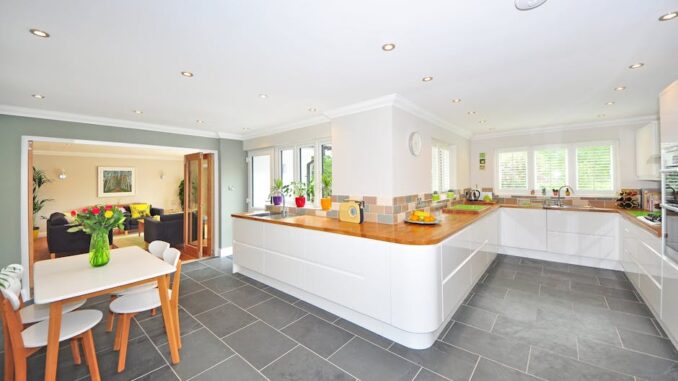

Crafting Your Dream Orangery Kitchen: A Comprehensive Guide to Design and Functionality
Imagine a space in your home where sunlight streams in, warming the polished floor, the scent of freshly brewed coffee mingling with the faint aroma of herbs from your indoor garden. This isn’t just a daydream, you know; it’s the very real potential of an orangery kitchen extension, a truly transformative addition that seamlessly blurs the lines between indoor comfort and outdoor serenity. We’re talking about creating a heart for your home that’s not only breathtakingly beautiful but also incredibly functional and adaptable.
Forget those stuffy, dark kitchens of yesteryear. An orangery brings light, air, and an expansive feel, fostering a bright, spacious hub that encourages gathering and living. By thoughtfully weaving in elements like generous glazing, smart layouts, and a keen eye for design, you can sculpt an environment that absolutely sings, delivering both practicality and undeniable aesthetic appeal.
Ready to dive in? Let’s explore ten detailed ideas to spark inspiration for your own incredible orangery kitchen extension. These aren’t just bullet points; they’re springboards for creating a space that truly reflects your lifestyle and elevates your everyday living.
1. Maximize Natural Light with Strategic Roof Lanterns: Let the Sunshine In
One of the most defining characteristics, and arguably the greatest appeal, of an orangery is its ability to bathe your interior in natural light. And how do we supercharge this effect? With a magnificent roof lantern, of course. Installing one of these beauties isn’t just about illuminating the room; it’s about transforming the entire atmosphere. It floods your kitchen with an almost ethereal glow, making the space feel incredibly airy and boundless.
More Than Just a Window to the Sky
Think about it: a well-placed roof lantern isn’t just a hole in the ceiling. It’s a striking architectural feature, drawing the eye upwards and adding significant character. A central roof lantern, for instance, can become the focal point of your kitchen, anchoring the entire design and enhancing the room’s overall ambiance. Imagine a soft morning light filtering down onto your breakfast bar, or the quiet glow of twilight illuminating your evening meals. It’s truly magical.
Types and Materials to Consider
Roof lanterns come in various styles: fixed, which are purely for light; ventilating, allowing fresh air in at the touch of a button (or a twist of a pole); and more complex pyramidal or flat-roof designs. You’ve got choices in materials too – sleek aluminium offers slim sightlines and modern aesthetics, timber provides warmth and a classic feel, while uPVC is a more budget-friendly option. I’ve seen some absolutely stunning projects where the homeowners matched the external aluminium frames of the lantern to their bi-fold doors, creating a really cohesive, contemporary look.
Beyond Illumination: The Hidden Perks
Beyond simply brightening the room, roof lanterns offer other advantages. Many modern designs boast high-performance glazing, effectively insulating against heat loss in winter and excessive heat gain in summer. Some even come with integrated blinds or smart controls, letting you manage light and ventilation effortlessly. And for those of us who love a bit of stargazing, a clear night sky viewed from the comfort of your kitchen table is an unexpected, delightful bonus.
2. Cultivate Connection: The Open-Plan Kitchen-Diner
Ah, the open-plan kitchen-diner – a true stalwart of modern living, wouldn’t you say? Combining your kitchen and dining areas into one flowing space isn’t just a trend; it’s a lifestyle choice that absolutely fosters a sense of togetherness. An orangery extension is honestly the perfect canvas for this, providing that coveted light-filled, expansive environment that practically begs for social interaction.
The Heart of the Home, Reimagined
This layout is ideal, truly, for bustling families where busy parents can keep an eye on homework while whipping up dinner, or for those who simply adore entertaining guests without being relegated to a separate, isolated kitchen. You’re part of the action, you’re involved, and the conversations just flow. Think of countless dinner parties where you’re mixing cocktails and chatting with friends all at once, instead of shouting through a doorway. Pure bliss, right?
Navigating the Nuances of Open-Plan Living
While the benefits are huge, it’s fair to say open-plan living isn’t without its considerations. Noise can travel, cooking smells need managing, and a perpetually tidy space is, well, a dream for most of us. But don’t despair! Solutions abound. Powerful, recirculating extractor fans are a non-negotiable, truly. And for tidiness, clever storage solutions and a dedicated ‘drop zone’ for keys and mail can make all the difference.
Also, consider how you’ll zone the space. While open, you can still define areas using lighting, furniture placement (a rug under the dining table works wonders), or even subtle changes in flooring. I remember a client who used different ceiling heights over the kitchen and dining areas to subtly delineate them; it was very clever indeed.
3. Embrace the Outdoors: Bi-Fold or Sliding Doors
If you’re going to create a light-filled orangery, why not fully embrace that indoor-outdoor connection? Installing bi-fold or sliding doors along the garden-facing wall isn’t just a design choice; it’s a declaration of intent. You’re creating a literal, seamless bridge between your kitchen and the great outdoors.
Bi-Folds vs. Sliders: A Modern Dilemma
Both options offer fantastic natural light and views, but they work differently. Bi-fold doors fold back concertina-style, stacking neatly to one or both sides, creating a truly expansive, almost full-width opening. It’s like your wall just… disappears. Sliding doors, on the other hand, glide effortlessly along a track, allowing for large, uninterrupted panes of glass, often creating a ‘wall of glass’ effect when closed. They offer less of an open aperture but can feel incredibly sleek and modern. It’s really down to whether you prioritise maximum opening or maximum uninterrupted glass when closed.
Material Matters and Glazing Gains
Again, aluminium is a popular choice for its slim frames and strength, allowing for larger glass panels. Timber offers warmth, while uPVC is a more cost-effective option. Critically, don’t skimp on the glazing. Double-glazing is standard, but triple-glazing can offer superior thermal performance. Look for low-emissivity (low-E) coatings and argon gas fills to further enhance insulation, ensuring your beautiful extension isn’t freezing in winter or sweltering in summer. Solar control glass can also be a lifesaver in south-facing extensions, mitigating excessive heat gain.
The Seamless Threshold and Security
For that truly seamless transition, a flush threshold is key, allowing you to walk from kitchen to patio without a trip hazard. It really elevates the feeling of connection. And, of course, security is paramount. Modern bi-fold and sliding doors come with sophisticated multi-point locking systems, ensuring your beautiful new space is safe and sound. Picture throwing open those doors on a warm evening, the gentle breeze wafting through, guests spilling out onto the patio. It’s perfect for summer gatherings, isn’t it?
4. The Kitchen Island: Your Multi-Tasking Marvel
Few elements define a modern kitchen more than the central island. In an orangery kitchen extension, it’s not just an afterthought; it’s an absolute cornerstone, a multi-functional powerhouse that serves as both a primary workspace and an indispensable social hub.
Beyond Just a Countertop
Let’s be real, a good island provides so much more than just extra surface area. It offers invaluable additional storage, freeing up perimeter cabinetry for other uses. It’s a fantastic preparation space for chopping, mixing, and baking. You can even integrate a hob, transforming it into a dynamic cooking zone, or a sink for convenient washing up. And, crucially for that open-plan vibe, it can easily accommodate seating, making it ideal for casual breakfasts, homework sessions, or just a friendly chat over a cuppa.
Size, Placement, and Practicalities
Positioning your island thoughtfully is key. If you can place it under a roof lantern, the light and openness will be further amplified. But don’t forget practicalities! Ensure you’ve got ample clearance around it – I generally advise at least 90-100cm for comfortable traffic flow and easy opening of appliance doors.
Consider the materials too: quartz and granite are durable and luxurious, timber adds warmth, and even concrete can provide an industrial-chic edge. Integrated appliances like a wine fridge or a microwave drawer can elevate convenience, and for goodness sake, don’t forget the electrical outlets! Pop-up sockets or hidden charging stations are an absolute game-changer. And, aesthetically, don’t forget the lighting above. Pendants can define the space beautifully, while recessed spotlights offer focused task lighting.
5. The Power of Contrast: A Monochrome Color Palette
Sometimes, simplicity is the ultimate sophistication, and nowhere is this more evident than in a monochrome color palette. Opting for a black and white (or perhaps deep charcoal and brilliant white) scheme offers a contemporary yet utterly timeless aesthetic. It’s bold, it’s clean, and it allows other elements, like the view outside, to truly shine.
Striking Balance and Visual Drama
Imagine: dark-framed windows and doors, perhaps in a chic anthracite grey, paired with crisp, light-colored countertops and flooring. This creates a striking contrast that is both incredibly sophisticated and stylish. It’s a design choice that speaks volumes without shouting. You’re creating visual drama, a sense of depth, and a canvas that easily adapts to changing trends through accessories.
Adding Warmth and Texture
But monochrome doesn’t have to mean cold or stark, not at all! That’s a common misconception. You can introduce warmth and texture through natural materials: think an oak dining table, woven bar stools, or perhaps some carefully chosen botanical prints. Metallic accents like brushed brass taps or copper pendant lights can add a luxurious touch, reflecting light and breaking up the dominant hues. The interplay of matte and gloss finishes also adds interest – say, a matte black island against high-gloss white cabinets. It’s all about creating subtle layers within the strong visual framework.
6. Elevating Entertainment: The Butler’s Station or Cocktail Bar
Let’s be honest, in a truly social kitchen, having a dedicated spot for drinks or morning brews is a game-changer. Adding a butler’s station or a bespoke cocktail bar within your orangery extension isn’t just a luxury; it’s a smart enhancement that significantly boosts functionality and brings a touch of genuine elegance to your home.
Beyond a Simple Cupboard
Think about it: this isn’t just about stashing bottles. A well-designed butler’s station can be a coffee connoisseur’s dream, complete with a plumbed-in machine, mug storage, and even a dedicated hot water tap. Or, it transforms into a sophisticated cocktail bar for evening entertaining, featuring specialized shelving for spirits, integrated wine or beer fridges, an ice maker, and all the necessary accoutrements.
It removes clutter from your main kitchen work zones, creating a smoother flow when you’re hosting. I once designed a client’s orangery kitchen where we integrated a ‘secret’ bar behind pocket doors; it was hidden away during the day, then swung open to reveal a beautifully lit bar in the evening. It was a proper ‘wow’ moment.
Design and Placement
Placement is key. Consider a discreet corner, adjacent to your dining area, or even within a run of bespoke cabinetry. Design elements can include built-in shelving, integrated lighting (LED strips work wonders here), and countertops that either match your main kitchen or offer a deliberate, luxurious contrast. It’s about creating an inviting, designated space that makes guests feel pampered and elevates your entertaining game.
7. Seamless Integration: Matching Frame Colors to Your Home’s Exterior
When adding an extension, you want it to look like it’s always been there, or at least like it belongs, right? Choosing frame colors that complement your home’s existing exterior is a crucial, yet often overlooked, detail for ensuring your orangery extension blends seamlessly with the rest of your property.
Harmony or Deliberate Contrast?
While matching can create a harmonious, understated look – for example, pairing the frames with natural stone or brickwork – sometimes a deliberate contrast can also be incredibly effective. A period property with a modern, dark-framed orangery can create a striking architectural statement that respects both old and new. It’s a design decision that requires careful consideration of your home’s existing character and your desired aesthetic.
Material-Specific Considerations
Popular choices include classic white for a timeless feel, or the ever-popular anthracite grey for a contemporary edge. Black offers bold sophistication, and natural timber frames can lend a rustic charm that softens the overall look. The material of your frames also plays a role: aluminium offers the widest array of powder-coated colors, timber can be painted to virtually any shade, and uPVC has a more limited, but still comprehensive, palette.
Don’t forget the inside! While the exterior frame might match your house, the interior frame color can be chosen to complement your kitchen’s interior scheme. It’s about thinking about the extension as the ‘fifth elevation’ of your home and ensuring all elements work together cohesively.
8. Precision Planning: The Art of the Thoughtful Layout
This is perhaps the most crucial step, truly. No matter how beautiful your materials or how stunning your roof lantern, if the layout doesn’t work, the whole space falls flat. Strategically planning the layout of your orangery kitchen extension is absolutely paramount for both functionality and daily liveability.
The Working Triangle and Beyond
Remember the classic ‘working triangle’ – the ergonomic path between your fridge, sink, and hob? It’s still a valid starting point, ensuring efficient movement for cooking. But in a modern open-plan orangery, you’re often designing for more than just cooking. You’re carving out specific zones: a dedicated cooking and prep zone, a cleaning zone, a comfortable dining zone, and perhaps even a cosy relaxation nook. Each area needs to serve its purpose effectively while contributing to an open and inviting atmosphere.
Traffic Flow and Ergonomics
Think about traffic paths: where will people walk to get from the garden to the fridge? From the dining area to the coffee station? Ensure these routes are clear and unobstructed. Consider ergonomics too – optimal counter heights, sensible appliance placement (oven at eye-level, anyone?), and plenty of accessible storage.
Don’t shy away from seeking professional advice here; architects and experienced kitchen designers are worth their weight in gold for their ability to visualize flow and anticipate potential pitfalls. Often, a 3D render helps immensely, letting you ‘walk through’ your proposed design before a single brick is laid. You want a space that feels intuitive, not one you have to constantly navigate around, don’t you?
9. Future-Proofing Your Comfort: Energy-Efficient Features
There’s no point having a stunning orangery kitchen if you’re shivering in winter or sweltering in summer. Ensuring your extension is energy-efficient isn’t just about saving money on bills; it’s about making the space genuinely enjoyable year-round, without those worrying temperature fluctuations.
Smart Glazing for All Seasons
This is where high-performance glazing truly shines. Look for glass with low U-values, which measure how well a material prevents heat from escaping. Features like argon gas fills between panes and low-E coatings dramatically improve insulation. For south-facing extensions, solar control glass can reflect much of the sun’s heat, keeping things cool. It’s a bit more upfront cost, yes, but the long-term comfort and savings are undeniable.
Insulation from Top to Bottom
Beyond the glass, robust insulation in the roof, walls, and floor is non-negotiable. Modern insulated roofing systems for orangeries are incredibly effective, preventing heat loss. Underfloor heating, whether electric or a wet system, provides a luxurious, even warmth that traditional radiators simply can’t match, freeing up wall space too. And consider mechanical ventilation with heat recovery (MVHR) systems, which extract stale air while retaining its heat and transferring it to fresh, incoming air – genius, really. These elements contribute to a comfortable, sustainable environment, keeping you cosy when the rain lashes against the windows and cool when the sun beats down.
10. The Best of Both Worlds: Blending Traditional and Modern Elements
One of the most exciting aspects of designing an orangery kitchen is the opportunity to play with styles. You don’t have to pick one lane – ‘modern’ or ‘traditional’ – and stick to it rigidly. Instead, blending the two can create a truly unique, characterful, and undeniably timeless design, what we often call ‘transitional.’
A Dance of Opposites
Think about it: combining the solid, comforting gravitas of traditional features, like a robust brick base, classic Shaker cabinetry, or warm timber finishes, with the sleek, clean lines of modern elements. This might mean incorporating slim, steel-framed windows, a polished concrete floor, handleless kitchen units, or minimalist pendant lighting. It’s a wonderful dance between the familiar and the fresh.
Intentional Contrasts for Depth
The trick is to make these contrasts intentional, not accidental. You want a cohesive blend, not a muddled mess. Perhaps you pair a rustic farmhouse-style dining table with incredibly contemporary, sculptural dining chairs. Or you might have a classic range cooker sitting proudly within ultra-modern, flat-panel cabinetry. The blend adds layers of character and depth to your orangery kitchen extension, making it a truly standout feature of your home that tells a story.
I recall a project where we used reclaimed timber beams for the ceiling, giving a nod to the home’s historic roots, but then juxtaposed them with sleek, highly reflective gloss white units and a pure black quartz island. The effect was absolutely breathtaking – warm and inviting, yet incredibly current and stylish. It just goes to show, you don’t have to choose; you can have the best of all worlds.
Bringing Your Orangery Dream to Life
By thoughtfully incorporating these ideas, you’re not just building an extension; you’re crafting an experience. An orangery kitchen extension has the incredible potential to enhance your home’s functionality, flood it with light, and elevate its aesthetic appeal to truly remarkable levels. Whether your heart leans towards a sleek, contemporary design or you prefer a more traditional, comforting approach, the possibilities are genuinely endless.
Just remember to keep your personal style at the forefront, consider how it harmonizes with the existing architecture of your home, and, crucially, envision how you truly intend to use the space day-to-day. This considered approach will ensure that your orangery kitchen extension doesn’t just meet your needs, but absolutely surpasses your wildest expectations, becoming the bright, vibrant heart of your home you’ve always dreamed of.
Be the first to comment