

Let’s be real: juggling work, life, and trying to keep the family unit happy and engaged at home can sometimes feel like an Olympic sport. Especially when you’re staring down another rainy weekend or a school holiday with no big plans, the pressure to entertain can build. But here’s a little secret I’ve learned from my own chaotic, wonderful family life: keeping everyone entertained doesn’t have to be a monumental challenge or cost a fortune. In fact, some of the most memorable moments spring from simple, everyday materials and a dash of imagination.
Think about it, our living spaces aren’t just for living; they’re canvases for adventure, laboratories for discovery, and stages for unforgettable performances. With a bit of creativity, a willingness to get a little messy, and an open mind, you truly can transform your home into a vibrant hub of fun, learning, and genuine connection. What if we shifted our perspective from ‘how do I keep them busy?’ to ‘how can we create something special, together?’ That’s where the magic really happens.
Creating a stunning setting for home entertaining.
I’m talking about activities that promise more than just fleeting amusement. We’re aiming for hearty laughter, sparks of curiosity, a bit of healthy competition, and that invaluable quality time that knits a family closer. So, pull up a chair, grab a coffee, and let’s dive into 11 fantastic ideas that will breathe new life into your family’s home routine.
1. Transform Your Living Room into an Epic Indoor Obstacle Course
Who doesn’t love a good challenge, especially one that involves a bit of physical exertion without leaving the comfort of home? An indoor obstacle course is a fantastic way to burn off energy, no matter the weather outside, and it’s surprisingly simple to set up. You’re not just creating a play zone; you’re building a dynamic playground right in your living room.
Getting Started: The Material List
Forget fancy equipment; your house is already full of potential course components. Think outside the box: cushions become stepping stones or elevated platforms, dining chairs turn into tunnels when draped with blankets, and a string or ribbon stretched between two points makes for a perfect ‘laser grid’ to navigate under or over. Got some painter’s tape? It’s brilliant for marking start and finish lines, creating balance beams on the floor, or even ‘hopscotch’ squares. Laundry baskets can be targets for soft toy tosses, while empty cardboard boxes become fun crawl-through sections. Even sofa cushions, artfully arranged, can make for a zig-zag path that challenges agility.
Designing the Course: A Family Collaboration
This isn’t a solo mission, you know. Involve everyone in the design process. Ask the kids what they’d like to see. Maybe a ‘lava pit’ to jump over, a ‘mountain’ to climb (a pile of cushions, naturally), or a tunnel that requires a proper commando crawl. Mapping it out together sparks their imagination from the get-go and ensures they’re invested. Make sure to consider the space you have and, crucially, safety. You want thrills, not spills, so ensure everything is stable and there aren’t any sharp edges or precarious stacks.
Adding Layers of Fun & Learning
Once the course is built, the real fun begins. Introduce timed challenges to see who can complete it fastest, or add specific movement instructions for different sections: ‘crab walk through the tunnel,’ ‘bear crawl across the bridge.’ You can even incorporate learning elements: ‘count how many cushions you step on,’ ‘find the red toy hidden under the blanket.’ And hey, for the adults, why not join in? It’s a fantastic workout and honestly, watching a grown-up try to navigate a blanket tunnel is pure comedic gold. I remember one time, my eldest insisted on a ‘no-hands-allowed’ rule for one section, and watching my husband attempt it was truly a sight! We were all in stitches.
Beyond just burning energy, this activity fosters a ton of valuable skills. Kids develop gross motor skills, problem-solving abilities as they figure out the best way to tackle each obstacle, and creativity in both designing and navigating. Plus, when you team up, it’s a brilliant way to practice communication and teamwork, celebrating each other’s successes along the way. It’s a wonderful reminder that a little imagination can turn the ordinary into the extraordinary.
2. Reignite the Magic with a Family Game Night
Ah, game night. It’s a classic for a reason, isn’t it? In an age dominated by screens, gathering around a table for some good old-fashioned competition and camaraderie feels almost revolutionary. But don’t just dust off the usual suspects; let’s elevate game night into an event everyone looks forward to.
Beyond the Board: A World of Games
Of course, your beloved board games—Monopoly, Scrabble, Ticket to Ride, Catan—are fantastic. But expand your horizons! Card games like Uno, Skip-Bo, or even a simple game of ‘Go Fish’ can be surprisingly engaging. Dice games, charades, and Pictionary are fantastic for larger groups and guarantee plenty of laughs. And if you’re open to it, a carefully curated selection of family-friendly video games (think Mario Kart or Just Dance) can absolutely be part of the fun, teaching hand-eye coordination and strategy, just be mindful of screen time limits. The key is to have a diverse collection that caters to different moods and age ranges. What’s a family favorite in your house?
Curating the Perfect Atmosphere
Transforming game night from a casual affair into a highly anticipated event is all about the little touches. Dim the lights a bit, put on some chill background music (nothing too distracting, obviously), and definitely get those snacks ready! Popcorn, veggie sticks, maybe even some homemade cookies can add to the festive feel. You could even create a fun ‘trophy’ (a decorated tin can, perhaps?) for the winner, or a rotating ‘champion’s hat’ that gets passed around. My kids love it when we introduce a new snack we’ve never had before, it just adds to the specialness of the evening.
Innovate: Create Your Own Games!
Why stick to store-bought when you can invent? Crafting your own family trivia game is a brilliant idea. Include questions about each family member’s favorite color, a memorable vacation moment, or a funny inside joke. You can make it as silly or as challenging as you like. Another idea is a ‘story game’ where each person adds a sentence to a developing tale, or even a customized scavenger hunt within game night, where finding the next clue leads to the next game or a bonus prize. These personalized touches truly make the evening unique and memorable.
The Enduring Benefits
Game night is more than just fun; it’s a powerful tool for development. Kids learn strategic thinking, how to take turns, good sportsmanship (winning graciously and losing with dignity are tough but important lessons!), and patience. Plus, the sheer joy of shared laughter and friendly competition strengthens family bonds in a way few other activities can. It’s a dedicated time to unplug, connect, and just be present with one another. I find it’s when some of the best conversations often happen, too, amidst the clamor and cheers.
3. Unleash Creativity with DIY Craft Projects
If you’re looking for an activity that taps into imagination, encourages self-expression, and leaves you with tangible keepsakes, then DIY craft projects are your go-to. It’s not just about making something pretty; it’s about the process, the learning, and the shared experience.
The Essential Craft Kit: More Than Just Basics
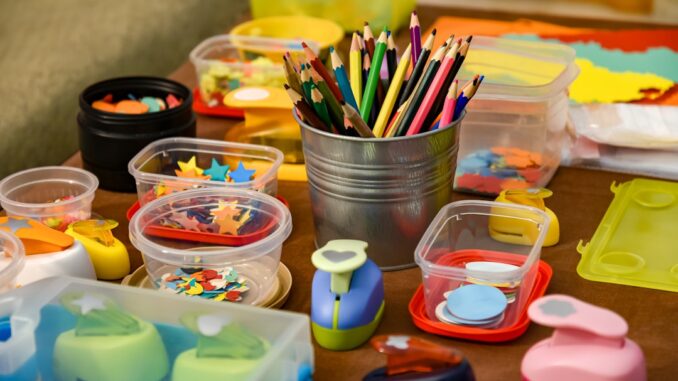
Start with the fundamentals: paper of various colors and textures, a rainbow of markers and crayons, child-safe scissors, and a good bottle of glue. But don’t stop there. Expand your arsenal with pipe cleaners, googly eyes, glitter (if you dare!), cotton balls, yarn, and perhaps some watercolors or finger paints. Recycled materials are a goldmine too: toilet paper rolls, egg cartons, old magazines, cardboard boxes, even plastic bottles can be transformed. Having a dedicated ‘craft bin’ or trolley makes it easy to pull out supplies and, crucially, put them away. I’ve found that having everything organized really helps spark ideas when it’s easily accessible.
Project Ideas for Every Age
- Collages: Gather old magazines, newspapers, and fabric scraps. Let everyone cut out images, words, and textures that appeal to them and create a themed or freeform collage. It’s a wonderful way to tell a story or express feelings.
- Homemade Slime or Playdough: There are countless recipes online for safe, non-toxic versions. The tactile experience is incredibly satisfying, and the science behind the mixtures is fascinating. Plus, they can be colored and scented for extra sensory fun.
- Puppet Making: Use paper bags, old socks, or craft sticks. Decorate them with markers, yarn ‘hair,’ fabric scraps, and googly eyes. Once the puppets are made, put on a family puppet show!
- Nature Art: If you’ve been on a walk, collect interesting leaves, twigs, small stones, or flowers. Use these to create natural mandalas, stick figures, or pressed flower art. This connects outdoor adventures with indoor creativity.
- Card Making: With birthdays, holidays, and just ‘thinking of you’ occasions, having supplies ready to make personalized cards is always a hit. It teaches thoughtfulness and the value of a handmade gift.
The Process: Setting the Stage for Success
Designate a ‘craft zone’ – maybe a kitchen table covered with an old tablecloth or newspaper – to contain the glorious mess. Talk about what everyone wants to create or suggest a theme. Encourage experimentation and don’t worry about perfection. The process of exploring materials, trying out ideas, and problem-solving is far more valuable than the final product. And when it’s all done, involve everyone in the cleanup; it teaches responsibility and makes future craft sessions more appealing.
Why Crafts Are So Rewarding
Crafting develops fine motor skills, hand-eye coordination, and patience. It’s a fantastic outlet for self-expression and boosts confidence when children see their ideas come to life. Following instructions, whether from a parent or a craft book, helps develop focus. And that feeling of pride when they show off their masterpiece? Priceless. It’s a beautiful way to bond, creating shared memories and unique family ‘art’ that will adorn your fridge or shelves for years to come.
4. Embark on an Epic Indoor Camping Adventure
Who says you need a forest and a campfire to experience the magic of camping? Bringing the great outdoors inside can be an incredibly cozy and memorable family activity, especially when the weather isn’t cooperating. It’s all about creating an atmosphere of adventure and togetherness right in your living room.
Building the Ultimate Fort or Setting Up Camp
This is where the real architectural prowess comes into play! If you have a pop-up tent, by all means, use it. But the real fun often lies in building an epic blanket fort. Gather chairs, sofa cushions, clothes airers, and plenty of blankets and sheets. Use clothespins, binder clips, or even heavy books to secure your fabric canopy. The goal is to create a snug, cave-like space where everyone can comfortably fit. Once the structure is up, furnish it: bring in pillows, sleeping bags, and extra blankets. Fairy lights (battery-operated for safety) strung inside the fort add a magical, twinkling glow, or simply rely on flashlights for that authentic camping feel. We once used every single blanket in the house, much to my husband’s dismay, but the fort was magnificent!
Camp Activities: Inside the Cozy Cocoon
Once your indoor campsite is established, the possibilities for adventure are endless.
- Storytelling by ‘Lantern’: Gather round with flashlights and take turns telling spooky (or silly) stories. You can even create shadow puppets on the fort walls with your hands.
- Indoor Picnic: Pack a ‘camp dinner’ – maybe some sandwiches, fruit, and snacks – and enjoy it inside the fort. It’s surprising how much more exciting food tastes when eaten in a fort.
- Board Games & Card Games: Bring a couple of your favorite compact games into the fort for some intimate, cozy playtime.
- Stargazing: Turn off all the lights, lie on your backs, and use a flashlight to point out ‘constellations’ on the ceiling, or even project star patterns if you have a special light.
- Reading Hour: Snuggle up with books. The quiet, enclosed space is perfect for an immersive reading session.
Adding Authentic Camping Touches (Indoors!)
To really lean into the camping vibe, consider a few extra details. Play some gentle nature sounds in the background – chirping crickets, a crackling ‘campfire’ (easily found on YouTube). Prepare some ‘campfire snacks’ like s’mores, but with a twist: use a microwave or oven to toast marshmallows on graham crackers with chocolate. Or make ‘trail mix’ with nuts, dried fruit, and chocolate chips. You could even issue ‘camping tickets’ for entry into the fort, making the whole experience feel like a special event.
The Enduring Appeal of Indoor Camping
This activity is a fantastic way to spark imagination and create a sense of adventure, regardless of what’s happening outside. It provides a unique, safe space for bonding and encourages creative play. For children, building and occupying a fort fosters a sense of ownership and personal space, while the shared experience creates lasting, warm memories. It’s an antidote to the mundane, proving that extraordinary experiences are often just a blanket fort away.
5. Cultivate Skills and Flavors by Cooking Together
Few activities offer such a delicious blend of learning, creativity, and tangible reward as cooking together as a family. It’s more than just preparing a meal; it’s a sensory experience, a practical lesson, and a wonderful way to connect around the table even before dinner is served.
Selecting the Perfect Recipe: Age-Appropriate and Fun
When choosing a recipe, think about the ages and skill levels of everyone involved. For younger children, focus on tasks like washing vegetables, stirring ingredients, or adding pre-measured items. Baking cookies, for instance, allows everyone to get involved in mixing, rolling, and, the best part, decorating their own sugary masterpieces. Homemade pizzas are always a hit because each family member can customize their own toppings, fostering a sense of ownership and preventing dinner-time arguments. Tacos or build-your-own burger nights also work brilliantly. For older kids, you might tackle more complex recipes, teaching them to chop (safely!), sauté, or even bake a cake from scratch. I’ve found that even my most reluctant chef is keen to get involved when it’s something they genuinely love to eat.
The Learning Kitchen: Beyond the Recipe
Cooking is a stealthy educator. It’s a fantastic way to introduce practical math concepts: ‘Let’s double the recipe, so how much flour do we need?’ ‘If we divide this dough into eight, how big should each piece be?’ Science comes alive too, as you observe ingredients changing state (eggs hardening, yeast bubbling, dough rising). Reading comprehension gets a workout when following recipe instructions. It also teaches important life skills like patience, following a sequence, and, crucially, kitchen safety (always emphasize careful knife handling and hot surfaces).
From Prep to Plate: Involving Everyone
Assign tasks based on ability and interest. Someone can be the official ‘measurer,’ another the ‘stirrer,’ a third the ‘clean-up crew’ (yes, that’s part of it!). Talk about the ingredients: where they come from, what they taste like, why certain things are added. Encourage kids to smell, touch, and even safely taste components as you go. The whole process, from washing hands to setting the table, becomes a shared endeavor.
The Sweet Rewards
Beyond the delicious food, cooking together builds confidence and a sense of accomplishment. Kids are often more willing to try new foods they’ve helped prepare, which is a huge win for picky eaters. It fosters teamwork, communication, and a deeper appreciation for where food comes from and the effort involved in making a meal. Plus, the memories created – the flour fights, the taste tests, the proud moments of serving a homemade dish – are truly priceless. I still laugh thinking about the time my daughter insisted on adding ‘extra sparkle’ (way too much edible glitter) to our bread, turning it into a shimmering, slightly odd, but memorable loaf.
6. Curate the Perfect Family Movie Marathon
Sometimes, you just need to kick back, relax, and let a good story transport you. A family movie marathon elevates the casual movie-watching experience into a special event, a dedicated time to unwind and enjoy some cinematic magic together without ever leaving the couch.
Choosing Your Cinematic Journey: Themes and Series
The key to a successful marathon is a good theme. Don’t just pick random movies.
- Series Saga: Dive into a beloved movie series, like ‘Harry Potter,’ ‘Star Wars,’ or ‘Toy Story.’ This provides continuity and builds anticipation for the next installment.
- Genre Exploration: Dedicate the day to animated classics, superhero adventures, heartwarming family dramas, or even age-appropriate documentaries for a dose of learning.
- Director/Actor Focus: For older kids, explore films by a particular director you admire, or watch a few movies starring a favorite actor to see their range.
- Retro Rewind: Introduce your kids to some of your childhood favorites. It’s a wonderful way to share a piece of your own history.
Creating the Ultimate Home Cinema Experience
This is where you can really set the mood. Dim the lights, pull the blinds, and gather all the comfiest blankets and pillows. If you have a projector, now’s the time to use it for that big-screen feel. Consider creating a ‘ticket booth’ where everyone gets a homemade movie ticket, and maybe even a ‘program’ listing the films. It’s all about making it feel distinct from everyday TV watching.
The Essential Snack Bar
No movie marathon is complete without snacks, right? Popcorn is a must, of course! Get creative with toppings: cinnamon sugar, parmesan cheese, chili powder, or even a drizzle of chocolate. Offer a variety of drinks and, crucially, some healthier options too, like fruit platters, veggie sticks with hummus, or homemade trail mix. Assign someone to be the ‘usher’ responsible for snack distribution during intermissions, which, by the way, are essential.
Intermissions and Engagement
Watching multiple movies can be a lot, especially for younger viewers. Schedule breaks between films for stretching, bathroom runs, and discussions. These aren’t just practical pauses; they’re opportunities to engage. Ask ‘What was your favorite part of that movie?’ ‘Who was your favorite character and why?’ ‘What do you think will happen next?’ This transforms passive viewing into an active, critical thinking exercise, sparking conversations about plot, character development, and underlying themes. You’d be surprised at the insights kids can have when prompted.
The Enduring Appeal of Shared Stories
Movie marathons offer a fantastic way to relax and recharge together. They create shared cultural touchstones and provide common ground for discussion and reminiscence. They also reinforce the joy of shared experiences and the comfort of simply being together. It’s a wonderful tradition that, once established, your family will look forward to time and again.
7. Unleash the Detectives with an Indoor Scavenger Hunt
If you’re looking to inject some excitement, problem-solving, and a healthy dose of teamwork into your day, an indoor scavenger hunt is an absolute winner. It’s a dynamic activity that transforms your home into a labyrinth of clues and hidden treasures, encouraging observation and critical thinking in equal measure.
Designing Your Hunt: Types and Difficulty
The beauty of a scavenger hunt lies in its adaptability. For younger children, picture clues work best: print out images of objects they need to find (e.g., a spoon, a red toy car, a book). For older kids and adults, riddles and word clues add a layer of challenge.
- Classic Item List: Simply provide a list of items to find around the house (e.g., ‘something blue,’ ‘three coins,’ ‘a fuzzy sock’). The first to collect everything wins.
- Clue-Based Hunt: This is my personal favorite. Each clue leads to the location of the next clue, culminating in a final ‘treasure.’ For instance, a clue might read, ‘Where you brush your teeth, a new clue awaits,’ leading them to the bathroom. The next clue might be ‘The place we rest our heads, look under there for your next lead.’
- Themed Hunts: A ‘color hunt’ where everything found must be a specific color, or an ‘alphabet hunt’ where you find items starting with each letter.
- Photo Scavenger Hunt: Give participants a list of photos to take (e.g., ‘a photo of everyone making a funny face,’ ‘a photo of something squishy’). This is great for older kids with phones.
Crafting Those Clever Clues
Writing good clues is part of the fun! Think about everyday objects or locations in your home and how you can describe them cryptically.
- ‘I have hands but no arms, a face but no eyes. I tell you the time, with surprising replies.’ (A clock)
- ‘I hold your stories, both old and new, turn my pages for another clue.’ (A book)
- ‘Where cold things live, and ice cream resides, look behind the milk, where the next clue hides.’ (The refrigerator)
Consider rhyming clues for an extra touch of whimsy. And always, always double-check that each clue leads clearly to the next to avoid frustration. I once wrote a clue that was so vague, we spent twenty minutes looking for it ourselves, it was quite humbling!
The Treasure: The Grand Finale
The ‘treasure’ doesn’t have to be extravagant. It could be a small bag of candy, a new board game for the family, a privilege (like choosing the next movie), or even a ‘coupon’ for a shared activity later on. The real reward, often, is the thrill of the chase and the satisfaction of solving the puzzles.
Benefits Beyond the Fun
Scavenger hunts are fantastic for developing problem-solving skills, critical thinking, and observation. Children hone their reading skills (when deciphering clues) and memory. When played in teams, they foster communication, cooperation, and strategic planning. Plus, it gets everyone moving and exploring their own environment in a new, exciting way. It’s a brilliant antidote to screen fatigue and a sure-fire way to create some memorable family narratives.
8. Throw a High-Energy Family Dance Party
When energy levels are high, or spirits need a lift, there’s almost nothing more universally effective than a good old-fashioned dance party. It’s an instant mood booster, a fantastic way to get some exercise, and a wonderful opportunity to let loose and enjoy each other’s company without any pressure.
Setting the Stage: Music and Mood
First things first: the music. Create a playlist that’s packed with family favorites, ensuring a mix of genres and tempos that appeal to everyone. Think upbeat pop, classic rock, some instrumental tracks for creative movement, and maybe even a few silly novelty songs. Spotify, Apple Music, or even YouTube are your best friends here. Clear some space in your living room – push back the coffee table, roll up any rugs – to create an open ‘dance floor.’ If you want to go all out, invest in a cheap disco light bulb or use a phone app that projects colorful patterns onto the ceiling. Even just dimming the lights and using a few glow sticks can transform the atmosphere into a mini nightclub.
Letting Loose: Moves and Games
There are no rules here, except to have fun. Encourage everyone to bust out their silliest moves.
- Freeform Freestyle: Just put on the music and let everyone express themselves.
- Follow the Leader: Take turns leading, with everyone else mimicking their moves, however goofy.
- Dance-Off Challenges: Pair up or go head-to-head. Assign a ‘judge’ (or rotate judges) to pick the most creative, funniest, or most energetic dancer for a round of applause.
- Freeze Dance: Play music and when it stops, everyone has to freeze in position until it starts again. Anyone who moves is out (or just gets a playful warning!).
- Musical Statues: Similar to freeze dance, but when the music stops, you strike a pose like a statue.
- Learn a Routine: If you’re feeling ambitious, find a simple dance tutorial on YouTube (think ‘Just Dance’ or a kid-friendly choreographer) and try to learn a routine together. The bloopers are often the best part!
I vividly remember one dance party where my youngest, who usually needs a lot of encouragement, suddenly started doing this incredible breakdancing worm move. We were all completely shocked and it became a legendary family moment!
Benefits Beyond the Beat
A family dance party offers a wealth of benefits. Physically, it’s a fantastic cardio workout, improving coordination, balance, and gross motor skills. Emotionally, it’s an incredible stress reliever and mood booster; it’s hard to stay grumpy when you’re grooving to your favorite tunes. It promotes self-expression, encourages confidence, and provides a safe space for everyone to be silly and shed inhibitions. Most importantly, it’s about sharing unadulterated joy and laughter, strengthening those family bonds through pure, unadulterated fun. So crank up the volume and get moving; your spirits (and your step count) will thank you!
9. Spark Curiosity with Exciting Science Experiments
Who knew your kitchen pantry and bathroom cabinet held the keys to captivating scientific discovery? Science experiments at home aren’t just for budding Einsteins; they’re incredibly accessible, often requiring only everyday household items, and they offer a thrilling blend of education and entertainment that can ignite a lifelong love of learning. It’s all about making the invisible visible, and the complex understandable.
Assembling Your Lab: Household Heroes
You don’t need a fancy lab coat (though a disposable apron might be a good idea!). Most of the ‘chemicals’ you need are already in your cupboards: baking soda, vinegar, dish soap, food coloring, rubbing alcohol, salt, sugar, milk, oil, lemons, and various empty bottles and containers. Gather essentials like measuring cups, spoons, clear glasses, plates, and perhaps a small funnel. Safety is paramount, of course. Always supervise children, especially with anything that could spill or become hot. A pair of safety goggles (even swim goggles!) adds to the ‘scientist’ feel and offers protection.
Experiments That Amaze and Educate
- The Classic Baking Soda Volcano: A timeless favorite. Mix baking soda with a few drops of dish soap and food coloring in a small bottle or cup inside a makeshift volcano (e.g., a mound of playdough or tin foil). Add vinegar and watch it erupt! Explain the acid-base reaction and gas production.
- DIY Lava Lamp: Fill a bottle with vegetable oil and water (about 2/3 oil, 1/3 water). Add a few drops of food coloring. Drop in an Alka-Seltzer tablet. The reaction creates colorful, bubbling ‘lava.’ Talk about density and chemical reactions.
- Dancing Raisins: Drop a few raisins into a glass of clear soda. Watch them sink and then ‘dance’ up and down as carbon dioxide bubbles attach and detach. Discuss buoyancy and gas.
- Building a Density Tower: Carefully layer different liquids (honey, dish soap, water, oil, rubbing alcohol) in a tall glass. Observe how each liquid settles at a different level due to its density. Kids find it fascinating to see which objects float or sink in each layer.
- Homemade Slime/Gak: While also a craft, making slime involves chemistry! Explore different recipes using glue, borax solution (with care!), contact lens solution, or cornstarch to understand polymers and non-Newtonian fluids.
- Static Electricity Fun: Rub a balloon on your hair and see if you can pick up small pieces of paper, bend a stream of water, or make your hair stand on end. Simple but always gets a gasp!
The ‘Why’ Factor: Understanding the Magic
The most important part of any science experiment isn’t just watching the cool reaction; it’s asking ‘why’ and exploring the scientific principles behind it. Don’t be afraid to look up explanations together or simplify them for younger minds. ‘What do you think will happen?’ ‘Why did that happen?’ ‘What would happen if we changed X?’ These questions encourage hypothesis, observation, and critical thinking. My kids love guessing the outcome, and they’re always so proud when their prediction is close, or fascinated when it’s completely wrong!
Cultivating a Scientific Mindset
Science experiments are brilliant for sparking curiosity, fostering a love for discovery, and developing essential STEM skills. They teach children about cause and effect, how to follow instructions, and the importance of careful observation. They also demonstrate that learning can be incredibly fun and hands-on, transforming abstract concepts into tangible, exciting experiences. It’s about building a foundation for scientific inquiry that will serve them well in school and beyond.
10. Weave Wonders with a Storytelling Session
In a world saturated with pre-packaged narratives, the simple, ancient art of storytelling remains a powerful tool for connection, imagination, and communication. A dedicated storytelling session can transport your family to new worlds, unlock hidden creativity, and create truly unique shared memories. It’s about the joy of co-creating a narrative, one word at a time.
Formats for Fictional Adventures
- Round-Robin Stories: Start a story with a single sentence, then each person adds the next sentence or paragraph, building on what came before. It can go in wild, unpredictable directions! You’d be amazed at how quickly the plot twists and turns. My kids always try to throw in the most ridiculous plot points just to trip us up.
- ‘Finish the Story’: One person starts with an engaging opening paragraph, then passes it on for someone else to conclude. This works well with a prompt like, ‘One morning, I woke up to find a tiny dragon sleeping on my pillow…’
- Prompt-Based Tales: Use visual prompts like story cubes (dice with images on them), random objects from around the house, or even interesting pictures from magazines or online. Pick three random prompts and weave a story connecting them.
- Puppet Shows: If you’ve made puppets (see the crafts section!), now’s the time to put them to good use. Improvise dialogue and a storyline for a dynamic, interactive performance.
- Shadow Stories: Use a flashlight and your hands or cutout figures to create a shadow play on a blank wall. This can be incredibly atmospheric and encourages creative sound effects.
Enhancing the Narrative: Props and Performance
Don’t be afraid to bring stories to life. Encourage voice acting, using different tones and accents for characters. Incorporate sound effects – a clap for thunder, a whispered rustle for leaves. Simple props, like a scarf to become a cape or a hat to signify a new character, can add so much. You could even draw elements of the story as it unfolds, creating a collaborative visual narrative. This makes the experience more immersive and engaging for everyone involved.
Recounting Real-Life Tales: Our Family Saga
Beyond made-up adventures, a storytelling session is also the perfect opportunity to share family history and favorite memories. Talk about ‘when I was little…’ or ‘remember that time we…’ These personal anecdotes, often embellished with humor and detail, help children understand their family’s story, their own roots, and the unique personalities that make up their world. It’s like building a shared mental photo album, rich with laughter and warmth.
The Multifaceted Benefits of Storytelling
Storytelling is a powerhouse for development. It significantly enhances imagination and creativity, as children conjure characters, settings, and plots from thin air. It boosts vocabulary, improves communication skills (both speaking and active listening), and helps develop empathy by stepping into different characters’ shoes. For younger children, it can even aid in understanding sequencing and cause-and-effect. Most profoundly, it fosters a sense of shared experience and connection, creating a beautiful oral tradition within your family that you’ll cherish for years to come.
11. Cultivate Green Thumbs with Indoor Gardening
Bringing the outdoors in, even in a small way, can be incredibly rewarding. Indoor gardening isn’t just a fun activity; it’s a living lesson in patience, responsibility, and the miraculous cycles of nature. Plus, who doesn’t love the idea of fresh herbs or tiny veggies grown right on their windowsill?
Choosing Your Indoor ‘Crop’: Easy and Rewarding
For a family project, it’s best to start with plants that are relatively easy to grow indoors and offer a quick sense of accomplishment.
- Herbs: Mint, basil, chives, and parsley are fantastic beginners. They grow quickly, smell wonderful, and can be harvested regularly to use in cooking.
- Microgreens and Sprouts: These are super fast! You can harvest them in a week or two, providing an almost instant gratification that keeps kids engaged. Alfalfa, radish, or broccoli sprouts are excellent choices.
- Small Vegetables: Cherry tomatoes (look for dwarf varieties), small chili peppers, or even dwarf strawberries can thrive indoors with enough light. They require a bit more commitment but seeing the fruit (literally!) of your labor is incredibly satisfying.
- Succulents: If you want something lower maintenance, succulents are beautiful and teach about water conservation. They’re great for introducing the concept of plant care without too much pressure.
Gathering Your Supplies: The Indoor Gardener’s Kit
You’ll need pots (terra cotta or plastic with drainage holes are great), good quality potting mix, seeds or small seedlings, a small watering can or spray bottle, and perhaps some hand trowels. A sunny windowsill is often enough light for many herbs and microgreens, but if you’re serious about veggies, a small LED grow light can make a huge difference, especially in winter. Let everyone pick their own plant or packet of seeds; it builds ownership from the start. We made the mistake once of trying to grow a giant pumpkin indoors. It didn’t go well, you can imagine!
The Routine of Care: Responsibility in Action
Planting is just the beginning. The real learning comes in the daily care. Create a watering schedule, teach children how to check if the soil is dry, and discuss the importance of sunlight. Involve them in observing the plants for new growth, checking for pests (gently!), and turning the pots to ensure even light exposure. Talk about the life cycle of the plant, from seed to sprout to mature plant, and eventually, if it’s edible, to your plate. Harvesting can be a highlight – showing them how to snip off leaves for dinner or pick a ripe tomato.
Connecting to Nature and Nourishment
Indoor gardening teaches invaluable lessons. It cultivates patience, responsibility, and observation skills. Children gain a deeper understanding of where food comes from, appreciating the effort involved in growing it, and often becoming more willing to try new foods they’ve helped cultivate. It fosters a connection to the natural world, even when stuck indoors, and provides a calming, purposeful activity that brings a touch of green vibrancy into your home. The sense of accomplishment when you taste that first homegrown basil leaf in your pasta is just unbeatable.
So there you have it. Eleven distinct avenues for turning ordinary days at home into extraordinary family adventures. The beauty of these activities isn’t just in the fun they generate, but in the deeper connections they forge, the skills they subtly teach, and the lasting memories they imprint on our hearts. Remember, the goal isn’t perfection; it’s participation. It’s about being present, embracing the messes, and laughing through the learning curves. You don’t need elaborate plans or expensive outings to create truly meaningful moments. Often, the best experiences bloom from the simplest, most heartfelt gestures of shared time and playful creativity. What are you waiting for? Your next family adventure is just a cushion fort or a bag of flour away!
Be the first to comment