

Your Ultimate Guide to Building an Unforgettable Backyard Cinema
Imagine this for a moment: the soft glow of twilight painting the sky, a gentle breeze rustling through the leaves, and the enticing aroma of freshly popped popcorn wafting towards you. You’re nestled comfortably on an oversized beanbag, a favorite blanket draped just so, as the opening credits of a beloved film unfurl across a colossal screen right there in your own garden. Sounds like a dream, doesn’t it? Well, what if I told you that turning your backyard into a truly magical outdoor cinema is not only achievable but also an incredibly rewarding project? It’s a fantastic way to reconnect with family, impress your friends, or simply indulge in some solo stargazing while catching a blockbuster. Let’s really dive deep into how you can craft an outdoor theater experience that’ll have everyone talking, step by meticulous step.
The Heart of the Show: Choosing Your Perfect Projector
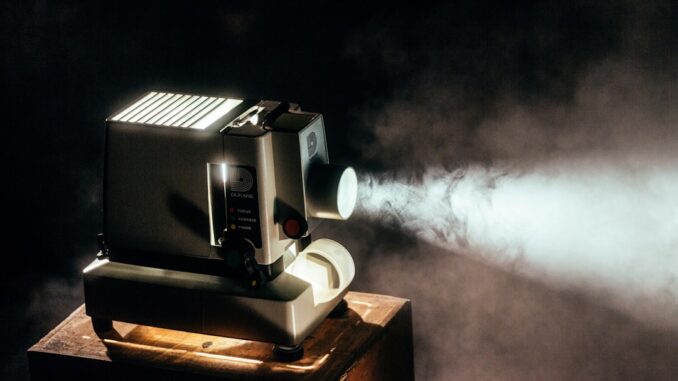
Without a doubt, the projector is the absolute linchpin of your outdoor cinema setup. It’s the engine that brings those cinematic moments to life, splashing them onto your screen with vibrant color and sharp detail. You can’t just pick any old projector, though; outdoor conditions demand a bit more grunt, a little more finesse. We’re talking about battling ambient light, projecting across distances, and needing that image to truly pop under the open sky. So, let’s explore what makes a projector suitable for al fresco viewing.
Turn your garden into your private retreat, enjoyable day or night complements of Elegancia.homes.
Understanding Projector Technology and Key Specifications
Before we even look at specific models, it’s worth understanding a few basics. Most projectors you’ll encounter fall into one of three main categories: DLP (Digital Light Processing), LCD (Liquid Crystal Display), and the less common, but often superior, LCoS (Liquid Crystal on Silicon). Each has its strengths and weaknesses, but for outdoor use, brightness and resolution are often the most critical factors.
- DLP projectors are known for their sharp images and excellent contrast, often being more compact. They’re a popular choice.
- LCD projectors usually offer better color saturation and are generally more cost-effective for similar brightness levels.
- LCoS projectors, found in higher-end units, combine the best of both worlds, offering incredible black levels and smooth images, but they do come with a steeper price tag.
Now, let’s talk numbers, because they really matter here:
-
Lumens (Brightness): This is arguably the most crucial spec for an outdoor projector. Imagine the battle against the lingering sunset or even nearby streetlights. For a truly enjoyable experience, especially if you’re starting your movie before it’s pitch black, you’ll want a projector with a high lumen output. I’m talking at least 2,000 ANSI lumens, but honestly, aiming for 3,000-5,000+ will give you a much more vibrant and watchable picture, even if there’s still a bit of light around. My personal rule of thumb for outdoors is ‘the more lumens, the merrier.’
-
Resolution: Just like your TV, higher resolution means a sharper, more detailed image. While 1080p (Full HD) is perfectly acceptable and widely available, if your budget allows, a 4K UHD projector will provide breathtaking clarity, making every blade of grass on screen incredibly distinct. Trust me, once you go 4K, it’s tough to go back.
-
Contrast Ratio: This tells you the difference between the brightest whites and the darkest blacks. A higher contrast ratio means more depth and realism to your image, preventing those dark scenes from looking washed out. Look for ratios of 10,000:1 or higher.
-
Throw Ratio: This determines how far your projector needs to be from the screen to achieve a certain image size.
- Short-throw projectors can be placed very close to the screen, which is fantastic if you have limited space or want to avoid shadows from people walking in front. They’re often my go-to for convenience.
- Long-throw projectors require more distance, which might be fine for larger backyards but can present logistical challenges. Always check the throw ratio calculator for any projector you’re considering; it’s a lifesaver.
-
Connectivity and Smart Features: Modern projectors often come with built-in Wi-Fi, Bluetooth, and smart TV platforms (like Android TV or Google TV). These are incredibly handy, allowing you to stream directly from apps like Netflix or Disney+ without needing extra devices. Multiple HDMI inputs are also essential for connecting game consoles, Blu-ray players, or other streaming sticks.
-
Lamp Life and Maintenance: Projector lamps don’t last forever. Traditional lamp-based projectors might offer 3,000-5,000 hours, while laser-based projectors can boast upwards of 20,000-30,000 hours, virtually eliminating the need for replacement during the projector’s lifespan. Laser projectors are more expensive upfront but offer consistent brightness and color over time.
Top Projector Recommendations (and why they shine)
Let’s talk specifics. For those who aren’t afraid to invest in an absolutely stellar experience, a premium choice makes a world of difference.
The High-End Hero: Hisense L9Q (or similar high-lumen, ultra-short throw models)
When you’re serious about your outdoor cinema, the Hisense L9Q, or any high-end 4K ultra-short throw (UST) laser projector like it, is a game-changer. These beasts often push 3,000-5,000 ANSI lumens, which means your picture won’t just be visible; it’ll pop with vibrancy even when the sun hasn’t quite dipped below the horizon. The ‘ultra-short throw’ aspect is brilliant for outdoor setups because you can place it just inches from the screen, virtually eliminating the worry of someone walking through the beam and casting shadows.
Beyond brightness, the L9Q usually packs 4K resolution, delivering incredibly sharp details. Many high-end models also integrate smart TV platforms like Google TV, so you’ve got all your streaming apps right there, no extra dongles needed. And let’s not forget the audio – often, these higher-end units come with surprisingly robust, multi-speaker sound systems built in, providing a decent starting point for immersive audio, though we’ll talk about upgrading that further in a bit. It’s a significant investment, yes, but for a truly ‘wow’ factor, it’s hard to beat.
The Portable Powerhouse: Anker Nebula Mars 3 (or similar battery-powered smart projectors)
Now, if you’re looking for flexibility, ease of setup, and perhaps a more budget-conscious entry point, a portable projector like the Anker Nebula Mars 3 is an absolute gem. Its biggest selling point? A built-in battery. This means you aren’t tethered to a power outlet, giving you the freedom to set up your cinema pretty much anywhere in your garden – or even take it camping!
The Mars 3 often features a respectable lumen output (around 1000 ANSI lumens, which is great for darker conditions) and usually integrates Android TV, meaning direct access to apps. Its rugged design can often withstand a bit of outdoor wear and tear, and it’s generally lighter and more compact. While it might not deliver the same raw brightness or 4K resolution as a high-end UST, its sheer portability and convenience make it an outstanding choice for casual movie nights or those who want minimal fuss. I’ve used similar models for impromptu backyard gatherings, and everyone’s always impressed with how easy it is to get going.
Environmental Considerations for Your Projector
Remember, you’re taking sensitive electronics outdoors. While some projectors might have a degree of dust or splash resistance (check for an IP rating), none are truly weatherproof. Always protect your projector from moisture – dew, sudden showers, or even just high humidity can be disastrous. A simple canopy, a sturdy table with an umbrella, or even just keeping a large plastic bag handy for quick cover can save your investment. And never leave it outside overnight; temperature fluctuations and morning dew are no friends to electronics.
The Canvas for Your Masterpiece: Selecting the Perfect Screen
Okay, so you’ve got your projector sorted. Next up is the screen. This isn’t just a big white sheet; the right screen profoundly impacts image quality, contrast, and overall viewing pleasure. You wouldn’t paint a masterpiece on a crumpled napkin, would you? Similarly, don’t skimp on your screen.
Exploring Your Screen Options
-
Inflatable Movie Screens: These are incredibly popular for outdoor setups, and for good reason. Their main draws are portability, impressive size, and relatively easy setup. You can literally inflate them in minutes with an electric blower, and they provide a surprisingly smooth, taut surface for projection. They typically come with stakes and tethers to secure them against the wind, which is crucial. However, they can sometimes show wrinkles if not inflated correctly or if they’re older, and strong winds can be a real challenge. I’ve seen one get picked up by a rogue gust like a giant kite once – quite a spectacle, but not ideal for movie night!
-
Fixed Frame Screens: If you’re considering a more permanent or semi-permanent outdoor cinema space, a fixed frame screen offers superior image quality. These screens remain perfectly flat, ensuring no wrinkles or ripples distort your picture. They often use higher-quality screen materials with specific gain and viewing angles optimized for various lighting conditions. While not as portable as inflatable screens, some models are designed for outdoor installation, often with weather-resistant frames and fabrics.
-
Pull-Down or Tripod Screens: Think traditional projector screens, but larger. These offer a good balance of portability and flatness. Tripod screens are quick to set up and move, while pull-down screens can be mounted on a wall or ceiling (perhaps under a covered patio). The challenge here is ensuring they’re stable enough outdoors and that the screen material is suitable for battling any ambient light.
-
DIY Solutions (Painted Walls/White Sheets): For the truly budget-conscious, a freshly painted white or light grey wall can work, especially if it’s perfectly smooth. A plain white bed sheet, while functional, often presents significant challenges: wrinkles are inevitable, the material is usually too thin (allowing light to pass through), and it won’t offer the necessary gain for a bright, vibrant image. While tempting, these options usually result in a noticeably compromised viewing experience. If you’re going to put in the effort, invest in a proper screen.
Screen Material and Gain Explained
Beyond the type of screen, consider the material. Screen materials have a ‘gain’ rating, which describes how much light they reflect back to the viewer. A gain of 1.0 is neutral, reflecting all light equally. Higher gain (e.g., 1.2 or 1.5) screens reflect more light, making the image brighter but often at the cost of a narrower viewing angle. Lower gain screens (e.g., 0.8) absorb more light, improving black levels but making the image appear dimmer. For outdoor use, especially against ambient light, a screen with a slight positive gain (1.0-1.2) can be beneficial. Also, look for screens with a blackout backing to prevent light from passing through, which can severely degrade contrast.
The Grand Setup: Building Your Outdoor Cinema, Step-by-Step
Alright, let’s get down to the practicalities of bringing this vision to life. This is where attention to detail really pays off, transforming a mere projection into an immersive cinematic experience.
Step 1: Location, Location, Location! Choosing Your Spot
Selecting the perfect patch of grass (or patio) is more crucial than you might think. Don’t just pick the first flat spot you see. Consider these factors:
- Flat Ground: This is a given, but a truly level surface ensures your screen stands straight and your seating is comfortable. No one wants to be leaning back feeling like they’re sliding off their chair.
- Minimal Obstructions: Look for clear sightlines from your projector to the screen, and for your audience. Avoid areas with low-hanging branches, garden structures, or even tall shrubs that could block the view.
- Ambient Light Battle: This is the big one. Scope out your backyard during twilight. Where do streetlights hit? Does a neighbor’s security light blast into your potential viewing area? Try to pick a spot that’s naturally shielded or where you can easily put up temporary blockers like garden screens or even well-placed potted plants. The darker your environment, the better your image will be.
- Wind Protection: Is there a natural windbreak, like a sturdy fence or the side of your house? Strong gusts are the enemy of inflatable screens and can wobble fixed screens.
- Proximity to Power: While battery projectors offer freedom, most setups will need power. Being close to an outdoor-rated electrical outlet (preferably GFCI-protected) simplifies things immensely. If not, plan your extension cord route carefully (more on that later).
- Audience Comfort & Noise: Consider how many people you plan to host. Is there enough space for everyone to sit comfortably without feeling cramped? Also, think about your neighbors. Your surround sound might be amazing, but at 11 PM, it might not be so appreciated next door. Position your speakers thoughtfully.
Step 2: Screen Setup – A Taut and True Canvas
Once your location is locked, it’s time to unfurl your screen.
-
Inflatable Screens: If you’re using one, lay it out flat and connect the blower. It’ll usually inflate in just a few minutes, which is always surprisingly fast. Once it’s up, immediately secure it with all the provided stakes and tethers. Even on a seemingly calm evening, a sudden breeze can come out of nowhere. Make sure those guy lines are taut, holding the screen firmly in place. Check for wrinkles; sometimes a bit of adjustment or a quick re-inflation can smooth things out. You want a surface as flat as possible for the best image.
-
Fixed Frame or Tripod Screens: Assemble these according to the manufacturer’s instructions, ensuring all joints are secure. If it’s a fixed frame, double-check that it’s perfectly level and stable. For tripod screens, extend the legs fully and ensure the screen material is stretched tight. For any outdoor screen, consider weighting down the base or using extra guy lines if wind is a concern, especially with tripod models that can be top-heavy.
Step 3: Projector Placement – The Optimal Angle
This step requires precision. Your projector isn’t just a point-and-shoot device.
- Distance is Key: Consult your projector’s manual or an online throw distance calculator. These tools tell you exactly how far back your projector needs to be for your desired screen size. Getting this right prevents you from having to constantly adjust the zoom or suffering from a too-small or too-large image.
- Height and Centering: Ideally, your projector lens should be roughly centered with the screen and at a height that projects the image without too much keystone correction. Keystone correction, while handy for squaring up a distorted image, digitally stretches and compresses pixels, which can slightly reduce image quality. Minimize its use if possible. Elevate your projector on a sturdy, level table or stand. I’ve even seen people use outdoor bar carts – surprisingly effective!
- Protection from the Elements: Even a slight drizzle can ruin a projector. Position it under a canopy, a large patio umbrella, or even a specialized weatherproof enclosure if you’re going for a more permanent setup. Always have a contingency plan, like a quick-release cover, for unexpected rain.
- Cable Management: This isn’t just about tidiness; it’s about safety. Route your power and HDMI cables neatly along the ground, perhaps under outdoor rugs or through cable protectors, to prevent trip hazards. Secure them with cable ties or tape where necessary.
Step 4: Immersive Audio – Hearing is Believing
While a great picture is essential, truly immersive sound elevates the experience from ‘watching a movie’ to ‘being in the movie.’ Don’t rely solely on your projector’s built-in speakers unless it’s a high-end model with a surprisingly robust system. Most built-in speakers are just too weak for open-air environments.
- Wireless Speakers: This is often the easiest and most effective solution. Bluetooth speakers are fantastic for portability and ease of connection. Consider a pair for true stereo separation, positioning them to the left and right of the screen, slightly in front of the audience. For a step up, Wi-Fi multi-room speaker systems (like Sonos) can be configured for outdoor use, offering superior sound quality and range, though they might require an outdoor Wi-Fi extender.
- Portable Sound Systems/Soundbars: A dedicated portable PA system or an outdoor-rated soundbar can provide significantly more punch and clarity. Look for models with good bass response. If using a soundbar, place it directly below or above the screen. For PA systems, aim them towards the audience for optimal coverage.
- Placement for Distribution: Experiment! The acoustics of an open-air environment are vastly different from a living room. Try placing speakers not just by the screen, but perhaps a bit further back, or even behind the audience if you have multiple units, to create a more enveloping soundstage. And remember the neighbors – keep the volume at a respectful level, especially late at night. One time, I got a friendly knock on the fence from a neighbor who was trying to put their kids to bed, a subtle reminder that my action movie sound effects were a little too realistic.
- Headphone Options: For a truly personal and neighbor-friendly experience, consider using a Bluetooth transmitter connected to your projector (if it doesn’t have native Bluetooth audio out) and have everyone connect their own wireless headphones. This is great for late-night horror flicks without disturbing anyone.
Step 5: Powering Your Paradise – Safety First!
This is where safety absolutely cannot be overlooked. Water and electricity are a dangerous mix, so exercise extreme caution.
- Outdoor-Rated Everything: Only use extension cords and power strips explicitly rated for outdoor use. These are typically thicker, more robust, and have weatherproof covers over the outlets. Look for a ‘W’ or ‘Outdoor Use’ rating.
- GFCI Outlets: Always plug your outdoor cinema setup into a Ground Fault Circuit Interrupter (GFCI) outlet. These outlets automatically trip and cut power if they detect a fault, preventing electric shock. Most outdoor outlets are already GFCI, but if yours isn’t, consider using a portable GFCI adapter.
- Cable Protection: Run all cables in a way that minimizes trip hazards. Use outdoor cable covers, heavy-duty mats, or bury them shallowly if it’s a more permanent setup. Ensure connections are covered and protected from any moisture.
- Portable Generator (If Needed): If you’re far from an outdoor outlet, a portable generator might be your best friend.
- Inverter generators are quieter and produce ‘cleaner’ power, which is better for sensitive electronics like projectors. They’re usually more expensive but worth it for the peace of mind.
- Conventional generators are louder and less refined. Always place any generator a good distance away from your viewing area so its noise doesn’t interfere with your movie. Remember to keep it fueled and check oil levels.
- Battery Power Banks: For charging phones, powering smaller lights, or even running a mini-projector, a large capacity power bank is a handy accessory. It keeps your main power source free for the heavier-duty equipment.
- Calculating Power Needs: Add up the wattage of all your devices (projector, speakers, streaming device, popcorn maker). This will help you determine if your extension cord can handle the load and if a generator is powerful enough. Overloading circuits is dangerous.
Elevating the Experience: Beyond the Basics
You’ve got the core setup down, but to truly create an unforgettable outdoor cinema, it’s those extra touches that make all the difference. Think of it like adding the perfect garnishes to a gourmet meal.
Comfort is King: Seating Arrangements
Nobody wants to sit on soggy grass for two hours! Comfortable seating is paramount.
- Variety is Best: Offer a mix of options. Classic lawn chairs are good, but consider adding beanbag chairs, inflatable loungers, or even floor cushions and blankets for a more bohemian, cozy vibe. My personal favorite are those low-slung beach chairs, perfect for leaning back and gazing at the screen and the stars.
- Layer Up: Provide extra blankets and throws, even on warm evenings, as temperatures can drop surprisingly fast after sunset. Pillows for neck support are also a nice touch.
- Tiered Seating: If you have a larger group, consider creating slightly elevated tiers (even with a few wooden pallets or sturdy crates covered with blankets) for those at the back, ensuring everyone has a good view without straining their necks.
Setting the Mood: Ambient Lighting
Strategic lighting transforms your backyard from just a garden into an enchanted cinema space.
- Soft Glow: String lights (fairy lights, Edison bulb strings) draped around trees or along fences create a magical, festive atmosphere without casting glare on the screen. Solar-powered options are fantastic for ease of use.
- Path Lighting: Small, subtle path lights (solar garden lights are perfect) ensure guests can safely navigate to and from their seats, or to the snack bar, without tripping over unseen obstacles. This is crucial once the movie starts and the main lights are off.
- Avoid Glare: Ensure any ambient lights are positioned behind the viewing area or are very dim so they don’t wash out the projector’s image.
The Unpredictable Outdoors: Weather Wisdom and Pest Control
The great outdoors is, well, great, but it’s also a bit unpredictable. Being prepared is key.
- Forecast Check: Make checking the weather forecast your absolute first step, hours before setup. Pay attention to wind speeds, not just rain chances. If there’s more than a slight breeze predicted, securing that inflatable screen becomes even more critical.
- Contingency Plan: Always have a backup. A sudden shower can ruin equipment and dampen spirits. Could you quickly move the projector and screen under a covered patio? Or do you have an ‘indoor cinema’ alternative ready to go if the weather completely turns?
- Temperature Control: On cooler evenings, have extra blankets and perhaps even a safe, outdoor-rated patio heater (positioned well away from flammable materials and guests). For warmer nights, a few strategically placed outdoor fans can make a huge difference in comfort and also help keep mosquitoes at bay.
- Pest Patrol: Mosquitoes and other flying insects love a good outdoor gathering. Citronella candles, torches, mosquito coils, or even a quiet electric bug zapper (placed away from the main viewing area) can make a huge difference. Consider a repellant spray for guests.
Culinary Delights: Snacks and Refreshments
What’s a movie without snacks? This is your chance to shine!
- Popcorn Perfection: A dedicated popcorn machine adds a wonderful touch, complete with the aroma that just screams cinema. Otherwise, pre-popped bags are fine. Offer a variety of toppings beyond just butter.
- Cooler Station: Keep drinks chilled and easily accessible in a large cooler. Think bottled water, sodas, and perhaps some adult beverages for the grown-ups.
- Themed Treats: Get creative! If you’re showing a classic, maybe ‘retro’ candies. For a kids’ movie, colorful cupcakes. It’s those little details that guests remember.
- Waste Management: Provide clearly marked bins for recycling and trash. It makes cleanup so much easier and keeps your beautiful backyard tidy.
Content and Connectivity: Getting Your Movies to the Screen
How are you actually going to play your movie?
- Streaming Sticks: Devices like a Roku Streaming Stick, Amazon Fire TV Stick, or Google Chromecast are compact and often run directly off a projector’s USB port for power. They connect via Wi-Fi and give you access to virtually all major streaming services.
- Laptops/Gaming Consoles: A simple HDMI cable from your laptop can work. And why stop at movies? Connect a gaming console for some epic multiplayer sessions on the big screen! Just be mindful of input lag if you’re a serious gamer.
- Blu-ray/DVD Player: For physical media enthusiasts, a portable Blu-ray player is an option, though less common these days.
- Wi-Fi Boosters: If your outdoor area is far from your home router, a Wi-Fi extender or mesh system node can ensure a strong, stable connection for streaming, preventing frustrating buffering issues.
Safety First, Always! Important Reminders
I can’t stress this enough: safety must be your top priority. An enjoyable evening shouldn’t end with an accident.
- Electrical Hazards: Re-emphasizing GFCI outlets, outdoor-rated cords, and protected connections. Never run cords through standing water or leave exposed connections.
- Trip Hazards: Inspect your entire setup area. Cables, uneven ground, even small garden ornaments can become tripping hazards in the dark. Clear pathways and use pathway lighting.
- Fire Safety: If you’re incorporating a fire pit or patio heater, ensure it’s placed a safe distance from anything flammable (screens, seating, trees) and is always supervised. Have a fire extinguisher or a bucket of water nearby, just in case.
- Child and Pet Safety: Keep curious little hands and paws away from delicate (and hot) projector lenses, electrical connections, and any heat sources. Secure anything that could be knocked over.
- Noise Levels: Be a good neighbor! Test your audio levels during setup. A quick chat with your neighbors beforehand, letting them know about your movie night and inviting them (or at least reassuring them about volume), can go a long way.
By following these detailed steps, you’re not just setting up a projector and a screen; you’re crafting an experience. You’re creating a little slice of cinematic heaven in your own backyard, a place where memories are made under the stars. So, gather your friends, call your family, and get ready for unforgettable movie nights that rival any commercial theater. It’s a bit of effort, sure, but the joy and wonder it brings? Absolutely priceless.
References
- Hisense L9Q Projector Review: https://www.techradar.com/televisions/projectors/hisense-l9q-projector-review
- Anker Nebula Mars 3 Outdoor Cinema Setup: https://www.techradar.com/televisions/projectors/how-to-build-an-outdoor-cinema-setup-this-summer
- Inflatable Movie Screen Information: https://en.wikipedia.org/wiki/Inflatable_movie_screen
Be the first to comment