

Designing Your Dream Retreat: 10 Stunning Orangery Ideas for 2025
There’s something truly special about an orangery, isn’t there? It’s more than just an extension; it’s a bridge, beautifully connecting your indoor sanctuary with the vibrant, ever-changing world outside. For years, these elegant structures have captured our imaginations, offering that perfect blend of sun-drenched comfort and architectural grandeur. And as we step into 2025, the evolution continues, bringing with it an exciting array of designs that promise to cater to every taste, every home, and every dream. If you’re pondering a home transformation, an orangery could just be the breathtaking answer you’ve been looking for.
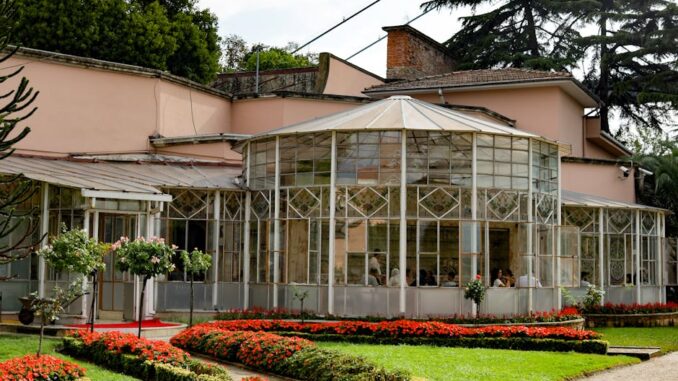
We’re not just talking about adding a room, mind you. We’re talking about crafting a distinct living experience, a space that bathes in natural light, feels incredibly connected to your garden, yet offers the solidity and insulation of a true extension. It’s a sweet spot, really, between a traditional conservatory’s extensive glazing and a full-blown brick extension. With their characteristic solid walls, often incorporating large windows and that iconic glazed roof lantern, orangeries inherently offer a sense of permanence and architectural weight that many find utterly captivating.
Now, let’s dive into some truly stunning orangery designs that could inspire your next big home project. You’ll find options here that marry historical charm with contemporary flair, proving just how versatile these additions can be.
Understanding the Orangery Advantage: More Than Just a Sunroom
Before we explore the specific styles, it’s worth a moment to truly appreciate what an orangery brings to the table. Unlike a conservatory, which typically features over 75% glass in its roof and more than 50% glass in its walls, an orangery opts for a more balanced approach. It typically has a flat, solid roof perimeter with a substantial glazed roof lantern or two, along with solid brick pillars or walls, giving it a much more ‘room-like’ feel. This means better insulation, enhanced privacy, and a seamless integration with your existing property. It’s truly a hybrid, offering the best of both worlds, providing a comfortable, usable space all year round, even when the wind howls outside and the rain lashes against the panes. That’s a huge plus for homeowners wanting a functional, aesthetically pleasing extension without the extreme temperature fluctuations sometimes associated with older conservatories.
Why the Orangery Continues to Captivate
- Enhanced Thermal Performance: Those solid walls and clever roof designs mean better insulation, keeping it warmer in winter and cooler in summer. Less energy waste, more comfort.
- Architectural Integration: Orangeries often feel like a natural part of the house, not an add-on. Their robust structure allows for architectural details that truly complement the existing property.
- Versatility of Use: From a serene reading nook to a lively dining room or even a dedicated home office, an orangery adapts beautifully to a multitude of functions.
- Increased Property Value: A well-designed orangery can significantly boost your home’s appeal and market value. It’s an investment that pays dividends.
- Abundant Natural Light: Despite having more solid structure than a conservatory, the roof lantern and large windows still flood the space with glorious natural light, creating an uplifting atmosphere that can really transform your mood.
Okay, ready? Let’s explore those designs!
1. Classic Georgian Elegance: A Timeless Statement
Ah, the Georgian style! There’s a reason it endures, isn’t there? It speaks of proportion, symmetry, and an understated grandeur that never truly goes out of fashion. When you embrace the classic Georgian aesthetic for your orangery, you’re not just adding space; you’re injecting a shot of sophisticated heritage into your home. Think large, often perfectly proportioned sash windows – the kind that glide open with a satisfying smoothness. These aren’t just functional; they’re integral to the visual appeal, often featuring elegant glazing bars that break up the panes in a classic grid pattern.
Then, you’ve got those decorative pillars, usually substantial and often fluted, framing the windows and lending a solid, established feel. And of course, the crowning glory: a lantern roof. This central glazed section isn’t just about letting light pour in, though it does that magnificently. It also adds significant vertical interest and a real sense of traditional craftsmanship. Imagine stepping into a room where the sunlight streams down from above, illuminating a perfectly balanced interior. You can’t help but feel a certain calm, a sense of rightness.
This design, my friend, is an absolute dream for period properties, whether you’re working with a Georgian townhouse, a Victorian villa, or even a sympathetic modern build. It allows you to maintain and indeed, enhance, the authentic character of your home while simultaneously adding a touch of undeniable sophistication. The key lies in the symmetrical layout and those elegant proportions; everything just feels right, seamlessly integrated, like it’s always been there. To truly nail this, consider using materials that echo your main house – perhaps a matching brick, or painted timber that complements your existing window frames. Internally, think about classic cornicing or intricate plasterwork to continue that luxurious, refined feel. It creates a harmonious extension that not only looks beautiful but feels intrinsically part of your home’s story. For me, there’s a certain magic in traditional joinery, the feel of solid timber under your hand, it just says ‘quality,’ doesn’t it?
2. Contemporary Minimalist: Sleek Lines, Uninterrupted Views
Switching gears entirely, the contemporary minimalist orangery is a breath of fresh air for those who crave sleekness, simplicity, and an abundance of natural light. If your home leans towards modern architecture or you’re simply drawn to an uncluttered aesthetic, this style is a serious contender. Here, the design philosophy is all about clean lines, often razor-sharp and geometric, with an almost seamless transition from interior to exterior. We’re talking floor-to-ceiling glazing, where the boundaries between inside and out become delightfully blurred.
Key to this look are slimline frames – often aluminum or steel – which reduce visual bulk and maximize the glass area. This isn’t just an aesthetic choice; it means more light, more sky, and truly unobstructed views of your garden or beyond. Many contemporary designs forgo the traditional roof lantern in favour of a flat roof, sometimes with strategic flush-mounted skylights, maintaining that streamlined silhouette. But you know what truly sets these apart? Bi-fold or sliding doors. These expansive panels literally fold or slide away, opening up an entire wall and inviting the garden right into your living space. On a beautiful summer’s day, you’ll feel like you’re dining al fresco without actually leaving the house. It’s glorious!
The beauty of the minimalist approach is that it ensures the orangery complements contemporary homes without ever overwhelming them. It’s about creating a tranquil, expansive space that feels utterly modern and incredibly chic. Think polished concrete floors, understated colour palettes (greys, whites, blacks), and perhaps a few carefully chosen pieces of modern art or sculptural furniture. The focus here is on space, light, and the quality of the materials themselves. There’s a purity to this design that I personally find quite refreshing, it lets the natural beauty of the surroundings speak volumes.
3. Open-Plan Kitchen-Diner: The Heart of the Home Reimagined
Now, this is a design that truly transforms the functionality and social dynamics of your home. Combining your orangery with an open-plan kitchen creates the ultimate entertainment and family hub, a space that’s not just beautiful but incredibly practical too. Imagine this: you’re cooking up a storm, chatting with friends perched at a kitchen island, while the kids play or guests relax in the adjacent dining or lounge area, all bathed in glorious natural light. It’s a vision, isn’t it?
The genius of this layout lies in its seamless flow. By integrating the kitchen directly into the orangery space, you banish cramped, separate rooms and instead foster a sense of connectivity and spaciousness. Roof lanterns here become particularly impactful, strategically placed over the cooking or dining areas to flood them with an uplifting cascade of natural light. This isn’t just about brightness; it makes food preparation feel more enjoyable and dinner parties truly sparkle. Nobody wants to cook in a dim, stuffy corner anymore, do they?
Consider durable, easy-to-clean flooring that runs consistently from the kitchen into the orangery, like large format tiles or engineered wood, to enhance the sense of continuity. Storage solutions become critical in a kitchen-diner, so integrated units and clever pantry designs will keep clutter at bay. You’ll want to think about ventilation, too; a good extractor fan is non-negotiable! The seamless flow between the cooking, dining, and relaxation zones truly enhances family gatherings, dinner parties, and even just those quiet morning coffees. It becomes the vibrant heart of your home, a place where memories are made and shared, day in and day out. I once saw a kitchen-orangery where the island extended into a breakfast bar right under the roof lantern, it was just stunning, you could practically see the stars while eating breakfast.
4. Indoor Garden Retreat: Bringing the Outdoors In, Year-Round
If you, like me, find immense joy in nature and yearn for a deeper connection to the botanical world, then an indoor garden retreat orangery is your personal slice of paradise. This design taps directly into the orangery’s horticultural heritage – remember, they were originally built to house citrus trees! – by creating a lush, verdant sanctuary within your home. It’s about much more than just putting a few potted plants around; it’s about designing a space where greenery is the star.
Think living walls, cascading with ferns and flowering plants, transforming a plain brick wall into a vibrant tapestry of life. Imagine tropical plants, perhaps a delicate orchid or a towering ficus, thriving in the warm, consistent environment of your orangery. The beauty of this approach lies in its ability to bring the outdoors in, creating a serene, almost therapeutic environment perfect for relaxation, reading, or simply contemplating the beauty of nature.
Materials play a huge role here. Lean into natural textures like rough-hewn wood for shelving or seating, and perhaps beautiful stone or terracotta tiles for the flooring. A water feature, however small, could add a tranquil gurgling sound and a touch of humidity that many plants adore. The soft glow of the sun filtered through leaves, the earthy scent, the gentle hum of life – it all contributes to a calming, restorative atmosphere. This isn’t just a room; it’s an escape, a micro-climate where you can unwind and reconnect. The lush greenery and earthy textures provide a refreshing contrast to the often sterile feel of urban living, offering a vital oasis. I’ve heard of clients who even incorporate small vegetable patches, imagine picking fresh herbs for dinner, right there in your orangery!
5. Multi-Purpose Living Area: Flexibility is King
Modern living demands flexibility, doesn’t it? Our homes need to work harder, adapting to our ever-changing needs throughout the day and week. This is where a multi-purpose living area orangery truly shines. Instead of pigeonholing your new space into just one function, you design it to effortlessly transition between distinct zones for relaxing, dining, working, or even a play area for the little ones. It’s about clever design that maximizes usability.
How do you achieve this magic? It all comes down to thoughtful furniture placement, innovative lighting design, and sometimes, subtle architectural cues. For instance, a beautifully crafted console table against one wall could double as a desk during work hours, then transform into a buffet for entertaining in the evening. A large, inviting sectional sofa defines the lounging zone, while a stylish dining table and chairs clearly delineate the eating area.
Lighting is incredibly important for setting the mood and defining these zones. Dimmable overhead lighting, task lighting for a reading nook, and perhaps ambient floor lamps can all contribute to a dynamic, adaptable space. You might even consider using different rug textures or patterns to subtly delineate areas without building physical barriers. The key is to ensure each zone feels distinct yet remains part of a cohesive whole. This versatility makes the orangery an incredibly valuable addition to any home, accommodating the dynamic needs of modern families and ensuring that every square foot is put to good use. It’s about getting the most bang for your buck, creating a space that works as hard as you do, perhaps even harder!
6. L-Shaped Design: Maximizing Impact and Functionality
Sometimes, a simple rectangular extension just doesn’t quite cut it, does it? If you’re looking to truly maximize both the architectural impact and the functional potential of your orangery, an L-shaped design could be the perfect solution. This clever configuration wraps your orangery around two sides of your property, creating a more expansive footprint and opening up exciting possibilities for distinct, yet connected, spaces.
Imagine an L-shape where one arm houses a sophisticated dining area, perfect for hosting dinner parties, while the other arm extends into a cozy lounge space, ideal for relaxing with a book or watching a film. The beauty here is that while these areas are separate in function, they remain visually and physically linked by the continuous flow of the orangery. This layout is fantastic for creating those elusive ‘zones’ we often crave in open-plan living. You might even have a designated entrance section, leading into the main L-shaped space.
An L-shaped orangery dramatically enhances the architectural interest of your home’s exterior, offering a unique perspective and adding a real ‘wow’ factor. It can also be a brilliant way to capture sunlight from different angles throughout the day, ensuring one part of your orangery is always bathed in light. When planning this, consider how the two arms will interact with your existing property. Will one be adjacent to your kitchen and the other to your living room? The flow from your main house becomes crucial. The L-shaped layout really provides a unique perspective on your home’s exterior, almost hugging your garden and inviting you to step out. It just feels… grander, somehow, doesn’t it?
7. Traditional Timber Frame: Rustic Charm Meets Modern Comfort
There’s an undeniable warmth and character that only natural timber can bring, a feeling of history and craftsmanship. A traditional timber frame orangery marries the timeless beauty of exposed wooden beams with contemporary glazing, achieving a truly exquisite look that expertly bridges classic and modern styles. If you’re drawn to a rustic aesthetic but aren’t willing to compromise on modern comforts like insulation and abundant light, this design is tailor-made for you.
Picture this: chunky, hand-finished oak or Douglas fir beams forming the skeleton of your orangery, their rich grain telling a story, their natural warmth radiating through the space. These exposed timbers aren’t just structural; they are a defining design feature, adding incredible texture, depth, and character. Against this backdrop, large expanses of modern, energy-efficient glazing ensure the space remains wonderfully light and airy, preventing any feeling of being enclosed or dark.
The beauty of timber is its versatility. It can be left natural for a truly rustic feel, stained to a darker hue for a more formal look, or even painted in a soft, contemporary colour to blend with modern decor. Flooring choices often lean towards natural materials too, such as wide-plank wood, slate, or even polished concrete to offer a contrast to the timber. This design is ideal for those seeking an authentic, established charm without sacrificing the benefits of modern construction. It’s a nod to the past, built for the future. Plus, the smell of fresh timber, it’s just so inviting, isn’t it?
8. Coastal-Inspired Sanctuary: Breezy Elegance, Seaside Serenity
If the rhythmic sound of waves, the salty air, and the endless expanse of the sea call to your soul, then a coastal-inspired orangery could be your ultimate sanctuary. This design ethos is all about light, brightness, and an airy openness that evokes the tranquil serenity of the coast, even if your home is miles from the nearest beach. It’s not just for seaside properties, you know, anyone can bring that calming coastal vibe home.
Key elements include a predominant palette of soft blues, crisp whites, and muted greens, reflecting the colours of the ocean and sky. Incorporate natural textures like whitewashed wood (perhaps distressed for that authentic beach-hut feel), woven rattan furniture, linen fabrics, and perhaps some subtle nautical touches – think rope details, driftwood accents, or decorative shells. The aim is to create an environment that feels effortlessly relaxed and utterly peaceful.
Panoramic views are highly prized here. Expansive glazing allows for uninterrupted vistas, whether it’s of your garden, a rolling landscape, or if you’re lucky, the actual sea. This isn’t just about looking out; it’s about feeling connected to the wider environment, letting the light flood in and the space breathe. Consider light, sheer curtains or blinds that diffuse the light gently, rather than blocking it out. The goal is a tranquil retreat that mirrors the serenity of the coast, making you feel like you’re always on holiday. Imagine sipping your morning coffee, feeling that gentle breeze, it truly sets the tone for a relaxed day.
9. Industrial Chic: Urban Edge Meets Refined Living
For those with an eye for contemporary trends and a love for raw, authentic materials, the industrial chic orangery offers a striking aesthetic that’s both edgy and sophisticated. This design aesthetic takes its cues from old factories and warehouses, transforming often rugged elements into a stylish, liveable space. It’s about celebrating the beauty in utilitarianism, blending raw materials with modern comforts in a way that feels utterly current and undeniably cool.
Think metallic finishes: sleek steel frames for windows and doors, perhaps even exposed ductwork or industrial-style shelving. Exposed brickwork is a cornerstone of this look, adding warmth, texture, and a touch of urban grit. If you don’t have existing brick, brick slips can achieve a similar effect. Statement lighting is crucial; pendant lights with metal shades, filament bulbs, or track lighting can really amplify the industrial vibe. The juxtaposition of these textures and finishes creates a dynamic and stylish space that serves as a bold focal point for your home.
Concrete floors, whether polished or sealed, are a natural fit, offering a durable and minimalist base. Furniture tends to be robust, perhaps leather sofas, salvaged wood tables, and metal-framed chairs. Don’t be afraid to introduce a pop of colour with vibrant artwork or a richly textured rug to prevent the space from feeling too stark. This design adds a contemporary edge to your home, showcasing a confident embrace of modern design principles. It’s definitely not for everyone, but for those who love it, it’s pure perfection. I’m always impressed by how creative people get with this style, it just screams individuality.
10. Eco-Friendly Focus: Sustainable Living, Beautiful Design
In an age where environmental consciousness is paramount, an eco-friendly orangery isn’t just a design choice; it’s a statement about your values. This approach prioritizes sustainability, energy efficiency, and creating a healthy, comfortable living environment. It proves that you absolutely don’t have to compromise on style or luxury when you choose to build green, quite the opposite, in fact.
Materials are key here. Consider sustainably sourced Accoya wood for frames – it’s incredibly durable, dimensionally stable, and comes from responsibly managed forests. Solar glass, or low-emissivity (low-E) glass, is a game-changer, designed to maximize natural light while minimizing heat transfer, keeping your orangery warm in winter and cool in summer. This significantly reduces your reliance on heating and cooling systems, shrinking your carbon footprint and saving you money on energy bills, which is a win-win in my book!
Beyond materials, think about incorporating other energy-efficient features. Excellent insulation in the solid sections of the orangery is non-negotiable. Perhaps underfloor heating connected to an air-source heat pump, or even passive ventilation strategies to minimize the need for mechanical cooling. Rainwater harvesting systems could provide water for your indoor plants or garden. The overall goal is to create a living space that not only looks beautiful but also contributes positively to your well-being and the planet’s health. It’s about building a comfortable, future-proof extension that you can feel good about. What could be better than that? A truly conscious choice, don’t you think?
Beyond the Blueprint: Practicalities for Your Orangery Project
Choosing a stunning design is certainly the fun part, but building an orangery involves a few more practical considerations to ensure your dream becomes a delightful reality. Don’t worry, we’ll walk through some key points to help you navigate the process effectively, making sure you’re well-equipped for your home transformation.
Navigating Planning Permission & Building Regulations
This is often the first hurdle, and it’s essential to get it right. While many smaller extensions can fall under ‘permitted development’ rights, meaning you might not need full planning permission, an orangery can be more complex. Factors like its size, proximity to boundaries, and indeed, its design specifics can influence whether you need to apply. It’s crucial to check with your local planning authority early in the process. Similarly, building regulations dictate construction standards for safety, energy efficiency, and structural integrity. A reputable builder or architect will guide you through these requirements, but it’s always wise to be aware yourself. Trust me, avoiding issues here saves a world of headache later on.
Budgeting Realistically: Understanding the Investment
An orangery is a significant investment, and costs can vary wildly depending on size, materials, complexity of design, and regional labour rates. Beyond the basic structure, remember to factor in:
- Foundations and groundworks: These can be surprisingly substantial.
- Glazing: High-performance glass costs more but offers superior insulation.
- Roof lantern: The design and materials here impact cost.
- Flooring: From simple tiles to intricate parquetry, prices differ.
- Heating and cooling solutions: Underfloor heating, radiators, air conditioning.
- Electrical work: Lighting, power sockets.
- Finishing touches: Plastering, painting, decor.
- Professional fees: Architect, structural engineer, planning application.
Get detailed quotes from several experienced companies. It helps you compare apples to apples, and makes sure you don’t get any nasty surprises down the line.
Choosing Your Team: Architects, Builders, and Designers
This is perhaps the most critical decision. You’re entrusting someone with a substantial part of your home and your budget. Look for specialists with a proven track record in orangery construction.
- Check portfolios: Do their previous projects align with your aesthetic vision?
- Read reviews and get references: What do past clients say about their professionalism, communication, and quality of work?
- Ensure they are insured and accredited: This provides peace of mind.
- Communication is key: Choose a team you feel comfortable communicating with, who listens to your ideas, and offers clear, professional advice. A good working relationship can make all the difference, believe me.
Heating, Cooling, and Ventilation: Year-Round Comfort
To truly enjoy your orangery throughout all seasons, thoughtful climate control is essential.
- Heating: Underfloor heating is often a popular choice, providing even warmth without taking up wall space. Alternatively, stylish radiators or even discreet air conditioning units with heating functions can work wonders.
- Cooling: High-performance glazing (like solar control glass) is your first line of defence against overheating. Good ventilation, whether through automatic roof vents, bi-fold doors, or strategically placed windows, is also vital. Air conditioning can provide an extra layer of comfort during sweltering summers.
- Ventilation: Ensuring good airflow prevents condensation and keeps the air fresh. Automated roof vents are a clever solution, opening and closing based on temperature and humidity.
The Magic of Glass: More Than Just a Window
Modern glazing technology has come a long, long way. Don’t just pick ‘any’ glass!
- Solar control glass: Reflects solar energy, keeping the orangery cooler in summer.
- Low-E (low emissivity) glass: Traps heat inside during winter, enhancing insulation.
- Self-cleaning glass: A fantastic innovation, it has a special coating that uses sunlight to break down organic dirt and rainwater to wash it away. Less window cleaning? Yes, please!
- Acoustic glass: If you live near a busy road, this can significantly reduce noise pollution.
Investing in high-quality, high-performance glass truly makes a difference to the comfort and energy efficiency of your orangery.
Lighting Design: Setting the Mood
Beyond natural light, how you illuminate your orangery transforms its atmosphere after dusk.
- Ambient lighting: Recessed spotlights in the solid roof perimeter, or elegant pendant lights over a dining table.
- Task lighting: Needed for reading nooks or kitchen areas.
- Accent lighting: Up-lighters highlighting an architectural feature, or subtle floor lighting to define pathways.
- Outdoor lighting: Extend the magic by illuminating key features in your garden, drawing the eye outwards even after dark.
Layering your lighting allows you to create different moods for different occasions.
Flooring Choices: Practicality Meets Aesthetics
The floor of your orangery needs to be durable, practical, and aesthetically pleasing.
- Tiles: Ceramic, porcelain, or natural stone tiles are incredibly hard-wearing, easy to clean, and excellent conductors if you opt for underfloor heating.
- Engineered wood: Offers the warmth and beauty of real wood but is more stable and less prone to warping than solid wood in areas with temperature fluctuations.
- Polished concrete: A minimalist, modern, and very durable option, particularly suited to industrial or contemporary designs.
Think about how the flooring will connect visually with your existing interior and how it will stand up to traffic and potential moisture from plants or open doors.
Furnishing and Decor: The Finishing Flourish
Finally, the fun part! Your furniture and decor truly bring the orangery to life.
- Choose durable fabrics: Especially if the space will receive a lot of sunlight, consider fade-resistant materials.
- Blend indoor and outdoor furniture: Rattan, wicker, or teak pieces can bridge the gap beautifully.
- Bring in plants: Even if it’s not a full indoor garden, a few well-chosen plants enhance the connection to nature.
- Personalize: Artwork, cushions, throws, and decorative objects make the space uniquely yours.
Remember, this is an extension of your home, so let your personality shine through!
Your Orangery: A Cherished Addition for Years to Come
So there you have it, a whirlwind tour of ten utterly stunning orangery designs, each offering a unique flavour and a wealth of possibilities. Incorporating an orangery into your home isn’t just about adding square footage; it’s about enriching your lifestyle, enhancing your connection to the natural world, and undoubtedly increasing both the aesthetic appeal and the value of your property. Whether your heart yearns for the timeless elegance of a Georgian classic, the sleek simplicity of a minimalist haven, or the lush embrace of an indoor garden, there truly is an orangery style to suit every taste and need.
As you embark on this exciting journey, remember to consider factors like your home’s existing architecture, the orientation of your property for maximizing light, and how you intend to use the space day-to-day. And of course, don’t forget those crucial practicalities like planning regulations and choosing the right build team – they’re the bedrock of a successful project. By thoughtfully integrating an orangery into your home, you’re not just building a room; you’re creating a space that offers year-round enjoyment, a tranquil retreat, and a cherished part of your living experience for decades to come. It’s an investment in beauty, comfort, and a little bit of everyday magic, and honestly, who wouldn’t want that?
Be the first to comment