
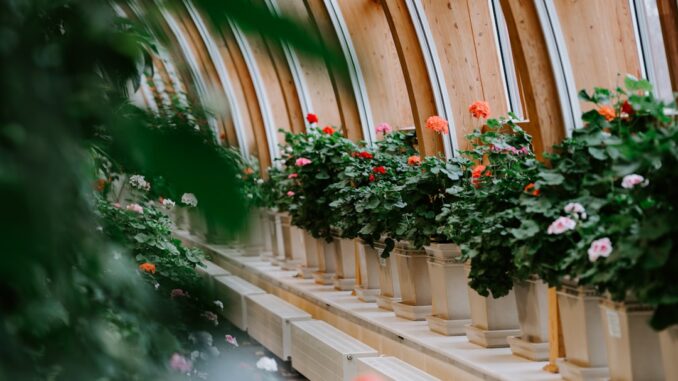

Your Orangery, Reimagined: Crafting an Affordable Wellness Sanctuary
Ever stare at your orangery, feeling like it holds so much more potential than just being a sunroom or an extra dining space? I know the feeling. It’s a gorgeous extension, no doubt, but imagine transforming it into a personal wellness haven, a tranquil retreat where you can truly unwind, recharge, and reconnect. The good news is, achieving this serene escape doesn’t require a bottomless budget or a full-scale renovation. With a dash of creativity, some smart planning, and a few well-placed details, you can cultivate an environment that actively promotes your health and relaxation without overspending. Believe me, your well-being is worth it, and your orangery is the perfect canvas for this transformation.
We’re not just talking about adding a few candles here; we’re diving deep into creating an intentional space that nurtures your mind, body, and spirit. It’s about designing a sanctuary that feels miles away from the everyday hustle, yet it’s right there, connected to your home. So, let’s unpack how you can achieve this dream, step-by-step, making every penny count and every design choice work for you.
1. Harnessing the Power of Light and Air: Your Orangery’s Natural Superpowers
Think about it: what’s one of the most defining characteristics of an orangery? Its abundance of natural light and often, its connection to the outdoors. These aren’t just aesthetic features; they’re fundamental pillars of a healthy, mood-boosting environment. Maximizing these natural gifts is perhaps the most impactful and cost-effective step you can take towards creating your wellness sanctuary. It’s a game-changer, honestly.
Maximize Natural Light: Let the Sunshine In (Seriously!)
Natural light is like nature’s own mood enhancer, isn’t it? It plays a crucial role in regulating our circadian rhythms, boosting Vitamin D production, and even improving our mood and cognitive function. A well-lit space just feels better, more inviting, more alive. Here’s how to truly make the most of it:
-
Strategic Furniture Placement: This goes beyond simply ‘arranging your furniture.’ Think about the path of the sun throughout the day. Position larger pieces, like sofas or bookshelves, so they don’t block windows or cast unnecessary shadows. You want to invite that beautiful sunlight to flow freely, unimpeded, deep into the room. For instance, if you’re planning a reading nook, ensure your comfy armchair is positioned where it catches the morning sun or the softer afternoon light, not tucked away in a dimly lit corner. A friend of mine, Sarah, had this lovely orangery but for years, her huge antique cabinet sat right by the main window, cutting out so much light. When she moved it to an interior wall, the whole room just opened up, felt twice as big and infinitely brighter. It was amazing what a simple rearrangement did.
-
Light-Filtering Window Treatments: While privacy is important, heavy, opaque curtains can be the enemy of natural light. Opt for sheer curtains, linen drapes, or light-filtering blinds that allow soft, diffused light to permeate the space while still offering a touch of privacy. You can layer these with blackout blinds for evenings, if needed, but during the day, keep things airy. The idea is to embrace the light, not smother it.
-
Reflective Surfaces are Your Friends: Mirrors aren’t just for checking your outfit; they’re brilliant at bouncing light around a room. Place a large mirror opposite a window, and it’ll instantly amplify the natural light, making the space feel more expansive and luminous. But don’t stop there. Consider glossy finishes on furniture, light-colored walls, or even a strategically placed metallic decorative object. These elements catch and reflect light, making the entire room feel brighter and more vibrant. It’s a clever little trick, and surprisingly effective.
-
Keep Those Windows Sparkling: This sounds basic, I know, but it’s often overlooked. Grimy windows drastically diminish the amount of light entering your orangery. Make cleaning your windows a regular habit. It’s a small effort that yields a significant return in brightness and clarity. You’ll be amazed at the difference it makes, letting the outside world truly connect with your inside sanctuary.
-
Embrace a Lighter Color Palette: While bolder colors have their place, light and neutral tones on walls and ceilings are masters at reflecting natural light. Whites, creams, pale grays, and soft pastels can make a room feel larger, airier, and inherently brighter. These colors serve as a fantastic backdrop, allowing the natural light and your chosen decor elements to truly shine.
Ensure Proper Ventilation: Breathe Easy, Live Well
Stagnant air isn’t just uncomfortable; it’s detrimental to your well-being. Good ventilation is vital for maintaining optimal air quality, preventing moisture build-up (which can lead to mold, nobody wants that!), and regulating temperature. Ever felt sluggish or gotten a headache in a stuffy room? That’s poor ventilation at play. Let’s change that.
-
The Power of Cross-Ventilation: Don’t just crack one window. The most effective way to circulate fresh air is to create a cross-breeze. Open windows or doors on opposite sides of your orangery, or open a window in the orangery and another in an adjoining room. This creates a natural airflow, pushing stale air out and drawing fresh, oxygen-rich air in. It’s like giving your space a refreshing sigh of relief.
-
Regularity is Key: Make opening windows and doors a daily ritual, even if it’s just for 10-15 minutes, especially in the mornings to clear out the overnight air. If you’ve been cooking, exercising, or simply spending a lot of time in the orangery, it’s even more crucial. Consistent air exchange is far more beneficial than sporadic bursts.
-
Consider Affordable Fan Options: If natural breezes aren’t always cooperating, a simple, energy-efficient floor or table fan can significantly improve air circulation. Position it strategically to draw air in or push it out, depending on your needs. For a more permanent solution, a ceiling fan can be an excellent investment, offering both air movement and a touch of colonial charm.
-
The Unseen Benefit of Plants (More on this later!): While plants are aesthetic powerhouses, they also contribute to air purification, though you’ll need quite a few to make a substantial difference. Still, every little bit helps, and they actively work to convert carbon dioxide into oxygen. It’s a natural air filter, really.
-
Mind Your Materials: When choosing paints or furnishings, look for low-VOC (Volatile Organic Compound) options. Many conventional products off-gas chemicals, contributing to indoor air pollution. Opting for natural materials and low-VOC alternatives is a conscious choice for cleaner air, a small detail that contributes significantly to a truly healthful environment.
2. Embracing Nature’s Embrace: Bringing the Outside, In
There’s something inherently calming and grounding about being surrounded by nature, isn’t there? This is the core principle of biophilic design – the idea that humans have an innate tendency to connect with nature. Your orangery, already a bridge to your garden, is the perfect place to lean into this concept. By intentionally incorporating natural elements, you can transform it into a serene oasis that soothes your senses and boosts your well-being. And no, you don’t need to turn it into a jungle; subtle touches make a huge difference.
Add Indoor Plants: Your Green Companions
Plants aren’t just decorative; they’re living beings that actively enhance your environment. They purify the air, reduce stress, and simply add a vibrant, calming energy to any space. Plus, caring for them can be a meditative practice in itself.
-
Beyond Just ‘Adding Plants’: Think strategically about what plants you’re introducing and where. For air purification, you can’t go wrong with classics like the Snake Plant (Sansevieria), ZZ Plant, or various Pothos varieties. They’re incredibly resilient and work hard to filter toxins. If you’re looking for relaxation, consider a Peace Lily with its elegant white blooms or even a small lavender plant whose scent is known for its calming properties. For those with a less-than-green thumb, succulents and cacti are fantastic, low-maintenance options that still bring that touch of nature. My personal favorite for an orangery is a large Fiddle Leaf Fig, it creates such a dramatic, architectural statement, truly brings the outdoors inside.
-
Vary Heights and Textures: Don’t just line up pots on a windowsill. Create visual interest by varying the sizes and types of plants. Use tall, slender plants to draw the eye upwards, sprawling vines to drape from shelves or hanging planters, and smaller, bushy plants to fill in gaps. Grouping plants of different leaf shapes and colors creates a lush, dynamic display that mimics natural growth patterns.
-
DIY Planters for Budget-Friendly Style: Expensive pots aren’t necessary. Get creative! Repurpose old baskets, tin cans (painted or covered in jute twine), ceramic bowls, or even vintage wooden crates. These add character and save money, reflecting a unique, personal touch that mass-produced items just can’t replicate. It’s about ingenuity, you see.
-
Learn the Basics of Plant Care: A thriving plant is a happy plant, and a happy plant contributes more to your well-being. Understand their basic needs: light requirements (direct sun, indirect light), watering schedule (don’t overwater!), and occasional feeding. It’s a small investment of your time that prevents sad, wilting foliage and keeps your green companions flourishing.
Use Natural Materials: Grounding Your Space
Our innate connection to the natural world extends to the textures and materials we surround ourselves with. Opting for natural materials creates a harmonious, grounding environment that feels authentic and timeless. It’s a feast for the senses, from the rough texture of linen to the smooth grain of wood.
-
The Warmth of Wood: Wood brings an unparalleled warmth and organic beauty to any space. Consider furniture made from reclaimed wood, a rustic coffee table, or even simple wooden picture frames. Different wood tones – from light birch to rich walnut – can evoke different moods. Look for bamboo or rattan furniture for a lighter, airier feel. These materials are incredibly versatile and inherently calming, connecting you to the forest, even if you’re just admiring them indoors.
-
Earthy Stone and Terracotta: For flooring, consider terracotta tiles that offer a wonderfully earthy, rustic feel and are perfect for retaining warmth. Even small decorative elements like stone coasters, a weighty stone vase, or ceramic planters can introduce that raw, elemental touch, rooting the space in nature.
-
Woven Wonders: Rattan, Jute, and Sisal: These natural fibers add incredible texture and an artisanal feel. Think jute rugs that provide a soft, natural underfoot experience, rattan armchairs for a relaxed vibe, bamboo blinds for diffused light, or woven baskets for stylish storage. They introduce a subtle complexity that’s both visually interesting and wonderfully tactile. It’s a sensory experience, really.
-
Breathable Linens and Cottons: When it comes to textiles, prioritize natural fibers. Linen and organic cotton throws, cushion covers, and even light curtains are not only breathable and comfortable but also possess a beautiful, understated elegance. Their natural imperfections add character, making the space feel lived-in and inviting, not stiff or sterile.
-
Thrifting for Natural Treasures: You don’t need to buy brand new. Scour antique shops, flea markets, or online marketplaces for pre-loved wooden furniture, rattan decor, or vintage ceramic pieces. Not only is this budget-friendly, but it also means each item comes with its own story, adding a unique, soulful layer to your wellness haven. Plus, it’s environmentally conscious, which always feels good, doesn’t it?
3. Designing for Delight: Creating a Multi-Functional Oasis
An orangery, with its usually generous natural light and inviting atmosphere, is often more than just a single-purpose room. It’s a space ripe for versatility. Designing it to serve multiple functions isn’t just practical; it significantly enhances its utility and value, making it a true hub for diverse wellness activities. The key here is smart zoning and flexible furniture, allowing the space to transform effortlessly with your daily needs. Think of it as a chameleon of calm.
Zoning for Tranquility: Defining Your Relaxation Zones
Even in an open-plan orangery, you can create distinct ‘zones’ without erecting walls. This allows different activities to coexist harmoniously, creating pockets of peace for specific purposes.
-
The Cozy Reading Nook: This is a classic for a reason. More than just a comfy chair, a truly inviting reading nook involves a soft, oversized armchair or chaise lounge where you can curl up, perhaps a plush ottoman for your feet. Crucially, position it near a window for ample natural light during the day, and incorporate a dedicated task lamp – a floor lamp with a warm glow, for instance – for evening reading. Add a small side table for your tea or a book, a soft throw, and maybe a small bookshelf or magazine rack within arm’s reach. My own reading nook is tucked into a corner with a sheepskin rug, it’s just the perfect spot for escaping with a good novel and a mug of Earl Grey, especially when the rain’s tapping on the glass.
-
The Meditation & Mindfulness Corner: Dedicate a small, uncluttered area specifically for quiet reflection. This might involve a plush floor cushion or a meditation bench, perhaps a small, low table or shelf for a few meaningful items: a smooth river stone, an essential oil diffuser (lavender or frankincense are wonderful for calm), a small plant, or a tiny statue. The key is simplicity and intention. Soft, indirect lighting, perhaps from a string of fairy lights or a Himalayan salt lamp, can complete this serene space. It’s about creating a visual cue for your mind to slow down, to just be.
-
The Serene Tea or Coffee Spot: Imagine a charming bistro table with two comfortable chairs, strategically placed to overlook your garden. This becomes a wonderful spot for a mindful morning coffee, a quiet afternoon tea, or even a brief, reflective breakfast. It’s an inviting corner that encourages you to pause, savor, and observe the world outside, turning a simple ritual into a moment of pure bliss.
Integrating Productivity: Your Mindful Home Office
The orangery’s bright, airy atmosphere makes it an ideal spot for focused work. Integrating a home office here can boost productivity and enhance mental well-being, provided you design it to minimize work-related stress and distractions. It’s about leveraging the peaceful environment for concentration.
-
Ergonomics are Non-Negotiable: Even if it’s a temporary setup, invest in a comfortable, ergonomic chair and a desk at the correct height. Your body will thank you, and good posture contributes to mental clarity. A simple, minimalist desk allows you to keep the space clutter-free, which is essential for a peaceful work environment.
-
Strategic Placement to Minimize Distraction: If possible, position your desk facing a wall or a serene garden view, rather than the main thoroughfare of the orangery or directly towards a busy part of your home. This helps you maintain focus. Consider a small, decorative screen or a tall plant to subtly delineate the ‘work zone’ from the ‘relaxation zone.’
-
Seamless Tech Integration: Keep cables tidy and out of sight with cable management solutions. Opt for a laptop stand to elevate your screen to eye level. The goal is to keep the workspace functional yet unobtrusive, so it doesn’t detract from the orangery’s overall calming aesthetic once work hours are over.
-
The Art of Switching Off: This is perhaps the hardest part when your office is also your sanctuary. Try creating a ritual to signal the end of the workday. Close your laptop, tidy your desk, perhaps light a candle in your relaxation zone. This physical act helps your mind transition from ‘work mode’ to ‘wellness mode,’ preventing the lines from blurring too much. I’ve found that even just putting a plant on my keyboard at the end of the day helps me mentally ‘turn off’ from work; it sounds silly, but it works!
Other Versatile Uses: Expanding the Possibilities
Don’t limit yourself to just two functions! Your orangery could also gracefully host:
- A Yoga or Movement Space: Roll out a mat, put on some calming music, and let the natural light guide your practice. A clear floor area is all you need.
- An Artistic Nook: Set up an easel, a pottery wheel, or a craft table. The bright light is perfect for creative endeavors.
- Casual Dining: A small, round table can easily serve as an informal dining area for brunch or light meals, connecting meal times with nature.
4. Affordable Ambiance: Decor and Accessories That Transform Without Breaking the Bank
This is where the magic truly happens, where you inject personality, warmth, and that intangible ‘wellness’ feeling into your orangery. You don’t need designer labels or extravagant purchases. The trick lies in thoughtful choices, layering textures, and utilizing clever visual tricks to create an inviting, comforting, and utterly beautiful space. It’s amazing how much impact small, well-chosen details can have on the overall atmosphere.
Layering with Soft Textiles: Comfort and Warmth Underfoot and Around You
Textiles are the unsung heroes of coziness. They add warmth, texture, and a sense of plush comfort that can instantly soften a room and make it feel more inviting. They also play a role in acoustics, absorbing sound and making the space feel quieter and more peaceful.
-
Area Rugs: Defining Zones and Adding Warmth: A well-placed area rug can instantly anchor a space, define a zone (like your relaxation nook or office), and add a significant layer of warmth and texture underfoot. Opt for natural fibers like jute, sisal, wool, or a soft cotton blend. A light-colored rug can also reflect light, further brightening the room. Don’t be afraid to go for a slightly larger rug; it makes the space feel more generous and luxurious.
-
Cushions and Throws: Your Cozy Arsenal: These are your secret weapons for instant comfort and style. Pile on an assortment of cushions in varying textures – chunky knits, soft linen, faux fur – and different sizes. Drape throws over armchairs and sofas. Think about the sensory experience: the softness against your skin, the visual appeal of varied textures. They invite you to sit down, curl up, and stay a while. Plus, they’re easy to swap out seasonally or when you simply fancy a change, without spending a fortune.
-
Curtains and Drapes: Softening the Edges: As mentioned before, sheer or light-filtering curtains are excellent for diffusing natural light. But they also add a soft, flowing element that can soften the often-hard edges of an orangery’s glass structure. Choose linen, cotton, or a soft sheer fabric in a neutral or earthy tone to complement the natural aesthetic.
Using Mirrors to Expand Space and Capture Views
Mirrors are much more than just reflective surfaces; they are powerful design tools. They can trick the eye, making a room feel larger, brighter, and more open, and they can also be used to reflect beautiful garden views back into the orangery, enhancing that indoor-outdoor connection.
-
Strategic Placement for Maximum Impact: The classic trick is to place a large mirror directly opposite a window. This immediately bounces light deeper into the room, creating an illusion of greater depth and brightness. You can also use a mirror on a blank wall to create the effect of another ‘window,’ especially if your orangery has one solid wall. Consider a collection of smaller mirrors in different shapes and frames for a unique gallery wall, reflecting light and adding visual interest without overpowering the space.
-
Frame Styles Matter: The frame of your mirror can significantly impact the overall aesthetic. A rustic wooden frame would complement a natural, earthy theme, while a minimalist metal frame might suit a more contemporary feel. Even an ornate, thrifted frame can add a touch of elegant charm.
-
Reflecting Nature’s Art: Place a mirror where it specifically captures a beautiful view of your garden – a vibrant flower bed, a stately tree, or even a bird feeder. This brings the dynamic art of nature indoors, adding movement and life to your interior design. It’s like having an ever-changing landscape painting on your wall.
The Allure of Thoughtful Lighting: Beyond Natural Light
While natural light is paramount, evening and overcast day lighting are equally crucial for creating a warm, inviting wellness space. Layered lighting is the key – ambient, task, and accent lighting working in harmony.
-
Warm Tones and Dimmers: Opt for light bulbs with a warm color temperature (around 2700K-3000K, often labeled ‘soft white’ or ‘warm white’). These emit a cozier, more inviting glow than harsh, cool-toned lights. Install dimmers where possible on ceiling lights to adjust the intensity, setting the perfect mood for relaxation.
-
Ambient Lighting: The Gentle Glow: This is your general overhead lighting, but you want it soft and diffused. Instead of a single harsh ceiling light, consider a statement pendant lamp with a warm glow or several recessed lights on a dimmer switch.
-
Task Lighting: For Focus and Function: As discussed for the reading nook and home office, task lighting is essential. A stylish floor lamp by your armchair, a desk lamp on your workspace, or even a swing-arm wall lamp can provide focused light where you need it, preventing eye strain and enhancing comfort.
-
Accent Lighting: The Mood Setter: This is where you really infuse ambiance. String lights or fairy lights draped along beams or windows can create a magical, ethereal glow. Lanterns (battery-operated or solar-powered for safety) can cast lovely patterns. A few well-placed table lamps on side tables add soft pools of light, creating intimacy and warmth. Don’t underestimate the power of a few strategically placed candles (always supervised, of course!) for that ultimate cozy feeling. They create a wonderful, flickering warmth that’s hard to beat.
Art and Personal Touches: Your Story, Your Sanctuary
Your wellness haven should reflect you. Incorporating art and personal mementos makes the space feel unique, comforting, and deeply personal. And it doesn’t have to cost a fortune.
-
Affordable Art: Explore local art markets, student art shows, or online print shops for beautiful, budget-friendly artwork. Frame personal photographs, collect interesting postcards, or even frame your children’s artwork. A series of botanical prints can tie into the natural theme beautifully. The beauty of art is subjective, so choose pieces that resonate with you, that bring you joy or a sense of calm.
-
Curated Collections: Display items that hold meaning for you: a collection of smooth pebbles from a beach trip, a unique piece of pottery, a small souvenir from a cherished journey. These objects tell a story and add a layer of personal history to your space, making it truly yours.
Engaging the Senses: Sound and Scent
Wellness is a full sensory experience. Don’t forget the power of sound and scent to enhance relaxation.
-
Aromatherapy: An essential oil diffuser can fill your orangery with calming scents like lavender, chamomile, or cedarwood, promoting relaxation and focus. If you prefer, a simple bowl of potpourri with dried flowers and essential oils can work just as well. Just be mindful of strong, artificial fragrances; natural is always better for a wellness space.
-
Soothing Sounds: If you live in a noisy area, consider a small white noise machine or a smart speaker playing nature sounds (rain, ocean waves, birdsong) or calming instrumental music. This can help mask external distractions and create a peaceful auditory backdrop for your relaxation or work.
Bringing It All Together: Your Affordable Wellness Oasis Awaits
Transforming your orangery into a true wellness haven is a journey, not a destination. It’s about being intentional with your choices, embracing the natural gifts of your space, and layering elements that nurture your senses. Remember, the goal isn’t perfection or extravagance; it’s about creating a space that genuinely supports your health, happiness, and peace of mind, and doing it in a way that feels achievable and budget-friendly.
Start small, perhaps by optimizing your natural light and adding a few plants. Then, gradually build upon that foundation, incorporating natural textures, defining your zones, and layering in those personal touches that truly make it yours. You’ll find that blending functionality with comfort, ensuring the space serves your unique needs for relaxation and rejuvenation, doesn’t have to drain your wallet. In fact, some of the most profound transformations come from the simplest, most thoughtful changes. So, go on, begin crafting your sanctuary, and rediscover the joy of your orangery, revitalized and ready to embrace your well-being.
Be the first to comment