
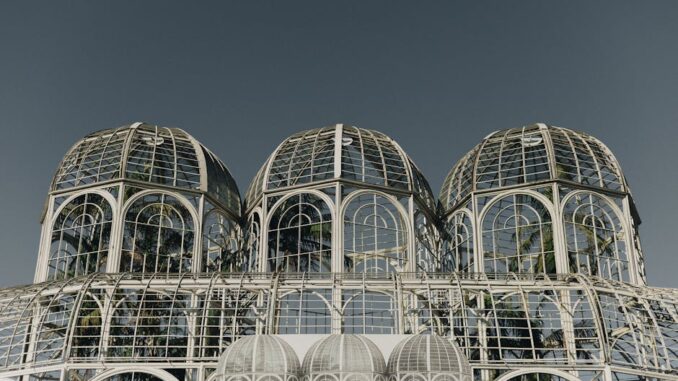

Conservatory & Orangery Wisdom: Dodging the Pitfalls for a Perfect Home Extension
Adding a conservatory or an orangery to your home is more than just a renovation; it’s about crafting an entirely new experience. Imagine those sun-drenched mornings with a coffee, the gentle patter of rain on the roof as you read, or simply having that gorgeous, light-filled space for entertaining. It really can transform how you live, bridging the gap between your indoor comforts and the beauty of the outdoors. But, as with any significant home improvement, the path isn’t always perfectly smooth, and many homeowners, with the best intentions, unfortunately find themselves facing regrets later on.
It’s not uncommon, for example, to hear stories about these dream spaces becoming unusable ovens in summer or iceboxes in winter, or just looking a bit ‘bolted on’ rather than an organic extension of the main house. We’re going to dive deep into these common pitfalls, uncovering why they happen and, more importantly, how you can cleverly sidestep them. Think of this as your essential guide to building a truly cherished and functional addition, not just another room.
Your vision, we build and you enjoyElegancia.homes handles every step in conservatory creation.
Let’s get into the nitty-gritty, shall we?
1. The Foundation of Success: Thoughtful Planning and Design
One of the most glaring missteps, one I’ve seen time and again, is rushing into construction without a genuinely exhaustive planning and design phase. It’s often where the dream begins to unravel before a single brick is laid. Without a crystal-clear vision, articulated down to the smallest detail, your beautiful new space might end up feeling disconnected, failing to meet its intended purpose or, worse still, becoming an expensive white elephant.
I recall a client, Sarah, who wanted a ‘bright, airy space’ for a home office. We designed something truly stunning on paper, but because she hadn’t fully considered the orientation and her work schedule, she later found the morning sun so intensely bright she couldn’t see her screen. We had to retrofit expensive solar blinds, which could have been avoided with a bit more upfront thought about the sun’s path and her daily routine. It’s these seemingly small details that make all the difference, isn’t it?
So, what’s the solution to this fundamental challenge? It’s all about strategic foresight.
-
Define the Purpose with Precision: This isn’t just about ‘extra space.’ Get granular. Will it be a vibrant dining area, perfect for Sunday roasts and lively gatherings? Perhaps a serene reading nook, a dedicated yoga studio bathed in natural light, or a robust, functional home office with a view? Maybe it’s a dedicated playroom, a vibrant art studio, or a space for growing exotic plants. Each function dictates specific design choices, from lighting and heating to flooring and ventilation. Don’t be vague; be incredibly specific about how you envision living in that space, daily, weekly, seasonally. This definition becomes your design compass.
-
Consult Professionals Early and Often: Don’t underestimate the invaluable insights an experienced architect or a specialist conservatory designer brings to the table. They’re not just drawing pretty pictures; they’re seasoned problem-solvers. These experts possess a profound understanding of structural integrity, local planning regulations, material science, and aesthetic integration. They can translate your vague ideas into concrete, buildable plans, suggesting innovative solutions you might never consider. They’ll ensure the extension complements your home’s existing architecture, rather than clashing awkwardly. They’ll also help you visualise the finished product through detailed drawings, 3D renders, or even virtual reality walkthroughs, allowing you to ‘experience’ the space before it’s built, tweaking and refining until it feels just right.
-
Consider the Sun’s Dance: Orientation is Everything: This is perhaps one of the most critical, yet frequently overlooked, aspects. The direction your conservatory faces profoundly impacts its thermal performance and usability. A south-facing conservatory will be glorious on sunny winter days but can become an unbearable greenhouse in summer, especially without adequate solar control. North-facing options offer consistent, soft light, ideal for artists, but might feel chilly without robust heating. East-facing catches the delightful morning sun, perfect for breakfast, while west-facing invites spectacular evening light but also intense afternoon heat. Understand the sun’s path throughout the day and across the seasons. This knowledge will guide your choices in glazing, shading solutions, and even the type of roof you opt for, ensuring comfort year-round.
2. Mastering Comfort: Insulation, Ventilation, and Climate Control
There’s nothing quite as disappointing as finally having your dream conservatory built, only to find it’s either stiflingly hot like a sauna in July or so cold you can see your breath in January. This extreme temperature fluctuation, often coupled with condensation issues that can lead to dampness and mould, is a common lament, stemming directly from poor insulation and inadequate ventilation. It isn’t just about discomfort; it can damage your furniture, decor, and even pose health risks. Who wants mold growing on their lovely new sofa, or worse, impacting air quality?
Many assume that because it’s a conservatory, it’s meant to be a bit hot or cold. But that’s an outdated notion. Modern materials and building techniques mean your new space can be just as comfortable, if not more so, than any other room in your home. The trick is to focus on creating a stable internal environment, much like you would for a conventional extension. Without careful attention to these elements, you’re not building an extra living space, you’re building a seasonal shed. Trust me, you don’t want to live in a seasonal shed.
Let’s explore how to create a truly comfortable, year-round haven.
-
Invest in Quality Materials from the Get-Go: This is where the budget often feels the pinch, but it’s genuinely an area where compromise leads to long-term regret. High-performance glazing is non-negotiable. Look for double or, even better, triple-glazed units, featuring low-emissivity (low-E) coatings and inert gas infills like argon or krypton between the panes. These technologies significantly reduce heat transfer, keeping warmth in during winter and excessive heat out during summer. Furthermore, don’t neglect the frames! Opt for insulated frames made from multi-chambered uPVC or thermally broken aluminium, which prevent cold bridging and heat loss through the structure itself. It’s the sum of these parts that creates an efficient thermal envelope.
-
Ensure Proper Ventilation Beyond Opening a Window: While opening windows is certainly part of the solution, it’s often not enough to manage humidity and temperature effectively, especially in extreme weather. Incorporate trickle vents into your window frames, which allow for continuous, subtle air exchange even when windows are closed, mitigating condensation. Consider mechanical ventilation systems, like discreet extractor fans or even heat recovery ventilation (HRV) units, which remove stale, humid air while recovering heat, providing fresh air without significant heat loss. For roof glazing, automatically opening roof vents with rain sensors are a godsend, allowing hot air to escape at the highest point and creating a natural airflow, all without you having to dash out in a downpour to close them.
-
Harness the Power of Thermal Blinds or Roof Blinds: These aren’t just for privacy or aesthetics; they’re critical tools for climate control. High-quality thermal blinds, particularly those with reflective backings, can block a significant amount of solar heat gain in summer, preventing that ‘oven effect.’ In winter, when drawn, they add an extra layer of insulation, reducing heat loss through the glass. Roof blinds, especially pleated ones designed for conservatories, are particularly effective at regulating heat and glare from overhead, transforming a scorching space into a pleasant one. They’re a fantastic way to dynamically control your environment, providing shade on demand and enhancing comfort immensely.
3. The Right Stuff: Material Selection for Longevity and Style
Choosing the materials for your conservatory or orangery is a pivotal decision that impacts not only its aesthetic appeal but also its long-term durability, maintenance burden, and overall performance. Skimping here, or simply choosing the cheapest option, can pave the way for a host of headaches down the line. I once saw a lovely conservatory, barely five years old, whose polycarbonate roof had yellowed dramatically and begun to leak because a homeowner chose the absolute cheapest option available. It ruined the look, cost more to fix than if they’d invested properly initially, and turned a once bright space into a gloomy, damp one. That’s a mistake no one wants to make, is it?
It’s about striking a balance between initial cost, enduring quality, and visual harmony with your existing home. You’re not just picking a frame; you’re investing in the future of your property.
-
Research Material Options with Diligence: Today, you have a wealth of choices, each with its own character and performance profile. Let’s break down the main contenders:
- uPVC: Hugely popular, and for good reason. It’s cost-effective, remarkably low-maintenance (a quick wipe-down usually suffices), and offers excellent thermal performance with its multi-chambered profiles. Available in a wide array of colours, including wood-grain effects, it can suit various architectural styles. However, some traditionalists find its aesthetic less ‘premium’ than timber or aluminium. It’s also worth considering its environmental footprint, though recycling efforts are improving.
- Aluminium: For a sleek, contemporary look, aluminium is king. It’s incredibly strong, allowing for narrower frames and larger expanses of glass, maximising light and views. It’s durable, corrosion-resistant, and requires minimal maintenance. With thermal break technology, its thermal performance is excellent. The downside? It typically sits at the higher end of the price spectrum compared to uPVC.
- Timber: Nothing quite beats the natural warmth and timeless elegance of timber. Often chosen for period properties or for those seeking a truly bespoke, classic feel. It’s highly insulating and, when sustainably sourced, an eco-friendly option. However, timber requires more significant ongoing maintenance – regular painting, staining, or oiling – to protect it from the elements and prevent rot or warping. Neglect it, and you’ll quickly see deterioration.
- Composite Materials: These combine the best of both worlds, perhaps a timber interior for warmth and an aluminium exterior for weather resistance. They offer superb performance but come with a higher price tag.
-
Prioritise Durability for Long-Term Value: Think about longevity over initial savings. Investing in high-quality, durable materials might mean a higher upfront cost, but it will undoubtedly save you money and heartache in the long run. Durable materials resist weathering, warping, discolouration, and require minimal upkeep, meaning fewer repairs and less time spent on maintenance. A robust frame and roof will maintain their structural integrity and aesthetic appeal for decades, making your investment worthwhile. Consider the guarantee offered by manufacturers – a longer guarantee often indicates higher confidence in material quality.
-
Match Aesthetics for Seamless Integration: The materials you choose should not only perform well but also harmonise effortlessly with your home’s existing style. A highly modern aluminium structure might look jarring against a rustic stone cottage, just as a very traditional timber conservatory might feel out of place beside a minimalist new build. Pay attention to the colours, textures, and profiles of your existing windows, doors, and brickwork. The goal is for the conservatory to look like it was always meant to be there, a natural extension, not an afterthought. This careful aesthetic matching significantly enhances your home’s curb appeal and, crucially, its resale value. Don’t forget about the smaller details like hardware – handles and hinges should also complement the overall style.
4. Navigating the Red Tape: Building Regulations and Planning Permission
Oh, the joys of paperwork and regulations! I know, it sounds a bit dry, but this is one area where ignorance is definitely not bliss. Failing to secure the necessary permissions is a surprisingly common pitfall that can lead to significant legal headaches, hefty fines, and, in the worst-case scenario, the costly demolition or extensive modification of your newly built extension. It’s genuinely not worth the risk. Imagine having to tear down your beautiful new orangery because you didn’t get a stamp from the council. It’s a nightmare scenario, but one that sadly plays out for some.
Many homeowners mistakenly believe that conservatories, by their nature, are always exempt from planning permission. While this can sometimes be true under ‘permitted development’ rights, it’s not a universal rule, and the specific criteria are often more complex than people assume. The legal landscape around home extensions is a veritable minefield for the uninitiated, with subtle nuances that can easily trip you up. And it’s not just planning permission; building regulations also play a crucial role, ensuring your extension is safe, structurally sound, and energy-efficient.
Let’s cut through the jargon and get you on the right track.
-
Consult Local Authorities Before Anything Else: This is your absolute first port of call. Before you even dream of getting quotes, pick up the phone or visit your local council’s planning department. Their website will also have a wealth of information. They can provide specific guidance on what’s permissible in your area, particularly if you live in a conservation area, an Area of Outstanding Natural Beauty, or if your property is listed. Rules vary from council to council, and what applies to your neighbour down the road might not apply to you. A pre-application enquiry can save you a world of trouble and expense down the line, giving you clarity on the specific permissions required for your proposed design.
-
Understand Permitted Development Rights (PDRs): Many conservatories and orangeries can indeed be built without full planning permission, falling under PDRs. However, these rights come with strict limitations. These typically include restrictions on the size and projection of the extension, its height, its proximity to boundaries, and the percentage of your garden it covers. For example, there are often limits on how far the extension can extend beyond the rear wall of the original house, or how high its eaves and ridge can be. Crucially, the materials used must often be ‘similar in appearance’ to the existing house. If your proposed design exceeds any of these parameters, even by a small margin, you’ll need to submit a full planning application. It’s a precise framework, not a free-for-all.
-
Engage Experienced Professionals Who Know the Ropes: This isn’t just about hiring a good builder; it’s about partnering with professionals who have a deep understanding of local regulations and compliance. A reputable conservatory installer or architect will be well-versed in both planning permission requirements and building regulations. They can advise you on the necessary applications, prepare the drawings, and even submit them on your behalf. They’ll also ensure your design adheres to building regulations covering structural integrity, thermal performance, safety glazing, electrical installations, and drainage. Always ask for proof of their relevant certifications (e.g., FENSA or CERTASS for window and door installation) and their track record with local planning departments. Their expertise is your shield against potential regulatory pitfalls, helping you secure that all-important ‘Certificate of Lawful Development’ if your project falls under PDRs, or guiding you through the full planning application process with minimal stress.
5. Investing in Tomorrow: Proactive Maintenance Matters
Congratulations, your beautiful new conservatory or orangery is complete! The sun streams in, the plants thrive, and you’re loving every moment. But here’s the thing: this isn’t a ‘build it and forget it’ situation. Like any part of your home, your extension will require ongoing love and attention to remain functional, attractive, and free from issues. Neglecting maintenance is a sure-fire way to accelerate deterioration, leading to costly repairs and a space that eventually loses its sparkle. I’ve seen conservatories that, after just a few years of neglect, look utterly forlorn – grubby, leaking, and decidedly uninviting. And that’s a crying shame, isn’t it, for such a significant investment?
It’s easy to overlook the simple tasks, assuming they can wait. But those small, ignored issues – a blocked gutter, a perished seal, a loose roof panel – can quickly escalate into major, expensive problems. A little proactive effort goes a very long way in preserving your investment and ensuring your conservatory remains the delightful haven you envisioned.
-
Establish a Regular, Comprehensive Maintenance Schedule: Don’t just clean it when it looks dirty. Implement a routine. Annually, check all seals and gaskets for signs of perishing, cracking, or shrinkage; these are crucial for weatherproofing and insulation. Inspect your roof panels (glass or polycarbonate) for any signs of damage or leaks. Clear gutters and downpipes of leaves and debris, especially in autumn, to prevent water buildup that can lead to damp penetration. Wipe down uPVC frames with a mild detergent solution to prevent grime buildup and discolouration. For timber frames, adhere strictly to the manufacturer’s recommendations for repainting or re-oiling, typically every 3-5 years, to protect the wood. Regularly lubricate hinges and locks to ensure smooth operation and prevent wear. Think of it like servicing your car – routine checks prevent big breakdowns.
-
Opt for Durable and Low-Maintenance Materials from the Outset: This circles back to our discussion on material selection. Choosing materials known for their durability and low maintenance characteristics will significantly ease your long-term upkeep burden. For instance, uPVC and aluminium frames are inherently low-maintenance, typically only requiring occasional cleaning. Self-cleaning glass for roofs is another brilliant innovation that uses sunlight and rain to break down and wash away dirt, drastically reducing the need for manual roof cleaning (which can be tricky and sometimes dangerous). While timber offers a beautiful aesthetic, understand that it comes with a commitment to more regular treatment. Making informed material choices initially can translate into far less effort and cost down the road.
-
Budget for Ongoing Upkeep Costs: Just as you budget for your utility bills or annual holidays, you should allocate a small annual fund for conservatory maintenance. This might cover specialist cleaning services for roofs and frames, the cost of sealants or replacement gaskets, or even professional painting for timber structures. Don’t let maintenance become an unexpected expense that you resent. By factoring it into your overall budget, you approach it with a planned, proactive mindset, rather than reacting to problems as they arise. Consider this an ongoing investment in protecting your initial significant outlay, ensuring your conservatory continues to deliver joy and value for many years to come. A well-maintained conservatory isn’t just pleasant to be in, it also retains its value much better than a neglected one.
6. The True Cost: Budgeting Beyond the Build
There’s an undeniable thrill in embarking on a home improvement project, isn’t there? The excitement of imagining the finished space can sometimes overshadow the rather important, if less glamorous, task of detailed budgeting. One of the most common and frustrating pitfalls homeowners face is significantly underestimating the total costs involved in adding a conservatory or orangery. They budget for the structure itself, but then suddenly realise they’ve forgotten about flooring, heating, lighting, furniture, planning fees, and, of course, the ongoing maintenance we just discussed. It’s like buying a car but forgetting about fuel, insurance, and road tax – you’re quickly left in a bind.
This isn’t just about financial discomfort; it can lead to compromising on quality, cutting corners, or even abandoning the project mid-way. The ‘hidden costs’ can quickly add up, turning a dream into a financial headache. To truly enjoy your new space, you need a clear, realistic financial roadmap. Nobody wants to be half-finished and out of cash, believe me.
-
Create a Meticulously Detailed Budget (and Stick to It!): This needs to go far beyond the initial quote for the conservatory shell. Break down every single potential expense. Think about:
- The Structure Itself: This is the big one – foundations, base walls, frame, roof, glazing, doors.
- Site Preparation: Groundwork, excavation, demolition of existing structures, ensuring proper drainage.
- Internal Finishes: Flooring (tiles, engineered wood, LVT), plastering, painting, skirting boards.
- Electrical Work: Lighting (recessed spotlights, wall lights, feature lighting), power sockets, any specific appliance wiring, outdoor lighting for the adjacent area.
- Plumbing: If you plan for radiators (connecting to central heating) or even a small sink for a plant area.
- Heating/Cooling Solutions: Underfloor heating (electric or wet systems), modern radiators, air conditioning units, ceiling fans.
- Furnishing and Decor: Blinds or curtains, furniture (sofas, chairs, dining tables), rugs, artwork, plants, decorative items.
- Professional Fees: Architect, structural engineer, planning consultant, building control application fees.
- Landscaping: Any patios, pathways, or planting schemes directly adjacent to the conservatory that integrate it with your garden.
- Contingency Fund: Crucially, always allocate an additional 10-15% of your total estimated budget for unexpected expenses. There will always be something unforeseen – a tricky bit of ground, a change of mind, a material price fluctuation. This buffer is your financial safety net.
-
Get Multiple, Comparable Quotes: Don’t just settle for the first quote you receive. Approach at least three reputable suppliers or contractors. Ensure each quote is itemised and covers precisely the same scope of work and materials, making direct comparisons straightforward. Be wary of quotes that seem significantly lower than others; they might be cutting corners or have hidden extras. Ask for clarity on what’s included and what isn’t, right down to the skip hire and final clean-up. This due diligence ensures you get the best value without compromising on quality.
-
Plan for Contingencies and Be Flexible: As mentioned, the contingency fund is paramount. But beyond that, be prepared for some flexibility in your plans. Sometimes, during construction, an unexpected issue arises that requires a slight design modification or a different material choice. Having that financial buffer and an open mind means these minor bumps in the road won’t derail your entire project. Remember, a successful project isn’t one where nothing goes wrong, but one where challenges are anticipated and managed effectively. Being realistic about costs and preparing for the unexpected is the hallmark of a savvy homeowner.
7. Seamless Integration: Making it Feel Like Home
One of the biggest design challenges, and consequently a significant source of homeowner regret, is when a conservatory or orangery looks and feels like an afterthought – a box ‘bolted on’ to the back of the house rather than an organic, flowing extension. It’s jarring, reduces curb appeal, and frankly, just doesn’t feel right. I’ve often seen beautiful homes with a conservatory that just doesn’t seem to belong, almost as if it landed there from another planet. This kind of disconnect undermines the very purpose of an extension: to enhance and expand your living space, not detract from it.
When your new space doesn’t blend seamlessly, internally or externally, it creates a sense of imbalance. It’s like wearing mismatched socks with a smart suit; the overall impression is just… off. The key to avoiding this pitfall lies in treating the conservatory not as a separate entity, but as an integral part of your home’s narrative, a natural progression of its style and function. You want it to feel like it’s always been there, a comfortable extension of your life.
-
Maintain Architectural Consistency from Every Angle: This is about more than just matching brick colours. Consider the entire architectural language of your existing home. Does it feature ornate Victorian detailing, or is it a clean-lined modern abode? Your conservatory’s design – its roofline, window styles, frame profiles, and even the type of glass – should echo these elements. For example, a traditional Victorian-style conservatory with intricate cresting would look fantastic on a period property, while a minimalist orangery with sleek aluminium frames might be perfect for a contemporary dwelling. Pay attention to fascia, soffit, and guttering details too; these subtle touches can make a huge difference in visual harmony. The goal is for the eye to flow effortlessly from the original house to the new extension, recognising a shared design lineage.
-
Consult Design Experts for a Unified Vision: This is where a skilled architect or a specialist conservatory designer truly shines. They possess the eye and expertise to bridge the gap between your existing home and the new addition. They’ll consider factors like sightlines, the play of light, and how the new space will be viewed from both inside and outside. They can recommend specific materials, colours, and architectural features that will ensure a seamless visual transition, preventing that ‘bolted-on’ look. Internally, they’ll help you plan the transition points – should there be a wall removed to create an open-plan flow, or an internal set of French doors for a more defined separation? The flooring, paint colours, and even the internal door styles should flow consistently between the old and new sections, creating a cohesive interior design scheme. It’s their job to think of everything so you don’t have to.
-
Always Consider Future Resale Value (Even if it’s Your Forever Home): While you might adore your new extension, potential buyers in the future will also need to appreciate it. A well-integrated, thoughtfully designed conservatory or orangery adds significant value and appeal to your home. It speaks of quality, attention to detail, and a harmonious living environment. Conversely, a poorly integrated, incongruous extension can actually detract from your home’s marketability and value, looking like a costly problem to be fixed rather than a desirable feature. Even if you believe it’s your ‘forever home,’ designing with potential future buyers in mind ensures your investment truly pays dividends, both in your enjoyment and in your property’s overall worth. A coherent design shows care and quality, and that always resonates with buyers.
8. Beyond the Walls: Harmonizing with Landscaping and Exterior Features
Often, the excitement of the conservatory itself means the immediate surroundings get a bit overlooked. We spend so much energy on the internal design and structure, that the external integration with the garden or outdoor space becomes an afterthought. This is a common oversight that can leave your beautiful new extension feeling isolated, almost floating in an undefined void. It’s like buying a stunning piece of art and then hanging it on a blank, stark wall with no frame or context – it loses impact. A neglected exterior results in a disjointed appearance and can really reduce the enjoyment and usability of the entire space. It’s a missed opportunity to truly connect the indoors with the outdoors, isn’t it?
Your conservatory isn’t just a room in your garden; it should be a room that feels part of your garden. The transition from the structured interior to the fluid exterior needs to be carefully orchestrated to create a cohesive and inviting environment.
-
Plan the Surroundings as an Extension of Your Living Space: Think of the area immediately outside your conservatory as another ‘room’ or ‘zone.’ How will people move from inside to out? What views will you have from different angles within the conservatory? Design the garden, patio, or decking to complement the conservatory’s style and function. If your conservatory is a dining room, perhaps a complementary patio dining area just outside would be perfect for al fresco meals. If it’s a relaxing lounge, maybe a tranquil pond or a fragrant flower bed directly outside the windows would enhance the serene atmosphere. Consider the privacy from neighbours and the prevailing wind direction when planning these external elements. Thoughtful planning here makes the entire area, both inside and out, feel more expansive and purposeful.
-
Incorporate Outdoor Living Spaces to Extend the Experience: This is where you truly blur the lines between inside and out. Adding features like a beautifully paved patio, a warm wooden deck, or a gravelled seating area directly adjacent to your conservatory doors effectively extends your usable living space. Imagine bi-fold or sliding doors opening fully onto a sun-drenched deck, creating one large, flowing entertainment zone. Think about materials that complement those used in the conservatory itself. Perhaps the internal floor tiles could extend seamlessly onto the patio, using a frost-resistant outdoor version, visually drawing the eye outwards. Incorporate pergolas or awnings for shade, outdoor lighting for evening ambiance, and comfortable outdoor furniture to truly encourage that indoor-outdoor lifestyle. This creates a powerful sense of connection and expands your home’s footprint in a wonderfully natural way.
-
Maintain the Exterior (and Landscaping) Regularly: Just as the conservatory itself needs maintenance, so too does its immediate exterior. Overgrown bushes can block light, messy borders detract from the view, and dirty paving can make the whole area feel unkempt. Regularly prune plants, keep pathways clear, and ensure the conservatory’s external frames and glass are cleaned regularly to maximise light transmission and maintain its aesthetic appeal. The plants you choose for the beds directly outside should also be considered – avoid anything that will grow too large and block light or views, or that will drop excessive leaves onto the roof or into gutters. By consistently caring for the conservatory’s surroundings, you ensure it remains a pristine and inviting focal point, enhancing not just its own beauty, but the overall appeal of your entire garden and home. It’s a holistic approach to home improvement.
9. A Green Approach: Embracing Energy Efficiency
In today’s world, ignoring energy efficiency when adding an extension isn’t just a missed opportunity for saving money; it’s practically a cardinal sin of home renovation. A poorly designed conservatory can, surprisingly, act as a significant energy drain on your home. It can lead to substantial heat loss in winter, making your main heating system work overtime, and conversely, contribute to unbearable overheating in summer, forcing you to crank up the air conditioning. Who wants to roast or shiver in a space that was meant to bring joy? This oversight results in higher utility bills, a less comfortable living environment, and an unnecessarily large carbon footprint. It’s simply not smart building.
Modern conservatories and orangeries, when designed with energy efficiency at their core, can be incredibly comfortable and cost-effective additions. The technology exists to create spaces that regulate temperature effectively year-round, making them genuinely useful living areas rather than just seasonal rooms. It’s about leveraging innovation to create a sustainable and comfortable extension.
-
Prioritise Energy-Efficient Materials and Technologies: This goes beyond standard double glazing. Look for advanced glazing options such as:
- Low-Emissivity (Low-E) Glass: This has a microscopic metallic coating that reflects heat, keeping warmth inside during winter and reflecting solar radiation away in summer.
- Argon or Krypton Gas Fills: These inert gases, sealed between glass panes, are denser than air and provide superior insulation.
- Solar Control Glass: Specifically designed to reduce the amount of solar heat entering the conservatory while still allowing ample light, crucial for south or west-facing extensions.
- Insulated Frames: As discussed earlier, frames made from multi-chambered uPVC or thermally broken aluminium prevent cold bridging and heat transfer through the frame itself. For solid or hybrid roofs, ensure they incorporate high-performance insulation, achieving U-values comparable to that of your main house roof. These choices collectively form a highly efficient thermal envelope, dramatically improving the conservatory’s performance.
-
Incorporate Smart Solar Control Features: While high-performance glass helps, active solar control adds another layer of efficiency. Automated roof blinds or integrated Venetian blinds within the glazing can be programmed to deploy when the sun is at its strongest, preventing overheating. External shading solutions, like awnings or strategically planted deciduous trees, can also provide shade in summer while allowing winter sun to penetrate. Self-cleaning glass, while primarily a convenience, can also subtly improve energy efficiency by ensuring maximum light transmission and reducing heat absorption from dirt buildup. Thinking about how the sun interacts with your space, and having mechanisms to control it, is key to year-round comfort.
-
Consider Thoughtful Heating and Cooling Solutions: If your conservatory isn’t thermally separated from the main house (i.e., no external-grade door between them), it will need to be heated to building regulation standards, potentially requiring an upgrade to your existing central heating system. However, for a more targeted approach, consider specific solutions:
- Underfloor Heating: Provides consistent, gentle warmth and is incredibly efficient, especially with tiled floors that act as thermal mass.
- Energy-Efficient Radiators: Modern radiators with thermostatic controls allow you to manage the temperature precisely.
- Air-Source Heat Pumps: These systems can provide both heating and cooling, offering an energy-efficient solution for maintaining comfort throughout the year.
- Good Ventilation and Ceiling Fans: For cooling, maximising natural ventilation through strategically placed opening windows and roof vents is always the first step. Ceiling fans can also effectively circulate air and create a cooling breeze without the energy demands of air conditioning. By combining passive design strategies with efficient active systems, you can ensure your conservatory is a pleasant and cost-effective space, whatever the season.
10. Future-Proofing Your Sanctuary: Adapting to Evolving Needs
Life rarely stands still, does it? Our needs and circumstances evolve, sometimes slowly and subtly, other times with dramatic shifts. A conservatory that perfectly suits your lifestyle today might feel somewhat restrictive or ill-suited in five, ten, or even fifteen years down the line. This failure to consider future needs is a regret many homeowners voice, finding their once-perfect space no longer aligns with their changing family dynamics or personal requirements. For example, that lovely bright play space for toddlers might become a less-than-ideal teenage hangout, or a quiet reading room might suddenly need to double as a bustling workspace. It’s all about thinking ahead, isn’t it?
Building an extension is a significant investment, and you want it to remain relevant and valuable for the long haul. The smartest approach is to design with flexibility and adaptability in mind, ensuring your new space can gracefully evolve alongside your changing life. Don’t box yourself into a corner, literally.
-
Design for Flexibility and Multi-Purpose Use: Rather than rigidly defining a space for a single, narrow purpose, aim for versatility. Could your conservatory function as both a dining area and an occasional workspace? Or a quiet reading room that can quickly transform into an extra guest sleeping area with a sofa bed? Consider features like ample power sockets for various uses, adaptable lighting schemes (dimmable, zonal lighting), and even modular furniture that can be rearranged or repurposed. This foresight allows the space to seamlessly transition between different functions without requiring costly renovations down the line. A truly flexible design is a design that continues to serve you well, whatever life throws your way.
-
Plan for Adaptability and Potential Modifications: Think about the ‘bones’ of the structure. Could you easily add an internal partition wall later if you needed to create two distinct zones? Are the foundations robust enough to potentially support a more solid roof conversion (from glass to tile) if future energy efficiency needs become even more pressing? If your current design features mostly glass, could some of those panels eventually be replaced with insulated solid sections if more privacy or thermal mass is desired? While you don’t need to over-engineer every possibility, having a conversation with your designer about the potential for future modifications can inform initial structural choices, making future adaptations simpler and less expensive. It’s about building with foresight, enabling evolutionary changes rather than revolutionary ones.
-
Consider Longevity in Aesthetics and Function: While it’s tempting to chase current trends, particularly in interior design, sometimes a more classic or timeless aesthetic for the core structure is a safer bet for long-term appeal. Trends come and go, but well-proportioned design, quality materials, and a harmonious integration with your home will always endure. Think about how the materials will age, and whether the chosen style will still feel current and attractive in ten or twenty years. Moreover, assess the long-term functionality. Will the access points still be suitable if mobility becomes an issue later in life? Are the sightlines and views from inside still going to be appealing as your garden matures? By considering these long-term aspects of both aesthetics and function, you ensure your conservatory remains a beloved and valuable part of your home for generations.
Bringing It All Together
Creating a truly magnificent conservatory or orangery is an exciting journey, one that promises to enrich your home and your lifestyle significantly. But, as we’ve explored, it’s also a journey fraught with potential missteps. The key to success isn’t just about avoiding these common pitfalls; it’s about embracing a proactive, informed, and thoughtful approach from the very first spark of an idea.
By meticulously planning your design, prioritising comfort through intelligent insulation and ventilation, making informed material choices, diligently navigating regulations, committing to ongoing maintenance, budgeting comprehensively, and ensuring seamless integration with both your home and garden, you’re setting yourself up for success. And don’t forget to cast an eye toward the future, designing a space that’s flexible and adaptable to your evolving needs. Think of your conservatory as a lasting legacy, a space that will bring joy and value for decades to come, rather than a fleeting whim.
Approach your project with this wisdom, and you won’t just avoid regrets; you’ll create a truly cherished extension that enhances every aspect of your living experience. Now, go forth and build something truly wonderful!
Be the first to comment