
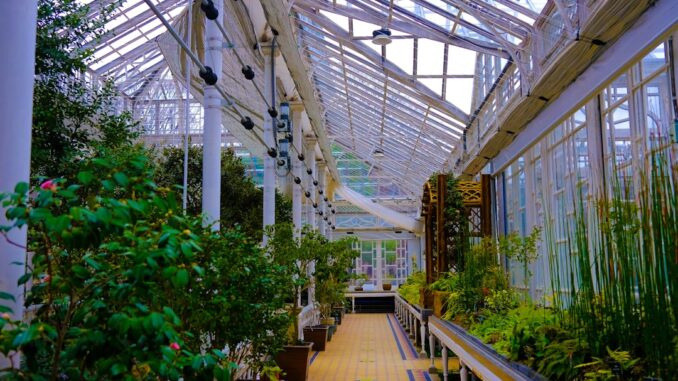

Conservatory vs. Orangery: Crafting Your Perfect Light-Filled Extension
Dreaming of a sun-drenched sanctuary, a space that seamlessly blurs the lines between your cozy indoors and the vibrant embrace of your garden? Many of us are, aren’t we? Bringing more natural light into our homes, expanding living areas, and truly connecting with the outdoors has become a top priority for homeowners looking to enhance their living experience. When you embark on this exciting journey, you’ll inevitably find yourself standing at a crossroads, pondering the age-old question: conservatory or orangery? Both promise an abundance of light and space, but their structural DNA, aesthetic appeal, and functional capabilities diverge quite significantly. Understanding these nuances isn’t just about architectural jargon; it’s about making an informed decision that will profoundly impact your home’s character, comfort, and ultimately, your daily life for years to come. So, let’s peel back the layers and uncover the distinct personalities of these two fantastic extension options.
Unpacking the Essentials: What Defines a Conservatory and an Orangery?
Before we dive into the nitty-gritty, it’s helpful to establish a clear picture of each. Think of them not just as ‘glass rooms,’ but as distinct architectural statements, each with its own history and design philosophy.
The Conservatory: A Luminous Glass Embrace
Historically, the conservatory emerged during the Victorian era, a testament to the burgeoning love for exotic plants and the desire to cultivate them in temperate climates. It was, at its heart, a glorified greenhouse, a place for propagation and display. Today, however, it’s evolved into a much more versatile and comfortable living space, yet it retains much of its original, light-centric design ethos.
Fundamentally, a conservatory is a predominantly glazed structure, a true symphony of glass and slender frames. Picture a structure where the walls, and often the entire pitched roof, are generously given over to glass. This design isn’t accidental; it’s engineered to absolutely maximise daylight penetration and offer uninterrupted, panoramic views of your garden. The sensation inside is one of being truly immersed in your outdoor surroundings, almost as if you’re sitting in the garden rather than just looking at it. It’s incredibly bright, airy, and can feel wonderfully expansive, even if the footprint isn’t enormous.
Common materials you’ll find for conservatory frames typically include uPVC, aluminum, or timber. uPVC remains a popular choice due to its excellent cost-effectiveness and relatively low maintenance demands, making it accessible for many budgets. Aluminum, on the other hand, offers sleek, contemporary lines and incredible strength, allowing for even slimmer sightlines and larger glass panels. Then there’s timber, a classic choice that brings a natural warmth and traditional elegance, though it often requires a bit more TLC in terms of upkeep.
Modern conservatories have come a long way from their sweltering, draughty ancestors, mind you. Advancements in glazing technology, like high-performance low-E glass, self-cleaning coatings, and sophisticated ventilation systems, have significantly improved their year-round comfort. They’re still a fantastic, often more budget-friendly, way to add a bright, informal living space, a breakfast nook perhaps, or a delightful reading corner, connecting you utterly with the changing seasons outside. It’s all about that glorious, unadulterated light.
The Orangery: A Sophisticated Blend of Solid and Glazed
Now, let’s shift our gaze to the orangery, a structure with roots stretching back even further, to the 17th-century European aristocracy. These grand edifices were originally built to house delicate citrus trees (hence ‘orangery’) and other exotic plants through the harsh European winters. Consequently, they were designed with more substantial, insulated walls, along with large windows and often a glazed roof element to allow sufficient light. This historical context provides a vital clue to its modern incarnation.
An orangery, in essence, strikes a beautiful balance; it’s less a glass box and more a traditional extension thoughtfully integrated with significant glazed elements. It features a solid or flat perimeter roof, often incorporating a central glazed lantern, sometimes referred to as a skylight or roof light. This design means you get glorious, uplifting top light, but with the added thermal benefits and structural integrity of a solid roof around its edges. It’s a truly elegant solution.
Crucially, an orangery incorporates a greater proportion of masonry or brick piers between its glazed screens and doors. These solid sections give it a much more ‘room-like’ feel, providing a sense of permanence and grounding that you don’t always get with a conservatory. The plastered interior ceiling, which typically surrounds the glazed lantern, is a game-changer. It allows for the seamless installation of recessed downlights, integrated heating and cooling systems, and all the wiring you’d expect in a conventional room. This makes it incredibly versatile, suitable for a much wider array of primary living functions, from a high-end kitchen extension to a formal dining room or a sophisticated secondary lounge. An orangery feels like a natural, inherent part of your home, not an addition.
The Nitty-Gritty: Key Differences Between Conservatories and Orangeries in Detail
While both extensions invite light and space, their fundamental architectural principles lead to significant differences in functionality, aesthetics, and how they perform as living spaces throughout the year. Understanding these distinctions is paramount when you’re deciding where to invest your hard-earned money and your hopes for a new, brighter living area.
1. Roof Structure and the Dance of Light
This is perhaps the most visually striking and functionally important differentiator.
-
Conservatory: Here, the roof is almost entirely given over to glazing, typically a pitched design. Think Victorian, Edwardian, Gable-ended, or Lean-to styles, all designed to capture as much sky view and natural daylight as humanly possible. This means an incredible flood of light, an almost uninhibited connection to the sky, and an intense feeling of brightness. On a sunny day, it’s truly breathtaking; the light just pours in, chasing away any shadows. However, this expansive glazing can also present challenges with solar gain during peak summer and heat loss during winter’s chill. Advanced glass technologies, like solar-control coatings and argon-filled double glazing, certainly mitigate these issues, but the fundamental nature of an all-glass roof means managing temperature fluctuations remains a primary consideration.
-
Orangery: In stark contrast, an orangery boasts a flat or solid perimeter roof, often constructed with highly insulated materials, punctuated by a central glazed lantern. This lantern, a veritable jewel box of light, sits proudly atop the solid roof, allowing a beautiful wash of ‘uplifting top light’ to flood the space below. It’s a different quality of light than a conservatory offers; it’s still abundant, but often feels more controlled, more ambient, and certainly more sophisticated. The solid roof sections around the lantern provide crucial insulation, meaning better temperature regulation, and also allow for that invaluable plastered ceiling. This not only offers a canvas for architectural lighting but also creates a more intimate, enclosed atmosphere that many find preferable for spaces intended for dining, cooking, or general relaxation. You still get that wonderful connection to the sky, but it’s framed and moderated, leading to a more consistent internal climate and a feeling of grounded elegance.
2. Walls, Materials, and the Sense of Substance
How the walls are constructed speaks volumes about the character of each extension.
-
Conservatory: You’ll find predominantly glazed walls here, with slim frames and minimal masonry, if any at all. The idea is to maximise transparent surfaces, creating an unbroken visual flow between inside and out. This design choice contributes to the conservatory’s lightweight, ethereal aesthetic. The structural support comes from the framing system itself, often designed to be as unobtrusive as possible. While this offers incredible views, it also means less thermal mass to help regulate temperatures and, inherently, less privacy from immediate neighbours or passersby. It’s a truly open, exposed feeling, which for many, is precisely the appeal.
-
Orangery: Here, we see a significant departure. Orangeries incorporate much more substantial masonry or brick piers between the glazed screens and doors. These solid sections are not merely decorative; they’re integral to the structure, providing superior insulation, greater privacy, and a more robust, substantial feel. These piers can seamlessly integrate with your existing home’s brickwork or render, making the orangery feel like a perfectly natural extension rather than an add-on. Moreover, these solid walls provide practical benefits: they offer space for electrical sockets, radiators, and even integrated shelving, transforming the space into a genuinely multi-functional room. This architectural solidity lends itself to a more sophisticated interior design scheme and creates a comforting sense of enclosure.
3. Insulation and the Pursuit of Year-Round Comfort
This is where the rubber truly meets the road, impacting how you’ll actually use your new space through all four seasons. A beautiful extension that’s too hot in summer and too cold in winter quickly becomes an expensive storage room, doesn’t it?
-
Conservatory: By virtue of their larger expanses of glass, conservatories can, if not specified carefully, be more susceptible to significant heat loss in winter and potential overheating in summer. Imagine the sun beating down on an entirely glass roof – it can turn into a rather efficient oven! Similarly, a chilly winter night sees heat escaping rapidly through those large glazed surfaces. Modern glazing has made incredible strides, with options like low-emissivity (low-E) glass, which reflects heat back into the room, and solar-control glass, which reduces solar gain. Smart ventilation systems, like automatic roof vents and trickle vents, are also crucial. Still, managing the climate in an all-glass structure requires thoughtful design and often additional heating or cooling solutions, such as underfloor heating or air conditioning, especially if you plan to use it as a primary living space year-round. It’s an important consideration, a compromise often made for that unparalleled light.
-
Orangery: This is where the orangery truly shines for those seeking a consistently comfortable environment. The combination of a solid, insulated perimeter roof and the increased masonry in the walls provides significantly better thermal performance. These solid elements offer much greater thermal mass, helping to absorb and slowly release heat, leading to more stable internal temperatures. This means a snugger, warmer space in winter and a cooler, more comfortable one in summer. It’s this superior insulation and temperature stability that makes an orangery genuinely suitable for year-round use as a primary living space, effortlessly integrating into your home’s central heating system. You won’t find yourself shunning it during extreme weather; instead, you’ll be enjoying its comforting embrace, perhaps with a mug of tea, watching the rain lash against the windows, feeling perfectly content.
4. Privacy and Acoustic Performance: A Quiet Retreat or an Open Stage?
Beyond temperature, how a space feels in terms of privacy and sound can profoundly affect its usability and comfort.
-
Conservatory: With its predominantly glazed walls, a conservatory offers less inherent privacy. If your garden is overlooked, you’ll likely need to invest in blinds or other screening solutions. Similarly, the vast amount of glass can mean more external noise penetration and a livelier acoustic environment internally – sound tends to bounce around more in a largely glass space. This might be fine for a casual sitting area, but perhaps less ideal if you’re trying to concentrate on work or enjoy a quiet evening.
-
Orangery: The increased masonry and solid roof sections in an orangery provide a welcome boost to both privacy and acoustic performance. The solid piers break up the sightlines, offering more secluded spots, and the insulated roof helps to dampen external noise, creating a calmer, more serene internal environment. This makes an orangery a much better candidate for spaces where quiet concentration or intimate conversations are desired, like a home office or a cozy living room.
Enhancing Your Home with an Orangery: Practical Applications and Lifestyle Benefits
While conservatories offer undeniable charm, an orangery, with its unique blend of solid architecture and extensive glazing, often delivers a more versatile and elegant space that truly feels like an extension of your main home. It’s not just about adding square footage; it’s about adding intelligent, beautiful, and highly functional space that transforms how you live. Let’s explore some of the exciting possibilities an orangery opens up.
The Heart of the Home: A Kitchen Extension
This is arguably one of the most popular and transformative uses for an orangery, and for good reason. Imagine a kitchen bathed in natural light, a cheerful space where the morning sun streams in as you make your coffee, or where the soft glow of twilight accompanies your evening meal prep. The abundance of light, coupled with the robust structure that can easily accommodate kitchen units, appliances, and island worktops, makes an orangery a perfect fit. You can achieve a seamless flow from your existing kitchen, creating a truly open-plan living and cooking area. I remember a client, Sarah, who extended her rather cramped 1930s kitchen with an orangery. She told me it completely changed their family dynamic; suddenly, cooking wasn’t a solitary chore, but a shared experience, with kids doing homework at the island while she prepped dinner, all bathed in that glorious natural light. It wasn’t just a kitchen, it became their central hub, truly.
A Welcoming Ambiance: The Dining Area
Beyond the kitchen, an orangery excels as a dedicated dining space. The ambient top light from the lantern, perhaps complemented by strategically placed downlights in the plastered ceiling, creates an inviting atmosphere that feels both special and relaxed. Picture hosting dinner parties where guests are captivated by the starlit sky visible through the roof lantern, or enjoying leisurely Sunday lunches bathed in warm sunlight. It’s a space that encourages lingering, fostering conversation and connection. The solid walls allow for substantial dining furniture, sideboards, and artwork, giving it the gravitas of a formal dining room but with the undeniable uplift of natural light and garden views.
Your Everyday Retreat: An Extended Living Space
Many homeowners choose to use their orangeries as extended living rooms or comfortable sitting areas, and it’s easy to see why. The superior insulation means it’s a cozy haven in winter, while thoughtful design ensures it remains a refreshing oasis in summer. It becomes that perfect spot for relaxation, a quiet reading nook bathed in gentle light, or a vibrant space for socialising with family and friends. Unlike a conservatory that might feel too exposed for intimate moments, an orangery’s balance of glass and solid elements provides a sense of comfort and enclosure, making it a genuine extension of your main living areas, not just an adjacent room. You can furnish it with plush sofas, integrate a fireplace or a media unit, and truly make it your own, a sanctuary where you can unwind and reconnect with your home and garden.
Beyond the Conventional: More Ingenious Uses
The versatility of an orangery doesn’t stop there. Its structural integrity and comfortable climate control open doors to a myriad of other possibilities:
- Home Office/Study: Imagine tackling your to-do list in a brightly lit, inspiring space, free from the distractions of the main house. The solid walls provide opportunities for shelving and storage, and the improved acoustics make it ideal for video calls.
- Playroom: Give your children their own dedicated, light-filled space for games and creative play, keeping toys neatly contained and freeing up other areas of your home.
- Home Gym: Escape the confines of a dusty garage or spare room. An orangery offers a bright, airy environment that can make working out feel less like a chore and more like a refreshing start to your day.
- Art Studio or Craft Room: For the creatively inclined, the natural light from an orangery lantern is simply invaluable, providing the perfect conditions for painting, sculpting, or any craft that benefits from true colour rendering.
Ultimately, an orangery is about creating a space that feels integral to your home’s fabric, offering flexibility, comfort, and an enduring sense of elegance, elevating your everyday living experience in profoundly delightful ways.
Navigating the Project: Crucial Considerations Before You Build
Embarking on any home extension project, especially one as significant as an orangery or a conservatory, requires careful planning and a clear understanding of the various factors involved. It’s not just about picking a pretty design; it’s about navigating practicalities, permissions, and budgets to ensure your dream becomes a well-executed reality. Neglecting these early considerations can lead to costly delays, unexpected problems, or even a finished product that doesn’t quite meet your expectations. So, let’s take a closer look at what you really need to think about before those shovels hit the ground.
1. Cost: An Investment in Your Lifestyle
Let’s be upfront: orangeries are generally more expensive than conservatories. This isn’t just because of their often larger scale, but primarily due to their more substantial construction, higher proportion of solid materials, and increased integration with the main property’s services. When you’re budgeting, consider:
- Materials: Higher-grade brick, stone, or bespoke timber for the solid sections, advanced glazing for the roof lantern and windows, and robust foundation work all contribute to the cost. The quality and type of glass alone can significantly impact the price – think about solar control, self-cleaning, or acoustic glazing options.
- Design Complexity: A simpler, standard design will naturally be less expensive than a highly customised, architecturally intricate orangery that perfectly matches the nuances of your existing home.
- Foundations and Site Preparation: As an orangery is more akin to a traditional extension, it usually requires deeper, more robust foundations, which can involve significant excavation and concrete work, especially if your ground conditions are challenging.
- Internal Finishes: The plastered interior ceiling, integrated lighting, heating, and flooring (tiles, engineered wood, etc.) all contribute to the final look and feel, and thus the cost. Don’t forget the plastering and painting! Are you integrating underfloor heating? That’s an additional consideration.
- Professional Fees: You’ll likely need architects, structural engineers, and reputable builders. Their expertise is invaluable and a necessary part of the investment. My advice? Always get at least three detailed, itemised quotes from different, highly recommended companies. It’s the only way to really compare apples to apples and avoid nasty surprises down the line.
While the upfront cost can be higher, remember that an orangery often adds more significant value to your property due to its robust construction, year-round usability, and seamless integration, making it a sound long-term investment.
2. Planning Permission & Building Regulations: Don’t Skip the Paperwork!
This is perhaps the most crucial administrative hurdle, and one you absolutely cannot afford to overlook. The good news is, many smaller extensions, including some conservatories and even orangeries, can fall under ‘permitted development’ rights, meaning you don’t need full planning permission. However, there are strict criteria, and if you exceed these, you’ll need to apply. Typical triggers for needing permission include:
- Size and Height: Exceeding specific dimensions (e.g., more than half the area of the original house, exceeding certain heights, or extending beyond a specified distance from the original rear wall).
- Proximity to Boundaries: How close the extension is to your property lines.
- Location: If your home is in a Conservation Area, Area of Outstanding Natural Beauty, National Park, or is a Listed Building, rules are much stricter, and you’ll almost certainly need full planning permission, often with very specific design constraints.
Building Regulations are a different beast entirely, focusing on the quality of construction, safety, and energy efficiency. An orangery, due to its substantial construction and integration with the main house, is much more likely to fall under Building Regulations than a simple, lightweight conservatory. These regulations cover everything from:
- Structural Integrity: Ensuring the extension is safe and sound.
- Thermal Efficiency: Meeting minimum U-values for walls, roofs, and glazing to prevent excessive heat loss or gain.
- Safety Glazing: Specifying toughened or laminated glass in critical areas.
- Electrical Installation: Ensuring all wiring meets safety standards.
- Ventilation: Adequate airflow to prevent condensation.
Ignorance isn’t bliss here; it can be incredibly expensive. Always, always check with your local planning authority or, better yet, enlist the help of an experienced architect or reputable extension company. They can guide you through the maze of paperwork and ensure everything is compliant. Trust me, it’s far better to get this right at the start than face enforcement action or problems when you come to sell your home.
3. Integration with Existing Architecture: A Seamless Marriage
One of the defining characteristics of a successful orangery is how it harmonises with your existing home. You don’t want it to look like an afterthought, a glass box awkwardly bolted onto a charming period property. The goal is a seamless, natural extension, almost as if it’s always been there. Consider:
- Materials: Match existing brickwork, stone, render, or choose complementary materials that enhance your home’s aesthetic. The framing material for the windows and lantern should also align with or tastefully contrast your existing windows.
- Roofline and Eaves: Ensure the orangery’s roofline doesn’t clash with the main house. Good designers will consider how water runoff will be managed and ensure continuity.
- Window and Door Styles: Mimic or complement the style of your existing windows and doors for a cohesive look. Are your existing windows sash, casement, or something else? This should inform the orangery’s design.
- Scale and Proportion: The size of the orangery should feel appropriate to the main house, not overwhelming or diminutive. It’s a delicate balance.
A skilled architect or designer will pay meticulous attention to these details, ensuring your orangery looks like an intentional, beautiful part of your home’s original design, enhancing its kerb appeal from day one.
4. Orientation and Site Specifics: Harnessing Nature’s Gifts (and Avoiding its Wrath!)
Where your extension sits relative to the sun and your garden is a huge factor in its success. Don’t underestimate this; it truly dictates comfort and usability.
- Sun Path Analysis: Understand where the sun rises, tracks throughout the day, and sets across your property. A south-facing orangery will receive maximum sun, which is fantastic in winter but can lead to overheating in summer without proper solar-control glazing and shading (blinds, external awnings, strategic planting). North-facing means less direct sunlight, which can be lovely for an art studio, but might feel cooler without adequate heating. East and west orientations present their own challenges with morning and afternoon glare, respectively.
- Views: What are the best views from your garden? Design your orangery to frame these vistas, creating a beautiful backdrop for your daily life.
- Ground Conditions: Is your soil stable? Are there drains or services running under your proposed site? These factors affect foundation design and cost. A good builder will conduct a site survey early on.
- Accessibility: How will you access the garden from the orangery? Large bi-fold doors, French doors, or sliding doors can create that perfect indoor-outdoor flow.
5. Maintenance: Long-Term Love and Care
Finally, think about the long game. What will it take to keep your beautiful new space looking pristine and functioning perfectly?
- Cleaning: Glass roofs, especially, will show dirt, leaves, and bird droppings. Consider self-cleaning glass options or factor in professional cleaning. Solid roofs are generally easier to maintain.
- Material Upkeep: Timber frames, while beautiful, require periodic painting or staining. uPVC and aluminium are generally lower maintenance, needing just a wipe down.
- Guttering and Drainage: Ensure proper guttering and drainage systems are in place to prevent water ingress and protect your foundations.
- Ventilation Systems: If you have active ventilation, these will require occasional servicing.
Choosing an orangery is a commitment, but with careful thought about these considerations, you’ll be well-equipped to make decisions that lead to a stunning, comfortable, and enduring addition to your home.
Making the Right Choice: A Decision Framework for Your Dream Space
So, you’ve absorbed a fair bit of detail, haven’t you? The decision between a conservatory and an orangery isn’t one to be rushed, as you can probably tell. It’s about weighing your priorities, understanding your home’s specific needs, and envisioning how you truly want to live in this new space. Both are wonderful additions that promise to flood your home with light and connect you with your garden, but they offer distinct experiences.
Ask Yourself These Key Questions:
- What’s my primary goal for this space? Am I seeking an informal, intensely bright sunroom for casual use, or a more integrated, thermally efficient room that will serve as a primary living, dining, or kitchen area year-round?
- How important is temperature stability and comfort throughout all seasons? Am I prepared to potentially manage greater temperature fluctuations in exchange for maximum light, or do I crave consistent comfort, even if it means slightly less glass?
- What’s my budget? While conservatories generally offer a more cost-effective entry point, an orangery represents a more significant investment, but often with greater long-term value and usability.
- How do I want the extension to look and feel, both internally and externally? Do I prefer an all-glass aesthetic that feels light and airy, or a more substantial, architecturally integrated structure that blends seamlessly with my existing home?
- What level of privacy and acoustic performance do I require? Am I happy with a highly exposed, vibrant space, or do I need more seclusion and sound dampening for relaxation or focused work?
- Am I willing to navigate potentially more complex planning and building regulations for a more permanent structure? An orangery often falls under stricter rules than a simple conservatory, meaning a bit more paperwork and compliance to ensure everything is above board.
In essence, if your heart truly yearns for an almost ethereal, entirely glass structure, one that acts as a pure conduit for light and uninhibited garden views, a modern conservatory, perhaps with advanced glazing and climate control, could be your perfect match. It’s a fantastic, often more budget-friendly way to expand your home’s footprint and brighten your days.
However, if you’re seeking something more substantial, a true year-round haven that feels like a natural extension of your main home, offering superior thermal performance, greater privacy, and the versatility to become a sophisticated kitchen, a formal dining room, or an elegant living space, then an orangery might very well be your answer. It provides that beautiful blend of solid architecture and abundant light, creating a wonderfully comfortable and truly integrated room that adds significant value and joy to your property.
Ultimately, the ‘right’ choice isn’t universal; it’s deeply personal. It hinges on your specific needs, your home’s unique characteristics, and your vision for how you want to live. I’d always recommend consulting with reputable extension specialists. They can walk you through the options, show you examples, and help you visualise how each design would truly integrate with your home. Taking that crucial step, investing time in understanding these options, is the best way to ensure you create a light-filled extension that you’ll adore for decades to come. It’s about building a dream, after all, and that deserves careful consideration.
References
- orangeries-uk.co.uk
- idealhome.co.uk
- valegardenhouses.co.uk
- homeimprovementquotetoday.co.uk
The point about seamless integration with existing architecture is key. Have you seen examples where modern orangeries are successfully combined with period properties, and what design elements made that transition feel natural and cohesive?
Absolutely! It’s all about respecting the original architecture. I’ve seen stunning examples where using matching brickwork, window styles, and rooflines creates a natural flow. Another key element is proportion – ensuring the orangery’s scale complements the existing building. It’s a real art!
Editor: ElegantHome.News
Thank you to our Sponsor Elegancia Homes
I’m now picturing heated flooring and strategically placed succulents. Anyone else think an orangery screams “botanical cocktail hour” more than “formal dining”? Let’s extend these bright ideas to the bar!
That botanical cocktail hour idea is pure genius! Think patterned tiles and soft lighting to create that relaxed atmosphere. The succulents will love the light, too! What spirits do you think would be best served?
Editor: ElegantHome.News
Thank you to our Sponsor Elegancia Homes
So, if I choose the orangery, can I get away with telling everyone it’s a solarium and pretend I’m way more sophisticated than I actually am? I feel a faux citrus tree and a pith helmet would really sell the look.
That’s hilarious! A solarium rebrand with a pith helmet is definitely one way to elevate the orangery experience. The faux citrus tree is a stroke of genius! If you go for it, please share pictures – I’d love to see how you style it. It is all about enjoying your light-filled space in your own way!
Editor: ElegantHome.News
Thank you to our Sponsor Elegancia Homes
The discussion of integrating services like lighting and heating into the orangery’s design highlights the importance of considering the extension’s function beyond aesthetics. Thoughtful planning ensures the space is not only beautiful but also seamlessly integrated with your lifestyle.
That’s a great point! The beauty of an orangery truly lies in its functionality. By carefully integrating services like lighting and heating during the initial design phase, it becomes a space that seamlessly blends aesthetics with everyday living. Thanks for highlighting this!
Editor: ElegantHome.News
Thank you to our Sponsor Elegancia Homes
The discussion of the historical context of orangeries is fascinating. Considering the origin as a space for nurturing plants, how might contemporary orangeries incorporate advanced environmental controls to optimize both human comfort and plant growth simultaneously?
That’s a brilliant point about the historical context! Thinking about modern orangeries, integrating sensors with automated systems could be key. Imagine smart glass that adjusts tint based on sunlight, coupled with AI-driven irrigation that optimizes for specific plant needs. It would truly bring the past into the future!
Editor: ElegantHome.News
Thank you to our Sponsor Elegancia Homes
The discussion on orientation and harnessing nature’s gifts is essential. How does the integration of passive solar design principles, such as strategically placed thermal mass within the orangery structure, further enhance energy efficiency and create a more sustainable and comfortable living space?
That’s a fantastic point about thermal mass! Strategically incorporating materials like concrete or brick into the orangery’s design can definitely help regulate temperature, absorbing heat during the day and releasing it at night. It’s a brilliant way to naturally boost energy efficiency and create a more comfortable environment. What innovative thermal mass applications have you seen lately?
Editor: ElegantHome.News
Thank you to our Sponsor Elegancia Homes
The point about orientation is so important. Considering the specific location and sun exposure, what are some innovative shading solutions that minimize glare without sacrificing natural light in either a conservatory or orangery?
You’re spot on about the importance of shading! I’ve seen some amazing solutions using smart glass that tints automatically with sunlight. Also, strategically planted deciduous trees provide natural shade in summer, allowing sunlight to filter through in winter. It’s all about balancing light and comfort!
Editor: ElegantHome.News
Thank you to our Sponsor Elegancia Homes
Given that orangeries often require deeper foundations, could you elaborate on common challenges encountered during the excavation phase, and what site survey techniques are employed to mitigate potential issues beforehand?
That’s a great question! The excavation phase for orangeries can be tricky. One common challenge is encountering unexpected underground utilities, requiring careful rerouting. Site surveys using ground-penetrating radar and detailed soil analysis are crucial to identify these and other potential problems, like unstable soil, before construction begins. This helps avoid costly delays and ensures structural integrity. Thanks for sparking this important part of the conversation!
Editor: ElegantHome.News
Thank you to our Sponsor Elegancia Homes
So, if I install an orangery and *don’t* fill it with citrus trees, does that automatically void the sophisticated vibe? Asking for a friend who may or may not own several inflatable cacti.
That’s a great question! While citrus trees definitely amplify the traditional orangery vibe, inflatable cacti could bring a fun, modern twist! I think the sophisticated vibe comes from the design and quality of the build itself, so feel free to get creative with the interior design. Have you thought of a specific colour scheme to match your unique plant collection?
Editor: ElegantHome.News
Thank you to our Sponsor Elegancia Homes
The section on integrating with existing architecture is so relevant. Ensuring the extension’s design considers the style and proportions of the original building is crucial for a cohesive and aesthetically pleasing result. I wonder what challenges arise when blending very modern orangeries with historic buildings?
That’s a fantastic question! Blending modern design with historic architecture certainly presents unique challenges. One hurdle is balancing the clean lines of modern orangeries with the ornate detailing often found in older buildings. This often involves finding creative ways to incorporate traditional materials or motifs into the modern design for a cohesive blend. What are your thoughts?
Editor: ElegantHome.News
Thank you to our Sponsor Elegancia Homes
The discussion of thermal efficiency is critical. Could you expand on how the choice of materials for the solid walls and roof of an orangery impacts its overall energy performance and long-term running costs?
Great point about material impact! Using high thermal mass materials like brick or concrete helps regulate temperature swings, reducing reliance on heating/cooling. For roofs, opting for insulated panels minimizes heat loss. These choices significantly affect long-term energy bills, and boost sustainability. I am curious, what materials do you feel offer the most cost-effective solution?
Editor: ElegantHome.News
Thank you to our Sponsor Elegancia Homes
The point about Building Regulations is critical. It’s wise to remember that compliance extends beyond structural integrity to include thermal efficiency, safety glazing, and electrical standards, all of which ensure safety and long-term energy performance.
Absolutely! Building Regulations are multifaceted. It’s interesting how thermal efficiency requirements drive innovation in glazing and insulation materials. These advancements not only ensure compliance but contribute significantly to reducing carbon footprints and energy costs for homeowners. Thanks for highlighting the breadth of these regulations!
Editor: ElegantHome.News
Thank you to our Sponsor Elegancia Homes
The point about planning permission is key. Are there specific strategies for streamlining the application process, particularly for homeowners in conservation areas facing stricter regulations?
That’s a great question! For homeowners in conservation areas, pre-application advice from the local planning authority is invaluable. Engaging a heritage consultant early can also help navigate regulations and ensure designs are sympathetic, thus streamlining the process. Thanks for raising this important point!
Editor: ElegantHome.News
Thank you to our Sponsor Elegancia Homes
The reference to planning permission highlights a critical step. What are the typical challenges encountered when seeking permission for an orangery in urban settings versus rural areas, and how do application strategies differ in each case?