
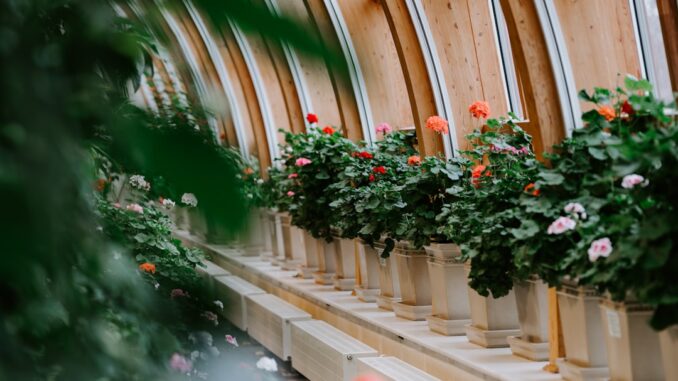

Your Orangery: The Ultimate Sanctuary for Creative Well-being
Imagine stepping into a space bathed in natural light, where the gentle hum of your creativity feels perfectly at home. That’s the magic of an orangery, isn’t it? More than just an extension of your home, it’s a bridge to the outdoors, a light-filled haven brimming with potential. And frankly, I think we often underestimate just how much this unique environment can contribute to our mental and physical well-being, especially when we intentionally design it to foster our creative passions. It really is a place where ideas can bloom, where focus sharpens, and where you can truly disconnect from the daily grind.
Crafting your orangery into a dedicated sanctuary for your hobbies isn’t just about aesthetics, it’s about investing in yourself. It’s about creating an inspiring backdrop for exploration, a place that nurtures your spirit and provides a much-needed escape. Let’s dive into how you can transform your orangery into that perfect, personal retreat, a place where your best ideas come to life.
Visit orangery designs by Elegancia for a peaceful haven for exercise, relaxation and wellbeing.
Designing Your Orangery for Creative Hobbies: Building Your Inspiring Nook
Getting this right means thinking strategically, envisioning not just what the space looks like, but how it feels and functions. It’s a journey of thoughtful design, ensuring every element supports your creative flow and overall comfort.
Step 1: Deep Dive into Your Space and Needs
Before you even think about furniture or paint colors, you really need to get to grips with your orangery’s bones. Walk through the space, take measurements, and honestly assess its existing layout. Is it a long, narrow room, or more of a square, open plan? Where are the power outlets located? What about the wall space – is there plenty for shelving or art, or are you mostly dealing with glass? Understanding these fundamentals is crucial.
Then comes the fun part: dreaming up your creative pursuits. What activities truly make your heart sing? Are you picturing yourself lost in the vibrant world of oils and acrylics, or perhaps meticulously piecing together a complex model? Maybe your idea of bliss is hours spent writing the next great novel, fingers flying across the keyboard, or perhaps it’s the meditative rhythm of knitting needles clicking away. Perhaps you’re a musician, needing a space where your instrument can truly resonate without disturbing the whole household. Consider the scale of your hobbies, too. A writer needs a sturdy desk and a comfy chair, sure, but a sculptor might require robust surfaces and significant storage for materials and tools. A photographer, on the other hand, might prioritise light control and an open area for setting up equipment.
Think about the practicalities. Will your chosen hobby be a solitary venture, or do you envision inviting friends over for a weekly crafting session? This impacts how much work surface you’ll need, and how many chairs. And don’t forget about potential mess! Painting, pottery, or woodworking can get quite dusty or splattery, so easy-to-clean surfaces and good ventilation become paramount. Don’t be afraid to think about future hobbies, either. What if you pick up a new passion next year? Designing for a degree of flexibility ensures your orangery remains a relevant, inspiring space for years to come. Honestly, it’s all about envisioning yourself in the space, truly using it, and letting those visions guide your initial planning. I’ve seen friends create incredible, highly specialized spaces, like a corner dedicated to intricate jewellery making, complete with tiny tools and a magnifying lamp, all because they took the time to map out every single requirement upfront.
Step 2: Harnessing the Power of Natural Light
This is where your orangery truly shines, quite literally. Its expansive glazing is a superpower, flooding the entire space with glorious natural light. This isn’t just about visibility; it’s a massive mood booster. Sunlight stimulates serotonin production, elevates energy levels, and can dramatically improve your overall sense of well-being. Who wants to sketch under harsh, flickering fluorescents when soft, consistent natural light is just an arm’s reach away?
However, ‘optimizing’ light means more than just letting it in. Consider the direction your orangery faces. North-facing spaces offer consistent, diffused light, perfect for artists who need even illumination without harsh shadows. South-facing or west-facing orangeries, while stunning in the morning or evening, can experience intense direct sunlight and glare during peak hours. This is where strategic shading comes in – think elegant blinds, perhaps even external awnings for those really bright days, or even intelligently placed sheer curtains that filter the light without completely blocking it. You want to control the light, not eliminate it, creating an atmosphere that’s vibrant but never overwhelming.
And let’s be real, even the sunniest orangery isn’t bright 24/7. For those overcast days, dark evenings, or intricate tasks, supplemental lighting is essential. I’m talking about good quality task lighting, like an adjustable desk lamp for writing or fine detail work. And don’t forget ambient lighting, creating a warm, inviting glow that makes the space cozy even after dusk. Consider LED lighting with adjustable color temperatures, so you can mimic natural daylight for precision tasks, or switch to a warmer glow for relaxation and reading. It’s all about layering light to suit every mood and every creative endeavor, making sure your creativity never has to pause for lack of illumination.
Step 3: Curating Appropriate Furnishings
Choosing the right furniture is a balancing act between aesthetics and pure, unadulterated functionality. Each piece should actively support your hobbies, not just fill a void. Let’s break it down by creative pursuit, shall we?
For the artist, an adjustable easel is practically non-negotiable, allowing you to work standing or sitting, at various angles. Think about sturdy, rolling storage carts for paints, brushes, and canvases, letting you easily move your supplies wherever the light is best. Flat-file drawers are a dream for storing large paper, prints, or sketches without damage. And definitely consider a surface that’s easy to clean – maybe a glass top or a laminated table, especially if you work with messy mediums.
Writers will tell you that a comfortable, ergonomic chair is the single most important investment. Hours spent hunched over a keyboard can take a toll, so prioritize good posture. A sturdy desk, perhaps with adjustable height options, gives you flexibility. Soft furnishings like rugs or plush cushions can help with sound dampening, creating that quiet, focused atmosphere conducive to deep thought. A small, elegant bookshelf for your go-to reference books and inspiring reads is also a lovely touch.
If you’re a musician, dedicated instrument stands are key for keeping your prized possessions safe and accessible. While an orangery might not offer professional-grade soundproofing, you can still enhance the acoustics. Consider heavy drapes or a large rug to absorb some reverberation, making practice sessions more pleasant. A comfortable armchair for listening back to recordings, or just enjoying your own music, shouldn’t be overlooked.
Crafters, whether you’re knitting, sewing, or tackling DIY projects, typically need a substantial work table. Think large, robust, and perhaps even foldable or modular if space is at a premium. Modular storage units with clear bins, pegboards for tools, and dedicated cutting mats can make a world of difference in keeping your creative chaos organised. And again, comfortable, supportive seating is paramount for those long, focused crafting sessions. My cousin, a keen quilter, invested in a huge, purpose-built cutting table for her orangery, and it completely transformed her output – no more trying to cut large fabric pieces on the dining room table, she said.
Beyond specific pieces, consider the materials. Choose durable, easy-to-clean finishes. Natural wood, wrought iron, or even painted pieces can add character, while still standing up to the demands of creative work. The goal is to create a functional, inspiring, and comfortable workspace that truly feels like yours.
Step 4: The Serene Embrace of Nature
One of the greatest advantages of an orangery is its seamless connection to the outdoors. Don’t just place your workspace near the garden; actively incorporate nature into your creative haven. This isn’t just about looking pretty; it’s rooted in the concept of biophilia – our innate human tendency to connect with nature. Studies consistently show that exposure to natural elements reduces stress, improves mood, and significantly boosts creativity and focus. Why wouldn’t you want to leverage that?
Bring the outdoors in with an abundance of plants. Think about a mix of sizes and types: a tall, elegant fiddle-leaf fig or an olive tree in a corner, alongside smaller, air-purifying plants like snake plants or peace lilies on shelves or tabletops. Hanging plants can add a lovely cascade of green, drawing the eye upwards. Succulents and cacti, easy to care for, bring interesting textures. If you’re feeling ambitious, a small vertical garden on a wall can create a stunning living backdrop. And don’t forget the sensory aspect: a few herbs like rosemary or mint can release a subtle, invigorating fragrance. Consider a small, indoor water feature – the gentle trickle of water can be incredibly calming, masking other household noises and creating a serene auditory backdrop for your work.
Strategically position your desk or easel to maximize views of your garden. Imagine sketching while watching birds flit among your flowerbeds, or writing with the soothing sight of green foliage just beyond your window. This visual connection is incredibly powerful. You can also blur the lines between inside and out. Use similar paving materials or a consistent color palette that extends from your orangery onto an adjacent patio or deck. This trick makes the entire space feel larger and even more integrated, enhancing that wonderful indoor-outdoor flow. It truly is about creating an environment where nature inspires every brushstroke, every written word, every note played.
Step 5: Ensuring Comfort, Rain or Shine, Snow or Sun
There’s no point having a beautiful creative sanctuary if you can only comfortably use it a few months a year, is there? This is where modern orangery design truly shines. Thanks to advancements in insulation and energy-efficient glazing, your orangery can remain a perfectly comfortable space year-round, making it a truly valuable addition to your home. Honestly, investing a bit more upfront in these systems pays dividends in usability and sheer enjoyment; you’ll never regret being able to use your space whenever you want.
Let’s talk about the technical bits for a moment. Modern glazing isn’t just glass; it’s a sophisticated system. Look for low-emissivity (low-E) coatings that reflect heat back into the room in winter and reflect solar heat away in summer. Good U-values (a measure of heat loss) are critical for thermal efficiency. Similarly, the construction of the orangery’s walls and roof is just as important. Solid wall sections should be properly insulated, and the roof lantern designed to prevent heat loss or gain. These elements work in concert to create a stable internal climate.
For heating, underfloor heating is an absolute dream in an orangery. It provides even, gentle warmth without taking up wall space, allowing for more design flexibility. Alternatively, discreet, energy-efficient radiators or a modern air conditioning/heat pump system can provide both heating and cooling. And speaking of cooling, proper ventilation is key for warmer months. Roof vents, often automated, allow hot air to escape, while bifold or sliding doors can be thrown open to invite a refreshing breeze. Smart home systems can even manage your orangery’s climate control, adjusting heating, cooling, and ventilation automatically based on external conditions and your preferences. This means you won’t have to constantly fiddle with controls; your space will simply be comfortable. Don’t underestimate the role of shading here, either. Blinds, whether they’re pleated, roller, or Venetian, can significantly reduce solar gain on hot days, preventing your creative haven from turning into a greenhouse. The goal here is seamless comfort, letting you focus entirely on your passion, not on the thermostat.
Creative Activities to Enhance Well-being: Unlocking Your Inner Artist
Once your orangery is perfectly set up, it becomes a launchpad for activities that do more than just pass the time; they actively enrich your life. Engaging your creative mind offers a multitude of health benefits, from stress reduction to improved cognitive function.
Artistic Pursuits: Painting, Drawing, Sculpture, and Photography
There’s something profoundly therapeutic about creating art. Whether you’re splashing vibrant colours onto a canvas, meticulously shading a pencil portrait, or moulding clay into a new form, artistic pursuits engage your mind in a deeply mindful way. The orangery’s abundant natural light is a particular blessing for artists. Imagine the golden hour light hitting your canvas, colors just singing with depth and vibrancy. That natural illumination enhances color perception, reduces eye strain, and provides a constantly inspiring setting. This environment helps you escape the distractions of the main house, allowing you to fully immerse yourself in the creative process.
Beyond the aesthetic pleasure, art offers tangible cognitive benefits. It improves problem-solving skills, enhances fine motor coordination, and can even boost memory. Emotionally, it provides a powerful outlet for self-expression, allowing you to process thoughts and feelings in a non-verbal way. A dedicated art space in your orangery means you can leave your easel set up, your paints out, and your projects ongoing, encouraging more frequent engagement. No more dragging supplies out of a cupboard every time inspiration strikes. This ease of access can significantly increase your creative output and, importantly, your enjoyment. You’ll find yourself drawn to the space, ready to unleash your inner artist, and frankly, that’s a beautiful thing.
Music and Performance: Instrumental, Vocal, and Composition
For musicians, an orangery can be a truly inspiring place to practice, compose, or even just enjoy listening to music. The natural acoustics, often softer than a typical room due to the glass and open plan, can sometimes provide a pleasant natural reverberation that enhances instruments like acoustic guitars or pianos. Imagine the clear, resonant notes filling the light-filled space as you practice a new piece; it’s an experience that feels truly special. A dedicated, beautiful spot encourages consistent practice, which as any musician knows, is key to improvement and enjoyment.
Playing or composing music is fantastic for mental clarity, stress reduction, and emotional regulation. It engages multiple parts of the brain, improving coordination, memory, and even mathematical skills. If you sing, the open, airy feeling of an orangery might feel less restrictive than a smaller room, allowing your voice to soar. While it won’t be a soundproof studio, adding soft furnishings like thick rugs, plush armchairs, and heavy curtains can help dampen some sound, making it more pleasant for both you and any listeners (or indeed, neighbors!). I remember my old bandmate found his conservatory perfect for recording acoustic guitar tracks because the natural reverb was just beautiful, it added a unique warmth you couldn’t quite replicate in a treated studio.
Beyond active performance, your orangery can simply be a wonderful space for musical enjoyment. A comfortable listening area, perhaps with a high-quality sound system, allows you to truly appreciate your favorite albums. It becomes a place where music isn’t just background noise, but a focal point, an experience to be savored in a tranquil, inspiring setting.
Writing and Literature: Crafting Worlds and Exploring Ideas
For writers, whether you’re penning the next great novel, sketching out poetry, maintaining a journal, or simply delving into a captivating book, the orangery offers an almost unparalleled environment. The quiet, light-filled space naturally improves focus and productivity, helping to silence the constant chatter of daily life. The visual connection to nature outside can be an incredible source of inspiration, too. Watching the seasons change, feeling the warmth of the sun, or even observing a gentle rainfall can spark new ideas, provide metaphors, and simply ground you in the present moment.
The psychological comfort of having a dedicated ‘sanctuary’ for deep work cannot be overstated. It signals to your brain that this is where focused, creative thought happens, helping you transition into a productive mindset more easily. A well-chosen, ergonomic chair and a sturdy desk are crucial here, providing the physical support needed for long periods of concentration. Imagine a quiet afternoon, a steaming mug of tea by your side, and a good book or a blank page awaiting your words in your sun-drenched orangery; doesn’t that sound absolutely divine? It’s a space where procrastination feels less appealing, and the flow state becomes more attainable.
It’s not just for active writing, either. An orangery makes for the most wonderful reading nook. A plush armchair, a soft blanket, and a good reading lamp transform a corner into an inviting literary escape. It’s a place where you can truly immerse yourself in stories, letting your imagination roam freely, all while feeling connected to the world outside, yet wonderfully apart.
Crafting and DIY Projects: From Textiles to Tinkering
Crafting, in its myriad forms, is incredibly beneficial for well-being. Whether it’s the rhythmic motion of knitting, the meticulous detail of model making, the satisfying precision of woodworking, or the joyful chaos of jewellery design, having a dedicated space for these activities makes all the difference. Your orangery can easily accommodate a large work table, essential for spreading out materials and tackling bigger projects without having to constantly clear space. This means fewer half-finished projects cluttering your dining table, a common lament among crafters, believe me!
One of the biggest advantages is organization. With a dedicated space, you can set up smart storage solutions – modular units, pegboards for tools, clear containers for bits and bobs – allowing you to easily find what you need and, crucially, put it away without disrupting everything else. This efficiency reduces friction, making it easier to start and finish projects. The sense of accomplishment that comes from creating something with your own hands is profoundly satisfying, boosting self-esteem and providing a meditative quality through repetitive tasks.
For those who love to share their passions, an orangery provides a fantastic space for social crafting. Invite friends over for a knitting circle, a card-making workshop, or even a collaborative DIY project. The light, airy environment is perfect for group activities, fostering connection and shared creativity. Remember to consider ergonomics for prolonged crafting sessions too. A good, supportive stool or chair, and a work surface at the correct height, will help prevent aches and pains, ensuring your crafting remains a joy, not a chore. It’s a space designed for making, for doing, and for the sheer satisfaction of creating something tangible.
Maintaining Your Orangery for Optimal Use: Keeping the Magic Alive
Like any cherished space, your orangery needs a little love and attention to ensure it remains a beautiful, functional, and inspiring sanctuary. Regular upkeep isn’t a burden; it’s an investment in your well-being and the longevity of your creative haven.
Cleaning and Maintenance: Keeping It Crystal Clear
Maintaining the clarity and brightness of your orangery is paramount for preserving its unique charm. Regularly cleaning the windows and glass roof panels is a must. A gentle, eco-friendly cleaner works wonders, and a good squeegee is your best friend here, preventing streaks and allowing that glorious light to stream through unhindered. Don’t forget the frames themselves! Different materials require different care: uPVC needs a simple wipe-down, aluminum might benefit from a specialist cleaner to maintain its finish, and timber frames will need regular inspection for any signs of rot or flaking paint, which you should address promptly. This isn’t just about aesthetics; maintaining the integrity of the frames helps preserve the orangery’s insulation properties.
It’s also wise to check for any signs of wear or damage periodically. Look for cracked seals around the glazing, which can lead to drafts or water ingress. Ensure your guttering is clear of leaves and debris, especially in autumn, to prevent water buildup and potential damage. A quick inspection now and then, perhaps once a month or seasonally, can catch small issues before they become costly problems, safeguarding your investment and keeping your creative space pristine.
And let’s not overlook the interior surfaces. If you’re painting or doing messy crafts, ensure your floor is protected, or opt for materials that are easy to wipe clean. Dusting plants regularly not only makes them look better but also helps them photosynthesize more efficiently, keeping them healthy and vibrant. It’s a little bit like tending a garden, isn’t it? A bit of seasonal effort ensures year-round beauty and functionality.
Seasonal Adjustments: Adapting to Nature’s Rhythm
Your orangery’s year-round comfort relies on smart seasonal adjustments. When the colder months arrive, consider adding thermal curtains or blinds. They’ll provide an extra layer of insulation, keeping warmth in and drafts out. If your heating system isn’t quite cutting it on the chilliest days, a discreet, energy-efficient portable heater can provide a little boost of warmth. For your plants, be mindful of temperature drops; some might need to be moved away from cold glass or even brought into the main house if they’re particularly sensitive. Checking for any drafts around windows or doors and sealing them up can make a surprising difference to overall warmth.
As warmer weather approaches, the focus shifts to keeping the space cool and airy. Maximize ventilation by opening roof vents, bifold doors, or sash windows. If direct sunlight becomes too intense, deploy those blinds or awnings you thoughtfully installed, preventing excessive solar gain. Regular watering for your plants becomes crucial, especially if they’re getting a lot of sun. Perhaps you could introduce a small fan for air circulation or even consider a portable air conditioning unit if summer heatwaves are particularly brutal in your area.
Spring and autumn are excellent times for general tidying, checking over systems, and preparing for the next season. It’s about being proactive, ensuring your orangery remains a delightful space whatever the weather throws at it. A bit of foresight really makes all the difference.
Personalization and Evolution: Your Space, Your Story
Your creative journey isn’t static, and neither should your orangery be. Continuously update and personalize the space to reflect your evolving tastes, needs, and indeed, any new creative pursuits you might pick up. This keeps the space inspiring, vibrant, and deeply personal.
Perhaps you started as a painter but have recently developed a passion for ceramics. You might need to reconfigure a corner, add a new storage unit for glazes, or even incorporate a small, quiet potter’s wheel. Maybe you want to display your finished pieces more prominently, turning your orangery into a mini-gallery that celebrates your achievements. Swap out soft furnishings, introduce new plants, or hang new art – even if it’s just changing the arrangement of your existing pieces. These small shifts can breathe new life into the room and keep your creative spark burning bright. I’ve seen people completely transform their orangery from a painting studio to a yoga retreat over a couple of years, just by swapping out a few key pieces of furniture and changing the plant selection. It’s truly amazing how adaptable these spaces can be.
This continuous evolution means your orangery will always feel fresh and aligned with who you are and what you love doing. It’s not just a room; it’s a living, breathing extension of your creative self, a place that grows with you and continuously inspires new adventures. And that, I think, is the most wonderful aspect of all.
Your Creative Haven Awaits
So, there you have it. Your orangery, with its unique blend of light, warmth, and connection to the natural world, is more than just a beautiful architectural feature; it’s an unparalleled opportunity to cultivate a dedicated space for creativity and well-being. By thoughtfully designing and meticulously maintaining this special area, you’re not just creating a room, you’re crafting a sanctuary. A place where ideas flow freely, where skills are honed, and where the simple act of making something with your own hands brings profound joy and peace.
It’s an investment in your passions, an investment in your personal growth, and most importantly, an investment in your own happiness. So, go on, envision your perfect creative haven. What will you create within its sunlit walls? The possibilities, much like the light streaming through your orangery, are truly endless.
Be the first to comment