

Crafting Your Oasis: A Deep Dive into Designing an Energy-Efficient Orangery
Imagine stepping into a space bathed in golden light, where the scent of blooming flowers subtly drifts in, and the gentle hum of nature is your backdrop. This isn’t just a dream; it’s the reality of a well-designed orangery. More than just a pretty addition to your home, designing an energy-efficient orangery isn’t simply about slashing those daunting energy bills, though that’s certainly a fantastic perk. No, it’s about so much more, creating a sanctuary, a space that truly nurtures your well-being, enhancing everything from your mood to your sleep quality.
By intelligently harnessing the sun’s incredible power and carefully selecting materials that speak to sustainability, you’re not just building an extension; you’re crafting a harmonious environment. This deliberate approach creates a space that champions both your health and outstanding energy efficiency, a testament to thoughtful design. We’re talking about a cherished place that feels perfectly comfortable year-round, a true retreat from the everyday, and it all starts with making informed choices from the very first sketch.
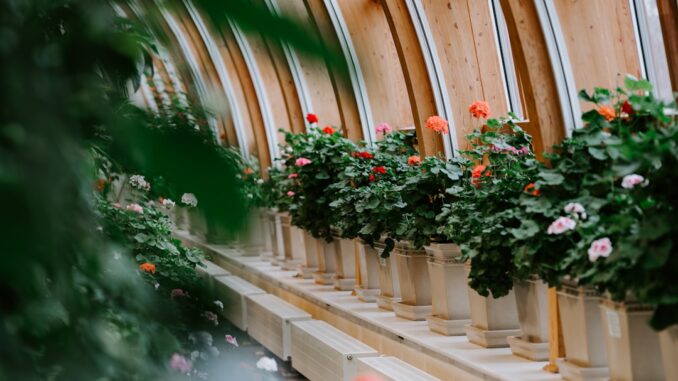
Living with light: Create your dream orangery for year-round luxury from Elegancia.homes.
Unlocking the Power of Natural Light for Health and Efficiency
Natural light, friends, is an absolute game-changer. It does so much more than merely brighten your living space; it actually plays a profoundly crucial role in both your physical and mental well-being, something we often take for granted. Think about it: exposure to sunlight is a natural mood booster, it actively encourages your brain to produce serotonin, the ‘feel-good’ hormone, which means less stress and a generally more upbeat outlook. It’s like a daily dose of happiness, free of charge. Beyond that, sunlight is a key player in regulating your body’s circadian rhythms, that internal clock telling you when to be awake and when to wind down, leading to far better, more restorative sleep patterns. And let’s not forget the incredible benefit of Vitamin D production, absolutely essential for strong bones and a robust immune system. It’s clear, really, light isn’t just an aesthetic feature; it’s a fundamental element of a healthy home.
So, when you’re dreaming up your orangery, maximizing this incredible, free resource should be right at the top of your priority list. It’s about designing with the sun as your silent, powerful partner.
Strategic Window Placement: Capturing Every Ray
Positioning your windows isn’t just about symmetry or looks; it’s a science, a strategic dance with the sun. You want to place them thoughtfully to capture glorious sunlight throughout the entire day. South-facing windows, for instance, are your prime real estate, they generously welcome the most sunlight, offering warmth and brilliant illumination for the longest stretches. East-facing ones, on the other hand, deliver that beautiful, invigorating morning light, perfect for that first cup of coffee and starting your day on a bright note. West-facing windows will treat you to stunning sunsets, albeit with more intense afternoon heat, something to definitely factor in with shading. North-facing windows, while providing consistent, diffused light that’s fantastic for artists or workspaces where direct glare is a no-go, won’t contribute much to passive heating.
Consider the types of windows too. Large, fixed-pane windows maximize light entry and minimize air leakage, ideal for main walls. However, you’ll also want strategically placed casement or tilt-and-turn windows for ventilation. And think about the sightlines from inside and out; can you frame a particularly lovely view? Maybe a towering oak tree or a carefully curated garden bed. Don’t forget how external factors, like neighboring buildings or mature trees, might cast shadows, impacting your light intake. A good designer will analyze your site’s unique solar path, making sure every window earns its place and contributes meaningfully to the orangery’s overall energy profile and aesthetic appeal.
Embracing Skylights and Roof Lanterns: Light from Above
If you really want to flood your orangery with light, especially in those spots where wall space is limited, or you’re just craving that extra dose of brightness, incorporating skylights or a grand roof lantern is an absolute must. There’s something truly magical about light pouring in from above, isn’t there? It creates an incredible sense of openness and height, making even generously sized spaces feel utterly expansive.
Roof lanterns, those elegant glazed structures that sit atop a solid roof, are fantastic for central areas. They offer a dramatic architectural statement while inviting a tremendous amount of natural light that diffuses beautifully throughout the space. Skylights, whether fixed or ventilating, can be strategically placed to target specific zones, perhaps over a dining area or a cozy reading nook. They’re particularly effective at leveraging the stack effect for passive ventilation, too, which is a neat trick. When planning these, think about their orientation, the type of glass (we’ll dive into glazing in more detail later), and how they integrate seamlessly with your roof structure. And yes, you can get smart skylights that open and close automatically, responding to rain or temperature, pretty cool, right? It’s all about maximizing that delightful top-down illumination while maintaining thermal efficiency.
Light-Reflective Interiors: Amplifying the Glow
Once that beautiful natural light enters your orangery, you want to make sure it bounces around and really fills the space. This is where your interior choices become incredibly important. Opting for light-colored walls and ceilings isn’t just a design preference; it’s an intelligent strategy to reflect sunlight, literally making the space feel brighter and much more spacious. Think crisp whites, soft creams, or pale pastels – these hues have high ‘Light Reflectance Values’ (LRV), meaning they absorb very little light and send most of it back out into the room.
But don’t stop at just the paint. Consider your flooring; polished concrete, pale tiles, or light-toned engineered wood can contribute significantly to light reflection. Even your furniture and decor play a role. A large mirror strategically placed can work wonders, reflecting light deep into corners that might otherwise feel dim. Glass tabletops, metallic accents, or even just decluttering, allowing light to move freely, all contribute to this luminous effect. It’s about creating an overall scheme where light isn’t just present, but actively amplified and celebrated, preventing any part of your new oasis from feeling shadowed or enclosed.
Thoughtful Material Selection: The Foundation of Sustainability
The choices you make regarding materials for your orangery resonate far beyond just aesthetics or initial cost. They significantly impact its long-term energy efficiency, its durability, and, crucially, its environmental footprint. We’re talking about embodied energy, thermal performance, and how much maintenance these materials will demand over their lifetime. This is where you really build the backbone of an energy-efficient structure, so let’s look at some excellent options.
Timber: The Warmth of Nature’s Insulator
There’s an undeniable charm and warmth that timber brings to any space, and it’s a fantastic choice for an orangery frame. Wood is, by its very nature, an excellent insulator, possessing a low thermal conductivity that inherently helps keep the heat in during winter and out during summer. But not all timbers are created equal. When we talk about maximizing efficiency and durability, specifically modified timbers like Accoya wood stand out.
Accoya, for instance, isn’t just any wood; it undergoes an advanced acetylation process that drastically enhances its properties. This modified structure makes it incredibly resistant to warping, shrinking, and swelling, meaning your frames remain stable and airtight for decades. This stability is key for long-term energy efficiency, as gaps won’t form that allow precious heat to escape. Accoya boasts exceptional durability, often guaranteed for 50 years above ground, and it’s naturally resistant to rot and insect attack, drastically reducing maintenance needs and the environmental impact of frequent replacements or chemical treatments. Plus, it’s sourced from sustainably managed forests (FSC certified, typically), making it a genuinely eco-conscious choice. You get that classic, organic aesthetic, a naturally insulating material, and a clear conscience; it’s a win-win, isn’t it?
uPVC: The Practical, Low-Maintenance Contender
uPVC (unplasticized polyvinyl chloride) has been a popular choice for windows and doors for decades, and for good reason. It’s renowned for being incredibly low-maintenance, requiring little more than an occasional wipe down to keep it looking fresh. From an energy efficiency standpoint, modern uPVC frames have come a very long way. They often feature multi-chambered profiles, essentially internal air pockets designed to trap air within the frame itself. This trapped air acts as an additional insulating barrier, significantly enhancing the thermal performance of the overall structure.
While traditional uPVC might not offer the same slim sightlines or premium feel as high-end aluminium, advancements have led to sleeker designs and even options with recycled content, reducing their environmental impact. Its cost-effectiveness can also be a significant factor for many projects. If you’re looking for a reliable, hard-wearing material that delivers good insulation properties without breaking the bank or demanding constant upkeep, uPVC definitely merits a serious look. It’s a practical, sensible choice for many, especially when paired with excellent glazing, we’ll get to that.
Aluminium: Contemporary Elegance Meets Modern Efficiency
For those who appreciate a sleek, minimalist aesthetic and crave expansive glass panels, aluminium frames are often the go-to. Traditionally, aluminium was a poor insulator because metal conducts heat so well. However, modern aluminium frames are a different beast entirely. They incorporate what we call ‘thermal breaks’ – incredibly clever non-conductive materials (often polyamide) inserted between the inner and outer aluminium profiles. These breaks effectively stop heat from transferring through the frame, turning aluminium into a highly energy-efficient option.
This innovation means you can enjoy the benefits of incredibly strong, lightweight frames that allow for larger glass expanses, maximizing your natural light intake without compromising on thermal performance. Aluminium is also extremely durable, doesn’t rust, and can be powder-coated in virtually any colour imaginable, offering incredible design flexibility. Its strength also makes it ideal for large bi-fold or sliding door systems. While it might come at a higher initial cost than uPVC, its longevity, low maintenance, and contemporary appeal often make it a sound investment, particularly for a high-end, design-led orangery.
Mastering Insulation Techniques: Your Orangery’s Thermal Armor
Insulation, put simply, is the invisible hero of any energy-efficient building, and it’s absolutely crucial for maintaining a comfortable, consistent temperature in your orangery throughout the year. Without proper insulation, all that lovely natural light and careful material selection would be undermined by heat leaking out in winter or baking in during summer. Think of it as your orangery’s thermal armor, keeping the elements at bay.
Wall Insulation: Building a Robust Thermal Barrier
The walls of your orangery are a significant part of its thermal envelope, and how you insulate them makes a huge difference. You’re aiming to create a robust barrier that slows down heat transfer as much as possible, measured by what we call U-values – the lower the U-value, the better the insulation. For a new orangery, you’ll typically be looking at either a cavity wall construction or a solid wall with internal or external insulation.
For cavity walls, high-performance materials like polyurethane (PUR) or polyisocyanurate (PIR) foam boards, or blown-in insulation like mineral wool or cellulose, are excellent choices. These materials offer fantastic thermal performance in relatively thin profiles. Alternatively, aerogel, while more expensive, provides exceptional insulation in minimal thickness, making it ideal where space is a premium. If you’re building a solid wall, you might opt for internal insulation (adding boards to the inside face) or external insulation (cladding the outside), each with its own benefits and considerations. It’s vital to choose materials with high thermal resistance and ensure they’re installed meticulously to avoid thermal bridging, those sneaky spots where heat can still escape due to gaps or poorly insulated areas. Believe me, a well-insulated wall feels so much more solid, so much more like a permanent part of your home.
Roof Insulation: Protecting Your Overhead
Heat rises, doesn’t it? So, it stands to reason that your orangery roof is a critical area for insulation, especially given its larger surface area. You essentially have two main paths here: a well-insulated solid roof or a high-performance glazed roof system.
A solid roof, often constructed with tiles or slate, allows for layers of conventional insulation materials – think thick slabs of PIR, mineral wool, or even natural insulants like wood fibre boards. These layers, combined with breathable membranes and an air-tight construction, create an incredibly effective thermal barrier, often resulting in a U-value comparable to a regular extension. For those who want more light from above, a glazed roof system is still very viable, but you must specify high-performance options. This means looking for double or even triple glazing with low-emissivity (low-e) coatings. These microscopic coatings reflect heat back into the room in winter and deflect solar radiation in summer. The gaps between the glass panes should be filled with inert gases like argon or krypton, which are denser than air and further reduce heat transfer. Warm edge spacers, which separate the glass panes, are another small but significant detail, preventing cold spots at the edges of the glass. And for intense sun, integrated solar control glass can significantly reduce unwanted heat gain, keeping your orangery comfortable even on the hottest days. Sometimes, a hybrid roof, combining solid and glazed elements, offers the best of both worlds, providing both thermal mass and abundant light.
Floor Insulation: Grounding Your Comfort
Often overlooked, floor insulation is just as important as insulating your walls and roof, particularly if your orangery is built directly onto a concrete slab or has a suspended timber floor over an unheated void. A cold floor can dramatically impact the overall comfort of the space, making it feel chilly even if the air temperature is reasonable. The ground is a constant heat sink, pulling warmth away from your living space, so you’ve got to create a barrier.
For concrete slab floors, rigid insulation boards (like PIR or expanded polystyrene, EPS) are typically laid beneath the slab or as part of a floating floor system, usually combined with a damp-proof membrane to prevent moisture ingress. For suspended timber floors, insulation can be fitted between the joists. Combining this proper insulation with underfloor heating, whether electric mats or a wet system connected to your central heating, takes energy efficiency and comfort to the next level. Underfloor heating, operating at lower temperatures than radiators, distributes heat evenly across the entire floor surface, making it incredibly efficient when paired with good insulation. It eliminates cold spots and gives you that lovely, luxurious warmth underfoot, transforming your orangery into a truly snug retreat even when the wind’s howling outside. Who doesn’t love warm toes in winter, after all?
Harnessing Smart Technology for Seamless Energy Management
In our increasingly connected world, integrating smart technology into your orangery isn’t just about convenience; it’s a powerful tool for optimizing energy use and making your space truly responsive. Modern smart home systems allow for an unprecedented level of control, helping you maintain ideal conditions while minimizing waste. It’s like having a silent, intelligent assistant constantly working to keep things perfect.
Smart Thermostats: Your Climate’s Conductor
Gone are the days of manually tweaking the heating every time the weather shifts or your schedule changes. Smart thermostats, like Nest or Ecobee, are brilliant for energy efficiency because they learn your routines, understand your preferences, and automatically adjust heating and cooling based on occupancy, outside weather conditions, and even your smartphone’s location (geofencing). Imagine your heating gently turning down when you leave for work and gradually warming up as you head home, ensuring it’s perfectly toasty when you walk through the door, without heating an empty house all day. That’s smart savings right there.
Many also offer zone control, meaning you can heat or cool just your orangery independently from the rest of your home, avoiding unnecessary energy consumption elsewhere. You can manage everything from a user-friendly app, giving you complete control wherever you are. This isn’t just about comfort; it’s about precision energy management, ensuring every watt and therm is used exactly when and where it’s needed, not a moment more.
Automated Shading Systems: Dynamic Solar Control
While we love natural light, sometimes it can be too much of a good thing, especially on scorching summer afternoons or when glare is disrupting your screen time. Automated shading systems are the sophisticated answer to this challenge. Think motorized blinds, external roller shutters, or elegant louvered systems that adjust themselves throughout the day.
These systems can be integrated with light sensors, temperature sensors, or even your local weather forecast, intelligently closing when direct sunlight is too intense, preventing overheating, and then reopening to let light in when conditions are milder. This proactive management of heat gain can drastically reduce the need for air conditioning, saving you a considerable amount on cooling costs. Beyond energy, they offer instant privacy, glare reduction for those leisurely Sunday mornings with a tablet, and even an added layer of security. Plus, they just look incredibly slick, don’t they? It’s passive solar design elevated by smart technology, giving you effortless control over your environment.
Energy Monitoring Systems: The Eye on Your Consumption
You can’t manage what you don’t measure, and this rings particularly true for energy consumption. Energy monitoring systems give you invaluable insights into how your orangery is using energy, allowing you to track electricity, gas, and even solar PV generation in real-time. These systems provide detailed data, often presented in easy-to-understand graphs and dashboards, helping you identify energy guzzlers or pinpoint areas where improvements can be made.
Perhaps you discover that a certain appliance draws more power than you realized, or that your heating cycles on more frequently than it should at certain times. Armed with this knowledge, you can make informed decisions, whether it’s adjusting thermostat schedules, upgrading old appliances, or even identifying potential insulation weaknesses. Some systems even integrate with smart plugs, allowing you to monitor individual devices. It’s all about empowering you with information to fine-tune your orangery’s efficiency over time, turning energy saving into an almost game-like experience where you’re constantly trying to beat your previous best.
Balancing Ventilation and Energy Efficiency: The Breath of Your Orangery
Good ventilation in your orangery is absolutely non-negotiable, not just for maintaining excellent air quality but also for managing temperature and preventing issues like condensation. However, traditional ventilation often means losing precious heated or cooled air, which directly impacts energy efficiency. The trick, then, is to find that sweet spot, ensuring a constant supply of fresh air without sacrificing comfort or making your energy bills balloon.
Passive Ventilation: Nature’s Own Air Conditioning
Passive ventilation relies on natural forces—like wind pressure and the stack effect—to move air through your space without the need for noisy, energy-consuming fans. Designing your orangery with openable windows and roof vents, strategically placed, allows for effective natural air circulation. Think about placing vents low on one side and high on the opposite (or in the roof lantern) to encourage the ‘stack effect,’ where warm, stale air rises and exits through the high vents, drawing cooler, fresh air in through the lower ones. This natural convection is incredibly efficient and wonderfully quiet.
Cross-ventilation, achieved by placing openable windows on opposing walls, uses wind pressure to create a gentle breeze that flushes out stale air. It’s a simple, elegant solution for mild days, preventing your orangery from becoming stuffy or overheating. Incorporating trickle vents into your window frames provides continuous, low-level background ventilation, even when windows are closed, helping to manage humidity and maintain a healthy indoor environment. It’s about designing with the environment, not against it, letting nature do a lot of the heavy lifting.
Mechanical Ventilation with Heat Recovery (MVHR): The Smart Breath
For truly airtight, highly energy-efficient orangeries, particularly in colder climates, Mechanical Ventilation with Heat Recovery (MVHR) systems are an absolute stroke of genius. Here’s how they work: an MVHR unit continuously extracts stale, moist air from your orangery (think cooking smells, humidity, CO2). Before expelling this air to the outside, it passes through a heat exchanger within the unit.
At the same time, fresh, filtered air is drawn in from outside. As this fresh, cold air passes through the heat exchanger, it picks up almost all the heat from the outgoing stale air, warming it up before it’s supplied into your orangery. This process can recover 85-95% of the heat that would otherwise be lost through traditional ventilation, warming the incoming fresh air significantly. The benefits are clear: you get a continuous supply of fresh, filtered air, vastly improved indoor air quality, significantly reduced condensation, and all without the energy penalties of opening windows or traditional extraction fans. It’s a powerful way to ensure optimal air quality and comfort, maintaining excellent energy efficiency even in the snuggest, most sealed structures. Installation requires careful planning, but the long-term benefits for health and bills are undeniable.
Choosing Energy-Efficient Doors: The Welcome to Your World
The doors you select for your orangery are much more than just entry and exit points. They’re a significant part of its thermal envelope, and choosing the right ones can dramatically impact your orangery’s energy performance, security, and aesthetic appeal. A poorly insulated door can be a major culprit for heat loss, making all your other efficiency efforts less effective. So, let’s ensure your doors are doing their part to keep your oasis comfortable.
When we talk about energy-efficient doors, we’re focusing on key metrics like low U-values (indicating good insulation), excellent air tightness ratings (preventing draughts), and robust glazing specifications.
Bi-Fold Doors: Seamless Transitions, Serious Efficiency
Bi-fold doors have soared in popularity, and it’s easy to see why. They offer that stunning, seamless transition from your indoor orangery space to the outdoors, literally opening up an entire wall. For energy efficiency, however, you need to be discerning. Look for models with high-quality glazing – we’re talking double or even triple glazing, ideally with low-e coatings and argon or krypton gas-filled units. The frames themselves should be robust, often aluminium with those crucial thermal breaks we discussed earlier, or engineered timber for excellent natural insulation.
Beyond the glass and frame, pay close attention to the seals and gaskets. High-performance bi-folds feature multiple compression seals that create an incredibly tight barrier against draughts and moisture when closed. Multi-point locking systems not only enhance security but also compress the panels firmly against the frame, further improving air tightness. Consider the threshold too; a low, flush threshold looks sleek but must still incorporate clever drainage and weatherproofing to prevent water ingress without compromising on thermal performance. The best bi-folds truly blend form and function, delivering that ‘wow’ factor alongside exceptional energy performance.
French Doors: Traditional Charm, Modern Performance
For those who prefer a more traditional or classic aesthetic, French doors are an enduringly elegant choice. They offer a more conventional opening, often in pairs, and can bring a lovely symmetry to your orangery’s design. To ensure they’re energy-efficient, the focus remains on the quality of construction and materials. Opt for doors with double or triple glazing that boast excellent U-values, specifying low-e glass and warm edge spacers just as you would for your windows. The frame material, be it timber, uPVC, or thermally broken aluminium, should be high-performing and well-sealed. You’ll want to ensure robust seals around the door panels and a sturdy threshold that prevents thermal bridging and draughts. Modern French doors can now achieve very impressive energy ratings, combining classic good looks with cutting-edge thermal performance. Don’t let their traditional appearance fool you; these can be just as efficient as their more contemporary counterparts, providing a secure, stylish, and energy-conscious gateway to your garden.
Sliding Doors: Expansive Views, Clever Engineering
As an alternative to bi-folds, modern sliding doors offer similarly expansive views with often slimmer sightlines and larger individual glass panels, sometimes preferred for their simpler operation. They don’t require the swing space of bi-folds, making them ideal for smaller patios or areas where furniture placement is a concern. For energy efficiency, the principles are largely the same: look for robust, thermally broken frames (aluminium is common), high-performance double or triple glazing, and superior sealing mechanisms. Modern sliding doors often feature sophisticated track systems and compression seals that create an incredibly tight seal when closed, preventing heat loss and draughts. Some even offer ‘lift and slide’ mechanisms, which elevate the door panel off its seals before sliding, creating an even tighter seal when locked down. These can be particularly effective for very wide openings where maximum light and minimal visual interruption are key. While they don’t offer the full ‘open wall’ experience of bi-folds, they provide an elegant, thermally efficient solution for connecting your orangery to the outside world.
The Journey to Your Sustainable Sanctuary
Designing an energy-efficient orangery is undoubtedly a multifaceted endeavor, a truly holistic process where every decision, from the orientation of your windows to the smart tech controlling your heating, intertwines. But that’s what makes it so rewarding, you see. It’s not just about ticking boxes; it’s about thoughtfully integrating these elements to craft a space that not only enhances your living environment but also actively promotes a more sustainable and health-conscious home. It’s about building a future, really, a place where comfort and conscience coexist beautifully.
By embracing abundant natural light, choosing materials with both an eye for durability and a heart for the planet, implementing top-notch insulation, and integrating intelligent technology, you’re not just investing in bricks and mortar. You’re investing in your well-being, in lower running costs, and in a more sustainable lifestyle. It’s about creating that cherished haven, that sun-drenched retreat, a place where you can thrive, connect with nature, and perhaps even forget the outside world for a little while. So, take your time, plan meticulously, and maybe, just maybe, let’s build something truly extraordinary together. Your future self, basking in that golden light, will definitely thank you for it.
References
- reddish-joinery.co.uk
- cmigroupinc.ca
- sunwooddevelopment.com
- columbiaskylights.com
- alure.com
Be the first to comment