
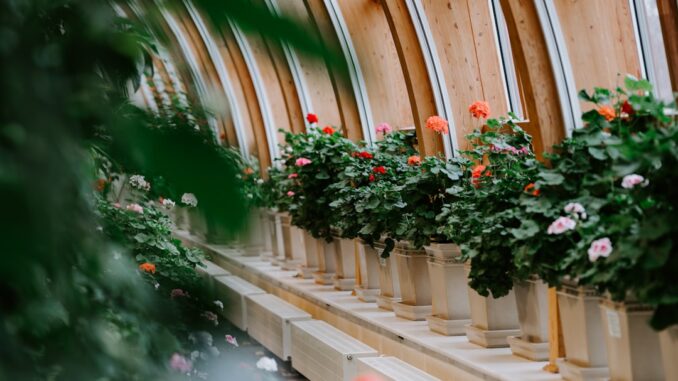

Designing Your Orangery: A Sanctuary for Serenity and Soul
Imagine stepping into a space where the outside world gently fades, where sunlight bathes you in warmth, and the only sounds are the rustle of leaves or the soft burble of a distant fountain. That, my friends, is the promise of a well-designed orangery. It’s so much more than just an architectural extension, isn’t it? It’s an intentional investment in your daily well-being, a personal retreat crafted to maximize privacy while actively working to reduce the relentless drumbeat of modern stress.
Creating this kind of sanctuary means going beyond mere aesthetics. It’s about a thoughtful synergy of natural light, strategic design, and calming elements that nurture your mind, body, and spirit. We’re talking about transforming a structure into a living, breathing space that promotes deep relaxation and an almost tangible sense of peace. And frankly, who doesn’t need a bit more of that these days? Let’s dive into how you can make this dream a beautiful reality.
Visit orangery designs by Elegancia for a peaceful haven for exercise, relaxation and wellbeing.
1. Harnessing the Irresistible Power of Natural Light
When we talk about natural light, we’re not just discussing how bright a room is; we’re delving into a fundamental aspect of human health and happiness. It’s a profound connection to the rhythm of our planet, a subtle yet powerful force. Sunlight, for instance, triggers the release of serotonin, often dubbed the ‘happiness hormone.’ This isn’t just a quaint notion; it’s a scientifically recognized benefit that can significantly reduce stress and dramatically improve your mood. Think about it: a dreary, dim room often feels oppressive, while a sun-drenched space feels expansive and uplifting. It’s no wonder people gravitate towards bright, airy environments, our biology practically demands it.
But the benefits stretch even further. Exposure to natural light helps regulate our circadian rhythms, which are our internal 24-hour clocks. This means better sleep at night and more alertness during the day. It also aids in Vitamin D production, crucial for bone health and immune function, and can even reduce eye strain, a common complaint in our screen-centric world. Imagine less reliance on artificial lighting, a softer glow, and a tangible connection to the time of day and the changing seasons, a genuine luxury in our often-enclosed lives. So, how do we make sure your orangery becomes a beacon of glorious natural light?
Maximize the Light’s Journey into Your Space
-
Opt for Expansive Windows and Skylights: This is your primary weapon in the fight against gloom. Incorporate large, floor-to-ceiling windows and generous skylights, or even a continuous glazed roof, to literally flood the space with daylight. This isn’t just about brightness; it’s about creating an almost seamless connection with the outdoors, blurring the lines between inside and out. It fosters a remarkable sense of openness, making the room feel considerably larger and more integrated with your garden. When choosing glazing, consider modern options like low-emissivity (Low-E) glass, which allows visible light in while reflecting heat, keeping your orangery comfortable year-round. Triple glazing can offer even better thermal performance and noise reduction, especially if you live near a busy road, which can really enhance the tranquility.
-
Strategic Frame Materials: The frames holding all that beautiful glass also matter. Slim-profile aluminum frames can offer a sleek, contemporary look that maximizes glass area, allowing more light to penetrate. Timber frames, on the other hand, provide a warmer, more traditional aesthetic, perhaps more suited to a classic orangery design, and they’re excellent insulators. Even uPVC has come a long way, offering good thermal efficiency and low maintenance, a practical choice for many.
-
Embrace Light-Reflective Colors and Finishes: This is where interior design plays a clever trick on the eye. Choose light-colored paints and finishes for your walls, ceilings, and even your floors. Lighter hues, particularly whites, soft grays, pale blues, and warm creams, reflect natural light, making the space feel significantly brighter and more spacious. Think beyond just pure white; a subtle grey with a cool undertone can make a small space feel expansive, while a creamy off-white can bring a lovely warmth. The finish matters too; a subtle sheen on paint can reflect more light than a matte finish, but matte can provide a softer, more diffused light, which some people prefer for a calming effect. Similarly, polished concrete, light-toned timber, or large-format ceramic tiles with a slight sheen on the floor will bounce light around much more effectively than dark carpets or heavily textured, light-absorbing surfaces. Avoid dark, heavy furniture or excessively busy patterns that can visually shrink a room and devour precious light.
-
Install Clerestory Windows for Elevated Light and Privacy: These are windows set high on the walls, above eye level, often just below the roofline. They are brilliant, honestly. They allow abundant natural light to stream in, illuminating the upper reaches of the room and creating a wonderful sense of height and airiness, all while preserving your privacy from prying eyes. They’re particularly effective in urban settings where ground-level views might be less than desirable or privacy is a major concern. Plus, they can enhance energy efficiency, providing passive solar heating in winter and, if they’re operable, can facilitate the ‘stack effect’ for natural ventilation, drawing hot air out as cooler air enters lower down. It’s a sophisticated design element, often lending a contemporary edge, but they integrate beautifully into more traditional orangery styles too, adding a subtle touch of architectural intrigue.
2. Ensuring Privacy Without Sacrificing That Precious Light
This is often the tightrope walk of orangery design, isn’t it? The desire for sun-drenched tranquility clashes with the very real need for personal sanctuary. You want to bask in the glorious benefits of sunlight, feeling connected to your garden, without that unsettling sensation of being on display for all the world, or at least your neighbours, to see. Achieving this balance is absolutely crucial for the stress-reducing power of your orangery.
Intelligent Design for Discreet Enjoyment
-
Strategic Window Placement: Before a single pane of glass goes in, undertake a thorough site analysis. What exactly do you see from each potential window? And critically, what can others see of you? Position your windows to face the most private areas of your property, perhaps overlooking a secluded part of your garden, a lush green wall, or a quiet patio, rather than directly facing a public pathway or a neighbour’s window. Sometimes, varying window heights can be a clever trick, where lower panes are frosted for privacy while upper ones remain clear for views of the sky. It ensures you can fully enjoy the outdoors, watching the birds, or simply gazing at the clouds, without ever compromising your sense of personal space.
-
Embrace the Versatility of Sheer Curtains or Blinds: Oh, the magic of a good sheer curtain! These aren’t just decorative; they are functional heroes. They allow a soft, diffused light to filter through, illuminating your space beautifully, while simultaneously obscuring the view from outside. It’s like a gentle veil, protecting your intimacy without plunging the room into darkness. Look for materials like linen, voile, or delicate silk blends that drape elegantly and diffuse light softly. Your choices aren’t limited to basic white either; muted tones like a soft cream, a gentle sage, or even a pale greige can add warmth and sophistication. Consider top-down/bottom-up blinds for ultimate control, allowing you to flood the ceiling with light while keeping the lower half of the window covered. Or, for a truly luxurious feel, layer sheers with heavier drapes that can be drawn at night for complete privacy and added insulation. I once had a client who was convinced heavy velvet drapes were the only answer, but after trying some exquisite linen sheers, she was utterly converted, amazed at how much light she’d been missing! The best part? They’re easily adjustable, giving you complete command over both light and privacy levels throughout the day.
-
Incorporate Vertical Gardens or Living Screens: This is where biophilic design meets practical privacy solutions, and it’s fantastic. Instead of a solid, imposing wall, imagine a vibrant, living barrier. Planting climbing vines like jasmine, clematis, or ivy on trellises can create dynamic, natural screens that grow and evolve with the seasons. You could also install slatted wooden screens, bamboo fencing, or even strategically place tall, leafy plants in large planters, such as bamboo or certain types of ornamental grasses. These not only enhance privacy but also add an incredible touch of greenery, bringing the soothing elements of nature right up to your window. They can also subtly muffle external sounds, contributing to the overall tranquility. Just think about the gentle rustling of leaves and the sight of delicate blossoms. It’s a multi-sensory delight that feels far more inviting than a solid fence, don’t you think?
3. Creating a Calming, Sensory-Rich Environment
A truly stress-free orangery isn’t just about what you see; it’s about what you feel, what you smell, and even what you hear. The design elements you choose here profoundly impact your mood and stress levels. This is where your orangery really earns its stripes as a sanctuary, becoming a haven that soothes all your senses.
The Art of Sensory Harmony
-
Embrace the Warmth of Natural Materials: There’s an innate comfort and grounding quality to natural materials that artificial ones simply can’t replicate. Incorporate wood, stone, rattan, bamboo, wool, linen, and cotton into your furniture, flooring, and décor. Think reclaimed timber beams overhead, a polished stone windowsill, or furniture crafted from sustainably sourced wood. These materials create an incredibly warm, inviting atmosphere that feels intrinsically connected to the earth, promoting a deep sense of relaxation. The tactile experience of rough-hewn wood, the coolness of stone underfoot, or the softness of a pure wool throw adds layers of sensory richness. Moreover, choosing natural, sustainable materials can also align with a desire for a more eco-conscious lifestyle, which in itself can be a stress-reducer.
-
Invite the Serenity of Indoor Plants: Plants are more than just decorative elements; they are silent, living companions that offer a multitude of benefits. Beyond their aesthetic appeal, they naturally purify the air, removing toxins and releasing oxygen. Research, including studies by NASA, has highlighted their impressive air-cleaning capabilities. But perhaps more importantly for stress reduction, they add a calming, vibrant touch of nature to your orangery. The sight of lush greenery has been shown to reduce blood pressure and heart rate, fostering a sense of peace. Choose low-maintenance varieties that thrive in indoor conditions with varying light, such as Peace Lilies, Snake Plants, ZZ Plants, or various ferns and Monsteras. Consider groupings of different heights and textures, perhaps a tall fiddle leaf fig in one corner, smaller succulents on a shelf, and a trailing pothos cascading from a hanging planter. The very act of caring for your plants—watering, pruning, observing new growth—can become a meditative, grounding ritual in itself.
-
Choose Furnishings that Whisper Comfort: This isn’t the place for stiff, formal furniture. Select pieces that actively encourage lounging, unwinding, and deep relaxation. Think generously cushioned sofas and armchairs, perhaps a chaise lounge perfect for an afternoon read. Prioritize soft textiles like velvet, boucle, chunky knit throws, and plush cushions in a calming palette of earthy tones, muted pastels, or gentle blues and greens. Arrange your seating to face windows or a peaceful focal point, like an indoor garden or a piece of art, creating an inviting flow that beckons you to sit down and stay a while. Consider also a comfortable daybed or a window seat built into the structure, beckoning you to stretch out and soak in the sun. Layering different textures is key here—the smooth coolness of a silk pillow against the nubby warmth of a wool throw, for example, really elevates the comfort.
-
Introduce the Soothing Melody of Water Features: There’s something undeniably tranquil about the sound of trickling water, isn’t there? A small indoor fountain can be an exquisite addition to your orangery, adding a soothing auditory layer to the peaceful ambiance. The gentle gurgle or consistent flow of water can effectively mask distracting sounds from outside, acting as a natural white noise machine, while simultaneously creating a focal point that draws the eye. Imagine the shimmer of light on the moving water, the subtle reflections on the ceiling, it’s truly hypnotic. Tabletop fountains are easy to integrate, or you could opt for a wall-mounted feature. Just remember to consider maintenance – keeping the water clean and topped up is essential for maintaining that pristine, tranquil sound.
4. Optimizing Layout and Flow: The Invisible Architects of Peace
The way you arrange your furniture and define your spaces within the orangery can profoundly influence how you experience the room. A well-considered layout promotes effortless movement and a powerful sense of ease, contributing significantly to your overall feeling of relaxation. It’s about creating a silent conversation between the objects and the architecture.
Designing for Seamless Serenity
-
Embrace the Spirit of an Open Floor Plan: While not always entirely feasible, strive to keep the center of your orangery relatively open. This allows for easy movement, prevents a cluttered feeling, and importantly, fosters a psychological sense of spaciousness that can instantly reduce feelings of confinement or stress. An open plan allows light to permeate every corner and gives the eye room to roam. However, an entirely empty, cavernous space can sometimes feel unanchored. The trick is to define areas subtly using furniture, without creating visual blocks. Think about arranging your pieces to create a comfortable, inviting ‘island’ of relaxation, rather than lining everything up against the walls like a waiting room.
-
Thoughtfully Define Zones for Diverse Activities: Even within an open plan, you’ll want to delineate distinct areas for different activities. This gives purpose to each part of the room and prevents it from feeling like one big, undifferentiated space. Use large area rugs to anchor a seating area, or perhaps a low, open-shelved bookcase to subtly separate a reading nook from a small dining or breakfast spot. You might want a dedicated meditation corner with a comfortable cushion and a few plants, or a small table for creative hobbies. These defined zones prevent the space from feeling chaotic or overstimulating. For instance, a cozy chaise lounge by one window, perhaps with a tall plant acting as a gentle visual screen, could define a reading zone, while a small bistro table and chairs by another window could serve as your morning coffee spot. These distinct functions, even in close proximity, create a more structured and ultimately more calming environment.
-
Maintain Crystal-Clear Sightlines to the Outdoors: One of the greatest gifts of an orangery is its connection to nature. Ensure your layout allows for unobstructed views to your garden, the sky, or any natural focal points outside. Avoid placing tall furniture or excessive clutter in positions that block these precious views. It’s about framing those natural vistas, allowing the changing light, the swaying branches, or the passing clouds to become integral parts of your indoor experience. This concept, known as ‘prospect and refuge’ in design, suggests that humans find comfort in having an unimpeded view (prospect) while feeling secure (refuge). So, arrange your seating to take full advantage of the best outward views. The eye should be able to travel smoothly from one end of the orangery to the other, eventually settling on the beauty beyond your walls, reinforcing that invaluable connection with the natural world.
5. Incorporating Personal Touches: Your Signature of Serenity
Ultimately, an orangery designed for privacy and stress reduction must feel deeply personal. It’s your sanctuary, and infusing it with elements that resonate with your personality, experiences, and aesthetic preferences is what truly transforms it from a beautiful space into a soulful haven. These aren’t just decorative choices, they’re expressions of self, contributing profoundly to your comfort and sense of belonging within the space.
Weaving Your Story into the Fabric of the Space
-
Display Personal Artworks that Speak to You: Don’t just hang art for the sake of filling a wall. Choose paintings, prints, sculptures, or even handcrafted ceramics that genuinely bring you joy, inspire a sense of calm, or evoke cherished memories. Perhaps it’s a vibrant abstract piece that reminds you of a particular landscape, or a serene photograph that transports you to a peaceful moment. The story behind the art, the emotions it stirs, is far more important than its monetary value. Consider discreet accent lighting to highlight these special pieces, giving them the attention they deserve and allowing them to create intimate pockets of visual interest. It’s an opportunity to surround yourself with beauty that nourishes your soul.
-
Curate Meaningful Décor and Treasured Objects: Go beyond generic store-bought decorations. Incorporate items that hold personal significance for you. This could be an heirloom vase passed down through generations, a unique souvenir from a memorable journey, a collection of beautiful stones found on a beach walk, or cherished family photographs. These objects, each with its own story, infuse the orangery with warmth, character, and a sense of continuity. The key is to curate, not clutter. Each piece should have its place, contributing to the overall sense of calm rather than visual noise. Think of your décor as a narrative, each item a paragraph in the story of you.
-
Customize Textiles with Your Preferred Colors and Patterns: The cushions, throws, rugs, and curtains in your orangery offer a fantastic opportunity for personalization. Choose colors and patterns that genuinely resonate with you, that evoke a feeling of comfort and happiness. Do you prefer the calm of muted blues and greens, the warmth of earthy terracotta and ochre, or the understated elegance of natural linen tones? Layer different textures—a chunky knit throw draped over a smooth velvet cushion, a soft wool rug underfoot—to add depth and tactile pleasure. These textile choices are more than just functional; they are expressions of your inner landscape, creating a sensory experience that is uniquely comforting and reflective of your personal style. It’s amazing how a few carefully chosen fabrics can completely change the feel of a room, making it truly yours.
By thoughtfully integrating these elements – from the grand architectural gestures to the most intimate personal touches – you can design an orangery that isn’t just a beautiful extension of your home. Instead, it becomes a powerful, peaceful retreat, a genuine sanctuary from the stresses of daily life. Remember, the true magic lies in creating a space that feels both wonderfully open and utterly secure, allowing you to fully immerse yourself in the benefits of natural light and connection to nature, all while maintaining that invaluable sense of personal privacy and profound serenity. Now, go forth and create your haven; you’ve certainly earned it!
Be the first to comment