
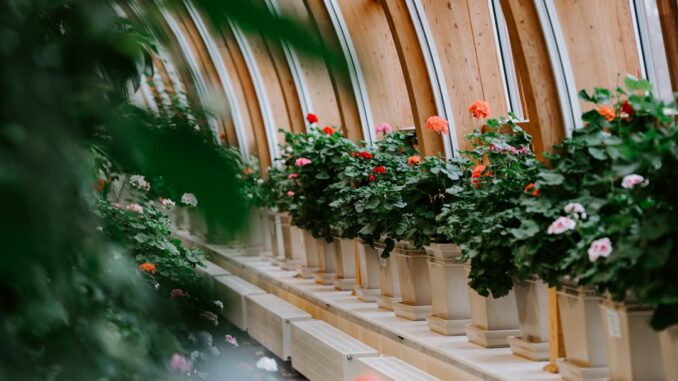

Unlocking a World of Light: Your Bespoke Orangery, a Masterclass in Home Transformation
Ever dreamt of a space that feels like a permanent vacation, a serene retreat where the scent of rain on foliage mingles with the aroma of your morning coffee? Imagine stepping into a seamless extension of your home, where the boundaries between your indoor sanctuary and the vibrant, ever-changing tapestry of your garden simply blur away. This isn’t just an add-on; it’s an experience, a transformation. A bespoke orangery offers precisely this and so much more, reinventing your living environment into a tranquil haven that not only celebrates nature’s unparalleled beauty but also enhances your everyday life in profound ways.
For many of us, our homes are our biggest investments, sure, but they’re also deeply personal reflections of who we are. An orangery, unlike a standard extension, truly elevates this personal connection. It’s an architectural marvel, really, blending classic elegance with modern functionality. Historically, orangeries were grand structures for cultivating citrus fruits in colder climates – hence the name. Today, however, they’ve evolved into sophisticated, light-filled living spaces, retaining that touch of opulent grandeur but adapted for contemporary living. And opting for a bespoke design? That’s where the magic truly happens, ensuring your new space isn’t just an addition, but an intrinsic, perfectly tailored part of your home’s narrative.
The Art of Seamless Integration: Blurring Indoor and Outdoor Worlds
At its heart, an orangery acts as an exquisite architectural bridge, effortlessly connecting your indoor living areas with the captivating outdoors. It’s about letting you luxuriate in the beauty of your garden, come rain or shine, through every single season. We’re talking about more than just large windows here. We’re talking intelligently designed expanses of glass, often incorporating state-of-the-art bi-fold, sleek sliding patio, or charming French doors, which, when fully opened, literally dissolve the wall between your house and garden. Think of it, a warm summer evening, doors pulled back, the gentle breeze wafting through, bringing with it the sweet perfume of evening primroses. It’s an intoxicating blend, isn’t it?
This deliberate design choice does so much more than just look good. It fundamentally enhances the aesthetic appeal of your entire property, creating an open, airy ambience that feels incredibly inviting. But it’s also deeply practical. This seamless transition allows you to truly immerse yourself in the natural world, observing the subtle shifts of the seasons from the plush comfort of your favourite armchair. You’ll watch snow fall with a hot drink in hand, see the vibrant burst of spring blooms, or enjoy the fiery hues of autumn leaves, all without having to brave the elements. It changes your relationship with your garden, making it an ever-present, vibrant backdrop to your daily life.
When designing for this integration, it’s crucial to consider the architectural style of your existing home. A well-designed orangery won’t just ‘stick on’ but will feel like it was always meant to be there, a natural evolution of your property. Matching brickwork, sympathetic rooflines, and carefully chosen window styles all play a part in creating this harmonious flow. It’s a subtle dance between old and new, and when it’s done right, the result is simply breathtaking. I once worked on a project where the client had this beautiful, old stone farmhouse. We designed the orangery with reclaimed stone and a subtle timber roof lantern, and it looked like it’d been part of the house for centuries. That’s the level of integration we strive for.
Year-Round Sanctuary: Comfort in Every Season
Here’s a key differentiator: unlike many traditional conservatories, orangeries are meticulously designed with thermal efficiency and insulation at their core. This isn’t a space you’ll only use for a few months a year; this is a genuinely comfortable, liveable extension, all year round. The thoughtful combination of substantial solid brickwork, often around the base, and high-quality, high-performance glazing means your orangery will remain wonderfully warm and cosy even when winter’s chill bites, and remarkably cool and pleasant during the sweltering heat of summer. It’s truly transformative.
Let’s get into the nitty-gritty of why this comfort is possible. It’s all about the materials and the engineering. We’re talking about advanced glazing technologies – think double or even triple-glazed units, often filled with inert gases like argon for superior insulation, and featuring low-emissivity (low-E) coatings. These coatings reflect heat back into the room in winter and deflect excessive solar gain in summer, helping maintain an ambient temperature. The solid sections of the orangery typically incorporate robust insulation, creating walls with excellent U-values, far superior to uninsulated conservatory walls.
Beyond the structure itself, intelligent heating and cooling solutions are often integrated from the outset. Underfloor heating, for example, provides wonderfully even warmth, freeing up wall space from radiators. Modern, efficient air conditioning systems can be subtly incorporated for those scorching summer days, ensuring a refreshing escape. Furthermore, effective ventilation strategies – cross-ventilation through carefully placed windows and doors, or even automated roof vents – play a crucial role in preventing overheating and maintaining fresh air circulation. This thermal efficiency isn’t just about comfort; it’s about making the space genuinely functional for whatever activity you envision, whether it’s a quiet winter reading nook or a bustling summer lounge.
A Symphony of Light: The Power of Natural Illumination
Undoubtedly, one of the most captivating features of an orangery is the sheer, unadulterated influx of natural light it generously provides. This isn’t just light; it’s an experience. With its signature roof lantern or expansive glazed ceiling, sunlight literally floods the space, bathing every corner in a warm, inviting glow. The effect is immediate: an atmosphere that feels incredibly bright, open, and airy. It’s like the sun is giving your home a warm, enveloping hug.
Beyond the sheer beauty, the benefits of this abundant natural light are manifold and deeply impactful. Firstly, it’s a proven mood booster. Exposure to natural light can significantly improve our well-being, reduce stress, and even enhance cognitive function. Who wouldn’t want a daily dose of natural antidepressant right in their home? Secondly, it drastically reduces your reliance on artificial lighting during daylight hours, contributing directly to energy efficiency and, let’s be honest, saving a bit on those electricity bills. Imagine working from home in a space so bright, you rarely need to flip a switch until dusk. That’s the reality an orangery offers.
Roof lanterns themselves come in a dazzling array of designs and materials, from classic timber frames to sleek, contemporary aluminium. They can be pyramidal, flat, or even incorporate subtle pitches, each choice influencing the overall architectural feel and the way light enters the room. Think about how the sun tracks across the sky; a well-placed lantern can capture that ever-shifting light, creating dynamic patterns and shadows throughout the day. However, it’s also important to consider glare control and solar gain. High-performance glass, integrated blinds, or even smart glass that tints automatically, can all be incorporated to ensure optimal comfort, preventing the space from becoming too bright or warm on intensely sunny days. It’s all about finding that perfect, radiant balance, you see.
Unparalleled Versatility: Your Space, Your Rules
This is where a bespoke orangery truly shines, offering an unparalleled degree of flexibility in its use, adapting seamlessly to your ever-evolving lifestyle needs. Don’t restrict your imagination; this isn’t just another room. Whether you envision it as a sun-drenched dining area perfect for lively family meals, a focused home office bathed in inspiring natural light, a dynamic playroom where children’s imaginations can run wild, or perhaps a serene, tranquil retreat for meditation and unwinding, the design can be meticulously tailored to fit your precise preferences. The beauty of bespoke is that it’s designed around you.
Consider the possibilities. It could be:
- A Gourmet Kitchen Extension: Imagine culinary creations under a sky full of stars.
- An Elegant Dining Room: Perfect for entertaining, with garden views as your backdrop.
- A Serene Home Office: Boost productivity and creativity with abundant natural light.
- A Vibrant Playroom: A safe, bright space for kids to explore and create.
- A Tranquil Reading Nook or Library: Escape with a good book, surrounded by peace.
- A Personal Gym or Wellness Studio: Find your zen with a garden outlook.
- An Art Studio or Creative Space: Let the natural light inspire your next masterpiece.
- An Entertainment Hub: A stylish lounge area for friends and family.
- A Conservatory for Plants: If you still fancy growing a few things, that’s absolutely an option too!
The adaptability of the space ensures it remains functional and enjoyable, irrespective of how your needs or family dynamics might shift over time. I recall a client who initially planned their orangery as a formal dining space. Fast forward five years, with two young children, and it effortlessly transformed into an incredible, sun-drenched play area during the day, complete with child-friendly flooring, before converting back to an elegant space for evening entertaining. That’s the true power of bespoke design – it future-proofs your home. You’re not just building for today; you’re building for tomorrow, and that’s a pretty smart investment if you ask me.
A Smart Investment: Enhanced Property Value
Let’s talk numbers for a moment, because while the aesthetic and lifestyle benefits are immense, the financial upside of a bespoke orangery is also incredibly compelling. Investing in such a high-quality, architecturally significant extension can significantly boost the value of your property. We’re not talking about a marginal increase here; often, it’s quite substantial. Potential buyers, especially those discerning ones, truly appreciate the additional, high-quality living space and the unique charm that an orangery adds to a home.
Think about it from a buyer’s perspective. When they walk through a property, an orangery delivers that undeniable ‘wow factor.’ It speaks of quality, thoughtful design, and an elevated lifestyle. It’s often seen as a luxurious, desirable feature that immediately sets your property apart in a competitive market. Unlike some basic extensions, an orangery’s timeless design and exceptional functionality ensure it remains a sought-after feature for years to come. It’s not just extra square footage; it’s premium square footage, offering a unique blend of indoor comfort and outdoor connection that few other home improvements can match.
While the exact increase in property value varies based on location, quality of build, and local market conditions, many experts suggest a well-designed orangery can add between 5% to 15% to a property’s value. That’s a return on investment that certainly makes sense. It’s an investment that pays dividends, both in the tangible value of your home and, arguably more importantly, in the immeasurable value of an enhanced quality of life. And in today’s property market, anything that gives your home a unique edge is gold.
Crafting Your Vision: Designing Your Bespoke Orangery
Designing your bespoke orangery is an exciting journey, a collaboration between your vision and expert craftsmanship. This is where dreams take shape, where every detail is considered to ensure the final structure not only complements your existing home but also perfectly fulfils your needs and desires. It’s a comprehensive process, so let’s break down the key elements you’ll need to consider, shall we?
The Heart of the Matter: Roof Style Choices
The roof is arguably the most defining characteristic of an orangery, and your choice here profoundly impacts both the aesthetics and the functionality of the space. You’re generally looking at two primary approaches, or a clever hybrid:
- The Glazed Roof Lantern: This is the quintessential orangery feature, a raised central glazed section set within a solid roof. It floods the space below with an incredible amount of natural light, often creating a dramatic focal point. Lanterns can be pitched, flat, or even pyramidal, each offering a distinct architectural flavour. Materials for the lantern frame itself range from traditional timber (like oak or engineered wood, often painted) to contemporary, sleek aluminium, which offers slim sightlines and exceptional durability. Glazing options within the lantern are also crucial: think self-cleaning glass, solar control glass to prevent overheating, or even electrochromic ‘smart glass’ that tints at the touch of a button. The height and proportion of the lantern are key to making the space feel expansive without being overwhelming.
- The Solid Roof with Integrated Glazing: This option provides a more ‘room-like’ feel, offering greater thermal mass and potentially more privacy or better acoustic performance. It typically features traditional roofing materials like tiles, slate, or even lead, designed to perfectly match or complement your existing home. However, it can still incorporate carefully placed flush-fitting skylights or smaller roof lights to allow light in where needed. This is a great option if you’re aiming for a space that feels more like a seamless extension of your main house rather than a distinctly separate structure. Many prefer this for a dedicated home office or a more intimate lounge area.
Ultimately, the choice of roof style dictates the ambiance. Do you want maximum sky views and a feeling of boundless light, or a more contained, cosy environment with strategic light ingress? It’s a fundamental decision.
Material Matters: Building the Bones of Your Dream
The materials you choose for your orangery’s structure are paramount, influencing not just its appearance but also its longevity, maintenance requirements, and overall thermal performance. Consistency with your existing property is often key for that ‘always been there’ feel.
- Brickwork & Stone: For the solid base elements, matching your existing brickwork is usually the default, or selecting a complementary brick type if a contrast is desired. Reclaimed bricks can offer incredible character and an aged patina. Alternatively, natural stone, if present on your home, can be beautifully extended into the orangery’s design, adding a sense of timeless grandeur.
- Timber: Classic and warm, timber frames (often oak, Accoya, or engineered timber) offer superb aesthetic appeal and can be painted in any colour or left natural for a rustic charm. They require more maintenance (periodic painting or varnishing) but provide exceptional character and often better thermal performance than standard uPVC. I personally love the warmth timber brings, especially in a natural finish; it just feels so authentic.
- Aluminium: For a sleek, contemporary aesthetic, aluminium frames are a fantastic choice. They’re incredibly strong, allowing for very slim sightlines and large expanses of glass, maximising views. Aluminium is also low-maintenance, highly durable, and can be powder-coated in virtually any RAL colour, offering incredible design flexibility. It’s perfect for a modern minimalist look.
- uPVC: While generally more budget-friendly, uPVC can be a viable option, especially if you’re matching existing uPVC windows on your home. It’s low-maintenance but typically offers thicker frames, which can somewhat reduce the glass area and overall bespoke feel. When choosing uPVC, always opt for high-quality, robust profiles.
- Glass: Beyond the roof, the wall glazing is crucial. Toughened glass for safety, laminated glass for security, self-cleaning coatings, solar control, and even acoustic glass for sound reduction – the options are vast. Your choice will balance light transmission, thermal performance, and privacy.
Doors and Windows: Your Gateway to the Garden
These elements are your visual and physical connection to the outdoors, so their design and placement are critical.
- Bi-fold Doors: A perennial favourite, these concertina back to create wide, unobstructed openings, truly blurring the line between inside and out. They’re fantastic for entertaining and making the most of a beautiful day.
- Sliding Patio Doors: Offering vast panes of glass, these glide smoothly to one side, providing expansive, panoramic views even when closed. They’re great for maximising glass area and creating a sleek profile.
- French Doors: Classic and elegant, these hinged doors open outwards, offering a charming, traditional entryway to the garden. Often paired with side lights, they create a beautiful, framed vista.
- Pivot Doors: For something truly architectural and impactful, a pivot door can create a dramatic entrance, swinging on a central or offset pivot point.
- Windows: Beyond the doors, careful placement of casement, tilt-and-turn, or fixed-pane windows ensures optimal light, ventilation, and views. Consider security features, hardware finishes, and how they integrate with the overall design.
Interior Layout & Finishes: The Inside Story
This is where the space becomes truly yours, tailored to your intended use. Planning is key here.
- Flooring: Hardwearing, aesthetically pleasing flooring is essential. Porcelain tiles, natural stone (like limestone or slate), or engineered wood are popular choices. Consider incorporating underfloor heating beneath for ultimate comfort – it’s a real game-changer.
- Lighting: Beyond the natural light, a well-thought-out artificial lighting plan is crucial for evenings. A mix of ambient (e.g., recessed spotlights, pendants), task (e.g., reading lamps), and accent lighting (e.g., uplighters for architectural features) creates versatile moods. Smart lighting systems can offer incredible control and customisation.
- Electrical Points: Don’t underestimate this! Plan for ample power outlets for lamps, charging devices, entertainment systems, and any specific appliances you might use (e.g., a mini-fridge, a coffee machine). Floor boxes can be incredibly discreet for central furniture layouts.
- Decor & Furniture: This should flow seamlessly from your existing home’s style but can also be an opportunity to introduce something new. Choose furniture that is proportionate to the space, resilient to sunlight (if needed), and comfortable. Colour palettes should enhance the natural light and create the desired mood.
- Acoustics: With so much glass, acoustics can sometimes be a consideration. Soft furnishings like rugs, curtains, and upholstered furniture can help absorb sound and prevent echoes, ensuring a comfortable, peaceful environment.
Harmonious Horizons: Integrating with Your Garden
The beauty of an orangery is its symbiotic relationship with the landscape around it. To truly create that harmonious connection between your new indoor-outdoor space and the garden, meticulous planning extends beyond the structure itself. You’re not just adding a room; you’re crafting an entire living experience. And let’s be honest, who doesn’t want their garden to look as good at night as it does in the day?
Landscaping: Extending the Welcome Mat
Your landscape design should act as a natural extension of the orangery, inviting you further into the garden.
- Pathways & Patios: Thoughtfully designed pathways using complementary materials like natural stone paving, elegant gravel, or robust decking should lead from your orangery doors into various zones of the garden. A generous patio or terrace directly outside the orangery is almost a must, creating an immediate outdoor ‘room’ for al fresco dining or lounging. This creates such a lovely flow, you see, making the step from inside to out feel entirely natural.
- Planting Schemes: Select plants that offer year-round interest – evergreen shrubs for winter structure, fragrant flowers for summer evenings, and deciduous trees for their seasonal colour changes. Consider planting that softens the edges of the orangery, perhaps climbers on a trellis nearby, or raised flowerbeds that bring the greenery closer to the windows. Think about varying heights and textures to add depth and visual appeal. I always suggest clients consider a few scented plants near the doors; there’s nothing quite like a waft of jasmine on a summer’s eve.
- Level Changes & Zones: If your garden has varying levels, use steps or retaining walls to create visual interest and delineate different ‘rooms’ within the garden. A dining area, a relaxed seating zone, or even a small kitchen garden can all be subtly defined, mirroring the versatility of the orangery itself.
Outdoor Features: Enhancing the Ambiance
Beyond planting, incorporating specific features can elevate your garden’s appeal, making it an even more enticing extension of your living space.
- Water Features: The gentle murmur of water can be incredibly soothing. A subtle fountain, a tranquil pond, or even a sleek rill can add both visual interest and a sense of calm to your garden. The way light plays off water at dusk? Simply magical.
- Fire Pits & Outdoor Kitchens: For those who love entertaining, a dedicated fire pit area or a fully equipped outdoor kitchen can extend the usability of your garden well into the evenings and cooler months. Imagine gathering around a crackling fire under the stars after a meal cooked outdoors – that’s luxury right there.
- Seating & Shelter: Beyond a simple patio set, consider more permanent features like a pergola draped with climbing roses, a stylish gazebo, or built-in seating areas that invite relaxation and conversation. These create destinations within your garden.
- Art & Sculptures: Thoughtfully placed sculptures or outdoor art can add a touch of personality and sophistication, turning your garden into an open-air gallery.
Enchanting Evenings: Strategic Outdoor Lighting
Outdoor lighting is often overlooked, but it’s absolutely essential for transforming your garden into a welcoming, usable space after dark. It’s about setting the mood, creating drama, and enhancing safety.
- Types of Lighting: Use a combination of uplighters to highlight architectural features or trees, downlighters to illuminate pathways or seating areas, and feature lights for sculptures or water features. Subtle strip lighting can be integrated into decking or steps for a modern touch.
- Smart Systems: Modern outdoor lighting can be controlled via smart home systems, allowing you to dim lights, change colours, or set schedules from your phone. Imagine pressing a button and watching your garden come alive with a soft, inviting glow as evening descends.
- Creating Ambiance: Focus on warm, inviting tones (around 2700-3000K) to create a relaxed atmosphere. Avoid harsh, bright lights that can feel jarring. The goal is to create an enchanting evening landscape that beckons you to step out, or at least provides a beautiful vista from within your orangery.
Maintaining Your Masterpiece: Longevity and Lasting Beauty
Investing in a bespoke orangery is a significant decision, and like any high-quality investment, it thrives on proper care and regular maintenance. Neglect can quickly diminish both its aesthetic appeal and its structural integrity. So, let’s talk about keeping your orangery looking its absolute best and functioning perfectly for decades to come, ensuring its lasting beauty and value.
Regular Cleaning: Keeping it Sparkling
This might seem obvious, but consistent cleaning makes a world of difference.
- Glass & Frames: Aim to clean the glass (both internal and external) every few months, or more frequently if you live in an area with a lot of dust or pollen. High-quality glass cleaners and microfibre cloths are your friends here. Don’t forget the frames – timber frames may need a gentle wash, while aluminium and uPVC generally just require a wipe down with soapy water. Pay particular attention to the roof lantern glass; professional cleaning might be needed for hard-to-reach areas to prevent unsightly dirt build-up.
- Gutters & Drainage: Crucially, check and clear your orangery’s gutters at least twice a year, especially after autumn. Blocked gutters can lead to rainwater overflow, potentially causing staining, damp, or even structural issues. Ensure all downpipes are clear and draining correctly.
Seals, Joints, and Structure: Preventing Problems
These seemingly small details are vital for thermal performance and preventing leaks.
- Seals & Mastic Joints: Periodically inspect all silicone and mastic seals around windows, doors, and where the orangery meets your main house. Over time, these can degrade, crack, or pull away, creating drafts and potential water ingress points. Re-sealing any compromised joints promptly is essential to maintain thermal efficiency and keep water out. This is one of those ‘stitch in time’ tasks.
- Roof Inspection: If you have a solid roof section, check for any slipped tiles, cracks in lead flashing, or excessive moss/algae growth. For glazed roof lanterns, look for any signs of condensation between the glass panes (indicating a failed seal) or any movement in the glazing bars. Early detection of issues here can save significant repair costs down the line.
Material-Specific Care: Tailored Maintenance
Different materials have different needs, so tailor your maintenance approach accordingly.
- Timber Elements: If your orangery features timber frames, doors, or roof sections, periodic varnishing, painting, or oiling is crucial. This protects the wood from UV degradation, moisture ingress, and insect attack. The frequency depends on the type of finish and exposure to the elements, but typically every 3-7 years. Skipping this can lead to timber rot, warping, and significant repair work.
- Metal Components: Inspect hinges, locks, and any other metal hardware on doors and windows. Lubricate moving parts annually with a suitable silicone spray or light oil to ensure smooth operation and prevent corrosion. Check for any signs of rust on aluminium or steel components and address them immediately.
HVAC & Electrics: The Hidden Helpers
Don’t forget the systems that keep your orangery comfortable and functional.
- Heating & Cooling: If you have underfloor heating, air conditioning, or other climate control systems, follow the manufacturer’s recommendations for servicing. Annual checks by a qualified technician ensure optimal performance, efficiency, and longevity.
- Electrical Systems: While generally low maintenance, if you notice any flickering lights, non-functioning sockets, or tripped breakers, consult a qualified electrician. Better safe than sorry, wouldn’t you agree?
Regular, proactive maintenance isn’t just about preserving the appearance of your orangery; it’s about safeguarding your investment, ensuring its structural integrity, and guaranteeing it continues to provide that year-round comfort and enjoyment you initially sought. Think of it as caring for a fine automobile; a little regular attention goes a long way in ensuring it runs beautifully for many, many years to come.
The Last Word: More Than Just an Extension
In conclusion, a bespoke orangery transcends the conventional definition of a home extension. It’s far more than just an additional room; it’s a meticulously crafted gateway to experiencing your garden and the natural world in an entirely new, deeply intimate light. Its thoughtful design, the seamless integration with your existing living space, and the sheer quality of its construction are all geared towards enhancing your lifestyle in tangible ways. It provides a versatile, light-filled area that effortlessly adapts to your evolving needs and personal preferences, whether you’re seeking a quiet retreat or a lively entertaining space.
Whether your primary motivation is to significantly increase your property’s value, create a truly comfortable year-round living area that defies seasonal limitations, or simply to revel in the breathtaking beauty of your garden from the protected, ambient comfort of your home, a bespoke orangery offers an elegant, enduring solution. It’s a remarkable fusion of timeless functionality with unparalleled aesthetic appeal, a true testament to the power of thoughtful design. It’s an investment in your home, yes, but perhaps more importantly, it’s an investment in your quality of life. And for me, that’s what truly makes it special.
Be the first to comment