
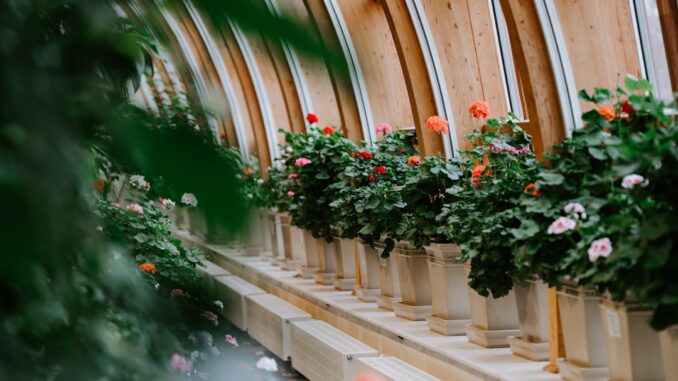

Illuminating Your Orangery: A Masterclass in Maximizing Natural Light
Imagine stepping into a space that feels like a warm embrace, where the boundary between your home and the serene beauty of your garden simply melts away. That’s the magic of a well-designed orangery, isn’t it? It’s not merely an extension; it’s a living, breathing bridge, a testament to blurring the lines between indoor comfort and outdoor tranquility. And to truly unlock its potential, harnessing the power of natural light isn’t just a design choice, it’s the design imperative.
We’re talking about more than just brightening a room here. We’re talking about creating an environment that invigorates your spirit, boosts your mood, and transforms your daily living experience. Natural light has this incredible, almost tangible quality, doesn’t it? It affects our circadian rhythms, improves productivity, and frankly, just makes everything look better. So, let’s explore how you can meticulously craft your orangery into a luminous, welcoming retreat, a true sanctuary drenched in the sun’s gentle glow.
The Blueprint for Brilliance: Designing Your Orangery for Optimal Light Influx
The journey to a light-drenched orangery begins long before the first pane of glass is installed. It starts with the fundamental architectural choices, the very DNA of your extension. Designing for maximum light isn’t just about putting in some windows; it’s about making deliberate decisions that invite the sun to become a permanent resident.
Strategic Orientation: Catching the Sun’s Best Angles
First up, let’s talk orientation. This is perhaps the most crucial decision you’ll make, impacting everything from the quality of light to thermal performance.
- South-facing orangeries are the holy grail for abundant, consistent daylight throughout the day. They bask in sunlight from morning to late afternoon, creating a wonderfully bright and warm space. However, this also means you’ll need to consider solar gain carefully – nobody wants to live in a greenhouse on a hot summer’s day, right? Smart glazing choices and clever ventilation become your best friends here.
- North-facing orangeries, on the other hand, offer a more diffused, consistent light, less prone to glare or overheating. Artists often prefer north light for its stable, soft quality, perfect for tasks requiring precision without harsh shadows. While it might feel cooler, thoughtful insulation and perhaps a larger roof lantern can compensate beautifully.
- East-facing orangeries greet the glorious morning sun, making them ideal for breakfast rooms or peaceful workspaces where you can soak up that invigorating early light.
- West-facing orangeries capture the dramatic, warm glow of the afternoon and evening sun – absolutely stunning for unwinding after a long day or entertaining. But, just like south-facing, be mindful of that late-day solar gain and potential glare.
Seriously, don’t underestimate the power of your orangery’s compass direction. It sets the stage for everything else.
The Glass Canvas: Maximizing Glazed Areas with Precision
The foundation of a light-filled orangery undeniably lies in its expansive use of glass. We’re aiming to dissolve the rigid boundaries between indoors and outdoors, crafting an open, airy continuum. This isn’t just about large panes; it’s about intelligent glass selection.
- Low-iron glass, for instance, is an absolute game-changer. Standard glass often carries a subtle greenish tint, especially noticeable around the edges. Low-iron glass, however, dramatically reduces this, allowing an almost imperceptible amount of light to pass through. It’s like viewing the world through a perfectly clear lens, and the difference, subtle as it sounds, is quite profound. It truly brings the outdoors in, without any visual distortion.
- Beyond clarity, consider self-cleaning glass. I mean, who loves cleaning high-up glass panes? This innovative glass has a special coating that reacts with UV light to break down organic dirt, and then rain washes it away. It’s not magic, but it certainly feels like it, saving you considerable effort and keeping your orangery sparkling.
- For those south- or west-facing orientations, solar control glass is essential. It’s engineered to reflect a significant portion of the sun’s heat while still allowing ample light to penetrate, preventing your orangery from becoming an oven in summer. This clever tech helps maintain a comfortable internal temperature, making the space usable year-round.
- And what about privacy? If your orangery faces a busy street or close neighbours, switchable privacy glass (also known as smart glass) is a luxurious solution. At the flick of a switch, it transforms from clear to opaque, offering instant seclusion without needing blinds. It’s an investment, but oh, the convenience!
Remember, your orangery’s ‘skirt’ or dwarf wall also plays a role. While traditional orangeries often feature substantial dwarf walls, contemporary designs frequently opt for much lower walls or even floor-to-ceiling glass to maximise that visual connection and light ingress. It’s a balance between traditional aesthetics and modern luminosity.
Navigating Regulations: The Unsung Hero of Light
Don’t forget planning permission and building regulations. While they might seem like bureaucratic hurdles, they ensure your orangery is safe, structurally sound, and thermally efficient. The latter is crucial for light; better insulation and glazing mean you won’t need to compensate for heat loss with solid walls, allowing for more glass. Consult with an architect or a reputable orangery specialist early on. They’ll know the ins and outs, ensuring your dream space isn’t just beautiful, but compliant too.
The Celestial Touch: Incorporating a Roof Lantern with Panache
A roof lantern, or perhaps several, isn’t just an architectural feature; it’s the crown jewel of your orangery, a dynamic skylight that floods the entire space with overhead light. Its magic lies in its ability to draw the eye upwards, creating an incredible sense of volume and grandeur, almost like a living art installation constantly shifting with the clouds and the sun’s journey across the sky.
Varieties of Overhead Illumination
Roof lanterns come in an array of styles, each offering a unique aesthetic and light delivery:
- Pyramid lanterns are elegant and classic, often topping smaller, square orangeries. Their sloping sides create a beautiful play of light and shadow.
- Gabled lanterns, also known as ridge lanterns, are elongated, perfect for larger, rectangular spaces. Opting for those with minimal bars and exceptionally slim frames allows an almost uninterrupted cascade of sunlight to reach the interior, truly enhancing the sense of openness. This is where you really start to feel that connection with the sky above.
- Flat rooflights offer a minimalist, contemporary look, sitting flush with the roofline. While they might not offer the same visual drama as a raised lantern, their unbroken glass surface provides pure, unadulterated light.
- Modular lanterns offer flexibility, allowing you to combine sections to create larger, more intricate roof light patterns, tailoring the light exactly where you need it.
Strategic Placement: Beyond Just the Middle
Positioning is everything. While placing a lantern above a central area – like a grand dining table where families gather for Sunday roast or a cozy seating arrangement for reading – is a classic move, don’t limit yourself. Think about focal points; could a smaller, strategically placed lantern highlight a piece of art or illuminate a plant display? Consider ceiling height; a higher lantern creates more drama, while a lower one might feel more intimate. The goal is to draw light deep into the room, creating an even, inviting glow.
Materials and Performance: Glazing Your View to the Heavens
When it comes to the lantern’s structure, materials matter.
- Aluminium frames are incredibly popular for their strength, durability, and ability to support large expanses of glass with very slim profiles. This means less frame, more view.
- Timber frames offer a traditional, warm aesthetic, but they typically require thicker sections.
- uPVC is a more budget-friendly option, but can sometimes result in bulkier frames, potentially reducing your glazed area.
And for the glazing itself? Think beyond just ‘glass’. Solar control glass is just as vital for a roof lantern as it is for vertical panes, preventing excessive heat build-up. Tinted or self-cleaning options can also be incredibly beneficial up there. Pay close attention to the U-values – a measure of how well a material insulates – to ensure your beautiful light source isn’t also a massive heat leak, or conversely, a cold spot in winter.
Maintenance, too, is a practical consideration. How will you clean those high-up panes? Factor in easy access, perhaps even self-cleaning glass, to keep your celestial view crystal clear.
Framing the Horizon: The Art of Slim Frames and Grand Openings
It’s a simple truth in orangery design: the more glass, the better. We’re constantly striving to dissolve the solid elements and celebrate transparency. When you’re planning your windows and doors, you need to be ruthless in your pursuit of designs that maximise the glazed area and mercilessly minimise bulky framing. Every inch of frame taken away is an inch of light gained, after all.
Materials That Matter: Where Strength Meets Slimness
This is where material science really shines. Modern engineering allows for incredible feats of structural integrity with remarkably slender profiles.
- Slimline aluminium frames are often the top choice for contemporary orangeries. They’re incredibly strong, allowing for huge panes of glass and very narrow sightlines. Plus, they’re durable, low-maintenance, and available in a vast array of finishes, so you can seamlessly match your aesthetic. They really let the light do the talking.
- Steel frames offer an even slimmer profile, exuding a chic, industrial elegance. They’re incredibly robust, allowing for truly minimal interruptions to your view, but they do come with a higher price tag.
- Engineered timber frames can offer a beautiful, natural warmth, and modern designs are much slimmer than their traditional counterparts. They provide excellent thermal performance too, though they might require a bit more maintenance over time compared to metal options.
- Composite frames, blending timber with aluminium cladding, offer the best of both worlds: the warmth of wood inside and the resilience of metal outside. They can achieve very good slimness while offering superb insulation.
Whatever your choice, challenge your supplier on the frame-to-glass ratio. You want the highest percentage of glass possible without compromising strength or security.
Doorways to Daylight: Wide Openings and Seamless Transitions
The way your orangery opens up to the garden is just as critical as the amount of glass. These aren’t just exits; they’re dynamic portals that extend your living space into the landscape.
- Bi-folding doors are incredibly popular, and for good reason. They completely fold back, creating a vast, uninterrupted opening that truly merges your orangery with the garden. Imagine throwing them open on a warm summer evening – it’s like your living room just gained an extra few hundred square feet!
- Sliding doors, particularly modern lift-and-slide systems, offer another fantastic option. They allow for much larger individual panes of glass than bi-folds, meaning fewer vertical interruptions to your view when closed. When open, the panels slide neatly behind each other, offering substantial openings.
- French doors offer a classic charm, opening outwards to create a more intimate connection. While not as expansive as bi-folds or sliders, a well-placed set of double or even triple French doors can still invite plenty of light and air.
- Even pivot doors, though less common in orangeries, can create a stunning architectural statement, particularly if you have a wide, imposing entrance you want to highlight.
The goal is to create a light-filled transition, a gentle invitation from your home to your horticultural haven. My friend Sarah, she installed bi-folds in her orangery last year, and honestly, her kids practically live out there now. It’s totally transformed how they use their home.
Windows as Art: Optimizing Every Opening
Don’t forget the fixed panels and individual windows. Casement windows offer excellent ventilation, while tilt-and-turn windows combine secure ventilation with easy cleaning. Fixed glazed panels, where ventilation isn’t needed, are pure light-bringers, offering an unbroken vista. Every design choice should serve the singular purpose of inviting more natural light inside.
The Unseen Foundations: Selecting the Right Structural Materials for Luminosity and Comfort
While glass is undeniably the star of the show, the supporting cast of materials you choose behind the scenes dramatically influences not just the amount of natural light your orangery receives, but also its overall comfort and efficiency. It’s a bit like building a high-performance car; you need strong, lightweight, and efficient components throughout, not just a flashy paint job.
High-Performance Glazing: Beyond Just Clarity
We’ve touched on low-iron and solar control, but let’s dive a little deeper. The performance of your glazing is pivotal.
- Double or even triple glazing isn’t just a suggestion; it’s a necessity. It significantly reduces heat loss in winter and helps mitigate solar gain in summer, meaning you won’t be blasting the heating or AC. This thermal efficiency minimizes the need for bulky, insulating wall sections, thereby allowing more precious glass area.
- Look for argon or krypton gas-filled units between the panes; these inert gases are superior insulators to just air.
- Warm edge spacers (often made of composite materials rather than aluminium) further reduce heat transfer at the edges of the glass unit, where cold bridging can occur. These seemingly small details contribute to a much more comfortable environment, helping to regulate temperature fluctuations that might otherwise necessitate less glass and more solid structure.
The Roof: An Insulated Cloud, Not a Sieve
The roof of your orangery, often a mix of solid and glazed elements, is a critical component for both light and thermal performance.
- An insulated solid roof section helps retain heat, drastically reducing energy bills. We’re talking about achieving excellent U-values here, which measure heat loss. A ‘warm roof’ construction, where insulation sits above the roof structure, is usually preferred as it prevents condensation issues and maintains consistent temperatures.
- But it’s not just about insulation. The internal finish of this solid roof section can also reflect light, pushing it further down into the space. A pale, smooth finish, rather than a dark, textured one, will subtly amplify the brightness, particularly from the roof lantern.
Walls, Floors, and Foundations: The Hidden Light Reflectors
Believe it or not, even your foundation and flooring choices have a role.
- Foundation materials directly impact the overall thermal mass of your orangery. Materials like concrete or stone can absorb heat during the day and release it slowly at night, helping to regulate temperature and making the space feel more stable and less prone to extremes, meaning you can have larger glass areas without comfort issues.
- Flooring materials in the orangery itself contribute to light reflection. Polished concrete, light-coloured tiles, or pale wooden floorboards can bounce light upwards, amplifying the overall brightness. They become a subtly reflective surface, almost like a second, horizontal mirror.
- Even the construction of your dwarf walls matters. If you’re using masonry, ensure it’s well-insulated to prevent cold spots and allow you to maximise the glazed sections above. Modern composite panels can offer exceptional thermal performance with a slimmer profile, enabling larger windows.
The Breath of the Orangery: Ventilation Strategies
With all that glorious glass and sun, managing heat gain and maintaining good air quality is crucial. Passive ventilation, such as trickle vents in your windows or strategically placed automated roof vents, allows for a constant gentle flow of air, preventing stuffiness without losing too much heat. This intelligent design means you don’t have to compromise on glass for comfort. I recall one project where a client initially thought they’d need fewer windows for climate control, but with a clever ventilation system and high-performance glass, we actually increased the glazed area and made the space far more comfortable.
The Interior Symphony: Utilizing Light Colors and Reflective Surfaces
Once the structure is in place, your interior design choices become the conductor of the light symphony within your orangery. How light travels, bounces, and lingers in a space is profoundly influenced by your palette and finishes. In orangeries, where light streams in from multiple directions – horizontally through windows and vertically through roof lanterns – the right choices can make the room feel not just bright, but truly luminous, almost ethereal.
The Power of Pale: A Canvas for Light
This is where we lean heavily into the psychology of colour. Stick to a palette of soft, pale colours for your walls, ceiling, and even flooring.
- Think in terms of off-white, creamy ecru, serene sand tones, or sophisticated pale grey. These aren’t just ‘safe’ choices; they are powerful tools for light amplification. Darker colours absorb light, making a room feel smaller and heavier. Pale tones, on the other hand, reflect light more effectively, enhancing the natural brightness and making the room feel expansive and airy.
- Consider the undertones of your chosen white or grey. A white with a slight yellow undertone will feel warmer, almost like perpetual sunshine, while one with a blue undertone will lean cooler and crisper.
- And don’t neglect the ‘fifth wall’ – the ceiling. A bright, reflective ceiling, ideally in the palest tone, will bounce light from the roof lantern downwards, enveloping the entire space in a soft glow.
The Gleam and the Glint: Reflective Finishes
Texture and finish are just as important as colour.
- Glossy or satin finishes on surfaces like tiles, tabletops, and even cabinet fronts will actively bounce light around the room. Imagine the sun hitting a polished porcelain floor and shimmering across the space – it’s dynamic and captivating.
- Think about integrating mirrored accents strategically. A large mirror on a solid wall can virtually double the perceived light and space, especially if it’s opposite a window or door. It’s a classic trick, but always effective.
- Metallic fixtures – brushed brass, polished chrome, even subtle copper tones – can add pops of reflective sparkle. Light catches these surfaces, scattering little glints around, adding to the room’s vibrancy.
- Even light-toned, subtly reflective wood, particularly with a soft lacquer or varnish, can contribute to the overall brightness, offering warmth without absorbing too much light.
Furniture and Decor: Transparent Touches
Your furniture choices can also play a significant role.
- Opt for furniture with a lighter visual weight. Glass coffee tables, acrylic chairs, or open-shelving units don’t block light the way solid, chunky pieces might. They allow light to pass through and around them, maintaining an open, airy feel.
- Choose upholstery in light fabrics like linen, cotton, or pale wool. Not only do they reflect light, but they also contribute to the overall sense of freshness and calm.
- When it comes to artwork, select pieces with light backgrounds or metallic elements that can subtly catch and reflect light. Avoid overly dark, heavy pieces that might create a visual ‘black hole’ in the room.
By carefully curating your interior, you transform your orangery into a harmonious symphony of light, where every surface plays its part in amplifying the sun’s natural beauty.
Curating the View: Maintaining Light with Thoughtful Window Treatments
Window treatments are a delicate balance in an orangery. You want privacy and comfort, absolutely, but you definitely don’t want to sacrifice that glorious, hard-won natural light. Heavy curtains, while cozy in a living room, can often act like light sponges, blocking both precious sunlight and vital airflow. This is where clever choices become your best friends.
The Sheer Delight of Light-Filtering Options
Instead of weighty drapes, think lightness and transparency.
- Lightweight blinds or sheer fabrics are your go-to. They offer a degree of privacy during the day without completely cutting off the sunlight. Imagine a soft, diffused glow rather than a harsh glare – that’s the goal. They also allow gentle breezes to pass through, keeping the air fresh.
- Pleated blinds are a particularly popular choice for orangeries, and for good reason. They can be custom-fitted neatly to the individual frames of roof lanterns and side windows, almost disappearing when retracted. They come in an incredible range of light-filtering fabrics, from translucent to semi-opaque, giving you precise control over light and privacy without visual clutter.
- Cellular or honeycomb blinds offer fantastic thermal insulation in addition to light control. Their unique structure traps air, helping to keep your orangery cooler in summer and warmer in winter, a smart choice for energy efficiency.
- Venetian blinds (with slim slats) or vertical blinds can offer excellent directional light control, allowing you to angle the light precisely while maintaining privacy.
Smart Solutions for Effortless Control
Modern living demands modern solutions. Many high-quality blinds are now available with smart control options. This means you can adjust them effortlessly with a remote, a wall switch, or even through a smartphone app. Imagine setting a timer for them to gently open with the morning sun, or automatically close a bit in the afternoon to mitigate harsh glare. It’s about convenience and making your orangery truly responsive to your needs and the time of day. I’ve seen clients absolutely love the ability to adjust their roof lantern blinds from their sofa; it just adds to the sense of effortless luxury.
Remember, the goal is to enhance the natural light, not obstruct it. Choose treatments that are almost invisible when open, and elegant and effective when closed.
The Outdoor Oasis: Harmonizing with the Garden for Amplified Light
Your orangery isn’t an island; it’s intricately woven into the fabric of your garden. And, surprisingly enough, how you design and maintain your outdoor space can profoundly impact the amount of natural light that reaches inside. It’s a two-way street, where the beauty outside enhances the brightness within.
Strategic Planting: Befriending the Sun
This is all about thinking ahead and understanding your garden’s microclimates.
- Keep tall plants and dense shrubs away from key windows, particularly on the south-facing side of your orangery. A towering evergreen might offer lovely privacy, but it could also cast a perpetual shadow over your sunniest spot. If you absolutely love a tall shrub, consider placing it to the east or west, where it might provide welcome shade during peak summer hours without blocking winter light.
- For climbing plants like jasmine or wisteria, which can create a stunning, fragrant display, think about positioning them off to the side of your orangery or guiding them over a pergola next to the structure, rather than directly over or in front of your most important windows. You want their beauty, but not their shade on a crucial light source. Regular pruning is key here too, keeping them in check so they don’t become unruly light blockers.
- Consider deciduous trees if you want shade in summer but light in winter. Their bare branches in colder months will allow the sun to stream through, while their full canopy in warmer seasons provides natural cooling. It’s a clever, dynamic solution.
Reflective Hardscaping: Bouncing Light Back In
The materials you use for your garden paths, patios, and terraces directly adjacent to the orangery can act as giant reflectors.
- Light-coloured paving stones, pale gravel, or well-maintained lawns all help to bounce natural light back towards your orangery. Imagine sunlight hitting a pristine, light-coloured patio and then subtly reflecting upwards into your room – it’s a wonderfully effective, passive way to boost brightness.
- Even water features, such as a still pond or a shallow reflective pool, can create mesmerizing patterns of reflected light that dance across your orangery’s ceiling, adding a dynamic, calming element.
Framing the View and Extending the Space
Think about the ‘borrowed landscape’ concept. Your orangery should frame beautiful views of your garden, making it feel like a living painting. Low-growing borders, carefully curated plant beds, and clear sightlines contribute to this.
Furthermore, consider garden lighting to extend the connection into the evening. Subtle uplighters on trees, pathway lights, or even elegant string lights can illuminate the immediate garden area, making it feel like a continuation of your orangery even after dark. This maintains that seamless indoor-outdoor feel, even if the primary goal is natural light during the day.
Regular cleaning of the exterior glass of your orangery and adjacent windows is also crucial. Dirt and grime can accumulate surprisingly quickly, dulling the light and obscuring your view. A quick hose-down or a professional clean can make a world of difference.
The Twilight Transition: Enhancing Evening Ambiance with Layered Lighting
While the primary focus for an orangery is undoubtedly the glorious bounty of natural light, it would be a mistake to overlook how the room transitions as the sun dips below the horizon. The goal isn’t to replace daylight, but to maintain that same warm, airy, and inviting atmosphere that natural light so effortlessly provides, even after sunset. This is where the thoughtful application of layered artificial lighting truly shines, creating ambiance and functionality.
The Art of Layering: Ambient, Task, and Accent
Think of your artificial lighting strategy in three distinct layers:
-
Ambient Lighting: This is your general illumination, providing overall brightness. In an orangery, recessed spotlights around the perimeter of your roof lantern are fantastic for this, casting a soft, even glow that mimics the earlier daylight. Integrated LED strip lighting concealed within roof pelmets can also create a beautiful, diffuse ambient light, washing the ceiling with a gentle radiance.
-
Task Lighting: This layer is all about functionality, illuminating specific areas for activities. If you have a reading nook, a stylish floor lamp with a good quality, warm-toned bulb is essential. For a dining area, a statement pendant lamp hung strategically over the table can provide focused light for meals while also serving as a visual anchor. Just make sure it’s on a dimmer, because sometimes you want to see your food clearly, other times a soft glow for conversation.
-
Accent Lighting: This is where you add drama, highlight features, and create mood. Wall sconces can wash a solid wall with light, drawing attention to architectural details or artwork. Uplighters placed behind plants or in corners can create beautiful shadows and add depth to the room. I particularly love how a couple of strategically placed table lamps, with soft, diffused light, can make an orangery feel incredibly cozy and intimate on a chilly evening. They mimic that comforting glow of a fading sunset, keeping the room feeling alive.
Colour Temperature and Control: Setting the Mood
Pay attention to the colour temperature of your bulbs, measured in Kelvin (K).
- For a warm, inviting glow that mimics natural sunset light, opt for bulbs in the 2700K to 3000K range.
- If you prefer a crisper, more daylight-like feel (though usually less desired for evening ambiance), 4000K and above is an option, but often too stark for an orangery’s evening transformation.
Crucially, install dimmer switches on as many circuits as possible. This flexibility is non-negotiable. It allows you to fine-tune the intensity of light, transforming the room’s mood from bright and social to soft and reflective with a simple touch. Smart lighting systems take this a step further, allowing you to create pre-set ‘scenes’ – ‘dinner party,’ ‘movie night,’ ‘relax’ – at the touch of a button, adjusting multiple lights simultaneously.
Extending the Glow Outdoors
Don’t let the light stop at the glass. Thoughtful outdoor lighting can extend the sense of ambiance. Subtle pathway lights leading into the garden, uplighters on key specimen plants or trees, or even some charming string lights around a patio can create a magical backdrop, pulling the eye outwards and maintaining that seamless connection, even after the last vestiges of daylight have vanished. It’s about ensuring your orangery feels just as connected and comforting under the stars as it does under the sun.
Final Thoughts: Crafting Your Luminous Sanctuary
Designing an orangery that truly maximises natural light isn’t just about constructing a pretty space; it’s about crafting an experience. It’s a thoughtful, multi-faceted process that involves architectural foresight, intelligent material selection, and meticulous interior design.
From the moment you consider its orientation to the final placement of a cozy throw, every decision plays a role in how light interacts with your living environment. And the payoff? A bright, welcoming space that not only seamlessly blends with your garden but also consistently elevates your mood, enhances your well-being, and adds immeasurable value to your home and your daily life.
It’s an investment, absolutely, but one that pays dividends in joy, comfort, and a perpetual connection to the natural world. So, don’t just build an extension; create a luminous sanctuary, a place where the sun always feels at home, and so will you. Consult with experts, dream big, and let the light flood in. You won’t regret it.
References
Be the first to comment