
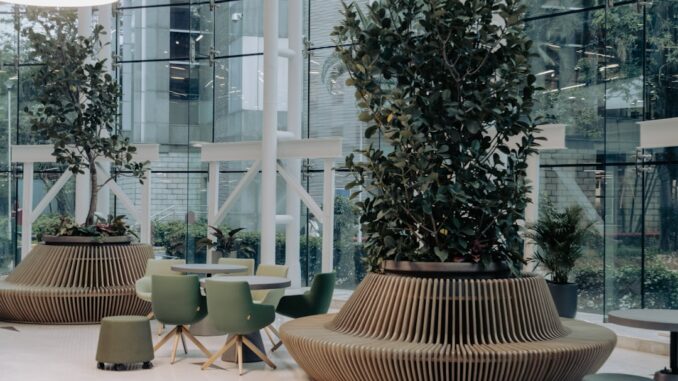

Transforming Your Orangery into a Biophilic Sanctuary: A Deep Dive into Well-being Design
Imagine stepping into a space that instantly melts away the day’s stresses, where the air feels fresher, your mind clears, and a profound sense of calm washes over you. Sounds idyllic, doesn’t it? Well, it’s not just a dream. Your orangery, with its unique architectural charm, holds incredible potential to become precisely this kind of haven – a vibrant sanctuary for your health and well-being. And you know, transforming it is more achievable than you might initially think, especially when you embrace the powerful principles of biophilic design.
Biophilic design isn’t just a trend; it’s a profound philosophy rooted in our innate human connection to nature – what E.O. Wilson famously termed ‘biophilia.’ It recognizes that for millennia, humans lived in harmony with the natural world, and our brains are still wired for that connection. In our increasingly urbanized, technology-driven lives, this connection often gets severed, leading to increased stress, decreased focus, and a general feeling of disconnect. But by intentionally weaving nature-inspired elements into our indoor environments, we can mitigate these modern-day challenges, promoting relaxation, reducing mental fatigue, and even boosting cognitive function.
Transform your home into a personal wellness retreat with an orangery by Elegancia.
Think about it: an orangery, by its very nature, blurs the lines between indoors and out. It’s already half-way there, waiting to be fully unleashed as a testament to natural harmony. We’re talking about more than just adding a few potted plants; we’re talking about a holistic integration of natural light, living greenery, organic materials, and sensory experiences that soothe the soul. Ready to embark on this restorative journey? Let’s explore how to infuse your orangery with these powerful, nature-inspired elements, crafting a space that truly fosters a healthier, happier you.
1. Maximizing Natural Light: The Lifeblood of Your Sanctuary
Natural light isn’t just about brightness; it’s a cornerstone of biophilic design and, frankly, our very existence. It’s the silent conductor of our internal biological clock, our circadian rhythm, which profoundly influences everything from sleep quality and energy levels to mood and cognitive performance. When we’re exposed to ample natural light during the day, our bodies produce less melatonin, keeping us alert and focused. As dusk settles, the diminishing light signals our bodies to produce more melatonin, preparing us for restful sleep. A consistent rhythm here means better sleep, and who doesn’t want that?
Harnessing Daylight’s Power
In your orangery, you’ve got a fantastic head start. Those large expanses of glass are your greatest asset. But we can optimize this. Consider installing high-performance glazing, perhaps low-E glass, that minimizes heat transfer without sacrificing light transmission. This keeps your space comfortable year-round, cutting down on energy costs. If you’re building new or renovating, strategically placed skylights can flood the interior with overhead light, reaching deeper into the room and creating dynamic interplay of light and shadow throughout the day. I remember working in an old office building once, a real concrete box, and you just felt this drain on your energy by mid-afternoon. Moving to a space with huge windows? Total game-changer for my focus and mood, truly.
Furthermore, think about the direction of the light. North-facing windows offer soft, consistent light, perfect for plants that don’t love direct sun, or for reading nooks where you want gentle illumination. South-facing windows bring in abundant, warmer light, ideal for sun-loving plants and for warming the space in cooler months. East-facing light offers a cheerful morning glow, while west-facing light gives you those beautiful, warm afternoon and evening hues.
Beyond the Window Pane: Optimizing Light’s Reach
It’s not just about the light coming in; it’s about how it moves through your space. Light-colored interior surfaces, especially on walls and ceilings, will reflect and amplify natural light, making the room feel larger and brighter. Strategically placed mirrors can work wonders, bouncing light into darker corners and creating the illusion of more space. And don’t forget about window treatments. While you want to maximize light, you also need to manage glare and privacy. Opt for sheer curtains or blinds that allow diffused light to pass through, giving you control without completely blocking that precious connection to the outdoors. The goal here isn’t just illumination, it’s about fostering a vibrant, living connection with the ever-changing sky and weather patterns, grounding you firmly in the present moment.
2. Introducing Greenery: Your Living Air Purifiers and Mood Boosters
Plants are, without a doubt, nature’s quiet superheroes. They’re not merely decorative; they’re dynamic components of a healthy indoor environment. Everyone knows they convert carbon dioxide into oxygen, which is great, but their superpowers extend far beyond that. They actively absorb volatile organic compounds (VOCs) – those sneaky toxins released by furniture, carpets, and cleaning products – effectively enhancing your indoor air quality. Plus, they can even help regulate humidity levels, which is a bonus for both your health and for other plants in the room.
Curating Your Indoor Oasis
To truly create a lush, inviting atmosphere, you’ll want to incorporate a diverse array of plants. Don’t just grab any old pot. Consider the light conditions in different parts of your orangery and choose accordingly. For instance, in brighter spots, a majestic Fiddle Leaf Fig or a sculptural Bird of Paradise can create a stunning focal point, bringing a touch of the tropics indoors. For areas with less direct sun, a resilient ZZ Plant or a graceful Snake Plant (Sansevieria) will thrive and diligently purify your air. Hanging ferns, like Boston Ferns or Kimberly Queen Ferns, cascade beautifully, adding incredible texture and filling vertical space, while delicate Pothos varieties can trail elegantly from shelves.
Think about grouping plants too. This isn’t just aesthetically pleasing; it can create microclimates that benefit humidity-loving plants. A living wall or a vertical garden can be a show-stopping feature, maximizing greenery in a compact footprint. Imagine the visual impact, the sheer vitality! And don’t forget about the sensory experience beyond sight: the fresh, earthy scent of soil, the subtle fragrance of certain herbs like Rosemary or Lavender that you could easily grow in pots, or the satisfying feel of different leaf textures under your fingertips. It’s a multisensory immersion into nature.
Nurturing Your Green Companions
Of course, keeping your green friends thriving requires a little care, but it’s a wonderfully meditative practice. Pay attention to their light requirements, watering needs (it’s often better to underwater than overwater), and potential humidity preferences. A simple mister can work wonders for tropical plants. Remember, a thriving plant collection doesn’t just beautify the space; it actively contributes to a healthier, more vibrant indoor environment, and frankly, nurturing something living just feels good, doesn’t it?
3. Utilizing Natural Materials: Grounding Your Space in Earth’s Embrace
Our connection to nature isn’t just visual; it’s tactile, textural, and elemental. Bringing the outdoors in, quite literally, through natural materials is a powerful way to foster this connection. Think about materials like wood, stone, cork, bamboo, and even wool or linen. These aren’t just aesthetic choices; they carry an inherent warmth, authenticity, and a sense of grounding that manufactured materials simply can’t replicate.
The Sensory Richness of Earth’s Elements
Imagine the smooth, cool touch of polished river stones underfoot, or the intricate grain of reclaimed oak for your flooring, each knot telling a story. Wood, whether in furniture, wall cladding, or exposed beams, introduces natural warmth and biophilic patterns. Stone, in its various forms like slate for flooring or granite for a countertop, provides an ancient, enduring quality, connecting us to geological time. Bamboo, with its rapid renewability, offers a lighter, contemporary feel, while terracotta pots bring an earthy, rustic charm.
Consider a beautiful, chunky wooden coffee table, perhaps made from a live-edge slab, becoming a natural focal point. Or perhaps you could use natural stone tiles for a specific zone, contrasting beautifully with other natural elements. I once saw an orangery where they used a wall of stacked, dry-laid stone, and it was just breathtaking – it felt like a cliff face had somehow merged with the room. These materials naturally add texture and depth, creating a tactile connection to nature that’s incredibly calming. They not only enhance aesthetics but profoundly promote a sense of calm and well-being, whispering tales of forests and mountains.
Sustainable Choices for a Healthier Planet
When selecting these materials, consider their origins. Opt for reclaimed wood, which has a wonderful patina and history, or sustainably sourced timber certified by organizations like the FSC (Forest Stewardship Council). Look for local stone suppliers to reduce transportation impact. These conscious choices not only benefit your personal sanctuary but also contribute to a healthier planet, aligning your design with broader ecological principles. It feels good to know your choices are helping, doesn’t it?
4. Incorporating Water Features: The Soothing Symphony of Serenity
There’s something universally calming about the sound of water. From the gentle lapping of waves on a shore to the rhythmic patter of rain, water has an almost magical ability to soothe the mind and reduce stress. Adding a water feature to your orangery isn’t just an aesthetic choice; it’s an invitation to tranquility, a constant, gentle symphony for your senses.
The Auditory and Visual Embrace of Water
Even a small tabletop fountain can make a significant difference. The gentle flow of water creates ‘white noise,’ effectively masking distracting background sounds – the distant traffic, the hum of appliances – allowing you to focus, meditate, or simply relax more deeply. This auditory effect can help lower cortisol levels, quiet a busy mind, and promote alpha brainwave states associated with deep relaxation. It’s like having a natural sound machine, but better.
Beyond the sound, there’s the visual appeal. The subtle shimmer of light on water, the graceful movement as it tumbles over stones, or the delicate ripple in a small basin creates a dynamic, ever-changing focal point. You might even consider a wall-mounted water feature for a more dramatic statement or a small, self-contained indoor pond with a few aquatic plants and maybe even some goldfish. I remember sitting in a client’s orangery once where they had a simple ceramic fountain, and just listening to the soft gurgle, it just made everything else fade away, you know? It really works wonders for unwinding after a hectic day.
Practicalities for a Harmonious Flow
When incorporating a water feature, think about scale and placement. Ensure it’s proportionate to your space and located where its sound can be best appreciated without being overwhelming. Consider potential splash zones, especially if it’s near electrical outlets or valuable furniture. Regular cleaning and maintaining the water level are key to keeping it pristine and functioning beautifully. The subtle increase in humidity from a water feature can also be beneficial for many indoor plants, creating a more symbiotic environment. It’s an ideal addition for stress reduction, truly transforming the ambiance of your orangery into a deeply peaceful retreat.
5. Creating Visual Connections to Nature: Framed Views and Dynamic Vignettes
Humans are inherently drawn to prospects and refuges, to seeing the world unfold before us. Having clear, unobstructed views of the outdoors significantly impacts our mental health, reducing stress, improving mood, and even accelerating recovery times in healthcare settings. In your orangery, you have a unique opportunity to cultivate these visual connections.
Curating Your Outdoor Gallery
Arrange your seating thoughtfully, positioning chairs, sofas, or even a cozy chaise lounge to face windows that offer the most compelling views. Whether it’s a meticulously manicured garden, a sprawling natural landscape, or even just a sliver of sky, make that view a central part of the room’s experience. Think of your windows as living art installations, constantly changing with the seasons, the weather, and the time of day.
But what if your view isn’t exactly a pastoral masterpiece? Don’t despair! You can actively enhance it. Plant a beautiful tree or a vibrant flowering shrub just outside a key window. Install bird feeders or birdbaths to attract local wildlife, creating dynamic, living vignettes that are endlessly fascinating to observe. A charming little butterfly garden can provide bursts of color and movement. Even a well-placed wind chime outside can offer a gentle auditory connection. These intentional efforts transform a static view into an engaging, ever-evolving spectacle of nature, providing a constant, subtle reminder of the world beyond your walls. It’s like having a nature channel playing all the time, but it’s real and right there, truly special.
Indirect Visual Nods to Nature
Beyond direct views, consider indirect visual connections. Incorporate nature-inspired art – landscape paintings, botanical prints, photographs of forests or oceans. Wallpapers featuring subtle leaf motifs, organic textures, or even abstract patterns reminiscent of natural forms can subtly reinforce this connection. The key is to evoke nature’s presence, even if it’s not directly visible, creating a continuous, comforting dialogue between your interior and the outside world.
6. Designing for Comfort and Relaxation: The Art of Unwinding
A sanctuary, by definition, must be comfortable and conducive to relaxation. This isn’t just about aesthetics; it’s about creating a space that physically and mentally invites you to unwind, to truly let go. Thoughtful choices in seating, furnishings, and lighting can transform your orangery into a haven of ease.
Softness, Support, and Sanctuary
Start with comfortable seating that encourages lounging and prolonged stays. Think deeply cushioned armchairs, a plush sofa, or even a chaise longue where you can stretch out fully. Ergonomics play a role here, ensuring your body feels supported and at ease. Incorporate an abundance of soft furnishings – throws made from natural fibers like organic cotton, merino wool, or linen, scattered generously over seating. Large, plump cushions invite you to sink in and get cozy. A soft rug, perhaps made from wool or jute, underfoot adds warmth, texture, and defines zones within the space, making it feel more grounded and intimate. I find a really good, deep armchair by a window with a nice throw is just perfect for losing yourself in a book, nothing beats it.
Consider adding a hammock, gently swaying in a sunlit corner, or crafting a dedicated reading nook complete with a comfortable armchair, a small side table for your tea, and a soft reading lamp. These personal little pockets of peace become your favorite spots to decompress and reconnect. Don’t underestimate the power of thoughtful lighting either. Beyond natural light, incorporate dimmable ambient lighting for evenings, perhaps some warm-toned floor or table lamps, to create a soft, inviting glow that signals relaxation and helps wind down your nervous system, a stark contrast to harsh overhead lights. All these elements work together to foster a profound sense of well-being, making your orangery a true refuge for both mind and body.
7. Incorporating Natural Patterns and Textures: The Subtle Language of Biomimicry
Nature speaks in patterns and textures, a language our subconscious understands and finds inherently soothing. Think about the intricate venation of a leaf, the fractal branching of a tree, the spiraling symmetry of a seashell, or the gentle undulations of sand dunes. These aren’t random; they’re expressions of natural order, and incorporating them into your orangery can stimulate the senses and reduce stress without overwhelming them.
Weaving Nature’s Blueprint into Your Space
This principle goes beyond just ‘adding a pattern.’ It’s about drawing inspiration from nature’s geometries and forms. For instance, choose fabrics with subtle, organic leaf motifs, abstract patterns reminiscent of water ripples, or textures that mimic tree bark or woven nests. Wallpapers can feature delicate botanical prints or even subtly embossed patterns that evoke natural rock formations. Even the grain of wooden furniture or the natural striations in a stone floor inherently bring these biophilic patterns into play.
Textures are equally vital. Combine different natural textures to create a rich sensory tapestry: the smooth coolness of polished stone, the rough warmth of woven jute, the soft embrace of a wool throw, the crispness of linen curtains, and the intricate weave of a rattan basket. These varied textures add depth and interest, encouraging tactile interaction and creating a sensory-rich environment that promotes mental well-being. It’s like your eyes and hands get to explore a mini-ecosystem, even indoors. The goal isn’t to replicate nature perfectly, but to echo its fundamental principles, fostering a subconscious sense of connection and harmony. It truly makes a difference to how a room feels, you know, just subtly making it more interesting without shouting for attention.
8. Ensuring Proper Ventilation: The Breath of Fresh Air
Good air quality is absolutely non-negotiable for your health and well-being. An orangery, with its enclosed structure, needs careful consideration for ventilation to ensure the air you breathe is as fresh and clean as possible. Stagnant air can accumulate indoor pollutants, trigger allergies, and make a space feel stuffy and uninviting. This isn’t a glamorous design element, perhaps, but it’s fundamentally critical.
Clearing the Air for Optimal Health
Ensure your orangery has adequate and effective ventilation to allow a constant circulation of fresh air. Openable windows and vents are your primary tools here. Implementing a cross-ventilation strategy, where you have openings on opposite sides of the room, can create a powerful, natural airflow, flushing out stale air and drawing in fresh. In warmer months, this also helps manage temperature without relying solely on air conditioning. Consider smart ventilation systems that can automatically detect CO2 levels or humidity and adjust airflow accordingly, maintaining optimal conditions effortlessly.
Beyond just airflow, think about what might be contributing to indoor air pollution. Cleaning products, synthetic fabrics, paints, and even some furniture can off-gas volatile organic compounds (VOCs). Opting for low-VOC products and natural materials helps immensely. Air purifiers with HEPA filters and activated carbon can also play a supplementary role, trapping particulates and odors. Fresh air improves mental clarity, reduces drowsiness, and supports your overall immune system. It’s a simple, yet profoundly effective way to contribute to a healthier indoor environment; you can literally feel the difference when a space is properly aired out, can’t you?
9. Personalizing with Natural Artifacts: Your Collected Memories of Nature
Personal touches are what truly transform a house into a home, making a space feel uniquely yours. When it comes to a biophilic orangery, incorporating natural artifacts is an incredibly meaningful way to do this. These aren’t just decorative items; they’re tangible memories, storytellers, and gentle reminders of your connection to the natural world.
Curating Your Personal Nature Museum
Think about items you’ve collected on walks, holidays, or even from your own garden. Smooth, weathered driftwood found on a beach, a collection of intricate seashells from a coastal adventure, unique stones from a mountain hike, or even beautifully pressed leaves and flowers. Each piece carries a story, a memory of a moment spent in nature, and bringing them indoors extends that experience.
Display these treasures thoughtfully. A clear glass bowl can beautifully showcase a collection of polished river stones or colorful beach glass. A minimalist shelf can highlight a sculptural piece of driftwood. Shadow boxes are perfect for arranging smaller, more delicate items like feathers or intricate insect specimens (ethically sourced, of course). Don’t just clutter; curate. Allow each piece to breathe and tell its story. These natural artifacts not only add character and depth to your orangery but also serve as constant, quiet reminders of the vast, beautiful world outside, enhancing your personal connection to it on a deeper level. It’s a small detail, but it makes the space truly feel alive, reflecting your own journey with nature.
10. Maintaining a Connection to the Outdoors: Living in Harmony
Building a biophilic orangery is a wonderful first step, but the true magic happens when you actively engage with the space and, by extension, with nature. This isn’t just a room to look at; it’s a dynamic environment meant for living, experiencing, and finding restoration. Maintaining a regular, intentional connection is key.
Cultivating Rituals in Your Sanctuary
Make a conscious effort to regularly spend time in your orangery. Don’t let it become a forgotten space. Establish rituals that encourage mindful interaction. Perhaps it’s starting your day with a cup of tea, watching the sunrise filter through the glass and illuminate your plants. Maybe it’s a dedicated spot for your daily yoga or meditation practice, drawing on the calm energy of the surrounding greenery. It could be journaling, reading a book, or simply sitting in quiet contemplation, allowing your senses to take in the gentle sounds, sights, and scents of nature, both inside and just beyond the glass.
Consider using the space for activities that deepen your connection to living things. Tend to your plants, repotting them when needed, gently misting their leaves, or pruning them to encourage new growth. Even starting seeds for your garden here can be a wonderfully grounding activity, connecting you to the cycles of life. This active engagement strengthens your bond with nature, reducing stress, improving overall well-being, and truly making your orangery a sanctuary for both mind and body throughout the year. It’s about actively participating in the peace you’ve created, letting it nourish you day after day.
Your Orangery: A Living Testament to Well-being
By thoughtfully integrating these biophilic design principles – from the grand gestures of maximizing natural light and introducing lush greenery to the subtle details of natural textures and personal artifacts – your orangery transcends being just an extension of your home. It transforms into a living, breathing testament to your well-being, a restorative environment that continually nurtures your health and vitality.
The presence of natural elements, as scientific studies increasingly confirm, is profoundly linked to reduced stress, improved mood, enhanced cognitive function, and even better sleep. You’re not just decorating a room; you’re investing in a lifestyle that embraces harmony, peace, and an enduring connection to the natural world. So go on, embrace the power of biophilic design and watch as your orangery blossoms into the tranquil, life-enhancing sanctuary you deserve.
References
- INTEGRIS Health. (2024). What Are the Benefits of Biophilic Design? (integrishealth.org)
- EFPI.ORG. (2024). Biophilic Design: Nature’s Influence. (efpi.org)
- MasterClass. (2025). Biophilic Design Is Good for Your Health: How to Use It at Home. (masterclass.com)
- Auroma Architecture. (2024). Top 8 Benefits of Biophilic Design for Modern Living. (auromaarchitecture.com)
- BIMsmith. (2024). The Benefits of Biophilic Design. (blog.bimsmith.com)
- SBID. (2020). Wellbeing Design: Why Biophilic Interiors are More Relevant Than Ever. (sbid.org)
- AHomeFind. (2024). 10 Benefits of Biophilic Design: The Better Way of Living. (ahomefind.com)
- Journal of Biophilic Design. (2025). What are the Benefits of Biophilic Design on Healing? (journalofbiophilicdesign.com)
- Wellness Design Consultants. (2025). Biophilic Design Health Benefits: A Harvard Study on Wellness Design Consultants and Virtual Reality. (biofilico.com)
- Sphere AV. (2025). The Science-Backed Benefits of Biophilic Design for Homes and Workspaces. (sphereav.com)
- Wellness Design Consultants. (2025). Power of Biophilia and Biophilic Design: Benefits for Mental Wellbeing Physical Health. (biofilico.com)
- PubMed. (2025). Healthy Dwelling: Design of Biophilic Interior Environments Fostering Self-Care Practices for People Living with Migraines, Chronic Pain, and Depression. (pubmed.ncbi.nlm.nih.gov)
- Biophilic Products. (2024). Biophilic Design: Reconnecting Buildings and People with Nature. (biophilicproducts.org)
- Build Construct. (2023). Biophilic Design Principles: Nurturing Harmony Between Structures and Nature. (build-construct.com)
- Wikipedia. (2024). Biophilic Design. (en.wikipedia.org)
- BGA Foundation. (2025). Biophilic Design as a Holistic Approach to Healthier Buildings. (bgafoundation.org)
- African Journal of Biomedical Research. (2025). Biophilic Design and Its Impact on Health. (africanjournalofbiomedicalresearch.com)
Be the first to comment