
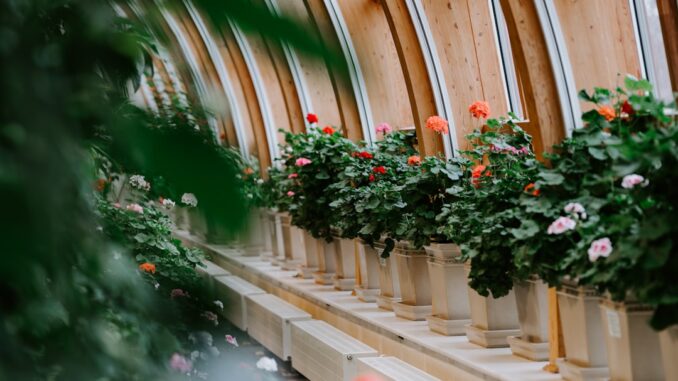

Your Orangery: Crafting a Sanctuary for Unrivalled Wellness
Ever dreamt of a space in your home that feels like a permanent embrace from nature? A spot where the worries of the day just melt away as natural light streams in, warming your skin and lifting your spirits? That, my friends, is the magic of an orangery. It’s more than just an extension; it’s a sophisticated bridge between the comfort of your indoors and the tranquility of the great outdoors.
Historically, these elegant structures emerged in the 17th century, largely in aristocratic European estates. Picture grand houses where wealthy owners, eager to cultivate exotic fruits like oranges and lemons – hence the name – needed robust, sunny shelters to protect their delicate trees from harsh winter frosts. They were, in essence, early greenhouses, built with solid walls and large windows, topped with glazed roofs, but with a much more architectural flourish than your average polytunnel. Today, the citrus trees are often gone, replaced by a desire for bright, airy rooms tailored for diverse, modern living. And what’s truly wonderful is how perfectly suited they are to enhancing our health and well-being.
Transform your home into a personal wellness retreat with an orangery by Elegancia.
The Orangery Advantage: More Than Just an Extension
Before we dive into designing for wellness, let’s briefly touch on what sets an orangery apart from its close cousin, the conservatory. While both offer a wonderful connection to the outside world, an orangery typically boasts more substantial brickwork or stone pillars, a flat roof perimeter, and a central glazed lantern roof. A conservatory, on the other hand, is usually mostly glass from the ground up. This structural difference isn’t just aesthetic; it profoundly impacts the feel and functionality of the space, especially when we’re talking about creating a wellness hub.
Those solid pillars and the insulated flat roof perimeter give an orangery a far more substantial, integrated feel. It’s less of a glass box, more of a proper room, albeit one that’s gloriously flooded with light. This means better temperature regulation, which is crucial for year-round comfort. No one wants to practice yoga in a sweltering sauna or shiver through a meditation session, right? The superior insulation helps keep it cooler in summer and warmer in winter, making it a truly versatile space regardless of the season. Plus, the solid sections provide invaluable wall space for furniture, artwork, or even a TV, things you wouldn’t typically find easy to place in an all-glass structure. It’s that blend of robust construction and abundant glazing that makes the orangery such a compelling proposition for dedicated wellness spaces.
Designing Your Orangery for Ultimate Well-being
Crafting a space that genuinely promotes well-being isn’t just about throwing some comfy cushions around. It’s about thoughtful design, leveraging the inherent qualities of an orangery to create an environment that nourishes your mind, body, and soul. Let’s explore the crucial elements.
Harnessing the Power of Natural Light
This is perhaps the orangery’s greatest superpower when it comes to wellness. Maximising the influx of natural light isn’t just a design preference; it’s a fundamental biological need. Our bodies are incredibly attuned to sunlight. Exposure to natural light, especially in the mornings, plays a critical role in regulating our circadian rhythms – that’s our internal body clock. Getting enough natural light helps us sleep better at night, boosts our mood, and can even ward off seasonal affective disorder (SAD). Think of it, a gentle stream of morning sun filtering through, rousing you far more pleasantly than an alarm.
When you’re designing, think strategically. Consider your home’s orientation. A south-facing orangery will get the most direct sun throughout the day, which is fantastic for warmth and brightness but might require shading solutions in summer. East-facing means glorious morning light – perfect for those sunrise yoga sessions or an energising breakfast. West-facing offers beautiful afternoon and evening light, ideal for winding down. Even a north-facing orangery, while getting less direct sun, still benefits from consistent, soft, indirect light, which is wonderful for art studios or reading nooks where harsh glare might be an issue.
Beyond orientation, the choice of glazing matters. Low-emissivity (low-E) glass helps reflect heat in summer and retain it in winter, enhancing thermal comfort. Self-cleaning glass is a true godsend, especially for roof lanterns, saving you a whole heap of bother. And while a large glazed roof lantern is a hallmark feature, ensuring the side windows are generous and extend low enough allows you to connect more deeply with your garden views, blurring the lines between inside and out. My friend Sarah, for instance, often tells me how just watching the rain lash against her orangery windows during a thunderstorm, safe and dry inside, is one of her favourite meditative moments. You just can’t get that same sense of connection in a regular room, can you?
The Breath of Life: Ventilation and Air Quality
Good ventilation is non-negotiable for a healthy space. Stagnant air can harbour allergens, dust, and even contribute to that stale, ‘sick building’ feeling. Ensuring proper airflow maintains air quality, helps control humidity, and keeps the temperature comfortable. It’s more than just opening a window, although that’s always a good start!
Think about cross-ventilation, designing your windows so that opening them on opposite sides creates a gentle breeze through the space. Incorporating trickle vents – small, discreet openings that allow a continuous flow of fresh air even when windows are closed – is a smart move. For ultimate control, consider automated ventilation systems that can sense temperature and humidity, opening and closing vents as needed. Some even integrate with heat recovery ventilation (HRV) systems, which extract stale air while recovering heat, providing fresh air without excessive heat loss.
Fresh air is vital for cognitive function, reducing fatigue, and creating a truly invigorating environment. And let’s not forget the role plants can play here; they’re natural air purifiers, adding both beauty and a healthy boost to your air quality. We’ll talk more about those later, but honestly, what’s not to love about cleaner air and a clearer head?
Embracing Natural Materials & Biophilic Design
The materials you choose significantly impact the ambiance and your emotional response to a space. Opting for natural materials like sustainable timber (think oak, cedar, or painted hardwoods), natural stone, or even terracotta tiles can create an incredibly calming, grounded environment. These materials aren’t just aesthetically pleasing; they often possess a tactile warmth and an organic imperfection that mass-produced synthetics simply can’t replicate.
This approach ties directly into the concept of biophilic design – an architectural philosophy focused on connecting human beings with nature within built environments. Studies have consistently shown that environments incorporating natural elements can reduce stress, lower heart rates, and improve focus and creativity. Imagine the grainy texture of an oak beam above your head, the cool, smooth feel of stone underfoot, or the subtle, earthy scent of a wooden floor. These sensory details contribute to a feeling of peace and connection.
Consider a colour palette inspired by nature too: gentle greens, earthy browns, soft blues. These hues inherently promote relaxation and a sense of harmony. Avoid harsh, artificial finishes. Even the furniture and soft furnishings can lean into this, with linen, wool, and cotton adding to the organic feel. It just feels better, doesn’t it?
Thermal Comfort and Acoustic Harmony
These two often-overlooked elements are paramount for creating a truly comfortable wellness space.
Achieving Thermal Comfort
No matter how beautiful your orangery, if it’s too hot or too cold, you won’t want to spend time there. Stable, comfortable temperatures are key. Underfloor heating is a popular and luxurious choice, offering gentle, even warmth that’s lovely underfoot. Alternatively, discrete radiators or modern, efficient air conditioning units can provide climate control. Smart thermostats are brilliant, allowing you to program heating schedules or even control it remotely, so your orangery is perfectly toasty (or cool) exactly when you need it. Think about solar shading too – external blinds or cleverly designed overhangs can prevent excessive solar gain in summer, keeping the space pleasantly cool without needing to crank up the AC.
Cultivating Acoustic Harmony
Glass, while glorious for light, can sometimes lead to an echoey, reverberant space. This isn’t conducive to relaxation or focus. Carefully chosen materials can help. Soft furnishings like rugs, curtains, and upholstered furniture absorb sound. Even a well-placed indoor plant with broad leaves can contribute to dampening echoes. Timber elements in the roof or wall panelling also have natural sound-absorbing properties. The goal is to create a serene soundscape, free from distracting echoes, where you can focus on your breathing during meditation or simply enjoy the quiet contemplation of a good book. There’s nothing worse than trying to find your zen only to be distracted by every tiny sound bouncing off the walls, I find.
Strategic Layout and Flow
How your orangery connects to your main home and your garden is vital for its overall feel. Think about the transition points: do large bi-fold or sliding doors open up completely to the garden, inviting the outside in? Is the connection to your kitchen or living room seamless, creating an open-plan feel, or is it a more distinct, secluded retreat?
Within the orangery itself, consider zoning. Even if it’s a single room, you can create distinct areas for different activities. Perhaps a plush armchair by one window for reading, a dedicated yoga mat area in another, and a small bistro table for morning coffee. Thoughtful furniture placement ensures comfort and functionality, making the most of every square foot. Don’t overcrowd it; an open, uncluttered space always feels more peaceful.
Transforming Your Orangery into a Wellness Sanctuary: Diverse Uses
Once you’ve nailed the design, the true fun begins: putting your orangery to work for your well-being. The possibilities are vast, limited only by your imagination and perhaps a bit of clever planning.
The Home Gym Revolution: Sweat it Out with a View
For many, fitting in a workout can feel like a chore. But imagine transforming your orangery into a personal fitness area. The abundance of natural light, the connection to your garden, and the fresh air can make workouts infinitely more enjoyable and motivating. Who wants to be stuck in a dimly lit basement gym when you can run on a treadmill looking out at your flourishing flowerbeds?
Consider durable, easy-to-clean flooring – perhaps rubberised mats for heavy weights or a smooth, non-slip surface for bodyweight exercises. Equipment can range from a simple yoga mat, resistance bands, and a few dumbbells to a full-blown treadmill, elliptical, or even a Peloton bike. Mirrors are useful for checking form, but position them so they reflect the garden rather than just your own reflection if you want to maximise the ‘outdoor’ feel. Having a dedicated space makes consistency so much easier. No more excuses about packing away equipment or finding a clean spot on the floor. It’s ready when you are, calling you to move and energise your body.
Meditation and Yoga Haven: Finding Your Centre
If physical exertion isn’t your primary goal, perhaps a serene environment for mindfulness practices is. The tranquil setting of an orangery, bathed in soft light, can profoundly enhance focus and relaxation. Lay down a soft, natural fibre rug, add some comfortable floor cushions, and maybe a few carefully chosen plants. Keep distractions to an absolute minimum; this is your space for inner peace.
Soft, dimmable lighting is a must, perhaps even some gentle aromatherapy diffusers with essential oils like lavender or frankincense. The connection to nature through the windows can serve as a calming backdrop, rather than a distraction. Imagine starting your day with sun salutations as the sun rises, or unwinding with a guided meditation as dusk settles. It’s a dedicated bubble of calm, fostering a deep sense of presence and mental clarity that’s harder to achieve amidst the hustle and bustle of daily life.
Indoor Garden Oasis: Biophilia in Action
Bringing plants into your orangery isn’t just about aesthetics; it’s a direct application of biophilic design that offers tangible health benefits. Cultivating an indoor garden can significantly improve air quality, boost oxygen levels, and, as studies repeatedly show, reduce stress and increase feelings of well-being. Plus, there’s a unique satisfaction in nurturing something green and watching it thrive.
Choose plants that love bright, indirect light and enjoy stable temperatures. Think air-purifying champions like snake plants, spider plants, or peace lilies. For a more tropical vibe, consider ferns, monstera, or even small citrus trees (a nod to the orangery’s original purpose!). Vertical gardens can be a brilliant way to maximise greenery without sacrificing floor space, and even a simple collection of herbs for your kitchen can add a wonderful sensory element. The gentle act of watering, pruning, and caring for your plants can be incredibly meditative in itself, connecting you to natural cycles and offering a lovely escape from digital screens.
The Creative Corner: Reading, Art, Hobbies
Sometimes, well-being is about nourishing your creative spirit or simply indulging in quiet contemplation. An orangery is the ideal spot to designate a corner for reading, writing, painting, or any other artistic pursuit. The peaceful atmosphere, the ample natural light – perfect for intricate work or simply seeing colours true to life – can truly foster creativity and mental clarity.
Think about a super comfortable armchair or a small, ergonomic desk, positioned to take advantage of the views. Good, adjustable task lighting is important for evening work, but during the day, that natural light is your best friend. Clever storage solutions will keep your materials organised and the space feeling uncluttered. Whether it’s getting lost in the pages of a novel, sketching the garden outside, or diving into a complex puzzle, having a dedicated, inspiring space free from the distractions of the main house can be a game-changer for your mental restoration. My cousin actually built one specifically to practice his guitar; he says the acoustics are great, and he loves looking out at the sky as he plays. Who’d have thought, eh?
Mindful Dining and Social Hub
While focused wellness activities are great, sometimes well-being comes from shared moments. An orangery can be an incredible space for mindful dining, whether it’s a quiet breakfast enjoyed with the morning sun or a lively dinner party bathed in twilight. Sharing meals with family and friends in such a light-filled, nature-connected environment feels inherently more special and connected. It elevates the everyday into something more memorable, allowing you to truly savour the food and the company. It’s all part of a holistic approach to living well, isn’t it?
Maintaining Your Orangery for Enduring Well-being
Creating a wellness sanctuary is one thing; ensuring it remains a healthy, inviting space year after year is another. Regular upkeep isn’t a chore when you view it as an investment in your continuous well-being.
Keeping it Sparkling: Cleaning & Maintenance
Those expansive glass panels are central to the orangery’s charm, so keeping them clean is paramount to maintain clear views and maximum light transmission. A regular cleaning schedule, perhaps quarterly for exterior glass and monthly for interiors, will prevent grime build-up. You can tackle this yourself with a good squeegee and glass cleaner, or enlist professional cleaners for those hard-to-reach roof lantern panes. Don’t forget the frames – timber, uPVC, or aluminum all have specific cleaning requirements to keep them looking their best and prevent material degradation.
Beyond glass, check gutters and downpipes for blockages, especially after autumn leaves fall. Clear gutters prevent water ingress and protect the structure. Also, inspect seals around windows and doors regularly; cracked or perished seals can lead to drafts, heat loss, and even leaks, compromising the thermal comfort and overall integrity of your sanctuary. A little preventative care goes a long way in avoiding bigger, more costly problems down the line.
Humidity, Ventilation, and Air Quality Management
Managing humidity is critical to preventing mold growth, which is not only unsightly but also detrimental to respiratory health. Orangeries, with their high thermal mass and often many plants, can sometimes become humid environments. Monitor levels with a simple hygrometer; ideally, you want humidity between 40-60%.
If levels consistently creep higher, especially during colder months, ensure you’re ventilating adequately. Opening windows regularly helps, but a dehumidifier might be a worthwhile investment for particularly damp periods. Ensure proper drainage around the base of your orangery to prevent moisture seeping into the structure. For optimal air quality, consider an air purifier, especially if you have allergies or live in an area with higher pollution. These units can filter out dust, pollen, and other airborne irritants, helping you breathe easier and feel better.
Protecting Your Sanctuary: Pest Control & Security
Nobody wants uninvited guests, whether they’re tiny insects or something larger. Regularly check for signs of pests like spiders, ants, or even rodents, and address any issues promptly. Simple preventative measures go a long way: keep the space clean, sweep away crumbs, and ensure any food items are sealed. Check door and window seals for gaps that might serve as easy entry points. For plants, organic pest deterrents like neem oil can help keep common plant invaders at bay without harsh chemicals.
Security is another important consideration. Given the amount of glass, ensure your orangery incorporates robust locking mechanisms on all windows and doors. Reinforced or laminated glass offers an extra layer of protection. Consider integrating your orangery into your home’s alarm system for peace of mind. A secure space allows you to fully relax and enjoy your sanctuary without worry.
Seasonal Care and Longevity
An orangery, like any well-loved space, benefits from seasonal attention. As winter approaches, check your heating system, ensure seals are tight, and clear any debris that might accumulate. In preparation for summer, inspect shading systems, clean fans, and ensure ventilation is working optimally to keep things cool. A quick walk-around every few months to check for any minor wear and tear, like loose fixings or peeling paint, allows you to address small issues before they become big headaches. Investing this time in routine maintenance ensures your orangery remains a beautiful, functional, and healthy space for many years to come.
Your Personal Wellness Investment
So there you have it. An orangery is far more than a fancy addition to your property. It’s an intentional space, a purposeful design choice that can significantly enhance your lifestyle and contribute to your overall well-being. By thoughtfully designing with natural light, fresh air, and calming materials in mind, and then utilising it as a dedicated space for movement, mindfulness, creativity, or simply peaceful connection with nature, you create a sanctuary. And honestly, in our increasingly hectic world, isn’t a personal sanctuary one of the best investments you can ever make? It certainly feels that way to me.
Be the first to comment