
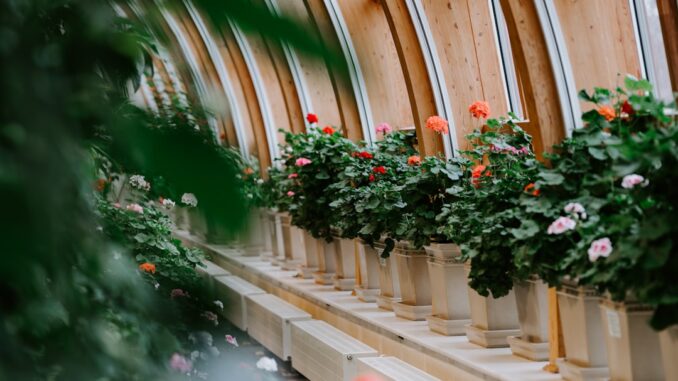

Imagine, for a moment, stepping out of your everyday and into a space where the crisp morning light spills across warm timber, where the scent of your garden wafts gently through an open door, and where the lines between your comfortable home and the vibrant outdoors simply melt away. This isn’t some far-fetched dream, you know. An oak orangery offers precisely that—a truly harmonious extension that doesn’t just expand your living area; it profoundly elevates your entire living experience, connecting you to nature in ways you might not have thought possible. We’re not talking about a flimsy, tacked-on afterthought here. We’re delving into a sophisticated architectural addition that can utterly transform how you interact with your home and your garden, all year round.
The Allure of the Orangery: More Than Just a Room
Before we dive into the nitty-gritty, let’s set the record straight: what exactly is an orangery, and why oak? Historically, orangeries were grand structures, first appearing in the 17th century, built by the wealthy elite to house delicate citrus trees (hence ‘orangery’) during harsh European winters. These weren’t mere greenhouses; they were stately, often opulent buildings, designed with significant solid wall sections, large windows, and an elegant flat roof incorporating a central glazed lantern. They blended the architectural gravitas of a traditional building with the light-gathering capabilities of glass.
Boost your home’s value with a luxurious and stylish orangeryfrom Elegancia.homes.
Fast forward to today, and while we might not all be cultivating groves of lemons, the essence remains. An orangery is a more substantial, architecturally integrated structure than a typical conservatory. It features a greater proportion of solid wall, usually brick or stone, complementing the main house, and that distinctive flat roof with a glazed lantern or multiple lanterns which draw light deep into the space. And oak? Well, that’s where the magic truly happens, a material that whispers of timeless elegance and robust longevity, giving the structure a character few other materials can match. It’s a bit like choosing a fine watch over a cheap digital one, isn’t it? The craftsmanship, the feel, the way it ages—it’s all part of the allure.
Bridging Indoor and Outdoor Spaces: A Seamless Connection
At its heart, an oak orangery functions as this incredibly effective, natural bridge, gracefully linking your home with the garden, allowing you to savour the outdoors irrespective of what the British weather decides to throw your way. With its generous glazing and an inherently open design, it absolutely floods your adjacent living areas with natural light, creating a bright, incredibly inviting, and expansive atmosphere that feels miles away from typical, often darker, extensions. I remember a client, let’s call her Sarah, who always complained about her small, rather dim kitchen. We helped her add an oak orangery that spilled out into her previously underutilised back garden. Now, she’s got this stunning dining area, surrounded by lush greenery, and she tells me she feels connected to nature even when it’s pouring rain outside. ‘It’s like dining in a botanical garden,’ she once enthused, ‘even in February!’
This seamless transition isn’t just about aesthetics; it has tangible benefits for your wellbeing. Studies consistently show that exposure to natural light and views of nature can boost mood, reduce stress, and even improve cognitive function. Think about it: instead of feeling cooped up, you’re enveloped by light, your eyes resting on the gentle sway of trees or the vibrant colours of your flowerbeds. It’s a fundamental principle of biophilic design, subtly integrating natural elements into our built environments. This isn’t merely adding square footage; you’re enhancing your very quality of life.
Designing Your Oak Orangery: Crafting Your Vision
Planning your oak orangery requires a thoughtful approach, a bit like orchestrating a symphony where every instrument plays its vital part. It’s not just about slapping some wood and glass together; it’s about integrating this new space harmoniously with your existing home and garden. Here are the crucial elements you’ll absolutely want to consider, with some depth:
Location, Location, Location: Getting it Right from the Start
Choosing the optimal spot is paramount, it dictates so much, including the light quality and overall feel of your orangery. You’ll want a location that offers the most captivating views of your garden, of course, but it must also beautifully complement your home’s existing architecture. Think about the sun’s path throughout the day and across the seasons. A south-facing orangery will capture abundant natural light, fantastic in winter, but without proper solar control glazing and ventilation, it could become a bit of a hothouse in summer. North-facing offers more consistent, softer light, ideal for an artist’s studio or reading nook, but might require more heating. Consider also privacy from neighbours, access to existing utilities like drainage and electricity, and how the orangery will impact the flow of your garden itself. Will it create an awkward dead end, or will it naturally invite you further into the landscape? These are big questions.
Size and Proportions: The Art of Harmony
Ensuring the orangery’s dimensions are perfectly in sync with your existing space is crucial. You really don’t want it to feel either overwhelmingly dominant or strangely underwhelming. A good designer will consider the scale of your house, the height of its roofline, the size of your garden, and even the internal proportions of the rooms it connects to. It’s an art, finding that sweet spot where the new structure feels like it’s always been there, an organic extension rather than a jarring addition. We often use 3D modelling early in the process, letting clients ‘walk through’ their proposed orangery virtually, ensuring they get a true sense of scale and proportion before any timber is cut.
Roof Design: The Crown of Your Orangery
While a flat roof with a central glazed lantern is the classic, time-honoured design for an orangery, providing that signature architectural gravitas and a wonderful cascade of light, there are options. A pitched roof, for instance, can sometimes offer a more contemporary aesthetic, or better integrate with a complex existing roofline. The lantern itself is critical. It’s not just a window to the sky; it’s a structural element, often designed with intricate joinery, letting light pour into the centre of the room, creating an ethereal glow. We use top-quality materials for the flat roof section, often incorporating lead or high-performance single-ply membranes, ensuring watertight integrity and longevity. Proper drainage here is non-negotiable, you certainly don’t want any surprises when it rains.
Materials: The Enduring Beauty of Oak
Ah, oak. This is where the orangery truly distinguishes itself. Opting for seasoned oak isn’t just about aesthetic appeal; it’s a testament to durability and a wise, long-term investment. What does ‘seasoned’ mean? It refers to timber that has been carefully dried, either air-dried for many years or kiln-dried, reducing its moisture content significantly. This process is absolutely vital because it stabilises the wood, minimising the natural movement, twisting, and cracking that unseasoned timber would inevitably undergo. It’s what gives oak its incredible structural integrity and ensures your orangery will stand proud for generations.
Oak’s natural resistance to rot, decay, and insect attack is legendary, meaning it’s inherently low-maintenance. Over time, the timber will gracefully weather, developing a beautiful silver-grey patina, a subtle change in character that only enhances its charm and connection to the natural world. But it’s not just about the wood itself. The craftsmanship involved in working with oak is truly special. Traditional mortise and tenon joints, often secured with oak pegs, are not only incredibly strong but also beautiful to behold, showcasing the skill of the joiners. This isn’t factory-line production; it’s artistry, painstakingly assembled to create something truly bespoke and lasting. Plus, from a sustainability perspective, responsibly sourced oak is an excellent choice, often coming from managed forests, making it a good environmental decision too.
Glazing: Seeing Clearly, Living Comfortably
Incorporating high-performance, energy-efficient glazing is non-negotiable if you want your orangery to be a comfortable space year-round, regardless of the temperature outside. We’re talking about advanced specifications here: double or even triple glazing with low-emissivity (Low-E) coatings and argon gas fills between the panes. This significantly reduces heat loss in winter and minimises solar gain in summer, keeping heating and cooling costs in check. You’ll hear terms like U-values (which measure heat loss) and G-values (which measure solar gain)—these are crucial metrics for ensuring thermal efficiency.
Beyond basic efficiency, you can specify self-cleaning glass, which uses natural daylight to break down organic dirt, making maintenance a breeze. Solar control glass can be especially beneficial in south-facing or very sunny orientations, preventing overheating. Acoustic glass helps dampen external noise, perfect if you live near a busy road or simply crave a peaceful sanctuary. The way the glazing seamlessly integrates with the oak frame, often through sophisticated beadings and sealing systems, is also critical for both aesthetics and weatherproofing.
Foundations: The Unseen Hero
While you won’t see them, the foundations are arguably the most critical component, literally supporting everything. They must be meticulously designed to suit your specific ground conditions. This might involve traditional strip foundations, concrete rafts, or even piled foundations if the ground is particularly challenging. A detailed site survey and structural engineer’s report are absolutely essential to ensure long-term stability and prevent any future subsidence or movement. Skimping here is a false economy, you’d be amazed at the problems poorly laid foundations can cause down the line.
Heating and Ventilation: Keeping it Cosy and Fresh
Even with fantastic glazing and insulation, you’ll need a well-thought-out plan for heating and ventilation. Underfloor heating, whether wet or electric, is a popular choice as it offers wonderfully even heat distribution and keeps walls free for furniture. Alternatively, discreet trench heaters or slimline radiators can be integrated. For warmer months, natural ventilation through cleverly placed opening windows, roof vents, and bifold or sliding doors is usually sufficient. In some cases, especially in very large or sun-exposed orangeries, a subtle air conditioning unit might be considered, though passive cooling strategies are always preferred first.
Lighting: Setting the Mood
Don’t underestimate the power of lighting. Internally, you’ll want a mix of ambient, task, and accent lighting. Pendant lights over a dining table, recessed spotlights in the flat roof section, and even uplighters washing the beautiful oak frames can create different moods. Externally, subtle garden lighting can extend the ‘view’ beyond dusk, illuminating key features in your landscape and making the orangery feel even more connected to its surroundings. You could even incorporate smart lighting systems, letting you control everything with a tap on your phone, adjusting brightness and colour temperature to suit the moment.
Flooring: Grounding the Space
The choice of flooring needs to be both practical and aesthetically pleasing, tying the orangery to the main house. Durable materials that can handle temperature fluctuations and potential moisture are best. Natural stone, porcelain tiles, engineered wood (particularly suitable for underfloor heating), or high-quality luxury vinyl tiles are all excellent options. Consider how the flooring transitions from your existing home – a seamless choice will enhance that ‘bridging’ effect.
Finishes and Furnishings: The Interior Touch
The interior design should reflect your style and how you plan to use the space. Will it be a vibrant dining room, a serene reading nook, or a lively entertaining area? Choose furnishings that are comfortable, durable, and perhaps even a little resilient to sunlight. Introduce plants to further blur those indoor-outdoor lines. Think about colour palettes that either extend from your existing décor or introduce a fresh, garden-inspired scheme. This is your chance to really stamp your personality on the space.
Planning Permission & Building Regulations: Navigating the Red Tape
This is often the part people dread, but it’s essential. While some orangeries might fall under ‘permitted development’ rights, meaning you don’t need full planning permission, many will. Factors like the size, height, proximity to boundaries, and whether your property is listed or in a conservation area will all influence this. It’s always best to consult with your local planning authority or an experienced architect early on. Building Regulations, which cover structural integrity, thermal performance, fire safety, and access, will almost certainly apply, ensuring your orangery is safe, well-built, and energy-efficient. A reputable builder or specialist company will manage this entire process for you, taking the stress out of it.
Maximizing Garden Views: An Artful Display
The strategic placement of large windows, expansive bi-fold doors, or elegant sliding glass panels in your oak orangery can literally frame picturesque vignettes of your garden, effectively bringing the outdoors right inside. Imagine sinking into your favourite armchair, a cup of tea in hand, gazing through sweeping glass panels at a blooming rose garden, the morning dew glistening, or perhaps enjoying a lively family meal with a breathtaking, panoramic view of your entire backyard oasis stretching before you. This isn’t just about having a view; it’s about curating one, isn’t it? It’s designing a living canvas that changes with the seasons, a dynamic focal point that captivates and soothes. It’s about ‘borrowed landscape,’ where your indoor comfort seamlessly integrates with the beauty of your outdoor space, creating an illusion of boundless space.
Beyond simply letting light in, the design of these glazed sections impacts the feeling of openness and connection. Bi-fold doors, when fully open, completely erase a wall, creating an uninterrupted flow for summer entertaining. Sliding doors offer a sleek, contemporary aesthetic, stacking neatly to one side. French doors, classic and charming, provide a more traditional opening. The choice isn’t just aesthetic; it impacts usability and how deeply you want to merge your inside and outside worlds. And remember, how you design your garden to meet the orangery is just as important. Thoughtful landscaping, perhaps a patio or decking that mirrors the orangery’s footprint, or strategically placed planting, can enhance that sense of cohesion and draw your eye out into the greenery.
Year-Round Enjoyment: Your Seasonal Sanctuary
One of the most compelling advantages of an oak orangery is its design for all seasons. This isn’t just a summer room; it’s a genuine, adaptable extension of your home. Thanks to those advanced glazing and insulation technologies we discussed, your orangery remains remarkably comfortable, come rain or shine, frost or heatwave. In the height of summer, with doors open wide and perhaps a gentle breeze wafting through, it transforms into a bright, airy social hub, feeling intrinsically connected to your garden. It’s perfect for al fresco dining without the fear of sudden showers, or simply relaxing with a good book, soaking up the warmth.
But it’s in winter that an orangery truly shines as a cozy, luminous retreat. On those bitterly cold, grey days, when the world outside seems to be hibernating, your orangery becomes this wonderful haven where you can still luxuriate in natural light, watching the raindrops trace patterns on the glass or even enjoying a quiet snowfall from the warmth of indoors. The solid oak framework and well-insulated roof help maintain a consistent temperature, creating a snug environment where you can appreciate the winter landscape without feeling the chill. Imagine hosting Christmas dinner there, with sparkling lights reflecting off the glass, feeling wonderfully festive and connected to the bare winter garden. I know a friend who swears by her orangery for her morning coffee, even on the coldest January mornings. ‘It’s my daily dose of natural light therapy,’ she calls it, and honestly, I get it.
Increased Property Value: An Investment That Gives Back
Beyond the undeniable aesthetic and functional benefits, an oak orangery is a shrewd financial move, capable of significantly boosting your property’s value. Its timeless design, the additional versatile living space it provides, and that undeniable ‘wow’ factor make your home infinitely more attractive to prospective buyers. We’re not just adding square footage here, you see; we’re adding lifestyle, desirability, and a touch of architectural elegance that truly sets a home apart.
Experts often suggest that a well-designed and impeccably built orangery installation could add a substantial chunk to your property’s value—some estimates even put it as high as 7 percent. Think about it: that’s a pretty compelling return on investment, isn’t it? Unlike some home improvements that can quickly date, the classic proportions and natural materials of an oak orangery ensure its appeal endures. It’s not just an improvement; it’s a sophisticated enhancement that speaks volumes about the quality and care invested in the home. A beautiful, functional orangery is rarely seen as a ‘nice-to-have’ by buyers; it’s often viewed as a significant differentiator, a highly desirable feature that could sway their decision and command a premium price. Just ensure you build it right, using quality materials and skilled craftsmen, because a poorly executed addition can, of course, have the opposite effect.
The Final Word: Your Gateway to Enriched Living
Ultimately, an oak orangery is so much more than a mere extension; it’s truly a gateway to experiencing your home and garden in entirely new, enriching ways. By thoughtfully designing and meticulously integrating this beautiful space, you’re not just creating an extra room. You’re crafting a personal sanctuary, a luminous hub that deepens your connection to nature, offers unparalleled year-round enjoyment, and adds enduring, tangible value to your most significant asset—your home. It’s an investment in lifestyle, wellbeing, and legacy. Doesn’t that sound like a space worth creating?
Be the first to comment