
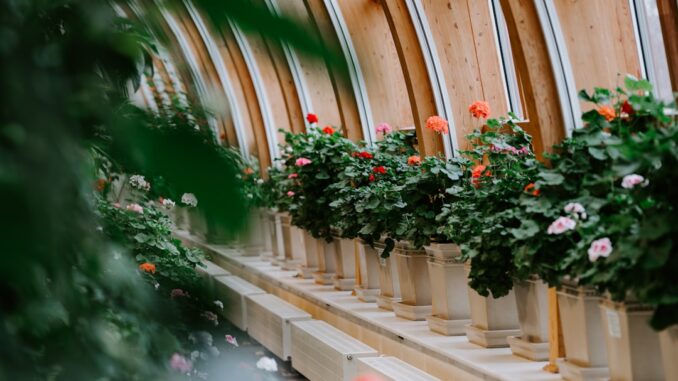

Imagine stepping into a space where the boundaries between your home and garden blur, creating a harmonious flow that invites relaxation and enjoyment. An orangery—a structure that combines the elegance of a conservatory with the solidity of an extension—offers just that. In this guide, we’ll delve into the costs, planning considerations, and the myriad ways an orangery can enhance your garden experience.
Understanding Orangery Costs in the UK (2025)
Before embarking on the journey to add an orangery to your home, it’s essential to grasp the financial aspects. Costs can vary widely based on size, materials, design complexity, and location. Here’s a breakdown to help you set realistic expectations:
-
Small Orangery (15m²): Approximately £10,000 to £20,000.
-
Medium Orangery (25m²): Ranges from £20,000 to £40,000.
-
Large Orangery (40m²): Costs can start at £35,000 and escalate beyond £60,000, depending on specifications.
These figures encompass the complete build, including foundations, structure, glazing, and basic electrics. (priceyourjob.co.uk)
Key Factors Influencing Orangery Costs
Several elements can impact the final price of your orangery:
-
Size and Design Complexity: Larger orangeries with intricate designs require more materials and labor, increasing costs.
-
Materials: The choice of frame material—uPVC, aluminum, or timber—affects both aesthetics and budget.
-
Roof Design: Opting for a solid roof with a central lantern or multiple skylights can add to the expense.
-
Glazing Specifications: High-performance glazing, such as solar-control or triple glazing, enhances energy efficiency but comes at a premium.
Planning and Regulatory Considerations
Before you start, it’s crucial to understand the planning permissions and building regulations that may apply:
-
Permitted Development: Many orangeries fall under permitted development rights, eliminating the need for planning permission. However, this depends on specific criteria, such as size and proximity to boundaries. (bergsonandeaton.com)
-
Building Regulations: Ensure compliance with regulations concerning structural integrity, thermal performance, and ventilation.
Designing Your Orangery to Enhance Garden Enjoyment
An orangery isn’t just an extension; it’s a bridge between your home and garden. Here’s how to design one that maximizes your outdoor experience:
-
Seamless Integration: Use materials and colors that complement your existing home and garden to create a cohesive look.
-
Maximize Natural Light: Incorporate large windows and roof lanterns to flood the space with sunlight, making it a pleasant spot year-round.
-
Indoor-Outdoor Flow: Install wide, bi-fold doors that open up to your garden, allowing for easy movement between spaces.
-
Climate Control: Consider underfloor heating and high-quality glazing to maintain a comfortable temperature, regardless of the season.
Additional Features to Consider
To further enhance your orangery and garden experience, think about incorporating:
-
Integrated Lighting: Install adjustable lighting to set the mood for different occasions.
-
Smart Home Integration: Control lighting, heating, and security systems remotely for convenience.
-
Greenery: Introduce indoor plants to bring a touch of nature inside, blurring the lines between indoor and outdoor spaces.
Conclusion
Adding an orangery to your home is more than just a construction project; it’s an investment in your lifestyle. By carefully considering costs, planning requirements, and design elements, you can create a space that not only enhances your garden enjoyment but also adds value to your property. Remember, the key is to design an orangery that reflects your personal style and meets your functional needs, ensuring it becomes a cherished part of your home for years to come.
References
Be the first to comment