
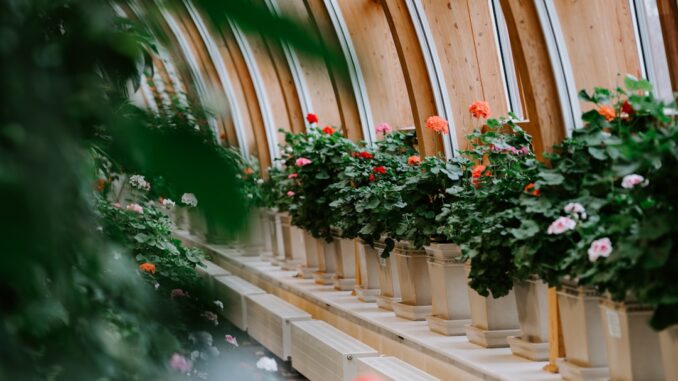

Unlocking Year-Round Serenity: Your Comprehensive Guide to Designing an Orangery
Imagine this: you’re sipping your morning coffee, the sun is streaming in, not just through a window, but from every direction – even overhead. Outside, your garden is bursting with life, perhaps a gentle rain patters, but you’re utterly ensconced in comfort, feeling connected to the natural world yet perfectly sheltered. That, my friend, is the essence, the sheer magic, of an orangery. It’s more than just an extension; it’s a truly transformative space, blurring the lines between indoor sanctuary and outdoor wonder, turning your garden into a year-round retreat.
The Enduring Allure of an Orangery: A Blend of History and Modernity
For centuries, orangeries have captivated architects and homeowners alike, and it’s easy to see why. These magnificent structures, with their distinctive blend of solid architecture and expansive glazing, offer something truly unique. Historically, they emerged in the 17th century, a time when European aristocrats yearned to cultivate exotic citrus trees – hence the name – even in colder climes. Picture grand estates, where meticulously crafted orangeries sheltered delicate orange, lemon, and lime trees, transporting their owners, if only for a moment, to sunnier Mediterranean shores. They weren’t just functional; they were statements of wealth, sophistication, and a deep appreciation for horticulture.
But let’s be clear, today’s orangery isn’t just a fancy greenhouse for fruit. Oh no. It’s evolved into a highly versatile, elegant addition to any home, a true bridge between your indoor living space and the vibrant, ever-changing tapestry of nature outside. What truly sets an orangery apart from, say, a traditional conservatory, is its architectural DNA. Conservatories often feature a high proportion of glass in their walls and an entirely glazed roof. An orangery, conversely, typically incorporates more solid elements: a flat roof perimeter, often with a robust parapet, and significant brick or stone pillars, defining its structure. The pièce de résistance, the star of the show, is usually a magnificent roof lantern that sits atop the flat roof, flooding the space below with glorious natural light from above. This unique construction gives orangeries a more substantial, integrated feel, almost like a proper room addition rather than an appendage. It’s this intelligent balance of solidity and transparency that creates an atmosphere of robust elegance, offering both abundant light and a comforting sense of enclosure.
So, what are people doing with them now? Well, the possibilities are practically endless. They’ve become stunning dining rooms, perfect for candlelit dinners or lively brunches with friends. Many transform them into sun-drenched lounges, ideal for curling up with a good book. I’ve even seen them as inspiring home offices, art studios, yoga havens, or simply tranquil spots for quiet contemplation. The key is their innate ability to make any activity feel more connected to the outdoors, bathing you in natural light and providing uninterrupted views of your garden, come rain or shine. It’s this flexibility, coupled with timeless design, that makes an orangery such an attractive proposition for the modern homeowner.
Crafting Your Vision: Essential Design Elements for an Orangery
Designing an orangery is an exciting journey, a chance to truly stamp your personality onto a space. It requires thoughtful consideration of how this new addition will harmonise with your existing home and, crucially, with your garden’s unique character. You’re not just adding a room; you’re extending your home’s narrative. Let’s explore some of the critical design elements you’ll need to ponder, making sure every detail contributes to a cohesive, beautiful, and functional whole.
Seamless Integration: Blending Old with New
Before you even think about window styles, take a step back and consider the bigger picture. How will your orangery flow from your current living space? Will it extend directly from a kitchen, a living room, or perhaps even a master bedroom? The choice of location often dictates its primary function and feel. Do you envision it as a natural extension, almost indistinguishable from your existing architecture, or as a distinct, perhaps more modern, counterpoint?
The materials you choose for the base walls – brick, stone, render – should ideally complement your main house. If your home boasts charming red brickwork, continuing that aesthetic will create a unified look. Conversely, if you’re aiming for a striking contrast, a different material or colour could make a bold statement, though always ensure it feels intentional and well-considered. The goal is to make it look like it was always meant to be there, not an afterthought. You want passersby, and certainly yourself, to think ‘of course this house has an orangery’.
Fenestration: Windows and Doors That Invite the World In
Ah, the windows and doors! These aren’t just openings; they’re your primary connection to the outside world, the very veins of light that feed your orangery. Their arrangement, design, and functionality are absolutely paramount.
-
Bi-Folding Doors: These are incredibly popular for a reason. Imagine, on a warm summer’s day, folding back an entire wall of glass, effectively dissolving the barrier between your indoor comfort and your garden’s embrace. It’s like your living room suddenly extends into your lawn, offering an unparalleled sense of openness. They truly transform the space, turning it into an outdoor room when the weather permits, and a light-filled sanctuary when it doesn’t. And believe me, the feeling of stepping directly from your living space onto soft grass, with no threshold, is quite exhilarating.
-
French Doors: For a more classic, symmetrical look, French doors offer elegance and charm. They’re perfect for creating a designated exit point, allowing a more traditional flow to a patio or decking area.
-
Sliding Doors: If space is at a premium, sliding doors are a fantastic option, gliding effortlessly to open up generous expanses without intruding on either indoor or outdoor areas. They’re sleek, modern, and provide those expansive, uninterrupted views.
-
Window Styles: Think about the architectural period of your home. Sash windows might perfectly suit a Georgian or Victorian property, while casement windows offer a more contemporary or simpler aesthetic. Consider fixed panels too, for those areas where you want maximum light but don’t need ventilation.
Beyond aesthetics, don’t overlook the practicalities. Modern glazing technology is astounding. Look for double or even triple glazing with low-emissivity (low-E) coatings and argon gas infills. These aren’t just fancy terms; they mean superior insulation, keeping you warm in winter and cooler in summer. Solar control glass can mitigate excessive heat gain, preventing that ‘greenhouse effect,’ while self-cleaning glass (yes, it’s a thing!) can drastically cut down on maintenance – a blessing, trust me. And let’s not forget security. High-quality multi-point locking systems are a non-negotiable for peace of mind.
The Magnificent Roof Lantern: A Crown of Light
This is, without a doubt, the defining feature of most orangeries. The roof lantern isn’t just a window to the sky; it’s a dynamic source of light, constantly shifting with the sun’s journey, painting moving patterns across your floor and walls. It elevates the ceiling height, adding a breathtaking sense of grandeur and airiness that you simply can’t achieve with standard windows alone.
-
Design Variations: You might opt for a single, expansive rectangular lantern that spans the majority of the roof, or perhaps a series of smaller, individual lanterns to create a more segmented, intimate feel. Pyramid-shaped lanterns offer a classic, sculptural quality, while flat, contemporary designs integrate seamlessly with minimalist aesthetics. Think about the sightlines from within the room, and how the light will fall at different times of the day. A well-placed lantern can truly make a room sing.
-
Materials: Timber frames offer warmth and traditional charm, often chosen for period properties. Aluminium provides sleek lines, exceptional durability, and comes in a vast array of powder-coated colours, making it a favourite for modern designs. uPVC is a more budget-friendly option, requiring minimal maintenance. The glazing itself should, again, be high-performance, with options for solar control, self-cleaning properties, and perhaps even switchable privacy glass for a touch of tech-savvy luxury.
-
Ventilation: Don’t forget this! Roof lanterns can be fitted with automated vents that open and close at the touch of a button, or even based on temperature sensors, crucial for dissipating heat on sunny days and ensuring good airflow. There’s nothing worse than a beautiful space that feels stuffy, right?
Traditional Features: Echoes of Grandeur
For those who appreciate classical architecture, incorporating traditional elements can imbue your orangery with a timeless elegance, connecting it directly to its grand historical lineage. These details aren’t just decorative; they speak of craftsmanship and a bygone era of architectural mastery.
-
Pilasters: These flattened columns, projecting slightly from the wall, can add a sense of robust structure and classical proportion. They often flank window and door openings, providing a touch of gravitas.
-
Cornices and Entablatures: A cornice is a decorative moulding that crowns the top of a wall or pillar, while an entablature is the entire assembly supported by columns, including the architrave, frieze, and cornice. These elements add visual weight and intricate detailing, particularly around the roofline, giving the orangery a substantial, elegant finish. It’s those little architectural ‘hiccups’ that often give a building its character.
-
Parapet Walls: Often found encircling the flat roof section, a parapet wall conceals the roof structure and drainage, creating a clean, crisp line against the sky. It enhances the orangery’s integrated, solid appearance, distinguishing it from a lighter conservatory structure.
Choosing to incorporate these features isn’t about rigid replication; it’s about drawing inspiration from the past and interpreting it for a contemporary context. You can achieve a beautiful balance between classical charm and modern functionality.
Beyond the Frame: Finishing Touches That Elevate
Once the structure is in place, the internal finishes truly bring your orangery to life.
-
Flooring: Practicality meets aesthetics here. Underfloor heating, combined with natural stone tiles (travertine, limestone, slate), engineered wood, or even high-quality porcelain, creates a luxurious, comfortable base. These materials are durable, easy to clean, and conduct heat beautifully. Imagine walking barefoot on a warm floor even when it’s frosty outside – pure bliss.
-
Heating and Cooling: To ensure year-round comfort, a well-thought-out climate control system is essential. Underfloor heating is often the preferred choice due to its discreet nature and even heat distribution. Supplemental radiators, perhaps stylish column designs, can also be integrated. For summer, efficient ventilation (those roof vents!), good solar control glazing, and possibly even an integrated air conditioning unit will keep things pleasantly cool. You don’t want a magnificent space that’s only usable for half the year!
-
Lighting: While natural light is king during the day, thoughtful artificial lighting transforms the mood as evening descends. Recessed spotlights can provide ambient illumination, while uplights highlight architectural features or showcase indoor plants. Picture lamps for reading nooks, or perhaps a striking pendant light above a dining table, can add personality and functionality. Think in layers, creating different moods for different times.
-
Interior Decorating: This is where the fun really begins! Choose furniture that’s comfortable and resilient to sunlight exposure. Rattan, wicker, or specially treated fabrics work wonderfully. Incorporate plenty of lush, green plants – think large, architectural specimens like a Fiddle Leaf Fig or a majestic Bird of Paradise. They thrive in the abundant light and further enhance that seamless connection to nature. Soft furnishings like throws and cushions add warmth and texture. Your orangery should feel like an extension of your home, yet with its own distinct, sun-drenched personality.
Practicalities and Planning: Laying the Groundwork for Success
Building an orangery is a significant investment, so meticulous planning is crucial. Skimping on the groundwork here can lead to headaches down the line.
-
Budgeting Realistically: Get detailed quotes from several reputable builders. Remember to factor in not just the structure itself, but also foundations, flooring, heating, electrical work, plumbing (if you’re adding a small kitchenette), landscaping adjustments, and interior finishing. It’s often better to overestimate slightly than be caught out by unexpected costs. A contingency fund, usually 10-15% of the total, is always a smart move.
-
Planning Permissions & Regulations: This is a big one and it’s where many people stumble. Most orangeries will require planning permission, especially if they significantly alter the footprint or appearance of your property, or if you live in a conservation area, a listed building, or even a national park. Your chosen builder or architect should be well-versed in local planning laws and can guide you through the application process. Don’t skip this step; fines for unapproved structures are no joke. Building regulations, which cover structural integrity, insulation, and safety, will also apply.
-
Choosing Your Team: This decision is probably the most critical. Research reputable builders and designers with a strong portfolio of orangery projects. Look for companies that specialise in this area. Ask for references, view previous work, and make sure their communication style aligns with yours. A good relationship with your project manager can make all the difference, trust me. You want someone who ‘gets’ your vision, and more importantly, someone who can deliver it.
-
Site Survey and Foundations: A detailed site survey will assess soil conditions, drainage, and any existing underground services. This information is vital for designing appropriate foundations. A solid, correctly engineered foundation is the bedrock of your orangery’s longevity and stability. You wouldn’t build a house on sand, would you? The same principle applies here.
Inspiring Examples: Orangeries Through the Ages
Drawing inspiration from magnificent orangeries, both ancient and contemporary, can help crystallise your own vision. They serve as powerful reminders of the enduring appeal and architectural versatility of these structures.
Hampton Court Palace, UK: A Royal Legacy
Perhaps one of the most iconic examples is The Orangery at Hampton Court Palace in the UK. Built way back in 1700, this structure wasn’t just practical; it was an exquisite piece of architecture designed to house the royal collection of orange and bay trees through the harsh English winters. Today, it stands as a testament to classical design, featuring elegant proportions, robust stone walls, and vast arched windows. Visiting it, you can almost hear the rustle of brocades and the murmur of 18th-century conversations. It offers visitors a tangible glimpse into the past, showing how functionality and grandeur can merge seamlessly.
Hampton National Historic Site, USA: A Horticultural Reflection
Across the pond, the original Orangery at Hampton National Historic Site in Maryland, constructed between 1829 and 1832, tells a slightly different story. This simpler, yet still elegant, temple-like structure was vital to the Ridgely family’s horticultural pursuits, sheltering their beloved citrus and other tender plants. Reconstructed in 1976 after falling into disrepair, it now serves as a poignant historical landmark, reminding us of America’s rich horticultural past and the passion for cultivation that spanned continents. It shows how these structures, regardless of their complexity, play a significant role in preserving botanical heritage.
The Transformative Benefits of Bringing the Outside In
Beyond their undeniable aesthetic appeal, orangeries offer a wealth of tangible and intangible benefits that profoundly enhance your home and your lifestyle. They’re an investment, yes, but one that truly pays dividends in quality of life.
Expanded Living Space: A Room for Every Season
An orangery provides genuinely flexible additional room. It’s not just a ‘summer room’ that gathers dust in winter; it’s a dynamic space for various activities, adaptable to any time of year. Imagine hosting vibrant dinner parties, the garden lit subtly outside, or enjoying a quiet morning coffee, bathed in soft winter light. It can become your go-to family room, a dedicated play area for the kids, or even a peaceful home gym. This added square footage is exceptionally valuable, offering room to breathe, grow, and entertain, all while offering panoramic views that constantly connect you to your outdoor sanctuary. It’s a game-changer for how you interact with your home and garden.
Increased Property Value: An Investment That Grows
A well-designed, thoughtfully constructed orangery isn’t just a personal luxury; it’s a savvy investment in your property. It significantly enhances your home’s appeal and functionality, making it stand out in the market. Buyers are increasingly drawn to homes that offer versatile living spaces and a strong connection to the outdoors. A beautiful orangery can dramatically increase your home’s market value, often providing a very healthy return on investment. It signals quality, spaciousness, and a desirable lifestyle, making your property far more attractive to potential buyers. It’s more than just bricks and mortar; it’s perceived value.
Year-Round Enjoyment: Your Personal Climate-Controlled Oasis
This, for me, is one of the biggest draws. Thanks to robust construction, superior insulation, and efficient heating/cooling systems, an orangery allows you to luxuriate in your garden’s beauty regardless of what the heavens decide to throw at you. Rain lashing against the windows? No problem, you’re cosy inside, watching the drama unfold. Snow blanketing the landscape? Even better, you’ve got a front-row seat to a winter wonderland, warm as toast. It truly becomes a sanctuary, a microclimate where you can escape the daily grind and immerse yourself in nature, all year long. You’re no longer limited by the fickle weather.
Wellness and Biophilia: Nurturing Your Soul
There’s a growing body of evidence about the psychological benefits of connecting with nature, a concept known as ‘biophilia.’ An orangery actively promotes this connection. Abundant natural light boosts mood, enhances productivity, and even regulates circadian rhythms. The constant visual access to greenery and the natural world has been shown to reduce stress, improve concentration, and foster a greater sense of well-being. It’s not just a pretty room; it’s a space that actively nurtures your mental and emotional health. Who wouldn’t want a little more of that in their life?
Versatility Unbound: Adapting to Your Lifestyle
We touched on this earlier, but it’s worth reiterating. The inherent design of an orangery—its robust walls, insulated roof, and sophisticated glazing—makes it incredibly adaptable. Unlike a flimsy conservatory that might struggle with temperature extremes, an orangery can genuinely be anything you need it to be. A serene meditation room, a vibrant playroom for the kids, a sophisticated home bar, or a productive studio. Its architectural strength gives it the ‘bones’ to support any function you dream up, making it a truly future-proof addition to your home.
Navigating the Occasional Hurdle: Solutions for Common Orangery Challenges
While the benefits are undeniable, it’s only fair to acknowledge that like any significant home improvement, orangeries can present a few challenges. But the good news? Most of them have well-established solutions!
-
Overheating in Summer: This is a common concern. However, with modern design, it’s entirely manageable. Specify high-performance solar control glazing, which reflects much of the sun’s heat while allowing light in. Integrated shading solutions like electric blinds (both internal and external) or clever planting (deciduous trees nearby offer shade in summer, let light through in winter) are also effective. Automated roof vents can create a natural chimney effect, expelling hot air.
-
Cooling in Winter: Conversely, you don’t want a chilly room! Excellent insulation in the flat roof, walls, and floor, combined with high-performance double or triple glazing, is fundamental. Underfloor heating, coupled with discrete radiators or even a small, efficient wood-burning stove, can create a beautifully warm and inviting space, even when it’s freezing outside. Proper draught-proofing around doors and windows is also key.
-
Privacy Concerns: With so much glass, privacy can sometimes be an issue, especially in urban areas. Thoughtful landscaping with strategically placed hedges, trees, or trellis work can provide natural screening. Internally, blinds (Venetian, roller, Roman) offer versatile privacy options, allowing you to control light and visibility. Sometimes it’s about finding that sweet spot between openness and seclusion.
-
Cost: Yes, an orangery is an investment, generally more expensive than a basic conservatory due to its more substantial construction. However, as we discussed, it often adds significant value to your home and offers unparalleled living comfort. It’s about weighing the long-term benefits against the upfront cost. Consider it an investment in your lifestyle and your property’s future, not just an expense.
Conclusion: Your Journey to a Brighter Home
Incorporating an orangery into your home is far more than simply adding a structure; it’s about crafting a harmonious, light-filled space that profoundly enhances your connection to the garden and, ultimately, elevates your daily life. It’s an architectural statement that speaks of elegance, warmth, and a deep appreciation for the beauty of nature.
By thoughtfully considering the myriad design elements – from the nuanced choice of fenestration and the majestic presence of a roof lantern, to the subtle nods towards classical features and the practicalities of heating and flooring – you can create a space that not only complements your existing home but transforms it. Drawing inspiration from timeless examples like Hampton Court Palace, and understanding the practical considerations, empowers you to make informed decisions that will result in an orangery perfectly tailored to your lifestyle.
So, are you ready to unlock that year-round serenity? To wake up every day to an infusion of natural light, feeling more connected to the world around you? An orangery isn’t just a building; it’s an experience, a lifestyle choice. And honestly, it’s one I wholeheartedly recommend. It truly makes a house feel more like a home, a place where memories are made under a sky of glass, come rain, shine, or even a soft flutter of snow. Isn’t that what we all truly want? A bit of magic, right on our doorstep.
Be the first to comment