
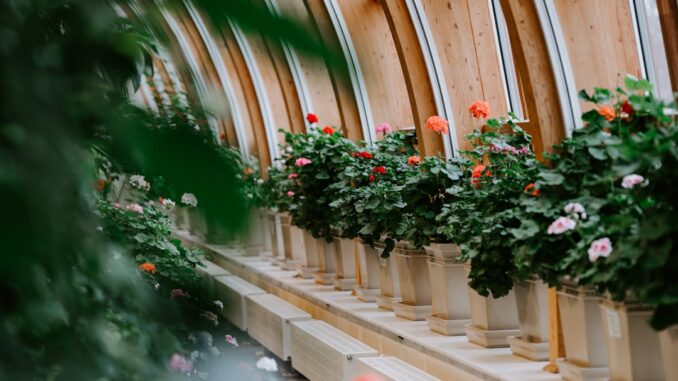

The Orangery: A Gateway to Elevated Living and Seamless Connection to Nature
Ever found yourself gazing out at your garden, maybe on a crisp morning with steam rising from your coffee, and wishing you could just be out there, without actually being out there? That’s exactly the kind of sweet spot an orangery occupies. It’s not just an extension; it’s a sophisticated, light-filled sanctuary that beautifully blurs the lines between your comfortable indoor living space and the vibrant, ever-changing outdoors. Think of it as a meticulously crafted bridge, a truly special room that captures the best of both worlds.
Historically, these structures were quite grand, really, originating in 17th-century Europe. Wealthy aristocrats built them to protect delicate citrus trees – hence ‘orangery’ – like oranges, lemons, and even pomegranates, from the harsh winter frost. Imagine sprawling estates with these architectural marvels, brimming with exotic plants, a true testament to their owner’s status and horticultural passion. Today, while you could certainly fill yours with exotic fruit trees (and wouldn’t that be a treat?), the modern orangery has evolved into something much more versatile. It’s a dynamic living space, tailored to contemporary lifestyles, designed to deepen your connection with your garden and genuinely enhance your everyday life.
Now, you might be wondering, ‘Isn’t that just a fancy conservatory?’ And it’s a fair question, one I hear often. But there are key distinctions. While both bring light and garden views, an orangery typically incorporates more solid brickwork, often matching your existing home, giving it a more substantial, integrated feel. It usually features large windows and doors, yes, but its defining characteristic is often a striking flat roof perimeter with a prominent, glazed roof lantern at its centre. This architectural difference doesn’t just look distinct; it actually provides superior thermal efficiency and allows for a cosier, less exposed feeling than a conservatory, which tends to be almost entirely glass. It feels more like a room of your house, just one bathed in glorious natural light, rather than a separate glass structure bolted on. You’re getting the best of both worlds, really: the openness of a conservatory with the robust, insulated comfort of a traditional extension.
Unlocking the Myriad Benefits of an Orangery
Deciding to add an orangery isn’t just about gaining extra square footage, though that’s certainly a perk. It’s about investing in a lifestyle upgrade, creating a space that enriches your daily routines and offers tangible benefits to your home and well-being. Let’s delve into why these extensions are such a compelling choice.
1. A Symphony of Natural Light
Honestly, the sheer amount of natural light an orangery ushers into your home is probably its most celebrated feature. Its intelligent design, marrying expansive windows with that iconic glazed roof lantern, literally floods the space with sunshine. Picture this: shafts of golden light dancing across your floorboards, illuminating every corner, even on a cloudy day, the room always feels bright and welcoming. This isn’t just aesthetically pleasing; it’s profoundly beneficial for your mood and overall well-being. Studies consistently show that exposure to natural light can boost productivity, reduce stress, and even improve sleep patterns. It’s amazing what a bit of sunshine can do, isn’t it? You’ll find yourself naturally gravitating towards this space, perhaps for your morning coffee, watching the garden slowly wake up, or for an afternoon read, bathed in a gentle, warm glow. Modern glazing technology plays a huge role here too; we’re talking about high-performance low-E glass that maximises light transmission while minimising heat loss in winter and heat gain in summer. Some even come with self-cleaning properties, which is a blessing, let’s be real, because who wants to spend their weekends scrubbing a roof lantern? For those moments when the sun is too intense, integrated blinds or even smart glass that tints at the touch of a button offer perfect light control, maintaining that comfortable ambiance all day long.
2. Effortless Indoor-Outdoor Harmony
One of my favourite aspects of an orangery is how it so artfully dissolves the barrier between your home and your garden. With clever design choices, particularly the integration of large format doors like bi-folds or expansive sliding glass panels, the transition becomes almost imperceptible. Imagine folding back those doors on a warm summer’s evening, letting the gentle breeze waft through, and having your living space seamlessly extend onto your patio or lawn. It’s like your garden becomes another room, just without a roof! This fosters such a harmonious connection with nature, allowing you to enjoy your meticulously nurtured flowerbeds or the calming rustle of leaves from the utmost comfort of your sofa. We’re essentially creating a fluid, dynamic environment where you can truly appreciate the changing seasons from a sheltered vantage point. Think of how this transforms entertaining, too; guests can easily mill between indoor comforts and outdoor charm, creating a relaxed, expansive atmosphere. It’s not just a view; it’s an experience, a chance to feel truly immersed in your surroundings, bringing the tranquility of the garden right into your home.
3. All-Season Comfort and Usability
Gone are the days when extensions were too hot in summer and freezing in winter. Modern orangeries are engineering marvels, really, designed for year-round comfort. They feature robust, insulated brickwork, often matching your existing home’s façade, which provides excellent thermal mass. Couple that with cutting-edge, energy-efficient glazing, typically argon-filled double or even triple-glazed units, and you’ve got a space that retains heat beautifully in winter and stays pleasantly cool during those scorching summer months. You won’t be shivering in January or melting in August. Underfloor heating is a popular addition, providing a luxurious, even warmth that eliminates cold spots and feels wonderfully cosy underfoot. For warmer climates or intense heatwaves, discreet air conditioning units or integrated ventilation systems ensure a comfortable environment. The solid roof perimeter, often featuring a substantial cornice, further enhances insulation and gives the orangery a substantial, permanent feel, unlike the often lighter construction of a traditional conservatory. This means your orangery isn’t just a fair-weather friend; it’s a dependable, inviting sanctuary you can enjoy every single day of the year, whether you’re watching snowflakes drift down or basking in the summer sun after a long day.
4. A Smart Investment: Boosting Property Value and Appeal
Beyond the personal enjoyment, an orangery is a seriously savvy investment for your home. Adding such a high-quality, versatile living space almost invariably enhances your property’s appeal and, crucially, can significantly increase its market value. Prospective buyers are increasingly looking for homes that offer more than just basic rooms; they crave spaces that feel special, that offer a connection to the outdoors, and that provide flexible living options. An orangery ticks all these boxes, setting your home apart from others on the market. It’s not just additional square footage; it’s desirable square footage. Imagine a potential buyer walking into your orangery, immediately envisioning themselves relaxing in the sun or hosting friends with those doors folded back – that emotional connection can be a powerful selling point. While specific percentages vary by location and quality of build, a well-designed and executed orangery can offer an excellent return on investment, making it one of the most impactful home improvements you can undertake. It speaks of quality, thoughtful design, and a certain lifestyle, which ultimately makes your home much more attractive and competitive in the property market. It’s a win-win, really: you get to enjoy it now, and it pays dividends later.
Cultivating Your Dream: Inspiring Orangery Design Ideas
One of the most exciting aspects of an orangery project is the sheer freedom you have to tailor the space to your specific needs and aesthetic preferences. It’s truly a blank canvas awaiting your personal touch. From serene retreats to bustling family hubs, the possibilities are virtually endless. Let’s explore some captivating design ideas to spark your imagination.
1. The Serene Garden Room Orangery
Transforming your orangery into a dedicated garden room is perhaps the most classic and universally appealing concept. Here, the emphasis is squarely on tranquility and connection to the natural world. Picture tall, elegant French doors, perhaps with delicate timber-framed windows flanking them, leading the eye outwards. A large central roof lantern pours soft, natural light into the space, creating an airy, almost ethereal atmosphere. For furnishings, think plush, comfortable sofas and armchairs in natural fabrics – linen, cotton, or even a soft chenille – perhaps in calming greens, muted blues, or earthy tones. You’d want to incorporate plenty of living plants, of course; ferns, peace lilies, or even a small olive tree in a stylish pot can bring that outdoor freshness inside. Rustic wooden side tables, perhaps a woven rug underfoot, and strategically placed reading lamps will complete the picture. This is your personal sanctuary, a perfect spot for quiet contemplation, deep conversations, or simply unwinding with a good book as the rain patters gently on the roof lantern above. It’s all about creating an oasis of calm, a gentle transition between your structured indoor life and the vibrant chaos of the garden. A subtle water feature, a small tabletop fountain, could add an extra layer of serenity with its gentle babbling.
2. The Expansive Kitchen-Diner Extension
Many homeowners are now embracing the orangery as a brilliant way to create a truly spectacular open-plan kitchen and dining area. This is where modern living truly shines! Imagine your kitchen seamlessly flowing into a bright, spacious dining zone, all bathed in natural light and offering sweeping views of your garden. It’s perfect for families who love to entertain or simply want to bring more light and space into the heart of their home. You could extend your existing kitchen cabinetry right into the orangery, creating a truly bespoke, integrated look. A substantial island unit, perhaps with a breakfast bar, could act as a natural division while providing additional workspace and casual dining. The dining table itself, whether a grand family heirloom or a sleek modern piece, would take centre stage, enjoying the panoramic garden backdrop. For flooring, hard-wearing options like large format porcelain tiles or engineered wood are practical and stylish. Given the cooking aspect, thoughtful ventilation is key, and integrated ceiling extractors can be remarkably discreet. This setup makes meal prep a joy, dining an experience, and social gatherings effortlessly elegant. Picture Sunday brunch with sunlight streaming in, the aroma of coffee mingling with fresh garden air, and laughter echoing in your beautiful new space. It’s a real game-changer for daily life.
3. A Productive Home Office Sanctuary
With remote work becoming increasingly common, the need for a dedicated, inspiring home office is more important than ever. An orangery offers an almost perfect solution. Imagine working in a space flooded with natural light, feeling connected to the outdoors rather than cooped up in a spare bedroom. This environment isn’t just pleasant; it can genuinely boost your productivity and creativity. The views of your garden provide a calming backdrop, reducing stress and eye strain, a welcome respite from staring at a screen all day. When designing this, consider ergonomics: a well-placed desk that catches the best light without glare, a comfortable chair, and clever storage solutions to keep clutter at bay. Integrated power sockets, perhaps even a hidden charging station, are crucial for modern tech. While the light is abundant, you’ll want good task lighting for evenings or overcast days. The natural connection helps separate work from the rest of your home life, providing a distinct, professional setting that still feels connected to your home’s comfort. It’s a space that inspires focus, creativity, and a healthy work-life balance, allowing you to thrive without ever having to leave your property. Plus, a quick glance out the window at a squirrel chasing nuts can be a lovely, calming break during a busy afternoon, can’t it?
4. Crafting a Lush Tropical Paradise
Feeling adventurous? Why not transform your orangery into a vibrant, lush tropical haven? This design theme is all about bringing the exotic indoors. Start with a selection of bold, leafy plants – think magnificent palms, sprawling monsteras, delicate ferns, and perhaps some vibrant orchids. The natural light of the orangery is absolutely ideal for these kinds of plants, allowing them to truly flourish. For furniture, embrace natural materials like bamboo, rattan, or dark, rich woods. Consider a set of comfortable lounge chairs with plump, colourful cushions in vibrant tropical prints – think emerald green, fuchsia, or sunny yellow. Large, decorative pots in earthy tones or glazed finishes will house your botanical treasures. Don’t shy away from adding elements like a subtle water feature for that serene jungle sound or even a carefully chosen piece of exotic art. This creates an immersive experience, a truly unique retreat where you can escape the everyday and feel transported to warmer climes, even in the middle of a dreary winter. It’s a statement, certainly, but one that offers incredible sensory richness and a constant reminder of nature’s vibrant beauty. The warmth and humidity from the thriving plants will make it feel wonderfully alive, just like a mini rainforest.
5. Embracing Rustic Country Charm
If your heart yearns for warmth, coziness, and a connection to simpler times, a rustic country charm theme might be perfect for your orangery. This look is all about natural textures, comfortable furnishings, and a welcoming, lived-in feel. Start with flooring: think warm wooden planks, perhaps a reclaimed oak, or even large, textured flagstone tiles that evoke a farmhouse kitchen. For furniture, opt for plush, oversized sofas and armchairs with soft, inviting upholstery – perhaps chunky knits, natural linens, or even a distressed leather. A large, sturdy coffee table made from reclaimed timber would be a fantastic focal point. Introduce quaint accessories: antique lanterns, vintage pottery, woven baskets for storage, and plenty of soft throws and cushions in muted, earthy tones or classic checks. Exposed brickwork or natural stone elements within the orangery’s pillars can further enhance this charming aesthetic. It’s about creating a space that feels utterly comfortable, deeply personal, and wonderfully nostalgic, a true retreat from the hustle and bustle of modern life. Imagine curling up by a faux fireplace (or even a real log burner if safely installed and permitted!) with a hot chocolate, feeling utterly content as twilight settles over your tranquil garden. It’s a hug in a room, plain and simple.
6. The Ultimate Garden Oasis
For those who truly want to maximise the indoor-outdoor flow, an orangery can become the ultimate garden oasis, a seamless extension of your exterior living space. This design leans heavily on wide-opening bi-fold or sliding doors, creating virtually unobstructed openings to your patio or decking area. The idea is to blur the boundaries so much that your garden feels like an integral part of the orangery itself. Consider extending your interior flooring material, or a complementary one, onto your patio to create a continuous visual link. Outdoor seating areas, perhaps an al fresco dining set or a comfortable lounge area, should be thoughtfully positioned to complement the orangery’s interior layout. You could even integrate an outdoor kitchen or a stylish fire pit just beyond the doors, further enhancing the al fresco experience. This design truly epitomises luxurious outdoor living, allowing you to host gatherings where guests effortlessly move between the sheltered comfort of the orangery and the open air of the garden. It’s an entertainer’s dream, a constant invitation to step outside and breathe in the fresh air, making your garden a truly integrated part of your home’s functionality and beauty. Plus, when the weather turns, you’ve still got that incredible view, right?
7. A Dedicated Wellness or Yoga Studio
Imagine starting your day with sun salutations in your own private, light-filled studio, or unwinding with a gentle yoga practice as the sun sets. An orangery provides the perfect serene environment for a home gym or a dedicated wellness space. The abundance of natural light is incredibly uplifting, and the connection to the garden offers a sense of peace and calm, ideal for mindful activities. For this setup, you’d want resilient, easy-to-clean flooring like engineered wood or rubber mats that can withstand workouts. Minimalist décor, perhaps with some carefully chosen plants, helps maintain a tranquil atmosphere. Full-length mirrors can be integrated along one wall, not just for checking your form but also for visually expanding the space and reflecting even more light. Good ventilation is key, especially during strenuous workouts, so consider effective air circulation systems. This provides a dedicated, inspiring space to focus on your physical and mental well-being, free from distractions, a true escape within your own home. It’s a wonderful way to commit to a healthier lifestyle, and let’s face it, no more excuses about going to the gym, it’s right there!
8. The Creative’s Haven: An Art Studio or Hobby Room
For the artists, crafters, or anyone with a passion that requires dedicated space and ample light, an orangery can be an absolute dream. The natural, consistent light is invaluable for painting, drawing, sculpture, or any intricate hobby where true colour rendition and visibility are crucial. Imagine an artist’s easel bathed in soft northern light, or a potter’s wheel strategically placed to overlook the garden. You’d want durable, easy-to-clean flooring that can withstand spills or dust, perhaps polished concrete or large ceramic tiles. Ample storage is key for supplies – built-in shelving, drawers, or freestanding units can keep everything organised yet accessible. Task lighting for intricate work during evenings would complement the natural light beautifully. This kind of space fosters creativity, allowing you to immerse yourself in your passions without having to pack everything away. It’s a dedicated zone for inspiration, where the beauty of your garden can fuel your imagination, and where mess is perfectly acceptable because, well, it’s your studio!
Navigating the Journey: Planning and Construction Considerations
Embarking on an orangery project is an exciting venture, but like any significant home improvement, it requires careful planning and consideration. Getting these initial steps right will ensure a smooth process and a stunning final result.
Understanding Planning Permission and Building Regulations
First things first, it’s crucial to understand the legalities. While many smaller extensions can fall under ‘permitted development’ rights, meaning you might not need full planning permission, an orangery, due to its size, design, or location, may well require it. Permitted development rules are quite specific regarding height, projection from the original house, proximity to boundaries, and materials. Always, always check with your local planning authority or consult with your chosen architect or builder early on. It’s much better to know upfront than to face costly issues later. Beyond planning, building regulations are mandatory for all extensions and cover aspects like structural integrity, thermal performance, ventilation, and safety. A good builder or project manager will guide you through this, ensuring your orangery meets all the necessary standards for safety and efficiency. This isn’t just bureaucratic red tape; it’s about ensuring your new space is safe, warm, and built to last.
Choosing Your Materials: Aesthetic and Performance
The materials you select for your orangery will significantly impact its final look, feel, and performance. You’ve got several excellent options:
- Timber: For a classic, luxurious, and highly customisable look, timber is superb. Hardwoods like oak or mahogany offer incredible strength and beauty, while engineered timbers can provide excellent stability. Timber frames lend themselves to intricate detailing and can be painted or stained to match any aesthetic. They do require more regular maintenance than other options, but the warmth and character they bring are unmatched.
- uPVC: A very popular and cost-effective choice, uPVC is low maintenance, energy-efficient, and comes in a wide range of colours and finishes, including wood-grain effects. It’s incredibly durable and resistant to weathering, making it a practical option for many homes.
- Aluminium: For a sleek, contemporary, and minimalist aesthetic, aluminium is king. It’s incredibly strong, allowing for very slim sightlines and larger expanses of glass, which maximises light and views. Aluminium is also highly durable, low maintenance, and available in a vast array of powder-coated colours. It’s perfect for modern homes seeking that industrial-chic or clean, architectural look.
The choice often boils down to your personal taste, budget, and the architectural style of your existing home. A reputable builder will discuss the pros and cons of each with you.
Selecting the Right Partner: Builders and Designers
This isn’t a DIY job, obviously. Choosing the right design and build team is paramount. Look for specialists with a proven track record in orangery construction. Ask to see examples of their previous work, and definitely speak to past clients. A good designer will listen to your ideas, offer creative solutions, and translate your vision into a practical, beautiful design. The builder then brings that design to life with craftsmanship and attention to detail. Don’t be afraid to get multiple quotes, but remember that the cheapest option isn’t always the best. Investing in quality materials and skilled professionals will save you headaches and costs down the line, trust me. Communication is also key throughout the project; you want a team that keeps you informed and addresses any concerns promptly.
Budgeting and Timeline Realities
Orangeries are a significant investment, and it’s important to be realistic about costs. The final price will depend on factors like size, materials, complexity of design, glazing performance, and internal finishes. Get detailed quotes that itemise everything. It’s always wise to factor in a contingency fund, typically 10-15% of the total budget, for any unforeseen expenses that might arise during construction – they almost always do! Similarly, be prepared for a realistic timeline. From initial design and planning permission (if required) to groundworks, construction, and internal finishing, an orangery project can take several months. A transparent builder will provide a project schedule, helping you understand each phase and anticipate completion. Patience is definitely a virtue here; good things take time.
Site-Specific Considerations
Every home and garden is unique, so there are several site-specific factors to consider during planning. The orientation of your property, for instance, will influence how much sunlight your orangery receives throughout the day, which can impact glazing choices and heating/cooling strategies. Existing drainage, utility lines, and even mature tree roots can also affect the design and construction process. A thorough site survey by your chosen professional is essential to identify any potential challenges early on and ensure they are addressed in the design. Thinking about these details beforehand prevents nasty surprises and helps integrate the new structure seamlessly with your existing property and landscape.
Maintaining Your Orangery: Keeping it Pristine
Once your beautiful orangery is complete, a little bit of ongoing care will ensure it remains a stunning, functional space for many years to come. Modern materials are designed for longevity, but some simple maintenance goes a long way.
Regular cleaning of the glass – both windows and the roof lantern – will keep the light flooding in. For hard-to-reach areas, a professional window cleaner is a wise investment. Check door and window seals periodically to ensure they remain watertight and energy-efficient. Keep the frames clean; a simple wipe-down with soapy water is often all that’s needed for uPVC and aluminium. Timber frames may require re-painting or re-staining every few years, depending on exposure to the elements. Also, clear out gutters and downpipes regularly to prevent blockages and water ingress. These small, consistent efforts will protect your investment and ensure your orangery always looks its best.
Conclusion: Your Home, Transformed
So, there you have it. An orangery is so much more than just a room. It’s a statement, a lifestyle choice, and a brilliant fusion of architectural heritage with modern innovation. It’s an invitation to experience your home and garden in an entirely new way, offering a daily dose of natural light, seamless connection, and unparalleled versatility. Whether you envision a tranquil reading nook, a bustling kitchen-diner, a focused home office, or a vibrant botanical display, an orangery truly allows you to customise your living environment to perfectly suit your aspirations.
By carefully considering the design, materials, and professional expertise, you’re not just adding an extension; you’re crafting a bespoke space that will bring joy, comfort, and value to your home for decades to come. It’s an investment in light, in space, and, ultimately, in your quality of life. Isn’t it time you explored how an orangery could transform your home?
References
- Glasshousearchitecture.co.uk: ‘Uses for Traditional Orangeries’
- Valegardenhouses.co.uk: ‘Inspiring Orangery Ideas’
- Roomoutside.com: ’10 Great Uses for an Orangery Extension’
- Reddish-joinery.co.uk: ’14 Orangery Ideas for Your Home’
Be the first to comment