
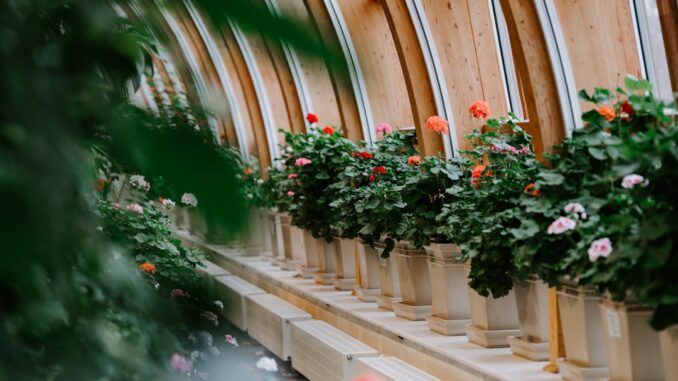

An orangery—a structure that seamlessly merges indoor living with the outdoors—can significantly enhance your garden’s appeal. Imagine basking in natural light while enjoying panoramic views of your garden, regardless of the season. Before you embark on building an orangery, it’s essential to understand the UK’s planning permissions, associated costs, and potential exemptions to ensure a smooth and compliant construction process.
Understanding Planning Permissions
In the UK, constructing an orangery often falls under ‘permitted development rights,’ allowing homeowners to build without full planning permission, provided certain criteria are met. These criteria include:
-
Single-Storey Structure: The orangery must be a single-storey extension.
-
Height Restrictions: It should not exceed 4 meters in height.
-
Proximity to Boundaries: If within 2 meters of a boundary, the eaves height must not exceed 3 meters.
-
Size Limitations: The orangery must not cover more than 50% of the land around the original house.
-
Designated Areas: It should not be on designated land, such as conservation areas or national parks.
-
Materials: The materials used must be similar in appearance to the existing house.
However, if your property has been previously extended, or if the proposed orangery doesn’t meet these criteria, you may need to seek full planning permission. It’s advisable to consult with your local planning authority to confirm whether your project requires permission. (orangeryguide.co.uk)
Building Regulations Compliance
Even if planning permission isn’t required, your orangery must comply with building regulations, which ensure safety and structural integrity. Key considerations include:
-
Structural Safety: The orangery must be built on suitable foundations and be able to support its own weight and resist wind loads.
-
Energy Efficiency: It should meet current energy efficiency standards, including minimum U-values for walls, floors, and roof, and the use of double or triple glazing.
-
Ventilation and Fire Safety: Proper ventilation is crucial, and fire safety measures must be in place, such as fire-resistant materials and adequate escape routes. (orangeries-uk.co.uk)
Costs Involved
The cost of building an orangery varies based on size, materials, and complexity. On average, you can expect to pay between £450 and £650 for a standard planning application. (localorangeryprices.co.uk) Additional costs may include:
-
Construction Costs: Depending on the size and materials, construction costs can range from £20,000 to £50,000.
-
Professional Fees: Hiring architects or designers may add to the overall expense.
-
Furnishing and Landscaping: Don’t forget to budget for interior furnishings and any landscaping to integrate the orangery with your garden.
Exemptions and Special Considerations
Certain properties may be exempt from some regulations:
-
Listed Buildings and Conservation Areas: If your property is a listed building or located within a conservation area, stricter regulations apply, and planning permission is typically required.
-
Article 4 Directions: Some areas have additional restrictions under Article 4 Directions, which can remove permitted development rights. It’s essential to check if your property is subject to such directions.
Final Thoughts
Building an orangery can be a rewarding project that enhances your garden and provides a versatile living space. By understanding the planning permissions, building regulations, costs, and potential exemptions, you can navigate the process more effectively. Always consult with local authorities and professionals to ensure compliance and to create a space that you’ll enjoy for years to come.
References
Orangeries sound dreamy! But £20,000-£50,000? I’m suddenly picturing a *very* fancy tent. Perhaps a well-placed mirror and some strategic shrubbery could create the illusion for a fraction of the price? Anyone tried this budget-friendly approach? Inquiring minds want to know!
That’s a fun idea! A well-decorated space can definitely give a similar feel. Mirrors and greenery are great starting points. Clever lighting tricks can also create a spacious, airy atmosphere. Has anyone else experimented with budget-friendly orangery alternatives?
Editor: ElegantHome.News
Thank you to our Sponsor Elegancia Homes
It’s great to see a comprehensive overview of orangery planning permissions. The point about building regulations compliance is particularly important, especially regarding energy efficiency standards and U-values for glazing. Considering these elements early can significantly impact long-term running costs and comfort.
Thanks for highlighting the energy efficiency aspect! It’s definitely worth the initial investment to consider U-values for glazing, along with other energy-saving measures. This not only ensures compliance but also creates a more comfortable and sustainable space in the long run. What energy-efficient features would you prioritize?
Editor: ElegantHome.News
Thank you to our Sponsor Elegancia Homes
Thanks for the comprehensive overview! It’s useful to be reminded of the permitted development criteria. Ensuring that materials match the existing house is crucial for maintaining aesthetic harmony and neighbourhood character. Are there any innovative material choices that still meet this requirement?
Thanks for your comment! Matching materials is so important for aesthetics. Interestingly, some newer composite materials can mimic traditional textures and colours almost perfectly while offering improved weather resistance and longevity. Has anyone had experience with these in conservation areas?
Editor: ElegantHome.News
Thank you to our Sponsor Elegancia Homes