
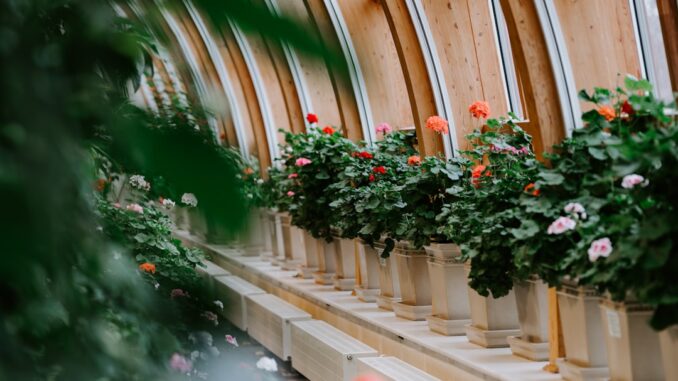

The Orangery: Crafting a Seamless Connection Between Home and Garden
Imagine stepping into a space bathed in glorious natural light, where the gentle whispers of your garden feel like they’re just an arm’s reach away. That’s the magic of an orangery, really. It’s not just another extension; it’s a beautifully designed bridge, dissolving the often-stark boundaries between your indoor sanctuary and the verdant embrace of your outdoor space. Picture yourself sipping your morning coffee, feeling the warmth of the sun, even when the air outside has that crisp, autumnal bite. An orangery offers this enchanting experience and so much more, serving as a genuinely versatile addition that elevates your enjoyment of your home and garden, no matter the season.
Unveiling the Enduring Allure of an Orangery
An orangery, at its heart, represents a sophisticated evolution of the traditional conservatory. While both bring the outdoors in, the orangery does so with a distinctive architectural flair and a more permanent feel. Its lineage traces back to the 17th century European aristocracy, who sought grand, sun-drenched structures to cultivate exotic citrus trees—oranges, lemons, and limes—in climates too cold for them to thrive outdoors. These early orangeries weren’t just functional; they were status symbols, showcases of wealth and horticultural ambition, often designed with elaborate brickwork, tall windows, and intricate roof structures. They weren’t just growing spaces, you see, they were places for leisurely strolls, for social gatherings, for enjoying a touch of the Mediterranean amidst cooler climes.
Fast forward to today, and the modern orangery has retained that sense of grandeur and purpose, albeit reimagined for contemporary living. The key differentiator, and what truly sets it apart from a conservatory, is its solid roof with a striking central glazed lantern. This clever design isn’t just aesthetically pleasing; it’s profoundly functional. It allows a tremendous amount of natural light to flood the space from above, creating an airy, bright atmosphere, yet its solid structure with more brickwork or masonry ensures superior thermal performance. You get that wonderful connection to the sky, that feeling of openness, but without the extreme temperature fluctuations often associated with fully glazed conservatories. It means your orangery can remain a cozy, inviting retreat during the depths of winter and a beautifully cool, shaded haven when summer truly sizzles, thanks to thoughtful design and modern materials. It’s a truly sophisticated addition that effortlessly blends classic elegance with practical, year-round comfort. Think of it as a permanent, integrated part of your home, designed for living, not just for plants.
Architectural Harmony: Integrating Your Orangery
One of the most appealing aspects of an orangery is its ability to seamlessly integrate with almost any architectural style. Whether your home is a period property with intricate detailing or a sleek, contemporary dwelling, an orangery can be designed to complement it perfectly. For traditional homes, you might opt for classic timber frames, ornate brick piers, and a decorative roof lantern that mirrors existing architectural elements. Imagine a stately Georgian home gaining a beautiful, light-filled dining room that feels like it’s always been there.
On the other hand, if your abode leans more towards modern minimalism, aluminum frames with their slender profiles, large expanses of glass, and a sleek, unadorned lantern roof can create a truly stunning, contemporary statement. It’s all about thoughtful design and material selection, ensuring the orangery feels like an organic extension, not an afterthought. You want it to enhance, not detract, from your home’s inherent charm, don’t you? It’s about achieving that delicate balance between old and new, or simply amplifying an existing aesthetic.
The Myriad Benefits of Welcoming an Orangery Into Your Home
Adding an orangery is more than just a home improvement project; it’s an investment in your lifestyle and your property’s future. The advantages extend far beyond just extra square footage.
1. A Significant Uplift in Property Value
Let’s be pragmatic for a moment: one of the most compelling reasons to invest in a quality orangery is the undeniable impact it can have on your property’s market value. This isn’t just about adding space; it’s about adding highly desirable, premium living space. Potential buyers are often drawn to homes that offer unique features and a high standard of living, and an orangery absolutely ticks those boxes. It signals a well-maintained, thoughtful property with an elevated lifestyle appeal.
Think about it: a beautifully designed orangery doesn’t just give you more room; it adds curb appeal, enhances the overall aesthetic of your home, and crucially, provides that coveted indoor-outdoor flow everyone seems to be searching for these days. It often functions as an additional reception room, a dedicated dining area, or even a home office flooded with light, all of which are incredibly attractive features in a competitive housing market. It can genuinely make your home stand head and shoulders above similar properties lacking such a sophisticated addition, a real differentiator.
2. Crafting Seamless Indoor-Outdoor Living
This is where the magic truly happens, where the dream of blending your home with your garden becomes a tangible reality. An orangery inherently creates a harmonious, almost poetic connection between your meticulously curated interior and the ever-changing beauty of your garden. With its generous glazed areas, often featuring expansive bi-fold doors, sleek sliding doors, or elegant French doors, you can quite literally open up an entire wall to your garden.
Imagine entertaining friends on a warm evening, with the bi-fold doors fully retracted, transforming your dining area into an al fresco experience, yet still under the protection of your orangery roof. The scent of blooming flowers drifts in, the gentle sounds of nature become part of your evening soundtrack. When the weather isn’t quite so cooperative, those large windows still offer panoramic views, letting you feel connected to the outside world from the comfort of your armchair. It’s about more than just sightlines; it’s about the feeling of expansiveness, of bringing the freshness and vitality of nature right into your daily life. It’s a fantastic way to truly enhance your garden experience, letting it be an extension of your living space rather than a separate entity.
3. Unparalleled Versatility in Usage
Here’s where an orangery truly shines: its incredible adaptability. Unlike, say, a dedicated utility room, an orangery isn’t pigeonholed into a single purpose. Its design flexibility means it can morph and adapt to almost any need or desire you might have for extra space. Perhaps you envision a sunlit dining area, perfect for family meals and dinner parties, where guests can enjoy garden views with every course. Maybe it’s a tranquil reading nook, a serene escape filled with plants and comfortable seating, ideal for unwinding with a good book after a long day.
But the possibilities extend much further. I’ve seen orangeries transformed into vibrant, sun-drenched playrooms for children, filled with toys and laughter, providing a dedicated space away from the main living areas. For those working from home, it makes an absolutely brilliant home office, offering copious natural light and a sense of calm that a cramped spare bedroom just can’t replicate. Imagine taking video calls with a lush garden as your backdrop – certainly beats a plain wall, doesn’t it? It can also serve as a dedicated yoga studio or home gym, a creative art studio, a vibrant casual living space, or even an additional kitchen extension, truly changing the dynamic of your ground floor. Its inherent brightness and connection to the outdoors make it a wonderfully inspiring space for almost any activity.
4. Year-Round Comfort and Energy Efficiency
The notion that extensions like orangeries are too hot in summer or too cold in winter is a relic of the past, thankfully. Thanks to leaps in modern insulation and glazing technologies, contemporary orangeries are engineered to provide a genuinely comfortable environment throughout the entire year. They’re designed to retain warmth efficiently during the cooler months, significantly reducing your heating bills.
This improved thermal performance comes from several innovations: the substantial solid roof structure, which is insulated to modern building standards; advanced double or even triple glazing with low-emissivity (Low-E) coatings and inert gas infills (like argon or krypton) between the panes; and thermally broken frames. These features work in concert to prevent heat escaping in winter and, crucially, to reflect excessive solar gain in summer, keeping the space comfortably cool. Add to this the option for underfloor heating for ultimate winter warmth, and integrated ventilation systems, perhaps with automated roof vents or ceiling fans, for summer airflow, and you’ve got a space that’s a pleasure to be in, whatever the mercury says. You won’t be dreading stepping in there during a heatwave or shivering in January, trust me.
Navigating the Journey: Planning Your Orangery Successfully
Embarking on an orangery project is exciting, but like any significant home improvement, careful planning is paramount. It’s the groundwork that ensures the final structure not only looks fantastic but also functions perfectly for your needs and remains compliant with all regulations.
1. Assessing Your Space, Lifestyle, and Aspirations
Before you even sketch out a single line, take a really good, long look at your existing home and garden. What’s the optimal size and location for this new space? Is there a particular aspect of your garden you want to frame? Consider the sun’s path throughout the day and across the seasons; where will the light fall, and when? What about prevailing winds or potential privacy issues with neighbours? Understanding these environmental factors early on can significantly influence the design.
More importantly, how do you genuinely intend to use this new space? Is it primarily for dining, relaxing, working, or a combination? Who will be using it, and how often? Visualise your daily routine, your weekend gatherings, even your quiet moments. Do you need a seamless transition to a patio, or will it be a stand-alone sunroom? Thinking through these details will help define the specific requirements for layout, door types, electrical outlets, and heating, ensuring your orangery becomes a truly integral and much-loved part of your home, not just an add-on. Don’t be afraid to dream a little, but ground those dreams in practical considerations.
2. Understanding Planning Permissions and Building Regulations
This is often the part that can feel a bit daunting, but it’s absolutely crucial to get right. Many orangeries can indeed fall under what’s known as ‘permitted development rights’ in the UK, meaning you won’t need full planning permission. However, and this is a big however, there are stringent conditions that apply. These typically relate to the size of the extension (how far it projects from the original house), its height, the percentage of the garden it covers, and its proximity to boundaries. For instance, if your orangery exceeds certain dimensions or comes too close to a neighbour’s boundary, full planning permission will likely be required.
Furthermore, if your property is in a conservation area, an Area of Outstanding Natural Beauty, or is a listed building, the rules become significantly stricter, and permitted development rights are often restricted or entirely removed. Even if planning permission isn’t required, your orangery will need to comply with Building Regulations. These cover structural integrity, thermal performance, ventilation, fire safety, and access. It’s not just about getting permission to build, but building correctly and safely. My advice? Always, always check with your local planning authority or, better yet, consult with an experienced architect or orangery specialist early in the process. They’ll help you navigate the complexities and ensure compliance, saving you headaches and potential costly remedial work down the line. It’s an investment in peace of mind, really.
3. Setting a Realistic Budget: Beyond the Basic Costs
Establishing a comprehensive and realistic budget from the outset is non-negotiable. The cost of an orangery isn’t just about the raw construction; it’s a multi-faceted equation. While an average cost of around £2,250 per square meter, including construction, electrics, and plastering, can provide a starting point, remember that this is very much an average. Your specific costs will vary wildly based on several key factors:
- Size and Complexity: Larger and more intricately designed orangeries will naturally incur higher costs.
- Materials: High-end materials like bespoke hardwoods, triple glazing, or specific types of roof tiling will push the price up compared to standard uPVC or aluminium.
- Groundwork: If your site requires extensive groundwork, deep foundations, or dealing with difficult soil conditions, this will add significantly to the initial stages.
- Design Fees: Architect fees, structural engineer fees, and planning application costs are all part of the initial outlay.
- Internal Finishes: Flooring (tiles, engineered wood, underfloor heating), sophisticated lighting schemes, integrated audio systems, and custom built-in furniture can substantially increase the final bill.
- Access: If your site is difficult to access for construction vehicles and materials, logistics costs can rise.
- Demolition: If an existing structure needs removal, factor that in.
- Utilities: Extending plumbing for a sink or radiators, or significant electrical work for smart home integration.
- Landscaping: Don’t forget how the orangery integrates with your existing garden; you might need to budget for new patios, paths, or planting.
Always build in a contingency fund, typically 10-15% of your total budget, for unforeseen circumstances. It’s like a safety net; you hope you won’t need it, but you’ll be incredibly grateful if you do. Exploring financing options, from remortgaging to dedicated home improvement loans, might also be part of your budget strategy.
4. Choosing the Right Materials: Aesthetics and Longevity
The materials you select for your orangery profoundly impact its aesthetic appeal, structural integrity, thermal performance, and long-term maintenance requirements. This isn’t just a functional choice; it’s a design statement that needs to harmonise with your home’s existing architecture and stand up to local weather conditions.
- Timber: For a classic, timeless look, timber is often the go-to. Hardwoods like oak or sapele offer incredible durability and a beautiful, natural grain that can be stained or painted. Softwoods like engineered pine are more budget-friendly but still offer excellent thermal properties. Timber does, however, require more regular maintenance – painting or treating every few years – to protect it from the elements. But the warmth and character it brings are simply unmatched, in my opinion, lending a real sense of traditional craftsmanship.
- uPVC: Unplasticised Polyvinyl Chloride is a popular choice due to its excellent thermal efficiency, affordability, and minimal maintenance. Modern uPVC frames come in a wide array of colours and finishes, including woodgrain effects, so you’re no longer limited to just plain white. It’s a highly practical option, often with good warranties.
- Aluminium: If you’re leaning towards a more contemporary or industrial aesthetic, aluminium is an excellent contender. Its inherent strength allows for much slimmer frame profiles, maximising glass area and light. It’s incredibly durable, low maintenance, and highly resistant to corrosion. Modern aluminium frames also incorporate ‘thermal breaks’ to prevent heat loss, making them very energy efficient. It can create a really sharp, elegant look.
Beyond the frames, consider your glazing. Double glazing is standard, but triple glazing offers superior thermal and acoustic performance. Options like self-cleaning glass (with a microscopic coating that uses sunlight and rain to break down dirt) can be a real time-saver, especially for hard-to-reach roof panes. Also think about solar control glass, which helps mitigate overheating in summer by reflecting a portion of the sun’s energy. Each material choice has its unique advantages and a distinctive character, so take your time to explore them fully.
5. Assembling Your Dream Team: Hiring Experienced Professionals
This is not a DIY project, not unless you’re a seasoned builder yourself! The success of your orangery project hinges significantly on the expertise and professionalism of the team you assemble. Engaging reputable builders and designers with a proven track record in constructing orangeries is absolutely critical. Don’t just pick the cheapest quote; look for value, experience, and reliability.
Your team might include:
- Architect/Designer: To conceptualise the vision, draw up detailed plans, handle planning applications, and ensure the design integrates flawlessly with your home.
- Structural Engineer: To ensure the foundation and framework are sound and comply with building regulations, especially for larger structures or challenging sites.
- Specialist Orangery Builder: Someone with specific experience in these types of extensions, understanding the nuances of solid roofs, glazed lanterns, and thermal efficiency. Ask to see their portfolio, visit previous projects if possible, and definitely check references. Look for accreditations and memberships in industry bodies.
- Project Manager: Sometimes this is the builder, sometimes it’s a separate role. This person will coordinate all trades, manage timelines, and ensure the project stays on track and budget.
Ensure clear contracts are in place, outlining costs, timelines, payment schedules, and warranties. Good communication throughout the project is key, so choose professionals you feel comfortable working with and who are responsive to your questions and concerns. A great team won’t just build you an orangery; they’ll guide you through the process, making it as smooth and stress-free as possible. It’s an investment in skill, knowledge, and ultimately, a fantastic result.
The Journey from Concept to Completion: An Overview of the Construction Process
Watching your orangery come to life is a truly exciting phase. While every project has its unique quirks, the construction generally follows a well-defined sequence of stages.
1. Laying the Groundwork: Foundation and Base
Just like any solid building, an orangery needs a robust foundation, it’s absolutely non-negotiable for its long-term stability. This initial stage involves excavating trenches for the footings, which will be dug to a specified depth based on soil conditions and structural calculations provided by your engineer. Once the trenches are ready, concrete is poured to create a strong, unyielding base.
Beyond the footings, the groundwork includes preparing the entire footprint of the orangery. This might involve laying a damp-proof membrane (DPM) to prevent moisture ingress, installing insulation, and then pouring a concrete slab to form the finished floor level. Proper drainage is also established at this stage, connecting to existing systems or creating new soakaways. This meticulous groundwork ensures your orangery remains stable, dry, and structurally sound for decades to come, a real testament to good planning and execution.
2. Erecting the Skeleton: Structural Framework
With the base firmly in place, the structural framework begins to take shape, forming the very skeleton of your orangery. This usually involves constructing the dwarf walls (the low brick walls that give orangeries their distinct solid feel) and any full-height brick piers or columns that support the roof structure. Skilled bricklayers will meticulously match the new brickwork to your existing home, ensuring a seamless blend.
Crucially, this framework also includes the installation of any necessary steelwork or robust timber sections, often hidden within the walls, which will provide crucial support for the heavy roof lantern and the expansive glazed areas. Lintels are fitted above door and window openings to bear the weight of the masonry above. It’s a stage where precision is key, as every element must be plumb, level, and square to ensure everything else fits perfectly later on.
3. Capping It Off: Roof Installation
The roof is undoubtedly one of the defining features of an orangery, a true architectural statement. Its installation is a complex process, beginning with the construction of the solid roof section, typically comprising insulated joists, a breathable membrane, and exterior roofing materials like tiles, slates, or modern single-ply systems (like EPDM) designed to match your existing property. This solid perimeter roof is what gives an orangery its superior thermal performance compared to a fully glazed conservatory roof.
Then comes the star of the show: the central glazed lantern. This involves carefully hoisting and securing the lantern framework, often made from aluminium or timber, onto the prepared roof opening. The glazing for the lantern is then meticulously fitted, ensuring a watertight and thermally efficient seal. This whole process requires specialist skills and careful execution to ensure structural integrity, perfect weatherproofing, and that incredible light-flooding effect.
4. Bringing in the Light: Glazing and Doors
Once the main structure and roof are complete, it’s time to install the glazing and doors, which quite literally bring your orangery to life, letting in all that lovely natural light. Energy-efficient double or triple glazing units are carefully fitted into the prepared frames, whether they be timber, uPVC, or aluminium. This stage also includes the installation of your chosen doors – be it elegant French doors, contemporary bi-fold doors that concertina back to create a wide opening, or sleek sliding patio doors.
Attention to detail here is paramount: ensuring perfect alignment, smooth operation, robust security features, and, critically, impeccable sealing to prevent drafts and moisture ingress. High-quality seals, gaskets, and multi-point locking mechanisms are essential for both comfort and peace of mind. This is where the orangery really begins to feel like a complete, habitable space, connecting you visually and physically to your garden.
5. The Finishing Touches: Interior Completion
With the exterior largely complete, the focus shifts inward to transform the raw shell into a comfortable, inviting living space. This stage encompasses a variety of trades:
- First-fix Electrics and Plumbing: Running conduits for electrical sockets, switches, lighting circuits, and perhaps pipes for radiators or underfloor heating before walls are plastered.
- Plastering and Decorating: Skimming walls and ceilings to a smooth finish, ready for painting or wallpapering.
- Flooring: Installing your chosen flooring, be it ceramic tiles, engineered wood, or carpet. If you opted for underfloor heating, this would have been laid before the final screed.
- Second-fix Electrics and Plumbing: Installing light fittings, sockets, switches, connecting radiators, and any other fixtures.
- Heating and Ventilation: Integrating your heating system, be it underfloor, radiators, or air conditioning units, and ensuring proper ventilation through roof vents or extractors.
These interior finishes are where your personal style really comes through, making the orangery truly yours. Thoughtful lighting design, appropriate flooring for the intended use, and comfortable furnishings will complete the transformation, ensuring the space is comfortable, functional, and ready for you to enjoy.
Nurturing Your Orangery: Essential Maintenance Tips
Like any valuable asset, your orangery will thrive with a little tender loving care. Regular, proactive maintenance isn’t just about keeping it looking pristine; it’s about preserving its structural integrity, thermal efficiency, and ultimately, its longevity.
- Regular Glazing Cleanliness: This one seems obvious, doesn’t it? But really, clear views are half the point! Regularly clean all glass surfaces – windows, doors, and especially the roof lantern – to maintain those stunning, unobstructed views of your garden. Use specialist glass cleaners and soft cloths to avoid scratching. For hard-to-reach areas, a telescopic cleaning pole can be a godsend, or consider professional cleaners, particularly for the roof lantern.
- Seal and Frame Inspection: Make it a habit to periodically inspect all seals, gaskets, and frames for any signs of wear, perishing, cracking, or shrinkage. These seals are your primary defence against drafts and water ingress. If you spot any damage, address it promptly to prevent larger issues down the line. A little silicone sealant now can save a big headache later.
- Keep Drainage Clear: Ensure that all gutters, downpipes, and any external drainage systems around your orangery are free from leaves, debris, and blockages. Proper water runoff is crucial to prevent water pooling on the roof or around the base, which can lead to leaks, damp, or even foundation issues. A good visual check after heavy rain is always a smart move.
- Roof Checks for Debris: Especially after strong winds or storms, visually inspect the orangery roof for any accumulated leaves, twigs, or other debris. While modern roofs are robust, heavy, prolonged debris can cause blockages or even slight damage over time. Clear it away gently to maintain a clear run-off path for rainwater.
- Door and Window Hardware: Lubricate hinges, locks, and moving parts of your doors and windows annually with a silicone-based spray to ensure smooth operation. Check that locks engage properly and that doors and windows close securely without excessive force. Alignment issues can sometimes be easily adjusted, preventing wear on the mechanisms.
- Pest Patrol: Keep an eye out for any signs of insect infestations or nesting birds, particularly in the roof area. Early detection can prevent these minor issues from becoming significant problems.
By diligently following these simple maintenance tips, you’ll ensure your orangery remains a beautiful, functional, and comfortable space for many years to come. It’s a worthwhile investment in protecting your investment, if you ask me.
Conclusion: A Space for Life to Flourish
Building an orangery is undoubtedly a significant undertaking, but the rewards are truly immense. It’s more than just adding square footage; it’s about enriching your daily life, expanding your connection to nature, and enhancing the inherent beauty and value of your home. By thoughtfully planning every detail, from the initial vision to the final light fitting, and by engaging skilled professionals, you create a space that not only magnificently bridges your indoor and outdoor worlds but also becomes a cherished hub for living, working, and simply enjoying the serenity of your own private sanctuary. Imagine the memories you’ll make there, bathed in sunlight, surrounded by the garden’s embrace. It’s an investment in a lifestyle, and one that I truly believe pays dividends every single day.
The blend of modern materials like aluminum with traditional designs fascinates me. How do these choices impact the overall energy efficiency and long-term maintenance of the structure compared to purely traditional builds?
That’s a great question! Modern materials definitely influence efficiency. Aluminum, for example, allows for narrower frames and more glass, maximizing solar gain in winter. When paired with thermal breaks and high-performance glazing, it rivals traditional builds in energy efficiency. Plus, aluminum requires significantly less long-term maintenance than timber, reducing upkeep costs over time. It’s a fantastic balance!
Editor: ElegantHome.News
Thank you to our Sponsor Elegancia Homes
Orangeries sound lovely! But beyond sipping coffee, could they function as a greenhouse for, say, starting seedlings before transplanting them to the garden? Or would the “year-round comfort” design make it *too* comfortable for the plants?
That’s a fantastic question! You’re right to consider the plant’s perspective. While orangeries offer year-round comfort, seedling success depends on the variety and your climate. Supplemental grow lights and careful ventilation might be needed to dial in the perfect conditions, especially during temperature swings. Some folks even dedicate a section just for seed starting!
Editor: ElegantHome.News
Thank you to our Sponsor Elegancia Homes
The historical note about orangeries serving as status symbols is fascinating. It highlights how architecture can embody cultural values and aspirations, going beyond mere functionality. I wonder how modern orangeries reflect our contemporary values.
That’s a thought-provoking point! Today, I think modern orangeries reflect values like sustainability and wellness. Designs often prioritize energy efficiency and the use of eco-friendly materials. Plus, the focus on biophilic design promotes a connection with nature, supporting mental and physical well-being. It’s about luxury with a conscience, perhaps?
Editor: ElegantHome.News
Thank you to our Sponsor Elegancia Homes
The discussion of integrating an orangery with diverse architectural styles is compelling. Considering the impact of local climate on design choices, such as optimal glazing for varying sun exposures, seems a crucial factor for seamless integration and year-round comfort.
Absolutely! You’ve nailed it – climate is key! Considering sun exposure when selecting glazing is so important. We’ve seen incredible results using smart glass that adjusts tint based on sunlight intensity, optimizing both light and temperature inside the orangery. Thanks for highlighting this vital consideration!
Editor: ElegantHome.News
Thank you to our Sponsor Elegancia Homes
Considering the integration with existing architecture, how might passive solar design principles, like orientation and shading, further enhance an orangery’s energy efficiency and comfort? It would seem wise to think of this in tandem with material choices.
That’s a great point about passive solar design! Optimizing orientation and shading can really boost an orangery’s performance. Thinking about the position of the building and considering the effect of seasonal shading is wise. Material choices should be paired with this consideration.
Editor: ElegantHome.News
Thank you to our Sponsor Elegancia Homes
Orangeries sound divine! But can we talk indoor jungles? Forget just seedlings. Could an orangery be a convincing habitat for a sassy collection of tropical plants? Imagine the humidity! The drama! Maybe a small, very well-behaved monkey? I’m just spitballing here…
You’ve hit on something truly inspiring! Tropical plants would absolutely thrive in the orangery environment. The controlled humidity and bright light are perfect. Thinking beyond just plants though, the orangery could become a themed room. Think of it! A true conversation starter. Thanks for the comment.
Editor: ElegantHome.News
Thank you to our Sponsor Elegancia Homes
So, if orangeries are sophisticated evolutions of conservatories, are sunrooms the punk rock rebellion against both? Asking for a friend who might be considering a geodesic dome.
That’s a brilliant analogy! The geodesic dome definitely takes a different approach. Perhaps it’s less about rebellion and more about exploring alternative architectural expressions of bringing the outdoors in? Would love to hear more about your friend’s plans and how they envision using the space!
Editor: ElegantHome.News
Thank you to our Sponsor Elegancia Homes
Given the orangery’s solid roof and glazed lantern design, how do those elements affect the acoustics within the space, particularly concerning echo or sound reverberation, and what design choices mitigate those effects?
That’s a really interesting question! The solid roof and glazed lantern can indeed create a bit of an echo chamber. Luckily, there are clever design solutions! Soft furnishings, rugs, and even strategically placed plants can absorb sound and create a more comfortable acoustic environment. It’s all about finding that perfect balance between light and sound!
Editor: ElegantHome.News
Thank you to our Sponsor Elegancia Homes
The concept of the orangery evolving into a versatile space is compelling. How might the design be adapted to incorporate smart home technology for automated climate control and lighting, further enhancing year-round comfort and usability?
That’s an excellent point! Integrating smart home technology is a natural progression for the modern orangery. Automated climate control, smart lighting, and even motorized blinds could create a truly responsive and energy-efficient space. It would really elevate the user experience by creating a tailored environment.
Editor: ElegantHome.News
Thank you to our Sponsor Elegancia Homes
The idea of seamlessly blending the orangery with existing architecture opens up exciting possibilities. Have you considered how the orangery’s design might affect the flow of movement and accessibility throughout the home and garden?
Great point! Thinking about flow is key. We’ve found that matching the orangery’s floor level to the existing home creates a seamless transition. Strategically placed doorways and pathways in the garden also enhance accessibility. It’s about creating a harmonious experience, inside and out.
Editor: ElegantHome.News
Thank you to our Sponsor Elegancia Homes
The historical note piqued my interest. Beyond status, did the design of those early orangeries influence horticultural practices, perhaps by creating microclimates that allowed experimentation with plant species and cultivation techniques?
That’s an intriguing point about early orangeries influencing horticultural practices! Their design certainly would have allowed for controlled environments. I can imagine experimentation with species and techniques happening. Early designs surely influenced later greenhouse design and scientific understanding of plants. Thank you for prompting a deeper consideration!
Editor: ElegantHome.News
Thank you to our Sponsor Elegancia Homes
Beyond their aesthetic appeal, do orangeries present challenges regarding temperature regulation, and if so, what innovative design strategies are employed to maintain optimal thermal comfort?
That’s an excellent question! Yes, temperature regulation can be tricky. Luckily, advancements in glazing technology like spectrally selective coatings minimize heat gain in summer and heat loss in winter. Smart ventilation systems and automated shading also play a huge role in maintaining a comfortable climate!
Editor: ElegantHome.News
Thank you to our Sponsor Elegancia Homes
So, citrus trees for aristocracy, eh? If orangeries were *de rigueur* for showing off back then, what’s the 2024 equivalent? Asking for… well, me, actually. I’ve got this garden gnome collection I’m hoping to elevate.
That’s a hilarious question! Maybe today’s equivalent is a perfectly curated ‘shelfie’ showcasing rare houseplants under grow lights? Or perhaps it’s all about the ‘grammable’ backyard pizza oven and outdoor kitchen setup? Your garden gnomes could star in a very trendy tableau!
Editor: ElegantHome.News
Thank you to our Sponsor Elegancia Homes
Considering the origins of orangeries as status symbols, how might modern interpretations leverage design or technology to convey a sense of innovation or forward-thinking luxury, rather than mere opulence?
That’s a fantastic point! Today, I think modern orangeries reflect values like sustainability and wellness. Designs often prioritize energy efficiency and the use of eco-friendly materials. Plus, the focus on biophilic design promotes a connection with nature, supporting mental and physical well-being. It’s about luxury with a conscience, perhaps?
Editor: ElegantHome.News
Thank you to our Sponsor Elegancia Homes
The idea of the orangery as a versatile space is compelling. How do you see the trend toward multi-functional spaces impacting orangery design, particularly regarding adaptability for different activities throughout the day or week?
That’s a great question! The need for adaptable spaces is driving design innovation. We’re seeing more flexible layouts, modular furniture, and integrated storage solutions. The goal is to create an orangery that can seamlessly transition from a dining area to a workspace to a relaxing lounge, all in one day!
Editor: ElegantHome.News
Thank you to our Sponsor Elegancia Homes