

Your Orangery, Reimagined: Crafting a Sanctuary for Mind, Body, and Soul
Imagine this: you step into a space bathed in the soft, golden embrace of morning light, sunlight streaming through expansive glass panels, filling every corner with a gentle, invigorating warmth. It’s more than just a room; it’s a living breath, a quiet corner where the outside world melts away, and a deep sense of calm washes over you. This isn’t just a fantasy, you know, it’s the profound potential of your orangery.
Traditionally, orangeries were elegant extensions, places for cultivating citrus trees and hosting sophisticated social gatherings. But in our increasingly fast-paced world, these unique structures offer something far more vital: the perfect canvas for a personal wellness haven. A space specifically designed to nourish your physical and mental health, a sanctuary from the daily grind. We’re talking about transforming that charming extension into a powerhouse for your well-being. It’s a fantastic opportunity, really, to invest in yourself and your home in a deeply meaningful way. Let’s delve into how we can make that transformation not just possible, but absolutely incredible.
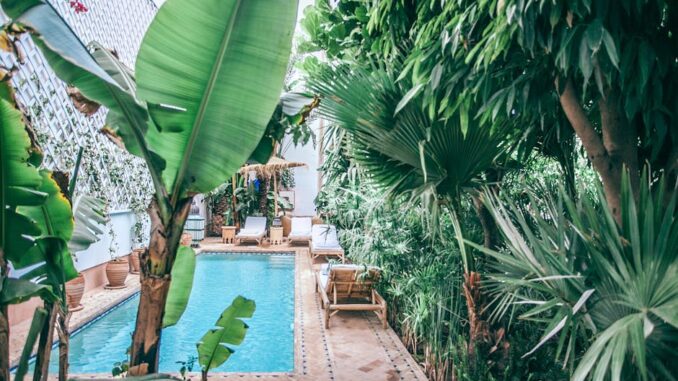
Transform your home into a personal wellness retreat with an orangery by Elegancia.
The Foundational Elements: Light, Air, and Nature’s Embrace
1. Harnessing the Power of Natural Light and Optimizing Airflow
Natural light, my friends, isn’t merely a decorative feature; it’s an indispensable cornerstone of human well-being. Think about it: our bodies are intrinsically linked to the rhythms of the sun. Exposure to ample natural light helps regulate our circadian rhythms, the internal clock that dictates our sleep-wake cycles, ensuring we feel alert during the day and can wind down effectively at night. Beyond that, it’s a profound mood booster, stimulating the production of serotonin, often dubbed the ‘happy hormone.’ It even plays a crucial role in Vitamin D synthesis, which is vital for bone health and immune function. Ever felt a little sluggish or ‘off’ during the darker months? That’s often a sign your body craves more light, something known as Seasonal Affective Disorder, or SAD.
To truly maximize the sunlight pouring into your orangery, you’ll want to consider the glazing. Large windows and glass doors are a given, but a bit of savvy can go a long way. Look into high-performance glass with low-emissivity (low-e) coatings. These specialized panes allow visible light to pass through while reflecting unwanted heat, keeping your space comfortable year-round, not just a scorching greenhouse in summer. You might also explore self-cleaning glass – a real game-changer, believe me – which has a microscopic coating that breaks down dirt, letting the rain wash it away. Less cleaning for you means more time enjoying your zen space, doesn’t it?
And what about the air? Natural, fresh air circulating freely is just as vital. It’s not enough to simply open a window; we’re aiming for optimal airflow. Think about cross-ventilation, designing your space so that air can enter on one side and exit on another, creating a gentle, continuous breeze. This isn’t just about comfort; it’s about continually flushing out stale air, reducing indoor air pollutants, and introducing life-giving oxygen. Consider installing roof vents or even stylish ceiling fans, especially those with reversible blades, to help circulate air efficiently throughout the seasons. The constant, subtle movement of air can feel incredibly refreshing, almost like a soft whisper from the garden, you know?
This deliberate connection to the outdoors, both visually and atmospherically, taps into what’s known as biophilic design – an architectural approach that integrates nature into the built environment. It’s about more than just a pretty view; it’s about consciously fostering a deeper connection to the natural world, which researchers have consistently linked to reduced stress levels, improved mental clarity, and an overall enhanced sense of well-being. For instance, my colleague, Sarah, a dedicated but often overwhelmed professional, transformed her dated orangery into a bright, sun-drenched yoga studio. She strategically placed two large sliding glass doors that completely disappear into the walls when open, blurring the lines between her indoor practice space and her beautifully manicured garden. The abundant natural light, coupled with the gentle, fresh breezes, hasn’t just improved her mood; she swears it’s given her an energy boost she never thought possible, a sense of grounding that’s invaluable after a long week of deadlines and demands.
2. Bringing Green Life Indoors: The Power of Plants
Plants, my friends, are so much more than mere decorative accents; they are living, breathing air purifiers and natural mood enhancers. They offer a silent, verdant embrace that instantly makes a space feel more alive, more inviting. Beyond their aesthetic appeal, their health benefits are surprisingly robust. Remember the famous NASA Clean Air Study? It highlighted how certain houseplants are incredibly efficient at removing volatile organic compounds (VOCs) like formaldehyde, benzene, and trichloroethylene from the air, chemicals often found in common household products and furnishings. Moreover, plants naturally increase humidity, which can be a boon for respiratory health, particularly in drier climates or during winter months when indoor heating can strip moisture from the air.
When selecting your green companions for an orangery, you’ll want to choose varieties that thrive in indirect but consistent light, and ideally, those that don’t demand constant fussing. Low-maintenance options are your best bet. Think about the hardy Snake Plant (Sansevieria trifasciata) – almost impossible to kill, even for those of us without green thumbs – or the elegant Peace Lily (Spathiphyllum), which even tells you when it’s thirsty with a dramatic droop! Other fantastic choices include ZZ Plants, Pothos, Spider Plants, and even certain types of ferns like the Boston fern, which is particularly good at humidifying. Consider their mature size, too. A large Fiddle Leaf Fig or a majestic Bird of Paradise can create a stunning focal point, whilst smaller clusters of succulents or air plants can bring intricate detail to shelves or tables. Don’t forget hanging plants like String of Pearls or Trailing Pothos; they add a wonderful dimension and visual interest, drawing the eye upwards.
But the benefits extend beyond air quality. The mere presence of greenery has a profound psychological impact. Studies consistently show that interacting with plants or even just being in their vicinity can reduce anxiety, lower blood pressure, and promote a sense of tranquility and focus. It’s a subtle but powerful form of therapy, really. Take Mark, for instance. He transformed his orangery by adding a diverse array of indoor plants. He’s got a large Kentia Palm in one corner, several smaller succulents on a tiered plant stand, and a beautiful Monstera Deliciosa climbing a moss pole. He even included a few vibrant orchids. The sheer amount of greenery, he says, has made his space feel incredibly inviting and profoundly peaceful, a true escape from the concrete jungle just outside his front door. It’s his secret weapon against the Monday blues, you might say.
Designing for Purpose and Peace: Form Meets Function
3. Crafting a Multi-Functional Oasis: Zones for Every Need
One of the greatest strengths of an orangery, often overlooked, is its inherent versatility. This isn’t just a room; it’s a flexible canvas ready to serve multiple purposes, each tailored to a specific wellness practice. You could create a dedicated home gym in one corner, a serene meditation area in another, and a cozy reading nook tucked away by the window. The key here is intelligent zoning. By clearly defining different areas within the space, you ensure each activity has its own comfortable, functional, and aesthetically pleasing habitat.
Let’s break down some popular zones and how you might approach their design:
-
The Mindful Movement Zone (Yoga/Pilates/Meditation): For this area, flooring is paramount. Consider cork or natural wood for a warm, stable, and slightly forgiving surface. Alternatively, large, interlocking foam mats or beautiful, thick natural fiber rugs can define the space. Storage for props – yoga mats, blocks, bolsters, meditation cushions – should be discreet but easily accessible. Think built-in benches with lift-top storage or elegant woven baskets. Soft, dimmable lighting will be essential, allowing you to create a tranquil ambiance for evening practices or gentle stretches.
-
The Invigorating Fitness Zone (Home Gym): If you’re incorporating fitness equipment, choose compact, multi-functional pieces like adjustable dumbbells, resistance bands, or a foldable treadmill. Flooring here should be durable and easy to clean, perhaps rubber tiling or high-quality vinyl. A full-length mirror can be incredibly useful, not just for checking form, but also for making the space feel larger and brighter. Consider a small, portable speaker for motivational music or podcasts.
-
The Serene Reading Nook/Creative Corner: This zone calls for ultimate comfort. A plush armchair or a chaise lounge, perhaps with a soft throw, is a must. Ensure you have excellent task lighting – an adjustable floor lamp or a wall-mounted sconce – so you don’t strain your eyes. Built-in or free-standing shelves for books and personal treasures can add warmth and character. If it’s a creative corner, an easel or a dedicated craft table with ample storage for supplies would be perfect. Natural light is, of course, a painter’s best friend.
-
The Focused Work-from-Home Hub: While the orangery is a wellness space, integrating a discreet work area can significantly improve your work-life harmony. Prioritize ergonomics here. An adjustable-height desk and an ergonomic chair are non-negotiable. Smart cable management will keep the space looking tidy and stress-free. If possible, position this zone slightly apart from the more relaxing areas, perhaps using a screen or a tall plant as a subtle divider, helping your brain switch gears between ‘work’ and ‘unwind.’
This deliberate versatility means you can seamlessly transition from an invigorating morning workout to a peaceful afternoon of reading, all without leaving the comfort and beauty of your home. It’s about maximizing every square inch for your personal well-being. Emily, for example, expertly balanced her needs. One half of her orangery houses a sleek, minimalist standing desk and a comfortable office chair, allowing her to work in natural light. The other half is a true meditation corner, complete with floor cushions, a small altar, and soft, indirect lighting. This clever division has dramatically improved her work-life balance, giving her a dedicated space for both productivity and peace, without either encroaching on the other. It really is quite brilliant how she managed it.
4. The Psychology of Color and the Comfort of Natural Materials
Never underestimate the profound impact of color. Color psychology isn’t just some marketing gimmick; it plays a significant, almost primal, role in regulating our moods and emotions. For a wellness haven, you’ll want to gravitate towards soothing hues that evoke calm, rather than stimulating vibrant ones. Soft blues, for instance, are often associated with tranquility, peace, and stability, reminiscent of a clear sky or the ocean. Gentle greens evoke nature, growth, and renewal, fostering a sense of harmony and balance. Neutrals – think warm whites, soft greys, and muted beiges – provide a calming backdrop, allowing other elements in the room to take center stage without overwhelming the senses. Even a very pale, almost lavender purple can be incredibly calming, promoting relaxation and introspection. The trick is to lean into the softer, muted versions of these colors, rather than anything too saturated or intense.
Beyond color, the choice of materials adds layers of warmth, texture, and authenticity to your space. Natural materials are your allies here. Wood, with its organic grain and inherent warmth, instantly grounds a room. Consider light oak for a contemporary feel, or perhaps a richer walnut for a touch of timeless elegance. Bamboo, too, offers a sustainable and beautiful option. Stone, whether it’s a cool slate floor or a textured travertine wall, introduces an earthy, durable element. Don’t forget natural fibers for furnishings and textiles: linen drapes that softly filter the light, wool throws draped over a chair, or cotton cushions that invite you to sink in. These materials engage our tactile senses, providing a comforting, organic experience that synthetic alternatives simply can’t replicate. They tell a story, too, of craftsmanship and nature, don’t they?
And let’s not overlook lighting beyond the natural brilliance. Layered lighting is essential for creating versatile ambiances. You’ll need ambient lighting for general illumination, task lighting for specific activities (like reading), and accent lighting to highlight features or create mood. Dimmers are absolute non-negotiables. They allow you to shift from bright, energetic light to soft, subdued glow in an instant. Pay attention to the color temperature of your light bulbs; warmer temperatures (around 2700K-3000K) create a cozy, inviting atmosphere, whereas cooler temperatures (4000K+) tend to be more stimulating and better suited for task-oriented areas. James, for instance, painted his orangery walls in a beautiful, soft sage green, a shade that changes subtly with the shifting daylight. He added a large, raw-edge wooden coffee table and several woven jute rugs. The combination of the calming color, the tactile natural materials, and the thoughtful lighting choices has made his orangery feel incredibly grounded and deeply relaxing, a perfect spot to unwind after a long day of navigating the corporate maze.
Sensory Enhancements and Practical Comforts
5. Integrating Water Features: The Gentle Symphony of Serenity
The sound of water, that gentle gurgle or rhythmic trickle, holds an almost universal calming effect on the human mind. It’s truly remarkable, isn’t it, how something so simple can instantly transport us to a more peaceful state? Integrating a water feature into your orangery can be a transformative addition to your wellness sanctuary. The gentle flow of water acts as a natural white noise, subtly masking the distracting sounds of the outside world – traffic, neighbors, even the hum of your own thoughts. This allows for deeper concentration during meditation, uninterrupted reading, or simply a more profound sense of quietude.
Beyond the auditory benefits, water features also add visual appeal and can even contribute to the room’s humidity, which as we discussed, can be beneficial. You have a few options to consider. A small tabletop fountain is a popular and accessible choice, often easy to move and requiring minimal setup. For something more dramatic, a sleek water wall or a self-contained floor-standing fountain can create a stunning focal point. If your orangery connects directly to the garden, you might even consider an outdoor pond or water feature that’s visible through the glass, extending that sense of serene natural beauty. Maintenance is key here: ensure you clean your feature regularly to prevent algae buildup and keep the water fresh. Distilled water can help prevent mineral deposits, keeping your feature sparkling. Lisa installed a beautifully crafted tabletop fountain in her orangery, nestled amongst some lush ferns. She tells me the soothing, rhythmic sound of the water has become her absolute favorite background noise, especially during her morning meditation sessions, claiming it helps her ‘drop into the present moment’ much faster. It’s a testament to the power of subtle sensory input, I think.
6. Prioritizing Comfort and Ergonomics: An Invitation to Linger
What’s a wellness haven if it isn’t supremely comfortable? Comfort isn’t a luxury here; it’s an absolute necessity. You want to create a space that actively invites you to spend time in it, to truly linger, to settle in and let go. This means investing in ergonomic furniture that not only looks good but genuinely supports your posture and well-being, especially if you plan to use the space for extended periods of reading, working, or simply relaxing. An uncomfortable chair, a stiff back, a kink in the neck – these are instant mood disruptors, aren’t they?
Think beyond just aesthetics. When choosing seating, consider options that cater to different needs. A plush, deep-seated armchair with excellent lumbar support is perfect for reading. For meditation or gentle stretching, perhaps some high-quality floor cushions or even a specialized meditation bench. If you’re incorporating a workspace, an ergonomic desk chair with adjustable height and armrests is non-negotiable. Pair it with an adjustable-height desk – allowing you to alternate between sitting and standing – which can significantly reduce sedentary time and improve energy levels. Consider the flooring too; while natural stone or wood might be beautiful, a soft, plush rug or a sheepskin throw strategically placed can add immense underfoot comfort and warmth, particularly if you’re often barefoot. Don’t forget about temperature control! Efficient heating and cooling systems are vital for year-round comfort. Smart thermostats, for instance, can learn your preferences and optimize the environment, ensuring it’s always just right. Tom, for example, invested in a fantastic reclining chair that offers full lumbar and neck support, along with an adjustable standing desk for his occasional work-from-home days. He says his orangery has become his absolute preferred spot for reading, creative thinking, and simply unwinding, precisely because every piece of furniture is designed for ultimate comfort. He’s literally engineered his space for relaxation and productivity, which is smart, really.
7. Embracing Aromatherapy: Scents of Serenity and Vitality
Our sense of smell is incredibly powerful, directly linked to the limbic system of our brain, which governs emotion and memory. This is why a particular scent can instantly transport you back in time or profoundly alter your mood. Aromatherapy, the practice of using natural plant extracts (essential oils) for therapeutic purposes, is therefore a potent tool for enhancing the atmosphere of your wellness orangery. These oils, extracted from flowers, leaves, bark, and roots, each possess unique properties that can calm, uplift, invigorate, or clarify.
For relaxation and unwinding, lavender is a classic choice, renowned for its soothing and sleep-promoting qualities. Frankincense can promote feelings of peace and spiritual connection, while chamomile is wonderfully calming. If you’re looking for an energy boost or improved focus, citrus oils like lemon, wild orange, or grapefruit are incredibly uplifting and clarifying. Peppermint can sharpen concentration, and eucalyptus is fantastic for respiratory support, particularly if you’re feeling a bit congested. You’ve got a few methods for dispersion. An ultrasonic diffuser is popular, quietly dispersing a fine mist of essential oil and water into the air. Nebulizing diffusers are waterless and create a more intense aromatic experience. For a quick refresh, a simple room spray or even essential oil rollerballs for personal application can be used. Just a friendly word of caution: always use high-quality, pure essential oils, and be mindful of pets and children, as some oils can be toxic to them. Always do your research! Rachel makes fantastic use of aromatherapy in her orangery. In the mornings, she might diffuse a blend of lemon and peppermint to invigorate her mind before starting her day. But come evening, it’s always lavender or frankincense in the diffuser, helping her transition from the day’s stresses into a state of deep relaxation and preparing her for a restful night. It’s like she’s curated a scent journey for her well-being, which I think is a rather clever approach.
Cultivating Clarity: Order, Mindful Tech, and Personal Expression
8. Maintaining a Clutter-Free Environment: Clarity for the Mind
Let’s be honest: a cluttered space inevitably leads to a cluttered mind. It’s a universal truth, isn’t it? When your physical surroundings are disorganized, it creates visual noise, demands your attention, and can significantly contribute to feelings of stress, anxiety, and even reduced focus. For a space dedicated to wellness, maintaining a clean, organized, and clutter-free environment isn’t just about aesthetics; it’s fundamental to fostering inner peace and mental clarity.
Regular decluttering should become a ritual, not a chore. You don’t need to tackle everything at once; even small, consistent efforts make a huge difference. Adopt practices like the ‘one in, one out’ rule for new items, or schedule a monthly ‘reset’ session for your orangery. The goal is to create visual calm, allowing your eyes and mind to rest. Invest in smart storage solutions: built-in cabinetry that blends seamlessly with the architecture, elegant storage benches, or stylish woven baskets and bins that can hide away yoga props, blankets, or books. Floating shelves can be great for displaying a few cherished items without adding bulk. Think minimalist furniture designs that offer clean lines and don’t overwhelm the space. The less ‘stuff’ you have vying for your attention, the more capacity your mind has to engage in mindfulness, creativity, or simply serene contemplation. Alex, for example, has a strict policy for his orangery. He schedules a monthly decluttering session, ensuring every item has a designated home. He’s opted for furniture with hidden storage and keeps decorative items to a minimum. This discipline ensures the space remains a pristine sanctuary for relaxation, a place where his mind can truly breathe, unburdened by visual distractions. It makes a massive difference, he says.
9. Incorporating Technology Mindfully: Tools, Not Distractions
In our hyper-connected world, it’s easy for technology to creep into every corner of our lives, often bringing with it a torrent of notifications, distractions, and the ever-present temptation of endless scrolling. While technology can undoubtedly enhance functionality, particularly in a modern home, it’s crucial to integrate it mindfully into your wellness orangery. The primary goal of this space is relaxation and mindfulness, not constant digital stimulation.
Consider implementing a ‘digital detox’ policy for your orangery. Make it a screen-free zone, or at least a ‘mindful screen use’ zone. Leave your smartphone in another room when you enter, allowing yourself to truly disconnect and be present. That said, technology can support your wellness journey when used intentionally. Think about smart lighting systems that allow you to adjust brightness and color temperature with a voice command, or a high-quality speaker for playing calming meditation music or nature soundscapes. A dedicated tablet for guided meditation apps might be acceptable, provided it’s used solely for that purpose and isn’t a gateway to social media or email. If you must use a computer, ensure your screen has a blue light filter to minimize its impact on your circadian rhythm, especially in the evenings. The key is to ensure technology serves to enhance the peaceful ambiance, rather than disrupt it. Maria, for instance, uses her orangery exclusively for yoga and meditation. Her phone stays in the kitchen. If she uses a meditation app, it’s on a small, old tablet that has no other functions or internet access, ensuring she can truly disconnect and immerse herself in her practice without the constant pull of notifications. She’s created a digital buffer, you see, which I think is incredibly smart in today’s always-on world.
10. Personalizing Your Space: Your Story, Your Sanctuary
Finally, and perhaps most importantly, your wellness orangery must feel uniquely yours. This isn’t just about following design trends; it’s about infusing the space with your personality, your memories, and the things that genuinely bring you joy and a sense of calm. Personalization fosters a deeper, more profound connection to the space, elevating its role from a mere room to a true extension of your inner self. This is where the true magic happens, where it transforms from ‘an orangery’ into ‘your sanctuary.’
Go beyond just hanging a few pictures. Think about creating a small ‘altar’ or a sacred space with objects that hold personal meaning for you – perhaps a smooth stone from a favorite beach, a small statue that inspires you, or a meaningful quote framed beautifully. Display artwork that resonates deeply, whether it’s an abstract piece that evokes calm or a landscape that reminds you of a cherished memory. Place family photographs, not just any, but ones that capture moments of genuine joy and connection. Incorporate sensory items that you love: a beautifully textured ceramic vase, a unique piece of pottery, a collection of intriguing seashells, or even a soft, plush throw in your favorite color. Curate a small library of books that inspire you, that encourage growth and reflection. The goal is to surround yourself with items that tell your story, that evoke positive emotions, and that make you feel truly at home and at peace. David, for example, has filled his orangery with art pieces he’s collected from his travels, each one sparking a specific memory of adventure and wonder. On his shelves, nestled amongst his favorite poetry books, are framed photos of his children laughing, and a small, smooth piece of driftwood he found on a particularly memorable hike. He says these personal touches make his orangery feel like a true reflection of his journey and his spirit, a place where he can genuinely recharge and reconnect with what matters most to him. It’s not just a room; it’s a living memoir of his happiest moments, which is a wonderful way to approach a personal sanctuary, don’t you think?
Cultivating Your Haven: A Final Thought
Transforming your orangery into a dedicated wellness haven is more than just a home improvement project; it’s an investment in your mental, physical, and emotional health. By thoughtfully integrating these elements – embracing natural light and air, inviting green life indoors, designing for multi-functionality, selecting calming aesthetics, incorporating soothing water features, prioritizing comfort, engaging aromatherapy, maintaining order, using technology mindfully, and deeply personalizing the space – you create an environment that actively supports your well-being. It becomes a place where you can truly unwind, recharge, find focus, and nurture your soul. Remember, the ultimate goal isn’t just a beautiful room, it’s a personal sanctuary that resonates with you, encouraging you to consistently dedicate time to yourself, to pause, and to simply be. It’s a space that doesn’t just look good, but makes you feel good, and that, my friends, is truly priceless.
The discussion on personalized sanctuaries is intriguing. How might adaptable design elements, like modular furniture or easily changeable décor, enhance the ability to modify the space to suit evolving wellness needs and preferences over time?
That’s a fantastic point! Adaptability is key. Modular furniture and easily changeable décor definitely allow us to tailor the space to our evolving needs. Think about incorporating storage solutions that can be reconfigured or wall art that can be easily swapped. It ensures the sanctuary remains relevant and supportive throughout different phases of life.
Editor: ElegantHome.News
Thank you to our Sponsor Elegancia Homes
The integration of biophilic design to reduce stress levels is fascinating. How might the specific geographic location and climate influence the selection of plants and the overall design to maximize these benefits year-round?
That’s a really insightful question! Considering the local climate is crucial for long-term success. Plant selection should definitely prioritize native or well-adapted species. Design elements, like shading or ventilation, can then be optimized for seasonal changes. Thanks for sparking this important point, it helps extend the discussion beyond a one-size-fits-all approach!
Editor: ElegantHome.News
Thank you to our Sponsor Elegancia Homes
The discussion of color psychology is interesting. Exploring color temperature in lighting design can also profoundly influence mood and energy levels within the orangery, complementing natural light to enhance the sanctuary effect.
That’s such a great point about color temperature! It’s amazing how subtly adjusting the warmth or coolness of the light can amplify the natural light and shift the mood of the space. I am glad that you highlighted the importance of good lighting in the orangery.
Editor: ElegantHome.News
Thank you to our Sponsor Elegancia Homes
The point about multi-functional zones is compelling. What considerations are important when integrating digital technologies into these zones to support, rather than detract from, mindful activities?
That’s a great question! When integrating tech in multi-functional spaces, prioritize user experience. For example, lighting and temperature controls can be adjusted by voice or app, optimizing settings without disrupting activities. A minimalist design is also key! What are some other ways to make technology a tool and not a distraction?
Editor: ElegantHome.News
Thank you to our Sponsor Elegancia Homes
“A ‘digital detox policy’ – that’s a fantastic idea! I might need to set up an electric fence around my orangery to keep my phone out… maybe train a guard dog to sniff out rogue devices? Or perhaps just hide it in the citrus trees and hope for the best. It’s a jungle out there.”
Haha, the electric fence idea is definitely one way to enforce that digital detox! Maybe a less shocking approach could be a designated charging station outside the orangery? This gives devices a home while keeping the sanctuary tech-free. It sounds like we all need to find creative ways to tame the digital jungle sometimes!
Editor: ElegantHome.News
Thank you to our Sponsor Elegancia Homes
The idea of incorporating water features for their calming sounds is quite appealing. Consider also the benefit of increased humidity, particularly for those plants that thrive in more moisture-rich environments. It creates a microclimate conducive to both relaxation and plant health.
That’s a wonderful point about the increased humidity benefitting plants! It really enhances the whole ecosystem within the orangery. Thinking about pairing specific plants with water features to create that perfect microclimate is a great way to take the wellness aspect to the next level. Thanks for sharing!
Editor: ElegantHome.News
Thank you to our Sponsor Elegancia Homes
The point about zoning for different needs is so important. Beyond the examples provided, consider how flexible screens or curtains could further delineate spaces for privacy or to adjust the ambiance quickly.
That’s a brilliant addition! Flexible screens or curtains are perfect for instantly transforming the mood and function of a zone. Think sheer fabrics to soften light for yoga or blackout curtains for deep relaxation. It’s all about creating adaptable spaces that cater to our ever-changing needs. Thanks for sharing!
Editor: ElegantHome.News
Thank you to our Sponsor Elegancia Homes
An *electric fence* for digital detoxing? Hilarious! But seriously, what about a “tech amnesty box” near the entrance? First one in gets bragging rights…or maybe just a less-stressed nervous system? Does it come with a prize?
That “tech amnesty box” is a brilliant idea! Maybe the prize is simply the peace of mind. We could even turn it into a game – longest tech-free stretch wins bragging rights and a reward. It is such a challenge to disconnect these days. Great suggestion!
Editor: ElegantHome.News
Thank you to our Sponsor Elegancia Homes
The mindful technology aspect is interesting, especially the idea of a “digital buffer.” Perhaps designating specific times for technology use within the orangery, rather than a complete ban, could also be a sustainable approach.
Thanks! I agree, a complete ban can be tough. Allocating specific times for tech is a great balance. Maybe certain hours for focused work or creative projects that benefit from digital tools, then tech-free time for relaxation and mindfulness. It’s about mindful integration, not outright rejection. What are your thoughts on apps that promote focus?
Editor: ElegantHome.News
Thank you to our Sponsor Elegancia Homes
That’s an interesting idea about scent journeys. Perhaps we could install an automated essential oil diffuser that coordinates with our smart lighting, creating a fully immersive multi-sensory experience? Is that going too far?
That’s a really creative extension of the aromatherapy idea! I love the thought of linking the scent profile to the lighting. Maybe different scent and light ‘scenes’ could be programmed for different times of day or activities. A ‘wake up’ scene with citrus and energizing light, or a ‘wind down’ scene with lavender and soft amber light. Thanks for the inspiration!
Editor: ElegantHome.News
Thank you to our Sponsor Elegancia Homes
The “scent journey” idea with aromatherapy is compelling. Could scent layering enhance the experience? Perhaps a base scent for the room with options to add other scents to target specific moods or intentions, much like creating a personal fragrance.
That’s a brilliant idea! Scent layering could create truly personalized aromatherapy experiences. A neutral base scent with custom additions for mood management would give a lot of control. Imagine a curated ‘scent wardrobe’ for your orangery. This enhances the experience!
Editor: ElegantHome.News
Thank you to our Sponsor Elegancia Homes
The integration of aromatherapy is compelling. Is there a particular essential oil blend that complements the specific plants recommended for the orangery environment, enhancing both the scent profile and plant health?
That’s a fantastic question! I hadn’t considered the synergy between essential oils and specific plants. I wonder if a blend with cedarwood and pine would complement ferns and evergreens, perhaps even deterring pests naturally! It is a very interesting idea.
Editor: ElegantHome.News
Thank you to our Sponsor Elegancia Homes
Given the link between scent and memory, could personalized aromatherapy diffusers, activated by geolocation upon entering the orangery, trigger positive memories to further enhance the sense of sanctuary?
That’s a fascinating idea about geolocation-activated aromatherapy! The technology could personalize the experience even further by linking specific scents to activities within the orangery. So when you enter to meditate, a calming scent would activate, and when you enter to work out, a more invigorating scent activates.
Editor: ElegantHome.News
Thank you to our Sponsor Elegancia Homes
That’s a great point about clutter affecting mental clarity. Thoughtfully curated storage solutions can certainly contribute to the overall aesthetic and promote a sense of calm. Have you seen any innovative storage designs that particularly lend themselves to orangery environments?
Thanks! I’m fascinated by storage that blends seamlessly. I’ve seen vertical gardening systems with built-in shelving – they are amazing. Also, modular systems using natural materials like bamboo, creating a calming aesthetic while maximizing space are very interesting. Have you spotted any cool storage trends lately?
Editor: ElegantHome.News
Thank you to our Sponsor Elegancia Homes
I appreciate the emphasis on natural materials, particularly the suggestion of using stone like slate or travertine. Have you considered using these materials not just for floors or walls, but also incorporated into custom-built planters or even small water features?
That’s a fantastic idea! Incorporating stone into custom planters and water features would truly amplify the natural aesthetic and create a cohesive, organic feel. I can imagine a beautiful travertine planter overflowing with greenery or a slate-lined water feature adding a touch of rustic elegance. Thank you for the suggestion! It opens new creative avenues!
Editor: ElegantHome.News
Thank you to our Sponsor Elegancia Homes
Given the emphasis on clutter-free spaces, have you explored storage solutions that incorporate biophilic elements, such as living walls with integrated shelving or planters that double as organizational tools?
That’s a wonderful idea! Blending storage with biophilic design really enhances the sense of calm. It reminds me of the concept of a ‘living pantry’ I saw recently – herbs and vegetables displayed beautifully, becoming part of the decor while being readily accessible for cooking. Has anyone tried a similar edible storage solution?
Editor: ElegantHome.News
Thank you to our Sponsor Elegancia Homes
Natural light for the win! Imagine strategically placed mirrors to bounce that sunlight around like a joyful game of tag. Suddenly, the orangery’s bathed in even more golden goodness. I wonder if anyone’s experimented with holographic projections of outdoor scenes for overcast days?
That’s a brilliant idea about using mirrors! It is amazing how effectively they amplify light. Also, holographic projections are a fascinating concept! They could create a dynamic and immersive atmosphere, like having a virtual garden view regardless of the weather outside. Thanks for the great input!
Editor: ElegantHome.News
Thank you to our Sponsor Elegancia Homes