
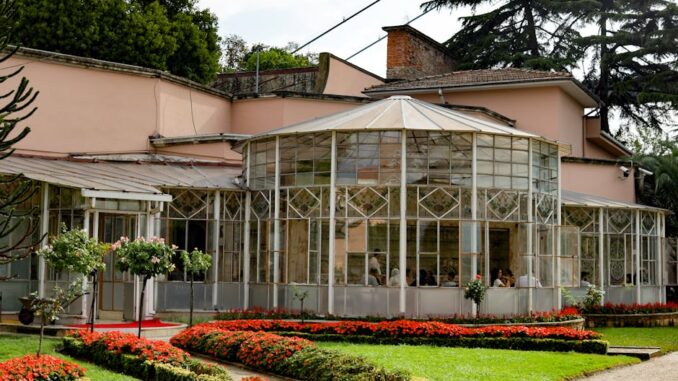

Crafting Your Dream Orangery: Unlocking the Costs and Maximizing Your Investment
Imagine stepping into a space where the boundaries between your home and garden blur, where natural light floods in, and the seasons unfold before your eyes, almost as if nature is putting on a personal show just for you. That’s the undeniable allure of an orangery—a magnificent structure that doesn’t just extend your living area; it profoundly elevates your entire home environment and garden enjoyment. But before you embark on this exciting, transformative journey, it’s absolutely essential to get a firm grasp on the financial commitment involved and, perhaps more importantly, the myriad of factors that influence those costs. Trust me, a little foresight here saves a lot of headaches later on.
Unveiling the Layers of Orangery Costs: More Than Just Four Walls and a Roof
Let’s be candid: the price tag of an orangery isn’t some fixed figure; it’s a dynamic beast, fluctuating wildly based on a multitude of critical decisions you’ll make along the way. Think of it less like buying a car off the lot and more like commissioning a bespoke suit—every stitch, every fabric choice, every measurement impacts the final figure.
The Fundamental Impact of Size and Layout
It stands to reason, doesn’t it? A larger orangery demands more materials, more complex engineering, and a greater investment of skilled labor, which naturally escalates the overall cost. But it’s not just about square footage. The shape and height also play pivotal roles.
- Size Matters: A modest, intimate orangery, perhaps a cozy 3m x 3m retreat, might typically find itself in the £15,000 to £25,000 ballpark. This size often serves beautifully as a breakfast nook or a quiet reading corner. Scale up to a more generous 4m x 4m space, suitable for a dining area or a more expansive lounge, and you’re likely looking at a range of £25,000 to £35,000. These figures are, of course, starting points, a helpful guide as you begin to envision your space, as per insights from bestpricevalue.com.
- Beyond the Square: Consider the layout itself. A simple rectangular footprint is usually the most cost-effective. However, if your vision includes an L-shaped design to wrap around an existing part of your home, or a more intricate, multi-faceted structure, expect those costs to climb. Each corner, each additional angle, adds complexity to the foundation, the roof, and the glazing.
- Vertical Ambition: The height of your orangery also contributes significantly. A higher structure means more wall materials, taller glazing panels (which can be pricier to source and install), and often necessitates more robust structural support. Do you dream of soaring ceilings or a more intimate, lower-profile extension? This decision will subtly, but surely, impact the budget.
Material Matters: The Fabric of Your Orangery
This is where a substantial chunk of your budget will live, and it’s a decision that profoundly affects both the aesthetic and long-term performance of your orangery. Choosing the right materials isn’t just about price; it’s about blending durability with design.
- uPVC: The Pragmatic Choice: Unplasticised Polyvinyl Chloride, or uPVC, remains a popular and incredibly budget-friendly option. It’s known for its excellent thermal insulation properties, requiring minimal maintenance once installed—a quick wipe-down usually suffices. uPVC orangeries generally range from £850 to £2,000 per square meter. While highly practical, some might find its aesthetic a little less ‘premium’ than other materials, though modern uPVC finishes can mimic timber quite convincingly. Its color palette tends to be more limited too, although dark greys and greens are increasingly common.
- Timber: The Classic Elegance: For those who crave timeless beauty and a connection to nature, timber is often the material of choice. Wood offers exceptional natural insulation and a warmth that uPVC can’t quite replicate. Costs typically sit between £2,000 and £3,000 per square meter, according to mybuilder.com, but this can vary wildly depending on the type of timber. Hardwoods like oak or mahogany bring a robust, luxurious feel but demand a higher investment and regular maintenance—think annual sanding and re-treating—to keep them looking their best. Accoya, a modified wood, offers impressive durability and stability with less maintenance, bridging the gap somewhat.
- Aluminium: The Modernist’s Dream: Let’s not forget aluminium, a fantastic option for contemporary designs. Its inherent strength allows for incredibly slim sightlines, meaning you get more glass and less frame, maximising light and views. Aluminium is lightweight, remarkably durable, and practically maintenance-free, resisting rust and rot. However, without proper thermal breaks, it can be less thermally efficient than uPVC or timber, potentially making your orangery chillier in winter. Costs are usually competitive with mid-range timber options, often falling between £1,800 and £2,800 per square meter. Many people adore the sleek, crisp finish it provides, perfect for minimalist aesthetics.
- Hybrid Solutions: The Best of Both Worlds? Sometimes, the perfect solution involves a blend. For instance, you might use an aluminium exterior for its durability and slim profiles, paired with a timber interior to retain that warm, natural feel inside. These hybrid systems can offer fantastic performance and aesthetics, though they often sit at the higher end of the cost spectrum.
Design Complexity: The Devil’s in the Details
Oh, how those bespoke touches add up! An orangery isn’t just a box; it’s a piece of architecture, and the level of intricate design you opt for will definitely influence the final price tag. Moreover, what you intend to use the space for shapes the design significantly.
- Bespoke vs. Off-the-Shelf: A standard, pre-designed kit will always be more economical than a fully bespoke structure tailored to your exact specifications. If you envision curved walls, unique pilasters, elaborate cornices, or a truly grand multi-paneled roof lantern, you’re entering the realm of custom craftsmanship, which commands a premium. Think of the difference between a mass-produced sofa and a handcrafted piece; the skill, the time, the materials are all elevated.
- Architectural Flourishes: These are the elements that truly make an orangery sing. Decorative gables, intricate brickwork, specific window and door configurations, or a particularly ornate roof lantern can add considerable expense. The lantern itself, the signature feature of most orangeries, varies hugely in cost depending on its size, material (uPVC, timber, aluminium), and the complexity of its glazing.
- Intended Use and Integration: Will this be a vibrant kitchen extension, demanding robust flooring, extensive electrical outlets, plumbing for a sink, and perhaps specialised ventilation? Or a serene lounge, needing ample space for comfortable furniture, dimmer switches for lighting, and perhaps underfloor heating? Maybe a formal dining room where light and ambiance are paramount, influencing the size and placement of bi-fold or sliding doors. Each purpose brings its own set of requirements, impacting everything from insulation levels to the number of power sockets and the type of flooring—all contributing factors, as consumer-advisory.co.uk points out.
- Integrated Features: Consider advanced glazing (more on this in a moment!), integrated lighting systems, automated roof vents, or sophisticated heating solutions like underfloor heating. Every added convenience or luxury feature, while enhancing the space, naturally adds to the initial outlay.
The All-Important Location: Why Your Postcode Matters
Ah, geography! It’s not just about the view from your new orangery; it’s about the financial landscape of building in your specific area. Regional disparities in both labor and material costs can significantly affect the overall price.
- Labor Rates: Frankly, it’s often more expensive to hire skilled tradespeople in urban hubs like London or the South East of England compared to, say, the North or rural areas. Higher overheads, increased demand, and simply the cost of living in these regions translate directly into higher hourly rates for builders, electricians, plumbers, and glaziers. I’ve seen projects in central London come in 20-30% higher than identical projects just an hour’s drive outside the M25, purely due to labor costs.
- Material Delivery: If your site is remote or difficult to access, expect additional delivery charges for materials. Large glass panels, heavy timber frames, or pallets of bricks all need to be transported, and complex logistics add to the bill.
- Local Planning Nuances: Some local authorities might have stricter planning requirements or longer approval processes, potentially incurring higher fees for architectural drawings or specialist reports. Every council seems to have its own unique quirks, doesn’t it?
The Unseen Costs: Don’t Get Caught Off Guard!
Beyond the headline figures for structure and materials, a host of ancillary costs often lurk, ready to surprise unsuspecting homeowners. A smart planner accounts for these right from the beginning.
- Planning Permission and Building Regulations: This is a big one. While many smaller orangeries can fall under ‘Permitted Development’ rights, avoiding the need for full planning permission, there are strict criteria. Exceeding these, or if your property is listed or in a conservation area, means a full application, complete with council fees, detailed architectural drawings, and potentially structural engineer reports. Even under Permitted Development, you’ll almost certainly need Building Regulations approval to ensure structural integrity, thermal efficiency, and safety. These fees can easily run into hundreds, sometimes thousands, of pounds.
- Site Preparation and Foundations: What’s beneath your proposed orangery? If the ground is uneven, unstable, or requires extensive excavation, you’ll face costs for groundworks, soil removal, and potentially specialist foundations (e.g., piled foundations if the ground is poor). Is there old concrete to break up? Obstacles to clear? And don’t forget good drainage around the new structure!
- Internal Finishes: Once the shell is built, you’ll need to make it beautiful and functional inside. This includes:
- Flooring: Tiles, engineered wood, luxury vinyl—each has its own cost per square meter, plus installation.
- Plastering and Painting: The interior walls and ceiling need a professional finish.
- Electrics: Lighting fixtures (recessed spotlights, pendants), power sockets, perhaps TV points or wiring for smart home tech. An electrician’s time is valuable.
- Heating: Radiators, underfloor heating (electric or wet system connected to your boiler), or even integrated air conditioning units. Each requires professional installation and specific groundwork.
- Window Dressings: Blinds, curtains, or automated shading systems are often necessary for comfort and privacy, especially with so much glass.
- Connecting Services: Plumbing for a radiator or a new kitchen sink, extending your existing electrical circuits, or even connecting new drainage. These require qualified professionals.
- Landscaping Reinstatement: The construction process inevitably impacts your garden. Budget for tidying up, replanting, or even redesigning the immediate area around your new orangery to properly integrate it with the existing landscape.
- VAT: Don’t forget the dreaded 20% Value Added Tax on materials and labor! Always check if quotes are inclusive or exclusive of VAT.
Maximizing Your Orangery Investment: Smart Choices for Lasting Value
Building an orangery is a significant financial outlay, but it’s also an investment that can add substantial value to your property and immeasurable joy to your daily life. To ensure you’re getting the absolute best bang for your buck, a strategic approach is key.
Plan Thoroughly, Vision Clearly
This isn’t a race; it’s a marathon. Rushing the planning phase is the quickest way to end up with regrets (and unexpected costs!).
- Define Your Purpose: Before you even glance at brochures, clearly articulate why you want an orangery. Is it a sun-drenched dining room, a peaceful artist’s studio, a vibrant kitchen extension, or a garden room for year-round relaxation? Having a crystal-clear vision helps you make informed decisions about size, layout, materials, and integrated features. It prevents ‘scope creep’ later on, which is a major budget killer.
- Consider the Flow: Think about how the orangery will integrate with your existing home. Will it feel like a natural extension, or a tacked-on afterthought? How will people move between the old and new spaces? Is the proposed location viable? Sometimes, a slight shift in placement can dramatically improve usability and aesthetic appeal.
- Budget Realistically: Draw up a detailed budget, accounting for all those ‘hidden’ costs we just discussed. And please, please, always set aside a contingency fund—at least 10-15% of your total budget—for those inevitable unforeseen issues that seem to crop up on every building project. It’s not pessimistic; it’s pragmatic.
Prioritise Quality Materials: A Long-Term View
It might feel tempting to skimp on materials to cut initial costs, but I’ve seen countless times how this leads to regret down the line. Investing in quality materials isn’t just about aesthetics; it’s about durability, energy efficiency, and reducing future maintenance headaches.
- Glazing is King: Given that an orangery is essentially a glass structure, the quality of your glazing is paramount. Opt for high-performance double or even triple-glazing with low-emissivity (low-E) coatings. These special coatings help reflect heat back into the room in winter and reject excessive solar gain in summer, keeping your space comfortable year-round. Consider self-cleaning glass for those hard-to-reach roof panels—it’s a small luxury that pays dividends in convenience. A good U-value (a measure of heat loss) for your glass is crucial for energy efficiency.
- Robust Frames: Whether you choose uPVC, timber, or aluminium, ensure the frames are robust, well-engineered, and professionally installed. Weak frames can lead to drafts, heat loss, and structural issues over time.
- Insulation: Beyond the glass, ensure your orangery incorporates excellent insulation in its solid walls, roof, and floor. This significantly impacts heating and cooling costs and ensures comfortable temperatures throughout the seasons. Think about thermal breaks in aluminium frames, too, to prevent cold bridging.
Engage the Right Professionals: Your Dream Team
Your orangery project is only as good as the people building it. This isn’t the time to hire ‘a bloke down the pub’ for a cheap deal. You need experienced, reputable professionals.
- Vetting is Vital: Seek out builders and designers with a proven track record specifically in orangery or high-quality extension projects. Ask for references, view their previous work (if possible), and check online reviews. Look for accreditation with industry bodies. Don’t be afraid to ask probing questions about their experience, their team, and their project management approach.
- Detailed Quotes and Contracts: Insist on comprehensive, itemised quotes that clearly break down all costs. A detailed contract should outline the scope of work, payment schedules, timelines, warranties, and what happens if issues arise. A professional will welcome this transparency.
- Collaboration is Key: A good builder or architect won’t just follow instructions; they’ll offer valuable insights, spot potential issues before they become problems, and help you navigate building regulations. Establish clear lines of communication from the outset.
Embrace Energy Efficiency: Comfort and Savings Combined
An energy-efficient orangery isn’t just about being environmentally conscious; it’s about comfort and long-term financial savings. A drafty, poorly insulated space will be expensive to heat in winter and sweltering in summer, undermining the very purpose of your investment.
- Beyond Glazing (Again!): We touched on this, but it bears repeating. High-performance glazing is non-negotiable. But also consider the thermal performance of the solid elements of your orangery—the dwarf walls, the roof structure, and the floor. Proper insulation here will dramatically reduce heat loss.
- Heating and Cooling Strategies: Think about integrated solutions. Underfloor heating provides a wonderfully even warmth without visible radiators. Consider air conditioning or air source heat pumps if cooling is a major concern, especially in south-facing orangeries. Smart ventilation, perhaps through automated roof vents, can help manage temperature fluctuations passively.
- Shading Solutions: External or internal blinds and automated shading systems can be incredibly effective at managing solar gain, preventing your orangery from becoming a greenhouse on hot summer days. They also offer privacy in the evenings.
The Orangery Lifestyle: A Seamless Blend of Indoor Comfort and Outdoor Splendor
Ultimately, an orangery isn’t just an extension of your home; it’s a beautifully crafted bridge to your garden, a constant invitation to connect with the natural world, regardless of the weather. It truly transforms your daily existence.
Imagine this: you’re sipping your morning coffee, the crisp morning light filtering through the cleverly designed roof lantern, illuminating your space with a gentle, diffused glow. Outside, the rain lashes softly against the windows, or perhaps a gentle snow blankets your garden in white, yet you’re cocooned in warmth, completely comfortable. You watch the seasons unfold, the delicate buds of spring giving way to vibrant summer blooms, the rich tapestry of autumn leaves, and the stark, sculptural beauty of winter’s bare branches. It’s a sensory experience, isn’t it? The scent of damp earth after a summer shower might waft in when you open the bi-fold doors, or you might catch the subtle fragrance of jasmine from a potted plant thriving in the ambient light.
With expansive glass panels, elegant French doors, or modern bi-fold doors that fold away completely, your orangery invites the outside in. It blurs those conventional boundaries, allowing you to host lively dinner parties where guests feel connected to the garden, or enjoy a tranquil afternoon reading with the soothing backdrop of rustling leaves. I find it truly remarkable how these spaces transform a house, lending it a sense of expansiveness and a constant, gentle reminder of the world beyond its walls. It’s more than just space; it’s an entirely new way of experiencing your home and garden.
Conclusion: Your Journey to an Enlightened Living Space
Embarking on the journey to add an orangery to your home is both an exciting adventure and a profoundly rewarding endeavor. By thoroughly understanding the costs involved and meticulously considering the myriad of factors that influence them, you empower yourself to make well-informed decisions that perfectly align with your budget and your ultimate vision. Remember, an orangery is so much more than a mere structure; it’s an investment in lifestyle, a commitment to beauty, and a magnificent gateway to experiencing your garden in a whole new, utterly captivating light. Plan wisely, choose discerningly, and prepare to fall in love with your home all over again.
Be the first to comment