
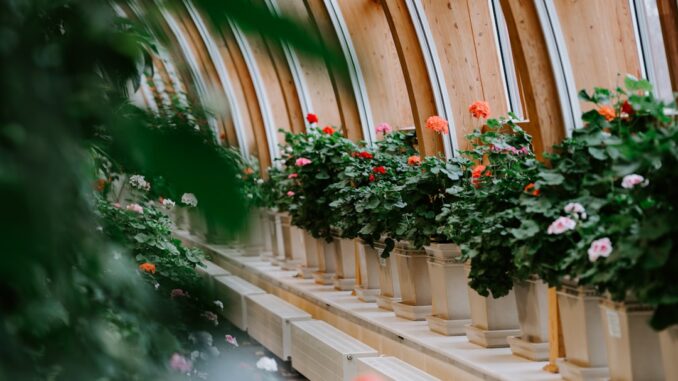

Designing Your Dream Orangery in 2025: A Guide to Blending Timeless Charm with Tomorrow’s Trends
Imagine stepping into a space bathed in natural light, a seamless extension of your home where the boundaries between indoors and out gently blur. That’s the enduring magic of an orangery, isn’t it? In 2025, designing one offers a truly unique opportunity to weave together the architectural elegance of its heritage with the cutting-edge innovations and interior design sensibilities of today. It’s about crafting a sanctuary that’s not just beautiful but also deeply functional, a place that speaks to your soul and adapts to your modern lifestyle. Let’s delve into the pivotal trends shaping these exceptional spaces, ensuring your orangery becomes a breathtaking, relevant, and utterly personal retreat.
1. Biophilic Design: Cultivating a Deeper Connection with Nature Indoors
The hum of modern life, the constant digital flicker – it all conspires to pull us away from nature. This is precisely why biophilic design isn’t just a trend; it’s a fundamental yearning for connection, a design philosophy that brings the outside in, promoting well-being, tranquility, and even cognitive function. For an orangery, a structure inherently designed to embrace the outdoors, this concept feels like coming home.
Why Biophilia Matters for Your Orangery
Think about it: who wouldn’t want to feel calmer, more focused, and generally happier in their own home? Biophilic elements are scientifically proven to reduce stress, improve air quality, and even lower blood pressure. When you design your orangery with biophilia at its core, you’re not just decorating; you’re investing in your mental and physical health. It’s a powerful transformation, truly.
Bringing Biophilia to Life: Actionable Steps
- Embrace the Green: This is the most obvious, yet often underestimated, step. Go beyond a few potted plants. Consider a dramatic living wall, a vertical tapestry of foliage that creates a stunning focal point and acts as a natural air purifier. Imagine the gentle rustle of leaves as a soft breeze drifts through, a whisper of the wild right there with you. If a full living wall feels a bit much, grouping various sizes and types of plants—from towering fiddle-leaf figs to delicate ferns—can create an equally lush, layered effect. Think about planters crafted from natural materials like terracotta, woven rattan, or unpolished stone, reinforcing that organic aesthetic.
- Material Matters: The tactile experience is crucial here. Incorporate natural materials that bring the texture and essence of the outdoors inside. Reclaimed wood for flooring or ceiling beams offers warmth and history, each knot and grain telling a story. Unpolished stone or river pebbles for a subtle border or feature wall, cork flooring underfoot, or even linen and organic cotton textiles for upholstery and drapery all contribute to this authentic, earthy feel. These aren’t just finishes; they’re sensory anchors, grounding the space.
- Maximise Natural Light (and Views!): While an orangery already boasts ample natural light, consider how you can further optimise it. Large, unobstructed windows and doors are a given, but what about skylights or roof lanterns strategically placed to capture morning sun or soft afternoon glows? Furthermore, frame your outdoor views like living art. Is there a majestic oak tree, a vibrant flower bed, or a serene water feature just outside? Ensure your interior layout draws the eye towards these natural spectacles, blurring the line between inside and out entirely.
- Incorporate Water Features: The soothing sound of trickling water is incredibly calming. A small, self-contained water feature, perhaps a polished stone fountain or a minimalist wall-mounted cascade, can add another layer of sensory richness. It introduces that gentle, hypnotic rhythm of nature, perfect for quiet contemplation or creating a serene backdrop for conversation.
- Aromatic Touches: Don’t forget the power of scent! Aromatic plants like jasmine, lavender, or even a small indoor citrus tree can fill your orangery with delightful, natural fragrances. This subtle sensory input enhances the overall biophilic experience, making the space feel truly alive.
I remember working on a client’s orangery project where they were initially hesitant about a substantial indoor water feature. They thought it might be ‘too much.’ But once installed, it became the undisputed heart of the room, its gentle gurgle a constant source of peace. The transformation was palpable, for them and for anyone who visited.
2. Sustainable Materials and Green Features: Building for a Better Tomorrow
Sustainability isn’t just a buzzword in 2025; it’s an imperative. Consumers, like you and me, are increasingly discerning, seeking out choices that reflect environmental responsibility without compromising on style or quality. For your orangery, this means opting for eco-friendly materials and integrating ‘green’ features that not only reduce your carbon footprint but also enhance the long-term liveability and efficiency of the space.
Beyond the Buzz: What Sustainable Design Truly Means
This isn’t just about recycled plastic, though that has its place. True sustainable design considers the entire lifecycle of a material: where it comes from, how it’s manufactured, its durability, and what happens to it at the end of its useful life. It’s a holistic approach, focused on reducing waste, conserving energy, and promoting healthy indoor environments.
Smart, Green Choices for Your Orangery
- Reclaimed and Recycled Woods: Think about the character and story inherent in reclaimed barnwood flooring or upcycled scaffolding boards repurposed into a bespoke console table. These materials not only save trees but also bring a unique patina and history that new wood simply can’t replicate. Similarly, bamboo, a rapidly renewable resource, offers durable and beautiful options for flooring, wall panels, and even furniture.
- Cork: A Quiet Performer: Often overlooked, cork is an incredible sustainable material. It’s renewable, biodegradable, and offers excellent insulation, sound dampening, and a soft, comfortable feel underfoot. It’s perfect for flooring or even accent walls, providing a natural, warm texture.
- Low-VOC Paints and Finishes: The air quality in your orangery is paramount, especially with all that gorgeous natural light. Choose paints, adhesives, and sealants that are low in Volatile Organic Compounds (VOCs). These harmful chemicals can off-gas for years, impacting your health. Many excellent, stylish, and durable low-VOC options are available today, so there’s really no compromise.
- Upcycled and Vintage Furniture: Why buy new when you can give a beautiful piece a second life? Hunting for vintage treasures—be it a mid-century armchair that needs new upholstery or a sturdy old dresser that can be painted a vibrant new shade—is not only sustainable but also allows you to create a truly unique, character-filled space. Plus, you’re investing in craftsmanship that often surpasses modern mass-produced items.
- Green Roofs and Living Walls: Beyond their aesthetic appeal for biophilia, these features offer tangible environmental benefits. A green roof can significantly improve insulation, reducing heating and cooling costs, while also managing stormwater runoff and encouraging local biodiversity. Living walls similarly act as natural insulators and air purifiers, contributing to a healthier microclimate around your home.
- High-Performance Glazing and Smart Shading: Orangeries are all about glass, so the quality of that glass is crucial. Invest in high-performance double or even triple glazing with low-emissivity (low-E) coatings. This minimises heat loss in winter and heat gain in summer. Pair this with automated blinds or intelligent shading systems that can track the sun and adjust accordingly, preventing overheating and glare, all while passively managing your energy consumption.
- Rainwater Harvesting: Consider a discreet rainwater harvesting system to collect water from your orangery’s roof. This water can then be used for irrigating your indoor plants, your garden, or even for non-potable uses like flushing toilets, significantly reducing your mains water consumption. It’s a small change that makes a big difference.
Making sustainable choices often means thinking long-term. While some eco-friendly materials might have a higher upfront cost, their durability, low maintenance, and energy-saving properties often lead to considerable savings and a healthier living environment over time. It’s smart, really, for the planet and your wallet.
3. Smart Home Integration: The Seamlessly Connected Sanctuary
In our increasingly connected world, technology isn’t just for our phones or offices; it’s quietly, seamlessly integrating into our living spaces, making them more intuitive, convenient, and efficient. Your orangery, a modern extension of your home, is the perfect candidate for smart home integration, elevating its functionality to new heights.
The Future is Now: Enhancing Your Orangery Experience
Forget clunky gadgets. Today’s smart home tech is sophisticated yet user-friendly, often controlled via a single app or even your voice. Imagine arriving home to an orangery already at your preferred temperature, with ambient lighting set for relaxation, and your favourite music gently playing. This isn’t science fiction; it’s accessible, everyday luxury.
Intelligent Features for a Modern Orangery
- Smart Lighting Systems: This is arguably where smart tech truly shines in an orangery. App-controlled LED lighting allows for infinitely customizable brightness and colour temperature. Want a vibrant, energizing white for reading? Done. A soft, warm glow for an evening gathering? Easy. Circadian rhythm lighting can even mimic the natural progression of daylight, subtly influencing your mood and sleep patterns. Motion-sensor or occupancy-sensor lighting ensures energy efficiency, illuminating the space only when needed. Plus, integrating them with voice assistants like Alexa or Google Assistant means a simple command can transform the entire ambiance.
- Climate Control Beyond the Thermostat: A smart thermostat is a given, but expand your thinking. Automated blinds or shades, as mentioned earlier, can be programmed to open and close based on sun exposure, time of day, or even internal temperature, preventing overheating or heat loss. Smart vents can direct airflow to specific zones, ensuring comfort without wasting energy. Imagine your orangery automatically adjusting to maintain a perfect 22 degrees Celsius, regardless of the weather outside.
- Integrated Entertainment: Picture a ceiling-mounted projector that descends at the touch of a button, transforming a wall into a cinema screen, or discreet, built-in speakers delivering crisp audio throughout the space. Smart TVs can be hidden behind mirrors or artwork, disappearing when not in use. This level of integration keeps the space clean and aesthetically pleasing, preserving the orangery’s primary charm while offering entertainment on demand.
- Automated Irrigation for Your Greens: For those beautiful biophilic plants, smart irrigation systems are a game-changer. Sensors in the soil can monitor moisture levels, automatically watering plants only when they need it, conserving water and preventing over or under-watering. Some systems even connect to local weather forecasts, delaying watering if rain is expected. It’s plant care made effortless, truly.
- Security and Peace of Mind: Smart locks, integrated security cameras, and smart alarm systems can offer enhanced peace of mind. Monitor your orangery remotely, receive alerts if motion is detected, or even grant temporary access to a delivery person. It’s about feeling secure in your sanctuary, always.
The real beauty of smart integration isn’t just the individual features, but how they work together seamlessly. Creating ‘scenes’ where a single command dims the lights, lowers the blinds, and starts your favourite playlist—that’s the true convenience. It shouldn’t feel like a gadget gallery, but a harmonious extension of your desires.
4. Warm, Earthy Color Palettes: Grounded Serenity
After years of cooler neutrals dominating design magazines and mood boards, 2025 sees a decided shift towards warmth, comfort, and an undeniable connection to the earth. Warm, earthy color palettes are making a profound comeback, replacing stark whites and cold greys with hues that evoke coziness, stability, and a gentle elegance. Your orangery, with its strong natural light, is the perfect canvas for these welcoming tones.
The Psychology of Warmth
These colours—terracotta, soft browns, ochre, warm greys, muted greens—aren’t just visually appealing; they’re psychologically grounding. They remind us of sun-baked earth, natural clay, ancient forests, and autumnal landscapes. Consequently, they create a sense of peace, security, and an invitation to slow down and truly relax. Who doesn’t crave that feeling in their own home?
Embracing the Earth’s Embrace: Colour Choices and Combinations
- Terracotta Tones: This isn’t just for pots anymore! Rich, sun-baked terracotta brings a rustic Mediterranean warmth. Use it on an accent wall, in terracotta-coloured tiles, or through textiles like cushions and throws. It pairs beautifully with natural wood, crisp whites, and deep greens.
- Soft Browns and Taupes: Think mushroom, latte, cocoa, or a beautiful taupe. These aren’t boring browns; they’re sophisticated neutrals that provide a comforting, organic backdrop. They create an incredibly calming base for layering other textures and colors, acting as a quiet anchor in the space.
- Golden Ochre: For a pop of gentle sunshine, ochre is fantastic. It’s a rich, earthy yellow that feels luxurious and inviting without being overly bright. Consider it for a statement armchair, decorative accessories, or even as a subtle undertone in a patterned rug.
- Warm Greys (Greige): If you’re hesitant to completely abandon grey, opt for ‘greige’—a warm grey with beige undertones. Shades like Farrow & Ball’s ‘Elephant’s Breath’ or Little Greene’s ‘Slaked Lime’ offer sophistication without the chill, creating a softer, more inviting atmosphere than cooler, blue-based greys.
- Muted Greens and Deep Blues: As accents, these colours from nature complement the earthy palette beautifully. A sage green or olive green can be introduced through plants, pottery, or soft furnishings, enhancing the biophilic feel. A deep petrol blue or indigo, used sparingly in cushions or artwork, can add a touch of sophisticated drama.
To make this palette sing, focus on layering. Start with a neutral warm base on walls, then introduce richer tones through furniture upholstery, rugs, and decorative items. The key is to create depth and interest without making the space feel heavy. It’s about a gentle embrace of colour, not an overwhelming assault.
5. Pattern Drenching: An Immersive Visual Feast
Forget the fear of too much pattern; 2025 is celebrating a design philosophy known as ‘pattern drenching.’ This isn’t about haphazardly throwing patterns together, but rather a deliberate, immersive enveloping of a space in a single pattern or a carefully curated mix of complementary designs. It’s a bold move, yes, but one that can transform your orangery into a truly sophisticated and visually arresting masterpiece.
The Art of Intentional Abundance
Pattern drenching creates an undeniable sense of cohesion and depth. When done right, it can make a room feel larger, more intriguing, and utterly bespoke. It’s about committing to a visual theme and letting it wash over the entire space, from walls to furniture to accessories. Think of it as painting a truly immersive picture with textiles and prints.
How to Master Pattern Drenching in Your Orangery
- The Unifying Pattern: Choose one primary pattern that you absolutely adore. This could be a large-scale botanical, a geometric design, a classic toile, or an abstract motif. This chosen pattern then becomes the hero, appearing on multiple surfaces. For instance, if you fall in love with a striking floral wallpaper, extend that pattern to custom upholstered cushions, perhaps a lampshade, or even a subtly coordinated fabric panel on a piece of furniture.
- Layering Complementary Patterns: Once you have your hero, introduce secondary patterns that complement it in scale, colour, or theme. The trick is to vary the scale: a large-scale floral wallpaper might be paired with a smaller geometric print on an accent chair and a subtle textured stripe on curtains. Keep the colour palette largely consistent across all patterns to maintain harmony. For example, a palette of muted greens, creams, and soft browns could tie together a floral, a subtle stripe, and a small-scale abstract print.
- Beyond Walls and Furniture: Don’t stop at the obvious. Consider patterned rugs that anchor the space, or even a subtle patterned ceiling treatment. Drapery, pillows, and throws are excellent opportunities to introduce more pattern. Even crockery or decorative objects can carry a simplified version of your chosen motif.
- Introducing Texture as ‘Soft Pattern’: To prevent overwhelming the eye, intersperse your bold patterns with rich, solid textures. A velvet sofa in a deep jewel tone, a boucle armchair, or a hand-knitted throw can provide visual rest while still adding depth and interest. These textures act like a ‘soft pattern,’ creating variation without introducing another visual motif.
- Where to Start: Wallpaper is often the starting point for pattern drenching, providing that immediate, enveloping effect. From there, select fabrics for upholstery and soft furnishings that either match the wallpaper exactly or pick up on its key colours and motifs in a more subtle way.
Pattern drenching requires confidence, but the reward is an orangery that feels incredibly intentional, sophisticated, and deeply personal. It’s an immersive experience that leaves a lasting impression, a true departure from the expected.
6. Textured Walls and Artisanal Finishes: Crafting Depth and Character
In an age of mass production, there’s a growing appreciation for the handmade, the authentic, and the tactile. Textured walls and artisanal finishes in 2025 are all about infusing your orangery with character, depth, and a story. These aren’t just surfaces; they’re expressions of craftsmanship, history, and a connection to natural materials.
The Allure of the Imperfect and Handcrafted
Think about the subtle imperfections of a hand-thrown ceramic pot or the unique variations in natural stone. These qualities are what make a space feel soulful and alive, a stark contrast to the sterile perfection often associated with modern design. By bringing these textures and finishes into your orangery, you create a space that begs to be touched, explored, and appreciated.
Elevating Surfaces: Ideas for Your Orangery
- Limewash and Clay Plaster: Move over, flat paint. Limewash and clay plaster finishes offer incredible depth and a soft, matte appearance with subtle colour variations. Limewash creates a beautiful, mottled effect that changes with the light, giving walls a soft, almost cloud-like quality. Clay plaster, a breathable and natural material, offers a wonderfully earthy, tactile surface. Both contribute to healthier indoor air quality and lend a historic, authentic feel that’s incredibly sophisticated.
- Tadelakt: Moroccan Magic: For areas where durability and a polished, waterproof finish are desired—perhaps a small wet bar or a feature wall—Tadelakt is superb. This traditional Moroccan lime plaster is known for its smooth, slightly undulating surface and lustrous, water-resistant qualities. It’s an artisanal finish that exudes luxury and timelessness.
- Woven Wall Panels: Imagine the warmth and organic texture that grasscloth, raffia, or bamboo woven panels can bring. These natural wall coverings add depth, acoustic benefits, and a subtle pattern that connects beautifully with biophilic themes. They create a serene, almost meditative backdrop, particularly effective in a light-filled orangery.
- Wood Panelling with a Modern Twist: While wood panelling might evoke images of dusty old libraries, 2025’s interpretation is fresh and contemporary. Think slender slatted wood panels for a modern, architectural feel, or elegant tongue-and-groove or shiplap boards painted in a soft, earthy tone. This adds texture and a sense of enclosure without feeling heavy, providing a sophisticated backdrop for plants and furniture.
- Exposed Brick or Natural Stone Veneers: If your orangery’s structure allows, exposing a brick wall or adding natural stone veneers can introduce incredible architectural character. The rugged, authentic texture of brick or stone creates a dramatic contrast with the expanse of glass, grounding the space and adding an industrial-chic or rustic touch.
- Hand-Carved Details and Bespoke Metalwork: Beyond the walls, look for opportunities to incorporate artisanal elements. A hand-carved wooden screen, custom-made patinated bronze planters, or wrought iron details in light fixtures or furniture can add cultural depth and a sense of bespoke luxury. These are the details that truly make a space unique, the kind of things that spark conversation and admiring glances.
These tactile finishes invite interaction, encouraging people to run their hands along a wall or admire the intricate details of a piece. They create an environment that feels rich, lived-in, and deeply connected to the human touch. It’s a celebration of craft, pure and simple.
7. Maximalism Over Minimalism: Curated Abundance with Soul
For a long time, minimalism reigned supreme, dictating clean lines, monochromatic palettes, and a ‘less is more’ philosophy. But in 2025, we’re seeing a glorious resurgence of maximalism – not the cluttered chaos of yesteryear, but a sophisticated, thoughtfully curated abundance that celebrates personality, bold expression, and the joy of collecting. Your orangery, a space often designed for leisure and visual delight, is a fantastic canvas for this rich approach.
The New Maximalism: It’s Not About More, It’s About Meaning
This isn’t about filling every corner with stuff; it’s about surrounding yourself with items you love, pieces that tell your story, and layering them in a way that feels intentional and harmonious. It’s an invitation to embrace colour, pattern, texture, and unique treasures without fear. Isn’t it time our homes reflected our vibrant personalities, rather than sterile perfection?
Crafting Your Maximalist Orangery Oasis
- Embrace Bold Patterns: This is maximalism’s playground. Think oversized floral wallpapers that climb across walls, rich geometric patterns on upholstered furniture, or eclectic animal prints on accent cushions. The key is to mix patterns thoughtfully. You might have a large-scale botanical as your base, then introduce a smaller, complementary stripe or abstract print on a different element. Varying the scale is crucial to avoid visual overload.
- Dive into Rich Colours: Say goodbye to beige. Maximalism thrives on a confident use of colour. Jewel tones like emerald green, sapphire blue, ruby red, and amethyst purple are perfect. Deep forest greens, mustard yellows, and even vibrant oranges (especially apt for an orangery, wouldn’t you say?) can be used on walls, furniture, or in dramatic accents. Layering these colours creates an incredible sense of warmth and luxury.
- Mix Textures Galore: This is where the sensory experience comes alive. Combine velvet upholstery with rattan chairs, silk cushions with chunky knitted throws, polished brass accents with raw timber. The juxtaposition of smooth and rough, soft and hard, shiny and matte, creates a visually and tactilely exciting environment.
- Statement Pieces with Personality: This is your chance to shine a spotlight on those unique finds and beloved objects. A large, abstract piece of art, a vintage bar cabinet, a collection of unique ceramic vases, or a quirky sculpture – these are the anchors of a maximalist space. Don’t be afraid of large-scale items; they often make a room feel grander.
- Layer, Layer, Layer: Think about how you dress; maximalism applies a similar principle. Layer rugs over bare floors (perhaps a patterned rug over a plain sisal), stack books artfully, arrange multiple cushions and throws on a sofa, and display collections of objects on shelves and tables. Each layer adds depth and personality.
- Curated Collections: This isn’t clutter. It’s about displaying your passions. Whether it’s a collection of travel souvenirs, antique maps, or rare botanical prints, arrange them thoughtfully. Grouping similar items together, or creating a gallery wall, can bring order to abundance.
I once worked with a client who had a wonderful collection of vintage globes. Instead of tucking them away, we designed bespoke shelving in their orangery to display them, mixing them with vibrant plants and colourful books. It instantly transformed the room from generic to ‘wow,’ telling a fascinating story about the owners. Maximalism, done right, is about making a space feel incredibly alive, a true reflection of the people who inhabit it.
8. Multifunctional Spaces: Adaptability for Modern Living
The way we live has fundamentally shifted. Remote work is more common, living spaces are often at a premium, and our homes need to be incredibly adaptable. Consequently, multifunctional design isn’t just a convenience in 2025; it’s an absolute necessity. Your orangery, with its abundant light and connection to the outdoors, is an ideal candidate for a space that effortlessly morphs to meet varying needs throughout the day, or even week.
The Flexible Orangery: A Space for Every Occasion
No longer can a room serve just one purpose. A well-designed multifunctional orangery can transition from a vibrant home office by day to a serene yoga studio in the afternoon, and then a cozy dining area for evening entertaining. It’s about clever planning and thoughtful selection of furnishings that maximise utility without sacrificing style.
Designing for Dynamic Use
- Clever Furniture Choices: This is the bedrock of multifunctional design. Think about furniture that serves dual purposes: a beautiful console table that expands into a dining table when guests arrive, or a stylish bench that offers both seating and hidden storage. Murphy beds or wall beds are excellent for turning a lounge into an occasional guest room, seamlessly disappearing when not needed.
- Modular and Reconfigurable Seating: Sofas and armchairs that can be easily rearranged to create different zones for conversation, reading, or watching a movie offer immense flexibility. Lightweight, movable pieces are fantastic, allowing you to quickly adapt the layout.
- Built-in Solutions: Integrated storage is your best friend. Bespoke built-in shelving and cabinetry can house office supplies, craft materials, or even serve as a mini-bar, keeping clutter at bay and ensuring a seamless transition between functions. A custom-built window seat could also incorporate storage underneath, perfect for blankets or yoga mats.
- Strategic Zoning with Design Elements: You don’t always need physical walls to define different functions. Use large area rugs to delineate a ‘living’ zone from a ‘dining’ or ‘work’ zone. Varying lighting—perhaps brighter task lighting over a desk area and softer ambient lighting for relaxation—can also subtly guide the eye and change the mood.
- The Power of Color for Intentionality: The original article mentioned orange as a mood-lifter, and it’s absolutely true. A splash of a vibrant colour like orange—perhaps on a desk’s legs, a pop of orange bedding in a Murphy bed scenario, or a collection of orange planters—can make these hybrid spaces feel far more intentional than makeshift. It injects energy and a clear statement of purpose, even if temporary. Other vibrant colours can similarly define zones or add personality.
- Acoustic Considerations: If your orangery is doubling as a home office, consider acoustic panels or soft furnishings that can help absorb sound. This creates a more focused work environment and prevents noise from bleeding into other parts of the home.
- Room Dividers: Sliding screens, decorative folding partitions, or even tall, open shelving units can provide temporary privacy or visually separate areas without making the space feel closed off. They’re fantastic for creating a distinct workspace during the day that can disappear in the evening.
My own orangery, for instance, transforms daily. My easel sits in one corner, catching the morning light for painting. By midday, a fold-out desk appears for my administrative tasks, and in the evening, the space reverts to a cozy reading nook, complete with soft lighting. It’s about making every square foot work harder, smarter, and with greater elegance.
9. Vintage and Retro Revival: A Nod to Timeless Style
Nostalgia is a powerful force, and in 2025, it’s steering interior design towards a celebration of vintage and retro aesthetics. This isn’t about creating a museum; it’s about artfully integrating elements from past decades—particularly mid-century modern and even 70s-inspired glamour—into contemporary interiors. The result? Spaces that feel rich with history, unique character, and an undeniable sense of enduring style.
Why Old is New Again: The Enduring Appeal of Vintage
There’s a solidity, a craftsmanship, and a unique story embedded in vintage pieces that mass-produced items often lack. Plus, opting for vintage is inherently sustainable, giving beautiful objects a second life. It’s a way to imbue your orangery with a unique soul, creating an aesthetic that’s both playful and profoundly sophisticated.
Curating Your Retro-Inspired Orangery
- Mid-Century Modern Marvels (1940s-1960s): This era is still incredibly influential. Look for sleek lines, organic forms, and rich woods like teak and walnut. Iconic pieces by designers like Eames, Jacobsen, and Saarinen are highly sought after, but even reproductions or lesser-known pieces can capture the essence. Think clean-lined sideboards, sculptural armchairs with tapered legs, and Sputnik chandeliers. Upholstery often features subtle geometric patterns or vibrant, solid colours like mustard, teal, or avocado.
- Groovy 70s Glam (1970s): The 70s are making a surprisingly chic comeback, moving beyond the kitsch. This revival embraces bold, graphic patterns (think large-scale florals, geometrics, and abstract swirls), plush velvet upholstery in earthy yet rich tones (burnt orange, deep green, mustard), chrome accents, and even a touch of mirrored surfaces. Curved furniture, shaggy rugs, and statement lighting like arc lamps are hallmarks of this playful, luxurious era.
- Art Deco Touches (1920s-1930s): For a touch of refined glamour, hints of Art Deco can be subtly woven in. This means geometric patterns, luxurious materials like brass, marble, and highly polished wood, often with symmetrical designs. A vintage Art Deco bar cart or a striking geometric mirror can add instant sophistication.
- Sourcing Your Treasures: The thrill of the hunt is part of the fun! Explore antique markets, vintage shops, online marketplaces (Etsy, 1stDibs), and reputable vintage furniture dealers. Don’t be afraid of pieces that need a little love—reupholstering an armchair in a contemporary fabric can give it a fresh lease on life while preserving its vintage charm.
- Mixing Old with New: The magic truly happens when you blend vintage pieces with contemporary elements. A sleek, modern sofa can be perfectly complemented by a pair of mid-century armchairs. A minimalist dining table can be surrounded by vintage wooden chairs. This creates a layered, dynamic look that feels current yet timeless.
- Retro Accessories and Art: Don’t forget the smaller details. A vintage record player, classic ceramics (think lava glaze or brutalist pottery), bold abstract art from the period, or graphic posters can really solidify the retro vibe. Even the choice of houseplants, like a spider plant or a large Monstera, can nod to these eras.
My personal favourite has to be mid-century lighting; those sculptural forms cast such incredible light and shadow, they’re like functional art. Finding an original piece for your orangery can truly elevate the entire space, giving it a soul that’s simply impossible to replicate with new items.
Creating Your Orangery Masterpiece
So there you have it, a comprehensive look at the trends set to define orangery design in 2025. What’s clear is that the future of these beautiful extensions lies in a rich tapestry of biophilic harmony, sustainable choices, intelligent technology, and deeply personal aesthetics. From the grounding embrace of earthy palettes to the immersive delight of pattern drenching, the tactile pleasure of artisanal finishes, the curated abundance of maximalism, the adaptable brilliance of multifunctional spaces, and the soulful charm of vintage finds, there’s a trend for every taste.
Don’t view these as rigid rules, though. Instead, consider them a vibrant palette of ideas, each offering a unique flavour to your project. The most successful orangery will always be one that reflects your personal taste, enhances your lifestyle, and provides a truly unique sanctuary for years to come. So, go on, get inspired, and design an orangery that’s not just on-trend, but timelessly yours.
Be the first to comment