
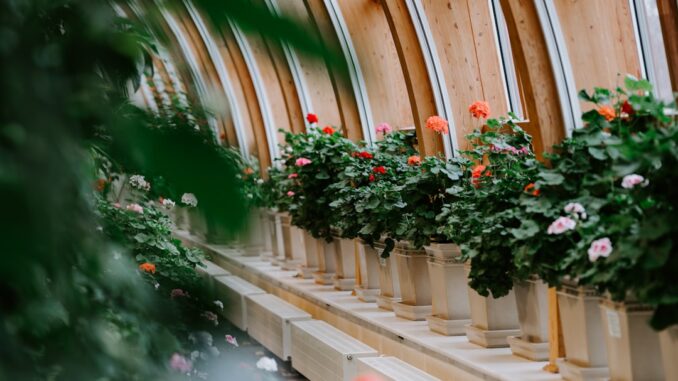

Your Orangery, Reimagined: Crafting a Sanctuary for Mind, Body, and Soul
There’s something inherently special about an orangery, isn’t there? That beautiful space, often bathed in light, bridging the gap between your home’s structure and the wild beauty of your garden. But what if we pushed its potential even further, transforming it from just a lovely room into a genuine sanctuary, a powerful engine for your health and well-being? It’s more than possible; it’s an inspiring journey, a design philosophy that brings together comfort, nature, and thoughtful intention.
In our increasingly fast-paced world, finding pockets of peace at home isn’t just a luxury; it’s a necessity. An orangery, with its unique connection to the outdoors, offers an unparalleled opportunity to create a space that actively nurtures you, helping to de-stress, recharge, and inspire. By thoughtfully weaving together natural elements, masterfully optimizing light, and selecting furnishings with well-being at their core, you’re not just decorating; you’re designing a lifestyle. This guide isn’t about fleeting trends, it’s about crafting a timeless retreat that truly enhances your daily life, a place where you can breathe a little deeper and live a little fuller.
Let’s dive into the practical steps, transforming that lovely orangery into your ultimate haven.
Step 1: Embrace the Earth — Integrating Natural Elements and Biophilic Design
Integrating natural materials into your orangery isn’t merely about aesthetics; it’s a profound commitment to creating a healthier, more grounded environment. This approach, often rooted in the principles of biophilic design, seeks to connect us with nature, recognizing that humans have an innate tendency to gravitate towards natural systems and processes. When we surround ourselves with natural textures and forms, we tap into something primal, something deeply calming. It’s not just about looking good, you see, it’s about feeling good, truly good.
The Allure of Wood
Think about the warmth and character that wooden furniture and flooring bring. It’s undeniable, isn’t it? Wood offers an organic texture that’s both visually appealing and pleasant to the touch. But let’s get specific:
- Reclaimed Timber: Imagine a coffee table crafted from reclaimed oak beams. Each knot, each groove tells a story, infusing your space with history and a wonderfully rustic charm. It’s also an incredibly sustainable choice, giving new life to old materials.
- Lighter Woods: For a brighter, more airy feel, consider Scandinavian-inspired pieces in ash or birch. Their pale tones reflect light beautifully, making the space feel expansive and serene.
- Bamboo: An incredibly fast-growing and sustainable material, bamboo furniture can offer a surprisingly chic, contemporary look. It’s strong yet lightweight, perfect for a relaxed, natural aesthetic.
The tactile experience of wood is important too; running your hand along a smooth, polished timber surface or feeling the grain of a rustic piece can be incredibly grounding. It’s a sensory experience that artificial materials just can’t replicate.
Grounding with Stone and Clay
Beyond wood, stone and clay planters or even an accent wall can introduce an earthy, raw touch. These materials aren’t just durable; they anchor the space, connecting it to the very ground beneath your feet. A large, terracotta pot overflowing with lush greenery or a slate-tiled feature can become a powerful focal point. I once saw an orangery with a stunning, untreated stone fireplace, and the way the light played off its natural variations was just captivating; it brought an immediate sense of enduring tranquility to the whole room.
Softening with Natural Fibers
Don’t forget the power of textiles! Jute, sisal, wool, and linen aren’t just practical; they add layers of texture and softness that synthetic fabrics often lack. A chunky wool rug underfoot, a set of linen drapes that billow gently with the breeze, or cushions covered in raw cotton can subtly enhance the natural feel. These materials also tend to breathe better, contributing to better indoor air quality, something we’ll touch on later. Choosing sustainable and ethically sourced natural fibers further enhances the wellness factor, aligning your space with values that promote overall well-being.
Step 2: Bathe in Brilliance — Optimizing Natural Light
Maximizing natural light isn’t just about making a room brighter; it’s about tapping into a fundamental human need that deeply influences our mood, productivity, and physiological rhythms. Sunlight is a potent, free therapist, and harnessing it effectively in your orangery is absolutely crucial for a space that uplifts your spirit and supports your overall health. Think of your orangery as a living sun-dial, constantly shifting, always bringing in that vital energy.
The Science of Sunshine
Let’s get a bit nerdy for a moment, because the benefits are profound. Natural light directly impacts our circadian rhythms, which are our internal 24-hour body clocks that regulate sleep-wake cycles, hormone release, and many other bodily functions. Exposure to bright, natural light during the day signals to your body that it’s time to be awake and alert, boosting serotonin levels – that wonderful ‘feel-good’ neurotransmitter. Conversely, as natural light fades in the evening, your body starts producing melatonin, preparing you for restful sleep. Get this balance wrong, and you can throw your entire system out of whack. Furthermore, sunlight is our primary source of Vitamin D, which is essential for bone health, immune function, and even mood regulation. Aren’t these compelling reasons to let the light in?
Practical Strategies for Maximum Luminosity
Of course, your orangery already boasts ample windows, that’s a given, but there’s always more we can do to optimize. Consider these smart additions and design choices:
- Skylights and Roof Lanterns: These are game-changers. They don’t just add light; they flood the room with it, bringing in that glorious overhead glow that mimics the open sky. They truly transform the ambient light quality, making the space feel expansive and infinitely more connected to the heavens above.
- Strategic Mirror Placement: Mirrors are incredible tools for amplifying light. Position a large mirror opposite a window or where it can reflect the brightest part of the room. It won’t just make the room appear larger; it’ll bounce that precious sunlight around, reaching even the darkest corners.
- Light-Reflecting Surfaces: The colors you choose for your walls and ceiling matter immensely. Opt for light, neutral tones – soft whites, creams, pale greys, or even very light blues and greens. These colors are champions at reflecting light, rather than absorbing it. A matte finish can help diffuse light softly, preventing harsh glare.
- Minimalist Window Dressings: If privacy isn’t a huge concern, consider leaving windows undressed or opting for sheer, light-filtering blinds or curtains. Heavy drapes, while luxurious, can block out significant amounts of light even when open, unless they’re designed to stack completely clear of the window frame.
- Clear Sightlines: Keep tall furniture or bulky plants from directly blocking windows. Allow the light to flow freely into the room. Every obstruction, however small, casts a shadow.
- Orientation Awareness: Think about how the light behaves throughout the day. An east-facing orangery will be flooded with beautiful morning sun, while a west-facing one will capture that warm, golden evening glow. A south-facing orangery gets consistent, bright light throughout most of the day, which is fantastic. North-facing spaces will have a softer, more diffused light, which is perfect for an artist’s studio but might need a little extra help to feel bright.
Supplemental Lighting for Evening Ambiance
Once the sun sets, we still want a cozy, well-lit space. Avoid harsh overhead lighting. Instead, layer your artificial light using a combination of task lighting (for reading), accent lighting (to highlight art or plants), and ambient lighting (soft lamps, wall sconces). Crucially, choose bulbs with a warm Kelvin temperature (around 2700K-3000K) for evenings. This warm light mimics candlelight or a sunset, signaling to your body that it’s time to wind down, protecting your crucial melatonin production. Nobody wants a bright, sterile, office-like glare in their sanctuary, do they?
Step 3: Grow Your Green Oasis — Incorporating Indoor Plants
Ah, plants! They are, without a doubt, the living heart of any well-being sanctuary, especially in an orangery. Bringing a variety of indoor plants into your space is probably one of the most effective, and aesthetically pleasing, ways to purify the air, create a genuinely calming atmosphere, and infuse the room with life. This is biophilic design in its most tangible form, a truly vital step in connecting your indoor environment with the natural world. Plus, they just make you smile, I think.
Beyond Just Pretty — The Power of Air Purification
Many common houseplants are absolute powerhouses when it comes to air purification, diligently working to filter out common indoor pollutants that off-gas from furniture, paints, and cleaning products. Here are a few superstars and what they do:
- Peace Lilies (Spathiphyllum): Not only are they elegant with their beautiful white spathes, but they’re champions at removing formaldehyde, benzene, trichloroethylene, and xylene from the air. Just be mindful if you have pets, as they can be toxic if ingested.
- Snake Plants (Sansevieria trifasciata): These hardy, architectural beauties are fantastic because they convert carbon dioxide into oxygen at night, making them ideal for a bedroom or a quiet reading nook in your orangery. They also tackle benzene, formaldehyde, trichloroethylene, and xylene.
- Ferns (e.g., Boston Fern, Kimberly Queen Fern): Ferns are excellent at humidifying the air, which can be beneficial for dry skin and respiratory health. They’re also great at removing formaldehyde and xylene, contributing to an overall fresher feeling in the room.
- Spider Plants (Chlorophytum comosum): Super easy to care for, these graceful plants are brilliant for removing carbon monoxide, xylene, and formaldehyde. They’re also non-toxic, making them a great choice if you have curious pets or small children.
- Rubber Plants (Ficus elastica): With their glossy, dark leaves, rubber plants are not only stunning but highly effective at removing formaldehyde from the air. They’re pretty robust too, tolerating a range of light conditions.
The Calming Presence of Green
It’s not just about what plants filter out; it’s what they bring in. The mere sight of greenery has been scientifically shown to reduce stress levels, lower blood pressure, and improve concentration. There’s something inherently peaceful about tending to living things, a small, mindful ritual that can break up a busy day. I remember when I first started adding more plants to my home office. It wasn’t a dramatic overhaul, just a few strategically placed ferns and a small fiddle-leaf fig. The shift in atmosphere was almost immediate; the air felt crisper, yes, but more importantly, the space felt alive. It truly made a difference in how I approached my workday, bringing a touch of quiet contemplation into the hustle.
Creative Display and Care
Don’t just line them up on a windowsill! Think creatively about how you can integrate plants into your orangery’s design:
- Hanging Planters: Macrame hangers or stylish ceramic pots suspended from the ceiling can add vertical interest and free up floor space.
- Living Walls: If you’re feeling ambitious, a small living wall can be an absolute showstopper, turning an entire section of your orangery into a vibrant, breathing ecosystem.
- Tiered Stands: These allow you to group multiple plants, creating a lush, jungle-like effect without taking up too much horizontal space.
- Floor-Standing Statement Plants: A large, majestic Monstera or a sculptural Bird of Paradise can become a powerful focal point, bringing a touch of the tropics right into your home.
- Terrariums and Kokedama: For smaller, more delicate green touches, consider closed terrariums that create their own mini-ecosystems, or Kokedama (Japanese moss balls) for unique hanging displays.
Caring for plants can itself be a meditative practice. The act of watering, pruning, and observing new growth fosters a sense of connection and responsibility, a gentle reminder of the cycles of nature. Sure, sometimes you might accidentally overwater, or forget a feed, it happens! But even these minor setbacks are part of the learning curve, part of that satisfying journey of nurturing life. Make sure to choose plants that suit your orangery’s specific light conditions and your level of commitment – we want happy plants, not stressed plant parents!
Step 4: Indulge in Comfort — Selecting Wellness-Focused Furnishings
When we talk about wellness-focused furnishings, we’re moving beyond mere aesthetics; we’re talking about pieces that actively promote comfort, support, and relaxation. Your orangery should be a haven where every seating option invites you to unwind, every surface feels pleasant, and every element contributes to a sense of ease. It’s about designing a space that cradles your body and calms your mind.
Ergonomics and Support
Gone are the days when ‘ergonomic’ meant ugly office furniture. Today, you can find beautifully designed chairs and sofas that support good posture without sacrificing style.
- Seating: Look for pieces with adequate lumbar support, a seat depth that allows your feet to rest flat on the floor (or with good foot support), and armrests that encourage relaxed shoulders. A beautifully upholstered armchair with a high back, for instance, can provide a wonderful sense of embrace, perfect for reading or simply gazing out at the garden.
- Daybeds and Chaises: These are brilliant additions for an orangery, offering a luxurious spot for napping, extended reading, or just stretching out. Choose one with a firm yet comfortable mattress and plenty of soft cushions.
- Meditation Cushions and Bolsters: If you plan to use your orangery for mindfulness practices, investing in good quality meditation cushions and bolsters is a must. They provide essential support, allowing you to maintain comfortable postures for longer periods.
The Delight of Soft Textiles
This is where sensory delight really comes into play. Soft textiles don’t just add warmth and comfort; they invite touch, creating a feeling of coziness and security.
- Natural Fibers: Opt for materials like wool, organic cotton, linen, or even bamboo. A chunky knit wool throw draped over a sofa on a cooler evening is simply irresistible. Linen’s breathable quality makes it perfect for warmer days.
- Textures: Don’t shy away from variety. A boucle fabric on an accent chair can add a wonderfully tactile element, while a soft velvet cushion feels incredibly luxurious. These varying textures engage your senses, making the space feel richer and more inviting.
- Weighted Blankets: For those moments when you really need to switch off, a weighted blanket can offer deep pressure stimulation, promoting relaxation and reducing anxiety. It’s like a gentle hug, a really good one.
Thoughtful Arrangement and Material Choices
Consider how your furniture is arranged. Does it invite conversation, or provide secluded spots for quiet contemplation? Ensure there’s good flow, allowing you to move easily through the space. And crucially, think about the materials themselves. Prioritize non-toxic, low-VOC (Volatile Organic Compound) furniture to maintain excellent indoor air quality. Many modern pieces use sustainable and health-conscious materials, which is a big win for both you and the planet.
Creating a well-designed space with these elements encourages true relaxation and mindfulness. It’s amazing how much a comfortable chair, the right throw, or a supportive cushion can contribute to your overall sense of peace and physical well-being. It’s an investment in your daily comfort, really, an embrace of a slower, more intentional pace of life.
Step 5: Design with Purpose — Creating a Multi-Functional Space
One of the most exciting aspects of an orangery is its inherent versatility. Why limit it to just one purpose when it can be so much more? Designing your orangery to serve multiple functions — perhaps a tranquil yoga studio one moment, a sun-drenched reading nook the next, or even a meditation area – truly maximizes its potential as a hub for both mental and physical health. This adaptability means your sanctuary can evolve with your needs throughout the day and week, always ready to support your chosen activity. It truly makes the space work for you.
Zones of Wellness
Think about how you can segment the space, even subtly, to accommodate different activities:
- The Yoga/Movement Corner: Dedicate a clear section for your yoga mat and perhaps a few resistance bands. Keep a small basket nearby for blocks, straps, or a meditation cushion. The beautiful natural light of an orangery is perfect for morning sun salutations, energizing you for the day ahead.
- The Reading Retreat: A comfortable armchair or daybed, a good reading lamp (with warm light, remember!), and a small side table for your tea or coffee. A well-stocked bookshelf nearby adds to the allure. The peaceful atmosphere of an orangery, often with the gentle sounds of nature just outside, is ideal for losing yourself in a good book.
- The Meditation Zone: This might be a simple setup with a cushion and a quiet corner, perhaps near a calming plant or a small water feature. The idea is to create a dedicated spot that signals to your mind, ‘this is where I go to find stillness.’
- The Creative Nook: Whether you paint, write, sketch, or craft, an orangery can be a fantastic art studio. Set up a small easel, a writing desk, or a craft table. The abundant natural light is a dream for any artist, providing true color rendition and minimizing eye strain.
- A Gentle Home Gym: If high-intensity workouts aren’t your jam, but you enjoy Pilates, stretching, or light weights, a corner of your orangery can serve this purpose. Just make sure you have enough clear floor space and possibly some soft matting.
Practical Solutions for Versatility
Achieving this multi-functionality often requires a bit of clever design and smart storage:
- Rugs as Zone Markers: A different rug in each ‘zone’ can subtly define areas without the need for physical barriers. A soft, plush rug for the meditation area, for instance, and a more durable, flat-weave rug for a reading nook.
- Foldable or Rollable Furniture: Consider a foldable yoga mat, a collapsible side table, or even a screen that can be pulled across to create a temporary sense of enclosure for certain activities.
- Hidden Storage: Ottomans with storage, built-in benches with lift-up lids, or sleek wall-mounted cabinets can keep clutter out of sight, ensuring the space remains serene and organized, even with multiple uses.
- Mobile Furniture: Pieces on castors – a small bar cart, a plant stand, or a storage unit – can be easily moved to reconfigure the space as needed.
I once helped a friend transform her orangery, which was mostly used for dining, into a dynamic space. We introduced a beautiful daybed that served as extra seating during gatherings but was also perfect for her afternoon reading habit. We added a rolling cart with art supplies she could easily bring out for sketching, and a hidden drawer in a console table became the perfect home for her yoga mat and blocks. It wasn’t about adding more things; it was about choosing pieces that pulled double duty and could be easily tucked away when not in use. It worked wonderfully, making the space feel incredibly vibrant and useful, not just pretty.
Step 6: The Soothing Symphony — Incorporating Water Features
There’s an almost universal appeal to the sound of water, isn’t there? It’s profoundly calming, almost hypnotic. The gentle murmur of a stream, the rhythmic lapping of waves, or even the soft trickle of a fountain. Bringing this elemental sound into your orangery can have a remarkably soothing effect on the mind, transforming the ambiance from merely pleasant to genuinely serene. It’s a natural form of auditory therapy, if you will.
The Science of Serenity
Why is water so calming? Scientists suggest it triggers our innate preference for nature, reducing stress and promoting a sense of well-being. The sound of trickling water is often described as ‘pink noise’ – a subtle, consistent sound frequency that can mask jarring background noises, like traffic or household hums, without being distracting itself. It creates a tranquil soundscape, an auditory balm that encourages relaxation and mindfulness. It’s like nature’s own white noise machine, but infinitely more beautiful.
Types of Water Features for Your Orangery
Whether your orangery is spacious or more compact, there’s a water feature that can fit perfectly:
- Small Indoor Fountains: These are the most common and versatile. You can find beautiful tabletop fountains made from ceramic, stone, or even modern metals. They come in various styles, from simple bubbling forms to multi-tiered designs. Position one near your reading nook or meditation area to maximize its calming effect.
- Wall-Mounted Water Walls: For a more dramatic and contemporary statement, a wall-mounted water feature where water gently cascades down a textured surface can be absolutely captivating. The visual movement, combined with the soft sound, creates a striking focal point.
- Self-Contained Floor Fountains: These larger units can serve as a substantial design element, often incorporating lighting for an enhanced evening display. They’re perfect for a corner or against a larger wall, adding both visual and auditory interest.
- Water Gardens/Ponds: If your orangery allows for it (perhaps with a waterproof floor or a raised, lined planter), a small indoor water garden with aquatic plants and perhaps even a few tiny fish can be an incredibly immersive and beautiful feature. This brings an even deeper level of biophilic connection.
Maintenance and Considerations
While water features are wonderful, they do require a little thought:
- Distilled Water: Using distilled water can help prevent mineral buildup and keep your pump running smoothly, reducing the need for frequent cleaning.
- Regular Cleaning: Depending on the size, you’ll want to clean your fountain periodically to prevent algae growth and keep the water fresh. This isn’t a huge chore, but it’s important.
- Sound Profile: Listen to the fountain before you buy it, if possible. Some produce a gentle trickle, others a more pronounced cascade. Choose a sound that resonates with your personal idea of tranquility. You might prefer a softer, almost subliminal sound, or a more distinct, present flow.
Adding a water feature is more than just an aesthetic choice; it’s an invitation to pause, to listen, and to allow the gentle rhythm of water to wash away the day’s stresses. It’s an easy win for immediate calm, I believe.
Step 7: The Palette of Peace — Choosing Calming Colors
Color psychology isn’t some abstract art theory; it’s a powerful, tangible force that profoundly influences our mood, energy levels, and overall sense of well-being. The colors you choose for your orangery’s walls, furnishings, and accents can either soothe your soul or subtly agitate it. For a sanctuary, we’re definitely aiming for the former – a palette of peace that promotes relaxation and mental clarity. It’s like painting with emotions, isn’t it?
The Science of Shade
Different colors trigger different physiological and psychological responses. Bright, saturated reds, for instance, can elevate heart rate and stimulate excitement, which is great for a dining room, perhaps, but not so much for a peaceful retreat. For our orangery sanctuary, we want colors that gently embrace us, helping us to de-stress and feel grounded.
Your Calming Color Palette
Opt for soft, neutral tones and colors drawn directly from nature. These shades work harmoniously to create an environment that feels both serene and inviting:
- Blues: The Essence of Calm: Light blues, dusty blues, or soft sky blues evoke feelings of serenity, spaciousness, and tranquility. They are often associated with the sky and ocean, promoting mental clarity and reducing anxiety. Imagine a soft robin’s egg blue on an accent wall, or tranquil azure cushions.
- Greens: Nature’s Embrace: Sage green, moss green, olive green, or even a soft celadon connect us directly to nature. Green represents balance, growth, renewal, and harmony. It’s an incredibly restful color for the eyes and the mind, making it perfect for a space designed for relaxation. Think about the feeling of walking through a quiet forest – that’s the energy green brings.
- Earth Tones: Grounding and Warmth: Terracotta, soft beiges, muted browns, and creamy off-whites create a sense of grounding and warmth. These colors are natural and organic, offering a feeling of stability and comfort. They provide a wonderful, neutral base that allows natural elements like wood and plants to truly shine.
- Soft Whites and Off-Whites: These aren’t just ‘boring’ choices; they are canvases. They maximize light, create a sense of spaciousness, and provide a clean, uncluttered backdrop for all your other carefully chosen elements. A warm off-white, perhaps with a hint of cream or grey, can feel incredibly cozy and inviting, far from sterile.
Layering and Accents
Don’t feel you have to stick to just one color. Think about layering. A base of soft white walls can be enhanced with linen drapes in a pale sage green, a rug featuring muted blues and creams, and terracotta planters. You can introduce deeper, more saturated versions of these calming colors through accent pieces like cushions, artwork, or decorative objects. Just avoid anything too jarring or visually busy.
By consciously selecting colors that resonate with peace and nature, you’re actively curating an environment that supports your emotional and psychological well-being. It’s a subtle yet incredibly powerful aspect of creating your perfect sanctuary, one that truly wraps you in tranquility.
Step 8: Breathe Easy — Ensuring Proper Ventilation and Air Quality
We often focus on what we can see, touch, and hear in our homes, but what about what we breathe? Ensuring proper ventilation and maintaining excellent indoor air quality is not just good practice; it’s absolutely fundamental for your health and well-being. An orangery, with its strong connection to the outside, should feel fresh and revitalized, not stuffy or stale. Good air quality can genuinely impact your focus, your sleep, and even your long-term health. Nobody wants to be breathing in stale air, do they? It’s simply not conducive to feeling your best.
The Silent Threat of Poor Indoor Air Quality
Indoor air can actually be more polluted than outdoor air, a startling fact for many. Common culprits include:
- VOCs (Volatile Organic Compounds): These are gases emitted from paints, varnishes, furniture (especially new pieces), cleaning products, and even some fabrics. They can cause headaches, dizziness, and respiratory irritation.
- Allergens: Dust mites, pet dander, pollen (which can easily drift in), and mold spores can trigger allergies and asthma.
- Carbon Dioxide (CO2): As we breathe, we exhale CO2. In poorly ventilated spaces, CO2 levels can build up, leading to drowsiness, reduced concentration, and a general feeling of sluggishness. Ever feel inexplicably tired in a room? CO2 might be the culprit.
- Humidity Imbalance: Too high, and you risk mold and mildew. Too low, and you might experience dry skin, irritated throats, and static electricity.
Ventilation Strategies for a Breath of Fresh Air
Your orangery’s design likely already incorporates large windows, which is a fantastic starting point. But let’s look at maximizing that airflow:
- Cross-Ventilation: This is your easiest and most effective method. Open windows or vents on opposite sides of the orangery (or even just your orangery and an adjoining room) to create a clear path for air to flow through. This flushes out stale air and brings in fresh air much more efficiently than just opening a single window.
- High-Level Vents/Roof Vents: Hot air rises, so having operable vents or skylights at the highest point of your orangery is incredibly effective for passive cooling and expelling warm, stale air. They act as chimneys for your home’s air.
- Ceiling Fans: A well-placed ceiling fan doesn’t bring in fresh air, but it does an excellent job of circulating existing air, preventing hot spots and creating a pleasant breeze, which makes the space feel cooler and less stuffy. Ensure it has a reverse setting for winter to help push warm air down.
- Heat Recovery Ventilation (HRV) or Energy Recovery Ventilation (ERV) Systems: For the ultimate in controlled air quality, especially in highly insulated or sealed modern orangeries, consider an HRV or ERV system. These sophisticated units continuously extract stale air and supply fresh, filtered air, while also recovering heat or coolness, making them incredibly energy efficient. They’re a bigger investment, but they offer unparalleled indoor air quality and comfort.
- Regular Cleaning: Don’t underestimate the power of a good clean. Dust, vacuum, and wipe down surfaces regularly to reduce allergens and particulate matter in the air. Consider an air purifier with a HEPA filter for an extra layer of defense against very fine particles and allergens.
- Humidity Control: Monitor your orangery’s humidity levels. Ideally, you want to aim for 30-50%. A dehumidifier can tackle excess moisture, especially after heavy rain or in humid climates, preventing mold growth. A humidifier can add moisture during dry winter months, benefiting your skin and plants.
By consciously managing the air quality in your orangery, you’re creating an environment that supports optimal health, cognitive function, and truly restorative relaxation. You’ll literally be breathing easier, and that’s a tangible benefit no one can argue with.
Step 9: Scent of Serenity — Incorporating Aromatherapy
Our sense of smell is incredibly powerful, directly linked to the limbic system in our brain, which governs emotions, memory, and motivation. This means that a particular scent can instantly evoke a memory, alter your mood, or trigger a physiological response. This is the magic of aromatherapy, and leveraging it in your orangery can profoundly enhance its role as a sanctuary, weaving a subtle yet potent layer of well-being into the very air you breathe. It’s like a secret weapon for calm.
How Aromatherapy Works its Magic
When you inhale essential oils, their tiny molecules travel up the olfactory nerve to the brain. Here, they interact with the limbic system, influencing neurotransmitter release (like serotonin and dopamine), hormone production, and even brain wave activity. This isn’t just ‘hippy-dippy’ stuff; it’s genuine neurochemistry at play. You’re effectively influencing your internal state through scent.
Essential Oils for Your Orangery Sanctuary
Let’s explore some specific essential oils and their wonderful benefits:
- Lavender (Lavandula angustifolia): The quintessential relaxation oil. It’s superb for reducing stress, easing anxiety, and promoting restful sleep. Diffuse it in the evening to wind down or after a particularly hectic day.
- Eucalyptus (Eucalyptus globulus): For respiratory clarity and focus. If you’re using your orangery for creative work or gentle exercise, eucalyptus can help open up airways and promote a feeling of clear-headedness. It’s also wonderfully invigorating.
- Citrus Oils (Lemon, Wild Orange, Bergamot): These are your go-to for an uplifting, mood-boosting atmosphere. Lemon is purifying and energizing, Wild Orange is joy-inducing and stress-reducing, and Bergamot is balancing, helping to ease anxiety while still uplifting the spirit. A citrus blend in the morning is like a burst of sunshine in a bottle.
- Peppermint (Mentha piperita): Invigorating and stimulating, peppermint is fantastic for improving focus, alleviating headaches, and boosting energy. Perfect for a pick-me-up without resorting to caffeine.
- Frankincense (Boswellia carterii): Often called ‘the king of oils,’ frankincense is incredibly grounding and calming, perfect for meditation, yoga, or deep contemplation. It promotes feelings of peace and spiritual connection.
- Cedarwood (Juniperus virginiana): With its warm, woody aroma, cedarwood is excellent for creating a sense of comfort and emotional balance. It’s deeply grounding and helps to calm the nervous system.
Methods of Diffusion
- Ultrasonic Diffusers: These are the most popular choice. They use water and ultrasonic vibrations to create a cool mist, dispersing essential oil molecules into the air without heat, preserving their therapeutic properties. They often have ambient lighting, adding another sensory layer.
- Nebulizing Diffusers: These use air pressure to atomize the essential oils, creating a fine mist of pure oil without water. They’re more powerful and ideal for larger spaces, delivering a more concentrated therapeutic experience.
- Room Sprays: Create your own with distilled water and essential oils for an instant refresh. They’re great for a quick burst of scent before guests arrive or when you want to quickly shift the mood.
- Natural Candles: Choose candles made from natural waxes (soy, beeswax) and scented with pure essential oils, not synthetic fragrances. The soft flicker of the flame adds to the ambiance, too. Just be mindful of ensuring good ventilation when burning anything indoors.
Safety First: Always use high-quality, therapeutic-grade essential oils. If you have pets, do some research on which oils are safe to diffuse around them, as some can be harmful. Similarly, be cautious if you have small children or are pregnant. A little goes a long way, you know.
By consciously curating the aromas in your orangery, you’re not just making it smell nice; you’re actively shaping the energetic and emotional landscape of the space, creating a truly therapeutic atmosphere that works on a deeper level.
Step 10: Your Unique Signature — Adding Personal Touches
Here’s where your orangery truly becomes yours, a reflection of your journey, your passions, and your joys. Adding personal touches isn’t just about filling space; it’s about infusing the room with your unique spirit, creating a deep, resonant connection between you and your sanctuary. These are the elements that tell your story, that evoke warmth and familiarity, making the space not just comfortable, but genuinely soulful. This is where the orangery transcends design principles and becomes truly lived-in, loved, and authentic. It’s the final, crucial brushstroke, I think.
The Power of Storytelling in Design
Every object you choose to display can tell a story, sparking memories and emotions. These narratives are incredibly powerful in creating a sense of well-being and belonging.
- Artwork that Resonates: Don’t just pick something that ‘matches the sofa.’ Choose art that speaks to you, that inspires calm, joy, or reflection. It could be a painting from a local artist you admire, a print of a favorite landscape, or even your own creations. The visual connection to beauty and meaning is profound.
- Photographs that Evoke Joy: Display cherished photographs of loved ones, memorable trips, or moments of pure happiness. Seeing these images can bring an instant lift to your mood, grounding you in gratitude and positive memories. Opt for simple, elegant frames that don’t distract from the image itself.
- Travel Mementos and Souvenirs: That beautifully carved wooden box from your trip to Thailand, the vibrant pottery from Mexico, or the smooth sea glass collected from a beach vacation – these items don’t just decorate; they transport you. They remind you of experiences, cultures, and adventures, expanding your sense of self and connection to the wider world.
- Handmade Crafts or Heirlooms: A knitted throw made by a grandparent, a piece of pottery from a friend, or an antique piece of furniture passed down through generations. These items carry a special energy, a connection to craftsmanship and history that makes your space feel rich and meaningful.
- Books and Journals: A collection of your favorite books, perhaps on a beautifully crafted wooden shelf, speaks volumes about your interests and intellect. A journal and a pen on a small table invite reflection and creative expression.
Curating with Intention, Avoiding Clutter
Personalizing doesn’t mean cluttering. The key is to curate with intention. Every item should have a purpose, whether it’s to inspire, comfort, or evoke a cherished memory. A cluttered space can feel chaotic and stressful, which is the antithesis of a sanctuary.
- Display Thoughtfully: Group smaller items together on a tray or in a display cabinet. Use negative space to allow individual pieces to breathe and be appreciated.
- Rotate Items: You don’t have to display everything all at once. Rotate your personal treasures seasonally or when you feel like a change. This keeps the space feeling fresh and allows you to reconnect with different pieces over time.
- Functional Personal Items: Even everyday items can be personal. Choose a beautiful ceramic mug for your tea, a unique coaster, or a handcrafted pen. These small touches elevate daily rituals.
By thoughtfully weaving in these personal elements, you’re doing more than decorating; you’re building a narrative, a story of you, right into the fabric of your orangery. This space will not only enhance your lifestyle but also provide a deeply personal retreat that genuinely nurtures both body and mind, a place where you can truly, authentically, be yourself.
Your Orangery, Your Oasis: A Concluding Thought
So there you have it, a comprehensive guide to transforming your orangery into something truly magnificent: a living, breathing sanctuary dedicated to your well-being. It’s a journey, not a destination, remember, one where every choice, from the light you invite in to the scents you diffuse, contributes to a holistic sense of calm and vitality. It’s about designing a space that doesn’t just look good, but feels good, profoundly good, supporting you in every aspect of your life. And frankly, we all deserve a space like that, don’t we? So go ahead, start building your haven, one thoughtful step at a time.
References
- Florida Citrus. ‘Health Benefits.’ (floridacitrus.org)
- Natural Food Series. ’13 Amazing Health Benefits of Oranges.’ (naturalfoodseries.com)
- Nature and Garden. ‘Oranges – Health Benefits and Therapeutic Value.’ (nature-and-garden.com)
- Citrus Australia. ‘The Health Benefits of Citrus Fruits.’ (citrusaustralia.com.au)
- Leaf Treasures. ‘Orange Benefits: 7 Major Health Miracles to Unlock Your Vibrant Life!’ (leaftreasures.com)
- OSU Extension Family & Community Health. ‘Health Benefits of Oranges.’ (advancedhealth.com)
- Annie’s Remedy. ‘Sweet Orange Health Benefits.’ (anniesremedy.com)
- Orangeries UK. ‘Three Reasons as to Why You May Want a Conservatory or Orangery Extension.’ (orangeries-uk.co.uk)
- Livingetc. ‘Orangery Ideas – How to Add an Ultra-Chic Addition.’ (livingetc.com)
- Additional research on biophilic design principles, indoor air quality standards (e.g., EPA guidelines), color psychology in interior design, and essential oil therapeutic properties.
Be the first to comment