
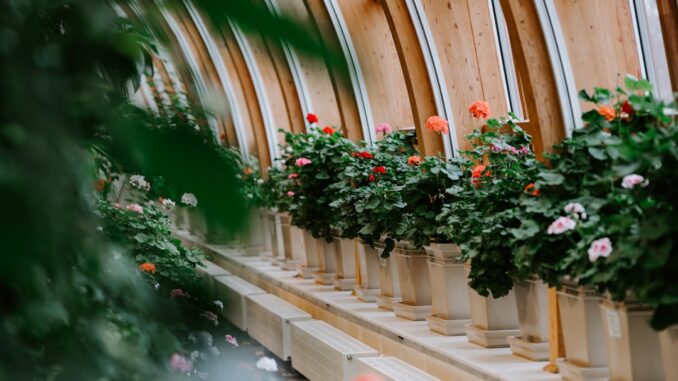

Your Orangery, Reimagined: Crafting a Sanctuary for Mind and Body
Ever felt like your home should be more than just walls and furniture? In our increasingly busy lives, the search for calm and well-being has become paramount, and it’s spilling over into how we design our personal spaces. Your orangery, with its unique blend of indoor comfort and seamless connection to the outdoors, holds incredible potential. It’s not just another room; it’s an opportunity to create a genuine sanctuary, a space that actively nurtures your health and well-being.
Think about it: a place where the morning sun gently wakes you, the scent of fresh herbs hangs in the air, and every surface invites you to relax. This isn’t just about aesthetics, you see, it’s about harnessing the therapeutic power of thoughtful design to create an environment that truly supports your mental and physical health. This isn’t some fleeting trend; it’s a fundamental shift in how we view our living spaces. I mean, who wouldn’t want a daily dose of tranquility right on their doorstep? This guide is going to walk you through transforming your orangery, step by actionable step, into that very haven.
The Foundational Power of Natural Elements: Bringing the Outside In
Our innate connection to nature, often called the biophilia effect, is incredibly powerful. Introducing natural materials and elements into your orangery doesn’t just make it look good; it fundamentally enhances the ambiance, reduces stress, and cultivates a profound sense of peace. It’s about bringing the grounding, calming essence of the outdoors right into your living space, creating a bridge between the wild and the domesticated.
Wooden Furnishings: More Than Just Material
When we talk about wood, we’re not just discussing a building material; we’re talking about warmth, history, and an unparalleled tactile experience. Opting for wooden furniture pieces like armchairs, sofas with wooden frames, or solid coffee tables instantly injects a sense of organic warmth and texture into your orangery. Natural wood finishes, whether it’s the rich, deep tones of walnut or the lighter, airy feel of an oak, don’t just look appealing; they create an inherently calming environment.
Consider a rustic oak coffee table, for instance. Its solid presence can easily become the focal point of your space, grounding the entire room with its earthy tones and visible grain patterns. Or perhaps you fancy something a little more refined, like a smooth, cherry wood side table that brings a touch of elegance. What about sustainability, though? Reclaimed wood pieces, often salvaged from old barns or factories, tell a story and add a unique character that new wood simply can’t replicate. Bamboo, with its rapid growth, offers another eco-conscious choice, lending a lighter, sometimes more exotic feel. The key is to think beyond just the ‘wood’ and consider the ‘journey’ and ‘texture’ of each piece.
Stone Accents: Earth’s Enduring Embrace
Incorporating stone elements—like a beautifully crafted stone fireplace, a feature wall of stacked slate, or even elegant stone-tiled flooring—adds a touch of enduring nature and remarkable durability. The cool, tactile quality of stone offers a wonderful contrast to the warmth of wooden furnishings, creating a balanced, harmonious atmosphere. Imagine stepping onto cool flagstones on a warm summer’s day, or the satisfying weight of a river stone as a decorative accent; these sensory details really make a difference.
Don’t think you need to go grand, either. Small, polished river stones in a decorative bowl, a slate coaster set, or even a robust terracotta planter can provide that essential touch of earthiness. However, it’s a careful balancing act, isn’t it? Too much stone, especially in cooler tones, can sometimes make a space feel a bit stark. So, temper it with plenty of soft textiles and warm lighting, creating a lovely interplay of hard and soft, cool and warm.
Textile Choices: The Soft Touch of Nature
This is where your orangery really starts to feel inviting. The textiles you choose are crucial for enhancing the overall sensory experience of the space. Think natural fabrics like linen, known for its breathable, slightly crinkled charm; soft, durable cotton; or cozy, luxurious wool for curtains, cushions, throws, and even upholstery. These materials aren’t just comfortable; they breathe, they feel good against the skin, and they drape beautifully.
Consider layering. A chunky knit wool throw draped over a linen sofa, with a few velvet cushions for a pop of unexpected luxury, creates a rich, inviting texture. Perhaps you’d even like some jute or sisal rugs underfoot, which add incredible texture and a lovely, earthy feel. They’re practical too, surprisingly hard-wearing. The goal is to create a multi-sensory experience where sight, touch, and even subtle natural scents from these materials all contribute to a feeling of deep comfort and relaxation.
Beyond Materials: Incorporating Natural Patterns and Forms
Don’t forget the power of shape and pattern. Integrating organic, flowing shapes in your furniture and decor can echo the natural world outside. Think about a coffee table with gentle curves instead of sharp angles, or throw pillows with patterns inspired by leaves, waves, or abstract natural forms. These subtle choices reinforce the biophilic connection without explicitly bringing more ‘stuff’ in, creating a more cohesive, nature-infused aesthetic.
Harnessing the Sun’s Embrace: Optimizing Natural Light
Natural light isn’t just about visibility; it’s a potent mood enhancer and a vital component of a healthy environment. Maximizing the natural light in your orangery is absolutely crucial for creating an uplifting, energized space. It influences our circadian rhythms, boosts vitamin D production, and can profoundly impact our mood and cognitive function. Who doesn’t feel better on a bright, sunny day, right?
Roof Lanterns: A Sky Full of Light
If you really want to flood your orangery with daylight, making the room feel incredibly expansive and deeply connected to the outdoors, then a roof lantern is a non-negotiable. These architectural marvels aren’t just skylights; they’re thoughtfully designed structures that draw in natural light from above, creating an almost ethereal glow within the space. The influx of sunlight can dramatically boost mood and energy levels, turning a merely bright room into a truly luminous one.
When considering a roof lantern, think about the glazing: self-cleaning glass can be a godsend, and low-emissivity (low-E) coatings help regulate temperature, keeping you warm in winter and cool in summer. Ventilation options are also smart; imagine letting in a gentle breeze along with the light. Integrating them aesthetically means choosing frames that complement your orangery’s overall design, perhaps slim profiles in a dark, contemporary finish or classic timber to match existing elements. I saw one recently that felt like it opened directly to the sky, it was truly breathtaking.
Expansive Windows and Doors: Breaking Down Walls
Large windows and bi-fold doors are game-changers, allowing ample sunlight to pour in and providing truly unobstructed, panoramic views of your garden. This isn’t just about seeing the outside; it’s about feeling intrinsically connected to it, blurring the lines between indoor and outdoor living. This profound connection to nature can work wonders, reducing stress and promoting deep relaxation. Think about it: watching the rain lash against the panes while you’re cozy inside, or throwing open the doors on a warm day, letting the scents and sounds of the garden waft in.
When selecting doors, consider the various options: bi-folds offer maximum opening, effectively collapsing a wall; sliding doors give you large panes of glass and flexibility; and classic French doors provide a more traditional, charming aesthetic. Whichever you choose, ensure the frames are slim enough to maximize the glass area, effectively ‘framing’ your garden view like a living painting. Avoid cluttering the window sills; keep those lines clean and your view clear. It’s truly a gateway to tranquility.
Light-Reflecting Surfaces and Colors: Amplifying Brightness
To really supercharge the brightness of your orangery, strategically use light-colored walls and ceilings. These surfaces don’t just look clean; they actively reflect sunlight around the room, making the entire space feel larger, airier, and more vibrant. Soft hues like pale blue, a gentle sage green, or a barely-there light gray can create a serene, expansive atmosphere, almost like living inside a cloud.
But it’s not just paint. Consider furniture with lighter finishes or even carefully placed mirrors. A large mirror strategically positioned opposite a window can work wonders, bouncing light deeper into the room and making it feel twice as big. Glossy or semi-gloss finishes on architectural elements or furniture can also subtly reflect light, while sheers or unlined curtains on windows maintain privacy without sacrificing precious daylight. Every little bit helps, doesn’t it?
Controlling the Glare: A Balancing Act
While we crave natural light, too much direct sun can bring uncomfortable glare and excessive heat. The trick is finding that sweet spot. Integrated blinds or smart shades, often concealed within the roof lantern or window frames, offer instant control over light intensity. Exterior shading solutions, like a retractable awning or strategically planted deciduous trees (which provide shade in summer but let light through in winter), are also brilliant for managing direct sunlight and preventing overheating without sacrificing your connection to the outdoors. It’s all about comfortable control.
The Verdant Embrace: Introducing Indoor Plants
Adding greenery to your orangery isn’t just about beautifying the space; it’s a powerful step towards enhancing well-being. Plants offer a myriad of health benefits, from purifying the air to reducing stress and fostering a sense of calm. They’re living sculptures, constantly evolving, and connecting us to the vital pulse of nature.
Choosing Your Green Companions: Air Purifiers and Beyond
Many plants are veritable superheroes when it comes to improving indoor air quality. They absorb toxins, release oxygen, and can even help regulate humidity. Incorporate plants known for these air-purifying qualities, such as the resilient Snake Plant (Mother-in-Law’s Tongue), the easy-to-care-for Spider Plant, elegant Peace Lilies, or lush Boston Ferns. These aren’t just pretty faces; they’re actively working to create a fresher, healthier environment for you.
But don’t limit yourself to just the air purifiers! Consider plants for their visual appeal, too. A tall Fiddle Leaf Fig can add dramatic height and architectural interest, while a trailing Pothos or Philodendron softens edges and brings a jungle-like abundance. Think about varying leaf shapes, colors, and textures to create a truly dynamic and engaging green display. And honestly, looking after them gives you a lovely sense of purpose, doesn’t it?
Cultivating an Indoor Herb Garden: Functional Beauty
Why not dedicate a corner of your orangery to a mini herb garden? Herbs like fragrant basil, invigorating mint, earthy rosemary, chives, and thyme thrive indoors with adequate light. Not only do they add delightful fragrance and vibrant color to your space, but they also provide fresh ingredients for your cooking, promoting a healthy, farm-to-table lifestyle right at home. Imagine plucking fresh mint for your tea or basil for a homemade pesto – it’s incredibly satisfying.
Ensure your herb pots have good drainage, and remember that most herbs love plenty of sunshine, so place them in your orangery’s brightest spot. This isn’t just about growing plants; it’s about engaging your senses and integrating a healthy, sustainable practice into your daily routine.
Creative Plant Displays: Maximizing Greenery
Even if space feels limited, there are ingenious ways to incorporate a plethora of plants. Consider vertical planters or wall-mounted shelves to display a variety of greenery, turning a blank wall into a living art installation. This approach allows you to add significant greenery without occupying valuable floor space. Living walls, though a bigger investment, are truly breathtaking and transformational.
Tiered plant stands can create a lush, multi-level display, while hanging baskets or macrame hangers add a lovely bohemian touch and make use of vertical space. Don’t forget terrariums for smaller, self-contained ecosystems, or even strategically placed floor plants in beautiful pots to anchor different zones. Mix heights, textures, and pot materials to create visual interest and a truly flourishing green oasis. Just make sure you’re thinking about consistent watering and perhaps some subtle grow lights if certain areas aren’t getting enough natural sun.
Caring for Your Green Oasis: A Mindful Practice
Bringing plants into your orangery is a commitment, but a truly rewarding one. Learning about your plants’ needs – their preferred light, watering schedule, and humidity – becomes a mindful practice. It forces you to slow down, observe, and engage with the living world. Plus, a little love goes a long way. Regularly check for signs of stress or pests, and soon you’ll be speaking their language, keeping your green companions thriving and vibrant.
Crafting Comfort: Thoughtful Furniture Choices
Your orangery won’t be a sanctuary if it’s not supremely comfortable. The furniture you choose is paramount, influencing not just the aesthetics but also your physical posture, mental relaxation, and overall well-being. It’s an investment in your comfort, and really, your long-term health.
The Ergonomics of Well-being: Investing in Your Body
It’s easy to overlook, but the ergonomics of your seating are critical. Investing in chairs and sofas that provide proper support isn’t just a luxury; it’s essential for encouraging deep relaxation and preventing discomfort, even pain, over time. Look for pieces with supportive backrests, adequate depth, and perhaps even adjustable features to accommodate different body types and preferences. Think about how you’ll use the space – reading, lounging, dining, chatting – and select pieces that support those activities.
For a sofa, deep, plush cushions upholstered in natural, breathable fabrics are ideal. For armchairs, consider something with good lumbar support, perhaps even a gentle recline. If you’ll be dining in your orangery, ensure dining chairs offer proper height and back support for sustained comfort. When you’re furniture shopping, don’t just look; sit. Spend some time in the piece. Does it hug you? Does it offer support in all the right places? Your body will thank you.
Flexible Layouts: Adapting to Life’s Rhythms
A truly well-designed orangery isn’t static; it adapts to your needs. Arrange furniture to create open pathways and allow for easy, fluid movement. A flexible layout ensures the space can accommodate various activities without feeling cramped or awkward. Perhaps you want to roll out a yoga mat in the morning, host a lively brunch with friends, or simply curl up with a book in a quiet corner. Your furniture arrangement should allow for all of this.
Consider zoning your orangery. You might have a dedicated relaxation zone with a comfortable sofa, a small reading nook with a cozy armchair, and perhaps a small dining area. Modular furniture or pieces that are lightweight and easy to rearrange are fantastic for this. Ensure there are no dead ends or awkward corners; instead, aim for inviting open spaces that encourage flow and a sense of freedom. It’s about designing for life, not just for show.
Texture, Layers, and Sensory Richness
Remember the textiles we talked about? Here’s where they really shine. Incorporate fabrics with different textures to add incredible depth and interest to the space. Mixing materials like soft velvet cushions with a rough-hewn linen sofa and a chunky knit wool throw creates a tactile experience that significantly enhances comfort. It invites you to reach out and touch, to sink in, to truly feel the space.
Layering is your secret weapon. A large, soft rug anchors the seating area, while throws and cushions add warmth and personality. Think about what your hand wants to touch. Don’t you just want to sink into a sofa piled with varied textures, perhaps a smooth silk pillow next to a nubby wool one? This sensory richness makes the space feel profoundly welcoming and lived-in. It’s the subtle details that transform a nice room into a truly comforting sanctuary.
Storage Solutions: Keeping the Calm
A cluttered space often leads to a cluttered mind. Integrated storage solutions are crucial for maintaining the serene atmosphere of your orangery. Ottomans with hidden storage, elegant baskets for throws and magazines, or bespoke cabinetry that blends seamlessly with the architecture can keep everyday items neatly tucked away. When everything has its place, the room feels calmer, more orderly, and infinitely more relaxing. It’s a little thing, but it makes a huge difference to your mental peace.
The Art of Ambiance: Color, Art, and Personal Expression
Colors and artwork are powerful psychological tools. They don’t just fill a space; they influence our mood, energy levels, and overall sense of well-being. Thoughtful choices here can elevate your orangery from pleasant to truly transformative.
The Psychology of Color: Setting the Mood
When it comes to paint colors, leaning into soft, neutral tones like warm beige, a sophisticated soft gray, or delicate pastel shades creates an inherently calming environment. These colors are fantastic for reducing stress, promoting relaxation, and acting as a beautiful, understated backdrop for your natural elements and plants. Think about the tranquil feel of a misty morning, or the soft glow of twilight – these are the feelings you’re aiming to evoke.
However, the unique light of an orangery—with its abundance of natural light—means colors can appear differently throughout the day. A color that looks perfectly serene in a swatch might be overly bright or too cool under direct sun. Always test paint samples on your walls and observe them at different times of day before committing. It’s worth the extra effort, believe me!
Vibrant Accents: Sparks of Energy
While a calming base palette is key, your orangery shouldn’t feel devoid of life. Injecting pops of vibrant color through carefully chosen accessories can energize the space and stimulate creativity and positivity. Imagine cushions in a striking teal, a mustard yellow throw, or a bold piece of artwork. These bright accents draw the eye, add personality, and prevent the space from feeling monotonous. They’re like little bursts of joy scattered throughout your sanctuary.
The trick is moderation. A little goes a long way. Use accent colors to highlight specific areas, perhaps a reading nook or a collection of plants, rather than overwhelming the entire room. These splashes of color should feel intentional, like a vibrant punctuation mark in a beautifully written sentence.
Personal Artwork and Decor: Your Story, Your Sanctuary
This is where your orangery truly becomes yours. Display artwork that deeply resonates with you, whether it’s paintings that evoke serene landscapes, abstract pieces that spark contemplation, photographs that capture cherished memories, or sculptures that add intriguing form. These personal touches are essential; they make the space feel genuinely inviting, reflective of your personality, and ultimately, a place where you belong. Your orangery shouldn’t feel like a showroom, should it? It should feel like home.
Go beyond just filling walls. Curate your collection. Perhaps it’s a framed print from a memorable trip, a ceramic piece crafted by a local artisan, or a collection of shells from your favorite beach. Each piece tells a story, contributing to the narrative of your personal sanctuary. This isn’t about expensive pieces; it’s about meaningful ones.
Sensory Enhancements: Beyond the Visual
Don’t forget the other senses! Soft, ambient music can set a calming tone, or simply let the natural sounds from your garden – birdsong, the rustle of leaves – filter in. For scent, beyond your natural plants, consider subtle essential oil diffusers with calming aromas, or even just a vase of fresh-cut flowers. These non-visual elements deepen the sensory experience and round out the feeling of a true sanctuary.
Cultivating Mindfulness: Integrating Intentional Design Elements
Mindful living is all about being present, aware, and intentional. Integrating specific design elements into your orangery can serve as gentle prompts for mindfulness, encouraging reflection, relaxation, and a deeper connection to yourself.
The Serenity of a Zen Garden
Creating a small indoor Zen garden is a beautiful way to foster mindfulness and relaxation. Typically featuring sand, carefully placed stones, and perhaps a miniature rake, the act of gently raking patterns in the sand is incredibly meditative and calming. Add minimalistic plants like a small bonsai or succulents for a touch of living green. Place it on a low table in a quiet corner of your orangery, away from the main thoroughfare, so you can engage with it when you need a moment of peaceful contemplation. It’s a small ritual that yields big returns for your mental state.
The Soothing Sound of Water Features
Few things are as universally soothing as the gentle sound of flowing water. Introducing a small indoor water feature, like a tabletop fountain or a larger freestanding one, can add a remarkable sense of tranquility to your orangery. The soft babbling masks jarring background noises and promotes a feeling of peace and natural harmony. It’s like bringing a little piece of a quiet stream right into your home.
Make sure to choose a fountain that operates quietly and has adjustable flow, so the sound is always pleasant and never overwhelming. Placement is key, too; ensure it’s visible and audible from your main relaxation zone, perhaps near your favorite reading chair. Regular cleaning is a must to keep the water fresh and the sounds clear. This simple addition can transform the auditory landscape of your space.
Aromatherapy: Scents for the Soul
Our sense of smell is incredibly powerful, directly linked to memory and emotion. Harness this by using essential oil diffusers with calming scents like lavender for ultimate relaxation, invigorating eucalyptus for clarity, uplifting citrus for a mood boost, or grounding frankincense for a sense of peace. These carefully chosen aromas can enhance relaxation, reduce stress, and subtly shift the mood of your orangery.
There are various types of diffusers, from ultrasonic (which use water) to nebulizing (which use pure oil). Alternatively, consider natural options: fresh flowers, a bowl of potpourri, or even gently simmering spices on a stovetop in a nearby kitchen can fill your orangery with delightful, natural fragrances. Always ensure good ventilation and use high-quality essential oils responsibly. It’s a subtle but deeply impactful layer of sensory comfort.
Reading Nooks and Meditation Spaces: Dedicated Zones for Calm
If space allows, consider carving out a dedicated reading nook or a small meditation space within your orangery. This might simply be a comfortable armchair with a good lamp and a small side table for your tea, or a floor cushion and a soft rug in a quiet corner. The very act of designing a specific zone for these mindful activities encourages you to use it and to make time for yourself.
By ensuring these areas are free from clutter and distractions, you create an inviting prompt for reflection, introspection, or simply quiet enjoyment. It’s an intentional invitation to slow down and be present in your beautiful sanctuary.
Your Sanctuary Awaits
Transforming your orangery into a true sanctuary for health and well-being is a journey, not a destination. It’s about a holistic approach, where every design choice, from the robust texture of reclaimed wood to the gentle rustle of a peace lily, contributes to an overarching sense of calm and vitality. It’s a space that actively works for you, rather than just existing around you.
The combination of natural materials, abundant light, comfortable furnishings, and mindful design choices creates a powerful synergy. This isn’t just about creating a beautiful room; it’s about creating an environment that nurtures your body, calms your mind, and uplifts your spirit. Take a deep breath. Your sanctuary, designed with intention and love, is waiting to embrace you. Why not start with just one small change today and feel the difference?
Be the first to comment