
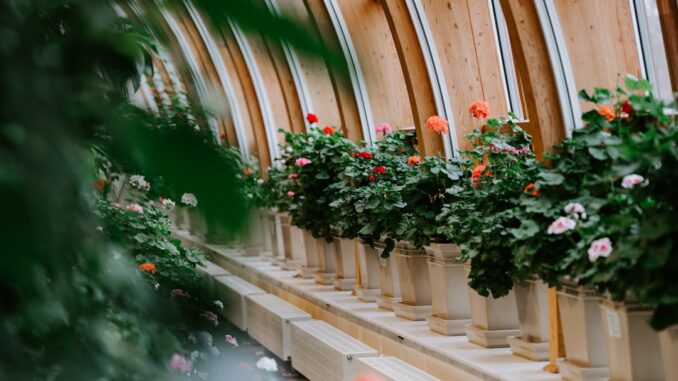

Your Orangery: Crafting a Seamless Indoor-Outdoor Sanctuary for Ultimate Well-being
Ever dreamt of a space at home that just breathes relaxation? A place where the gentle rustle of leaves and the warmth of natural light melt away the day’s stresses? That’s precisely what a thoughtfully designed orangery can offer. It’s so much more than just an extra room; it’s a bridge, a tranquil zone connecting your inner sanctum with the invigorating embrace of the outdoors. By creating a truly seamless flow between these two worlds, you’re not just adding square footage, you’re cultivating an environment designed from the ground up to promote health, relaxation, and a pervasive sense of wellness.
Think about it: in our often-hurried lives, finding moments of genuine peace can feel like a luxury. But what if that luxury was built right into your home, accessible whenever you needed it? This isn’t just about aesthetics, though those are important too, this is about designing a living space that actively contributes to your mental and physical well-being. It’s an investment in a calmer, more connected you. Let’s explore some practical, step-by-step strategies to help you achieve this harmonious, life-enhancing connection.
Your perfect retreat awaitsdiscover how an orangery can change your home and your life by Elegancia.homes.
1. Choosing a Complementary Design: More Than Just an Extension
Starting your orangery journey really kicks off with making the right design choice. It isn’t just about picking something you like; it’s about selecting a style that truly speaks to your home’s inherent architecture and, crucially, the very character of your garden. You see, a new addition should feel like it was always meant to be there, not just bolted on.
Matching Style to Substance
For example, if your home is a charming Victorian property, complete with those lovely period features and a garden with perhaps a more traditional, manicured feel, then a Victorian-style orangery, with its ornate detailing, pitched roof lantern, and elegant brickwork, would likely be a perfect fit. It echoes the historical grandeur and visual complexity of your main house. On the flip side, if you live in a sleek, modern architectural gem with clean lines and a minimalist garden design, then a contemporary orangery, featuring large expanses of glass, slimline frames, and perhaps a flat roof with an atrium, would complement it beautifully, reinforcing that chic, understated aesthetic.
It’s not just about historical periods, either. Perhaps your home leans into a rustic farmhouse vibe. In that case, an orangery with robust timber frames, perhaps reclaimed wood accents, and a more robust, natural stone base would feel wonderfully authentic. This thoughtful choice isn’t just about making things look nice, it ensures visual harmony, a cohesive aesthetic, and frankly, it often adds more value to your property when everything just works together. Don’t underestimate the power of visual coherence; it’s truly foundational.
Material Matters and Expert Advice
Consider the materials too. While uPVC might be a cost-effective option, timber (think oak, cedar, or painted hardwoods) offers a warmth and natural beauty that’s hard to beat, especially in period or rustic settings. Aluminium, with its strength and slim profiles, is ideal for modern designs, allowing for vast glass panels and minimal visual obstruction. Brickwork on the orangery’s base should ideally match or complement your existing home’s brick. Sometimes, using a rendered base that picks up a subtle colour from your house’s palette can work wonders too.
Honestly, this is often where engaging an architect or a specialist orangery designer really pays dividends. They can help you navigate the myriad of options, ensuring your chosen design isn’t just beautiful but also practical, structurally sound, and compliant with any local planning regulations or conservation area requirements. Trust me, getting it right at this initial stage saves a lot of headaches later on. Who wants a beautiful addition that feels out of place, right? It’s all about making that first impression count.
2. Positioning Strategically: Harnessing Light and Views
Once you’ve settled on a style, the next crucial step is nailing the positioning. This isn’t just about finding a convenient spot; it’s about orchestrating an experience. Your orangery really needs to be adjacent to your primary outdoor living area – whether that’s a patio, a deck, or a dedicated garden zone. This proximity isn’t merely for convenience, it’s about facilitating easy, almost unconscious movement between your indoor sanctuary and the natural world outside. You’ll want to feel as though your garden is just an extension of your living space.
The Sun’s Path and Psychological Impact
Think about the sun’s path throughout the day and year. A south-facing orangery will flood with glorious sunlight, maximizing passive solar gain, which is fantastic for warmth in winter, but can be too intense in summer. East-facing provides lovely morning light, perfect for breakfast or starting your day with meditation, while west-facing offers those magical evening golden hours. North-facing provides consistent, softer light, ideal for an artist’s studio or a home office where harsh glare is undesirable. Understanding this helps you predict how the space will feel at different times, allowing you to incorporate appropriate shading or heating solutions from the outset.
Positioning your orangery also means maximizing those unobstructed views of your garden. Imagine sipping your coffee, gazing out at your flowerbeds, or watching the birds flit between branches. These visual connections are incredibly powerful for well-being. They reduce feelings of confinement and foster a sense of openness and tranquility. To achieve this, you might need to make some bold decisions. Are there any large, ungainly garden structures – perhaps an old shed, a towering hedge, or an awkwardly placed tree – that currently block your sightlines? Don’t be afraid to consider relocating or removing them. Sometimes, a little landscape editing goes a long way in clearing the stage for your orangery’s magnificent vista.
Beyond Views: Connecting to Existing Spaces
Consider how the orangery connects to existing pathways, steps, or terraces. You want a smooth transition, not an obstacle course. Will you step down onto a patio, or will the floor level remain consistent? These details, though seemingly minor, drastically impact the ‘seamless’ feel. For instance, creating a flush threshold with your bi-folding doors means no trip hazard, just an unbroken plane from indoors to out. It’s these subtle design choices that truly elevate the experience, making the orangery feel like a natural, integral part of your entire property, not just an add-on. Getting this right means your orangery isn’t just a room with a view, it’s a living, breathing connection to nature.
3. Harmonizing Colors and Materials: Weaving a Cohesive Tapestry
Achieving that truly integrated feel often boils down to a thoughtful dialogue between your orangery’s interior and your adjacent outdoor space. The key here is consistency, using similar colors and materials, or at least highly complementary ones, to create a unified aesthetic. This approach isn’t just about making things look ‘put together’; it actively tricks the eye into perceiving the space as larger, more expansive, and utterly cohesive. It’s a foundational element of seamless design.
The Palette of Cohesion
Let’s say your patio boasts beautiful, light sandstone paving. Why not extend that visual language by using similar-toned large format porcelain tiles inside your orangery? Or, perhaps you opt for natural stone, like travertine or slate, that continues right out onto your terrace. The subtle shift in material, from outdoor-grade to indoor-suitable, becomes almost imperceptible when the color and texture palette remain consistent. This continuity blurs the boundaries, making it difficult to pinpoint where ‘inside’ ends and ‘outside’ begins. This effect is powerful; it creates a feeling of boundless space, which is fantastic for fostering a sense of calm and openness.
Think about wall finishes too. If your orangery’s internal brickwork or rendered walls are painted in a soft, neutral shade, consider carrying that color, or a slightly darker complementary tone, onto external garden walls, planters, or even fencing. This visual thread ensures everything feels connected. Similarly, if you have rich timber decking outside, perhaps an engineered wood flooring in a similar tone inside the orangery could create that sought-after harmony. It’s all about echoing elements, creating a visual rhythm that flows effortlessly from one zone to the next.
Softening the Edges with Textiles and Textures
And don’t forget the soft furnishings! While you’ll use different materials, the color scheme can certainly carry through. If you have vibrant blue outdoor cushions, introduce touches of that blue in indoor throw pillows, a piece of artwork, or even a subtle rug pattern. This creates a delightful visual echo. The idea is to make both areas feel like they belong together, like chapters in the same beautifully written book.
I remember a client, let’s call her Sarah, who was initially hesitant about using the same large, grey porcelain tiles both inside her contemporary orangery and on her patio. ‘Won’t it look too… matchy?’ she’d asked. But once the project was complete, stepping from her living area, through the orangery, and straight onto the patio felt incredibly expansive. ‘It’s like my whole garden just became another room,’ she told me, beaming. And that, my friends, is exactly the magic we’re aiming for. This kind of thoughtful harmonization truly transforms how you experience your entire home environment. It’s about designing a feeling, not just a space.
4. Incorporating Large Doors: The Gateway to the Garden
When we talk about achieving seamless flow, few elements are as impactful as the choice and size of your orangery doors. Installing large, expansive sliding or bi-folding doors is absolutely paramount. These aren’t just entry points; they’re dynamic architectural features designed to literally open up your orangery to the outdoors, inviting the garden in.
Bi-Folding vs. Sliding: What’s Your Flow?
Consider bi-folding doors. When fully retracted, they stack neatly to one side, creating a truly uninterrupted opening that can be several meters wide. This effectively removes an entire wall, merging your indoor space with the garden. Imagine hosting a summer barbecue where guests can effortlessly drift from the comfort of the orangery to the warmth of the patio, drinks in hand, without ever feeling a ‘break’ in the space. They make for such a fantastic social hub.
Sliding doors, particularly those with multiple panels that can disappear into a ‘pocket’ wall, offer a similar effect but maintain a fixed glazed panel when open. While they don’t offer the full 100% opening of bi-folds, their often slimmer frames allow for even larger expanses of uninterrupted glass when closed, giving you breathtaking panoramic views. For a more traditional aesthetic, perhaps even large French doors with sidelights, though they offer a smaller opening, can still provide a beautiful connection.
Beyond Aesthetics: Functionality and Comfort
Beyond the stunning visual impact, these large doors serve crucial practical purposes. They facilitate easy access, naturally encouraging movement between the indoor and outdoor areas. This makes your orangery far more inviting, whether you’re relaxing with a book, entertaining friends, or simply enjoying the quiet moments of nature. On warm, balmy days, they allow fresh air to flow freely, creating a delightful cross-breeze that cools the space naturally and enhances the overall ambiance. The gentle scent of garden blooms or the sound of distant birdsong suddenly becomes part of your indoor experience. It’s a sensory feast, isn’t it?
One small but mighty detail to consider is the threshold. Opt for a flush threshold, where the internal and external floor levels are perfectly even. This eliminates any trip hazards and reinforces that smooth, uninterrupted transition. It’s these thoughtful design choices that truly make the difference between a good orangery and an exceptional one. Furthermore, modern large glazed doors are incredibly energy-efficient, often featuring double or even triple glazing with excellent thermal breaks, ensuring your orangery stays comfortable regardless of the outside temperature when the doors are closed. So, you’re not sacrificing warmth for openness. It’s a win-win, really.
5. Integrating Natural Elements: Bringing the Outside In, Authentically
To truly blur the lines between your orangery and the garden, you’ve got to bring nature indoors. This isn’t just about aesthetics; it’s about embracing biophilic design principles – the innate human tendency to connect with nature. When we surround ourselves with natural elements, our well-being quite literally improves. It’s a powerful, almost primal connection that calms the nervous system and lifts the spirit.
The Verdant Embrace: Plants for Every Corner
First up, plants. Lots of them! Choose indoor plants that thrive in varying light conditions and can withstand the typical temperature fluctuations an orangery might experience. Imagine a towering Fiddle Leaf Fig or a majestic Bird of Paradise plant standing proud in a corner, its large leaves reaching towards the glass. Perhaps a collection of lush ferns or a hanging Pothos plant, trailing gracefully from a ceiling beam, adding a touch of verdant drama. For a Mediterranean vibe, a potted olive tree or citrus plant can look stunning and even produce fruit! Don’t forget smaller, more delicate options like orchids for a splash of colour, or a variety of succulents and cacti for low-maintenance charm.
Beyond their beauty, plants literally clean your air, improve humidity, and simply make a space feel alive. Consider vertical gardens for smaller spaces, or strategically placed large floor pots to delineate zones. I once saw an orangery with an entire wall dedicated to herbs – imagine the fresh scents and constant culinary inspiration! Just remember, even with all that natural light, indoor plants still need care: appropriate watering, occasional feeding, and a watchful eye for pests. It’s a rewarding connection, though, isn’t it, nurturing something green and vibrant?
Earthy Textures: Wood, Stone, and Beyond
Next, incorporate natural materials into your orangery’s design. Think about furniture crafted from beautiful, solid wood – perhaps a rustic oak coffee table, elegant teak chairs, or a reclaimed timber bookshelf. These materials instantly add warmth, texture, and a grounded, organic feel. Similarly, stone, whether it’s in a polished concrete floor, a feature wall clad in slate, or even just a collection of smooth river stones in a decorative bowl, brings a sense of permanence and connection to the earth.
Consider rattan or bamboo furniture for a lighter, more relaxed vibe, especially if your garden has a similar relaxed, perhaps bohemian, feel. Linen or cotton fabrics for cushions and throws enhance that natural, breathable quality. Even little touches, like ceramic pots for your plants, jute rugs underfoot, or a decorative piece of driftwood, subtly reinforce this connection. The goal is to create a seamless sensory experience where your eyes, hands, and even your nose (think of the subtle scent of timber or fresh soil) are constantly reminded of nature’s presence. It’s a true feast for the senses, nurturing a deeper sense of peace and belonging within your home.
6. Designing for Year-Round Use: Comfort in Every Season
There’s little point in creating a stunning orangery if you can only comfortably enjoy it for a few months of the year. To truly transform it into a year-round sanctuary, you simply must prioritize effective temperature control. This adaptability means your orangery can become your go-to space, regardless of whether it’s a frosty winter morning or a sweltering summer afternoon.
Warming Up: Beating the Winter Chill
During colder months, underfloor heating is an absolute game-changer. Imagine stepping onto a wonderfully warm floor on a chilly day – it’s incredibly luxurious and provides a consistent, ambient heat that radiates upwards, making the entire space feel cosy without any draughts. You can choose between wet systems, connected to your central heating, or electric mats for smaller areas. Alternatively, stylish radiators, cleverly integrated into the design, can provide ample warmth. For an extra touch of character and undeniable cosiness, a small, efficient wood-burning stove can not only provide incredible warmth but also becomes a beautiful focal point, its flickering flames adding a rustic, comforting charm. Modern air-source heat pumps are another excellent, energy-efficient option, providing both heating and cooling from a single system.
Insulation is also vital here. High-performance double or even triple glazing is essential for all glass elements, preventing heat loss. Look for frames with excellent thermal breaks, and consider insulated roof systems for maximum efficiency. A well-insulated orangery means lower heating bills and a significantly more comfortable environment when the temperatures plummet outside.
Cooling Down: Embracing Summer Breezes
Conversely, when the mercury rises, you’ll need effective cooling strategies. Openable roof vents, often automated, allow hot air to escape upwards, creating a natural chimney effect. Ceiling fans are another brilliant solution; they circulate air efficiently, creating a refreshing breeze without the high energy consumption of air conditioning. Strategically placed openable windows in the brickwork or along the base of the glazed frames also promote cross-ventilation, flushing out warm air and drawing in cooler air.
Smart glazing technologies, like solar control glass, are also worth considering. These special coatings reflect a significant portion of the sun’s heat, preventing the space from overheating while still allowing ample light in. External shading solutions, such as retractable awnings or custom-designed pergolas with climbing plants, offer another layer of protection, blocking direct sunlight before it even hits the glass. Who wants a beautiful space they can only enjoy half the year? By integrating these heating and cooling solutions, you ensure your orangery remains a comfortable, inviting retreat for every single day of the year.
7. Creating a Wellness Retreat: Your Personal Sanctuary
Now, this is where your orangery truly comes alive as a haven for well-being. It’s about more than just comfort; it’s about intentionally designing a space that nurtures your mental and physical health. The abundance of natural light, combined with that constant visual and sensory connection to nature, provides an unparalleled foundation for inner peace.
Dedicated Zones for Serenity
Think about carving out specific zones for relaxation and health-promoting activities. Imagine a dedicated yoga or meditation area, perhaps with a soft, natural fibre mat, some simple cushions, and minimal distractions. The morning sun streaming through the glass, the gentle sounds of your garden, it all contributes to a truly mindful start to your day. For a reading nook, choose an incredibly comfortable armchair – perhaps an ergonomic lounger or a plush upholstered piece – with a small side table for your tea and a good book. Place it where you have the best view, of course!
Why not integrate a small, indoor fountain? The soothing, rhythmic sound of trickling water is incredibly calming, masking other household noises and creating a serene auditory backdrop. It’s amazing how much difference that subtle auditory element can make. You could also create a ‘mindfulness corner’ with a comfortable floor cushion, a few calming essential oil diffusers (lavender or frankincense, anyone?), and perhaps some natural elements like polished stones or a small indoor bonsai.
A Space for Growth and Creativity
Beyond quiet contemplation, your orangery can also be a wonderful space for creative pursuits. Set up a small easel for painting, a desk for journaling, or a crafting area. The natural light is fantastic for detailed work, and the inspiring views can really spark creativity. Or, consider a small indoor herb garden or micro-greens station. Tending to plants, even on a small scale, is a profoundly grounding and rewarding activity. Plus, you get fresh ingredients for your kitchen – a bonus for physical health!
I recently worked with a client who transformed her orangery into a combination art studio and meditation space. She found the natural light incredibly inspiring for her painting, and then, after a session, she’d roll out her yoga mat and unwind, feeling totally rejuvenated. She told me, ‘It’s like my soul gets a little recharge every time I step in here.’ That’s the power we’re tapping into. The very design of this space, with its inherent connection to nature, actively supports and enhances your mental and physical well-being. It becomes your personal retreat, a place to reset and reconnect, every single day.
8. Using Strategic Lighting: Illuminating Ambiance Day and Night
Lighting is an unsung hero in creating that seamless indoor-outdoor connection. It’s not just about visibility; it’s about mood, atmosphere, and extending the usability of your beautiful spaces far beyond daylight hours. A well-designed lighting scheme can truly transform your orangery and garden, pulling them together into one captivating experience.
Layering Light Inside
Inside your orangery, think in layers. You’ll want ambient lighting for general illumination – perhaps recessed spotlights or a stylish pendant light – which can be softened with dimmers. Dimmers are absolutely essential for adjusting the mood from bright and functional to cosy and intimate. Then, add task lighting where needed: a floor lamp next to your reading chair, or a focused light over a workspace. Finally, accent lighting is where you really highlight those natural elements we talked about earlier. Up-light a beautiful indoor plant, shine a soft glow on a piece of art, or illuminate a textured wall. This layering creates depth and warmth, making the space feel inviting and sophisticated.
Consider the colour temperature of your lights too. Warm white (around 2700K-3000K) is generally more relaxing and inviting, perfect for a wellness space, while cooler whites (above 4000K) are more energizing, perhaps better for a dedicated workspace if you have one.
Extending the Glow Outdoors
Now, for the magic that truly blurs the lines: extending that light into your garden. Use soft, ambient lighting to highlight key features such as pathways, ponds, or beautifully shaped trees. Imagine low-level path lights gently guiding your eye from the orangery doors into the garden, making it feel like a natural continuation. Up-lighting mature trees from below can create dramatic silhouettes, adding depth and intrigue to your evening view. Subtly illuminate a water feature, making the gentle ripples shimmer after dark. Even simple, tasteful string lights draped across a pergola or woven through hedging can add a wonderful, festive ambiance.
This strategic outdoor lighting encourages you to enjoy your garden in the evening, transforming it from a dark expanse into an inviting, illuminated landscape. In the winter months, when the days are short and the light is often gloomy, these external lights provide a welcome, uplifting highlight. They offer a connection to nature even when you’re tucked up inside, peering through the glass. It’s a bit like having a living, ever-changing artwork just beyond your windows. I remember a client, initially skeptical about outdoor lighting, telling me later that seeing her illuminated garden on a dark, rainy evening brought her so much unexpected joy. ‘It’s like a warm hug for my eyes,’ she’d laughed. And that, I think, perfectly captures the subtle, profound power of well-considered lighting.
9. Ensuring Privacy: Your Secluded Retreat
While we strive for openness and connection, there’s an equally important element to consider for any true sanctuary: privacy. Nobody wants to feel exposed or on display in their own haven. If your orangery and its adjacent outdoor areas are overlooked by neighbouring properties, or simply feel too open to the wider world, you really need to take steps to increase that sense of seclusion. This allows you to fully relax and enjoy your space without any lingering discomfort.
Green Screens and Hard Barriers
One of the most effective and aesthetically pleasing solutions is planting strategic hedging. An evergreen hedge, like laurel, photinia, or leylandii (though be mindful of its growth rate!), provides year-round screening and a beautiful green backdrop. For a slightly softer look, deciduous hedging can offer privacy in the warmer months and allow more light through in winter. Think about layering plants too – taller shrubs behind shorter, flowering ones creates depth and a more natural screen.
For more immediate or structured privacy, consider installing decorative screens. These can range from elegant slatted timber panels (perfect for modern designs), composite panels for low maintenance, or even gabion walls filled with stone for a robust, textural barrier. Trellis panels with fast-growing climbing plants like jasmine or clematis offer a beautiful, living screen that’s both private and fragrant. Sometimes, a carefully positioned arbour or pergola can also offer a sense of enclosure without completely blocking light or views.
Internal Solutions for Control
Inside the orangery, you also have options. Blinds are a fantastic way to control both light and privacy. Roller blinds are sleek and simple, Venetian blinds offer adjustable light filtering, and vertical blinds are great for wide expanses of glass. Curtains, though perhaps less common in very modern orangeries, can add warmth, texture, and excellent insulation in colder months, as well as total privacy. For a more high-tech approach, smart glass that can turn opaque at the flick of a switch offers instant privacy on demand, though it’s certainly a more significant investment.
It’s all about finding that delicate balance between feeling connected to the outdoors and feeling comfortably cocooned. You don’t want to create a fortress, but rather a gentle shield that allows you to fully immerse yourself in your personal retreat without external distractions. After all, true relaxation often stems from feeling secure and undisturbed. Getting privacy right ensures your orangery isn’t just a beautiful extension, but a genuinely peaceful and personal sanctuary where you can truly be yourself.
Conclusion: Your Orangery, Your Wellness Investment
So there you have it. Transforming your orangery into a sanctuary that profoundly enhances your well-being isn’t just a dream; it’s a wonderfully achievable reality. By thoughtfully integrating every element, from the initial design choice to the final touches of privacy, you’re not just building a room, you’re crafting an experience. You’re intentionally designing an environment that fosters health, encourages relaxation, and cultivates a deeper, more meaningful connection with the natural world around you.
Embrace these strategies, and watch as your orangery becomes more than just a beautiful addition to your home. It’ll become a true extension of your living space, a year-round haven that constantly replenishes your spirit and enriches your quality of life. It’s an investment, not just in property, but in your personal well-being, and honestly, what could be more valuable than that?
References
- Tips For Integrating Your Orangery With Your Outdoor Space
- Embracing Wellness with Natural Sunlight
- 14 Orangery Ideas for Your Home
- Orangery Interior Design: Blending Modern and Traditional Styles
- Orangery ideas – how to add an ultra-chic addition
- The Evolving World of Orangeries and Conservatories
- Orangery Ideas – How to Use Your New Glazed Extension
- Stunning Orangeries: Bringing the Outdoors In Year-Round
- Bespoke multi-functional orangery extension
- Brilliant orangery extension ideas to add space and light
- 13 Orangery Design Ideas to Inspire Your Own Project
- 14+ Inspiring Orangery Ideas for Your Home
- WORKPLACE + WELLNESS
Be the first to comment