
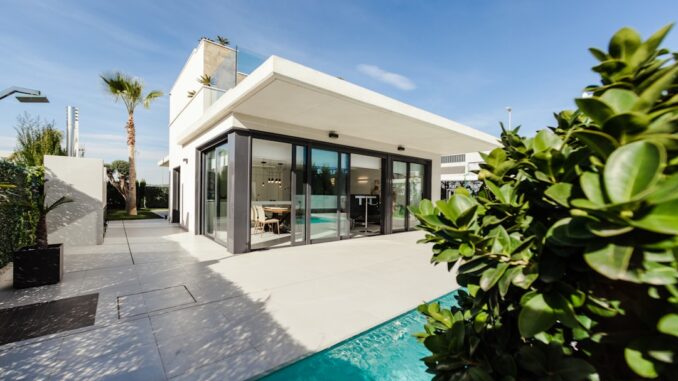

An Orangery: More Than Just an Extension – It’s a Lifestyle Upgrade for Your Well-being
Imagine this for a moment: you’re stepping into a space where the crisp morning air mingles with the warmth of the rising sun, filtering through a glorious glazed roof. The boundaries between your cozy indoor sanctuary and the vibrant, ever-changing garden outside simply dissolve. The scent of blooming jasmine or maybe a freshly brewed coffee hangs delicately in the air, invigorating your senses and quite literally brightening your entire day. This isn’t just a fanciful dream, not at all, it’s the beautiful, tangible reality of a thoughtfully designed orangery, a living, breathing extension of your home and, crucially, your well-being.
Historically, these elegant structures were the ultimate horticultural havens. Picture grand country estates in the 17th century, where wealthy landowners would house their prized, delicate citrus trees – oranges, lemons, and limes – protecting them from the unforgiving grip of winter. Back then, bringing sunshine and warmth to exotic plants was the primary goal, a testament to luxury and botanical fascination. Fast forward to today, though, and while the name ‘orangery’ still evokes a sense of refined classicism, their purpose has beautifully broadened. They’re no longer solely for citrus, instead, they serve as remarkably versatile living spaces, evolving into everything from sun-drenched dining areas that feel like an eternal summer picnic, to inspiring home offices that truly spark creativity, or simply a tranquil, plant-filled retreat where you can unwind, read, and recharge. But let’s be clear: an orangery isn’t just another room added on; it’s a deliberate choice, an architectural embrace of light, nature, and an elevated quality of life. It’s often distinguished from a conservatory by its more solid structure, featuring brick or stone pillars, a flat roof perimeter, and a central glazed lantern roof, giving it a more integrated, substantial feel, more like a proper room than a glass box.
Boost your home’s value with a luxurious and stylish orangeryfrom Elegancia.homes.
The Profound Health Benefits of an Orangery: Beyond Aesthetics
When we talk about incorporating an orangery into your home, we’re definitely not just discussing aesthetics, although they are undeniably stunning. What we’re truly diving into here is a significant, measurable enhancement to your health and overall well-being. Think of it as a dedicated space for self-care, built right into the fabric of your home.
Harnessing the Power of Natural Light
First and foremost, the sheer abundance of natural light within an orangery is a game-changer. It’s not just about illumination; it’s about life force. Exposure to ample natural sunlight has a direct, positive impact on our neurochemistry. It triggers the release of serotonin, a crucial neurotransmitter often dubbed the ‘happy hormone,’ which can significantly improve your mood, boost your energy levels, and even help in alleviating symptoms of depression and anxiety. For many, particularly during those dreary, grey winter months, the lack of natural light can lead to Seasonal Affective Disorder (SAD), making a brightly lit orangery a veritable bastion against the gloom. Moreover, regular exposure to natural light helps regulate your body’s circadian rhythm, the internal clock that dictates sleep-wake cycles. When this rhythm is in sync, you’ll likely experience more restorative sleep at night and feel more alert and focused during the day. It’s simple, really, our bodies crave daylight, and an orangery provides it in spades, a constant, gentle reminder of the outside world, no matter what the weather’s doing.
Cultivating a Connection to Nature: The Biophilia Effect
Beyond the light, having a dedicated space that so seamlessly connects you to nature is profoundly beneficial. This isn’t just anecdotal, it’s supported by scientific theory – the ‘biophilia hypothesis,’ which suggests humans possess an innate tendency to connect with nature and other living systems. Spending time in natural environments has been shown to lower blood pressure, reduce cortisol levels (the stress hormone), and even improve cognitive function and overall mental health. An orangery offers a daily dose of this vital connection. You can watch the rain patter against the glass, observe the changing seasons in your garden, or simply enjoy the calming presence of your indoor plants. It’s a mindful retreat, a place where the frenetic pace of modern life can slow down, allowing for deeper breaths, clearer thoughts, and a genuine sense of peace. My friend Sarah, a busy marketing manager, told me her orangery became her morning meditation spot; she said ‘just ten minutes there, watching the birds, sets me right for the day, it’s like a mini-reset button.’
The Purity of Fresh Air and Improved Ventilation
Think about it: modern homes can often trap pollutants. From off-gassing furniture and cleaning products to dust and pet dander, indoor air quality can sometimes be worse than outside air. An orangery, designed with excellent ventilation in mind, acts as a natural lung for your home. Operable windows, roof vents, and bi-fold doors allow for superior air circulation, flushing out stale air and drawing in fresh, oxygen-rich breezes. This constant exchange helps reduce the concentration of airborne allergens, mold spores, and other irritants, which is fantastic news for anyone with allergies or respiratory sensitivities. Cleaner air simply means healthier living, and feeling that fresh air brush against your skin indoors, that’s a small luxury we often overlook.
Designing Your Orangery for Optimal Wellness: A Step-by-Step Guide
To truly maximize the health benefits and transformative potential of your orangery, a bit of thoughtful design goes a long way. It’s about creating an environment that nurtures you from the ground up.
1. Embrace Natural Materials for a Sensory Sanctuary
When you’re choosing materials, think earthy, tactile, and authentic. Materials like natural timber, whether for frames, flooring, or accent furniture, instantly inject warmth, character, and a timeless elegance. Stone, be it slate, limestone, or granite for flooring or a feature wall, grounds the space, adding a touch of rustic sophistication. These natural elements don’t just look good; they connect us to the outdoor world on a deeper, almost primal level. They possess unique textures and subtle imperfections that evoke a sense of calm and authenticity. Beyond the big elements, consider accents like terracotta pots, woven bamboo blinds, or soft wool rugs. These choices subtly enhance the connection to the outdoors and significantly promote a sense of well-being, fostering a soothing, inviting atmosphere that synthetic materials just can’t quite replicate. I once worked with a client who sourced ancient reclaimed bricks for a low wall inside their orangery, and the patina, the history in those bricks, it gave the whole space this incredible, soulful anchor.
2. Weave in Indoor Plants: Your Green Companions
No orangery is truly complete without a generous helping of lush, vibrant indoor plants. They aren’t just decorative; they are miniature ecosystems that actively improve your air quality. Plants like the Peace Lily, Snake Plant, and Spider Plant are well-known for their air-purifying capabilities, filtering out common toxins. But their benefits extend far beyond that. The sheer presence of greenery is soothing to the eyes and mind, reducing mental fatigue and boosting focus. They can also subtly increase humidity, which is beneficial in drier climates or during winter when heating systems can dry out the air. Plus, the act of nurturing plants, even just watering them, can be a wonderfully mindful and stress-reducing activity. Think about incorporating varied heights and textures – tall Fiddle Leaf Figs or Bird of Paradise plants for dramatic impact, trailing Pothos or Philodendrons from shelves, and smaller, fragrant herbs like rosemary or mint on a windowsill. Imagine reaching over and plucking a fresh sprig for your tea or cocktail, it’s a simple joy.
3. Choose Comfortable, Inviting Furnishings
This might seem obvious, but comfort is paramount in a space designed for relaxation and well-being. Opt for plush, comfortable seating – deep armchairs, a sprawling sofa, or even a chaise lounge that invites you to stretch out and truly unwind. Prioritize soft furnishings: think chunky knit throws, scatter cushions in natural fabrics like linen or cotton, and perhaps a soft rug underfoot that feels lovely against bare feet. The colour palette plays a role here too; choose calming neutrals, muted greens, or gentle blues to foster tranquility. Layered lighting is also key. Beyond the bright overhead light from the glazed roof, incorporate floor lamps and table lamps with warm, ambient glow to create a cozy atmosphere in the evenings. A comfortable, inviting environment naturally encourages you to spend more time in the space, fully reaping all those wonderful health benefits we’ve discussed. You’re building a nest, remember, so make it utterly irresistible.
Creating a Seamless Indoor-Outdoor Connection: Blurring the Lines
The orangery, at its very heart, functions as a sophisticated bridge between your interior world and the wild, beautiful expanse of your garden. The goal is to make this transition as fluid and effortless as possible, almost imperceptible.
1. The Magic of Bi-Fold Doors
If there’s one design element that truly epitomizes the seamless indoor-outdoor connection, it’s bi-fold doors. These incredible doors don’t just open; they literally fold away, creating an almost entirely unobstructed opening that merges the interior of your orangery with your garden or patio. Imagine hosting a summer barbecue, and your orangery simply becomes part of the outdoor entertaining space, the aroma of grilling food wafting freely, laughter echoing between the two areas. Not only do they offer breathtaking, panoramic views, but they also allow for incredible airflow on warm days, truly dissolving that barrier. They’re also fantastic for opening up the orangery to the main house, allowing for that highly sought-after open-plan living while retaining the flexibility to close off the space when you need a quieter, more intimate atmosphere. It’s like having the best of both worlds, a simple, elegant mechanism for transformation. Of course, you could consider large sliding doors for a similar effect, or classic French doors for a more traditional look, but for sheer, unadulterated openness, bi-folds are hard to beat.
2. Extend Your Living Space Outdoors: The Integrated Patio
Don’t let the inside of your orangery be the end of the design story. Thoughtfully extending your living space by creating an outdoor area directly adjacent to your orangery significantly amplifies that indoor-outdoor feel. This could manifest as a beautifully paved patio, a sprawling timber deck, or even a dedicated, landscaped garden zone. The trick is to mirror elements from your orangery. Use similar materials, consistent planting themes, and even analogous furniture styles to ensure a cohesive look. A comfortable outdoor seating area, perhaps with a fire pit for cooler evenings, or an elegant dining set, invites you to step out and linger. Perhaps even an outdoor kitchen or a small herb garden just beyond the bi-folds. The idea is to make the transition so natural, so inviting, that it feels like simply moving from one room to another, just with the sky as your ceiling.
3. Consistent Flooring: The Visual Thread
Here’s a subtle yet incredibly impactful design trick: use the same, or very similar, flooring materials both inside your orangery and extending onto the adjacent outdoor area. This visual continuity acts like an invisible thread, seamlessly pulling the eye from indoors to out and back again, making the entire space feel larger, more cohesive, and inherently linked. Imagine large format porcelain tiles that flow from your orangery directly onto your patio, or a natural stone flagstone that mirrors the texture of an indoor slate floor. This strategy enhances the feeling of a boundless, continuous connection. When selecting materials, however, do remember practicalities for the outdoor section – you’ll want something durable, weather-resistant, and crucially, slip-resistant, especially if it’s prone to getting wet. High-quality porcelain or natural stone are often excellent choices here, they’re both robust and beautiful.
Maximizing Natural Light and Ventilation: Breathe and Bathe in Light
Natural light and robust ventilation aren’t just desirable features in an orangery; they are fundamental pillars for a truly healthy and comfortable living environment. Optimizing these elements is key to creating a space that feels utterly invigorating.
1. The Glorious Glazed Roof: A Canopy of Light
The hallmark of an orangery, distinguishing it from a standard extension, is often its magnificent glazed roof, or more specifically, the lantern roof. This architectural feature isn’t merely decorative; it’s a powerful conduit for natural light, flooding your new space with an unparalleled luminosity. Unlike side windows that only capture light from specific angles, a glazed roof allows maximum sunlight to pour in from above, illuminating the entire room throughout the day, even on overcast days. It creates a dynamic interplay of light and shadow, changing with the time of day and the seasons, which can be wonderfully captivating. When choosing your glazed roof, consider options like a classical lantern roof, or perhaps a more contemporary full glass roof with slimline supports. Of course, all this glass means you’ll want to think about solar control options. High-performance solar control glass is essential here to minimize unwanted heat gain in summer, reflecting a significant portion of the sun’s energy while still letting light through. And don’t forget options for integrated blinds or even self-cleaning glass coatings, making maintenance a breeze.
2. Operable Windows and Roof Vents: The Breath of Fresh Air
While a glazed roof brings in light, operable windows and integrated roof vents are absolutely vital for maintaining excellent air quality and comfortable temperatures. These elements allow you to create natural cross-ventilation, drawing cool air in and letting warm, stale air escape. Strategic placement is key: consider tilt-and-turn windows that offer flexibility, casement windows for maximum opening, or even smart, automated roof vents that can open and close based on temperature or rain sensors. This continuous circulation of fresh air is crucial for preventing stuffiness, managing humidity, and ensuring a pleasant, breathable environment, especially during warmer months. Remember those good quality, lined curtains from the original article? They’re worth every penny, truly. Not only do they offer crucial privacy in the evenings, but their thermal properties are invaluable. They’ll help keep the heat in during winter, reducing your energy bills, and conversely, they’ll block out excessive sun in summer, preventing your orangery from becoming a hothouse. It’s about finding that perfect balance between inviting the outside in and maintaining a comfortable, controlled interior climate.
3. Skylights for Targeted Illumination
Beyond the main glazed roof, strategic skylights can offer additional light, especially if your orangery has deeper sections or areas that might otherwise feel a bit shadowed. They’re excellent for bringing light into corners or over specific workstations, like a desk in a home office setup. Many modern skylights also come with integrated ventilation features, acting as supplementary vents to further enhance airflow and help exhaust warm air. Placing them thoughtfully can create pockets of intense light, highlighting architectural features or drawing attention to specific design elements. They’re a fantastic way to capture even more of that glorious natural light, a true blessing in any space.
Energy Efficiency and Comfort: A Sustainable Sanctuary
A modern, well-designed orangery isn’t just about beauty and light; it’s about intelligent design that enhances your home’s energy efficiency and ensures year-round comfort. We’re talking about a space that feels just right, whether it’s the height of summer or the depths of winter, without astronomical energy bills.
1. High-Performance Insulated Frames
The framework of your orangery is fundamental to its thermal performance. Gone are the days of draughty, inefficient structures. Today’s orangeries utilize highly insulated frames, meticulously designed to minimize heat transfer. Whether you opt for uPVC, aluminum, or timber, modern frames incorporate advanced technologies like multi-chambered profiles (in uPVC) or thermal breaks (in aluminum) to create barriers against temperature fluctuations. These innovations ensure that the warmth generated inside stays inside during colder months, and conversely, excessive heat from outside is kept at bay when temperatures soar. The ‘U-value’ is your friend here; it’s a measure of how effective a material is as an insulator, and lower U-values indicate better thermal performance. Investing in superior frames means a more consistent internal temperature and, as a direct result, lower heating and cooling costs. It’s an upfront investment that pays dividends for years to come.
2. State-of-the-Art Thermal Glazing
Given the expansive glass surfaces in an orangery, the type of glazing you choose is paramount for energy efficiency. Thermal glazing, often referred to as low-E (low-emissivity) glass, is engineered to significantly reduce heat loss. It works by having a microscopic metallic coating on one of the glass panes, which reflects heat back into the room during winter while allowing sunlight to enter. In summer, it helps to reflect solar radiation, keeping the interior cooler. Further enhancing insulation, many modern units feature inert gas fills, such as argon or krypton, between the panes of glass. These gases are denser than air and provide superior thermal insulation compared to standard air-filled double glazing. Moving from single to double, or even triple glazing with low-E coatings and gas fills, makes an enormous difference to your orangery’s ability to retain heat and maintain comfort, essentially creating a thermal envelope that works tirelessly for you. An added bonus? High-performance glazing also offers excellent acoustic insulation, dampening external noise and creating a quieter, more peaceful sanctuary.
3. Smart Solar Control Glass
While we love abundant natural light, too much unfiltered sun can lead to overheating and uncomfortable glare, especially in a south-facing orangery. That’s where solar control glass comes into its own. This specialized glazing is designed to minimize solar heat gain from the sun, allowing visible light to pass through while blocking a significant portion of the sun’s infrared (heat-generating) and ultraviolet (fade-causing) rays. It’s a clever balancing act, ensuring your orangery stays bright and airy without turning into an oven on hot days. There are various levels of solar control available, from subtle tints to more advanced coatings, allowing you to tailor the performance to your specific climate and orientation. Some cutting-edge options even include electrochromic glass, which allows you to electronically adjust the tint and light transmission at the touch of a button – now that’s smart living!
4. Integrating Underfloor Heating and Cooling
For the ultimate in year-round comfort, consider integrating an underfloor heating system into your orangery. This provides a wonderfully even, radiant heat that warms the space from the ground up, eliminating cold spots and the need for unsightly radiators. It’s incredibly efficient, too. Furthermore, if you live in a particularly warm climate, or just value consistent comfort, some advanced underfloor systems can also provide cooling, circulating chilled water to absorb heat from the room. This silent, invisible solution ensures your orangery remains a delightful temperature, no matter what the weather outside throws at it. A client of mine, John, installed underfloor heating and told me, ‘It’s a game-changer; I used to dread stepping into extensions in winter, but this orangery is always the warmest room in the house.’
5. Smart Home Integration for Effortless Control
Embrace the power of smart technology to make your orangery truly effortless to manage. Integrating your orangery’s heating, ventilation, and even lighting with your existing smart home system allows for unparalleled control and efficiency. Imagine being able to program your underfloor heating to switch on before you wake up, or having your automated blinds close automatically when the sun gets too intense. Smart thermostats can learn your preferences and adjust temperatures accordingly, while automated roof vents can open and close based on external weather conditions, optimizing airflow without you having to lift a finger. It’s about creating a living space that anticipates your needs, maximizes comfort, and intelligently minimizes energy consumption.
Maintenance and Longevity: Protecting Your Investment
An orangery is a significant investment, both financially and in terms of enhancing your lifestyle. Just like any valuable asset, proper, consistent maintenance is crucial to ensure it remains a beautiful, functional, and valuable addition to your home for decades to come. Neglect can lead to costly repairs down the line, so a proactive approach is always best.
1. Keep Those Glass Panels Sparkling Clean
This might seem like a simple point, but it’s astonishing how much light can be lost due to dirty glass. Regular cleaning of all glass panels – including windows, doors, and especially the glazed roof – is essential to allow maximum light penetration. Depending on your environment, you might need to clean the exterior glass every few months, or more frequently if you live near trees or in an area with a lot of dust or pollen. Use specialist glass cleaners, a soft cloth or squeegee, and avoid abrasive materials that could scratch the glass. For those hard-to-reach roof panels, a professional cleaning service is usually the safest and most effective option, they have the right equipment and experience. Clean glass doesn’t just look better; it ensures you’re getting all the light-filled benefits you invested in.
2. Diligent Inspection of Seals and Frames
Your orangery’s seals and frames are its first line of defense against the elements. Regularly inspect them for any signs of wear, degradation, cracks, or gaps. Look closely at the rubber gaskets around the glass and the sealant where frames meet the brickwork or each other. Over time, exposure to UV light and temperature fluctuations can cause these materials to deteriorate. Compromised seals can lead to drafts, water ingress, and reduced energy efficiency – basically, all the things we’ve worked hard to avoid. Early detection and timely repair are key. A small crack in a seal might be a simple fix now, but if left unattended, it could lead to significant water damage or heat loss later, so don’t ignore those little signs.
3. Repaint or Reseal as Necessary
The maintenance requirements for your frames will depend on their material. If you have a timber orangery, regular repainting or resealing is absolutely vital to protect the wood from moisture, UV damage, and rot. The frequency will depend on the type of paint or stain used and your local climate, but typically every 3-7 years is a good guideline. Keep an eye out for peeling paint, discolouration, or softening wood. For uPVC or aluminum frames, while they are largely maintenance-free in terms of painting, you still need to regularly inspect their seals and ensure they remain watertight. A gentle clean with soapy water is usually sufficient to keep uPVC looking fresh. Any areas where silicone sealant has been used should also be checked and replaced if showing signs of cracking or shrinkage, it’s a small job that prevents big headaches.
4. Clear Gutters and Check Drainage
Water management is critical for any extension, and an orangery is no exception. Ensure that all gutters and downpipes are kept clear of leaves and debris, especially after autumn. Blocked gutters can cause rainwater to overflow and potentially seep into the structure, leading to damp issues and damage to masonry or timber. Take a moment to also check that any external drainage around the orangery is functioning effectively, directing water away from the foundations. A clear run-off helps protect the integrity of the structure and prevents unsightly staining or damp patches on your beautiful new walls.
5. Hardware Checks and Professional Servicing
Don’t forget the moving parts! Periodically check the hinges, locks, and handles on your doors and windows. A little lubrication on hinges can prevent stiffness and ensure smooth operation, while ensuring locks are functioning correctly is crucial for security. It’s often a good idea, particularly in the first few years, to have a professional come out for an annual check-up. They can spot potential issues you might miss, adjust mechanisms, and ensure everything is performing at its peak. Think of it like servicing your car, it keeps everything running smoothly and extends its lifespan considerably.
By thoughtfully designing your orangery with a focus on light, connection, and efficiency, and by committing to its proper maintenance, you’re not just adding square footage to your home. You’re creating a dynamic, life-enhancing space that truly stands apart. It’s a place that will not only elevate your home’s aesthetic appeal but profoundly nourish your health and well-being every single day. The seamless flow between indoor warmth and outdoor beauty fosters a harmonious environment that can be cherished and enjoyed year-round, truly, it’s a fantastic investment in your everyday happiness.
References
Be the first to comment