
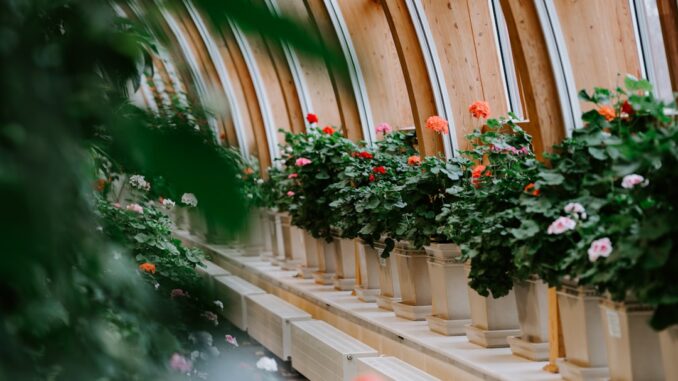

Unlocking the Magic: How an Orangery Can Transform Your Garden Experience
Imagine this: you’re sitting in a beautiful, light-filled space, coffee in hand, the rain pattering softly on the glazed roof above you. Outside, your garden bursts with vibrant green, even on a grey winter morning. The line between indoors and out seems to have vanished completely. That, my friends, is the everyday magic an orangery brings to your home. It’s not just an extension; it’s a profound shift in how you live, how you connect with nature, and how you experience every season. Today, we’re diving deep into the world of orangeries, exploring how these architectural beauties can elevate your living space and enrich your garden life.
Historically, orangeries were grand structures, born in the 17th century, designed for wealthy Europeans to cultivate citrus trees in colder climates. Think majestic estates, towering windows, and a touch of the exotic. Fast forward to today, and while the core idea of bringing the outdoors in remains, the modern orangery is a sophisticated, highly customizable living space, perfectly blending classic elegance with contemporary comfort. It’s truly a game-changer for many homeowners, a little slice of paradise right off your main living area.
Seamlessly Bridging Your Home and Garden
At its heart, an orangery functions as a graceful, permeable bridge, connecting your indoor sanctuary with the vibrant expanse of your garden. Unlike a typical solid-walled extension, which can feel quite cut off, an orangery, with its significant glazing and often substantial brick pillars, creates a harmonious flow that feels incredibly natural. It’s a purposeful blurring of boundaries, an invitation for nature to become an intrinsic part of your daily rhythm. Picture those expansive bifold doors folding back completely on a warm summer’s evening, inviting the gentle hum of the garden right into your dining space. It’s a fantastic feeling.
This isn’t just about aesthetics, you know. There’s a real psychological benefit to feeling so connected to the outdoors. Studies suggest that exposure to nature, even just visually, can reduce stress, improve mood, and boost cognitive function. So, when you’re sipping that morning brew, gazing out at the dew-kissed lawn, you’re not just enjoying a pretty view; you’re actually doing something good for your well-being. It’s like having a permanent, therapeutic retreat right on your doorstep.
Architecturally, the integration aspect is key. A well-designed orangery doesn’t just bolt onto your house; it harmonises with it. Builders and designers carefully consider the existing materials, rooflines, and window styles of your home to ensure the orangery looks like it’s always been there, not just an afterthought. Perhaps you use matching brickwork or a complementary render, tying it all together. This careful planning ensures that from the outside, your home gains a new dimension of elegance, and from the inside, you unlock an unparalleled connection to your outdoor space. It’s a wonderful example of thoughtful design making a huge impact on everyday life, truly.
Embracing Every Season, Every View
One of the most compelling aspects of an orangery is its ability to offer you a front-row seat to nature’s ever-changing spectacle, no matter the season. Imagine: in spring, the first brave daffodils pushing through the soil, the tender green shoots appearing on trees. You see it all unfold from the comfort of your armchair. Come summer, you’re bathed in warmth, the scent of blooming roses perhaps wafting in through open doors, children playing happily just beyond the glass.
And autumn? That’s when your orangery truly shines, allowing you to appreciate the fiery symphony of reds, golds, and oranges as leaves turn, without having to brave the chill. I remember a client, Sarah, telling me how she used to dread the end of summer, but now, her orangery makes autumn her favorite season. ‘It’s like living inside a giant watercolor painting,’ she’d said, and I thought that was just beautiful. Then winter arrives, bringing its own quiet magic. You can watch the snow gently fall, transforming your garden into a pristine, silent wonderland, all while you’re snug and warm indoors. This year-round appreciation of your outdoor space is something a regular extension simply can’t offer in the same way.
Maximizing Natural Light: A Beacon of Brightness
If there’s one feature that consistently draws people to orangeries, it’s their incredible capacity to flood your home with natural light. The strategic use of extensive glazing, especially the iconic roof lantern, transforms the internal atmosphere. This isn’t just about making a room brighter; it’s about altering the very mood and energy of your home. Think about it: a space drenched in sunlight just feels more expansive, more inviting, more alive. It truly lifts the spirits, doesn’t it?
Roof lanterns are architectural marvels in their own right. They sit atop a solid perimeter roof, acting like a giant skylight, drawing light deep into the orangery and often into adjacent rooms. The sheer volume of light they let in is impressive, creating a wonderful, airy sensation. Combine this with large, often floor-to-ceiling windows and perhaps even bifold doors, and you’ve got an unbroken stream of sunshine flowing in throughout the day. This abundance of natural light isn’t just aesthetically pleasing; it actually reduces your reliance on artificial lighting, leading to noticeable energy savings. Plus, that natural, diffused light is far more flattering and comfortable for your eyes than harsh overhead lamps. You might find you don’t even need to flick a switch until well after dusk.
Beyond the practical benefits, the quality of light in an orangery is distinct. It often feels softer, more diffuse, and more dynamic than light from a standard window. As the sun moves across the sky, patterns of light and shadow shift within the room, creating an ever-evolving canvas. It’s a subtle dance that connects you to the time of day, to the weather outside, and to the natural world in a very organic way. This kind of nuanced lighting creates an atmosphere of serenity and openness, which, for me, is absolutely priceless.
A Year-Round Retreat: Comfort in Every Climate
Remember those old conservatories? Beautiful, yes, but often either sweltering in summer or frigid in winter. They were often summer-only affairs, weren’t they? Well, modern orangeries have truly banished those limitations. Thanks to incredible advancements in glazing and insulation technologies, your orangery can be a perfectly comfortable, usable space 365 days a year. This versatility means it won’t just sit there waiting for good weather; it becomes an integral, always-on part of your home.
Let’s talk tech. Contemporary glazing uses low-emissivity (low-e) coatings, which are fantastic at reflecting heat back into the room during winter, keeping it warm, and conversely, reflecting solar heat out in summer, preventing overheating. Many units are filled with inert gases like argon between the panes, further enhancing their thermal performance. Then there’s the frame itself, often engineered with thermal breaks to prevent heat transfer. These aren’t your granny’s windows, oh no, these are high-performance systems designed for optimal energy efficiency and comfort. This sophisticated technology ensures the interior temperature remains stable and pleasant, regardless of the mercurial British weather.
Heating and cooling solutions are equally sophisticated. Underfloor heating is a popular choice, providing consistent, gentle warmth that feels luxurious underfoot, especially on a chilly morning. Air conditioning units, often discreetly integrated, can provide cooling on those rare but increasingly common scorching summer days. Furthermore, thoughtful ventilation strategies – perhaps automated roof vents or strategically placed windows – allow you to manage airflow and prevent stuffiness. The solid elements of an orangery, the brickwork for instance, also offer better insulation than a purely glazed structure, contributing significantly to its year-round usability.
Versatility Beyond Expectations
What truly sets a modern orangery apart is its incredible versatility. Because it’s so comfortable year-round, its potential uses are practically limitless. It’s not just a ‘garden room’ anymore; it’s a dynamic extension of your lifestyle. Here are just a few ideas:
- A Sun-Drenched Dining Area: Imagine hosting dinner parties under the stars or enjoying leisurely Sunday brunches bathed in natural light. It’s truly an experience.
- A Serene Home Office: Working from home often means being cooped up. An orangery offers an inspiring, bright, and calm environment, boosting productivity and well-being. No more staring at a blank wall!
- A Relaxing Lounge: Create a cozy reading nook, a space for unwinding with family, or simply a spot to enjoy the garden views. Add some soft furnishings, maybe a small fireplace, and you’re set.
- A Playroom for the Kids: Give the little ones a dedicated space where they can spread out, play, and connect with the garden safely.
- An Inspiring Art Studio or Hobby Room: The consistent, natural light is perfect for artists, crafters, or anyone pursuing a creative passion.
- A Home Gym: What a way to motivate yourself! Exercising with panoramic views of your garden is far more appealing than staring at a plain wall.
The possibilities are genuinely endless, and the best part is that it can evolve with your needs. A playroom today could become a home office tomorrow, or even a sophisticated entertaining space. It’s a truly flexible investment in your home and your lifestyle.
Designing Your Orangery: Form Meets Function
Undertaking an orangery project is an exciting journey, and the design phase is where your vision truly begins to take shape. It’s a chance to craft a space that not only enhances your garden connection but also beautifully complements your existing home. Thoughtful design ensures longevity, functionality, and aesthetic appeal. You want it to look like it was always meant to be there, don’t you?
Navigating Planning and Regulations
Before you even sketch a line, it’s crucial to understand the planning landscape. Many orangeries can fall under ‘Permitted Development’ rights, meaning you might not need full planning permission. However, strict criteria apply regarding size, height, proximity to boundaries, and materials. For instance, an orangery can’t usually extend beyond the rear wall of the original house by more than three or six metres, depending on whether it’s a detached or semi-detached property. If your home is in a conservation area, a National Park, or is a listed building, the rules become more stringent, and full planning permission will almost certainly be required. It’s always, always best to check with your local planning authority or consult with an experienced architect or orangery specialist early on. Believe me, sidestepping this step can lead to costly headaches later.
Architectural Harmony: Style Choices
Orangeries aren’t one-size-fits-all. They can be designed to echo a variety of architectural styles, from the classically grand to the sleekly modern. Are you aiming for a traditional look, perhaps with ornate detailing and decorative pilasters that match your period home? Or do you prefer a contemporary aesthetic, featuring minimalist lines, expansive frameless glass, and perhaps even hidden drainage systems? The choice will largely depend on your existing property and personal taste. Some popular configurations include:
- Lean-to Orangeries: Simple, efficient, and perfect for smaller spaces or properties where a grander structure isn’t feasible. They typically run along one wall of the house.
- Victorian or Edwardian Style: Often multi-faceted with a pitched roof or elaborate gables, echoing period architecture. These are fantastic for adding character.
- T-shaped or P-shaped Orangeries: These designs allow for distinct zones within the orangery, offering more flexibility for use, but they require a larger footprint.
Selecting a design that complements your home’s existing architecture is paramount. It’s about creating a cohesive visual narrative, not just adding a box to the back of your house.
Material Matters: Building for Beauty and Durability
The materials you choose for your orangery’s structure will significantly impact its appearance, performance, and longevity. Each has its unique characteristics:
- Timber: For a truly classic and organic feel, timber is often the go-to. Hardwoods like oak offer incredible strength and a rich, natural beauty that deepens with age. Accoya wood, on the other hand, is a modified timber known for its exceptional stability and durability, requiring very little maintenance. Timber frames can be painted in any colour imaginable, allowing for bold hues or subtle, traditional tones using high-performance paints like Teknos, which are designed for weather resistance and colour retention. The downside? Timber does require periodic maintenance, such as repainting or re-oiling, though modern treatments extend intervals considerably.
- Aluminium: If you’re leaning towards a more contemporary, minimalist aesthetic, aluminium is an excellent choice. Its strength allows for very slim sightlines, maximizing glass area and creating an elegant, understated look. Aluminium is incredibly durable, corrosion-resistant, and requires very little maintenance beyond a wipe-down. It’s also available in a vast array of powder-coated colours, so you can achieve almost any desired finish. The thermal performance of modern aluminium frames is also excellent, thanks to integrated thermal breaks.
- uPVC: A cost-effective and low-maintenance option, uPVC orangeries have come a long way. Modern uPVC frames can be designed to mimic timber, with woodgrain finishes available, and they offer good thermal insulation. While perhaps not as inherently ‘premium’ as timber or aluminium, they offer a practical and durable solution for many homeowners.
- Brickwork: Crucially, orangeries incorporate significant brickwork sections, often matching or complementing your existing house. These solid elements provide structural integrity, superior insulation compared to pure glass, and a sense of permanence that truly anchors the orangery to your home. They also offer valuable wall space for furniture, artwork, or heating elements, something a conservatory typically lacks.
The Importance of Glazing
The glass itself is arguably the most critical component. It’s not just about transparency; it’s about performance. You’ll want to consider:
- Low-E Glass: As mentioned, this is standard for energy efficiency.
- Solar Control Glass: Essential for roof lanterns and south-facing aspects, this glass helps to reflect a significant portion of the sun’s heat, preventing your orangery from becoming an oven in summer.
- Self-Cleaning Glass: A fantastic innovation, this glass has a special coating that reacts with UV light to break down organic dirt, which then washes away with rain. A real time-saver!
- Laminated or Toughened Safety Glass: For peace of mind and compliance with building regulations, especially for roof and large pane installations.
- Acoustic Glass: If you live in a noisy area, this can significantly reduce external sound, creating a tranquil oasis.
Doors and Windows: Your Gateway to the Garden
The choice of doors and windows is paramount for both aesthetics and functionality. Bifold doors are incredibly popular, collapsing neatly to create a wide, almost seamless opening to the garden. Sliding patio doors offer large panes of glass and can be a good option for narrower spaces. Traditional French doors provide a classic look and often work well with more traditional orangery designs. And don’t forget the windows themselves; sash windows can add a touch of period charm, while sleek casement windows offer a more contemporary feel. Each choice impacts the connection you have with your garden and how you move between spaces.
Personalizing Your Space: Reflecting Your Unique Style
Once the structure is in place, the real fun begins: transforming your orangery into a living, breathing extension of your personality. This is your chance to let your creativity shine, to craft a space that feels uniquely you. Think of it as a blank canvas, eagerly awaiting your personal touch.
Crafting the Interior Design Theme
Decide on a theme that resonates with your home’s existing style or perhaps creates a delightful contrast. Do you envision a rustic country charm, complete with reclaimed wood accents and soft, natural textures? Or maybe a sleek, modern minimalist vibe with clean lines, polished surfaces, and a muted colour palette? Perhaps a vibrant, bohemian retreat bursting with colour, pattern, and global influences? You could even go for a sophisticated coastal feel, with crisp whites, blues, and sandy tones, bringing a breezy holiday atmosphere right to your home. The key is consistency; once you pick a theme, let it guide your choices for furniture, colours, and accessories.
Furniture: Comfort Meets Durability
Given the abundance of natural light and often direct sunlight, choosing furniture that is both comfortable and durable is important. Wicker, rattan, and bamboo furniture are fantastic choices, offering a natural, light aesthetic that perfectly suits an orangery. They’re also robust and can withstand temperature fluctuations. For upholstered pieces, opt for fabrics that are fade-resistant and easy to clean, perhaps outdoor-grade fabrics that offer longevity indoors. Don’t be afraid to mix and match; a plush sofa alongside a rustic wooden coffee table can create an inviting, eclectic look. Remember, this is a space for relaxation, so comfort should be a high priority.
Flooring: Foundation for Style
Your flooring choice isn’t just about looks; it needs to be practical for a space that bridges indoors and out. Large format porcelain or ceramic tiles are incredibly popular. They’re hard-wearing, easy to clean, and excellent conductors for underfloor heating – a fantastic feature to consider for year-round comfort. Polished concrete offers a sophisticated, industrial-chic look, while engineered wood flooring can bring warmth and character, but ensure it’s suitable for areas with potentially higher humidity and temperature fluctuations. Think about how the flooring transitions from your main house into the orangery; a seamless flow helps reinforce that integrated feeling.
Lighting: Setting the Mood
While natural light is abundant during the day, thoughtful artificial lighting is crucial for evenings and darker days. Layered lighting is your friend here. Start with ambient lighting, perhaps recessed spotlights in the solid roof section or a stylish pendant light over a dining table. Then add task lighting, like a reading lamp by an armchair. Finally, incorporate accent lighting to highlight features, such as wall-mounted uplighters or even fairy lights for a whimsical touch. Dimmers are a must-have, allowing you to adjust the intensity and create different moods, from bright and functional to cozy and intimate. Smart lighting systems can take this a step further, letting you control everything from your phone, even when you’re not home.
Bringing in the Green: Internal Planting
What better way to enhance that garden connection than to bring some of it inside? Orangeries are ideal environments for a wide array of plants, especially those that appreciate bright, consistent light. Think about tropical plants like monsteras, bird of paradise, or palms, which will thrive in the warmth and humidity. Succulents and cacti can add a desert-chic vibe, requiring minimal fuss. You could even cultivate a mini edible garden with herbs, tomatoes, or dwarf fruit trees. Vertical gardens are a clever way to add greenery without taking up floor space, creating a living wall that’s both beautiful and air-purifying. Just remember to consider drainage, watering schedules, and the specific light requirements for your chosen flora.
The Finishing Touches: Accessories and Art
It’s the small details that truly make a space sing. Incorporate colourful ceramics, vibrant textiles, or intriguing pieces of art that reflect your taste. Mirrors can be strategically placed to reflect light and views, making the space feel even larger. Cushions, throws, and rugs add texture, warmth, and a touch of luxury. If you have a passion for collecting, an orangery can be a fantastic gallery for showcasing your treasures. Don’t forget the power of scent; diffusers or fresh flowers can add another layer to the sensory experience.
Enhancing Garden Connectivity: A Holistic Approach
Building an orangery is just the first step; to truly maximise its impact, you need to think about how it interacts with the garden around it. The goal is to create a seamless visual and physical journey from your indoor haven into the green embrace of your outdoor space. This holistic approach turns your orangery into the heart of a larger, integrated living environment.
Hardscaping: Creating Paths and Patios
Consider how people will move from the orangery into the garden. A well-designed patio or decking area immediately outside the doors extends the usable living space outwards. Use materials that complement both the orangery and your existing garden design – perhaps natural stone pavers that echo elements of your home, or composite decking for a modern, low-maintenance finish. Pathways leading from the orangery deeper into the garden can invite exploration, guiding the eye and the foot towards other features. Think about curves or straight lines, materials like gravel, stepping stones, or bark, all contributing to the overall flow.
Softscaping: Blurring the Edges with Plants
Strategic planting is crucial for dissolving those indoor-outdoor boundaries. Instead of a harsh line where the orangery ends and the garden begins, create soft, flowing borders. Plant flowerbeds and borders that gradually transition from formal planting near the structure to more naturalistic schemes further out. Use plants that echo colours or textures found inside the orangery, or choose species that attract birds and pollinators, bringing more life and movement to your view. Hedges can provide a green ‘wall’ that feels less imposing than a fence, and well-placed trees can frame views, offering shade in summer and structural beauty in winter. I’ve seen some absolutely stunning examples where the planting appears to flow directly into the orangery when the doors are open, it’s truly clever design.
The Allure of Water Features
A carefully positioned water feature can add an incredible sensory dimension to your orangery experience. The gentle trickle of a fountain or the serene surface of a small pond can be incredibly calming, providing both visual appeal and a soothing soundtrack. Water features reflect light beautifully, adding a dynamic sparkle to the scene. Just imagine watching the light dance on the water from your comfy chair, a truly peaceful moment.
Outdoor Lighting: Extending the Evening
Don’t let the magic end when the sun goes down! Thoughtful outdoor lighting extends the usability and beauty of your garden well into the evening. Install subtle pathway lights to guide movement, accent lights to highlight beautiful plants or architectural features, and perhaps some string lights or lanterns for a festive touch. With a flick of a switch, your garden transforms into an illuminated spectacle, viewable from your cozy orangery, making it a truly enchanting space for evening entertaining or quiet contemplation.
Creating Outdoor Living Zones
Consider creating distinct ‘rooms’ in your garden that naturally extend from your orangery. A patio for outdoor dining, a comfortable seating area with a fire pit for evening conversations, or even a small outdoor kitchen. These zones not only add functionality but also create destinations within your garden, inviting you to step beyond the glass and immerse yourself fully in the outdoor experience. The orangery becomes the gateway to a whole new way of outdoor living, really.
The Investment and Value Proposition
Let’s be honest, an orangery is a significant investment. This isn’t a quick DIY job, and the cost can vary widely depending on size, materials, complexity, and location. However, it’s an investment that typically yields substantial returns, both in terms of lifestyle enhancement and property value.
First and foremost, the lifestyle enhancement is undeniable. You gain a versatile, beautiful, and comfortable space that genuinely enriches your daily life. The improved connection to nature, the abundance of light, and the flexibility of use contribute to a higher quality of living, making your home a more joyful and functional place. I’ve had so many clients tell me their orangery became their favourite room, a true haven. Can you put a price on that feeling?
From a financial perspective, a well-designed and constructed orangery significantly adds to your property’s market value. It expands usable living space, enhances curb appeal, and provides a sought-after feature that often distinguishes a property in a competitive market. Potential buyers are increasingly looking for homes that offer versatile living areas and a strong connection to the outdoors, making an orangery a highly desirable asset. The return on investment can be considerable, often recouping a large portion, if not all, of the initial outlay.
Maintenance Matters
While modern orangeries are designed for durability, like any part of your home, they do require some maintenance. Timber frames will need periodic repainting or oiling, though less frequently with modern treatments. Aluminium and uPVC are virtually maintenance-free, requiring only occasional cleaning. Glazing might need a wash now and then, especially if you haven’t opted for self-cleaning glass. Regular checks of seals and drainage systems will ensure everything performs optimally for years to come. Thinking about maintenance at the design stage can save you effort down the line, so don’t overlook it!
Finding the Right Partner
Choosing the right orangery specialist or builder is paramount. Look for companies with a strong portfolio, excellent references, and a deep understanding of architectural design, construction, and planning regulations. They should offer a comprehensive service, from initial design concepts through to final installation. Don’t be afraid to ask detailed questions, scrutinise contracts, and clarify warranties. A good partner will guide you through every step, ensuring your vision is realised with the highest quality and professionalism. It’s a big decision, so take your time and choose wisely.
Conclusion: Your Gateway to a Fuller Life
Ultimately, an orangery is far more than just a structural addition to your home; it’s a gateway to a richer, more connected way of living. It offers a unique opportunity to blur the lines between your indoor comfort and the wild beauty of your garden, transforming your relationship with the seasons and the natural world around you. By thoughtfully designing and personalizing this incredible space, you’re not just creating an extra room; you’re crafting a year-round retreat that maximises natural light, provides unparalleled versatility, and significantly enhances your daily life.
So, whether you dream of a sun-drenched dining area, a peaceful home office, or a vibrant space for entertaining, an orangery can make that vision a reality. It’s an investment in beauty, comfort, and well-being, enriching your home and deepening your connection to the nature that often lies just beyond our windows. Why not open the door to a more luminous and connected way of living? I think you’d absolutely love it.
Be the first to comment