
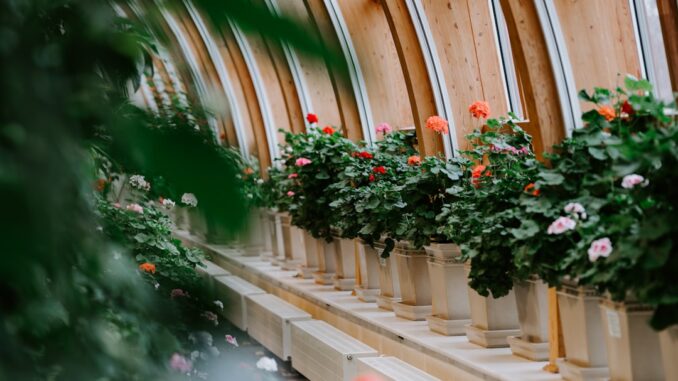

The Orangery: Unlocking Year-Round Elegance and Expanding Your Horizon
Imagine stepping into a space that effortlessly blurs the lines between your comfortable indoor sanctuary and the vibrant, ever-changing tapestry of your garden. Picture natural light cascading in, washing over everything with a soft, inviting glow, even on a cloudy day. That’s the magic, the undeniable allure, of an orangery—a truly sophisticated extension that doesn’t just add square footage, it fundamentally transforms your living experience and connects you more deeply with the natural world right outside your door. It’s not just a room; it’s a lifestyle upgrade, a daily invitation to savour every season.
Historically, orangeries emerged in the 17th century as grand structures for cultivating citrus trees in colder European climates. Think of them as the original ‘winter gardens’ for royalty and the affluent, a testament to their desire to defy nature’s limitations and enjoy exotic fruits year-round. Today, while few of us are nurturing orange groves, the spirit of bringing the outdoors in, with elegance and purpose, remains absolutely central to their design. An orangery is more than a glass box; it’s a meticulously crafted architectural statement, a testament to thoughtful design and a desire for harmonious living.
The Art of Seamless Integration: Blurring Boundaries with Grace
An orangery, at its core, acts as a masterful bridge, gracefully connecting your home to your garden in a way few other extensions can. It’s a space designed to dissolve the visual barriers, allowing you to appreciate the nuanced beauty of your outdoor environment no matter what the weather decides to throw your way. With its signature expansive windows, often set into robust brick or timber structures, and that iconic glazed lantern roof, the interior is utterly bathed in natural light. This isn’t just bright; it’s a luminosity that feels organic, almost as if the garden itself has seeped indoors, creating an ethereal connection.
This design philosophy isn’t accidental; it’s a deliberate choice that contrasts sharply with the often predominantly glass construction of a traditional conservatory. Orangeries boast a more solid, substantial feel, typically featuring brick dwarf walls, elegant pilasters, and a solid perimeter roof with a central glazed lantern. This architectural distinction offers a greater sense of permanence, making it feel like an integral, rather than an add-on, part of your main dwelling. The light, filtered and diffused through the roof lantern, creates an ambience that’s both invigorating and calming, far removed from the sometimes intense glare one might find elsewhere.
I recall a client, Sarah, who lived in a charming, but somewhat dark, Victorian terrace. Her garden was a little haven, but it felt entirely separate from the house. After adding a beautifully designed orangery off her kitchen, everything changed. Suddenly, her kitchen felt twice as large, flooded with golden afternoon light. She told me, ‘It’s like my garden is now part of my morning coffee ritual, not just something I visit.’ Her dining table moved into the orangery, and the daily act of eating became an experience, complete with views of her climbing roses and the gentle rustling of leaves. The orangery didn’t just add space; it utterly transformed her relationship with her home and garden, truly blurring those lines in the most delightful way possible. It brought the outside in with an almost poetic elegance, you see.
The psychological benefits of this connection can’t be overstated. There’s a profound sense of well-being that comes from being constantly aware of nature, even when you’re sheltered from its elements. It reduces stress, improves mood, and just generally makes you feel more grounded. An orangery really delivers on this, offering a daily dose of natural therapy. The sheer joy of watching a sudden downpour from a warm, dry vantage point, or observing the garden transition through autumn’s fiery hues and winter’s crisp whites, it’s priceless. It becomes a quiet haven, a place for contemplation, a true extension of living in every sense of the word. And that’s something you simply can’t put a price on, can you?
Year-Round Enjoyment: A Sanctuary for All Seasons
One of the most compelling advantages of an orangery, distinguishing it significantly from its conservatory cousins, is its robust design for genuine year-round comfort. Unlike many older conservatories that can become sweltering ovens in summer or chilly ice boxes in winter, orangeries are engineered for thermal efficiency, ensuring a consistently pleasant internal climate. Their more solid construction, usually incorporating a brick base, highly insulated walls, and a substantial, often insulated, flat roof section surrounding the central glazed lantern, is key to this performance.
Consider the materials used. Modern orangeries leverage cutting-edge technology in their glazing, often featuring high-performance, low-emissivity (low-e) glass with argon gas infills. This technology dramatically improves thermal insulation, keeping heat in during the colder months and reflecting excessive solar gain away in summer. Couple that with multi-chambered uPVC, thermally broken aluminum, or engineered timber frames, and you’ve got a structure that performs exceptionally well against the elements. You won’t find yourself shivering through winter mornings or wilting in summer afternoons; instead, you’ll discover a space that’s always ready to welcome you.
Think about John and Mary, who live in a climate with quite noticeable seasonal shifts. Their old conservatory was practically unusable for half the year. After upgrading to an orangery, they discovered a truly transformative difference. In winter, with a discreet underfloor heating system, their orangery became a gloriously warm and cozy retreat. They’d sit there with mugs of hot cocoa, watching the snow fall, feeling utterly disconnected from the chill outside. ‘It’s our favourite spot for Christmas morning now,’ John mentioned, ‘we can see the twinkling fairy lights on the trees without freezing our toes off.’ And during the summer, strategically placed roof vents and perhaps an integrated ceiling fan kept the air wonderfully fresh and comfortable, allowing them to enjoy long, lazy afternoons with the garden in full bloom, without feeling overheated. It’s that adaptability, that unwavering comfort, that truly makes an orangery an invaluable asset, a space that gives back season after season.
The robust roof structure of an orangery also provides greater flexibility for integrated lighting and heating solutions. Recessed spotlights, pendant lights, or even integrated speakers can be seamlessly incorporated into the solid roof perimeter, something often impossible with a fully glazed roof. This means you can create a truly sophisticated internal ambience that feels less like an extension and more like an exquisitely designed room within your home, tailored for comfort and utility, whatever the weather decides to do that day. This thoughtfully designed thermal envelope isn’t just about comfort, you know; it’s also a significant factor in managing your energy consumption, something we’ll touch on in more detail later.
Versatile Design Options: Crafting Your Perfect Space
One of the most exciting aspects of an orangery is its incredible design versatility. This isn’t a one-size-fits-all solution; it’s a canvas upon which you can paint your ideal living space, tailored precisely to your unique style, practical needs, and the architectural nuances of your existing home. Whether you envision it as a sun-drenched dining area, a tranquil lounge, a vibrant home office, an inspiring art studio, or even a playful haven for the kids, the possibilities are truly expansive.
The choice of materials alone offers a vast spectrum. You might lean towards the timeless elegance of hardwood, such as oak or mahogany, known for its natural beauty and exceptional durability, often chosen for period properties or those seeking a classic, sophisticated aesthetic. Or perhaps the low-maintenance practicality and wide colour palette of uPVC appeals, a fantastic choice for modern homes and budgets. Then there’s aluminium, sleek and contemporary, offering slim sightlines and incredible strength, perfect for achieving a minimalist, high-tech look. Each material brings its own character, its own unique fingerprint to the final design.
Beyond the primary construction materials, the choices continue. What about the flooring? Elegant porcelain tiles, warm engineered wood, practical luxury vinyl, or even polished concrete – each option dramatically alters the feel and function of the space. The internal finishes, from paint colours that complement your existing decor to bespoke cabinetry, can be meticulously chosen to create a cohesive and deeply personal environment. And let’s not forget the crucial element of lighting; well-planned schemes, incorporating task, ambient, and accent lighting, can transform the orangery’s mood from bright daytime functionality to cozy evening relaxation.
I recently worked with a family who had a relatively small kitchen but a yearning for a larger, brighter space to entertain. Their solution? An orangery designed as a seamless kitchen extension. We specified sleek, handleless units, a large island with an induction hob, and bi-fold doors that, when fully opened, effectively dissolved one wall of the orangery, merging it with the patio and garden. It became the heart of their home, a place where morning coffee stretched into brunch, where homework happened after school, and where lively dinner parties flowed effortlessly between indoor and outdoor zones. Their youngest, an aspiring chef, even got a dedicated baking station by the window, often looking out at the vegetable patch for inspiration. It wasn’t just an extension, it was a profound enhancement of their family life, an active space bursting with life.
And what about the styling? Soft furnishings like lush curtains, Roman blinds, or even smart, remote-controlled integral blinds within the glass units can provide both aesthetic appeal and practical shade. Carefully selected furniture – perhaps a plush L-shaped sofa for lounging, a sturdy dining table for family meals, or an ergonomic desk for focused work – will define the room’s primary purpose. Even the plants you choose can elevate the space; a tall, elegant fig tree in a corner, or fragrant herbs on a windowsill, really tie the room to its garden surroundings.
Ultimately, the beauty of an orangery’s design versatility lies in its ability to truly reflect you and your lifestyle. It’s not just about adding square footage; it’s about adding intelligently designed, beautifully crafted, and intensely personal living space that enhances every aspect of your daily life. And that’s something truly special, something to get excited about when you’re planning such a significant home improvement. Just remember to consider all the little details, they really do add up.
Enhancing Property Value: A Smart Investment for the Future
Beyond the immediate gratification of an improved living space, an orangery stands out as a remarkably sound investment, significantly enhancing your property’s market appeal and, very often, its financial value. In today’s competitive property market, buyers aren’t just looking for four walls and a roof; they’re searching for lifestyle, for spaces that offer flexibility, natural light, and a palpable connection to the outdoors. An orangery ticks all those boxes with considerable style and substance.
While specific Return on Investment (ROI) figures can fluctuate based on location, quality of build, and prevailing market conditions, it’s widely accepted that a well-designed and expertly constructed orangery can add between 5% and 15% to your home’s value. In some cases, particularly for properties where additional living space or a strong garden connection was previously lacking, the impact can be even more substantial. It’s not just adding another room, you see, it’s adding a desirable room, one that often becomes the jewel in the crown of a property.
Think about the typical buyer’s journey. They’re scrolling through listings, looking at countless homes. A property with an orangery immediately stands out. It’s a ‘wow’ factor, a unique selling proposition that elevates your home above the competition. Prospective buyers are instantly drawn to the bright, open, and versatile space. They start to envision their own lives unfolding there – morning coffees bathed in sunlight, relaxed family dinners, a peaceful spot for work or hobbies. This emotional connection, fostered by the orangery, is incredibly powerful in driving buyer interest and, crucially, offers.
I heard from a couple, Mark and Jessica, who were initially hesitant about the cost of adding an orangery before selling their home. They’d lived there for years and felt it needed a significant uplift. After completing the orangery, which served as a gorgeous secondary living area, their estate agent actually re-valued their home significantly upwards. The agent specifically highlighted the orangery as the primary driver, noting ‘it completely changes the flow of the downstairs and offers that crucial extra dimension of living space.’ When it went on the market, they received multiple offers, several above their asking price. They were convinced the orangery paid for itself, and then some. It isn’t just an expense; it’s a strategic asset that pays dividends.
Furthermore, an orangery expands your home’s perceived footprint without requiring an entirely new wing. It offers a sophisticated alternative to a traditional extension, often with a smoother planning permission process, although this definitely varies by locality so always check! Its inherent flexibility means it appeals to a broad range of demographics: families needing extra play or study space, retirees seeking a tranquil spot for reading and gardening, or professionals desiring a bright, inspiring home office. This broad appeal translates directly into a larger pool of potential buyers, which is always a good thing when you’re looking to sell.
So, while the initial investment might seem significant, consider it a strategic move that not only enhances your immediate enjoyment of your home but also positions it extremely well for the future. A well-executed orangery isn’t just an improvement; it’s a testament to quality, thoughtful design, and a commitment to elevated living, all qualities that resonate strongly with discerning property purchasers.
Energy Efficiency: Smart Design for a Greener Future
In our increasingly eco-conscious world, and with rising energy costs, the energy efficiency of any home improvement is a paramount concern. Modern orangeries are designed with exactly this in mind, moving far beyond the thermally inefficient glass structures of yesteryear. They are, in fact, incredibly sophisticated structures engineered to maintain comfortable indoor temperatures while significantly reducing reliance on artificial heating and cooling systems. This isn’t just good for your wallet; it’s good for the planet.
At the heart of this efficiency are several key technological advancements. We’re talking about high-performance glazing – often double or even triple-glazed units filled with inert gases like argon or krypton, and coated with microscopic, metallic low-emissivity (low-e) films. These coatings selectively reflect radiant heat, meaning they keep precious warmth inside during winter and bounce unwanted solar heat away during summer. This dramatically improves the U-value of the glazing, a measure of how well a building element prevents heat from escaping. A lower U-value means better insulation, simple as that.
Then there’s the frame material itself. Whether it’s multi-chambered uPVC profiles, thermally broken aluminium systems, or carefully selected, insulated timber, each component is designed to minimise thermal bridging – those pathways where heat can easily escape or enter. The solid sections of the orangery’s roof, typically featuring highly insulated panels, also play a crucial role, providing a much higher level of insulation than a fully glazed roof could ever achieve. This combination creates a highly effective thermal envelope around your new living space.
I was chatting with a friend, David, who runs a small graphic design studio from his home. He installed an orangery specifically as his new office, opting for top-tier energy-efficient features. He initially worried about heating it in winter, but he told me, ‘I’m genuinely surprised. My old office, a converted spare bedroom, was always cold, but the orangery stays wonderfully temperate. I’ve barely cranked up the heating in there, even on frosty mornings.’ He also found that the abundance of natural light meant he rarely needed to switch on artificial lighting during the day, further reducing his energy consumption. It’s that clever combination of light and thermal performance that truly makes the difference, you see. It’s a testament to how far these designs have come.
Beyond insulation, modern orangeries incorporate smart ventilation strategies. Automated roof vents, controlled by temperature and rain sensors, can open to allow hot air to escape in summer, providing natural cooling. Combined with strategically placed windows and doors, this facilitates excellent cross-ventilation, creating a comfortable breeze without the need for constant air conditioning. Some systems even integrate with smart home technology, allowing you to control climate settings remotely, pre-warm the space before you get home, or monitor energy usage with precision. This level of control empowers you to be truly efficient.
While the upfront cost for these high-specification materials and smart systems might be slightly higher, the long-term savings on your energy bills are substantial, often making the investment well worthwhile. Moreover, you’re contributing to a smaller carbon footprint, making a choice that’s both economically shrewd and environmentally responsible. An energy-efficient orangery isn’t just a comfortable addition; it’s a forward-thinking statement about sustainable living.
The Journey to Your Dream Orangery: What to Consider
Embarking on the journey to add an orangery to your home is an exciting prospect, but it’s one that benefits greatly from careful planning and consideration. It’s not simply a matter of picking a design off a brochure; it’s about creating a bespoke addition that truly enhances your property and lifestyle. Here are some key steps and considerations to help guide you through the process.
1. Define Your Vision and Purpose
Before anything else, spend time truly envisioning how you’ll use this new space. Is it a sprawling dining room for entertaining, a tranquil reading nook, a productive home office, or perhaps a sunny play area for children? Your primary purpose will heavily influence the size, layout, and even the internal finishes. Don’t be afraid to dream big, but also be realistic about how it integrates with your existing home. Sketch out ideas, collect inspiration images, and really articulate what you hope to achieve.
2. Architectural Harmony and Style
An orangery should look like it was always meant to be part of your home, not an afterthought. Consider your property’s existing architectural style. Is it a traditional Victorian, a modern minimalist home, or something in between? Choose materials, colours, and designs that complement and enhance your current aesthetic. A timber orangery might suit a period property beautifully, while a sleek aluminium frame could be perfect for a contemporary home. The goal is seamless integration, both visually and functionally.
3. Planning Permission and Building Regulations
This is a critical step you absolutely cannot overlook. While many orangeries can fall under ‘permitted development’ rights, meaning they don’t always require full planning permission, it’s never a given. Factors like the size, height, proximity to boundaries, and location (e.g., in a conservation area or on a listed building) can all necessitate formal planning consent. Furthermore, regardless of planning permission, your orangery will need to comply with building regulations, covering aspects like structural integrity, thermal performance, and safety. Always consult with your local planning authority or a reputable orangery specialist early in the process to avoid costly delays or, worse, having to dismantle your beautiful new extension. Getting it right from the start saves a lot of headaches later on, believe me.
4. Choosing the Right Partner
Selecting an experienced and reputable orangery designer and installer is paramount. Look for companies with a strong portfolio, positive client testimonials, and accreditation from industry bodies. A good specialist will not only help you refine your design but will also guide you through the planning and building regulations maze, manage the project efficiently, and ensure a high-quality build. Don’t be shy about asking for references or visiting previous installations if possible. This is a significant investment, so you want to feel utterly confident in the team you choose.
5. Budgeting and Costs
Be realistic about your budget from the outset. Orangery costs can vary widely depending on size, materials, complexity of design, glazing specifications, and internal finishes. Get detailed quotes that itemise all aspects of the project, including groundworks, electrical installations, heating, flooring, and finishing touches. Remember to factor in potential costs for landscaping changes around the new structure, too. It’s always wise to set aside a contingency fund for any unforeseen eventualities, usually around 10-15% of the total project cost. No one wants surprises, but they do happen.
6. Interior Design and Furnishings
Once the structure is complete, the fun really begins! Consider how you’ll furnish and style your orangery. Think about furniture layouts that maximise the light and views, durable materials that can withstand fluctuations in temperature and direct sunlight, and soft furnishings that add warmth and personality. Don’t forget lighting schemes – a mix of ambient, task, and accent lighting will ensure the space is functional and inviting both day and night. The interior design truly brings the space to life and makes it uniquely yours.
By approaching your orangery project with thoughtful planning and professional guidance, you’ll not only create a stunning addition to your home but also ensure it remains a source of joy, comfort, and enhanced property value for many years to come. It’s an investment in your home, and more importantly, in your quality of life. And that’s an investment I’m always happy to see people make.
Conclusion: Your Home, Elevated
Incorporating an orangery into your home is so much more than simply adding an extra room; it’s a deliberate act of enhancing your lifestyle, deepening your connection to the natural world, and truly elevating your entire living experience. From its historical roots cultivating exotic citrus to its modern iteration as a versatile, energy-efficient extension, the orangery has evolved into a sophisticated architectural solution for contemporary living.
It offers that unparalleled seamless integration between indoors and out, creating spaces bathed in natural light that adapt to your every need, from a bustling family kitchen to a serene private retreat. You’ll find yourself enjoying year-round comfort, shielded from the elements yet always connected to the garden’s changing beauty. The design flexibility is boundless, allowing you to craft a deeply personal space that reflects your style and serves your specific purpose, all while making a smart, long-term investment in your property’s value. And with today’s focus on energy efficiency, you can be confident that your beautiful new orangery is also a responsible, future-proof choice.
So, whether you’re dreaming of entertaining friends with panoramic garden views, finding a quiet corner for reflection, or simply bringing more light and life into your everyday, an orangery truly offers a unique environment. It’s an invitation to live more expansively, more beautifully, and more connectedly. It isn’t just an extension; it’s an enhancement to the very fabric of your home and, ultimately, your way of life.
References
- ‘6 Reasons You Need An Orangery.’ Orangeries Aylesbury. (bergsonandeaton.com)
- ‘Unveiling the Beauty and Practicality of Orangeries.’ Renaissance Conservatories. (renaissanceconservatories.co.uk)
- ‘6 benefits of an Orangery.’ Halstead Glass. (halsteadglass.co.uk)
- ‘5 Reasons Why A Modern Orangery Is A Good Idea.’ Charles Christianson. (englishgardenrooms.co.uk)
- ‘Top 10 Advantages of Installing an Orangery.’ Eliments. (eliments.co.uk)
An orangery sounds like the perfect spot to contemplate whether oranges are just lemons that believed in themselves. Jokes aside, the blend of indoor comfort and natural light you described makes it sound like a productivity paradise. Ever considered setting up a co-working space in one?
That’s a fun take on oranges and lemons! The natural light really does make it a fantastic space for focusing. A co-working space in an orangery is an interesting idea! The blend of nature and productivity could be a winning combination. Perhaps a future project!
Editor: ElegantHome.News
Thank you to our Sponsor Elegancia Homes
The historical context you provided is fascinating. It’s interesting how the orangery has evolved from a status symbol of the affluent to a versatile architectural element accessible to many. How have modern materials impacted the design and functionality compared to the original structures?
Thank you for highlighting the historical shift! Modern materials like thermally efficient glass and composite framing have indeed revolutionized orangery design. They allow for larger glazed areas, improved insulation, and greater structural integrity, all while reducing maintenance. This unlocks greater design freedom and year-round usability for a wider range of homeowners.
Editor: ElegantHome.News
Thank you to our Sponsor Elegancia Homes
Year-round comfort? Intriguing! So, could I hypothetically house a colony of perpetually sunbathing lizards in an orangery? Asking for a friend… who may or may not be a lizard enthusiast.
That’s a fantastic question! With the right temperature control and basking spots, an orangery could indeed be a luxurious lizard lounge. It would certainly be a unique conversation starter. Let me know if your “friend” needs design tips!
Editor: ElegantHome.News
Thank you to our Sponsor Elegancia Homes
The article mentions orangeries can increase property value. Considering the current emphasis on sustainable living, how does incorporating eco-friendly features like rainwater harvesting or solar panel integration further impact the property’s valuation and appeal to prospective buyers?
That’s an excellent point! Integrating sustainable features is becoming a major selling point. Solar panels or rainwater harvesting not only boost property value but also attract environmentally conscious buyers. These additions showcase a commitment to sustainability, further enhancing the orangery’s appeal and perceived value. This really enhances the lifestyle upgrade an orangery brings.
Editor: ElegantHome.News
Thank you to our Sponsor Elegancia Homes
The discussion of interior design and furnishings is very helpful. What are some innovative ways to integrate smart home technology, such as automated shading or climate control, to maximize the comfort and usability of an orangery throughout the year?
Thanks for the great question! Beyond automated shading and climate control, consider smart irrigation systems for indoor plants. These systems adjust watering based on soil moisture levels, ensuring optimal plant health and creating a lush, vibrant atmosphere without constant manual intervention. This further enhances the orangery’s connection to nature and simplifies maintenance.
Editor: ElegantHome.News
Thank you to our Sponsor Elegancia Homes
An “invitation to live more expansively” you say? Does that mean I can finally justify my plan to keep a miniature llama as an emotional support animal in my future orangery? Asking for a friend with…expansionist tendencies.
That is hilarious! I can just see a llama enjoying the warmth and light. An orangery would definitely elevate their emotional support game! Just picture the llama gazing serenely at the garden. Let’s consider llama-friendly landscaping options for your friend’s orangery. We could certainly enhance the serenity!
Editor: ElegantHome.News
Thank you to our Sponsor Elegancia Homes
Considering the increasing emphasis on minimizing environmental impact, could you elaborate on specific design choices that optimize natural ventilation within an orangery, reducing reliance on air conditioning and promoting sustainable living practices?
That’s a great question! Beyond the points mentioned in the article, consider the strategic placement of operable windows and vents. High-level vents, in particular, can effectively release rising hot air, creating a natural convection current. Incorporating climbing plants on the exterior can also provide natural shading and cooling. Think green infrastructure!
Editor: ElegantHome.News
Thank you to our Sponsor Elegancia Homes
Given the versatility of orangeries in blending indoor and outdoor spaces, how might the design be adapted to incorporate features that support both human well-being and local biodiversity, such as integrating bird feeders or bee-friendly planting schemes?
That’s a great point about integrating biodiversity! Thinking along those lines, green roofs or walls could also be incorporated into orangery designs. These would not only enhance the aesthetic appeal but would also provide habitats for insects and birds, further strengthening the connection with the natural world.
Editor: ElegantHome.News
Thank you to our Sponsor Elegancia Homes
Given the orangery’s design versatility, have you seen specific instances where the structure’s adaptability has significantly influenced its use, such as transitioning from a summer dining area to a winter reading room with minimal adjustments?
That’s a really insightful question! I’ve seen orangeries cleverly designed with modular furniture and adaptable lighting. This allows homeowners to easily transform the space – switching from bright, airy dining in the summer to a cozy, softly lit reading nook during the winter months with a simple rearrangement. It’s all about flexible design!
Editor: ElegantHome.News
Thank you to our Sponsor Elegancia Homes