
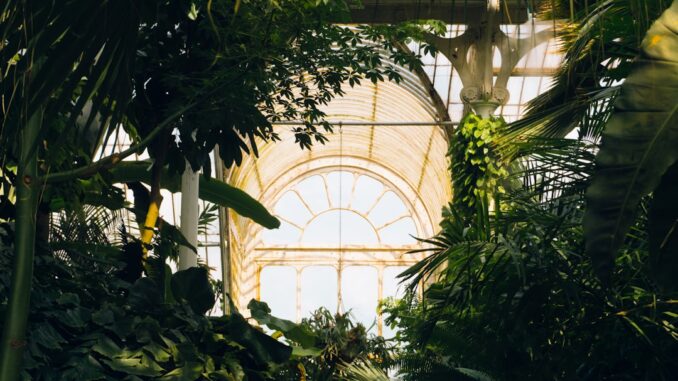

From Conservatory to Orangery: Elevating Your Home’s Connection to Nature
There’s something truly special about having a space that bridges the gap between your indoor comforts and the beauty of your garden. For many homeowners, a conservatory has long served this purpose, offering a light-filled extension perfect for sunny days. But what if you crave something a little more substantial, a touch more integrated, a space that feels utterly luxurious and perfectly usable, come rain or shine? That’s where the magic of transforming your existing conservatory into a stunning orangery comes into play. It’s a journey, undoubtedly, but a profoundly rewarding one, promising to redefine how you experience your home and garden.
An orangery, with its distinctive architectural style – think robust brick pillars, expansive glazing, and that crowning glory, the elegant roof lantern – offers a sophisticated upgrade. It’s not just a glass room; it’s a refined extension, a proper room with character and a sense of permanence, something far beyond the airy, often temperature-challenged conservatory. It whispers of old-world charm yet integrates seamlessly with modern living, adding a touch of grandeur and undeniable elegance to any property. And let’s be honest, who doesn’t want a bit of that?
This isn’t just about slapping some bricks onto an existing structure, mind you. It’s a considered project that, when done right, can significantly enhance your lifestyle and the value of your home. You’re essentially taking a seasonal space and turning it into a year-round haven, a versatile room that can effortlessly transition from a vibrant breakfast nook to a tranquil evening lounge, perhaps even a productive home office with an inspiring view. The prospect itself is exciting, isn’t it? But like any major home improvement, it needs careful planning and a clear understanding of the steps involved. So, let’s roll up our sleeves and explore how you can make this dream a reality.
The Crucial First Step: Assessing Your Conservatory’s Structural Foundation
Before you even begin dreaming of paint colours or furniture layouts, the absolute first and most critical step involves a thorough structural assessment of your existing conservatory. This isn’t a DIY job; you’ll want a qualified, experienced contractor or, even better, a structural engineer, to cast a professional eye over things. Why? Well, a conservatory typically has a much lighter footprint, relying more on its glazed structure for support. An orangery, conversely, introduces significant weight – solid brick or stone walls, a heavier, often tiled, roof structure, and that substantial roof lantern. Can your current foundations handle this increased load?
Think about it: older conservatories, especially those built in the 80s or 90s, often sit on very shallow footings, sometimes little more than a concrete slab. They weren’t designed to support the kind of robust, insulated structure an orangery demands. If you try to build a heavy new structure on inadequate foundations, you’re just asking for trouble – cracks in the walls, subsidence, even structural failure down the line. Nobody wants that headache, or the eye-watering repair bills that come with it. So, a proper assessment isn’t just a recommendation, it’s a non-negotiable safety requirement.
Your structural engineer will look for a few key things. They’ll examine the existing footings, checking their depth, width, and overall condition. They’ll assess the ground conditions beneath – is it stable clay, loose soil, or rock? What about tree roots nearby, or any history of ground movement? They might need to dig trial pits to get a proper look, which can feel a bit invasive, sure, but it’s essential. They’ll also consider the integrity of any existing dwarf walls or structural frames that might be incorporated into the new design. It’s all about ensuring a stable, safe platform for your future orangery.
If the foundations aren’t up to scratch, don’t despair! This doesn’t mean your orangery dreams are dashed. It simply means additional work is needed. This could involve underpinning the existing foundations, adding wider and deeper footings, or even employing mini-piling techniques if the ground is particularly challenging. Yes, this adds to the project’s cost and timeline, but it’s an investment in the longevity and safety of your new space. Skimping here is a false economy, one you’ll almost certainly regret. You’ll thank yourself later for getting this bit absolutely right, trust me on that one. Once you’ve got the structural green light, or a clear plan for reinforcement, you can move on to the more visually exciting aspects of the conversion.
Rethinking the Crown: Roof Replacement and Enhancement
The roof is arguably the most defining element distinguishing an orangery from a conservatory. While conservatories are traditionally almost entirely glass-roofed, an orangery boasts a more solid, often tiled or lead-clad, perimeter roof, punctuated by that glorious central glazed lantern. This design masterstroke allows abundant natural light to pour in, but crucially, it also offers significantly better insulation and acoustic properties than a purely glass roof. It’s where the light-filled charm meets practical year-round comfort.
So, the first order of business here is removing or replacing your existing conservatory roof. This isn’t just about ripping off the old one; it’s about carefully dismantling it, ensuring minimal disruption to the remaining structure. Once that’s done, you’re looking at constructing a new, robust roof system. This typically involves a timber or aluminium framework, built to support the substantial weight of the solid roofing materials and the roof lantern itself. This framework will need to be properly engineered to meet current building regulations, particularly concerning structural integrity and thermal performance.
For the solid sections of the roof, you have several excellent options. Many homeowners opt for lightweight tiled roofing systems. These mimic the look of traditional tiles or slates but are engineered to be much lighter, making them suitable for many existing structures (though foundations are still key!). Materials like composite tiles, often made from recycled plastics, offer excellent durability, weather resistance, and insulation, plus they come in a wide array of colours to match your main house. Alternatively, for a more contemporary or industrial feel, you might consider flat roof options with materials like EPDM rubber membranes or GRP (Glass Reinforced Plastic). These are incredibly durable, watertight, and offer a sleek, minimalist aesthetic. Whichever material you choose, the key is superior insulation. Think multi-layered construction with high-performance insulation boards to achieve those desirable U-values, keeping heat in during winter and out during summer. You don’t want a sweltering box in July, or a freezer in December, do you?
This new roof structure, incorporating both solid and glazed elements, will transform the feel of your space. It’ll bring a greater sense of enclosure and permanence, making the orangery feel more like an integral part of your home rather than an add-on. Plus, the improved insulation means a quieter space, dampening the sounds of heavy rain or strong winds that often plague conservatories. It’s a game-changer for comfort and usability.
The Solid Embrace: Incorporating Brick or Stone Walls
Here’s where an orangery truly steps out of the conservatory’s shadow: its solid walls. Unlike conservatories, which embrace an ‘all glass’ philosophy, orangeries artfully blend expansive glazing with substantial brick or stone elements. This isn’t just an aesthetic choice, although the visual impact is significant; it’s a fundamental design decision that dramatically improves the space’s thermal performance and creates a more robust, ‘room-like’ feel.
Imagine the difference: instead of floor-to-ceiling glass on every side, you’re introducing structural brick pillars or stylish dwarf walls. These solid sections provide crucial insulation, helping to keep the interior temperature stable, preventing that ‘greenhouse effect’ in summer and the icy chill in winter. They also offer excellent sound dampening, creating a much cozier, quieter environment. From a practical standpoint, these walls give you something to lean furniture against, hang artwork, or install electrical sockets – things that are tricky or impossible with just glass.
When it comes to materials, you’ve got a couple of compelling routes. The most popular choice is to match the brickwork or stonework of your main house. This creates a beautifully cohesive look, making the orangery appear as though it was always part of the original building, an extension that has grown organically from your home. This seamless integration is often preferred for a classic, timeless aesthetic. However, don’t feel constrained by tradition! You might, on the other hand, choose a complementary style or even a contrasting material for a striking, contemporary statement. Perhaps a sleek rendered finish, or even a different colour brick, could create a distinct architectural feature that adds character. It really depends on your personal taste and the overall architectural language of your property. Just remember to consider how it will look from both inside and outside, you want it to enhance, not detract.
Incorporating these walls involves careful construction. If you’re replacing full-height glass panels, new foundations might be needed for the wider brick sections, connecting seamlessly with your existing base. Builders will typically use cavity wall construction, introducing an air gap and insulation within the brickwork to maximise thermal efficiency. They’ll also ensure proper damp-proofing and weather-tightness, connecting the new walls to the existing house structure with specialist ties. It’s a complex dance of masonry and engineering, all designed to create a beautiful, durable, and highly insulated space. The result? A solid, inviting room that feels genuinely connected to your home, a comforting embrace rather than a fragile attachment.
The Light-Bringer: Installing a Roof Lantern
Ah, the roof lantern. This is truly the jewel in the orangery’s crown, the architectural feature that sets it apart and gives it that distinctive, luxurious character. While the solid roof provides insulation and structure, the roof lantern is all about inviting the sky indoors, flooding the space with glorious natural light and creating an incredible sense of height and drama. It’s like a spotlight from above, illuminating your new living space.
Visually, a well-placed roof lantern becomes an instant focal point, drawing the eye upwards and making the room feel significantly more spacious and airy than it actually is. Imagine sitting beneath it, sunlight streaming in, perhaps even gazing up at the stars on a clear night – it’s an utterly enchanting experience. But beyond its aesthetic charm, the roof lantern serves a crucial functional purpose: it maximises natural light penetration into the deeper parts of the orangery, which might otherwise be shadowed by the surrounding solid roof sections. This means less reliance on artificial lighting during the day, which is always a bonus for both your energy bills and your mood.
When choosing a roof lantern, you’ll find a surprising array of styles, shapes, and sizes. Rectangular lanterns are common for elongated orangeries, while square ones work beautifully in more central, square-shaped spaces. You can opt for minimalist, slimline aluminium frames for a contemporary look, or choose more traditional uPVC or timber frames that can be painted to match your interior décor. The glass itself is also a key consideration. Think about options like self-cleaning glass (a true godsend for those hard-to-reach areas!), solar control glass to prevent overheating in summer, or low-emissivity (low-e) glass to enhance insulation in winter. Tinted or frosted options are also available if you need a little more privacy or want to diffuse intense sunlight. Some even come with integrated, automatic ventilation systems that can open and close with a remote control, or even respond to rain sensors – pretty clever stuff, if you ask me.
Installing a roof lantern is a precise job. It requires a skilled team to ensure it’s perfectly level, watertight, and structurally sound. It’s carefully integrated into the new solid roof structure, sealed meticulously to prevent any leaks, and usually includes a robust upstand for added height and weather protection. The installation process itself might feel a bit like watching a giant jigsaw puzzle come together, but when that final piece of glass is slotted into place and the light floods in, it’s a truly breathtaking moment. This feature isn’t just an add-on; it’s the heart of the orangery, defining its character and enriching its connection to the outside world.
Modernising the Entry Points: Upgrading Windows and Doors
As you embark on this conversion, don’t overlook the impact of your windows and doors. They aren’t just openings; they’re vital components that dictate energy efficiency, security, and the overall flow and functionality of your orangery. High-quality, energy-efficient windows and doors are a hallmark of an orangery, distinguishing it from older, less insulated conservatories. You’re aiming for a blend of impeccable style and practical, modern functionality here.
Let’s talk options. Bi-fold doors are incredibly popular for orangeries, and for good reason. They fold back neatly, often almost completely, to create a seamless, expansive opening that truly merges your indoor space with the garden. Imagine hosting a summer barbecue, with your orangery doors wide open, blurring the lines between your living room and patio – it’s an incredible feeling of freedom and space. French doors, on the other hand, offer a more classic, elegant appeal, opening outwards to create a charming, wide entryway. Sliding patio doors provide large expanses of glass and are excellent where space might be at a premium, as they don’t intrude on either the interior or exterior footprint when open. Each option has its own unique charm and practical benefits, so consider how you’ll primarily use the space and what kind of connection to the garden you envision.
Beyond the style, the technical specifications of your windows and doors are paramount. Opt for double or, even better, triple-glazed glass. This isn’t just about keeping the heat in; it’s about regulating temperature effectively throughout the year, preventing uncomfortable drafts, and significantly reducing external noise. Low-emissivity (low-e) coatings, argon gas-filled cavities, and warm-edge spacer bars are all technologies that contribute to superior thermal performance, meaning lower heating bills and a consistently comfortable environment inside. Frame materials also play a role: uPVC offers excellent thermal efficiency and is virtually maintenance-free, while aluminium provides sleek, modern aesthetics and incredible strength, allowing for larger panes of glass and thinner sightlines. Timber frames offer a natural, classic look, though they do require more maintenance.
Security is another non-negotiable aspect. Modern windows and doors come equipped with advanced multi-point locking systems, internal glazing beads (preventing glass removal from the outside), and reinforced frames. It’s peace of mind, knowing your beautiful new space is well-protected. So, when you’re making these selections, don’t just think about how they look, consider the complete package – energy performance, security, and how they enhance your daily living. It really makes all the difference.
Crafting the Interior Oasis: Enhancing Comfort and Aesthetics
One of the biggest advantages of converting to an orangery is creating a space that’s genuinely usable and comfortable year-round. This means paying close attention to the interior elements that truly make it an oasis, a haven of warmth and style. You want it to feel like a proper room, after all, not just a glorified porch.
Warmth Underfoot and In the Air
Let’s start with warmth. Since your orangery is designed for consistent comfort, effective heating is non-negotiable, especially in colder months. Underfloor heating, whether electric or a wet system connected to your central heating, is a fantastic choice. It provides gentle, even warmth that radiates upwards, eliminating cold spots and freeing up wall space that radiators would otherwise occupy. There’s something incredibly luxurious about stepping onto a warm floor on a frosty morning, isn’t there? If underfloor heating isn’t feasible, modern, aesthetically pleasing radiators can be integrated, perhaps even stylish vertical ones that become a design feature. Air conditioning units that can also provide heating (often called ‘reverse cycle’ or ‘air-source heat pumps’) are another versatile option, offering both warmth in winter and cooling relief during those increasingly hot summer days.
Foundations of Style: Flooring Choices
Your flooring choice isn’t just about looks; it’s about durability, maintenance, and how it interacts with the temperature fluctuations common in a large glazed space. Tiles – porcelain or ceramic – are incredibly popular for orangeries. They’re hard-wearing, easy to clean, excellent conductors for underfloor heating, and come in an astonishing variety of colours, patterns, and textures. You can opt for large format tiles for a sleek, contemporary feel, or choose something with a natural stone effect for rustic charm. Engineered wood flooring offers the warmth and beauty of real wood but is more stable than solid wood in environments with varying temperatures. Luxury Vinyl Tile (LVT) is another excellent, highly durable, and water-resistant option that can realistically mimic wood or stone, often at a more accessible price point. Whatever you pick, ensure it’s suitable for a high-traffic area with potential direct sunlight exposure and temperature changes.
Illuminating Your Space: Lighting Design
While the roof lantern bathes your orangery in natural light, thoughtful artificial lighting is essential for evenings and darker days. Don’t just rely on a single central pendant. Think in layers:
- Ambient lighting: Recessed spotlights around the perimeter of the solid roof section provide general illumination.
- Task lighting: If you’re planning a dining area, a beautiful pendant light over the table can create a focal point and provide functional light. Reading nooks benefit from floor or table lamps.
- Accent lighting: Wall sconces, LED strip lighting within coving, or uplighters can highlight architectural features, create mood, or draw attention to plants and artwork.
Consider dimmable options too, allowing you to adjust the atmosphere for different activities, from bright family meals to intimate evening relaxation.
Breathing Easy: Ventilation
Even with high-performance glazing, an orangery needs good ventilation to prevent overheating, condensation, and stale air. Many roof lanterns come with integrated automatic vents, which can be invaluable. Otherwise, ensure your windows and doors include trickle vents for passive airflow, and consider top-opening windows for effective cross-ventilation. Ceiling fans can also be a discreet and effective way to circulate air, keeping the space comfortable without resorting to full air conditioning all the time. The goal, truly, is to create a dynamic, comfortable environment that responds to your needs throughout the entire year, no matter what the weather decides to throw at us outside. Believe me, that little bit of extra thought here pays dividends in daily enjoyment.
Seamless Integration: Blending Indoor Living with Outdoor Beauty
An orangery, by its very nature, is a celebration of the connection between your home and the natural world. It’s not just an add-on; it’s an extension that creates a harmonious flow, inviting the outside in and extending your living space outwards. This seamless integration is where your orangery truly shines, becoming a versatile hub for relaxation, entertaining, and simply appreciating your surroundings.
Consider how you envision using this versatile space. It could become a vibrant dining room, perfect for alfresco meals even when the weather isn’t cooperating, or a tranquil lounge area where you can unwind with a book, bathed in natural light. Perhaps you’ve always dreamed of a home office with an inspiring garden view, or a dedicated hobby room where creativity can flourish. Because your orangery is customisable, you have the incredible freedom to design it precisely to match your lifestyle and the existing style of your home. You can choose finishes, colours, and furniture that either echo your interior décor for a cohesive look, or create a distinct ‘garden room’ vibe with a fresh, botanical palette.
But the integration shouldn’t stop at the threshold. Think about how the orangery connects with your garden itself. A well-designed adjacent outdoor space, like a patio area or decking, can beautifully complement your orangery, extending the feeling of seamlessness. Imagine stepping directly from your orangery onto a beautifully paved patio, perhaps with matching tiles or complementary natural stone, where you can continue your gathering outdoors when the weather permits. Low-level planting around the base of the orangery can soften the hard lines of the structure, blending it into the landscape. Outdoor lighting, perhaps subtle uplighters on trees or path lights along a garden path leading from the orangery, can extend the magic into the evening hours.
This thoughtful design creates not just a bigger house, but a more expansive lifestyle. Your orangery becomes a focal point, drawing you and your guests into a space where the boundaries between indoor comfort and outdoor beauty blur. It’s an investment in your home’s aesthetic appeal, its functionality, and ultimately, your daily enjoyment. And who doesn’t want to add that kind of rich, connected experience to their lives?
Navigating the Red Tape: Planning and Regulatory Considerations
Alright, let’s talk about the less glamorous but absolutely critical part of any major home improvement: planning and regulatory considerations. While the idea of converting a conservatory might seem straightforward, it’s rarely as simple as just swapping out a roof. Ignoring these steps can lead to costly fines, forced modifications, or even having to dismantle your beautiful new orangery. You definitely don’t want that kind of heartache, right? So, let’s break down what you absolutely need to consider.
Understanding Permitted Development Rights
Many conservatory to orangery conversions can, happily, fall under ‘permitted development’ (PD) rights. This means you might not need a full planning application. However, PD rights come with strict limitations and criteria. You need to verify if your proposed changes meet them. These typically include:
- Size Limits: The extension can’t exceed certain dimensions (e.g., usually no more than half the area of the ‘original house’).
- Height Restrictions: The maximum height of the new structure, especially the roof, must be below certain thresholds, and often can’t be higher than the highest part of the existing roof.
- Proximity to Boundaries: There are limits on how close you can build to your property boundaries.
- Materials: Often, materials used for external surfaces should be similar in appearance to those of the existing house.
- Roof Lanterns: While roof lanterns are common, their height and design can sometimes push you outside PD limits, particularly if they project significantly.
It’s easy to accidentally step outside these parameters, and that’s why checking local planning regulations specific to your area is non-negotiable. What applies in one council area might be slightly different in another, or specific to the type of property you own. A local architect or planning consultant can be invaluable here, they know the nuances like the back of their hand.
Building Regulations: Ensuring Safety and Quality
Even if your project falls under permitted development, it will almost certainly need to comply with current Building Regulations. This is where the structural integrity, thermal performance, and safety of your new orangery are scrutinised. Building Regulations cover a vast array of aspects, including:
- Structural Safety: Ensuring the new foundations and roof structure can safely bear the loads.
- Thermal Performance (Part L): The insulation levels of your new roof, walls, windows, and doors must meet specified U-values to minimise heat loss and reduce energy consumption. This is a huge factor in making your orangery truly year-round.
- Ventilation (Part F): Ensuring adequate airflow to prevent condensation and maintain good indoor air quality.
- Fire Safety (Part B): Depending on the proximity to boundaries and materials used, there may be requirements for fire resistance.
- Glazing Safety (Part K): All glazing in critical locations must be safety glass (toughened or laminated) to prevent injury.
- Drainage (Part H): Proper management of rainwater runoff.
- Electrical Work (Part P): Any new electrical installations must comply with safety standards.
To ensure compliance, you’ll need to consult with your local building control body. They’ll likely require plans and specifications, and they’ll carry out inspections at various stages of the build to ensure everything is up to standard. It’s not about making things difficult; it’s about ensuring your new space is safe, efficient, and built to last. A reputable builder will be well-versed in these regulations and can guide you through the process.
Other Important Considerations
- Verify Property Boundary Restrictions: Always double-check your property deeds and plans. Are there any covenants or easements that might affect your build?
- Neighbor Notifications: While not always legally required for PD, it’s always good practice and simply courteous to inform your neighbours about your plans. A friendly chat can prevent misunderstandings later on.
- Party Wall Act: If your new construction is on or very near a boundary shared with a neighbour, the Party Wall Act 1996 might apply. This requires you to serve a Party Wall Notice on your neighbours, and potentially appoint a Party Wall Surveyor. Don’t skip this; it’s a legal requirement to prevent disputes.
- Conservation Areas or Listed Buildings: If your property is in a conservation area or is a listed building, the rules are significantly stricter, and you’ll almost certainly need full planning permission, even for minor alterations. Early engagement with your local planning officer is crucial here.
By diligently following these steps, engaging with professionals (architects, structural engineers, and experienced builders), and understanding the regulatory landscape, you can ensure your conservatory-to-orangery conversion is a smooth, compliant, and ultimately joyful experience. It allows you to create a versatile and comfortable environment that truly bridges your home and garden, adding immense value and countless hours of enjoyment to your life. So, yes, it’s a bit of paperwork, but it’s absolutely worth it for the stunning result you’ll achieve.
References
Be the first to comment