

Designing Your Orangery for Ultimate Wellness: A Step-by-Step Guide to Creating a Personal Sanctuary
Your orangery, often envisioned as merely a stylish extension of your home, holds a much deeper, more profound potential. It isn’t just a space with lovely glass walls; it’s an incredible opportunity, really, to cultivate a true sanctuary, a dedicated haven that actively promotes your health, happiness, and overall well-being. By thoughtfully integrating the restorative power of natural elements, diligently optimizing light and air quality, and meticulously crafting a harmonious and comforting environment, you can absolutely transform this area. It’ll become more than just a room, it’ll be a personal retreat for relaxation, rejuvenation, and quite frankly, flourishing.
We’re living in an increasingly fast-paced world, aren’t we? Where the lines between work and home blur, and finding moments of genuine calm feels like a luxury. This makes designing for wellness not just a trend, but a necessity. Imagine having a space bathed in natural light, filled with the fresh scent of plants, and designed specifically to lower your stress levels. That’s what we’re aiming for here. Let’s really delve into how to design your orangery to dramatically enhance your personal wellness journey.
Visit orangery designs by Elegancia for a peaceful haven for exercise, relaxation and wellbeing.
Embracing Nature’s Embrace: The Power of Biophilic Design
Bringing the outside in, connecting our indoor spaces to the natural world, is more than just a decor choice. It’s a fundamental principle of wellness design, known as biophilic design. The research is compelling; studies consistently show that biophilic elements can significantly reduce stress, improve mood, boost cognitive function, and even accelerate healing. It makes sense, doesn’t it? As humans, we’ve evolved in nature, and our innate connection to it runs deep. Denying ourselves that connection can have subtle, yet profound, impacts on our psyche. So, let’s explore how we can weave this philosophy into your orangery’s very fabric.
1. Cultivating Greenery: Your Indoor Plant Oasis
Introducing a diverse array of indoor plants isn’t just about aesthetics, though they certainly add undeniable beauty. Plants are living, breathing air purifiers, tirelessly working to filter out common indoor toxins. Varieties like peace lilies, spider plants, and snake plants are stellar choices, known for their exceptional air-purifying capabilities. But don’t stop there!
Think about the sheer variety: consider the dramatic, architectural lines of a fiddle-leaf fig, the lush trailing vines of a pothos or philodendron, or the calming texture of a Boston fern. Each adds a unique visual and tactile dimension. Moreover, certain plants, such as the Areca palm, even help to naturally humidify the air, which can be a boon for your skin and respiratory health, especially in drier climates or during winter months.
When you’re arranging your green companions, think about varying heights and textures. Create little plant ‘moments’ – a cluster on a side table, a towering specimen in a corner, or even hanging planters to draw the eye upwards. For instance, I recently helped a client transform a rather sterile corner of their orangery by simply introducing a large, vibrant monstera deliciosa alongside some smaller, delicate succulents. The difference was immediate, it just brought the space to life. Don’t forget, caring for plants, tending to them, can itself be a meditative and grounding activity, truly a wellness practice in its own right.
If you’re feeling ambitious, or if space is a premium, imagine a vertical garden or a living wall. It’s a stunning statement piece, a dynamic art installation that also delivers a hefty dose of biophilic benefits. The subtle rustle of leaves, the earthy scent, the sheer visual vibrancy, these are all elements that contribute to a serene and restorative atmosphere.
2. Embracing the Earth: Natural Materials and Textures
The materials you choose for your orangery’s furniture and decor play a monumental role in connecting the space to the natural world. Move beyond synthetic, artificial finishes and gravitate towards elements like solid wood, natural stone, and organic textiles. These aren’t just aesthetically pleasing; they create a powerful grounding effect.
Consider the warmth and tactile comfort of wood. Whether it’s the rich grain of oak in your flooring, the smooth finish of a walnut side table, or the rustic charm of reclaimed timber beams, wood connects us to forests and brings an undeniable sense of calm. Each piece tells a story, doesn’t it? Similarly, stone, whether it’s a cool slate tile underfoot, a rugged stone wall accent, or even a polished marble tabletop, offers a sense of permanence and an earthly anchor. The coolness of stone on a hot day, for example, is a simple, yet delightful, sensory experience.
For textiles, opt for materials like linen, cotton, wool, jute, or hemp. These breathe, feel wonderful against the skin, and age beautifully. Think about a chunky knitted wool throw draped over an armchair or soft linen curtains that gently filter the morning light. These elements don’t just look good; they invite touch and offer comfort, wrapping you in a gentle embrace. Moreover, incorporating even small elements like river stones in a decorative bowl or a polished piece of driftwood can further enhance that organic, natural feel. It’s about building layers of natural beauty, creating a space that truly feels connected to the earth.
Harnessing Vitality: Optimizing Light and Air Quality
Natural light and fresh, clean air are absolute non-negotiables for a healthy, vibrant living environment. They are fundamental pillars of our well-being, often overlooked, but their impact is profound. Your orangery, by its very design, is uniquely positioned to excel in these areas, and with a few thoughtful considerations, you can truly maximize these benefits.
3. Maximizing Daylight: Your Daily Dose of Sunshine
Oh, natural light, it’s just pure magic, isn’t it? Ensuring your orangery has ample windows, thoughtfully placed glazing, and strategically located skylights is paramount. Allow sunlight to literally flood the space. This isn’t just about brightening the area; it’s deeply scientific. Natural light, particularly morning light, helps regulate our circadian rhythms – our internal body clock – which in turn dramatically enhances sleep quality, boosts mood, and can even ward off feelings of sluggishness or seasonal affective disorder. Think about it, who doesn’t feel better after a dose of sunshine?
Consider the orientation of your orangery. If it faces south, you’ll benefit from abundant, consistent light throughout the day, though you’ll want to plan for some sun control to prevent overheating. North-facing spaces offer soft, diffused light, perfect for creative work or quiet contemplation. For east-facing orangeries, you’ll get glorious morning light, a fantastic way to kickstart your day. West-facing will provide beautiful afternoon and evening light, but again, plan for shading to manage glare.
To manage this beautiful light, consider smart glazing options that can block excessive heat or UV rays without sacrificing brightness. Automated blinds or subtle sheer curtains can also offer flexible control, allowing you to filter light, reduce glare, and provide privacy when needed, all at the touch of a button. It’s about finding that perfect balance where you’re immersed in natural light without feeling overwhelmed by it. I’ve always found that the quality of natural light actually influences how colors appear in a room, making everything just feel more ‘alive,’ you know? It’s really amazing how just a little more sunshine can completely shift your day.
4. Enhancing Ventilation: Breathing Easy
Fresh air is as vital as the light that fills your space. Installing strategically placed windows, vents, and perhaps even automated roof vents is crucial to promote excellent airflow. This isn’t just for comfort; it actively reduces indoor air pollutants that can accumulate from everyday items like furniture, cleaning products, and even our own breathing. Good ventilation helps maintain a consistently fresh and invigorating atmosphere.
Consider the principle of cross-ventilation, where you have openings on opposite sides of the room to allow air to flow through. If you have an orangery that can open up significantly, even better! It literally brings the garden’s fresh air right into your living space. Beyond just opening windows, integrating smart ventilation systems can be incredibly beneficial. These can sense CO2 levels, humidity, and even common VOCs (Volatile Organic Compounds) and automatically adjust airflow, ensuring optimal air quality around the clock.
While air-purifying plants like those spider plants and peace lilies are excellent, they can only do so much. For a truly robust approach, consider investing in a high-quality air purifier with a HEPA filter, especially if you live in an urban area or suffer from allergies. Furthermore, regular cleaning – dusting, vacuuming, and wiping down surfaces with non-toxic cleaners – will significantly reduce allergens and particulate matter. Remember, your orangery should be a place where you can take a deep, satisfying breath, feeling completely refreshed and invigorated.
Cultivating a Harmonious Atmosphere: Design for Inner Peace
The physical layout and overall aesthetic of your orangery profoundly influence your emotional and mental state. It’s about crafting an environment that feels spacious, inviting, and inherently calming. Every element, from the way you arrange your furniture to the colors on your walls, contributes to this overarching sense of harmony.
5. Thoughtful Layout and Flow: Spaces for Living
An open floor plan in your orangery often feels wonderful, it encourages easy movement and can foster a sense of expansiveness. This kind of design can subtly influence social interaction, making conversation flow more freely and reducing any feelings of isolation. However, an entirely open space can sometimes feel a bit… undefined. The trick is to balance openness with defined ‘zones’ for different activities.
Think about how you’ll use the space. Will it be primarily for lounging and reading? Or perhaps a blend of dining, creative pursuits, and quiet reflection? Use clever furniture placement, area rugs, or even subtle dividers like low shelving units or decorative screens to delineate these areas without completely closing them off. For instance, a plush rug can instantly anchor a seating arrangement, signaling ‘this is the cozy conversation corner.’ Ensure pathways remain clear and inviting, promoting effortless movement throughout. A well-designed flow means you can walk through the space feeling unhindered, a physical representation of mental clarity. It’s truly amazing how a space that feels uncluttered and expansive can translate into a feeling of mental freedom and calm.
6. Acoustic Serenity: The Sound of Calm
The auditory environment of your orangery is often overlooked, but it’s incredibly important for creating a truly restorative space. Noise, even subtle background hums, can be a major source of stress and distraction. Incorporating materials and design elements that absorb sound, rather than letting it bounce around, is crucial for creating a quiet and restorative environment.
Think about how sound travels. Hard surfaces like glass, tile, and bare walls reflect sound, making a room feel ‘loud’ and echoey. To counteract this, introduce soft furnishings: thick curtains or drapes, plush rugs, upholstered furniture, and fabric-wrapped acoustic panels. Even a well-stocked bookshelf can act as a sound diffuser! These elements work to absorb sound waves, creating a softer, more intimate acoustic profile. If you’re near a busy road, consider the type of glazing you’ve used; some advanced options can significantly reduce external noise transmission. I’ve heard too many stories of beautiful conservatories that are just too noisy to truly relax in, a real shame.
Beyond just absorbing unwanted noise, consider ‘soundscaping’ the space. A small, gently bubbling indoor water feature can provide a soothing background murmur, masking less pleasant external sounds. Perhaps an integrated sound system, playing low, ambient music or nature sounds, could enhance the tranquil atmosphere. The goal is a sonic environment that supports relaxation, concentration, and peaceful reflection.
7. The Psychology of Color: Painting Your Mood
Colors possess an incredible power to influence our emotions and energy levels. For a wellness-focused orangery, choosing a palette that promotes calmness and relaxation is key. Soft blues and greens, reminiscent of the sky and nature, are renowned for their soothing effects. Imagine a tranquil sage green accent wall or soft sky blue cushions, invoking a sense of peace and expansiveness.
However, this doesn’t mean your orangery has to be devoid of vibrancy. Warmer tones, like soft yellows or muted oranges, can add touches of energy and cheerfulness without overwhelming the senses. Perhaps a warm-toned throw or a few accent pillows, a clever way to inject personality. Consider a neutral base – creams, soft greys, or warm whites – for the larger surfaces, allowing you to layer in pops of color through your textiles, artwork, and, of course, your beautiful plants. This approach ensures flexibility, letting you adjust the mood with seasonal decor changes.
My personal preference tends towards subtle, earthy tones, as they naturally resonate with the biophilic elements. But ultimately, the most important thing is that the colors you choose resonate with you. What colors make you feel calm, inspired, and happy? Trust your instincts, too.
Enhancing the Experience: Ergonomics, Comfort, and Sensory Engagement
Designing for wellness goes beyond just visual appeal; it delves into how a space feels to inhabit. It’s about ensuring physical comfort and engaging all your senses to create a truly immersive and restorative experience.
8. Ergonomic Comfort and Thoughtful Furnishings
Your orangery won’t be a sanctuary if it’s uncomfortable. Selecting furniture that prioritizes both aesthetics and ergonomics is essential. Think about deep, plush sofas and armchairs where you can truly sink in and relax. If you’re planning a reading nook, ensure the chair offers good back support and an optimal recline. For any workspace you might create within your orangery, an ergonomic desk and chair are paramount to protect your posture and prevent strain.
Beyond the seating, consider the textures. Soft throws, plush cushions, and smooth wooden surfaces all invite touch and contribute to a feeling of warmth and security. Different seating arrangements can cater to different needs: a single, inviting armchair for solo reflection, or a comfortable sofa and accompanying chairs for social gatherings. Think about how you’ll move around and occupy the space, ensuring everything is within easy reach, perhaps a small side table for your cup of tea or a good book. And don’t forget temperature control! Orangeries can be tricky. Underfloor heating, efficient double or triple glazing, and even discreet air conditioning units can ensure your sanctuary remains comfortable year-round, regardless of the weather outside.
9. Engaging All Your Senses: A Holistic Experience
A truly exceptional wellness space engages more than just your sight. Consider how you can appeal to all your senses:
- Smell: Introduce aromatic plants like jasmine, gardenia, or rosemary. A subtle essential oil diffuser with calming lavender, uplifting citrus, or grounding cedarwood can subtly shift the room’s atmosphere. Even the natural scent of wood or fresh earth from potted plants contributes to this sensory tapestry. Just be mindful not to overdo it, a gentle aroma is far more pleasant than an overpowering one.
- Touch: We’ve already touched on this with natural materials, but reiterate it with soft throws, varied plant textures, smooth stones, or a cool ceramic mug. The tactile experience is so often underestimated. Imagine a soft rug beneath your bare feet, or the smooth, cool feel of a polished stone.
- Sound: Beyond mitigating unwanted noise, think about desirable sounds. That gentle water feature we mentioned, or a curated playlist of calming music or nature sounds. Even the quiet rustle of leaves from your indoor plants can be a source of calm.
- Taste: If feasible, a small herb garden in a sunny spot allows you to snip fresh basil for your evening meal or mint for a refreshing drink. Perhaps a small fruit-bearing plant, like a dwarf citrus tree, could add a unique, delightful element. It’s a wonderful connection to your food, you know?
By layering these sensory elements, you’re not just decorating a room; you’re crafting an experience, a truly immersive environment that nurtures your entire being.
Smart Integration and Personal Touches: Your Unique Haven
Technology, when used thoughtfully, can enhance your wellness sanctuary without detracting from its natural feel. And ultimately, this space should reflect you, making it deeply personal and utterly inviting.
10. Seamless Technology Integration for Enhanced Well-being
While we want to embrace nature, modern technology can certainly play a supportive role. Smart lighting systems are fantastic for an orangery. You can program them to mimic natural light cycles, gradually brightening in the morning to gently wake you, and dimming to warmer tones in the evening to prepare you for sleep, supporting those crucial circadian rhythms. Tunable white light options allow you to adjust the color temperature to suit your mood or activity, from cool, invigorating light for focused tasks to warm, cozy light for relaxation.
Integrated sound systems can deliver ambient music, guided meditations, or even the soothing sounds of nature throughout the space. Imagine soft, classical music filling the room as you read, or the sound of ocean waves while you meditate. Smart thermostats can maintain optimal temperature and humidity, ensuring your comfort is always prioritized. And automated blinds or shades, controlled by your voice or a simple app, offer effortless management of light and privacy. The key here is seamless integration; you don’t want your sanctuary feeling like a tech showroom, right? The technology should be almost invisible, working quietly in the background to enhance your experience.
11. Infusing Your Personal Story: The Soul of Your Sanctuary
Finally, and perhaps most importantly, infuse your orangery with elements that genuinely reflect your personality, passions, and interests. This is what truly transforms a beautifully designed room into your personal sanctuary. Incorporate artwork that inspires you, perhaps pieces by local artists or prints that evoke happy memories. Display personal mementos from travels, cherished photographs, or objects with sentimental value. These aren’t just decorations; they’re anchors to your life story, filling the space with warmth and meaning.
Create a dedicated reading nook with your favorite books, a cozy blanket, and a warm cup of tea always at hand. If you’re a painter, perhaps an easel tucked into a corner, ready for inspiration. For writers, a small, elegant desk by a window. This personalization makes the space truly resonate with you, becoming a place where you feel most authentically yourself. It’s the difference between a pretty room and a soulful refuge. You’re building a space that nurtures your body, yes, but also feeds your spirit. Don’t be afraid to let your quirks and passions shine through; it’s what makes it yours.
Sustaining Your Sanctuary: A Living, Evolving Space
Creating this wellness-focused orangery isn’t a one-and-done project. It’s an ongoing commitment to nurturing a living, evolving space. Regular plant care, ensuring your green friends are thriving, is essential. Keeping the space tidy and clutter-free helps maintain that vital sense of calm and mental clarity. Check your ventilation systems periodically, ensure your smart technologies are working as intended, and generally, just be mindful of how the space feels to you. Sometimes, a subtle rearrangement of furniture or a seasonal change in plants or textiles can breathe new life into your sanctuary, keeping it fresh and continually inspiring.
Conclusion: Your Orangery, Your Wellness Destination
By thoughtfully designing your orangery with these holistic principles in mind, you’re doing so much more than just adding aesthetic appeal to your home. You’re investing in your own well-being, creating a dedicated space that actively supports your physical, mental, and emotional health. Embrace this incredible opportunity to transform what could be just another room into a vibrant, nurturing sanctuary. It’s a place where you can unwind, recharge, find inspiration, and truly reconnect with yourself, fostering a deeper sense of calm and contentment in your everyday life.
Invest in yourself, and let your orangery become the ultimate wellness destination right there, within the comfort of your own home. You won’t regret it.
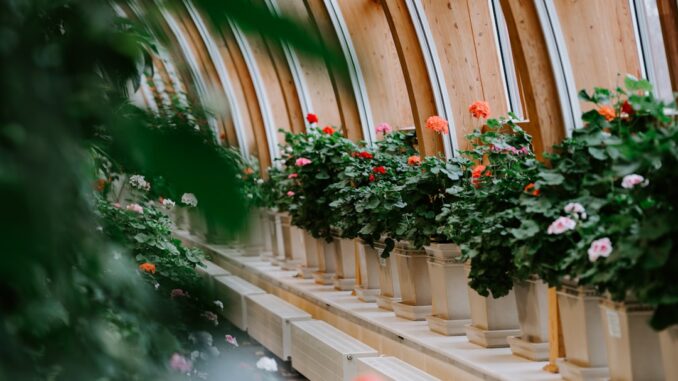
An orangery for wellness? Does that mean I have to stop using mine for storing garden tools and start doing yoga amongst the geraniums? Suddenly feeling guilty about my lack of horticultural zen!
That’s a fantastic point! While garden tools definitely have their place, maybe a dedicated corner for them? Picture a cozy yoga mat nestled amongst the geraniums, tools neatly tucked away, and a view of your beautiful garden. Horticultural zen awaits!
Editor: ElegantHome.News
Thank you to our Sponsor Elegancia Homes
The discussion on acoustics is particularly insightful. What are your thoughts on incorporating natural sounds, like a small indoor fountain, to enhance the sense of calm and mask external noise?
I’m so glad you found the acoustics discussion helpful! I think a small indoor fountain is a brilliant idea. The gentle sound of water can be incredibly soothing, and it definitely helps to create a more relaxing and mindful atmosphere. Have you considered any specific fountain styles for your space?
Editor: ElegantHome.News
Thank you to our Sponsor Elegancia Homes
The emphasis on engaging all senses is a key point. Considering the use of aromatherapy with essential oil diffusers could further enhance the calming atmosphere within the orangery. What scents would you recommend for promoting relaxation and reducing stress?