
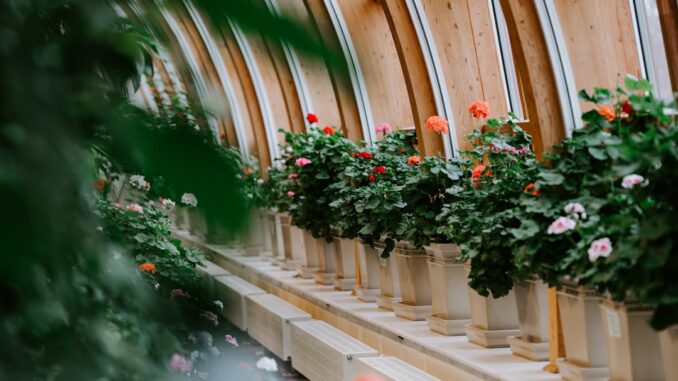

Crafting Your Oasis: Designing an Orangery for Ultimate Health and Well-being
Imagine stepping into a space where the air feels lighter, your thoughts clearer, and the gentle embrace of natural light washes away the day’s stresses. This isn’t just a daydream, you know? It’s the profound potential of a well-designed orangery. Far from being merely an additional room, an orangery presents a truly unique opportunity to sculpt an environment that actively nurtures your health and well-being. It’s about more than just adding square footage; it’s about adding life to your home, creating a sanctuary where every element works in harmony to support your physical and mental state. We’re talking about a bespoke haven, thoughtfully curated from the ground up, to be your personal retreat. So, let’s dive into how you can design an orangery that isn’t just beautiful, but genuinely transformative, becoming a cornerstone of your daily wellness ritual.
Bathing Your Space in Light and Life: Maximizing Natural Illumination and Ventilation
Visit orangery designs by Elegancia for a peaceful haven for exercise, relaxation and wellbeing.
When we talk about health-promoting spaces, natural light and fresh air aren’t just ‘nice-to-haves’; they’re absolutely fundamental. They literally breathe life into a room, impacting everything from our mood to our very physiological functions. Think about it: how often do you feel truly invigorated after spending time in a dim, stuffy room? Probably not often, right?
The Power of Illumination: Beyond Just Brightness
First up, let’s talk light. The sun, our original energy source, offers so much more than mere illumination. It’s a natural mood booster, a potent source of Vitamin D, and a critical regulator of our circadian rhythms – that internal clock which dictates our sleep-wake cycles. To truly harness this power in your orangery, you’ll want to go big with your glazing. Large windows, stretching from floor to ceiling where possible, are non-negotiable. But don’t stop there. Roof lanterns, those magnificent glazed structures often crowning an orangery, are absolute game-changers. They don’t just let in light from the sides; they invite the sky itself indoors, flooding the space with overhead light that feels incredibly expansive and uplifting. I remember visiting a client’s orangery recently, and walking under their enormous roof lantern felt like stepping into a sunbeam – a truly spectacular feeling, you could almost feel your worries melting away.
Consider the orientation of your orangery, too. A south-facing orangery will capture the most direct sunlight, fantastic for warmth and brightness, but this also means you’ll need smart shading solutions, like integrated blinds or solar-control glazing, to prevent overheating during summer. East-facing rooms catch the gentle morning sun, perfect for a peaceful breakfast or an energizing start to your day. West-facing offers beautiful, golden afternoon light, ideal for relaxing evenings, though again, managing the late afternoon heat is key. Even a north-facing orangery, while not getting direct sun, will enjoy a wonderfully consistent, diffused light, perfect for artists or for creating a calm, even ambiance. Modern glazing technology is fantastic, offering low-emissivity (low-e) coatings that reflect heat in summer and retain it in winter, along with self-cleaning options. It’s definitely worth investing in high-performance glass; it makes a huge difference to comfort and energy efficiency.
Breathing Easy: The Art of Superior Ventilation
Now, onto ventilation – the unsung hero of a healthy home. We often overlook how crucial fresh air is, but stale, stagnant air can quickly become a repository for pollutants, allergens, and even CO2, leading to everything from headaches and fatigue to respiratory issues. Your orangery should feel like a breath of fresh air, literally. Incorporating large bi-fold doors or elegant French doors is an excellent starting point. They allow you to open up an entire wall, blurring the lines between indoors and outdoors, instantly transforming the space into an open-air pavilion. That seamless integration, where the scent of freshly cut grass or a gentle breeze can drift inside, creates such a refreshing atmosphere, doesn’t it? It truly invigorates the senses and connects you with nature, an aspect of wellness we often forget in our busy lives.
But let’s think beyond just opening doors. For year-round, effective ventilation, consider intelligently placed roof vents that can be automated to open and close based on temperature or even rain sensors. Trickle vents, discreetly integrated into window frames, provide continuous, background airflow without significant heat loss. Cross-ventilation is another principle to embrace. By creating openings on opposing sides of the orangery, you allow air to flow freely through the space, efficiently flushing out stale air and bringing in fresh, oxygen-rich breezes. Some advanced systems even incorporate heat recovery ventilation (HRV) units, which can bring in fresh, filtered air while recovering heat from the outgoing stale air, perfect for colder months. Monitoring indoor air quality with smart sensors can also give you real-time data on CO2 levels and volatile organic compounds (VOCs), empowering you to know when it’s time to air things out. Because feeling stuffy and sluggish from poor air quality? We’re trying to avoid that entirely!
Grounding Your Space: Selecting Health-Promoting Materials
Every surface, every fixture, every piece of furniture in your orangery contributes to its overall vibe and, crucially, to your health. The materials you choose aren’t just about aesthetics; they’re about creating a non-toxic, nurturing environment. We’re looking for materials that resonate with nature, not only for their beauty but for their inherent benefits.
The Allure of Natural Elements: Wood, Stone, and Earth
Natural materials like timber and stone are superstars in this regard. They bring an intrinsic warmth and authenticity to the space that synthetic materials simply can’t replicate. Timber frames, for instance, are not only structurally sound and visually appealing, but they’re also ‘hygroscopic,’ meaning they can absorb and release moisture, helping to regulate indoor humidity levels. This creates a much more comfortable environment, especially if you live somewhere with fluctuating humidity, and can even deter mold growth. Sourcing sustainably harvested timber, perhaps oak, cedar, or even a beautiful engineered wood, adds another layer of ethical well-being to your design.
Stone, whether it’s a rugged flagstone floor, a sleek marble countertop, or a feature wall of natural slate, offers incredible durability and a wonderful thermal mass. This means it slowly absorbs heat during the day and releases it gradually at night, contributing to a more stable temperature. Plus, the tactile nature and timeless beauty of stone are incredibly grounding. Think about the cool, smooth feel of polished limestone underfoot on a warm day, or the rugged texture of a stone wall, connecting you directly to the earth. Beyond these, consider natural flooring options like cork, known for its softness and sound-absorbing qualities, or bamboo, a highly renewable and resilient choice. Even wool carpets, though perhaps less common in an orangery’s main zones, can add warmth and excellent air-filtering properties in a dedicated seating area.
The Invisible Impact: Non-Toxic Finishes and Furnishings
But it’s not just the big structural elements. The smaller, often overlooked choices, really matter too. Opting for non-toxic paints and finishes is paramount. Many conventional paints release volatile organic compounds (VOCs) into the air for years after application, contributing to indoor air pollution that can trigger allergies, headaches, and respiratory issues. Look for paints, varnishes, and sealants labeled ‘zero-VOC’ or ‘low-VOC.’ Similarly, choose furniture made from solid wood rather than particleboard, which often contains formaldehyde-releasing glues. If you’re picking fabrics, natural fibers like organic cotton, linen, hemp, or wool are far superior to synthetics, which can off-gas chemicals and even contribute to microplastic pollution.
And let’s not forget adhesives! When installing flooring or wall coverings, inquire about low-VOC adhesives. It’s often these hidden elements that contribute most to poor indoor air quality. It might seem like a lot to think about, I know, but trust me, your lungs (and your peace of mind) will thank you for making these conscious choices. It’s all part of building a space that feels genuinely clean and wholesome.
Cultivating Greenery: Incorporating Indoor Plants for Biophilia and Better Air
There’s something inherently calming about being surrounded by nature, isn’t there? It’s a concept known as ‘biophilia,’ our innate human tendency to connect with other living systems. Bringing plants into your orangery isn’t just about decorating; it’s about actively enhancing the environment and tapping into this deep-seated connection.
Living Air Purifiers and Mood Boosters
Plants are incredible natural air purifiers. Through photosynthesis, they absorb carbon dioxide and release oxygen, but many species also excel at filtering out common indoor air pollutants like formaldehyde, benzene, and trichloroethylene, substances often found in paints, furniture, and cleaning products. Imagine having a living, breathing air filter system working 24/7 in your sanctuary! Some of the best candidates for this vital role include:
- Snake Plants (Sansevieria trifasciata): Incredibly resilient and low-maintenance, they’re fantastic at converting CO2 to oxygen at night, making them ideal bedroom companions, or anywhere you want continuous air purification.
- Peace Lilies (Spathiphyllum): Elegant and beautiful with their white spathes, they’re excellent at removing ammonia, benzene, formaldehyde, and trichloroethylene. Plus, they’re rather forgiving if you occasionally forget to water them.
- Spider Plants (Chlorophytum comosum): Easy to grow and known for their ability to remove formaldehyde and xylene from the air, they look particularly charming in hanging baskets, letting their ‘spiderettes’ trail gracefully.
- Boston Ferns (Nephrolepis exaltata ‘Bostoniensis’): These lush ferns are fantastic natural humidifiers, releasing moisture into the air, which can be great for dry environments or for those with respiratory sensitivities. They also excel at removing formaldehyde.
- Aloe Vera: Not only a medicinal powerhouse (great for minor burns!), but it also helps clear the air of formaldehyde and benzene. It’s a win-win, really.
Beyond the Pot: Green Walls and Thoughtful Placement
But why stop at a few potted plants? For a truly immersive biophilic experience, consider a living wall or a vertical garden. These stunning installations create a dramatic focal point, maximize your green space, and offer superior air purification. Imagine a vibrant tapestry of foliage transforming an entire wall into a breathing piece of art. It’s certainly a conversation starter, and the aesthetic impact is undeniable.
When placing your plants, think about their individual light requirements – some love direct sun, others prefer shade – and group them accordingly. Use attractive planters made from natural materials like terracotta, ceramic, or woven baskets to complement your orangery’s design. And don’t forget the therapeutic act of caring for plants. Watering, pruning, and observing new growth can be incredibly meditative and a wonderful way to slow down and connect with the natural world. My own little ritual of tending to my indoor jungle is definitely a highlight of my week; it’s a small act of self-care that yields big returns in terms of calm. It’s truly a calming effect to have lush greenery surrounding you as you relax in your orangery, a living, breathing component of your personal sanctuary.
More Than a Room: Creating a Multi-Functional Wellness Hub
An orangery shouldn’t be a single-purpose room that sits empty for half the week. It’s an investment, after all, and you want it to work hard for your well-being. The beauty of this type of space is its inherent flexibility, allowing you to design it to serve multiple purposes, each catering to a different facet of your health. This is where you really get to stamp your personality on the design, tailoring it precisely to your lifestyle.
Zones for Growth, Relaxation, and Creativity
Consider carving out specific ‘zones’ within your orangery. For instance, a dedicated yoga or meditation area could be designed with soft, natural fiber mats, cushions, and perhaps a small, calming water feature. This promotes mental clarity and reduces stress, providing a quiet corner away from the hustle and bustle of daily life. Picture yourself starting the day with sun salutations as the morning light streams in – what a way to set a positive tone!
A reading nook, perhaps tucked into a corner with a comfortable armchair, a soft throw, and a small side table for your herbal tea, can encourage relaxation and stress reduction. There’s something uniquely comforting about curling up with a good book while feeling connected to the outdoors, yet shielded from the elements. And if you’ve got a green thumb, a small indoor garden or potting station isn’t just a hobby; it’s a therapeutic space. The act of nurturing plants, feeling the soil between your fingers, watching things grow – it’s incredibly grounding and can be a wonderful antidote to digital overload. I once worked with a client who installed a bespoke potting bench in their orangery; they said it became their ‘happy place,’ a daily escape where they could reconnect with nature and their passion.
Beyond the Obvious: Working, Dining, and Socializing in Light
But let’s think bigger. Could your orangery double as a inspiring home office? Natural light has been proven to boost productivity and reduce eye strain, making it an ideal environment for focused work. A well-placed desk, surrounded by plants and with a view of your garden, might just make those deadlines feel a little less daunting. Or perhaps it becomes a vibrant dining area, where family and friends can gather bathed in sunlight, fostering connection and good conversation. Even an art studio, where the consistent, diffused light (especially from a north-facing orangery) is perfect for creative endeavors, or a music room where you can truly immerse yourself in your craft, benefiting from the calming acoustics of natural materials. The key is flexible design. Think modular furniture that can be easily rearranged, hidden storage solutions to keep clutter at bay, and even retractable screens or partitions to delineate spaces when needed. By tailoring the space to your personal interests and needs, you create an environment that truly supports your unique lifestyle and health goals. It’s your space; make it work for you.
The Goldilocks Zone: Ensuring Year-Round Thermal Comfort
Nobody wants a beautiful orangery that’s too hot to enjoy in summer or too chilly in winter, right? Maintaining a comfortable temperature, what I like to call the ‘Goldilocks zone,’ is absolutely critical for a wellness-focused space. Discomfort, whether from heat or cold, is a definite mood killer and can quickly turn your sanctuary into an unused appendage. This requires thoughtful planning and investment in the right technologies and materials from the outset.
The Layers of Comfort: Insulation and Glazing
First, insulation. This isn’t just about keeping warm; it’s about regulating temperature consistently. Walls, roofs, and floors all need robust insulation to prevent heat loss in winter and heat gain in summer. Look for high U-values (a measure of heat transfer; lower is better) in your roof and wall panels. Modern orangery designs often incorporate highly insulated solid roofs with integrated roof lanterns, offering superior thermal performance compared to traditional all-glass conservatories. For the floor, consider a well-insulated concrete slab or timber subfloor system. These layers create a thermal envelope, essentially wrapping your orangery in a cozy, protective blanket.
Then there’s the glazing, which, as we’ve discussed, is a central feature. High-quality, energy-efficient glazing is non-negotiable. Double glazing is standard, but triple glazing offers even better insulation, though it can be heavier and costlier. Crucially, look for low-emissivity (low-e) glass, which has a microscopic coating that reflects infrared light, keeping heat inside during winter and outside during summer. Argon gas fills between panes further enhance insulation. And don’t forget solar control glass, specifically designed to reduce solar heat gain, preventing that ‘greenhouse effect’ on scorching summer days. It’s a bit like putting on sunglasses for your orangery, letting the light in but blocking the most intense heat.
Smart Heating and Cooling Strategies
Once your thermal envelope is sealed, you need effective heating and cooling systems. Underfloor heating is, in my opinion, the absolute pinnacle for an orangery. It provides a consistent, gentle warmth that rises evenly throughout the space, eliminating cold spots and creating an incredibly comfortable sensation underfoot. You can choose between wet systems (connected to your central heating) or electric mats, depending on your preferences and budget. It’s a luxury, sure, but one that truly elevates the comfort factor.
For warmer months, ceiling fans are a stylish and energy-efficient way to circulate air, creating a cooling breeze without the energy drain of air conditioning. Look for models that complement your orangery’s aesthetic. For truly hot climates, or if your orangery is very south-facing, a discreet air-conditioning unit might be necessary, perhaps an air-source heat pump which can provide both heating and cooling. Passive cooling strategies, too, are vital. Think about strategic external shading, like retractable awnings or pergolas, which can block direct sun before it even hits the glass. Automated blinds, integrated within the glazing, can also be programmed to close during the hottest parts of the day. A well-regulated temperature ensures that your orangery remains a comfortable retreat year-round, inviting you in no matter the season. It’s all about creating that perfect microclimate.
The Personal Touch: Personalizing with Color, Texture, and Meaning
This is where your orangery truly becomes yours. The aesthetic choices you make – the palette, the tactile elements, the cherished objects – are deeply personal, and they have a profound impact on your mood and well-being. It’s about creating a space that feels like a warm, comforting embrace, a reflection of your inner self.
The Psychology of Color and Texture
Colors possess an incredible power to influence our emotions. For a serene, wellness-focused orangery, lean into calming hues. Soft blues evoke feelings of tranquility and peace, reminiscent of a clear sky or calm ocean. Gentle greens connect us to nature, promoting balance and rejuvenation. Neutrals – think warm creams, soft greys, and earthy beiges – provide a wonderfully versatile backdrop, offering a sense of calm sophistication without overwhelming the senses. You can then introduce subtle pops of color through accessories if you wish, but the primary palette should always support a restful atmosphere. I’d generally steer clear of overly vibrant or aggressive colors in the main scheme if the goal is relaxation.
Textures are equally important, adding depth, warmth, and engaging our tactile senses. Incorporate natural textures wherever possible. Wooden furniture, perhaps a beautifully crafted oak table or a set of woven wicker chairs, brings an organic warmth. Layering with soft, natural fiber rugs – maybe a chunky wool rug or a jute mat – adds a cozy feel underfoot and helps to absorb sound. Linen curtains or Roman blinds offer a soft, flowing texture that diffuses light beautifully. Even the finish on your walls, perhaps a subtle lime wash or a textured wallpaper made from natural materials, can add another dimension. Think about how these textures feel to the touch, how they look as light plays across them, and how they contribute to the overall sensory experience. It’s about creating a rich tapestry of sensations that invite you to relax and unwind.
Weaving in Your Story: Personal Touches
Beyond colors and textures, it’s the personal touches that truly infuse a space with soul. These aren’t just decorations; they’re anchors to your life, your memories, your aspirations. Display artwork that speaks to you, whether it’s a calming landscape, an abstract piece that sparks joy, or even a collection of your children’s masterpieces. Family photos, carefully curated and beautifully framed, create a sense of belonging and love. Bring in cherished items from your travels – a ceramic bowl from Morocco, a piece of driftwood from a favorite beach, a handmade textile from a faraway land. Each piece tells a story, and together, they weave a narrative that makes the space uniquely yours.
Think about the objects you choose for their meaning, not just their decorative value. A comfortable throw blanket knit by a loved one, a collection of inspiring books, even a simple ceramic mug that feels just right in your hands. These elements enhance your connection to the environment, making your orangery a true reflection of you, a place where you feel utterly at ease and authentically yourself. This personalization isn’t just about aesthetics; it’s about creating a profound sense of psychological comfort and belonging.
Smart Living, Mindfully: Integrating Technology with Purpose
In our increasingly connected world, it’s tempting to fill every space with the latest gadgets. And while technology can undoubtedly enhance comfort and convenience, it’s crucial to integrate it mindfully, ensuring it supports, rather than detracts from, a healthy, tranquil environment. The goal here isn’t a tech-free zone necessarily, but a tech-wise one.
Harmonizing with Your Rhythms: Smart Lighting and Climate Control
One of the most impactful ways to use technology in your orangery is through smart lighting systems. These aren’t just about turning lights on and off with your phone; they can truly harmonize with your body’s natural circadian rhythm. Imagine lights that slowly brighten in the morning, mimicking the sunrise, and gradually dim to a warmer tone in the evening, signaling to your body that it’s time to wind down. Some advanced systems even adjust color temperature throughout the day to match natural light patterns, promoting alertness during the day and better sleep at night. This kind of dynamic lighting can profoundly influence your mood and energy levels, and it’s a brilliant example of technology truly serving your well-being.
Smart climate control is another fantastic application. Picture automated blinds that close themselves during the hottest part of the afternoon, preventing overheating, or a thermostat that learns your preferences and adjusts heating or cooling before you even realize you need it. Automated roof vents can open when CO2 levels rise or when the temperature creeps up, ensuring optimal airflow without you lifting a finger. These systems provide seamless comfort, allowing you to relax without constantly tweaking settings. They just work in the background, making your life easier, and your orangery more enjoyable.
The Delicate Balance: Sound and Digital Detox
When it comes to sound, integrated, subtle sound systems can enhance relaxation. Imagine soft, ambient music playing discreetly, or nature sounds filling the space without any bulky speakers cluttering the view. The key here is subtlety and quality. Nobody wants a blaring sound system disrupting their peace.
However, it’s equally important to consider what technology you don’t bring in. Avoid excessive electronic devices – multiple TVs, gaming consoles, or a constant parade of tablets and phones – that can disrupt sleep patterns and contribute to stress. Your orangery is meant to be a sanctuary, a place where you can disconnect to reconnect. Perhaps designate it as a ‘digital detox’ zone for certain hours, encouraging conversation, reading, or simply quiet contemplation. My personal preference is to have one hidden charging station for devices, but to keep the main living space free from screens, it really encourages presence. By integrating technology thoughtfully, with a clear intention to support your health and well-being, you can create a space that feels modern and comfortable without overwhelming your senses or pulling you away from the present moment.
Your Private Haven: Designing for Privacy and Tranquility
Even the most beautiful and health-conscious orangery won’t be truly relaxing if you feel exposed or constantly interrupted. Privacy isn’t just about blocking out prying eyes; it’s about creating a psychological boundary, a sense of security and intimacy that allows you to fully unwind and rejuvenate. Tranquility, similarly, isn’t just the absence of noise, it’s about fostering a calm, undisturbed environment where your mind can truly rest.
Creating Visual Boundaries: Beyond the Blinds
Window treatments are your first line of defense for visual privacy. Blinds, curtains, or Roman shades can provide immediate seclusion when desired. But don’t feel limited to traditional options. Frosted or etched glass can offer privacy without sacrificing natural light, especially useful for lower panes or overlooked sections. Smart glass, which can switch from transparent to opaque at the flick of a switch, is a more high-tech (and higher budget) solution that offers incredible flexibility.
Beyond the glass, think about your external landscaping. Strategically planted hedges, mature trees, or climbing plants on a trellis can create natural screens, offering privacy and a beautiful green backdrop. A well-designed pergola or a slatted screen can also provide architectural interest while filtering views. Even the layout of your furniture can contribute to privacy; arranging seating to face away from immediate sightlines or creating a cozy, enclosed nook can make a big difference. Remember, the goal isn’t to feel isolated, but to feel comfortably secluded when you want to be.
The Sound of Silence: Cultivating Acoustic Comfort
External noise – traffic, neighbors, construction – can be a significant source of stress. Designing for soundproofing is crucial for a truly tranquil orangery. High-quality double or triple glazing with good acoustic ratings will significantly reduce external noise penetration. But don’t stop there; think about internal acoustics too. A large, open space with many hard surfaces can create an echo chamber, which is anything but relaxing.
Soft furnishings are your allies here. Thick curtains, plush rugs, upholstered furniture, and even wall hangings can absorb sound, creating a much softer, more intimate acoustic environment. Consider acoustic panels, subtly integrated into the design if noise is a particular concern. Even your choice of materials can help; timber and stone, while hard, tend to absorb sound better than highly reflective surfaces like polished concrete or vast expanses of plain glass. The goal is a peaceful retreat where the gentle rustle of leaves or the soft patter of rain on the roof lantern becomes a soothing backdrop, rather than an intrusive distraction. Designing your orangery with these considerations ensures a tranquil environment where you can truly unwind and rejuvenate, a space where your peace is paramount.
Bringing it All Together: Your Wellness Orangery Awaits
Designing an orangery that truly serves your health and well-being is an exciting journey, isn’t it? It’s about consciously choosing every element, from the largest pane of glass to the smallest potted plant, with intention and care. We’ve talked about bathing the space in natural light, making sure the air you breathe is fresh and clean, selecting materials that support a non-toxic environment, and weaving in the calming power of plants. We’ve considered how to make it a flexible, multi-functional hub for all aspects of your life, ensuring year-round comfort, and infusing it with your unique personality through color, texture, and meaningful objects. And we’ve even touched on how to smartly integrate technology and guard your precious privacy and tranquility.
By thoughtfully considering these interconnected elements, you can design an orangery that transcends its architectural purpose. It won’t just be an extension of your home, nor simply another room. Instead, it becomes a deeply personal sanctuary, a place where you can genuinely nurture both body and mind, offering a balanced and healthy lifestyle. It’s an investment in your daily peace, your long-term health, and ultimately, your happiness. So, go on, dare to dream a little bigger for your space. Your future self will absolutely thank you for it.
References
- C&W Direct – Ideas For Designing Your Orangery. (conservatoriesdirectmidlands.co.uk)
- C&W Direct – Traditional Orangeries For Your Home. (conservatoriesdirectmidlands.co.uk)
- C&W Direct – Orangeries. (conservatoriesdirectmidlands.co.uk)
- C&W Direct – Tell Me More About Loggia Orangeries. (conservatoriesdirectmidlands.co.uk)
- The Latest Interior Design Trends to Inspire Your Orangery Project – Westbury Garden Rooms. (westburygr.com)
- The Orangery – Your New Luxury Living Space – Sheerwater Glass. (sheerwaterglass.co.uk)
Be the first to comment