
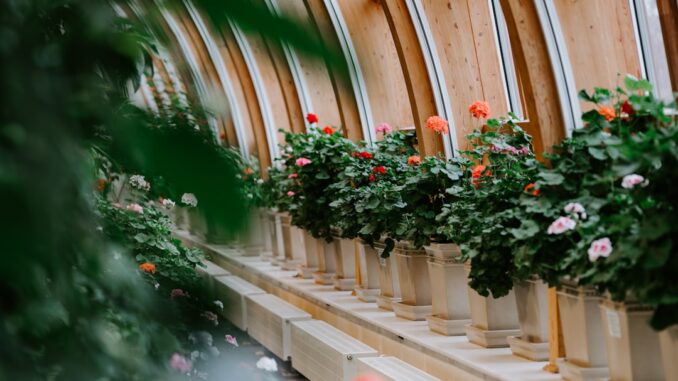

Let’s be real, the pace of modern life often feels like a relentless sprint, doesn’t it? We’re constantly bombarded with notifications, deadlines, and the general hum of the world, making it incredibly difficult to just… be. That’s precisely why carving out a dedicated space for mindfulness isn’t just a nice-to-have; it’s a vital component for our well-being. And what better place than an orangery, that beautiful, light-filled extension, often sitting at the intersection of home comfort and natural serenity?
Transforming your orangery into a sanctuary specifically for mindfulness practices can truly be a game-changer for your mental landscape. By consciously integrating mindful activities into this naturally serene space, you’re not just creating a pretty room, you’re cultivating a deeper, more profound connection with the present moment, with yourself, and with the subtle rhythms of the world around you. It’s an investment in your inner peace, you know, a personal retreat just steps away from your daily routine.
Visit orangery designs by Elegancia for a peaceful haven for exercise, relaxation and wellbeing.
Imagine stepping into a space bathed in natural light, the scent of fresh greenery subtly perfuming the air, the gentle sounds of nature just beyond the glass. This isn’t just an aspirational dream; it’s entirely achievable. Here’s a comprehensive guide to crafting your very own mindful oasis within your orangery, one thoughtful step at a time.
1. Designing Your Personal Island of Calm: The Tranquil Space
Starting with the foundation, the physical arrangement of your orangery sets the stage for everything else. You’re aiming to promote relaxation, yes, but also a sense of focused calm. Think about the energy you want to invite in, and, equally important, what energy you want to keep out.
First, consider your seating. Forget stiff office chairs; we’re talking about comfort, serious comfort. Opt for plush cushions, maybe a soft, oversized beanbag, or a beautifully crafted ergonomic armchair that invites you to sink in and truly unwind. The idea is to create an immediate sense of ease, a spot where your body can sigh with relief. I’m quite partial to a low-slung chaise lounge myself, something that lets you recline and gaze at the sky. Natural elements are absolutely key here. Incorporate wooden furniture, perhaps a small, hand-carved side table for your journal or a cup of tea. Wood, with its warmth and organic textures, grounds the space, connecting you to the earth even indoors. Plants, of course, are non-negotiable, but we’ll dive deeper into those later.
Colour palette matters, too. While a vibrant orangery can be stunning, for mindfulness, softer, more muted tones tend to work best. Think calming greens, gentle blues, warm beiges, or earthy terracotta shades. These colours don’t demand attention; they recede, allowing your mind to quiet down. Lighting, beyond the glorious natural light, should be soft and indirect. Perhaps a salt lamp that emits a warm, amber glow, or some strategically placed LED strips that mimic dawn or dusk. You’re not trying to illuminate a surgical theatre, rather, you’re creating an intimate cocoon.
Perhaps the most crucial aspect of designing this tranquil space is eliminating distractions. This means tidiness is paramount; clutter clogs the mind, doesn’t it? Keep the surfaces clear, perhaps a small, neatly arranged display of natural objects—some smooth river stones, a beautiful piece of driftwood. More importantly, this space needs to be a digital detox zone. That means no television, no laptop, and ideally, your phone left outside the door. This isn’t always easy, I know, but trust me, the freedom from constant pings is incredibly liberating. You’re crafting a haven, a true sanctuary where you can fully immerse yourself, unencumbered by the outside world’s incessant demands.
2. Embracing the Green Heart: Incorporating Natural Elements
One of an orangery’s greatest assets is its direct connection to nature, and harnessing this is fundamental to a mindful sanctuary. The sheer volume of natural light flooding in is a gift, a constant reminder of the sun’s journey through the day, a beautiful, organic clock. Use it! Position your meditation spot to bask in the morning sun, or to catch the soft glow of dusk.
Plants aren’t just decorative; they’re living, breathing entities that actively contribute to your well-being. Their presence literally improves air quality, filtering out toxins and releasing oxygen, making your breathing even more restorative. Beyond that, the visual softness of green foliage is incredibly soothing. Think about introducing a variety of plants: a tall, elegant Fiddle Leaf Fig for a striking vertical element, delicate ferns that cascade gently, or even flowering plants like orchids that offer bursts of colour and beauty, reminding us of nature’s artistry. Caring for these plants, the simple act of watering, pruning, or even just observing new growth, can itself be a mindful practice. You’re connecting with life, with growth, with the cycle of nature.
But don’t stop at visual stimulation. Engage your other senses. A small indoor fountain, even a tabletop one, can introduce the most wonderfully calming sounds. The gentle trickle of water is a natural white noise generator, masking other, harsher sounds and creating an ambient backdrop for contemplation. Alternatively, if your orangery opens up to a garden, consider adding a bird feeder just outside. The vibrant activity of birds, their varied songs, they’re all potent reminders of life’s simple joys, an enriching layer to your sensory experience. The subtle scent of damp earth or blooming flowers wafting in on a breeze can also be incredibly grounding. I remember a client, Sarah, who once told me that her orangery, filled with her favourite herbs, smelled like a ‘living meditation,’ and I think that’s just perfect.
3. The Rhythm of Peace: Establishing a Mindful Routine
Consistency, my friend, is the silent engine of transformation. Without a routine, even the most beautiful mindful space risks becoming just another room. Dedicate specific times each day to practice mindfulness in your orangery. This isn’t about rigidity, but about creating an anchor, a non-negotiable appointment with yourself.
For some, morning meditation as the sun rises is ideal. It sets a peaceful tone for the entire day, a quiet moment before the world fully wakes up. For others, an afternoon yoga session, a gentle stretching of the body and mind, helps to break up the workday and re-energize. Or perhaps an evening reflection, a quiet space to process the day, to release tensions, and to transition into a restful night. The exact time isn’t as important as the act of making time. Having a routine helps reinforce the habit, turning it from an effort into a cherished, almost automatic, part of your day. It’s like telling your brain, ‘Okay, it’s time to switch gears, time to be present.’ I’ve found that even a mere 10-15 minutes consistently makes a monumental difference; it’s about showing up for yourself, every day.
4. Deep Dive into Presence: Engaging in Mindful Activities
Once your space is ready and your routine is set, it’s time to explore the vast world of mindfulness practices. There are so many techniques, and the key is to find what truly resonates with you. Don’t feel pressured to stick to one; variety can keep your practice fresh and engaging.
Mindful breathing, often the gateway drug to deeper mindfulness, involves simply focusing on the sensation of your breath. The gentle rise and fall of your chest, the cool air entering your nostrils, the warm air leaving. It sounds deceptively simple, but try it, and you’ll quickly realise how easily the mind wanders. Bring it back, gently, again and again. Body scans are another powerful tool, systematically bringing your awareness to different parts of your body, noticing any sensations without judgment. This helps to release tension you might not even realise you’re holding.
Beyond formal meditation, everyday activities can become profoundly mindful. Take the classic ‘Raisin Exercise,’ for instance, as highlighted by Mindowl.org. You take a single raisin, and for several minutes, you engage all your senses. You look at it, really look at its crevices and colours. You feel its texture. You smell its subtle aroma. You place it on your tongue, noticing its weight, its taste before you even chew. Then, you mindfully chew, savouring each burst of flavour, the changes in texture. This practice, while seemingly trivial, trains your mind to truly be present, to extract rich sensory information from even the smallest experience. You can adapt this to anything, really: your morning coffee, a walk in the garden, even doing the dishes! It’s about bringing full awareness to whatever you’re doing, no matter how mundane.
5. Flow and Focus: Practicing Mindful Movement
Our bodies and minds are intrinsically linked, and mindful movement is a beautiful way to strengthen that connection. Incorporating gentle practices like yoga or Tai Chi into your orangery routine can profoundly enhance body awareness and promote deep relaxation. These aren’t about achieving a perfect pose or breaking a sweat; they’re about moving with intention, noticing the sensations in your body as you stretch, balance, and flow.
The spaciousness of an orangery, with its often generous footprint and natural light, provides an absolutely ideal setting for such activities. You can spread out a yoga mat, move freely without bumping into furniture, and feel the warmth of the sun on your skin as you transition through poses. Even if you’re not into formal yoga, simple mindful stretching can be incredibly beneficial. Just slowly reaching for the sky, twisting gently, or bending to touch your toes, all while paying attention to how your muscles feel, how your breath supports your movement. It’s a dialogue with your body, a quiet conversation that often gets lost in the hustle and bustle. Mindful movement helps to release pent-up energy and tension, leaving you feeling both invigorated and calm, a perfect balance.
6. The Breath of Life: Utilising Mindful Breathing Techniques
If mindfulness has a cornerstone, it’s often the breath. Mindful breathing exercises are extraordinarily effective for reducing stress, calming the nervous system, and increasing focus. They’re like a remote control for your inner state, a powerful tool you carry with you everywhere.
Beyond just ‘noticing’ your breath, specific techniques can be particularly potent. Paced breathing, for example, as highlighted by Animosano Psychiatry, involves inhaling deeply through the nose for four counts, pausing briefly, and then slowly exhaling through the mouth for six to eight counts. This deliberate lengthening of the exhale is key because it actively stimulates your parasympathetic nervous system, the ‘rest and digest’ system. It’s like hitting the brakes on your body’s stress response, telling it everything’s okay, you can relax now. Regular practice of paced breathing doesn’t just offer temporary relief; it can actually retrain your nervous system over time, making you more resilient to stress in daily life. Try practicing this for just five minutes in your orangery, perhaps with your eyes closed, feeling the air circulate, and you’ll likely notice a tangible shift in your state. It’s a simple, yet profound, act of self-care.
7. Cultivating Joy: Creating a Gratitude Journal
In the often-overwhelming landscape of modern life, it’s remarkably easy for our minds to fixate on problems, on what’s lacking, or on what went wrong. A gratitude journal in your orangery offers a dedicated space to consciously shift that focus towards the positive aspects of your life. This isn’t about ignoring difficulties; it’s about actively seeking out the good, no matter how small.
Each day, in the soft light of your orangery, take a few moments to write down three things you’re genuinely grateful for. It could be something monumental, or as simple as ‘the sun shining today,’ ‘a warm cup of tea,’ or ‘the sound of birdsong outside my window.’ The power isn’t in the grandeur of the item, but in the consistent practice of looking for it. This simple, yet profound, act can literally rewire your brain over time, fostering a more optimistic and resilient mindset. It’s like exercising a positive muscle, making it stronger with each ‘rep.’ You’ll find that as you consistently seek out reasons for gratitude, your brain becomes more adept at noticing them spontaneously, enhancing your overall well-being in remarkable ways. It gives you a much better perspective on life, I think.
8. Nourishment for Body and Soul: Engaging in Mindful Eating
How often do we truly eat our meals, rather than just consume them while scrolling through our phones or watching TV? Mindful eating is a practice that brings full awareness to the experience of eating, and your orangery, free from digital distractions, is the perfect venue for it. As Onayurveda.com notes, this practice goes beyond mere sustenance.
Set aside a meal or a snack to eat mindfully in your orangery. Before you even take a bite, take a moment to observe your food. Notice its colours, its textures, its aroma. What do you see? What do you smell? Then, take your first bite, slowly. Pay attention to the initial taste, how it evolves in your mouth. Notice the texture as you chew, the sounds it makes, the sensations of swallowing. Ask yourself: ‘Am I truly hungry?’ ‘Am I enjoying this?’ ‘How does my body feel as I eat?’ This isn’t about rigid rules or deprivation; it’s about reconnecting with your body’s natural hunger and fullness cues, which many of us have become quite detached from. Practicing mindful eating can help you develop a healthier, more intuitive relationship with food, reduce overeating, and even improve digestion because your body is more relaxed and attuned to the process. It’s truly a transformative practice.
9. Creative Calm: Incorporating Mindful Art
For those who find sitting still a challenge, or simply want another pathway to presence, mindful art activities offer a beautiful solution. Engaging in drawing, painting, sculpting, or even simply colouring, can be a deeply therapeutic way to express emotions, quiet the busy mind, and enhance mindfulness. As research on Arxiv.org suggests, these practices are beneficial for both beginners and experienced meditators.
Mindful art isn’t about creating a masterpiece for exhibition; it’s about the process itself. It’s about focusing entirely on the colours, the textures of the materials, the strokes of the brush, the movement of your hands. When you’re truly absorbed in creative expression, your mind naturally enters a state of flow, a state where self-consciousness fades, and you become fully present. Perhaps you might experiment with Mandalas, intricate geometric designs that are often coloured or drawn to aid concentration. Or simply pick up a pencil and sketch the plants in your orangery, not striving for perfection, but simply observing and translating what you see onto paper. This type of artistic engagement allows you to channel your energy, focusing your attention and providing a wonderful outlet for emotions, all while fostering a profound sense of calm. It’s a playful, yet powerful, path to presence.
10. The Symphony of Silence: Practicing Mindful Listening
In a world saturated with noise, true mindful listening is a rare and precious skill. Your orangery, with its unique connection to both indoor and outdoor soundscapes, is an ideal place to cultivate it. This isn’t about passively hearing; it’s about actively, intentionally listening.
Take dedicated time to simply listen to the sounds around you. Close your eyes, or simply soften your gaze. What do you hear? Is it the rustling of leaves just outside the glass, the distant chirping of birds, or the gentle hum of your own breath? Perhaps the subtle creaks and groans of your house, settling in? Listen without judgment, without trying to identify or label everything. Just let the sounds wash over you. Notice their qualities: their pitch, their volume, their rhythm, their duration. Then, perhaps, expand your awareness to sounds further away. Mindful listening isn’t about seeking out pleasant sounds, but about being fully present with whatever arises in your auditory field. This practice significantly enhances your connection to the environment, grounds you firmly in the present moment, and can promote a deep sense of relaxation and spaciousness. It reminds you that even in apparent silence, there’s a whole world of auditory experience waiting to be discovered.
Beyond the Basics: Deeper Dives into Your Orangery Sanctuary
To truly deepen your practice and make your orangery an indispensable part of your well-being journey, consider these additional layers.
The Power of a Digital Detox Zone
I mentioned this earlier, but it really deserves its own moment. In our hyper-connected world, a truly screen-free space is a revolutionary act. Designate your orangery as a strict digital-free zone. No phones, no tablets, no laptops, no smartwatches that buzz. This might feel challenging at first, almost like severing a limb, but the freedom it brings is immense. You’ll find your mind has so much more space to wander, to be creative, to simply be, without the constant pull of external demands. It helps train your attention, teaching it that not every notification requires immediate response. Give it a try; you’ll be surprised how quickly you adapt and how much peace it brings.
Engaging All the Senses: A Holistic Approach
We’ve touched on sight, sound, and the tactile nature of mindful movement and eating, but let’s broaden our sensory palette. Think about aromatherapy. Diffuse calming essential oils like lavender, frankincense, or bergamot. The scent can gently guide your mind into a relaxed state. Maybe light a natural beeswax candle for a subtle honey aroma and a flickering focal point. For touch, introduce different textures: a soft wool blanket, a smooth, cool stone to hold, the gentle prickle of a natural fibre rug underfoot. When you practice mindful eating, truly savour the taste, the full spectrum of flavours. The more senses you mindfully engage, the richer and more immersive your present-moment experience becomes.
Seasonal Adaptability: Evolving with Nature
Your orangery is intimately connected to the outdoors, meaning it changes with the seasons. Embrace this! In summer, perhaps focus on the vibrant light, the sounds of buzzing insects, the lushness of growth. In autumn, notice the changing colours outside, the crispness in the air, the rustling of fallen leaves. Winter might call for a more introspective practice, relying on soft, warm lighting, the quiet stillness, perhaps focusing on the resilience of nature. Allowing your mindfulness practice to adapt with the seasons fosters a deeper connection to the natural cycles of life, reminding you that change is constant and beautiful. It helps you attune to a larger rhythm than just your own.
Setting Intentions: Guiding Your Practice
Before you begin any mindful activity in your orangery, take a moment to set an intention. It doesn’t need to be complex. It could be something as simple as, ‘My intention for this session is to cultivate inner peace,’ or ‘I intend to be fully present with my breath.’ This brief act of intention-setting focuses your mind, gives your practice direction, and enhances its effectiveness. It’s like gently steering a ship in the right direction before it embarks on its journey.
Overcoming Obstacles: When Motivation Wanes
Let’s be realistic, there will be days when you just don’t feel like it. When the pull of distractions is strong, or your mind feels too scattered. On these days, remember that mindfulness isn’t about perfection; it’s about practice. Don’t beat yourself up. Instead, approach it with kindness. Perhaps just sit in your orangery for five minutes, no formal practice, just being there. Or pick the easiest activity—a few mindful breaths, a single entry in your gratitude journal. Small, consistent steps are infinitely more powerful than sporadic, intense bursts. The key is to return, gently, again and again. Your sanctuary will be waiting.
Maintenance and Evolution: Keeping it Fresh
Just like any garden, your orangery sanctuary needs tending. Periodically reassess the space. Does it still feel tranquil? Is there anything that’s crept in that’s causing distraction? Perhaps rotate your plants, introduce a new piece of natural art, or simply give it a thorough clean. Similarly, allow your mindfulness practice to evolve. Try new meditation techniques, explore different mindful activities, or delve deeper into practices you already enjoy. What served you well last year might need a tweak this year. This continuous evolution keeps your practice vibrant and prevents it from becoming stagnant.
Your Journey to Inner Calm
Ultimately, by incorporating these practices and design principles into your orangery, you’re not just creating a dedicated space; you’re building a habit, a sacred ritual that supports your overall well-being. Remember, the true magic lies in consistency and presence. The more you engage in these practices, the more natural and automatic they will become, weaving a beautiful tapestry of mindfulness into the fabric of your daily existence, leading to a more mindful, fulfilling, and genuinely peaceful life. It’s a journey, not a destination, and your orangery can be the most wonderful starting point.
Be the first to comment