

Unlocking Your Home’s Full Potential: A Deep Dive into Wrap-Around Extensions
Ever dreamt of a home that just flows better, feels more spacious, and truly brings the outside in? Perhaps your current layout just isn’t cutting it, feeling a bit cramped or segmented. If you own a semi-detached or detached property, a wrap-around extension could very well be the transformative solution you’ve been searching for. Often lovingly referred to as L-shaped extensions, these ingenious additions essentially hug two sides of your home – typically the side and the rear – creating a seamless blend of old and new. They’re not just about adding square footage, oh no, they’re about reimagining your living experience, flooding your interiors with glorious natural light, and forging a much stronger connection with your garden. It’s a bold move, sure, but the payoff can be absolutely phenomenal.
Now, why would you choose a wrap-around over, say, a simple rear extension? Well, it’s all about maximising that often-underutilised side return, isn’t it? By taking both the side and the rear, you’re not just expanding in one direction; you’re creating a much more cohesive, expansive footprint. This often allows for far more versatile layouts, giving you the freedom to design truly multi-functional spaces that a single-direction extension simply couldn’t achieve. Think about it: a side return on its own might only give you enough width for a narrow utility room or a hallway. But combine it with a rear extension, and suddenly you’ve got a generous ‘L’ of new space, ripe for innovation. It’s a game-changer, honestly. Ready to get those creative juices flowing? Let’s explore some truly inspiring ideas for making the most of this fantastic opportunity.
Transformative Ideas for Your Wrap-Around Extension
1. The Ultimate Open-Plan Kitchen and Dining Hub
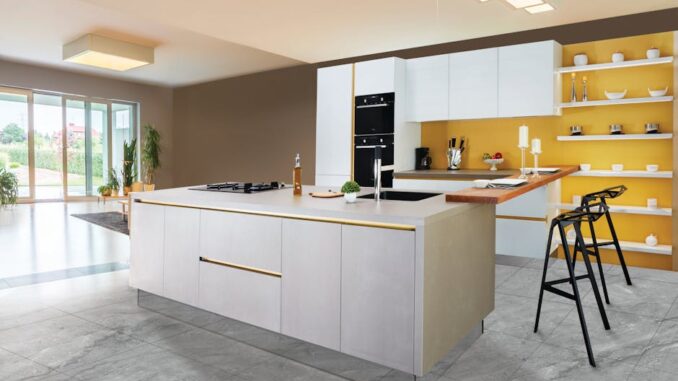
This is perhaps the most popular, and for good reason, isn’t it? Imagine stepping into a kitchen that doesn’t feel like a separate, functional box, but rather the beating heart of your home. With a wrap-around extension, you can achieve a truly expansive, open-plan kitchen and dining area that becomes the natural gathering spot. We’re talking about dissolving walls, creating an incredibly fluid space where cooking, eating, and socialising all happen effortlessly.
Think about the possibilities: a much larger, perhaps even grand, kitchen island. This isn’t just for food prep anymore; it’s a breakfast bar, a homework station, a place for friends to lean with a glass of wine while you’re stirring the bolognese. You could incorporate integrated appliances that vanish into bespoke cabinetry, keeping the sightlines clean and uncluttered. For the dining zone, you’re no longer constrained by existing walls, so you can host magnificent dinner parties or simply enjoy everyday meals in a bright, airy environment.
What truly elevates this design is the connection to the outdoors. Picture a wall of sleek, bi-fold doors or expansive sliding glass panels that, when fully open, completely blur the line between your kitchen and garden. On a warm summer evening, you’re essentially cooking and dining al fresco, enjoying that gentle breeze. It’s a fantastic way to maximize natural light too, with sunshine streaming in from two directions. I remember working with a couple, Sarah and Tom, who transformed their cramped, galley kitchen with one of these. Sarah told me, ‘It’s not just a kitchen now, it’s our whole life. The kids play outside, we can see them, and when we host, everyone just congregates here, it’s amazing.’ That’s the kind of magic we’re talking about, folks. You’ll want to think about durable, beautiful flooring that flows seamlessly from inside to out, perhaps polished concrete or large-format porcelain tiles, to enhance that indoor-outdoor feel.
2. A Serene Family Room with Uninterrupted Garden Access
Let’s be honest, modern family life demands flexibility. Sometimes you need a dedicated space for everyone to relax, unwind, and be together without feeling on top of each other. A wrap-around extension is absolutely perfect for creating a spacious family room that opens directly onto your garden, giving you that vital connection to nature year-round.
This isn’t just any living room; it’s a light-filled haven. Imagine an L-shaped sofa, plush and inviting, positioned to take full advantage of generous glazing – maybe floor-to-ceiling windows or those lovely sliding doors we just talked about. The beauty of the wrap-around form is that it allows light to enter from multiple angles, banishing those dark corners. You can design it as a cosy snug for movie nights, complete with integrated media units and perhaps a feature fireplace for those chillier evenings. Or, conversely, make it a bright, airy space for children to play freely, with robust, easy-to-clean surfaces.
The direct garden access is a huge boon. Kids can run in and out without tracking mud through the entire house, and adults can easily drift from indoor conversation to enjoying a sundowner on the patio. Think about a built-in window seat, a perfect spot for reading or just watching the seasons change in your garden. We often suggest underfloor heating in these larger spaces; it’s so much more comfortable than radiators, especially when you have vast glass expanses, keeping your toes toasty even when the rain is lashing against the windows. This kind of room truly becomes the heart of casual family life, offering both connection and individual comfort, a hard balance to strike in many homes, wouldn’t you say?
3. The Productive Home Office or Dedicated Study Space
The landscape of work has fundamentally shifted, hasn’t it? For many of us, the home office isn’t a luxury anymore; it’s an absolute necessity. Trying to juggle spreadsheets from the kitchen table or a corner of the living room just doesn’t cut it, leading to constant distractions and a blurring of work-life boundaries. A wrap-around extension offers an incredible opportunity to carve out a quiet, dedicated, and inspiring workspace that genuinely enhances productivity.
By leveraging the ‘L’ shape, you can position your office away from the main thoroughfares of the house, perhaps at the furthest point of the extension, offering a sense of separation and calm. Think about bespoke joinery – floor-to-ceiling bookshelves, integrated desks, and filing cabinets that keep clutter at bay. Natural light is crucial for a productive workspace, so large windows are a must, ideally positioned to avoid glare on your screens. Perhaps even a strategically placed skylight to bring in some overhead light, creating an airy feel. You’ll want to consider acoustic insulation, too. No one wants to hear the washing machine or the kids arguing during a crucial video call! Double-glazed windows and solid-core doors can make a real difference here.
This isn’t just about work, though. It can be a peaceful retreat for focused study, a creative studio, or even a sophisticated library. Imagine a quiet afternoon, sunlight streaming in, the only sound the gentle rustle of turning pages. It’s a space that says, ‘Here, focus.’ I know from personal experience that having a dedicated workspace, away from the domestic hubbub, is a game-changer for concentration and mental well-being. It helps you ‘switch off’ at the end of the day, too, which is just invaluable.
4. An Indulgent Bathroom Suite or Spa-Like Retreat
Who says extensions are only for communal areas? Sometimes, personal luxury is exactly what your home needs. A wrap-around extension can be surprisingly perfect for transforming a modest bathroom into a sprawling, spa-like sanctuary that rivals any five-star hotel. This isn’t just about functionality; it’s about creating an experience, a tranquil escape within your own four walls.
With the generous footprint an L-shaped extension provides, you’re no longer restricted to fitting everything into a small rectangle. You could easily accommodate a magnificent freestanding tub – perhaps a roll-top or a contemporary stone design – placed centrally as a focal point. Alongside this, envision a spacious, walk-in wet room shower, complete with multiple showerheads, body jets, and perhaps even a steam function. No more cramped elbows against shower curtains! You’ll also have ample room for a double vanity unit, ensuring everyone has their own space, and plenty of cleverly integrated storage for towels and toiletries, keeping the look clean and uncluttered.
Natural light is paramount in a luxurious bathroom. Large windows, perhaps frosted for privacy or overlooking a secluded part of the garden, will make the space feel enormous. Skylights, especially over the shower or tub, can add a truly sublime quality, letting the natural light pour down like a waterfall. Material choices become incredibly important here: think large-format tiles in calming tones, natural stone, or even beautiful timber accents. Underfloor heating, again, is a non-negotiable for that extra touch of luxury. It’s about creating a truly immersive environment where you can shed the stresses of the day and truly relax. And honestly, a well-designed, spacious bathroom significantly adds to your home’s appeal and resale value, people really appreciate that, don’t they?
5. Adding a Valuable Extra Bedroom
As families grow, so does the need for space. Or perhaps you frequently host guests, or even have an elderly relative who needs to stay. An extra bedroom is often high on the wish list, and a wrap-around extension is an excellent way to achieve this, substantially increasing your home’s functionality and, let’s not forget, its market value. It’s one of those practical additions that just makes life easier.
Designing a new bedroom within an extension allows for thoughtful placement, ensuring it feels integrated yet private. You can consider making it an en-suite, turning it into a truly self-contained guest room or a fantastic master suite if positioned strategically. The ‘L’ shape gives you the flexibility to orient windows optimally for natural light and views, perhaps overlooking a newly landscaped garden area. Good ventilation is key, so dual aspect windows, or even a combination of windows and a high-level vent, would be ideal for comfort.
Think about more than just a bed. Can you incorporate a built-in wardrobe that maximises storage without encroaching on floor space? A small desk or reading nook? The beauty of designing from scratch is tailoring the room precisely to its future occupant’s needs. For instance, if it’s for a teenager, they’ll definitely appreciate a bit of extra space for their gaming setup or study zone. It’s about creating a comfortable, inviting sanctuary. Remember, a well-designed additional bedroom is a significant asset to any home, making it more appealing to a wider range of buyers down the line.
6. The Indispensable Utility and Boot Room
Let’s face it, laundry isn’t glamorous, but it’s a constant. And muddy boots, wet coats, and overflowing storage can quickly make a mess of otherwise tidy living spaces. A dedicated utility room, possibly combined with a boot room, is an unsung hero of home functionality, and a wrap-around extension provides the perfect canvas for this practical yet invaluable addition.
By moving laundry facilities out of the kitchen, you immediately free up precious space and reduce noise and humidity in your main living areas. Imagine a bright, well-organised room featuring stacked washing machines and tumble dryers, a deep sink for hand-washing or cleaning muddy sports gear, and ample countertop space for folding. Beyond laundry, this room can become your central command for household chores. You could incorporate drying racks, built-in ironing boards, and storage for cleaning supplies, vacuum cleaners, and all those other bits and bobs that tend to clutter up cupboards elsewhere.
Combining this with a boot room element near a secondary entrance (perhaps directly from the garden) is pure genius. Think sturdy built-in benches, hooks for coats, shoe racks, and even a dedicated pet washing station if you have furry friends. The wrap-around extension provides the linear space to create distinct zones within this functional area, ensuring everything has its place. It’s about creating efficiency and cleanliness, making everyday life just a little bit smoother. Trust me, once you have a proper utility room, you’ll wonder how you ever lived without one, it’s a real game changer for managing household chaos!
7. Your Personal Home Gym or Fitness Studio
Tired of expensive gym memberships or battling for space with sweaty strangers? The dream of a dedicated home gym is totally achievable with a wrap-around extension. This isn’t just about setting up a treadmill in a corner; it’s about crafting an inspiring space where you genuinely want to work out, anytime you please.
The extended footprint gives you the flexibility to accommodate a range of equipment – from a multi-gym station and free weights to cardio machines and yoga mats. You could even incorporate specialist flooring, like rubber matting, to protect the subfloor and absorb impact. Natural light and ventilation are crucial for a comfortable workout environment, so large windows that can be easily opened, or even an air conditioning unit, are highly recommended. Mirrors aren’t just for checking your form; they also make the space feel larger and brighter, which is always a bonus.
Think about the atmosphere you want to create. Motivational wall art? An integrated sound system for pumping out your favourite workout tunes? Maybe a wall-mounted TV for following fitness apps or catching up on shows while on the elliptical. You could even include a small mini-fridge for water and post-workout snacks. This space isn’t just about physical fitness; it’s about mental well-being too. Having a dedicated area for self-care means you’re more likely to stick to your routine, saving you time and money in the long run. Plus, it’s a fantastic selling point for your home, appealing to the increasingly health-conscious market.
8. The Ultimate Playroom for Little Ones
If you have children, you know the struggle: toys everywhere, creative chaos spilling from every corner of the house. A dedicated playroom within a wrap-around extension can be a sanity-saver, providing a designated zone for imagination, play, and all those vibrant (and sometimes noisy!) activities, keeping the main living areas serene and tidy.
The L-shape allows for a surprisingly versatile play area. You could have different zones: one for messy crafts with an easy-clean floor, another for quiet reading with beanbags and soft rugs, and a larger open space for active play. Storage is paramount here, so think about clever, child-friendly solutions like built-in cupboards at kid-height, open shelving for displaying creations, and colourful storage bins that make tidying up a game rather than a chore. Durable, washable surfaces are a must for walls and floors, you just know they’ll take a beating!
Large windows or glass doors connecting to the garden mean children can easily transition between indoor and outdoor play, and you can keep an eye on them while perhaps relaxing in an adjacent part of the extension. Imagine a chalk wall for endless drawing, a climbing wall for active types, or even a small stage for impromptu performances. This space is about fostering creativity and giving children the freedom to be themselves, without their toys colonizing the entire house. It’s an investment in both your children’s development and your own peace of mind, really.
9. A Self-Contained Guest Suite for Visitors
Hosting friends and family should be a joy, not a logistical nightmare. Often, visitors end up on a sofa bed, or in a room that doubles as an office, which isn’t ideal for anyone. A wrap-around extension can be thoughtfully designed to incorporate a comfortable, private guest suite, providing your visitors with their own slice of tranquility and giving you back your home’s privacy.
This isn’t just an extra bedroom; it’s a dedicated living experience. The ‘L’ shape often allows for a configuration that includes a generous double bedroom and a private en-suite bathroom, perhaps even a small kitchenette or tea/coffee station for ultimate independence. Positioning this suite slightly apart from the main family areas can offer a real sense of retreat. Natural light is essential, making the space feel welcoming and airy, and a private entrance could even be considered if your layout allows, adding incredible flexibility for long-term guests or even potential rental opportunities down the line.
Think about the small touches that make guests feel truly at home: comfortable bedding, ample storage for their belongings, a good reading lamp, and perhaps a small seating area. The en-suite bathroom can be a compact yet stylish affair, with a walk-in shower and modern fittings. This kind of addition is a significant value-add, not just for your guests but for your lifestyle too. It takes the stress out of hosting and makes visiting a pleasure for everyone involved.
10. The Ultimate Home Bar or Entertainment Zone
If you love to entertain, or simply enjoy unwinding with a sophisticated drink, why not bring the party home? A wrap-around extension offers the perfect architectural shell for creating a truly impressive home bar or dedicated entertainment area, transforming your house into the ultimate social hub.
This space is all about ambience and enjoyment. Imagine a bespoke bar counter, perhaps crafted from beautiful timber, polished concrete, or elegant stone, complete with integrated sinks, ice makers, and wine fridges. You could have a backdrop of stylish shelving, displaying your favourite spirits and glassware, illuminated by subtle LED lighting to create that sophisticated, speakeasy feel. Comfortable bar stools and plush lounge seating would encourage guests to settle in and stay awhile.
Beyond the bar itself, the generous space allows for a full entertainment setup: a large screen for sports or movies, a high-quality sound system, even a pool table or a dartboard for some friendly competition. Bi-fold or sliding doors leading out to a patio or decking area would further extend your entertaining capabilities, allowing the party to seamlessly flow outdoors on warmer evenings. The ‘L’ shape can cleverly zone the space, perhaps separating a lively bar area from a more relaxed lounge zone. This kind of addition injects a huge dose of fun and personality into your home, making it the envy of your friends and a fantastic investment in your social life. And let’s be honest, who wouldn’t love a proper home bar, it’s pure class, isn’t it?
Essential Considerations Before You Break Ground
Embarking on a wrap-around extension is an exciting journey, but like any significant home project, it requires careful planning and a thorough understanding of the process. Trust me, skipping these crucial steps can lead to headaches, delays, and unexpected costs down the line. We want this to be a smooth sail, not a rocky ride, right?
Navigating the Waters of Planning Permission and Building Regulations
This is absolutely step one, the foundation of your entire project. Before you even sketch out your dream layout, you must understand the planning landscape. In the UK, many smaller extensions can fall under ‘Permitted Development’ rights, meaning you don’t need full planning permission if certain criteria are met regarding size, height, and proximity to boundaries. However, wrap-around extensions, due to their dual-aspect nature and often larger footprint, frequently exceed these limits or require a ‘Prior Notification’ application, particularly for neighbours to be consulted.
Don’t just assume anything here. Your local authority will have specific guidelines, and these can vary slightly even between councils. I’ve seen countless projects hit snags because this wasn’t properly checked early on. You’ll need to submit detailed plans to your local planning department. This is where a good architect or architectural designer becomes invaluable; they understand the nuances, speak the language, and can navigate the process efficiently, often pre-empting potential issues. They’ll ensure your design is compliant, from the initial drawings right through to the submission. Failure to secure the correct permissions can result in costly retrospective applications, enforcement notices, or even being forced to demolish parts of your build. Beyond planning, you must adhere to ‘Building Regulations.’ These are about the actual construction standards – safety, structural integrity, energy efficiency, ventilation, and access. Again, your architect and builder will guide you, but it’s your ultimate responsibility to ensure compliance. It’s a rigorous process, but it’s there for a reason – to ensure your extension is safe, sound, and a valuable addition to your home.
Budgeting Realistically: Understanding the True Cost
Let’s be frank: wrap-around extensions aren’t the cheapest home improvement, but they offer incredible value. They are generally more complex and therefore more expensive than a simple single-storey rear extension because they involve more structural work, more extensive foundations, and typically more intricate roofing and drainage solutions. You’re effectively building a significant portion of a new structure.
When budgeting, it’s crucial to think beyond just the ‘per square metre’ build cost. You need to factor in several key components:
- Design Fees: This includes your architect’s fees for drawings, planning applications, and potentially project management.
- Structural Engineer Fees: Essential for calculating loads and designing the structural integrity, particularly if you’re knocking down load-bearing walls.
- Planning Application Fees: The cost to submit your plans to the local council.
- Building Control Fees: For inspections throughout the build process.
- Construction Costs: This is the lion’s share – materials, labour, demolition, foundations, walls, roof, windows, doors, electrics, plumbing, plastering, and external works. Get detailed quotes from several reputable builders.
- Fittings and Finishes: Kitchen units, appliances, bathroom suites, flooring, tiling, lighting, paint – these can add up surprisingly quickly.
- Contingency Fund: This is non-negotiable. Always, always, always set aside 10-15% of your total budget for unexpected issues. Believe me, something always crops up, be it an unforeseen ground condition or a sudden desire for slightly more expensive light fittings. It’s better to have it and not need it, than to need it and not have it.
Don’t be afraid to have honest conversations with your architect and builder about your budget from day one. They can help you make informed decisions about where to splurge and where to save without compromising quality or safety. Remember, this is an investment, so consider the long-term gains in lifestyle and property value.
Seamless Design Integration: Blending Old with New
The goal of a successful extension isn’t just to add space; it’s to create a cohesive, harmonious home where the new addition feels like it’s always been there, or at least beautifully complements the existing structure. This requires careful thought and, once again, the expertise of an architect.
Your architect will consider several factors: the architectural style of your existing home, the materials used, the roofline, and the way the new space connects internally. Will the new extension be a starkly modern contrast to a traditional home, or will it blend seamlessly using similar bricks, render, or roof tiles? Both approaches can work beautifully, but the decision needs to be deliberate and well-executed. They’ll also ensure that internal flow makes sense. No one wants to walk through three different rooms to get to the garden, do they?
Think about light, views, and how the new spaces will feel. Will there be sufficient natural light in the existing parts of the house once the extension is built? Are there any awkward transitions between old and new flooring or ceiling heights? The best extensions feel utterly natural, almost as if they were always part of the original design brief. This requires thoughtful planning, structural considerations, and meticulous attention to detail during the build. Working closely with professionals who understand how to knit new and old together is truly the key to unlocking the full potential and long-term enjoyment of your wrap-around extension.
By carefully considering these vital points, you’re not just adding bricks and mortar; you’re crafting a truly tailored living environment that will serve you, your family, and your home for many years to come. It’s a big undertaking, no doubt, but the rewards are immeasurable, turning a good house into a truly great home.
Be the first to comment