
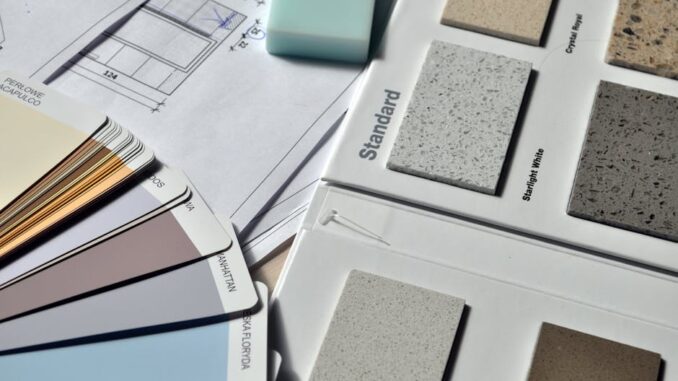

Smart Strategies to Supercharge Your Home’s Value: Beyond the Basic Brush-Up
Let’s face it, your home isn’t just a place to live; it’s often your most significant asset, a true reflection of your life’s hard work. And like any valuable asset, it deserves smart stewardship. You know, making those shrewd moves that not only enhance your day-to-day living but also significantly boost its market appeal when the time comes to sell. Forget those fleeting trends that just don’t stick. We’re talking about strategic improvements, the kind that resonate deeply with potential buyers and offer a substantial return on investment, without necessarily requiring you to tear down every wall. It’s about working smarter, not just harder, transforming your property into a true standout in today’s competitive real estate landscape. I’ve seen countless homeowners achieve remarkable results by focusing on these key areas, and I’m confident you can too.
Ready to unlock your home’s full potential? Let’s dive into some actionable steps that’ll have you thinking like a seasoned property investor.
Invest in your homeElegancia.homes orangeries increase value and appeal over other properties.
1. The Kitchen: The Undisputed Heartbeat of Your Home
Ah, the kitchen. This isn’t just where meals are made; it’s the command center of family life, the hub for entertaining, the place where memories are simmered and served. So, it’s no surprise that a dazzling, functional kitchen consistently tops the list for maximizing home value. Buyers, myself included, often fall in love with a home right here. They picture themselves hosting holiday dinners, their kids doing homework at a spacious island, or simply enjoying a quiet morning coffee in a bright, inviting space.
Think about it, an outdated kitchen, complete with chipped laminate and clunky, inefficient appliances, can cast a long shadow over an otherwise lovely home. Conversely, a thoughtfully modernized kitchen practically shouts, ‘Welcome home!’ What should you focus on? A full gut renovation might feel daunting, and frankly, it isn’t always necessary for a fantastic ROI. Sometimes, targeted upgrades can deliver immense impact.
First, consider those appliances. If they’re a mismatched collection from different eras or struggle to perform their basic functions, it’s probably time for an upgrade. Stainless steel remains incredibly popular, lending a sleek, modern touch, but don’t overlook energy-efficient models. Not only do these appeal to eco-conscious buyers, but they also promise lower utility bills, a persuasive selling point in today’s economy. And let’s be real, who doesn’t appreciate a fridge that keeps greens crisp and an oven that bakes evenly?
Next up, countertops. This is where you can truly elevate the perceived value. While granite and quartz are still kings for their durability and timeless elegance, there’s a wider world of options now. Butcher block offers warmth and character, concrete can bring an edgy industrial vibe, and even high-quality laminates have come a long way, mimicking pricier materials quite convincingly. The key is choosing something durable, attractive, and cohesive with your overall design.
Cabinetry plays a pivotal role, too. If your cabinets are structurally sound but aesthetically tired, a fresh coat of paint in a contemporary, neutral shade (think soft greys, crisp whites, or even a sophisticated deep blue for an accent island) can work wonders. Swapping out old hardware for modern pulls and knobs? A relatively inexpensive fix that makes a surprising difference. If your cabinets are truly past their prime, consider refacing them for a cost-effective alternative to a full replacement. You’re giving the kitchen a whole new face without the extensive demo work, which saves time and money. And don’t forget the backsplash! A stylish tile backsplash adds texture, color, and a touch of sophistication, transforming a plain wall into a design feature. It’s a relatively small area, but oh, the impact it makes!
Ultimately, a kitchen renovation, whether minor or extensive, isn’t just about aesthetics; it’s about functionality, flow, and that indescribable feeling of ‘home.’ A well-executed kitchen upgrade nearly always guarantees a healthy return on your investment, sometimes even more, if you nail the right balance of style and practicality.
2. Renovate Bathrooms: Sanctuaries of Serenity and Style
Beyond the kitchen, bathrooms are the next major player in the ‘value game.’ These private sanctuaries are places of daily ritual, and potential buyers scrutinize them closely. They want to see clean, updated, and functional spaces, places where they can unwind after a long day or efficiently get ready in the morning. A dingy, dated bathroom, replete with avocado green fixtures or peeling linoleum, can be a major turn-off, signalling immediate, costly renovations for the new owner. But a sparkling, modern bathroom? That’s a definite asset.
Start with the basics: fixtures. Upgrading an old faucet, showerhead, or toilet can instantly modernize a space. Look for water-saving models; again, energy efficiency is a huge plus. Re-grouting tired, discolored tiles makes an enormous difference too, brightening the room and making it feel much cleaner. Sometimes, you don’t even need new tiles, just a meticulous cleaning and fresh grout. It’s like giving your bathroom a fresh pair of spectacles, suddenly everything looks clearer.
Vanities are another focal point. Replacing an old, clunky vanity with a sleek, contemporary one, perhaps with dual sinks if space allows, not only enhances aesthetics but also boosts functionality. Think about storage too. Floating vanities are popular for making small bathrooms feel larger, while a classic cabinet-style vanity provides ample space for toiletries and towels. Don’t forget the mirror! A stylish, well-lit mirror can transform the entire space.
Now, for a more significant, yet incredibly impactful upgrade: adding a second full bathroom. If your home only has one bathroom, particularly in a house with three or more bedrooms, this can be a game-changer. Imagine a busy family trying to share a single bathroom every morning; it’s a recipe for chaos, isn’t it? Adding another full bath, whether it’s an ensuite for the master bedroom or a guest bathroom, dramatically increases convenience, privacy, and ultimately, market value. This often involves converting an underutilized closet, part of a large bedroom, or a corner of a basement. Of course, this is a larger project requiring professional planning and execution, but the ROI can be substantial, often ranking among the highest returns for home improvements.
Whether it’s a minor refresh or a full-scale addition, remember that buyers are looking for comfort, cleanliness, and functionality. A well-designed bathroom signals that the home has been cared for, offering a quiet assurance that makes them feel good about their potential investment.
3. Enhance Curb Appeal: Your Home’s Grand Welcome
They say you never get a second chance to make a first impression, and nowhere is that truer than with your home’s curb appeal. This isn’t just about looking pretty; it’s about beckoning potential buyers to step inside, creating an immediate sense of welcome and well-being. I’ve seen clients decide against even stepping out of the car for a showing because the exterior felt neglected. Conversely, a beautifully maintained front yard and inviting entryway can create an emotional connection before they’ve even turned the doorknob. It sets the tone for everything inside.
So, what are the quick wins here? Let’s start with the front door. This is literally the gateway to your home. A fresh coat of paint in a bold, welcoming color – perhaps a deep navy, a vibrant red, or a classic black – can completely revitalize the entrance. While you’re at it, consider replacing outdated or tarnished hardware. A sleek new handle and lockset, along with shiny new house numbers, project an image of modernity and attention to detail. This isn’t just a utilitarian item; it’s a statement piece!
The lawn and landscaping are absolutely critical. A patchy, overgrown lawn instantly screams ‘maintenance headache’ to a buyer. Regular mowing, edging, and weeding are non-negotiable. Beyond the basics, consider adding some vibrant, seasonal flowers to planters or garden beds. A well-placed shrub or a small, low-maintenance tree can also add structure and visual interest. It doesn’t have to be a horticultural masterpiece, just neat, tidy, and thoughtfully arranged. Think about clean lines and defined spaces. My grandmother always said, ‘A little bit of color goes a long way,’ and she was right.
Don’t forget the driveway and walkways. Are they cracked, uneven, or stained? A good power washing can work wonders, and sealing asphalt driveways or repairing minor cracks shows you’ve taken care of the property’s bones. Exterior lighting is another often-overlooked element. Attractive, functional outdoor lights not only enhance safety and security but also create a warm, inviting glow in the evenings, highlighting your home’s best features. Maybe some solar-powered path lights, or an updated porch fixture, could make a big difference.
Finally, take a critical look at your home’s exterior itself. Does it need a good power wash to remove grime and cobwebs? Is the siding clean? Are the windows sparkling? These seemingly small details contribute to the overall picture of a well-cared-for home. Enhancing curb appeal is often about relatively low-cost, high-impact improvements that generate immediate positive feelings, drawing buyers in from the moment they arrive.
4. Add Usable Square Footage: More Room to Live and Love
In real estate, square footage often directly correlates with value, and for good reason: more space generally means more utility and comfort. Expanding your home’s livable area, particularly in a way that feels seamless and integral to the existing structure, is one of the most effective ways to boost its market worth. We’re not necessarily talking about building a whole new wing, though that’s an option for some. Often, the magic lies in unlocking existing underutilized spaces.
Think about your basement. Is it a dusty, dimly lit storage area? Or perhaps a garage that’s only ever housed boxes and a car? Converting these spaces into functional, finished rooms can significantly increase your home’s appeal and value. A finished basement could become a fantastic family room, a home office, a guest suite, or even a home gym. For many families, that extra recreational space or quiet work zone is invaluable.
Similarly, an attic conversion can yield a charming extra bedroom, a cozy reading nook, or a bright studio. Imagine sunlight streaming through new skylights, creating an airy, peaceful retreat. These conversions don’t just add square footage; they add versatility, meeting the diverse needs of modern families who often juggle work-from-home demands, virtual schooling, and the ever-present need for personal space.
However, it’s crucial these conversions are done correctly. This isn’t a DIY project for the faint of heart. Proper insulation is paramount for comfort and energy efficiency, ensuring the new space isn’t too hot in summer or too cold in winter. You also absolutely must ensure these spaces meet local building codes. This includes adequate ceiling height, egress windows (especially for bedrooms for safety reasons), proper wiring, and heating/cooling systems. Skimping on these details will not only create potential safety hazards but also likely detract from, rather than add to, your home’s value, or even worse, cause issues during inspection. Buyers are savvier now; they’ll spot a ‘weekend warrior’ renovation a mile away. Work with reputable contractors who understand local regulations.
When done well, adding usable square footage dramatically expands your home’s functionality and perceived value, giving buyers more reasons to envision their lives within its walls. It’s an investment in space, and space, as we know, is a premium commodity.
5. Install Energy-Efficient Features: Smart for Your Wallet, Smart for the Planet
In today’s world, buyers aren’t just looking at the purchase price; they’re keenly aware of the long-term running costs of a home. This is precisely why energy-efficient features have become a significant selling point, appealing to both their wallets and their environmental consciousness. Upgrading to energy-efficient components is a win-win: it reduces your utility bills while you live there, and it makes your home considerably more attractive to prospective buyers.
Let’s start with windows. Old, single-pane windows are notorious energy culprits, letting heat escape in winter and seep in during summer. Upgrading to modern, double-pane (or even triple-pane) windows with low-emissivity (Low-E) coatings can make a dramatic difference. Not only do they improve insulation, keeping your home more comfortable year-round, but they also reduce noise pollution and protect your furniture from UV damage. It’s a noticeable upgrade, one that buyers immediately appreciate, thinking, ‘Hey, that’s hundreds of dollars saved a year.’
Insulation is another unsung hero of energy efficiency. Many older homes are woefully under-insulated, especially in the attic and walls. Adding insulation might not be the flashiest upgrade, but it’s incredibly effective. It dramatically reduces heat loss and gain, making your HVAC system work less hard, which translates directly into lower energy bills. It also creates a more consistent, comfortable indoor climate. This is often a relatively cost-effective improvement with a solid return.
Then there are smart thermostats. Devices like Nest or Ecobee aren’t just cool gadgets; they offer tangible benefits. They learn your preferences, can be controlled remotely via your smartphone, and provide detailed energy usage reports. This level of control and insight appeals strongly to tech-savvy and budget-conscious buyers alike. It’s a modern touch that implies a modern, efficient home.
Beyond these, consider LED lighting throughout your home, which uses significantly less electricity and lasts far longer than traditional incandescent bulbs. Also, look at sealing air leaks around doors and windows. These smaller, often overlooked improvements collectively add up to a much more energy-efficient property. Ultimately, highlighting these features during a showing can be a powerful differentiator. You’re not just selling a house; you’re selling a lifestyle of lower operating costs and environmental responsibility.
6. Freshen Up with Paint: The Instant Transformation
There’s almost nothing that delivers such a dramatic transformation for so little investment as a fresh coat of paint. It’s the ultimate cosmetic makeover, capable of brightening a space, making it feel larger, and instantly refreshing tired walls and worn exteriors. I can’t tell you how many times I’ve walked into a home that felt heavy and dated, only to see it completely reborn with new paint. It’s like turning on all the lights in a dim room; everything just looks better, cleaner, and more appealing.
When choosing colors, here’s a crucial tip: go neutral. While you might adore your vibrant magenta accent wall or your deep teal living room, these highly personal choices can be off-putting to potential buyers. Remember, they need to envision their lives and their furniture in the space. Neutral tones – think soft greys, warm beiges, classic whites, or light greiges – provide a clean, blank canvas that allows buyers to project their own style without feeling overwhelmed or needing to immediately factor in a repaint. These shades also reflect light better, making rooms feel more spacious and airy. It’s a subtle psychological trick that works wonders.
Don’t limit yourself to just the interior. A fresh coat of exterior paint can dramatically enhance your home’s curb appeal, making it look well-maintained and cared for. Peeling, faded, or discolored paint screams neglect, diminishing both aesthetic appeal and perceived value. A well-chosen exterior color scheme can highlight architectural features and make your home pop in the neighborhood. And while you’re at it, don’t forget the trim, doors, and window frames. Crisp, clean lines make a significant difference.
This isn’t just about covering up flaws; it’s about presenting a polished, inviting backdrop for the rest of your home. It communicates that the home has been meticulously cared for, creating an impression of move-in readiness. You’ll be amazed at the impact a few gallons of paint can have, it truly is one of the most cost-effective ways to increase your home’s marketability and value. My advice? Don’t skimp on quality paint, it makes a real difference in how long it lasts and how it looks on the wall.
7. Upgrade Flooring: The Foundation of First Impressions
Flooring forms the literal foundation of your home’s aesthetic, guiding the eye and setting the tone for each room. Worn, stained carpets, scuffed linoleum, or outdated tile can instantly detract from a home’s value, making it feel old and neglected. Conversely, beautiful, well-maintained flooring can elevate an entire space, creating a sense of luxury, warmth, or modern sophistication. Buyers absolutely notice what’s underfoot, and they’re often looking for something that’s both durable and appealing.
The gold standard for increasing value remains hardwood flooring. Its timeless elegance, durability, and ease of cleaning make it a perennial favorite. Hardwood also offers incredible versatility, complementing almost any decor style. If you already have hardwood floors hidden beneath old carpet, uncovering and refinishing them can be a highly cost-effective and rewarding project. The rich gleam of newly sanded and stained wood floors is simply stunning, and it’s a feature that buyers consistently rank as highly desirable.
If solid hardwood isn’t within your budget, don’t despair! High-quality engineered wood or laminate flooring offers a fantastic alternative. Modern laminates, in particular, have come a long way. They’re much more durable, resistant to scratches and moisture, and can mimic the look and feel of real wood with remarkable accuracy. They also often come at a fraction of the cost, making them a smart choice for budget-conscious homeowners looking for a significant upgrade. For areas like kitchens and bathrooms, luxury vinyl plank (LVP) or tile is an excellent choice, offering superior water resistance and durability without sacrificing style.
What about carpet? While it has its place in bedrooms for warmth and softness, extensive wall-to-wall carpeting, especially if it’s old or stained, can be a deterrent. Many buyers prefer hard surfaces throughout the main living areas due to concerns about allergies, maintenance, and the perception of cleanliness. If you have carpet, ensure it’s spotless and in excellent condition. If it’s not, consider replacing it with a neutral, short-pile option, or better yet, transitioning to a hard surface in high-traffic areas.
Ultimately, upgrading your flooring is about more than just aesthetics; it’s about practical appeal. Buyers want low-maintenance, attractive surfaces that will stand the test of time. Investing in quality flooring is an investment in your home’s perceived value and its long-term appeal.
8. Improve Lighting: Illuminating Your Home’s Best Self
Lighting is often an overlooked aspect of home improvement, yet its impact on a space’s ambiance, perceived size, and overall appeal is immense. Good lighting can literally transform a cramped, dark room into an expansive, inviting haven. Conversely, poor lighting—think harsh overhead fluorescents or insufficient illumination—can make even the most beautiful room feel unwelcoming or, worse, make it seem smaller and less desirable. It’s truly a secret weapon in your value-boosting arsenal.
Start by assessing your current fixtures. Are they dated, clunky, or just plain inefficient? Swapping out old fixtures for modern, energy-efficient LED options can instantly update a room’s aesthetic. Recessed lighting is a popular choice for its clean lines and ability to provide ample ambient light without cluttering the ceiling. Pendant lights over a kitchen island or a stylish chandelier in the dining room can act as focal points, adding character and warmth. Consider dimmers, too; they offer flexibility, allowing you to adjust the mood and intensity of light to suit any occasion, which buyers really appreciate.
Beyond just replacing fixtures, think about layered lighting. This is where the magic truly happens. You want a combination of:
- Ambient lighting: The general, overall illumination that lights up a room. (Think recessed lights, flush mounts, or track lighting.)
- Task lighting: Focused light for specific activities. (Under-cabinet lighting in the kitchen, a reading lamp next to an armchair, vanity lights in the bathroom.)
- Accent lighting: Used to highlight architectural features, artwork, or plants, adding depth and drama. (Picture spotlights on a gallery wall or subtle uplighting behind a plant.)
By layering these types of lighting, you create a dynamic, inviting space that feels both functional and luxurious. It makes rooms feel more purposeful and thoughtfully designed. My partner, who is a photographer, always says ‘lighting is everything,’ and it’s so true for homes too. It truly can make or break a first impression.
Also, consider the power of natural light. Maximize it wherever possible by ensuring windows are clean and uncluttered. If a room feels particularly dark, evaluate if a larger window or even a skylight is a feasible option. Good lighting isn’t just about what you install; it’s about how you harness both artificial and natural sources to make your home shine its brightest. It makes a house feel warm, welcoming, and alive.
9. Enhance Outdoor Spaces: Your Private Oasis Awaits
Outdoor living areas have exploded in popularity over the last decade, becoming almost as important as indoor living spaces for many buyers. In a post-pandemic world, where the home serves so many functions, having a beautiful, functional outdoor retreat is no longer a luxury; it’s practically a necessity. Expanding your usable square footage isn’t just about what’s inside the four walls; it extends into your backyard. A well-designed outdoor space signals a lifestyle of relaxation, entertainment, and connection with nature, immensely boosting your home’s appeal and value.
Consider adding a deck or a patio. These are fantastic investments that essentially extend your home’s living room into the open air. A deck, perhaps elevated and offering a view, provides a perfect spot for dining al fresco or enjoying a morning coffee. Patios, often at ground level and paved with attractive stones or concrete, offer a similar space for entertaining or unwinding. The key is to make these areas feel like true extensions of the home, not just an afterthought.
An outdoor kitchen or a dedicated grilling station is another high-impact upgrade. Imagine summer evenings spent grilling burgers, hosting friends, and enjoying the fresh air, all while minimizing trips back and forth to the indoor kitchen. These setups can range from a simple built-in grill with counter space to a full-fledged kitchen complete with a sink, mini-fridge, and even a pizza oven. This level of amenity truly elevates the outdoor experience.
Beyond structures, think about ambiance. Comfortable, weather-resistant outdoor furniture is a must. String lights or elegant landscape lighting can create a magical atmosphere as dusk falls. Adding a fire pit or an outdoor fireplace provides a cozy gathering spot, extending the usability of your outdoor space well into cooler evenings. And don’t forget the power of landscaping! Well-chosen plants, neatly trimmed hedges, and vibrant flowerbeds soften hardscaping, add color, and create a sense of lushness and privacy. My personal favorite touch is a simple but elegant water feature; the gentle trickle of water is incredibly soothing, isn’t it?
Crucially, ensure these areas are well-maintained. A dirty deck, cracked patio, or overgrown garden will detract from, rather than add to, value. Keep them clean, tidy, and inviting. When buyers envision themselves enjoying a tranquil evening or hosting a lively BBQ in your backyard, you’ve hit the jackpot. It’s about selling a lifestyle, and an enhanced outdoor space speaks volumes to that desire.
10. Maintain the Roof: The Silent Guardian of Your Investment
Your home’s roof is more than just a cover; it’s its primary shield against the elements, a critical component of its structural integrity, and a massive factor in its perceived value. A well-maintained, structurally sound roof provides peace of mind, protecting your interior investments and signaling to potential buyers that the home has been meticulously cared for. Conversely, a visibly old, damaged, or leaking roof is a glaring red flag, immediately raising concerns about costly repairs, potential water damage, and structural problems. It’s like the crown jewel of your home, always on display, whether you realize it or not.
Regular inspections are paramount. Don’t wait until you see a leak inside to check your roof. Schedule annual inspections, especially after severe weather events. A professional can identify minor issues – loose shingles, cracked flashing, clogged gutters – before they escalate into major, expensive problems. Timely repairs, even seemingly small ones, can significantly extend the life of your roof and prevent devastating interior damage. I’ve seen clients regret putting off a small repair only to face a much larger headache (and bill!) when heavy rains hit.
Now, about a new roof. While it’s certainly one of the larger expenses you might incur, if your roof is nearing the end of its lifespan (typically 20-25 years for asphalt shingles), replacing it before listing your home can be a very strong selling point. A new roof offers immediate benefits to a buyer: decades of worry-free protection, improved curb appeal, and potentially better home insurance rates. It eliminates a major unknown for them, making your home a more attractive and secure investment. When calculating ROI, a new roof might not always offer a dollar-for-dollar return in the short term, but it often ensures the sale of the home and prevents price chipping due to roof concerns.
Consider the type of roofing material as well. While asphalt shingles are common and cost-effective, other options like metal roofing or tile can offer enhanced durability, energy efficiency, and a distinctive aesthetic, potentially commanding a higher premium. Always choose a material appropriate for your climate and architectural style.
Ultimately, a healthy roof isn’t just about aesthetics; it’s about protecting your entire investment. It’s a fundamental component of your home’s health, and buyers recognize its importance. Investing in its maintenance or replacement isn’t just smart; it’s essential for preserving and increasing your home’s value.
Elevate Your Home, Elevate Your Investment
There you have it – a comprehensive guide to boosting your home’s value, transforming it from merely a place to live into a valuable, desirable asset. Remember, increasing your home’s value doesn’t demand a blank check or a complete overhaul; it’s about making smart, strategic choices that resonate with today’s buyers. It’s about vision and thoughtful execution, really.
From the inviting warmth of a renovated kitchen to the peace of mind offered by a well-maintained roof, each improvement contributes to a cohesive narrative: that your home is cared for, modern, and ready for its next chapter. You’re not just selling bricks and mortar; you’re selling a lifestyle, comfort, and future security.
So, roll up your sleeves, pick a starting point, and begin unlocking your home’s full potential. Even those seemingly small updates can collectively make a colossal difference in its marketability and, more importantly, in your enjoyment of your space today.
Adding a second bathroom is genius! But what about a ‘wet room’ concept? Combining a bathroom and laundry – multi-functional and space-saving! Could that be the *ultimate* value booster for smaller homes? Thoughts?
Great point about wet rooms! I hadn’t considered the space-saving aspect combined with laundry. For smaller homes, that multi-functional design could be incredibly appealing to buyers. It definitely deserves more exploration as a value-boosting strategy! Thanks for the insightful suggestion.
Editor: ElegantHome.News
Thank you to our Sponsor Elegancia Homes
Strategic *stewardship* of a home? Isn’t that a fancy way of saying ‘don’t let the place fall apart’? I’m curious, though, if a home gym counts as “adding usable square footage,” or just a good excuse to avoid the actual gym?
That’s a fun take! And you’re right, at its core, stewardship is about preventing decay. But a strategic approach considers *how* you prevent it to maximize value. Regarding the home gym: if it’s fully finished, climate controlled, and well-equipped, it absolutely counts as adding usable square footage. Unless, of course, it’s *only* used for hanging laundry!
Editor: ElegantHome.News
Thank you to our Sponsor Elegancia Homes
Regarding curb appeal, are there statistics showing which exterior paint colors yield the highest ROI, or if certain landscaping styles resonate more strongly in specific regions?
That’s a fantastic question! While hard numbers on specific paint colors and ROI are elusive, regional preferences definitely play a role. Coastal areas often favor lighter, brighter palettes, while more traditional neighborhoods may lean toward classic shades. Landscaping trends also vary; xeriscaping is popular in drier climates. Investigating local real estate trends could provide valuable insights!
Editor: ElegantHome.News
Thank you to our Sponsor Elegancia Homes
Okay, so painting isn’t *actually* magic, but it’s close! What colors are people ditching? I wonder if there’s a “most regretted paint color” hall of fame. Perhaps we should start taking nominations?
Haha, a “most regretted paint color” hall of fame! I love that idea! I think loud, trendy colors from the early 2000s would be strong contenders. Avocado green and mustard yellow are out, but perhaps are about to make a resurgence? Any nominations to kick things off?
Editor: ElegantHome.News
Thank you to our Sponsor Elegancia Homes
The point about lighting is excellent. Thoughtfully placed lighting, including accent lighting, can truly transform a space and highlight key features, which is often more impactful than simply increasing overall brightness.
Thanks! I agree that accent lighting is key. I’ve also found that smart lighting systems, where you can control the color temperature, add an extra layer of sophistication and appeal. It’s amazing how much that can change the feel of a room!
Editor: ElegantHome.News
Thank you to our Sponsor Elegancia Homes
Regarding prioritizing the kitchen, have you seen a correlation between specific kitchen layouts (e.g., open-concept vs. galley) and increased perceived value in different demographics or geographical locations?
That’s a great point! I’ve observed that open-concept kitchens are often preferred in suburban areas where entertaining is common. However, in urban settings with smaller spaces, a well-designed galley kitchen can be more appealing and functional. It really boils down to lifestyle and space optimization. Let’s discuss further!
Editor: ElegantHome.News
Thank you to our Sponsor Elegancia Homes
Regarding the roof maintenance discussion, what ROI differences have you observed between simply repairing an aging roof versus replacing it with a more durable material like metal or tile prior to selling?