

Smart Renovations: Boosting Your Home’s Value Without a Full Overhaul
Ever found yourself scrolling through listings, wondering what makes some homes stand out more than others? It’s rarely about a complete teardown and rebuild. More often than not, it’s those savvy, targeted improvements that truly enhance a home’s appeal and, crucially, its market value. Think of it, a well-placed update here, a thoughtful renovation there, and suddenly, your property isn’t just a house anymore; it’s a desirable asset, ready to impress.
Indeed, you don’t always need a massive budget or a six-month construction project to see impressive returns. Strategic upgrades, focusing on areas potential buyers prioritize, can yield substantial dividends. It’s like investing in the stock market; you want to pick the winners, not just throw money at everything, right? This guide will walk you through some of the most impactful upgrades, offering insights into why they work and how to approach them effectively. We’ll delve into specifics, because knowing what to do is only half the battle, understanding why it matters is the real game-changer.
Increase the value of your property
Let’s explore some of the most effective upgrades to consider, giving your home the competitive edge it truly deserves.
The Heart of the Home: Kitchen Remodels That Sizzle
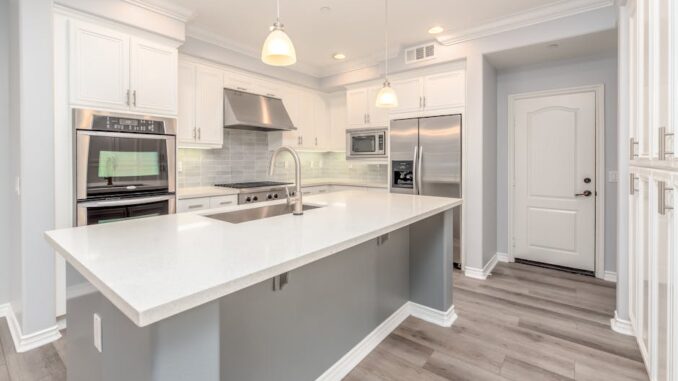
When someone walks into a home for the first time, their eyes almost instinctively gravitate towards the kitchen. It’s the hub of activity, the place where meals are shared, stories are told, and memories are made. For many, it’s the ultimate determining factor; a beautiful, functional kitchen can clinch a sale, while an outdated one might send buyers running for the hills. Investing in a kitchen remodel, therefore, can be particularly rewarding, both for your enjoyment and your bottom line.
But what kind of remodel are we talking about? There’s a spectrum, from minor cosmetic tweaks to a full-blown gut job. A minor kitchen remodel, say around $25,000 to $30,000, might involve refreshing cabinet fronts, upgrading countertops, installing new flooring, and perhaps swapping out an appliance or two. This kind of update generally sees a higher return on investment, often recouping around 70-80% of its cost upon resale. It’s about maximizing impact with sensible spending.
Then there are the major remodels, where you’re looking at a complete overhaul – new layout, custom cabinetry, high-end appliances, perhaps even knocking down a wall to create an open-concept living space. These projects, which can easily climb into the $80,000+ range, definitely transform the space, but the ROI percentage, as Remodeling magazine’s 2022 Cost vs. Value Report suggests, might hover closer to 52% for an upscale remodel (mtb.com). Don’t misunderstand, the overall dollar increase in value can be substantial. Just remember, a truly top-tier kitchen might appeal to fewer buyers if your neighborhood doesn’t support that level of luxury. It’s about finding that sweet spot.
Key Kitchen Elements to Focus On:
- Cabinetry: This often forms the backbone of your kitchen’s aesthetic. You don’t always need to replace them entirely. Refacing, repainting, or adding new hardware can dramatically change the look for a fraction of the cost of new custom units. If replacing, consider shaker style or flat-panel designs, they tend to have broader appeal.
- Countertops: Granite and quartz remain incredibly popular choices, offering durability and a touch of luxury. Quartz, in particular, has seen a surge in demand due to its low maintenance and consistent appearance. It’s a worthwhile investment, truly elevating the perceived value of your space.
- Appliances: Stainless steel is still king, although integrated or panel-ready appliances are gaining traction in higher-end homes. Energy-efficient models aren’t just good for the planet; they’re also a selling point for buyers looking to save on utility bills. Smart features, like Wi-Fi enabled ovens or refrigerators, add a layer of modern convenience that buyers appreciate.
- Lighting: Often overlooked, but crucial. A well-lit kitchen feels larger, more inviting, and more functional. Combine ambient (overhead), task (under-cabinet), and accent lighting to create a layered, sophisticated look. Recessed lighting is always a safe bet.
- Layout and Flow: An ergonomic layout, often following the ‘kitchen triangle’ principle (sink, stove, refrigerator), makes a huge difference in functionality. Open-concept designs continue to dominate, fostering a sense of connection between the kitchen and other living areas. Imagine entertaining friends, easily chatting as you prepare drinks, it just feels better.
I remember a client of mine, Sarah, she was on the fence about a full kitchen gut. Her cabinets were structurally sound but looked tired. We opted to repaint them a crisp white, installed a sleek quartz countertop, and replaced her old appliances with new stainless steel ones. The total cost was under $20,000, and when she sold, the feedback from buyers was overwhelmingly positive about her ‘beautifully updated kitchen’. Sometimes, less really is more, especially when you focus on smart choices.
Bathroom Bliss: Small Changes, Big Impact
Right after the kitchen, bathrooms are the next major area buyers scrutinize. They’re private sanctuaries, places where people start and end their days. A dated, dingy bathroom can be a real turn-off, while a clean, modern one can be a huge asset. What’s fantastic here is that you can achieve significant impact without necessarily breaking the bank. Strategic updates in a bathroom often yield impressive returns, as OnPoint Credit Union points out, a midrange bathroom remodel, averaging around $27,330, can increase a home’s value by approximately $18,316, yielding a return on investment (ROI) of 63% (onpointcu.com). Those are numbers you can’t ignore.
What does a ‘midrange’ remodel look like? We’re typically talking about replacing the tub with a new one (or a tiled shower if space allows), a new toilet, a fresh vanity with a solid-surface countertop, new resilient flooring, updated fixtures, and a fresh coat of paint. It’s about bringing the space into the present without going overboard with custom features only you might appreciate.
Focusing on Key Bathroom Elements:
- Vanity and Countertop: This is often the focal point. A stylish vanity with ample storage and a durable countertop (quartz or granite remain popular) instantly upgrades the look. Double vanities in a master bath are a definite plus, offering that touch of luxury and convenience.
- Fixtures: Swapping out old, tarnished faucets and showerheads for modern, water-efficient ones in a consistent finish (chrome, brushed nickel, or matte black are current favorites) makes a surprisingly big difference. Don’t forget the towel bars and toilet paper holders; consistency is key.
- Tiling: If your tile is truly ancient, consider replacing it. Large format tiles are very popular now, creating a cleaner, more spacious feel with fewer grout lines. For a budget-friendly option, a new backsplash or an accent wall in the shower can provide a designer touch without retiling the entire room.
- Showers and Tubs: A clean, functional shower is non-negotiable. If you have a tub-shower combo, ensure the surround is updated and mold-free. In master bathrooms, a walk-in shower with frameless glass often feels more luxurious than a traditional tub. However, always ensure you have at least one bathtub in the house for families with young children; it can be a deal-breaker for some buyers.
- Lighting and Ventilation: Good lighting is crucial for both function and ambiance. Consider a combination of vanity lights, overhead fixtures, and perhaps a dimmer switch. An efficient exhaust fan isn’t just about comfort; it prevents moisture buildup, a huge benefit for long-term home health and avoiding costly mold issues. No one wants a musty bathroom, do they?
Think about the guest bathroom, too. While it might not get the same high-end treatment as a master ensuite, a fresh coat of paint, a new vanity, and updated fixtures can transform it into a welcoming space for visitors. It shows attention to detail throughout the home. I once saw a listing where the master bath was stunning, but the guest bath looked like it hadn’t been touched since the 80s. It immediately made me wonder what other corners the seller cut. It’s all about consistency, remember.
Going Green: Energy-Efficient Enhancements for the Eco-Conscious Buyer
In today’s world, buyers aren’t just looking at aesthetics; they’re also keenly aware of operating costs and environmental impact. This is where energy-efficient enhancements truly shine. Not only do these upgrades reduce your utility bills while you live in the home, but they also significantly increase its appeal to eco-conscious buyers, who are increasingly a substantial segment of the market. It’s a win-win situation, really; save money now, make more money later. As GatorRated’s blog suggests, upgrades such as better insulation, energy-efficient windows, and HVAC system improvements can increase your home’s value (gatorrated.com).
The Pillars of Energy Efficiency:
- Insulation: The Unsung Hero: This is perhaps the most fundamental energy improvement you can make. Good insulation in your attic, walls, and crawl spaces keeps heat in during winter and out during summer, drastically reducing the workload on your HVAC system. Options range from fiberglass batts to blown-in cellulose or spray foam. A well-insulated home just feels more comfortable, doesn’t it? It’s a tangible difference that buyers notice, even if they can’t quite articulate why.
- Energy-Efficient Windows: Old, single-pane windows are notorious energy culprits. Upgrading to double-pane or even triple-pane windows with low-E coatings can cut heat transfer significantly. Not only do they save energy, but they also improve soundproofing and enhance the overall comfort of your home, reducing drafts and cold spots. There’s nothing quite like feeling a chilly breeze near a window in winter to ruin an otherwise warm room.
- HVAC System Improvements: Your heating, ventilation, and air conditioning system is a huge energy consumer. An older, inefficient unit can be a major red flag for buyers. Upgrading to a high-efficiency furnace, boiler, or air conditioner, especially one with a good SEER (Seasonal Energy Efficiency Ratio) rating, is a solid investment. Pair this with a smart thermostat, which learns your habits and optimizes temperature settings, and you’ve got a compelling package for any prospective homeowner. Regular maintenance, even on older systems, can surprisingly improve efficiency, so don’t overlook that either.
- Smart Thermostats: These devices, like Nest or Ecobee, aren’t just gadgets; they’re energy management tools. They allow you to control your home’s climate remotely, learn your preferences, and even qualify for rebates. They’re a relatively low-cost upgrade with high perceived value.
- Water Heater Upgrades: Consider a tankless water heater, which heats water on demand, eliminating standby energy losses. While the upfront cost is higher, the long-term savings and convenience are attractive.
Think about the financial savings alone. Over the lifespan of a home, these upgrades can literally save thousands of dollars in utility bills. And that’s a powerful narrative for a buyer looking at long-term ownership costs. It shows foresight and responsible homeownership, qualities everyone appreciates. Plus, in many areas, specific energy-efficient upgrades can qualify for tax credits or rebates, further sweetening the deal.
The Grand Entrance: Curb Appeal – First Impressions Really Do Matter
They say you never get a second chance to make a first impression, and nowhere is that more true than with your home’s exterior. Curb appeal isn’t just a buzzword; it’s a critical component of your home’s marketability and value. It’s the initial ‘hello’ your house offers to potential buyers, and that greeting can set the entire tone for their viewing experience. A well-maintained and attractive exterior suggests a well-cared-for interior, creating a positive perception before they even step inside. In fact, simple landscaping improvements, like planting trees or adding a fresh coat of paint, can increase a home’s value by a healthy 7-14% (opendoor.com). That’s significant for a relatively small outlay.
Where to Invest for Maximum Curb Appeal:
- A Fresh Coat of Paint or Siding: This is arguably the biggest impact for your buck. A clean, modern exterior color can instantly update your home’s look. If paint isn’t enough, consider power washing your existing siding; you’d be amazed at the transformation. For homes with older or damaged siding, a full replacement can offer fantastic returns, especially if you opt for low-maintenance materials like fiber cement.
- Landscaping That Invites: You don’t need a botanical garden. Simple, clean landscaping goes a long way. Think about neatly trimmed hedges, vibrant flowering plants near the entrance, fresh mulch in garden beds, and a healthy, green lawn. Consider low-maintenance plants that thrive in your climate. A beautifully framed front door, with symmetrical planters, creates a welcoming vignette.
- The Front Door: This is often the focal point of your home’s façade. A new, stylish front door, perhaps in a contrasting color, can be an incredible investment. It provides security, energy efficiency, and a huge boost to aesthetics. Sometimes just a fresh coat of paint and new hardware can do wonders if the door itself is solid.
- Garage Door Replacement: This might seem surprising, but a new garage door consistently ranks as one of the home improvements with the highest ROI. It takes up a large portion of your home’s front profile, so an updated, attractive door significantly enhances curb appeal and perceived value. It’s often one of the first things people see, often more than the front door itself!
- Exterior Lighting: Well-placed outdoor lighting not only enhances safety and security but also highlights architectural features and landscaping after dark. Consider pathway lights, uplights for trees, and decorative fixtures by the front door.
- Cleanliness and Maintenance: This costs very little but yields huge results. Power wash sidewalks, driveways, and the exterior of your house. Clean gutters, windows, and remove any weeds. It’s about presenting a tidy, cared-for image. I once viewed a home where the gutters were overflowing and there were cobwebs everywhere. Even though the interior was nice, that initial sight just made me think ‘deferred maintenance,’ and it colored my entire perception.
Ultimately, curb appeal is about creating an emotional connection. You want buyers to pull up to your home and feel a sense of ‘wow, this looks nice,’ a feeling of warmth and invitation. It sets a positive tone for the rest of their visit and makes your property memorable for all the right reasons.
Room to Grow: Adding Additional Living Space
In a world where space often comes at a premium, expanding your home’s functional living area can be a total game-changer, significantly boosting both utility and resale value. More square footage usually translates directly into higher property value, especially if that space is well-finished and thoughtfully designed. Whether it’s carving out a home office, creating an extra bedroom, or adding a vibrant family room, giving buyers ‘more room to grow’ is always an attractive proposition. For instance, finishing a basement can recoup up to 75% of its cost upon resale (opendoor.com). That’s a serious return, and it’s about making previously underutilized areas truly shine.
Smart Ways to Expand Your Living Footprint:
- Basement Finishing: This is a fantastic way to add square footage without adding to your home’s existing footprint. A finished basement can become a versatile space: a recreation room, an extra bedroom (ensuring proper egress windows are installed for safety and code compliance), a home office, or even a secondary living unit, depending on local regulations. Focus on good lighting, proper waterproofing, and quality flooring to make it feel like an extension of the main house, not just a glorified cellar.
- Attic Conversions: Similar to basements, attics often represent untapped potential. Converting an attic into a usable bedroom, a quiet reading nook, or a children’s play area adds valuable space. Crucially, ensure proper insulation, adequate ventilation, and a safe, code-compliant staircase for access. Natural light from dormer windows can transform a dusty attic into an inviting retreat.
- Garage Conversions: While not always advisable (losing parking or storage space can be a deterrent for some buyers), converting a garage into an accessory dwelling unit (ADU), a home gym, or a dedicated home office can be incredibly appealing in certain markets. Be mindful of zoning laws and ensure you maintain good curb appeal by integrating the new structure seamlessly with the existing home’s aesthetic. You wouldn’t want it to look like a tacked-on afterthought.
- Adding an Extension: This is a more significant undertaking and a larger investment, but building a sunroom, a family room addition, or an extra bedroom can dramatically increase your home’s size and value. It requires careful planning, architectural design, and navigating local permitting processes. The key here is seamless integration with the existing structure and maintaining architectural consistency; a poorly designed addition can actually detract from value.
- Optimizing Existing Space: Sometimes, you don’t need to add new space, but rather make better use of what you have. Removing non-load-bearing walls to create open-concept living, or redesigning awkward layouts, can make a home feel much larger and more modern without increasing its physical footprint. For instance, my neighbor converted an unused formal dining room into a combined office and library, which instantly modernized their living space and attracted buyers looking for dedicated workspaces.
Remember, any addition or conversion needs to be done legally and to code. Unpermitted work can cause major headaches during resale, often requiring costly remediation or even demolition. Always prioritize professional advice and proper permits. It’s an investment, so treat it with the seriousness it deserves.
The Connected Home: Smart Home Features for Modern Living
We live in an era where technology is deeply woven into the fabric of our daily lives, and our homes are no exception. Today’s buyers, particularly younger generations, appreciate and often expect homes equipped with smart technology. It’s about convenience, security, and often, energy efficiency – all rolled into one sleek package. Installing smart thermostats, advanced security systems, and automated lighting can make your home incredibly attractive, setting it apart from properties stuck in the past. These aren’t just fancy gadgets; they’re features that genuinely enhance daily living, and as Aspire Pavers suggests, they can indeed increase your home’s value (aspirepavers.com).
Must-Have Smart Home Integrations:
- Smart Thermostats: We touched on these earlier, but they bear repeating. Devices like Nest or Ecobee learn your habits, optimize temperature settings, and can be controlled remotely via smartphone. They offer tangible energy savings and a level of comfort control that traditional thermostats simply can’t match. It’s a compelling feature for anyone mindful of their utility bills.
- Smart Security Systems: Beyond a basic alarm, modern smart security includes doorbell cameras (like Ring or Google Nest Doorbell), smart locks, and integrated camera systems that you can monitor from anywhere. The peace of mind offered by knowing your home is secure, and being able to grant access remotely, is invaluable to many buyers.
- Smart Lighting: From individual smart bulbs that change color and intensity to whole-home lighting systems controlled by an app or voice commands, smart lighting adds ambiance, convenience, and can even deter intruders by simulating occupancy when you’re away. Imagine arriving home and your lights automatically adjust to a welcoming glow.
- Integrated Entertainment: Smart speakers (Amazon Echo, Google Home) that double as home assistants, and smart TVs integrated into the home’s network, are increasingly expected. Pre-wired media rooms or integrated sound systems also add significant appeal for the entertainment enthusiast.
- Smart Appliances: While a larger investment, smart refrigerators that track groceries, ovens that can preheat remotely, and smart washing machines that optimize cycles all contribute to a feeling of modern luxury and efficiency. They’re definitely not for everyone, but for tech-savvy buyers, they’re a huge draw.
- Whole-Home Hubs: The true power of a smart home lies in its integration. A central hub, like Apple HomeKit, Google Home, or Amazon Alexa, allows various devices to communicate and work together, creating seamless automation scenarios. This interconnectedness is what truly defines a ‘smart home’ experience.
It’s important to strike a balance, however. While some smart features are universally appreciated, others might be overkill for certain buyers or neighborhoods. The goal isn’t to turn your home into a futuristic spaceship, but rather to integrate practical, user-friendly technology that genuinely improves daily life. Focus on reliable systems that offer value and convenience without being overly complex. After all, nobody wants to troubleshoot their coffee maker first thing in the morning.
Alfresco Living: Outdoor Spaces as Extensions of Your Home
Gone are the days when a backyard was just a patch of grass. Today, potential buyers increasingly view outdoor areas as crucial extensions of their living space, places for relaxation, entertaining, and connecting with nature. Creating thoughtful, inviting outdoor living spaces, such as patios, decks, or even elaborate outdoor kitchens, can dramatically enhance your home’s appeal and functionality. These spaces effectively add ‘rooms’ to your home, without the need for walls and a roof, making your property more attractive and often increasing its perceived value significantly. As Aspire Pavers states, enhancing outdoor living areas makes your home more attractive to potential buyers (aspirepavers.com).
Crafting the Perfect Outdoor Oasis:
- Decks and Patios: The Foundation: A well-built deck or patio is the cornerstone of any outdoor living area. Decks often work well with elevated homes or sloped yards, providing seamless access from an upper floor. Patios, typically made of concrete, pavers, or stone, sit directly on the ground and are excellent for creating a ground-level gathering spot. Consider durable, low-maintenance materials like composite decking or natural stone pavers. A friend of mine installed a composite deck a few years ago, and she swears by it; ‘it looks great year after year with almost no effort,’ she often says, and I’m inclined to agree.
- Outdoor Kitchens: For the serious entertainer, an outdoor kitchen is a dream come true. This could range from a simple built-in grill station with counter space to a full setup with a refrigerator, sink, and even pizza oven. It transforms backyard barbecues into gourmet outdoor experiences.
- Fire Pits and Fireplaces: There’s something undeniably primal and cozy about gathering around a fire. A well-designed fire pit (gas or wood-burning) or an outdoor fireplace creates an inviting focal point, extending the usability of your outdoor space into cooler evenings.
- Pergolas and Covered Areas: Providing shade and a sense of enclosure, pergolas or covered patios make outdoor spaces more comfortable during hot days or light rain. They also offer an opportunity to hang string lights, fans, or climbing plants, adding to the aesthetic appeal.
- Landscaping Integration: The outdoor living area shouldn’t feel isolated. Integrate it seamlessly with the rest of your landscaping. Use plants to create privacy screens, define different zones, and add color and texture. Good lighting is just as important outside as it is inside, extending usability into the evening hours.
- Water Features: A small fountain or a pond can add a soothing element, providing white noise and a sense of tranquility. It’s a subtle touch that can make a big difference in creating a relaxing atmosphere.
When designing these spaces, think about flow and function. How will people move through the space? Is there enough room for dining, lounging, and perhaps an activity? Consider the local climate too; a covered patio is much more valuable in a rainy region, just as a fire pit shines in areas with cool evenings. Outdoor living spaces are about enhancing lifestyle, and that’s a powerful selling point.
The Nitty-Gritty: Other Value-Adding Improvements and Strategic Considerations
While kitchens, bathrooms, and curb appeal often steal the spotlight, several other improvements, sometimes less glamorous, play crucial roles in maintaining and boosting your home’s value. These are the kinds of upgrades that provide peace of mind, ensure structural integrity, or offer universal appeal, proving that not all valuable improvements are about flashy aesthetics. And when we talk about increasing value, we aren’t just discussing the ROI on a single project, it’s also about a comprehensive, strategic approach to homeownership.
Essential & Impactful Upgrades:
- Roof Replacement: This isn’t a fun renovation, but it’s absolutely critical. A leaking or visibly old roof is a major red flag for buyers and can deter lenders. While the ROI on a roof replacement might not be as high as a kitchen remodel percentage-wise, it’s a foundational repair that prevents future costly damage and makes your home insurable and saleable. Think of it as investing in your home’s shield against the elements, something you simply cannot skimp on.
- Hardwood Flooring: Always a classic, hardwood floors consistently appeal to buyers. They’re durable, easy to clean, and offer a timeless aesthetic that can fit various design styles. If you have worn hardwood, consider refinishing it; if you have old carpet, replacing it with hardwood (or a high-quality, durable LVP/laminate) is a fantastic upgrade. It just elevates the entire interior, doesn’t it?
- Interior Paint: One of the most cost-effective ways to refresh your home. A fresh, neutral coat of paint throughout the interior makes spaces feel cleaner, brighter, and larger. It also provides a blank canvas for potential buyers to envision their own style, which is surprisingly important.
- Decluttering and Staging: Okay, this isn’t a renovation, but it’s an absolutely crucial step before selling. A decluttered, clean, and well-staged home allows buyers to see the space itself, rather than your personal belongings. It helps them imagine living there and can significantly impact perceived value and desirability. Don’t underestimate the power of removing half your furniture to make a room feel expansive.
Strategic Planning and Budgeting:
Undertaking home improvements requires more than just deciding what to do; it demands smart planning and careful budgeting. Without a clear strategy, even the best intentions can lead to wasted money or unfinished projects. This isn’t just about throwing money at problems; it’s about making informed decisions that align with your goals, whether that’s maximizing resale value or simply enjoying your home more.
- Prioritize Based on Goals: Are you selling soon, or do you plan to live there for another decade? If selling, focus on high-ROI, universally appealing upgrades. If staying, balance ROI with personal enjoyment. What’s most important to you right now?
- Assess Your Home’s Condition: Before tackling cosmetic upgrades, address any structural issues, leaks, or major repairs. A new kitchen won’t matter if the roof is about to collapse. Foundations first, then fun stuff, right?
- Know Your Neighborhood Comps: Research what similar homes in your area are selling for and what features they offer. You don’t want to over-improve for your neighborhood, nor do you want to fall behind.
- DIY vs. Professional: Be realistic about your skills. Some tasks (painting, landscaping) are perfect for DIY, but complex projects like electrical, plumbing, or major structural work are best left to licensed professionals. A botched DIY job can end up costing you more in the long run.
- Get Multiple Quotes: Always obtain at least three quotes from different contractors for any significant project. Compare not just price, but also their experience, references, and proposed timelines. Don’t just pick the cheapest; pick the one you trust.
- Factor in Unexpected Costs: Renovations notoriously run over budget. Always add a 10-15% contingency fund to your budget for unforeseen issues. It’s rare for a project to go exactly as planned, a burst pipe or some hidden rot can throw things for a loop.
- Consider Financing Options: Explore home equity loans, HELOCs, or renovation specific loans. Understand the interest rates and repayment terms before committing.
Conclusion: Your Home, Your Investment
Enhancing your home’s value is an ongoing journey, a thoughtful blend of maintenance, strategic upgrades, and a keen eye on market trends. It’s clear that you don’t need to completely rebuild your property to see significant financial benefits. Instead, by focusing on key areas that truly resonate with today’s buyers – from the welcoming warmth of a modern kitchen and the serene appeal of an updated bathroom to the tangible benefits of energy efficiency and the inviting allure of excellent curb appeal – you can make your home not only more enjoyable to live in but also a more attractive and valuable asset when it’s time to sell.
These targeted improvements aren’t just about increasing a dollar figure; they’re about investing in a lifestyle, creating spaces that feel good, function well, and offer peace of mind. Whether you’re planning to sell next year or enjoy your home for decades to come, thoughtful renovation choices are a smart investment, transforming your house into a highly desirable property. So, roll up those sleeves, do your research, and start planning; your future self, and your bank account, will thank you.
References
- Remodeling magazine’s 2022 Cost vs. Value Report: mtb.com
- OnPoint’s article on home improvements: onpointcu.com
- GatorRated’s blog on home improvements: gatorrated.com
- Opendoor’s article on boosting curb appeal: opendoor.com
- Aspire Pavers’ blog on best home improvements: aspirepavers.com
Be the first to comment