

Unlocking Your Home’s Top Value: A Step-by-Step Guide for Smart Sellers
Selling your home, it’s a monumental moment, isn’t it? For many of us, it’s not just a transaction; it’s the culmination of years of memories, perhaps even a whole chapter of life. When that time comes, naturally, you’ll want to maximize its value. Every seller dreams of attracting a swarm of eager buyers and securing an enviable sale price, and guess what? That’s entirely achievable with a bit of strategic thinking and some savvy improvements. We’re not talking about overhauling your entire home here, but rather focusing on high-impact areas that genuinely resonate with prospective buyers. So, let’s dive into some effective, actionable ways you can really boost your home’s appeal and, consequently, its market value.
1. Crafting an Irresistible First Impression: The Power of Curb Appeal
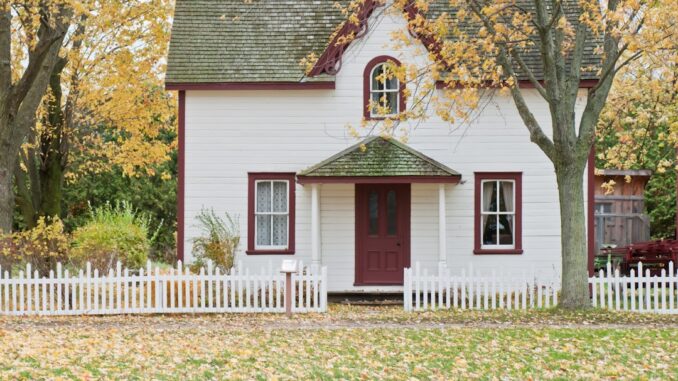
Think about it: before a buyer even steps foot inside, their first impression is formed right there, on the curb. It’s like a first date; you wouldn’t show up in your pajamas, would you? A well-maintained, inviting exterior sets an incredibly positive tone, suggesting that if the outside looks this good, the inside must be equally cared for. It’s foundational to getting those high offers.
Increase the value of your property
The Psychology of First Impressions
When a potential buyer pulls up to your home, they’re not just looking at bricks and mortar; they’re imagining their life there. They’re picturing morning coffees on the porch, kids playing in the yard, or evening barbecues on the patio. If the exterior is lackluster, overgrown, or in disrepair, it immediately creates a mental roadblock. Suddenly, they’re not dreaming; they’re cataloging potential problems and calculating repair costs in their head. You want them to feel an immediate, almost magnetic pull toward the front door, eager to see more.
Landscaping for Wow Factor & Value
This isn’t about creating a botanical garden, unless that’s your thing, of course. It’s about neatness, vibrancy, and a touch of thoughtful design. Planting shade trees, for instance, like a graceful crepe myrtle or a stately red maple, doesn’t just beautify your yard. It can actually reduce cooling costs by a significant margin—up to 40% in some climates! That’s a tangible benefit for a future homeowner. But don’t stop there. Consider:
- Thoughtful Planting: Choose native, drought-tolerant plants that require minimal upkeep. Buyers love low-maintenance. Bright, cheerful flowers near the entrance, even in pots, add an instant pop of color and warmth.
- Defined Edges: Crisp, clean edges for garden beds or pathways make a huge difference, giving your yard a polished, professional look.
- Hardscaping Elements: If your budget allows, adding a small, inviting stone pathway or a refreshed patio can dramatically enhance the outdoor living space. It suggests opportunities for relaxation and entertaining, which is a big selling point.
- Anecdote: I once knew a seller, let’s call her Sarah, who had a lovely home, but her front yard was utterly wild, a jungle of overgrown shrubs. She thought, ‘Oh, someone will just re-do it.’ Well, her home sat on the market for months. After finally investing in professional landscaping, literally just tidying, trimming, and adding a few flower beds, she received multiple offers within two weeks. It’s a real lesson in showing buyers the potential, not making them guess at it.
Exterior Maintenance: More Than Just Pretty
Beyond the greenery, the actual structure needs to speak volumes about care. Visible issues are red flags, and addressing them promptly signals diligence. Here’s your checklist:
- Roof Integrity: Get up there, or better yet, hire someone to inspect the roof. Missing shingles, obvious leaks, or excessive moss are immediate deterrents. You don’t need a brand-new roof unless it’s truly failing, but it must be leak-free and look well-maintained.
- Gutters and Downspouts: These unsung heroes divert water away from your foundation. Make sure they’re clear of debris and properly attached. Clogged gutters can lead to water damage, an expensive problem buyers will surely notice on an inspection report.
- Power Washing: It’s incredible what a good power wash can do! Blast away years of grime from your siding, driveway, and walkways. It makes everything look fresh and new without the cost of repainting. Don’t forget the deck or patio if you have one.
- Windows and Screens: Clean windows literally let the light in and make rooms feel brighter. Repair any torn screens or broken panes. It’s a small detail that speaks volumes.
- The Front Door: This is a crucial focal point. A fresh coat of paint in a welcoming color (think classic navy, deep green, or a vibrant red if it suits your home’s style) can work wonders. Update the hardware too – a shiny new handle and lock set feel luxurious and secure.
- Mailbox: Often overlooked, a dented or rusty mailbox sends the wrong message. Replace it if needed, or give it a fresh coat of paint to match your home’s aesthetic.
The Transformative Power of a New Garage Door
This one is a fantastic investment. A new garage door can surprisingly recoup nearly 98% of its cost upon sale, according to some reports. Think about it: it’s often a huge part of your home’s facade. An old, dented, or peeling door instantly drags down the entire look. Replacing it with a modern, stylish one – perhaps with some attractive windows or carriage-style hardware – instantly elevates your home’s curb appeal, making it look newer and more valuable.
A Fresh Coat of Exterior Paint
If your home’s paint is faded, peeling, or an outdated color, consider painting the entire exterior. It’s a significant investment, yes, but a fresh, neutral color can dramatically transform your home’s appearance, making it seem newer and more inviting. This, alongside diligent lawn and garden maintenance, truly shows that your home has been cared for and loved.
2. Updating Key Interior Spaces: The Kitchen and Bathrooms – Your ROI Superstars
Alright, once they’re past the incredible curb appeal, buyers are usuallyeline straight for the kitchen and bathrooms. These aren’t just rooms; they’re emotional centers. People spend a lot of time in them, and modern, functional, and aesthetically pleasing versions of these spaces can make or break a deal. These are truly your highest return-on-investment areas.
The Kitchen: Heart of the Home, Driver of Sales
Ah, the kitchen! It’s where families gather, meals are prepared, and memories are made. Buyers envision themselves entertaining friends, baking cookies with their kids, or simply enjoying a quiet morning coffee. If your kitchen feels stuck in a time warp, it’s going to be an uphill battle.
- Strategic Renovation: You don’t always need a full gut-rehab. Sometimes, minor updates yield incredible returns. Ask yourself: ‘Is it functional, clean, and reasonably modern?’
- Appliances: Replacing outdated, mismatched appliances with energy-efficient, stainless steel models can boost your home’s value by up to 7%. Even if you can’t swing a full suite, upgrading the refrigerator and dishwasher can make a huge impact. And hey, smart appliances? Even better for today’s tech-savvy buyer.
- Cabinets: If your cabinets are structurally sound but look dated, consider painting or refinishing them. A fresh coat of light, neutral paint (like white, grey, or a soft greige) can brighten the entire space. Don’t forget new hardware – sleek pulls or classic knobs can instantly modernize the look for a minimal cost. If they’re truly beyond saving, then replacement might be warranted, but often a cosmetic refresh is enough.
- Countertops: Laminate countertops from the 80s? It’s probably time for an upgrade. Quartz and granite are popular, durable choices, but even a fresh, neutral laminate or a beautiful butcher block can provide a significant visual upgrade without breaking the bank.
- Backsplash: This is a surprisingly impactful and often affordable update. A clean, simple subway tile or a classic mosaic can instantly elevate the kitchen’s style. It’s a weekend DIY project for many, and it really ties the whole room together.
- Lighting: Good lighting is crucial in a kitchen. Install under-cabinet lighting for task illumination, update pendant lights over an island, and ensure general recessed lighting is bright and even. It makes the space feel bigger and more inviting.
- Flooring: Durable, easy-to-clean flooring is key. Hardwood, luxury vinyl plank, or tile are great choices. Make sure it’s in good condition and complements the overall aesthetic.
- Anecdote: My cousin bought a house last year, and the kitchen was a bit of a disaster. Old appliances, chipped laminate counters, and dark cabinets. But the bones were good! They refreshed the cabinets with paint, installed a simple subway tile backsplash, and put in a new, albeit basic, stainless steel stove. They didn’t even change the fridge! That minimal investment, probably around $3,000, helped them sell for $15,000 over asking just a year later. It’s about perceived value, you know?
Bathrooms: Spa-Like Retreats and Functional Necessities
Bathrooms are intimate spaces, and buyers want them to feel clean, fresh, and a little luxurious. Again, minor upgrades often go a long way.
- Vanity and Sink: Replacing an old, chipped vanity with a modern one – perhaps with a sleek new sink and faucet – can transform the whole room. Consider a double vanity in the master bath if space allows, that’s always a hit.
- Fixtures: Update faucets, showerheads, and towel bars. Opt for water-saving models where possible; buyers appreciate both the eco-friendliness and the lower utility bills. Brushed nickel or matte black finishes are quite popular right now and feel very contemporary.
- Lighting and Ventilation: Ensure excellent lighting, especially around the mirror. A good exhaust fan is critical for preventing mold and mildew, demonstrating good maintenance. Nobody wants a stuffy, dim bathroom.
- Tiling and Grout: If your tiles are structurally sound but the grout looks dingy, a thorough cleaning and re-grouting can make them look brand new. If the tiles themselves are truly hideous, consider replacing them, but often a clean grout line does wonders.
- Shower/Tub: Ensure your shower and tub are sparkling clean. If they’re stained or chipped, consider resurfacing them. New shower doors, especially frameless glass ones, create a very open and modern feel.
- Mirrors: A large, attractive mirror can make a small bathroom feel much bigger and brighter. Upgrade from a basic builder-grade mirror to something with a bit more style.
3. Expanding Usable Space: Unlocking Hidden Potential and Adding Serious Value
One of the most surefire ways to increase your home’s value is to simply give buyers more usable space. Whether it’s turning a dusty storage area into a vibrant living space or adding an extra bedroom, these projects often come with fantastic returns on investment.
Finishing the Basement: More Than Just Storage
A dark, dingy basement is just… a basement. A finished basement, however, is a whole new level of living space, transforming a previously underutilized area into a functional asset. This can add significant value to your home.
- Permits and Regulations: This is step one, absolutely non-negotiable. Converting a basement into habitable space often requires permits and adherence to local building codes, especially regarding egress windows and fire safety. Don’t skip this; unpermitted work can cause huge headaches during a sale.
- Waterproofing and Moisture Control: Before you even think about drywall, ensure your basement is dry. Address any leaks, seepage, or humidity issues. A damp basement is a deal-breaker, and trying to cover up moisture problems will only lead to bigger, more expensive issues down the line. Consider a sump pump, dehumidifier, or exterior drainage improvements if needed.
- Layout Ideas: What do buyers want? A home office, a family room, a media room, a home gym, or even an extra bedroom with an ensuite bathroom. Think about versatility. You want to create a space that appeals to a broad range of lifestyles.
- Egress Windows: For safety and natural light, egress windows are crucial if you’re adding bedrooms. They’re a significant investment, but they’re legally required for safety in sleeping areas and they also make the space feel less like a basement.
- ROI Considerations: While the ROI can vary, finishing a basement often sees a strong return, especially if it adds square footage that feels like a natural extension of the main living areas.
Converting Attic Space: A Room with a View (and Value)
An attic is often just a forgotten storage area, but it can be transformed into a charming, valuable living space. Transforming your attic into a livable area can yield over a 77% return on investment, making it a smart move for many homeowners.
- Structural Considerations: Is your attic floor strong enough to support furniture and people? You’ll likely need to reinforce the floor joists. Also, evaluate headroom; can a person comfortably stand upright without hitting their head?
- Insulation and HVAC: Attics can get incredibly hot or cold. Proper insulation is paramount for comfort and energy efficiency. You’ll also need to extend your HVAC system or install a mini-split unit to ensure the space is climate-controlled.
- Access: A proper staircase, rather than a pull-down ladder, is usually required for a legal living space and certainly makes the area feel more integrated and accessible.
- Skylights and Dormers: These are game-changers. Skylights flood the space with natural light, making it feel bright and airy, while dormers can add valuable headroom and architectural interest, perhaps even a charming window seat.
- Potential Uses: Imagine a cozy master suite, a quiet artist’s studio, a dedicated home office, or a fun playroom for the kids. These are all highly desirable features for buyers. Creating that extra bedroom, especially, can significantly boost your home’s appeal.
4. Prioritizing Essential Maintenance and Repairs: Building Buyer Confidence from the Ground Up
No amount of pretty staging or fresh paint will cover up fundamental structural or system issues. A well-maintained home instills immense confidence in buyers, signaling that you’ve been a responsible homeowner and that they won’t inherit a laundry list of expensive problems. Inspections are a standard part of the selling process now, so it’s far better to address issues proactively rather than letting them become points of negotiation or, worse, deal-breakers.
The Roof: Your Home’s Umbrella
Your roof is arguably your home’s most important protective barrier. It’s often the first thing an inspector will scrutinize.
- Professional Inspection: Before listing, invest in a professional roof inspection. It’s worth every penny to get an unbiased assessment. They can spot minor issues that you might miss.
- Address Issues Promptly: Leaks, missing shingles, damaged flashing, or signs of dry rot must be fixed. Even minor issues can escalate quickly and will definitely show up on an inspection report, giving buyers leverage to ask for price reductions or repairs.
- When to Replace: If your roof is nearing the end of its life (typically 20-30 years for asphalt shingles) or has extensive damage, replacement might be the smartest move. While costly, a new roof is a significant selling point and eliminates a major buyer concern.
Plumbing Systems: Out of Sight, Not Out of Mind
Plumbing issues can be messy and expensive, so ensuring your system is in tip-top shape is crucial.
- Leaks, Drips, and Drains: Fix all leaks, no matter how small. A perpetually dripping faucet suggests neglect and wastes water. Clear any slow drains. You want everything to flow smoothly.
- Water Heater: Check its age. If it’s old, consider replacement, especially with a more energy-efficient model or even a tankless water heater, which can be a huge draw for buyers. They’re often concerned about the lifespan of major appliances.
- Water Pressure: Test the water pressure in all sinks and showers. Low water pressure can be a sign of issues like mineral buildup or old pipes.
- Outdated Fixtures: While we covered some of this in bathrooms, ensure all visible plumbing fixtures throughout the house are updated and in good working order.
- Visible Pipes: If you have exposed pipes, ensure they’re not corroded or leaking. Minor fixes here prevent bigger issues from appearing on inspection reports.
Electrical Systems: Safety First
Outdated or unsafe electrical systems are huge red flags and can even pose a fire hazard.
- Panel Upgrade: Many older homes have electrical panels that can’t handle the demands of modern electronics. If you have an old fuse box or a panel that’s notoriously problematic (like certain brands from the 60s and 70s), an upgrade to a modern circuit breaker panel is a wise investment, improving safety and increasing capacity.
- GFCI Outlets: Ensure you have Ground Fault Circuit Interrupter (GFCI) outlets in all required areas: kitchens, bathrooms, laundry rooms, basements, and outdoors. These are critical safety features that prevent electrocution.
- Outdated Wiring: If your home has knob-and-tube or aluminum wiring, this will almost certainly come up in an inspection and could deter buyers or require significant price adjustments. Addressing these issues professionally is vital, albeit often expensive.
HVAC System: Comfort and Efficiency
No one wants to move into a home only to discover the AC is dying in July.
- Regular Servicing: Have your heating and air conditioning system professionally serviced before you list. Provide documentation of regular maintenance to potential buyers; it shows due diligence and care.
- Filter Replacement: A simple, cheap fix that makes a difference in air quality and system efficiency. Replace all filters.
- Thermostat Upgrade: Consider installing a smart thermostat. They’re appealing to tech-savvy buyers and demonstrate energy consciousness. They’re also incredibly convenient.
- Duct Cleaning: A professional duct cleaning can improve air quality and the efficiency of your system, which buyers will appreciate.
5. Adding Energy-Efficient Features: The Modern Imperative for Savvy Buyers
In today’s world, energy efficiency isn’t just a nice-to-have; it’s a significant selling point. Buyers are increasingly aware of utility costs and environmental impact, and homes that offer savings in these areas hold a distinct advantage. These upgrades can often pay for themselves over time and certainly increase your home’s appeal.
Energy-Efficient Windows: A Clear Investment
Old, drafty windows are literally money flying out the pane.
- Types of Windows: Consider upgrading to double-pane, low-emissivity (low-E) windows. These are designed to minimize heat transfer, keeping your home warmer in winter and cooler in summer.
- Benefits Beyond Energy Savings: Besides reduced energy bills, new windows offer better noise reduction, enhanced security, and protection against harmful UV rays that can fade furniture and flooring. They’re a significant investment, but they add comfort and value, making your home more attractive.
- ROI and Appeal: Buyers are keen on seeing lower utility bills, so highlighting these improvements can really swing a decision.
Upgrading Insulation: The Unseen Hero
Insulation is like your home’s cozy blanket, and a well-insulated home is a comfortable, efficient home.
- Where to Focus: The attic is often the easiest and most impactful place to upgrade insulation. Walls and crawl spaces are also important.
- Types of Insulation: Whether you choose fiberglass batts, blown-in cellulose, or spray foam, proper insulation dramatically improves your home’s thermal performance.
- Impact: This isn’t just about saving on heating and cooling; it’s about consistent temperatures throughout the house, fewer drafts, and a generally more pleasant living environment. Buyers will appreciate the hidden comfort and long-term savings.
Smart Home Technology: Convenience and Modernity
Modern buyers love the convenience and perceived value of smart home features.
- Smart Thermostats: We’ve mentioned these, but they’re worth reiterating. Easily programmable, often controllable via smartphone, they offer real energy savings and convenience.
- Smart Lighting: Systems that allow you to control lights from an app or with voice commands add a touch of luxury and energy efficiency.
- Security Systems: Smart doorbells with cameras, smart locks, and integrated security systems provide peace of mind and are highly sought after.
Water-Saving Fixtures: Eco-Friendly and Cost-Effective
Small changes can add up.
- Low-Flow Toilets, Showerheads, and Faucets: These conserve water without sacrificing performance. Highlight these in your home’s feature sheet. It’s a subtle nod to sustainability that appeals to a wide range of buyers.
6. Decluttering and Deep Cleaning: Creating an Inviting Canvas
This might seem obvious, but you’d be surprised how often it’s overlooked or poorly executed. Imagine walking into a house and seeing someone else’s personal effects everywhere, or worse, dust bunnies the size of small rodents. Not exactly inspiring, is it? Creating a clean, organized, and relatively blank slate is absolutely critical for helping buyers visualize themselves in the space.
The Decluttering Imperative: Less is More, Always
This isn’t just tidying up; it’s a ruthless purge. Your goal is to make rooms appear as spacious and welcoming as possible, free of distractions.
- Remove Personal Items: Pack away family photos, sentimental knick-knacks, refrigerator magnets, and excessive artwork. You’re selling the house, not your life story. Buyers need to see their future, not your past.
- Excess Furniture: If a room feels cramped, remove some furniture. Store it off-site if you can. Less furniture makes rooms feel larger and improves flow. You want clear sightlines.
- Closets and Storage: Buyers will open closets and cabinets. Make sure they’re organized and not overflowing. Half-empty closets suggest ample storage, which is a big plus. Don’t underestimate this; storage is a huge priority for most buyers.
- The ‘Three-Box’ Method: Grab three boxes and label them: ‘Keep,’ ‘Donate/Sell,’ ‘Toss.’ Go through every room, every drawer, every shelf. Be brutal. If you haven’t used it in a year, or it doesn’t bring you joy, it’s probably time for it to go. Who wants to buy someone else’s clutter? Nobody, that’s who.
The Deep Clean: Sparkle and Shine from Top to Bottom
Once everything is decluttered, it’s time for the ultimate clean. This is beyond your usual weekly tidy; this is a meticulous, every-nook-and-cranny kind of clean.
- Every Surface Shines: From ceiling fans to baseboards, every surface should gleam. Wipe down walls, scrub grout lines, clean light fixtures, and polish appliances. Don’t forget the inside of cabinets and drawers – buyers will look.
- Windows and Mirrors: Spotless windows let in maximum light, making rooms feel brighter and more inviting. Clean mirrors enhance this effect and make spaces feel larger.
- Floors and Carpets: Carpets should be professionally shampooed. Hardwood floors should be cleaned and polished. Dirty floors are a major turn-off.
- Odor Elimination: This is crucial. Pet odors, cooking smells, or stale air are immediate red flags. Air out your home thoroughly, clean fabrics, and use subtle, fresh scents (but don’t overdo it with air fresheners, as some people are sensitive).
- Professional Cleaning: If time or energy is short, consider hiring a professional deep-cleaning service. It’s an investment that pays dividends in presentation.
7. Staging Key Rooms: Crafting a Dream Lifestyle
Staging isn’t about decorating; it’s about strategic marketing. It’s about presenting your home in the best possible light, helping potential buyers envision themselves living their best life within its walls. A well-staged home doesn’t just look pretty; it sells faster and often for more money.
The Art of Staging: Selling a Vision, Not Just Four Walls
Think of staging as creating a set for a play. You’re telling a story, and the buyer is the main character. You want them to walk in and feel an emotional connection, to imagine gatherings, quiet evenings, or productive work-from-home days. Staging depersonalizes the space just enough while injecting an aspirational, yet achievable, lifestyle.
- Creating Emotional Connections: Staging helps buyers connect emotionally with a home. A beautifully set dining table suggests convivial meals, while a cozy reading nook hints at relaxation.
- Highlighting Features: Staging draws attention to your home’s best features – a stunning fireplace, large windows, built-in shelving – and subtly minimizes any less-desirable aspects.
- Defining Spaces: If you have an open-concept living area, staging can clearly define zones for living, dining, and working, helping buyers understand how to use the space effectively.
Professional Staging: The Expert Touch for Maximum Impact
For a truly impactful presentation, professional staging can be a game-changer.
- When It’s Worth It: Professional staging can increase offers by up to 10% and significantly reduce time on the market. If you’re in a competitive market or have a higher-end home, this investment is often highly justified.
- Expert Eye: Professional stagers have an objective eye. They know current trends, how to optimize furniture placement for flow and spaciousness, and what decor elements truly resonate with buyers. They bring in rental furniture, artwork, and accessories that perfectly complement your home’s style.
- Maximizing Potential: They’re masters at making rooms look bigger, brighter, and more inviting.
DIY Staging: Maximizing Your Efforts on a Budget
If professional staging isn’t in the cards, you can still make a massive difference yourself by focusing on high-impact areas.
- Focus Areas: Prioritize the living room, kitchen, master bedroom, and entryways. These are the rooms that leave the strongest impressions.
- Furniture Arrangement: Arrange furniture to create an open, airy feel and logical flow. Pull furniture slightly away from walls, and create conversational groupings.
- Neutral Color Palettes: Stick to neutral colors for walls and major furniture pieces. You can add pops of color with pillows, throws, and fresh flowers.
- Lighting and Brightness: Maximize natural light by opening curtains and blinds. Add lamps to brighten dim corners.
- Strategic Accessories: Use a few well-chosen accessories – a bowl of fresh fruit on the kitchen counter, a neatly folded throw on a sofa, a stack of attractive books – to add warmth and a touch of sophistication.
- Remove Distractions: Take down anything quirky or highly personal. You want universal appeal.
8. Upgrading Lighting Fixtures: Illuminating Potential and Mood
Lighting is incredibly powerful. It shapes the mood of a room, impacts how spacious it feels, and can highlight or hide architectural features. Outdated or insufficient lighting can make even a beautiful home feel dull and uninviting. This is a relatively affordable update with a big visual payoff.
Interior Lighting: Setting the Mood and Enhancing Space
Think about how different light sources affect a room. You want a harmonious blend.
- Layers of Light: Aim for three layers of light: ambient (general overhead lighting), task (for specific activities like reading or cooking), and accent (to highlight artwork or architectural features).
- Modern vs. Dated Fixtures: Replace those dusty, brass, or overly ornate fixtures with modern, clean-lined designs. Brushed nickel, matte black, or simple white fixtures tend to have broad appeal. Energy-efficient accent lights in classic designs are also a smart choice.
- LED Bulbs: Swap out old incandescent bulbs for LEDs. They’re more energy-efficient, last much longer, and come in a variety of color temperatures (warm white for coziness, cool white for task areas). Consistency in color temperature throughout the house looks professional.
- Dimmer Switches: Install dimmer switches in key areas like the living room, dining room, and master bedroom. They offer flexibility in setting the ambiance and are a perceived luxury.
Outdoor Lighting: Safety, Security, and Evening Curb Appeal
Don’t forget the exterior once the sun goes down.
- Enhanced Curb Appeal at Dusk: Updated outdoor light fixtures near the front door, garage, and along pathways dramatically improve curb appeal after dark. They create a welcoming glow and showcase your home beautifully.
- Safety and Security: Well-lit pathways prevent trips and falls, and strategically placed security lighting (motion-activated, perhaps) deters intruders. Buyers appreciate both the aesthetics and the practical benefits.
- Accent Lighting: If you have attractive landscaping, consider subtle accent lighting to highlight trees or garden features. It adds a touch of sophistication.
9. Highlighting Unique Features & Professional Presentation: Telling Your Home’s Story
Every home has something special, something that makes it stand out. Your job as a seller is to identify those unique qualities and then present them in the most professional, captivating way possible. In today’s digital market, this often means investing in top-tier marketing materials.
Showcasing Your Home’s Personality
What makes your home your home? What will make it memorable to a buyer?
- Architectural Details: Do you have crown molding, built-in bookshelves, an antique fireplace, or stunning archways? Clean them, paint them, and make them pop.
- Custom Features: Perhaps you have a custom mudroom bench, a cleverly designed storage solution, or a unique light fixture you installed. Highlight these thoughtful touches.
- Specialized Zones: Maybe you converted a small nook into a perfect home office, or a corner of the living room into a cozy reading spot. These defined spaces show potential and functionality.
- Outdoor Amenities: A well-maintained deck, a fire pit area, or even a raised garden bed can be huge draws. Make sure these are clean, functional, and inviting.
Professional Photography and Videography: The Non-Negotiable Step
In our image-driven world, this isn’t an option; it’s a fundamental necessity. Most buyers start their home search online, and poor photos are an instant swipe-left.
- High-Quality Images: Invest in professional photography. A good real estate photographer knows how to use wide-angle lenses, proper lighting, and optimal angles to make every room look its best. They understand composition and mood.
- Drone Shots: For homes with large lots, unique architectural features, or desirable locations, drone photography can offer stunning aerial views that highlight the property’s scope and surroundings.
- Virtual Tours: 3D virtual tours (like Matterport) allow buyers to ‘walk through’ your home online, providing an immersive experience that can save time for both parties and generate more serious interest.
- ‘A picture is worth a thousand words,’ they say. Well, in real estate, a great picture is worth thousands of dollars. Seriously, don’t skimp here, it’s a huge mistake many sellers make.
Compelling Feature Sheets and Online Descriptions: Telling Your Home’s Story
Once buyers are intrigued by the photos, they want details. This is where you flesh out the story.
- Beyond the Basics: Your listing description and feature sheets (handouts at showings) should do more than just list rooms and square footage. Tell a story about the home and its neighborhood.
- Highlight Upgrades: Clearly list all the improvements you’ve made: ‘New energy-efficient windows installed in 2022,’ ‘Kitchen renovated with quartz countertops and stainless steel appliances,’ ‘Smart thermostat for optimal climate control.’ These details justify your asking price.
- Neighborhood Perks: Is your home in a great school district? Close to parks, public transport, or popular restaurants? Mention these lifestyle advantages.
- Well-Written Descriptions: Use evocative language. Instead of ‘small yard,’ try ‘low-maintenance urban garden perfect for evening relaxation.’ Instead of ‘old house,’ describe ‘charming character home with modern updates.’
Concluding Thoughts: Strategic Spending for Maximum Return
Selling your home successfully in today’s market demands a blend of preparation, presentation, and smart investment. The goal isn’t to spend lavishly on every single thing, but to strategically target improvements that offer the highest return on investment and address the most common buyer concerns. By focusing on these actionable steps—from enhancing that all-important curb appeal to decluttering ruthlessly and presenting a sparkling, updated interior—you’re not just fixing things up; you’re crafting an irresistible narrative for your home. You’re creating an emotional connection with potential buyers, making them envision their future within your walls. And that, my friends, is how you truly maximize your home’s value and stand out in a crowded market. Always remember to partner with a knowledgeable real estate agent; they can provide invaluable insights into your specific local market, helping you prioritize the improvements that will resonate most with local buyers and justify that higher asking price you’re aiming for. Good luck, you’ve got this!“`
Be the first to comment