
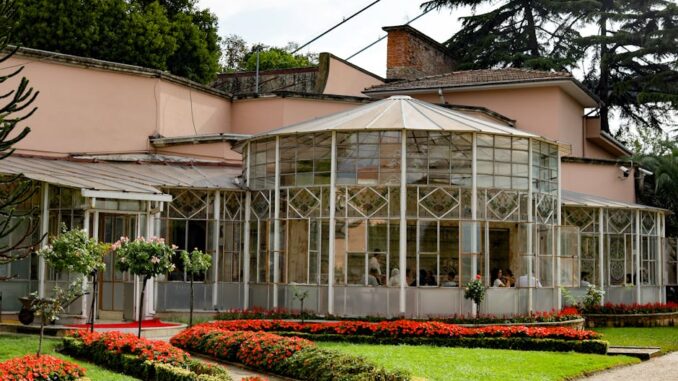

Crafting Your Sanctuary: A Deep Dive into Energy-Efficient Orangery Design
Designing an orangery isn’t just about adding a beautiful extension to your home. No, it’s so much more than that. It’s about consciously creating a light-filled sanctuary that truly enhances your lifestyle, boosts your well-being, and surprisingly, won’t send your energy bills through the roof. We’re talking about a space that feels right, that works hard for you, and that you’ll absolutely love spending time in. By thoughtfully selecting materials, meticulously optimizing design elements, and cleverly incorporating smart technologies, you can craft an orangery that stands as a testament to both sustainable living and inviting comfort. It’s an investment, yes, but one that pays dividends in both comfort and cost savings over the long haul.
Why an Energy-Efficient Orangery Matters More Than Ever
Think about it. We’re all trying to live a little smarter, a little greener, aren’t we? An orangery, traditionally a glass-heavy structure, has the potential to be either a fantastic solar collector or a relentless heat sink. The difference really lies in the choices you make upfront. A well-designed, energy-efficient orangery acts as a natural extension of your home, maintaining a comfortable temperature year-round without excessive reliance on your central heating system or, heaven forbid, a noisy portable air conditioner. Moreover, it contributes positively to your home’s overall energy performance certificate (EPC) rating, which can be a real boon when it comes time to sell. Plus, from a purely personal standpoint, isn’t it just better to live in a space that feels naturally warm in winter and refreshingly cool in summer, rather than battling the elements constantly?
1. The Foundation: Choosing High-Performance Materials
Believe me, the materials you specify for your orangery are absolutely critical, they lay the groundwork for its long-term energy performance. Don’t skimp here, folks. It’s a false economy. Investing in quality from the outset will save you headaches and cash down the line.
1.1 Glazing: Your Orangery’s Transparent Shield
When we talk about glazing, we’re really discussing the largest surface area of your orangery, often. This means it’s also the biggest potential culprit for heat loss or unwanted heat gain. So, choosing wisely here isn’t just a suggestion, it’s an imperative.
- Double or Triple Glazing: This is your absolute baseline. Forget single glazing; it’s simply not fit for purpose in modern, energy-efficient construction. Double glazing uses two panes of glass separated by a sealed gap, typically filled with an inert gas like argon or krypton. This gas is denser than air, so it reduces heat transfer by convection and conduction. Triple glazing, as you might guess, adds a third pane and another gas-filled cavity, providing an even better thermal barrier. We’re talking significantly reduced U-values here – the lower the U-value, the better the insulation. For a living space like an orangery, I’d strongly lean towards triple glazing if your budget allows; the comfort difference, especially on a chilly winter’s evening, is genuinely palpable.
- Low-Emissivity (Low-E) Glass: This is where the real magic happens. Low-E coatings are microscopically thin, transparent metallic layers applied to one of the glass surfaces (usually the inner pane of a double or triple glazed unit). What do they do? They reflect heat. In winter, they bounce internal heat back into your orangery, keeping it warmer. In summer, they reflect external solar heat away, preventing overheating. There are ‘hard’ and ‘soft’ coat Low-E options, with soft coats generally offering superior performance but requiring careful handling during manufacturing. Make sure your supplier can explain the differences and recommend the best fit for your climate.
- Solar Control Glass: For south or west-facing orangeries, solar control glass becomes a non-negotiable. While Low-E helps, dedicated solar control glass is engineered to specifically reduce the amount of solar heat that passes through, minimizing glare and overheating without excessively compromising natural light. Imagine trying to read a book in your beautiful new orangery on a blazing July afternoon, with the sun beating down – solar control glass makes that possible, keeping things cool and comfortable. It’s about striking that perfect balance, isn’t it, between glorious light and stifling heat.
- Warm Edge Spacer Bars: Often overlooked, these tiny components separate the panes of glass within the sealed unit. Traditional aluminium spacers are highly conductive, creating a ‘cold bridge’ around the edge of the glass, which can lead to condensation. Warm edge spacers, made from composite materials or stainless steel, significantly reduce this thermal bridging, improving the unit’s overall U-value and diminishing edge condensation. It’s these small details that truly differentiate a good installation from a great one.
I remember a client once telling me, ‘We went for the standard double glazing, you know, to save a bit upfront.’ A year later, they called me back, lamenting how chilly it felt in winter and how roasting hot in summer. They ended up installing expensive internal blinds and still weren’t happy. Don’t be that client. Invest in the right glazing; you’ll thank yourself every single day.
1.2 Framing the Future: Optimal Frame Materials
Once you’ve nailed the glazing, the frame material is the next big decision. This isn’t just about aesthetics, though that’s important, it’s fundamentally about structural integrity and insulation performance.
-
Timber Frames: Ah, the classic choice, and for good reason. Timber possesses natural insulating properties, making it an inherently energy-efficient option. It’s also a renewable resource and, aesthetically speaking, provides an unmatched warmth and character. There are various timber types, each with its own benefits:
- Accoya Wood: If you’re going for timber, Accoya is, in my professional opinion, a superstar. It’s acetylated wood, meaning it’s been chemically modified to significantly improve its durability, stability, and longevity. It’s virtually rot-proof, doesn’t swell or shrink like traditional timber, and offers exceptional thermal performance. It’s also incredibly sustainable, sourced from FSC-certified forests. While the initial outlay might be a bit higher, its lifespan and minimal maintenance requirements make it a shrewd long-term investment. It holds paint finishes beautifully too, a real bonus.
- Oak and Hardwoods: These offer incredible strength and a distinctive, luxurious aesthetic. They’re durable, but generally require more maintenance than Accoya, needing regular treatment to protect against weathering. Their natural density provides good insulation, however.
- Engineered Timber: This involves laminating several layers of timber together, often with opposing grain directions, to create a highly stable product that resists warping and twisting. It combines the aesthetic appeal of solid timber with enhanced performance characteristics.
-
uPVC Frames: Universally popular for their cost-effectiveness and minimal maintenance, uPVC (unplasticized polyvinyl chloride) frames are a practical choice. Modern uPVC frames aren’t the flimsy things of old. They incorporate multi-chambered profiles, creating internal air pockets that significantly improve insulation. These multiple chambers act as barriers, slowing down heat transfer. They’re also incredibly durable and resistant to rot, rust, and corrosion, so a quick wipe-down usually does the trick. Plus, many manufacturers are now offering recycled uPVC options, which is a big step forward for sustainability.
-
Aluminium Frames: For a sleek, contemporary look, aluminium is often the material of choice. It offers exceptional strength, allowing for very slim sightlines and larger expanses of glass, which is brilliant for maximizing natural light. However, aluminium is naturally very conductive, meaning it can easily transfer heat and cold. This is where thermal breaks become absolutely critical. A thermal break is a non-metallic, insulating material inserted between the inner and outer sections of the aluminium frame, effectively breaking the thermal bridge. Without a good thermal break, your stunning aluminium orangery could become a big thermal weak spot. Always inquire about the U-value of the entire frame, not just the glazing, when considering aluminium.
-
Composite Frames: For those who truly want the best of all worlds, composite frames combine different materials to leverage their individual strengths. Think timber on the inside for warmth and aesthetic appeal, and aluminium or uPVC on the outside for weather resistance and minimal maintenance. This option often provides excellent thermal performance but can come with a higher price tag.
Ultimately, the ‘best’ frame depends on your priorities – budget, aesthetics, maintenance commitment, and desired thermal performance. Don’t be shy about asking your supplier for the U-values of their complete window and door units, including both glass and frame. It’s the only way to make a truly informed decision.
2. Intelligent Design: Harnessing Nature’s Power
Beyond material selection, the fundamental design and orientation of your orangery are paramount. This is where you really start working with nature, rather than against it. A little foresight here goes a very long way.
2.1 Orientation: The Sun’s Strategic Dance
Understanding how the sun moves across your property throughout the day and year is perhaps one of the most powerful tools in your energy-efficient design arsenal. It’s not just about where the sun rises and sets; it’s about its angle, its intensity, and its presence during different seasons.
-
South-Facing Orangeries: These are the sun worshippers. They receive the most sunlight throughout the day, especially in winter when the sun is lower in the sky. This can be fantastic for passive solar heating, reducing your reliance on artificial heating. However, it’s a double-edged sword. In summer, with the sun higher and more intense, a south-facing orangery can quickly become a sweltering greenhouse if not properly managed. Here, effective shading solutions (like external blinds, deep overhangs, or even deciduous trees) and robust ventilation are non-negotiable. You really need to think about how you’ll mitigate that summer sun, otherwise, it’ll be a beautiful but unusable space for half the year.
-
North-Facing Orangeries: These receive minimal direct sunlight, offering consistent, softer light – perfect for artists or those who prefer ambient brightness without harsh glare. The downside? They’ll feel cooler, especially in winter, and will likely require more heating to maintain comfort. You’d want to maximize insulation here, potentially opting for even higher-performance glazing or strategically placing thermal mass (like a thick stone wall) to help regulate temperatures. Supplemental heating systems will be more critical here too. While north-facing isn’t ideal for passive solar gain, it can still be a wonderful, tranquil space with the right design considerations.
-
East-Facing Orangeries: Imagine waking up to that glorious morning sun, streaming into your orangery with your first coffee. That’s the beauty of east-facing. It gets plenty of direct sunlight in the mornings but quickly cools down as the sun moves west. This can be lovely for breakfast rooms or studios. Overheating is generally less of an issue than with south or west orientations, but early morning glare might need managing with lighter internal blinds.
-
West-Facing Orangeries: These can be the trickiest. They soak up the intense afternoon and evening sun, leading to significant heat gain just when you might want to relax there after work. The low angle of the setting sun can also cause extreme glare. For west-facing designs, robust external shading (such as pergolas with climbing plants, or external automated louvres) and excellent ventilation are absolutely crucial. Think about how those late afternoon rays might impact your comfort and plan accordingly.
Undertaking a thorough site analysis is crucial. Look at existing trees, neighboring buildings, and how the sun tracks across your garden throughout the year. You can even use simple apps or online tools to model sun paths for your specific location. Don’t underestimate the power of thoughtful orientation; it’s perhaps the most ‘free’ energy efficiency measure available to you.
2.2 Walls, Roofs, and Floors: The Insulated Envelope
Your orangery isn’t just glass; it’s also a combination of solid elements that form a crucial part of its thermal envelope. Every single surface matters when we’re chasing efficiency.
-
Insulated Walls: Unlike traditional conservatories that are almost entirely glazed, orangeries typically incorporate solid walls, often in the form of brick pillars or dwarf walls. These solid sections provide a fantastic opportunity for insulation. Using solid brick or stone construction doesn’t just add structural integrity and aesthetic appeal; it also provides significant thermal mass. Thermal mass absorbs heat during the day and slowly releases it when temperatures drop, helping to stabilize the internal environment. Beyond the structural elements, ensure that any dwarf walls or solid sections are properly insulated. This could involve cavity wall insulation (filling the gap between inner and outer skins with insulating material) or using high-performance insulation boards within the wall structure. The goal is to minimize heat transfer through these opaque elements.
-
Roofs: The Overhead Guardian: An orangery roof often features a substantial solid perimeter, usually housing a glazed lantern. This solid section is your prime target for insulation. Traditional warm roof construction, where insulation is placed above the roof timbers, minimizes thermal bridging and maintains a consistent temperature. High-performance insulation boards, such as PIR (polyisocyanurate) boards, are typically used here, offering excellent U-values with relatively slim profiles. Don’t forget the glazed lantern itself; it needs the same high-performance glazing and warm edge spacers as your vertical windows. A poorly insulated roof can quickly undermine all your other efforts.
-
Floors: Underfoot Warmth: Heat rises, yes, but it also escapes downwards. An uninsulated floor can be a massive source of heat loss, making your orangery feel constantly chilly at foot level. Insulating the floor slab is essential. This typically involves laying rigid insulation boards (again, often PIR or similar) beneath the concrete slab or within the floor structure. If you’re considering underfloor heating – which is a brilliant choice for orangeries as it provides gentle, even warmth – proper floor insulation becomes even more critical to prevent heat from dissipating into the ground. A well-insulated floor not only saves energy but also dramatically improves comfort, especially on those cold winter mornings.
-
Preventing Thermal Bridging: This is a subtle but important point. A thermal bridge occurs where there’s a break in the insulation, allowing heat to escape (or enter) more easily. Think about where walls meet floors, or where a window frame is poorly installed. Careful detailing and continuous insulation layers are key to minimizing these heat ‘leakages.’ A good architect or builder will pay close attention to these junctions.
3. The Smart Home Edge: Integrating Technology
In our increasingly connected world, smart technologies offer an exciting frontier for enhancing your orangery’s energy efficiency and user experience. Why manage everything manually when intelligent systems can do it for you, often better and more consistently?
3.1 Climate Control at Your Fingertips
- Smart Thermostats: Gone are the days of simple on/off switches. Smart thermostats allow for incredibly precise temperature control, learning your habits, and adjusting heating or cooling based on occupancy, external weather conditions, and even your preferences. Many offer zone control, meaning you can heat your orangery independently from the rest of your house, ensuring energy isn’t wasted when you’re not using the space. Remote access via a smartphone app means you can crank up the heating on your way home, ensuring a cozy welcome, or dial it back if you forgot to turn it off. They can integrate with other smart home systems, creating a truly automated environment.
- Environmental Sensors: Beyond temperature, modern systems can incorporate sensors for CO2 levels, humidity, and even light. High CO2 levels might trigger increased ventilation, ensuring fresh air. Humidity sensors can prevent condensation issues, especially crucial in a glazed structure. These sensors provide the data points that allow your smart systems to make intelligent, energy-saving decisions in real-time.
3.2 Dynamic Shading Solutions
- Motorized Blinds or Louvres: This is where automated shading truly shines. Imagine blinds that automatically lower when the sun gets too intense, preventing overheating and glare, and then retract as the day cools or clouds roll in, maximizing natural light. External louvres or venetian blinds are particularly effective as they stop solar gain before it enters the building, whereas internal blinds primarily deal with glare. These systems can be programmed to respond to sunlight levels, internal temperature, or even integrated with your smart home schedule. It’s not just about convenience; it’s about optimizing your orangery’s internal climate passively.
- Overhangs and Pergolas: While not strictly ‘smart tech,’ thoughtful architectural overhangs or strategically placed pergolas (perhaps with climbing deciduous plants) provide fantastic passive shading. In summer, the high sun is blocked, but in winter, when the sun is lower and the leaves are gone, natural light and passive solar gain are maximized. It’s an elegant, low-tech solution that complements any high-tech system.
I recently saw an orangery with external automated Venetian blinds that tracked the sun. It was incredible to watch, like a living, breathing part of the house, constantly optimizing for comfort and light. The homeowner told me, ‘It’s like having a silent, invisible butler for my climate control. I just set it and forget it.’ That’s the dream, isn’t it?
4. Breathing Easy: The Art of Ventilation
Good ventilation isn’t just about preventing your orangery from becoming a hotbox. It’s about maintaining excellent indoor air quality, managing humidity, and ensuring a healthy, comfortable environment. Stale air isn’t pleasant, nor is it good for you. You need fresh air moving through, but you don’t want to throw all your precious heat out with it.
4.1 Natural Ventilation: The Timeless Approach
- Openable Windows and Roof Vents: This is your primary mechanism for natural ventilation. Designing your orangery with a good distribution of openable windows (high and low) and roof vents allows for the ‘stack effect’ – warm, stale air rises and escapes through the roof vents, drawing cooler, fresh air in through lower windows. Cross-ventilation, where air flows across the space from one opening to another, is also highly effective. Consider motorizing roof vents for ease of use, especially if they’re out of reach, and integrating them with your smart home system.
- Trickle Vents: These are small, discreet vents built into the top of window frames that provide continuous, background ventilation even when windows are closed. They’re essential for preventing the build-up of condensation and maintaining a constant flow of fresh air, without creating noticeable drafts or compromising security. Often a requirement for building regulations, they’re a small but mighty component of your ventilation strategy.
- Insect Screens: If you’re going to open things up, especially in the warmer months, you’ll definitely want to consider integrated insect screens. There’s nothing worse than a beautifully ventilated space that’s also full of buzzing uninvited guests. It’s a small detail, but one that significantly impacts usability and comfort.
4.2 Mechanical Ventilation with Heat Recovery (MVHR): The Gold Standard
For ultimate control over air quality and minimal energy loss, a Mechanical Ventilation with Heat Recovery (MVHR) system is truly hard to beat. I’m a huge advocate for these systems in highly insulated, airtight buildings, and a well-designed orangery definitely falls into that category.
- How MVHR Works: It’s quite clever, actually. An MVHR unit continuously extracts stale, humid air from your orangery (and potentially other wet rooms in your house, like kitchens and bathrooms) and simultaneously supplies filtered, fresh air from outside. Before the extracted stale air is vented outside, it passes through a heat exchanger where up to 90%+ of its heat energy is transferred to the incoming fresh air, warming it up without mixing the air streams. So, you get constant fresh air without losing all the heat you’ve paid for.
- Benefits: The advantages are numerous: constant supply of fresh, filtered air (great for allergy sufferers!), significantly reduced heating costs, prevention of condensation and mould, and a consistent, comfortable indoor temperature. It’s particularly beneficial in airtight homes where natural ventilation might be insufficient to maintain air quality without significant heat loss. While the upfront cost is higher, the long-term energy savings and health benefits often make it a worthwhile investment, especially if you’re integrating your orangery closely with the main house.
5. The Gateway to Efficiency: Selecting Energy-Efficient Doors
The doors connecting your orangery to the outside world, or even internally to your main home, are not mere access points. They are crucial components of your thermal envelope and their performance can dramatically impact your orangery’s overall energy efficiency. Don’t let a beautiful design be undermined by poorly chosen doors.
5.1 Bi-Fold Doors: Seamless Integration
Bi-fold doors are incredibly popular for orangeries, offering that coveted seamless transition between indoor and outdoor living. When fully open, they truly blur the lines. However, to ensure they don’t become an Achilles’ heel for energy efficiency, focus on these critical aspects:
- High-Performance Glazing: Just like your windows, your bi-fold doors must feature double or triple glazing with Low-E coatings and warm edge spacer bars. The larger glass panels in bi-folds mean that the glazing performance is even more influential on the overall U-value of the door.
- Insulated Frames with Thermal Breaks: Aluminium is a common material for bi-fold frames due to its strength and ability to create slim profiles. As discussed earlier, robust thermal breaks within the aluminium frame are absolutely essential to prevent heat transfer. Timber or composite bi-folds will offer inherent insulation benefits.
- Multi-Point Locking Systems and Gaskets: Beyond security, multi-point locking systems pull the door panels tightly into the frame at multiple points, creating an excellent seal against drafts and air leakage. High-quality, durable gaskets and weather stripping around all edges and between panels are also vital for maintaining airtightness. You want a tight seal, like a fridge door almost, to prevent heat escaping on a chilly day.
- Threshold Options: Consider whether you need a flush threshold (for completely unimpeded access) or a rebated one. Flush thresholds often require more sophisticated drainage and sealing solutions to maintain weather-tightness and thermal performance, so discuss this in detail with your supplier.
5.2 French & Sliding Doors: Classic Charm, Modern Performance
If bi-folds aren’t your style, French doors or large sliding patio doors offer equally appealing aesthetics and can be just as energy-efficient, provided you choose wisely.
- Low U-Values: Regardless of style, demand doors with low U-values. This figure represents the rate of heat transfer – the lower the U-value, the better the insulation. Your doors should align with, or even exceed, the U-values of your chosen window units.
- Double or Triple Glazing: Again, this is non-negotiable. Ensure the glazing specifications match your orangery windows for consistent thermal performance across the structure.
- Insulated Frames: Whether timber, uPVC, or aluminium, the frames must incorporate effective insulation (multi-chambers for uPVC, thermal breaks for aluminium). Solid timber frames, especially engineered timber, perform very well.
- Robust Seals and Weather Stripping: Look for high-quality, continuous seals around the perimeter of the door and where the doors meet when closed. Good weather stripping is key to preventing drafts and moisture ingress.
- Quality Hardware: Heavier, well-engineered hinges and locking mechanisms contribute not only to security but also to the long-term integrity of the door’s seal, preventing sagging or warping that could compromise airtightness.
Beyond the Basics: Other Crucial Considerations
While we’ve covered the main pillars, a truly energy-efficient orangery benefits from a holistic approach. These additional points might seem minor, but they contribute significantly to the overall performance and your enjoyment of the space.
Heating Solutions
Even with superb insulation, you’ll likely need some supplementary heating, especially on the coldest days. Forget clunky radiators if you want a seamless look. Underfloor heating is my personal favorite for orangeries. It provides incredibly even, radiant heat that’s exceptionally comfortable and doesn’t take up wall space. Coupled with good floor insulation, it’s very efficient. Alternatively, look at air source heat pumps, which can provide both heating and cooling, offering a sustainable, whole-house solution that integrates beautifully with modern orangeries.
Lighting
While your orangery will be flooded with natural light, evening illumination needs careful planning. Opt for LED lighting throughout – it’s incredibly energy-efficient, long-lasting, and offers a vast range of color temperatures and brightness levels. Incorporate smart lighting controls that allow dimming, zoning, and even automated adjustments based on occupancy or time of day. Think about how the light plays on different textures, and integrate both task and ambient lighting for maximum versatility.
Landscaping
Believe it or not, your garden can be an ally in energy efficiency. Strategically planted deciduous trees on the south or west side of your orangery can provide welcome shade in summer, then shed their leaves in winter to allow precious sunlight through for passive heating. Evergreen shrubs or hedges can act as windbreaks, reducing heat loss from wind chill, especially in exposed locations. It’s about blending your structure into its natural environment, letting nature do some of the heavy lifting.
Maintenance
Even the most perfectly designed and built orangery won’t maintain its peak efficiency without a bit of love. Regular maintenance is crucial. This means periodically checking door and window seals for cracks or deterioration, ensuring glazing is clean (dirty glass reduces solar gain and light!), and checking that vents and drains are clear. For smart systems, ensure software updates are applied. A well-maintained orangery is an efficient orangery, after all.
Bringing It All Together: Your Sustainable Sanctuary
Designing an energy-efficient orangery really is a journey, a careful balance of aesthetic ambition, practical needs, and environmental responsibility. It’s a chance to create a truly exceptional space that doesn’t just look stunning but also performs flawlessly, year-round. You’re not just building an extension, you’re investing in a more comfortable, sustainable, and enjoyable lifestyle. So, take your time, ask the right questions, and partner with experienced professionals who understand the nuances of energy-efficient design. When that first ray of winter sun warms your orangery perfectly, or that cool breeze circulates on a summer’s day, you’ll know every thoughtful decision was absolutely worth it. Your well-being, and your energy bill, will thank you.
Be the first to comment