
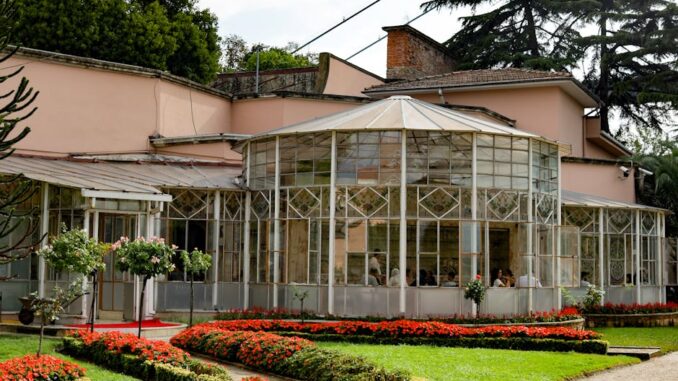

The Orangery Project: Crafting Your Ultimate Light-Filled Living Space
An orangery, truly, isn’t just another extension; it’s an exhilarating opportunity to completely redefine your home’s character and your daily living experience. Imagine stepping into a room, bathed in that gorgeous, soft natural light, where panoramic views of your lovingly tended garden unfold before you. Yet, at the same time, it wraps you in the snug comfort and privacy of a truly indoor setting. It’s that beautiful blend, isn’t it? Whether you’re dreaming of expanding your kitchen into a sprawling, vibrant hub, yearning for a tranquil lounge where you can simply unwind, or envisioning an elegant dining area perfect for memorable gatherings, an orangery offers an almost bespoke canvas, ready to be tailored precisely to your vision. What a thought!
For many homeowners, the journey to creating an orangery feels like embarking on a significant design adventure, and honestly, it is. It’s about bringing together architectural flair, modern engineering, and your personal aspirations to forge a space that’s not just functional but genuinely uplifting. So, let’s explore how you can make that dream a tangible, utterly delightful reality.
The Allure of the Orangery: More Than Just an Extension
Before we dive into the nitty-gritty, let’s clarify what we’re actually talking about. Because, you know, some people get orangeries and conservatories a bit mixed up, and they’re definitely not quite the same beast.
What Exactly Is an Orangery?
Historically, these grand structures emerged in the 17th century, initially designed as luxurious garden buildings for wealthy estates. Their purpose? To protect delicate citrus trees, often oranges – hence the name – from harsh winter climates. These early orangeries featured solid walls, large, tall windows, and a partially glazed roof, often flat with a central roof lantern. They were places of status, warmth, and natural beauty, combining the robustness of a traditional building with the light-filled charm of a greenhouse. Think stately homes and impressive horticulture.
Fast forward to today, and the modern orangery has evolved. It still honours its heritage with a distinct, solid perimeter construction, typically featuring brick piers or insulated columns, and a more substantial flat roof section, often housing an elegant roof lantern. Unlike a conservatory, which usually has over 75% glazed roof area and 50% glazed wall area, an orangery boasts a higher proportion of solid walling and a much less glazed roof. This design gives it a far more integrated feel with your existing home, blurring the lines between an extension and a sunroom. It really does offer the best of both worlds, providing significant architectural presence alongside that glorious influx of natural light.
Why Choose an Orangery Over Other Options?
This is a question I hear quite often, and it’s a good one. Why an orangery when you could opt for a full-blown traditional extension or a lighter, more classic conservatory? Well, it really boils down to a few key advantages:
- Architectural Integration: Orangeries generally blend much more seamlessly with your existing property. Those solid walls mean you can match brickwork, render, or even stone, making it feel less like an add-on and more like an integral part of your home’s original design. A traditional extension can sometimes feel quite heavy, while a conservatory, for all its charm, can occasionally look a little ‘stuck on’, if you know what I mean.
- Thermal Performance: Because of its higher proportion of solid construction, an orangery typically offers superior thermal insulation compared to a conservatory. This means it’s often more comfortable year-round, staying warmer in winter and cooler in summer, especially with modern glazing and insulation techniques. No more feeling like you’re in a greenhouse when the sun’s beating down, or freezing solid in January!
- Versatility of Use: That improved thermal performance, coupled with the more ‘room-like’ feel from the solid walls, makes an orangery incredibly versatile. It truly feels like another room in your house, rather than a separate zone. This makes it perfect for kitchens, dining rooms, home offices, or even a serene living area that truly embraces the garden.
- Aesthetics and Light: You still get that incredible influx of natural light through expansive glazing and, crucially, the iconic roof lantern. The lantern, often the focal point, draws the eye upwards, creating a sense of grandeur and spaciousness that’s simply unmatched by a flat-roof extension. It’s a real statement piece.
The Emotional and Lifestyle Benefits
Beyond the practicalities, an orangery brings an undeniable emotional lift. Imagine your morning coffee, sunlight streaming in, illuminating your space even on a cloudy day. Or picture lively family dinners where the garden views become part of the decor. It’s about creating a connection to the outdoors, enhancing your mood, and making your home feel bigger, brighter, and more connected to nature. It can utterly transform how you use your home, often becoming the new heart of daily life. I know a family in Surrey whose new orangery kitchen totally changed their routine; the kids now do their homework at the island while dinner’s cooking, a lovely buzz in the air where before it felt a bit cramped. That’s the magic, isn’t it?
Harmonious Integration: Weaving it into Your Home’s Fabric
Ensuring your new orangery doesn’t look like an alien spaceship has landed next to your house is absolutely critical. The goal is seamless integration, making it appear as though it’s always been there, a natural extension of your home’s original architecture. This attention to detail elevates an ordinary extension to an extraordinary one.
Architectural Harmony: Matching Materials, Styles, and Details
This isn’t just about using the ‘right’ brick, though that’s a huge part of it. It’s about a holistic approach to design.
- Material Selection: If your house features a classic red brick, finding a close match for the orangery’s base will create that essential visual continuity. But don’t stop there. What about render? Stone? Or perhaps a modern timber cladding that complements a more contemporary home? The chosen material for the orangery’s solid sections should resonate with your existing facade. Sometimes, a subtle contrast works beautifully too, but it needs to be a considered contrast, not an accidental clash. Think about how the new materials will weather over time alongside the old ones, you don’t want it looking patchy a few years down the line.
- Window and Door Styles: Take a good look at your current windows. Are they traditional sash windows, modern casements, or elegant tilt-and-turn styles? Your orangery’s glazing should echo these designs. Similarly, consider the type of doors. Bi-fold doors are fantastic for opening up the space, but if your home has classic French doors, you might want to integrate those for a more traditional look. The frame materials matter too; uPVC, aluminium, or timber each offer a distinct aesthetic and performance profile.
- Roofline and Eaves: Pay attention to how the orangery’s roofline meets your existing house. The fascias, soffits, and guttering should ideally match, or at least harmonise with, what’s already there. Details like decorative corbels or a specific moulding profile on the eaves can also be replicated to maintain that consistent architectural language. It’s often the small things that make the biggest difference, people might not consciously notice them but they certainly feel the ‘rightness’ of the design.
- Handling Mixed Styles: What if your house already has mixed architectural styles? Maybe it’s an older property with a 70s extension. In these cases, a skilled architect or designer can help you navigate the challenge. Sometimes, the best approach is to bridge the gap with a clean, contemporary design that respectfully nods to both periods, rather than trying to perfectly replicate one or the other and ending up with a pastiche.
Roof Design: Solid, Glass, or Hybrid – A Deep Dive into Each
The roof is arguably the defining feature of your orangery, especially that elegant roof lantern. Your choice here significantly impacts light, insulation, and overall aesthetic.
- The Solid Roof with a Lantern: This is the quintessential orangery roof, offering the best of both worlds. The solid perimeter often integrates modern insulation materials, mimicking a traditional extension roof. You can opt for tiled or slated finishes that match your main house, providing excellent thermal efficiency and soundproofing – a real blessing during heavy rain or hailstones! Then, the central roof lantern floods the space below with natural light, creating that ‘wow’ factor and a sense of height. This design provides superb year-round comfort, keeping it warm in winter and preventing excessive solar gain in summer, especially if you choose performance glazing for the lantern itself.
- The Glazed Roof (More Conservatory-like): While less common for a pure orangery definition, some designs lean towards a higher percentage of glass roofing, similar to a conservatory. These definitely maximise light, creating a bright, airy, almost ethereal feel. However, you’ll need to be very mindful of solar control glazing to prevent overheating in summer and excellent low-emissivity glass to retain heat in winter. Ventilation becomes even more critical with a fully glazed roof; think about electric roof vents with rain sensors. It’s certainly dazzling, but perhaps not as thermally consistent as its solid-roofed cousin.
- The Hybrid Approach: This is becoming increasingly popular, often featuring a solid roof section integrated with strategically placed fixed glass panels or multiple smaller lanterns, rather than one large central one. It allows for a tailored balance of light and thermal performance, offering design flexibility to suit specific aesthetic preferences or practical needs, perhaps to illuminate a particular area like a dining table. The feeling evoked by each roof type is quite distinct, wouldn’t you say? A solid roof with a lantern feels grounded yet open, while a fully glazed roof feels almost suspended, more ethereal.
Flooring Continuity: Seamless Flow From Inside Out
Achieving visual flow from your existing home into the orangery creates a much more cohesive and expansive feel. Your flooring choice is paramount here.
- Matching Materials: The ideal scenario is extending the exact same flooring from your main living area into the orangery. If that’s not possible or practical, choose a material that complements the existing one in tone and texture. Porcelain or ceramic tiles are incredibly popular for orangeries because they’re durable, easy to clean, and often compatible with underfloor heating. Engineered wood can also work beautifully, offering warmth and a natural feel. LVT (Luxury Vinyl Tile) is another fantastic option, offering incredible versatility in replicating wood or stone, with excellent durability and water resistance.
- Practical Considerations: Think about the practicalities. Will the flooring be subject to high traffic, direct sunlight, or potential moisture? Durability and ease of maintenance are key. If you’re planning underfloor heating, ensure your chosen material is suitable. For a truly indoor-outdoor feel, consider continuing the same or a very similar tile onto an adjacent patio area, using outdoor-grade tiles for safety and weather resistance. This trick absolutely blurs the boundaries, making your garden feel like an extension of your living room.
- Visual Tricks: Using large format tiles can make a space feel bigger and more expansive, as there are fewer grout lines to break up the visual field. Laying planks in the direction of the longest wall can also elongate a room, making it appear more generous.
Windows and Doors: Crafting the Perfect Openings
The choice of windows and doors defines how you interact with your garden and how much light and air can flood your space. This is where practicality meets panache.
- Expansive Bi-Fold Doors: These are incredibly popular for good reason. They allow almost an entire wall to fold away, creating a truly unobstructed opening between your orangery and the garden. Imagine summer evenings with the doors wide open, blurring the lines between indoors and out! Considerations include the stacking space needed for the panels, security features, and the thermal performance of the frames. Aluminium bi-folds are sleek and offer excellent strength for large panes of glass.
- Elegant Sliding Doors: For those who prefer uninterrupted views but have less space for bi-fold stacks, large format sliding patio doors are a superb alternative. Modern slimline frames mean minimal visual intrusion, and they glide effortlessly, offering impressive expanses of glass. They’re particularly good if you want to maintain a constant, unfragmented view.
- Classic French Doors: If your home leans towards a more traditional aesthetic, a set of charming French doors can be just the ticket. They offer a more classic opening, often with side lights, creating a sophisticated and timeless look. They don’t offer the same full opening as bi-folds, but their appeal is undeniable.
- Frame Materials: Beyond uPVC, aluminium, and timber, consider their specific benefits. Aluminium offers strength, slim sightlines, and is virtually maintenance-free, perfect for contemporary designs. Timber provides a natural, warm aesthetic and excellent insulation but requires more regular maintenance. uPVC is cost-effective and low-maintenance, with advances in colour and finish making it much more versatile than it once was.
Bathing in Light: Maximizing Natural Illumination and Views
An orangery’s raison d’être, its very soul, is its ability to flood your home with natural light and offer those captivating views of your outdoor sanctuary. This connection to the outside world is truly transformative, impacting mood, energy, and the perceived size of your space.
The Power of Expansive Glazing: Bi-folds, Sliders, and Floor-to-Ceiling Vistas
We’ve touched on this already, but let’s really lean into the impact of glass.
- Beyond Just ‘Large’ Windows: Think strategically about window placement and size. Floor-to-ceiling glazing on one or more walls, perhaps even a dramatic corner window that wraps around, can create an almost transparent boundary. This doesn’t just mean a lot of glass; it means glass that is carefully considered for its contribution to the overall design. What an amazing way to frame your garden, to really make it part of the room!
- Opening Up the Space: Those bi-fold and sliding doors aren’t just for looking through; they’re for living through. On a beautiful day, you can literally open up a significant portion of your orangery, dissolving the barrier between your indoor living space and your garden. It’s like bringing the freshness of the outside air directly into your home, enriching your daily life, wouldn’t you agree?
- Frame Materials and Light Transmission: The choice of frame material plays a subtle but important role here. Aluminium frames, with their inherent strength, can support larger panes of glass with narrower sightlines, maximising the actual glass area and therefore the light transmission. Timber frames, while thicker, offer a beautiful warmth and can be painted to blend or contrast. uPVC has come a long way, but generally, its frames will be broader than aluminium.
- Solar Gain Management: While we crave light, too much can lead to overheating. Modern glazing technology, which we’ll delve into more, includes solar control coatings that reflect a significant portion of the sun’s heat while still allowing light in. External shading solutions, like discreet awnings or pergolas, can also provide welcome relief during peak summer heat.
The Grandeur of Roof Lanterns: A Sky-Lit Focal Point
The roof lantern is truly the jewel in the orangery’s crown, a feature that elevates it beyond a mere room with large windows. It’s often the first thing people notice, a real architectural statement.
- Design Variations: Roof lanterns aren’t one-size-fits-all. You can choose from rectangular, square, or even octagonal shapes, depending on the overall dimensions and style of your orangery. The number of panes, the pitch of the roof, and the detailing of the internal structure all contribute to its character. A sleek, minimalist lantern with clean lines suits a contemporary space, while a more ornate, multi-pane design might complement a period property.
- Materials and Construction: Modern roof lanterns typically feature thermally broken aluminium frames for optimal insulation and strength, though timber options are available for a traditional look. The glass itself is usually high-performance, double or triple-glazed units, often incorporating solar control and self-cleaning coatings. It’s quite amazing how technology has transformed these structures, ensuring they’re not just beautiful but incredibly efficient too.
- Ventilation and Control: Many modern roof lanterns come with integrated ventilation options, ranging from simple trickle vents to sophisticated electric openers with remote controls and even rain sensors that automatically close the vents at the first drop of rain. This is crucial for regulating temperature and maintaining good airflow, preventing that stuffy feeling. Who wants a beautiful, bright space that feels like a sauna on a summer’s day?
- Psychological Effect: Beyond the practicalities of light, a roof lantern profoundly impacts the feel of the room. It draws the eye upwards, creating a magnificent sense of height and volume, making the space feel incredibly grand and open. It’s like having a permanent window to the sky, connecting you to the changing weather and the passage of time. I once saw a home where the lantern was positioned directly above a dining table, and as the evening drew in, the changing light and eventually the stars made dinner parties feel utterly magical. That’s the kind of experience you can create.
Managing Light and Heat: Smart Glazing and Shading Solutions
While we cherish the light, we also need to control it. The sun, while glorious, can bring unwanted glare and excessive heat, particularly in a highly glazed space.
- Specialist Glazing: Modern glazing is far more sophisticated than simple panes of glass. We’re talking about low-emissivity (Low-E) coatings that reflect heat back into the room in winter, and solar control glass that blocks a significant portion of the sun’s heat in summer, all while maintaining excellent light transmission. Self-cleaning glass is another fantastic innovation, using the sun’s UV rays to break down organic dirt and rainwater to wash it away. Less window cleaning, more enjoying your view!
- Integrated Blinds and Shading: For ultimate control over light and privacy, consider integrated blinds within the glazing units or carefully chosen external shading. Internal blinds and curtains are also options, but think about their aesthetic impact when drawn. Motorised blinds, operated by remote control or even smart home systems, offer convenience and a touch of luxury. They’re great for managing glare on sunny afternoons or creating a cosy ambiance in the evenings.
A Space for Every Season: Versatility and Functionality
One of the most compelling reasons to choose an orangery is its incredible versatility. Unlike a single-purpose extension, an orangery can truly adapt to your lifestyle, becoming whatever you need it to be, changing with the seasons and the demands of your family.
The Heart of the Home: A Kitchen Extension Dream
Expanding your kitchen into an orangery is arguably one of the most popular and transformative uses. It creates a space that isn’t just for cooking, but for living.
- Open-Plan Living Redefined: Imagine a bright, open-plan kitchen, dining, and casual living area, all seamlessly connected. The orangery’s structure allows for robust wall units, integrated appliances, and plenty of counter space, unlike a traditional conservatory. You can design a large island as a central hub for food prep, casual dining, and socialising. Picture breakfast with sunlight streaming in, or children doing homework at the island while you prepare dinner. It totally changes the dynamics of family life.
- Integrating Utilities: Planning is key here. Think about plumbing for sinks, dishwashers, and even a coffee station. Electrical outlets need careful consideration for appliances, lighting, and charging points. Don’t forget proper ventilation, especially a powerful extractor fan, to keep cooking smells from permeating your beautiful new space. It’s no fun having the aroma of last night’s curry lingering through the house!
- Creating Distinct Zones: Even within an open-plan orangery kitchen, you can cleverly define different zones. A change in flooring, a strategically placed rug, or even a feature lighting fixture can delineate the cooking area from the dining space or a cosy seating nook. This gives the feeling of separate rooms while maintaining that glorious open connection.
Productivity Paradise: The Garden Office
With more people working from home than ever before, a dedicated, inspiring workspace is gold. An orangery offers an almost perfect solution.
- Peace, Light, and Inspiration: The serene environment of an orangery, bathed in natural light and offering views of your garden, can be incredibly conducive to productivity and well-being. It’s a sanctuary, free from the distractions of the main house. Imagine taking a break and simply gazing out at your blooming roses – much better than staring at a blank wall, right?
- Ergonomics and Connectivity: Design your office space with ergonomics in mind. A well-placed desk, comfortable chair, and ample, glare-free light are crucial. Ensure you have plenty of power outlets, USB ports, and robust internet connectivity. Integrated shelving, bespoke cabinetry, and smart storage solutions can keep your workspace tidy and organised, further enhancing that sense of calm.
- Year-Round Comfort: Thanks to an orangery’s superior insulation and heating, you can enjoy this productive paradise throughout the year, whatever the weather. No more chilly drafts or stifling heat compromising your concentration.
Entertainer’s Delight: Social Hubs and Dining Zones
An orangery truly excels as an entertainment area, whether for intimate family gatherings or lively parties.
- Flexible Layouts: Design the space with flexibility in mind. Ample seating, perhaps modular sofas, can be rearranged to suit different occasions. A large dining table can become the focal point for dinner parties, easily extending for extra guests. The connection to the garden through bi-fold doors creates an amazing flow for indoor-outdoor entertaining.
- Sound and Atmosphere: Think about acoustics. Soft furnishings, rugs, and even strategically placed artwork can help absorb sound, preventing echoes in a glazed space. Consider integrating a discreet sound system for background music or a full-blown home cinema setup for movie nights. A small bar area with a drinks fridge or even a wine cooler can elevate your hosting game considerably.
- Anecdote: I remember a client, a lovely couple in Bristol, who transformed their orangery into a dual-purpose space. By day, it’s a bright, quiet reading nook, filled with plants and comfy chairs. But by night, with the flip of a switch, the lighting changes, a bar cart rolls out, and it becomes the most incredible, lively dinner party hub. The versatility is just astounding!
Sanctuary and Serenity: Wellness Retreats and Reading Nooks
Beyond the more active uses, an orangery offers a perfect setting for quiet contemplation and self-care.
- Yoga Studio or Home Gym: The abundant natural light and connection to nature make an orangery an ideal spot for a home yoga studio, meditation space, or even a small, dedicated gym. Imagine starting your day with sun salutations, breathing in fresh air, with views of your garden. Utter bliss, I’d say.
- Reading Nook: A cosy armchair, a stack of books, and the gentle murmur of the garden outside. The perfect escape. The light is ideal for reading, and you can truly switch off from the rest of the house.
Bringing the Outdoors In: The True Garden Room
For those who adore horticulture, an orangery can become a true garden room, blending your passion for plants with your indoor living space.
- Indoor Planters and Greenery: Built-in planters or dedicated areas for large potted plants can bring a vibrant, living element into your orangery. The ample light is perfect for thriving plants, creating a lush, oxygen-rich environment. Imagine a wall of ferns or exotic flowering plants creating a mini-jungle right in your home.
- Seasonal Displays: You can use your orangery to cultivate seedlings, overwinter delicate plants, or create stunning seasonal floral displays, allowing you to enjoy your gardening passion all year round.
Crafting Comfort: Energy Efficiency and Year-Round Enjoyment
Gone are the days when extensions were either too hot or too cold. Modern orangeries are engineered for year-round comfort, making them genuinely usable spaces regardless of the season. This focus on energy efficiency isn’t just about comfort; it’s also about reducing your carbon footprint and saving on those ever-increasing energy bills. It’s a win-win, really.
The Ins and Outs of Insulation: Walls, Floor, and Roof
Effective insulation is the cornerstone of a comfortable and energy-efficient orangery. We’re talking about a full ‘thermal envelope’ here.
- Wall Insulation: The solid piers and dwarf walls of an orangery typically incorporate high-performance insulation materials. This could be rigid foam boards, mineral wool, or even composite panels, all chosen for their excellent thermal resistance (measured by U-values, which indicate how well a material insulates). Proper insulation prevents heat from escaping in winter and keeps excessive heat out in summer, maintaining a stable internal temperature.
- Floor Insulation: Don’t forget the floor! Laying insulation beneath the floor slab or between floor joists is crucial, especially if you’re installing underfloor heating. This prevents heat loss into the ground and ensures the entire space feels warm and cosy underfoot.
- Roof Insulation: The flat roof section of an orangery is heavily insulated. This is vital for thermal performance, but also for sound insulation. A well-insulated roof won’t only keep the heat in (or out) but will also significantly reduce noise from heavy rain or hail, ensuring your orangery remains a peaceful sanctuary. A decent vapour barrier in the roof construction also helps prevent condensation issues, which nobody wants.
- Understanding U-values: When discussing insulation, you’ll often hear about ‘U-values.’ Simply put, a lower U-value means better insulation performance. Your builder or orangery specialist should be able to provide details on the U-values achieved by their construction methods and materials, ensuring compliance with building regulations.
Intelligent Heating Solutions: Underfloor Warmth and Smart Radiators
Even with top-notch insulation, you’ll need a reliable heating system to ensure year-round comfort, especially during those chilly winter months.
- Underfloor Heating (UFH): This is a hugely popular choice for orangeries, and for good reason. It provides incredibly even, gentle heat across the entire floor area, eliminating cold spots. Because the heat radiates upwards, it feels wonderfully cosy underfoot, and you don’t have radiators cluttering up your wall space, giving you more design freedom. You can choose between electric UFH (easier to install, good for smaller areas) or wet UFH (connected to your central heating, more efficient for larger spaces, but more involved installation). The cost to run is often a consideration here, but the comfort is unparalleled.
- Energy-Efficient Radiators: If UFH isn’t feasible or preferred, modern radiators are far more efficient and aesthetically pleasing than their older counterparts. Designer radiators come in various shapes, sizes, and colours, becoming a feature rather than just a utility. Smart thermostats and zone controls allow you to precisely manage the temperature in your orangery independently from the rest of your house, optimising energy usage.
- Air Conditioning/Heat Pumps: For ultimate climate control, an air conditioning unit that also functions as a heat pump can be a brilliant solution. It provides cooling in summer and efficient heating in winter, offering excellent versatility and energy efficiency. These systems are becoming increasingly popular for their dual function and smart controls.
- Passive Heating/Cooling: Good design can also harness passive heating and cooling. Strategic window placement for cross-ventilation, overhangs to shade windows from high summer sun, and deciduous trees outside that provide shade in summer but allow sun through in winter are all clever ways to naturally regulate temperature. It’s about working with nature, not against it.
Advanced Glazing Technology: Performance Glass for Optimal Comfort
Your windows and roof lantern are significant components of your orangery, and the glass you choose plays a massive role in its comfort and energy efficiency.
- Double vs. Triple Glazing: Double glazing is standard, featuring two panes of glass with an inert gas (like argon) sealed between them, significantly reducing heat transfer. Triple glazing adds a third pane and another gas-filled cavity, offering even better thermal performance and noise reduction. While triple glazing has a higher upfront cost, its long-term benefits in energy savings and comfort can be substantial, especially for a large glazed area.
- Specialist Coatings: We touched on these earlier, but they’re worth reiterating. Low-E (low-emissivity) coatings are microscopically thin layers that reflect heat, keeping your orangery warmer in winter. Solar control coatings help prevent overheating by reflecting a portion of the sun’s radiant heat, keeping it cooler in summer. Acoustic glass, featuring a laminated layer, can dramatically reduce external noise, which is great if you live near a busy road or flight path. And self-cleaning glass? Well, that just makes life a whole lot easier!
- Thermal Bridging: The frame materials themselves also matter. Look for ‘thermally broken’ frames, particularly in aluminium, which have an insulating barrier within the frame profile to prevent heat loss through the conductive metal. This attention to detail ensures the entire window unit, not just the glass, contributes to the orangery’s overall energy efficiency.
Ventilation Strategies: Keeping the Air Fresh and Comfortable
Even the most insulated and well-heated space needs good ventilation to prevent stuffiness, condensation, and to introduce fresh air.
- Natural Ventilation: Strategically placed opening windows and roof vents (manual or electric) allow for natural cross-ventilation, flushing out stale air and bringing in fresh breezes. This is particularly important on warmer days to prevent the space from becoming uncomfortably hot.
- Trickle Vents: These small, adjustable vents integrated into window frames provide a continuous, low-level flow of fresh air, even when the windows are closed. They’re excellent for preventing condensation and maintaining good air quality without causing drafts.
- Extractor Fans: If your orangery houses a kitchen, a powerful extractor fan is non-negotiable for removing cooking fumes and moisture. In other uses, a discrete extractor fan can be beneficial in high-humidity periods.
Personal Touches: Infusing Your Style into the Design
Once the structural elements are in place, the fun really begins! This is where you inject your personality, transforming a beautifully engineered shell into a living, breathing space that truly feels like home. It’s about making it uniquely yours, a reflection of your taste and lifestyle.
The Art of Color and Texture: Painting Your Vision
The colour palette and choice of textures will set the mood and atmosphere for your orangery.
- Considering the Light: The sheer amount of natural light in an orangery means colours can appear differently than in an interior room. Lighter, brighter colours will enhance the airy, expansive feel, reflecting the light around. Deeper, richer tones can add warmth and intimacy, especially in a more traditional setting, but ensure they don’t make the space feel heavy. Consider how the light changes throughout the day and how it might impact your chosen colours. A pale blue might look stunning at noon but feel cold as dusk approaches.
- Connecting Indoors and Outdoors: Think about the view from your orangery. Does your garden feature lush greens, vibrant florals, or earthy tones? Drawing inspiration from these natural hues can create a beautiful visual connection, blurring the lines between inside and out. For example, using soft greens or muted blues can echo the garden, making the space feel incredibly cohesive. A friend’s orangery uses a gorgeous sage green on one wall, perfectly framing their vibrant hydrangeas outside. It’s subtle, but it works so well.
- Texture’s Role: Don’t forget texture! A smooth, cool polished concrete floor contrasted with a textured linen sofa, or a sleek glass dining table against a rough-hewn timber wall unit – these juxtapositions add depth and interest. Natural materials like wood, stone, and wool bring warmth and an organic feel, enhancing the connection to nature.
Furnishing with Flair: Practicality Meets Aesthetics
Choosing the right furniture isn’t just about what looks good; it’s about what functions best in a light-filled, often garden-adjacent space.
- Durability and Fade Resistance: Furniture in an orangery will be exposed to significant amounts of UV light. Opt for pieces made from materials that are resistant to fading and degradation. Wicker, rattan, treated woods, and performance fabrics designed for indoor-outdoor use are excellent choices. Leather, while beautiful, can fade or crack if exposed to direct, strong sunlight over long periods, so bear that in mind.
- Indoor-Outdoor Flow: Consider blurring the boundaries with furniture that could comfortably sit in either environment. A stylish lounge set that works equally well on your patio can be extended into the orangery for larger gatherings, creating a seamless flow.
- Scale and Proportion: With the generous proportions of most orangeries, you can often accommodate larger, more substantial furniture than you might in a typical living room. However, always ensure the pieces are proportionate to the space; you don’t want it to feel cramped or sparse. Consider multi-functional pieces, like ottomans with storage or extendable dining tables, to maximise versatility.
- Creating Zones: Use furniture to define different zones within your orangery. A comfortable sofa and armchairs might create a cosy living area, while a large dining table and chairs define the eating space. A console table against a solid wall can serve as a display area or a mini-bar. Each area should feel distinct yet connected.
Layered Lighting Design: Setting the Mood, Day and Night
While natural light is abundant during the day, thoughtful artificial lighting is crucial for creating the right atmosphere in the evenings and on darker days. Think in layers.
- Ambient Lighting: This is your general, overall illumination. Recessed spotlights in the flat roof section, elegant pendant lights (perhaps a striking one above the dining table or central to the roof lantern), or track lighting can provide broad illumination. Dimmers are absolutely essential here to adjust the brightness and mood. A brightly lit space at night can feel quite exposed, so having the option to soften the light is a game-changer.
- Task Lighting: For specific activities, you’ll need targeted light. Reading lamps next to an armchair, under-cabinet lighting in a kitchen area, or a desk lamp in a home office are perfect examples. This practical lighting ensures functionality without relying solely on ambient light.
- Accent Lighting: This is where you add drama and highlight features. Up-lighters that wash light up a beautiful textured wall, picture lights to showcase artwork, or even LED strips around the perimeter of the roof lantern to emphasise its architectural form. External lighting can also be considered to illuminate garden features at night, drawing the eye outwards and extending your view even after dark. It’s amazing how a few strategically placed lights can utterly transform a space, making it feel cosy, inviting, or grand, depending on your desire.
Soft Furnishings and Decor: The Final Flourish
These are the elements that bring warmth, personality, and comfort, turning a house into a home.
- Rugs and Cushions: A large rug can anchor a seating area, adding colour, texture, and warmth underfoot. Cushions, throws, and blankets invite relaxation and can introduce pops of colour and pattern. They’re also an easy way to update the look of your orangery seasonally or whenever you fancy a change.
- Curtains and Blinds: Beyond aesthetics, curtains or blinds provide privacy and additional thermal insulation. Roman blinds, Venetian blinds, or sheer curtains can offer various levels of light control and intimacy. Again, motorised options offer convenience and a touch of luxury.
- Art and Decor: Mirrors are fantastic in an orangery; they reflect light and views, making the space feel even larger and brighter. Artwork, sculptures, and carefully chosen decorative objects infuse your personality. And, of course, plants! Lush potted plants, hanging baskets, or even a small indoor tree can enhance the connection to the garden and bring life into the space. Don’t be afraid to put your own stamp on it!
The Practicalities: Planning, Permits, and Professional Guidance
Bringing an orangery to life is a significant project, and like any substantial home improvement, it requires meticulous planning and adherence to various regulations. Skipping this crucial stage can lead to costly delays, frustrating complications, and even legal issues. Trust me, nobody wants that headache.
Navigating the Budget: Realistic Expectations and Contingency
Before you get too carried away with design ideas, establishing a realistic budget is paramount. Orangery costs can vary wildly depending on several factors.
- Cost Components: Your budget needs to account for far more than just the orangery structure itself. Think about:
- Design Fees: Architects, structural engineers, interior designers.
- Groundworks: Foundations, drainage, site preparation.
- The Structure: Materials for walls (brick, stone, render), roof (glazing, insulation, tiling), windows, and doors.
- Labour: Skilled builders, glaziers, roofers.
- Internal Finishes: Flooring, plastering, painting.
- Services: Electrical work (lighting, sockets), plumbing (if extending a kitchen/utility), heating systems (underfloor heating, radiators).
- Landscaping: Reinstating or adapting the garden immediately around the orangery.
- Contingency Fund: This is absolutely non-negotiable. Always, always allocate an additional 10-15% of your total budget as a contingency for unforeseen issues, price fluctuations, or desired upgrades during the build. Almost every project, big or small, encounters something unexpected.
- Value Engineering: Work closely with your chosen professionals to understand where costs can be managed. Sometimes, a slight change in material specification or design detail can offer significant savings without compromising the overall quality or aesthetic. For instance, opting for a different type of roof tile that still complements your home but is more cost-effective. It’s all about making smart choices.
- Long-Term Value: While the upfront cost is a consideration, remember that a well-designed and constructed orangery can add significant value to your property, both in terms of appeal and functionality. It’s an investment, not just an expense.
Assembling Your Dream Team: Architects, Builders, and Specialists
A successful orangery project relies heavily on the expertise of the professionals you engage. Don’t underestimate the importance of choosing the right team.
- Architects or Specialist Designers: For a truly bespoke orangery that perfectly integrates with your home, an architect can provide invaluable design input, handle planning applications, and produce detailed construction drawings. Many specialist orangery companies also offer in-house design services, often with extensive experience in these unique structures, streamlining the process. They’ll have a deep understanding of structural considerations, material choices, and aesthetic integration, which is crucial.
- Structural Engineers: These experts ensure the structural integrity and safety of your orangery, particularly concerning foundations, roof loads (especially with heavy roof lanterns), and how it connects to your existing property. They’re the unsung heroes who make sure everything stands up safely.
- Reputable Builders/Orangery Installers: Choose a builder or specialist company with a proven track record of successful orangery or extension projects. Ask for references, view previous work, and check their accreditations. Get multiple, detailed quotes and ensure they clearly outline what’s included and excluded. Communication is key with your builder; you want someone you can talk to openly and honestly.
- Interior Designers: If you’re feeling overwhelmed by the interior choices, an interior designer can help you craft the perfect aesthetic, from colour palettes and furniture selection to lighting design and soft furnishings. They can save you time, costly mistakes, and often have access to trade discounts.
Understanding Regulations: Planning Permission and Building Codes
Navigating the legal landscape of home extensions can feel daunting, but it’s essential to get it right from the outset.
- Planning Permission: Many smaller extensions, including some orangeries, might fall under ‘permitted development’ rights, meaning you might not need full planning permission. However, there are strict criteria regarding size, height, proximity to boundaries, and specific areas (like conservation areas or listed buildings) where permitted development rights are either restricted or don’t apply at all. It’s always best to check with your local planning authority or consult your architect. Ignorance is definitely not bliss when it comes to planning rules; fines and forced demolition can be the result!
- Building Regulations: Regardless of whether you need planning permission, your orangery will need to comply with Building Regulations. These cover aspects like structural integrity, thermal performance, fire safety, drainage, ventilation, and access. A Building Control Officer will inspect the work at various stages to ensure compliance. Your builder or architect should be well-versed in these regulations, but it’s good to have a general understanding yourself.
- Party Wall Act: If your orangery extends close to or adjoins a neighbouring property, you may need to serve a Party Wall Act notice. This legal process ensures your neighbour is informed and their property is protected. Again, legal advice here can save a lot of headaches later on.
Living with Your Orangery: Maintenance and Future-Proofing
So, your dream orangery is complete, and you’re enjoying every sun-drenched moment. But the journey doesn’t quite end there. A little foresight regarding maintenance and future adaptations ensures your orangery remains a cherished space for years to come.
Keeping it Pristine: Essential Maintenance Tips
Like any part of your home, your orangery will benefit from a bit of TLC.
- Regular Cleaning: The large expanse of glass, while beautiful, will show dirt and grime. Regular cleaning of windows and roof lanterns will keep them sparkling and maximise light. Remember that self-cleaning glass we talked about? It’s a real bonus here! The solid frames and dwarf walls will also benefit from occasional cleaning, depending on their material.
- Check Seals and Gaskets: Over time, seals around windows and doors, and gaskets in the roof lantern, can degrade. Periodically inspect these for any signs of cracking or perishing, as these can lead to drafts or leaks. Addressing minor issues promptly can prevent bigger, more costly problems down the line.
- Guttering and Drainage: Ensure gutters are kept clear of leaves and debris, especially those around the orangery’s roof and where it joins your main house. Good drainage is vital to prevent water ingress and protect the foundations.
- Ventilation: Use your ventilation systems regularly, even on colder days, to prevent condensation buildup and maintain good air quality. A little fresh air goes a long way, especially when you’re cooking or have a lot of people in the space.
Embracing Innovation: Smart Home Integration
Your orangery can be a fantastic hub for smart home technology, enhancing convenience and efficiency.
- Automated Climate Control: Integrate your heating and cooling systems with smart thermostats that learn your preferences and can be controlled remotely. Add smart sensors to automatically adjust blinds or open/close vents based on temperature, sunlight, or even rain.
- Smart Lighting: Connect your layered lighting scheme to a smart home system, allowing you to create scenes, schedule lighting changes, and control everything from your phone or voice assistant. Imagine dimming the lights for a movie night without even getting up!
- Security: Integrate your orangery into your home’s security system, with sensors on doors and windows, and perhaps a discreet camera or two. Given the large glazed areas, good security is always a wise investment.
Long-Term Value: A Wise Investment
Ultimately, designing and building an orangery is a significant investment. But it’s one that consistently proves its worth. Not only does it enhance your daily living experience and provide a truly unique, light-filled space for you to enjoy, but it also adds substantial kerb appeal and monetary value to your property. It’s an investment in lifestyle, comfort, and the future of your home. What a brilliant journey it is to create such a space!
Be the first to comment