

Will An Orangery Boost Your Property Value? A Deep Dive for Savvy Homeowners
Thinking about home improvements, aren’t we all at some point? It’s a natural inclination, especially when you’re looking to enhance your living space or, let’s be honest, give your property a little market edge. One option that’s really gaining traction, and rightly so, is adding an orangery. You might be asking yourself, ‘Will this actually increase my property’s value, or is it just a fancy glass box?’ Well, let’s pull back the curtain on this often-misunderstood structural gem. An orangery—a rather sophisticated fusion of a conservatory’s lightness and a traditional extension’s solidity—can absolutely, unequivocally, elevate your home’s appeal and significantly bump up its market worth.
Unpacking the Orangery: More Than Just a Pretty Face
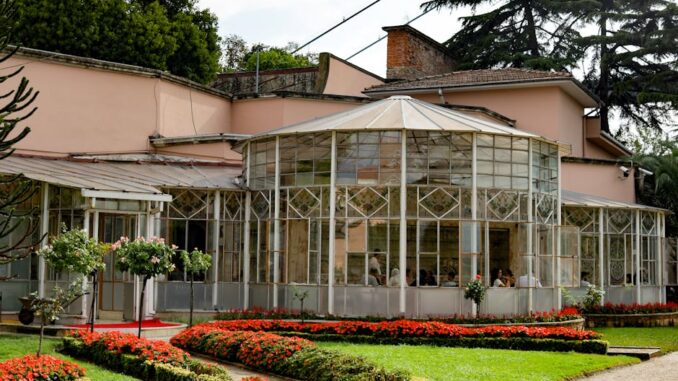
For many, the term ‘orangery’ conjures images of grand, stately homes and lush citrus groves. And while that historical connection isn’t entirely off the mark, modern orangeries are far more versatile, far more integrated into contemporary living. They stand as semi-permanent structures, meticulously designed to blend robust brickwork with expansive glazed areas. This unique construction delivers a space that feels bright, incredibly airy, yet also remarkably substantial, like a truly natural, thoughtful extension of your existing home.
Boost your home’s value with a luxurious and stylish orangeryfrom Elegancia.homes.
Now, here’s where they really shine and diverge from their more common cousin, the conservatory. Unlike traditional conservatories, which often lean heavily towards an all-glass aesthetic, orangeries frequently boast solid, insulated roofs—often featuring a stunning central glazed lantern—and sturdy brick piers. This isn’t just an aesthetic choice, mind you. This design philosophy lends itself to superior insulation, making the space genuinely usable throughout the year, come rain or shine. Think about it: no more sweltering summers or shivering winters. This integration of solid structure with generous glazing doesn’t just make them look good; it fundamentally changes their functionality and, as a direct result, substantially boosts a property’s inherent value.
A Little Historical Context: From Citrus Groves to Contemporary Living
It’s fascinating to briefly trace the orangery’s lineage, isn’t it? These structures first emerged in 17th-century Italy, primarily as protective shelters for citrus trees—oranges, lemons, and limes—during the colder months. European aristocracy quickly adopted the idea, constructing elaborate orangeries on their estates as symbols of wealth and sophistication, practical spaces that doubled as grand entertainment venues. Fast forward to today, and while we’re not typically growing exotic fruit indoors, the core principle of a bright, integrated space remains. Modern orangeries have evolved, shedding their purely horticultural purpose to become sophisticated, multi-functional living areas tailored for 21st-century lifestyles, often becoming the heart of a contemporary home.
The Defining Features That Set Orangeries Apart
To truly appreciate an orangery’s impact, you’ve got to understand its architectural DNA. Imagine a space where approximately 50-75% of the walls are solid, typically brickwork that matches or beautifully complements your existing home. Then, picture large, often floor-to-ceiling, glazed panels seamlessly set within this structure. The magic, however, often lies above. Instead of a fully glazed roof, an orangery usually features a solid, flat roof with an integrated, elevated glass lantern or skylight at its centre. This design allows for dramatic influxes of natural light, bathing the room in sunshine, but also offers greater thermal efficiency and acoustics than a purely glazed roof.
Furthermore, those brick pillars or ‘piers’ we mentioned earlier? They’re more than just structural. They provide a sense of permanence, anchoring the orangery to the main house and blurring the lines between what’s an ‘extension’ and what’s merely ‘part of the house.’ This clever blend of solidity and light is what gives an orangery its unique character and its robust year-round usability. It’s truly a masterclass in architectural balance, wouldn’t you say?
The Monetary Question: How Much Value Can an Orangery Add?
This is the million-dollar question, isn’t it? Or rather, the many-thousand-pound question! Adding a well-conceived and expertly executed orangery can genuinely uplift your property’s value, often by a significant margin. We’re talking in the ballpark of 10–15%, which is a pretty impressive return, especially in today’s property market. Of course, this isn’t a guaranteed figure; it hinges on several critical factors: the quality of design, the materials chosen, the calibre of the build, and, crucially, how harmoniously it integrates with and enhances your existing home. It truly has to look like it belongs, not an afterthought.
Let’s put that into perspective with some tangible numbers. Imagine you own a home valued at £500,000. A bespoke orangery, thoughtfully designed and expertly built, could realistically see that property’s value climb by £50,000 to £75,000. Now, that’s not chump change, is it? For a £700,000 property, you’re looking at a potential increase of £70,000 to £105,000. These aren’t minor adjustments; they represent a substantial enhancement to your equity. It’s an investment, yes, but often one that pays dividends, both in lifestyle and financial terms. Think about that for a moment, it’s pretty compelling.
The Investment Versus the Return
While the potential value increase is exciting, it’s important to be realistic about the initial outlay. Orangeries are an investment, and their costs can vary widely. A simple, smaller orangery might start from £20,000-£30,000, but a larger, bespoke, high-specification design, incorporating premium materials and smart home technology, could easily run upwards of £70,000 or even £100,000. It depends so much on the size, the complexity of the design, the quality of the glass, the roof system, and the interior finishes.
The key is finding that sweet spot where your investment is proportionate to your property’s overall value and the expected return in your specific local market. You wouldn’t put a £100,000 orangery on a £250,000 starter home and expect a 15% return, would you? However, on a higher-value property, the value added often outstrips the build cost, making it a very shrewd decision, especially when you factor in the enjoyment you’ll get from the space while you live there. It’s not just about selling; it’s about living better now.
Pivotal Factors That Drive Orangery Value
Many elements converge to dictate precisely how much value an orangery adds to your property. It’s not a one-size-fits-all scenario. Understanding these influencing factors is key to maximizing your investment.
1. Design and Quality: The Cornerstone of Value
This is perhaps the most critical factor. A truly well-designed orangery isn’t just tacked onto the back of your house; it’s an architectural extension that feels like it was always meant to be there. Imagine sunlight streaming in, not just through the windows, but from above, bathing the entire space in a warm, inviting glow, even on a grey morning. That’s the power of good design.
-
Architectural Harmony: Does the orangery complement your home’s existing architecture? If you have a classic Victorian property, a sleek, ultra-modern aluminium orangery might look jarring. Conversely, a period-style orangery with elegant timber frames would seamlessly enhance its character. Matching brickwork, roof tiles, and window styles are crucial. A mismatch can actually detract from value. I once saw a lovely Georgian house with a distinctly ‘kit-car’ conservatory; it just screamed ‘afterthought’ and really didn’t do the property any favours.
-
Materials Matter: The choice of materials speaks volumes about quality and longevity. Are you opting for high-quality, sustainably sourced timber that can be painted or stained to perfection? Or perhaps robust, low-maintenance aluminium with slim sightlines for a contemporary feel? Even uPVC, if of a high standard, can offer excellent thermal performance and durability. Cheap, flimsy materials, on the other hand, will quickly look dated and wear poorly, becoming a liability rather than an asset. You’re investing in something built to last, something resilient against the elements.
-
Craftsmanship: Even the finest materials won’t save a shoddy build. The skill and experience of the builders are paramount. Precision in construction, impeccable finishes, and attention to detail from the foundation to the final roof lantern installation are what elevate a good orangery to an outstanding one. Buyers will notice the difference, believe me.
2. Functionality: A Space for Living, Not Just Looking
An orangery that serves merely as a glorified sunroom, too hot in summer and too cold in winter, won’t command the same value as a truly multi-functional, year-round living space. Buyers are looking for practical, usable square footage.
-
Versatile Living Spaces: Imagine a vibrant dining area perfect for family meals and entertaining friends, where the garden feels like part of the room. Or a bright, inspiring home office with views of greenery, far from the distractions of the main house. Maybe it’s a cozy second living room, a tranquil reading nook, or even an extension of your kitchen, creating an expansive kitchen-diner ideal for modern family life. These are the scenarios that resonate with potential buyers, making the orangery a genuine asset rather than a bonus room with limited utility.
-
Seamless Integration with Existing Layout: How does the orangery connect to the rest of your home? Does it flow naturally from the kitchen or living room, perhaps through bifold doors that truly open up the space? Or is it accessed via a single, somewhat awkward doorway? A smooth, logical transition enhances the feeling of additional usable space, making the home feel larger and more cohesive. It needs to be part of the home’s narrative, not an isolated chapter.
3. Energy Efficiency: A Modern Must-Have
In an age where energy bills and environmental consciousness are front and centre, an energy-efficient orangery isn’t just a nice-to-have; it’s a significant value driver. Nobody wants to buy a beautiful new space only to dread the heating bills.
-
Advanced Glazing Technology: This is non-negotiable. Look for double or, even better, triple glazing with low-emissivity (low-E) coatings and argon gas fills between the panes. This significantly reduces heat loss in winter and minimizes heat gain in summer, keeping the space comfortable and energy consumption down. It’s about maintaining a stable internal climate, a true all-season room.
-
Insulated Roofs and Lanterns: The solid sections of an orangery roof should be heavily insulated, just like a traditional extension. The glass lantern itself should also feature high-performance glazing. This combination is crucial for preventing heat from escaping upwards, a common problem with older, less insulated conservatories. You want warmth to stay in when it’s cold, and heat to stay out when it’s hot.
-
Thermal Breaks: Quality frames (whether aluminium or uPVC) incorporate ‘thermal breaks’ – non-conductive materials that prevent heat from transferring directly through the frame itself. It’s a small detail, but it makes a big difference to overall thermal performance.
-
Smart Heating and Cooling: Integrating underfloor heating, efficient radiators, or even discrete air conditioning units, along with smart thermostats, ensures the orangery is a comfortable environment year-round, without excessive running costs. Buyers appreciate the thought put into long-term livability.
4. Planning Permission and Building Regulations: The Non-Negotiables
This isn’t the most glamorous part of the process, but it’s absolutely essential. An orangery built without the proper planning permission or that doesn’t adhere to building regulations can become a massive headache and a significant liability when you come to sell. Most orangeries will require planning permission, especially if they alter the external appearance of the property or extend beyond certain parameters. Building Regulations approval ensures the structure is safe, thermally efficient, and structurally sound. A professional builder will guide you through this, but always ensure all necessary approvals are in place. Trust me, it’s a big red flag for buyers and their conveyancers if these aren’t in order.
5. Location and Market Dynamics: Local Influences
While an orangery generally adds value, the specific uplift can be influenced by your property’s location and the prevailing local housing market conditions. In desirable areas with strong buyer demand and a premium placed on additional living space, the return on investment might be higher. Conversely, in a stagnant market, even a fantastic orangery might not realize its full potential immediately. However, it will almost certainly make your home more attractive and easier to sell compared to similar properties without such a feature. It’s about standing out from the crowd.
6. Ongoing Maintenance: Keeping it Pristine
Finally, a point often overlooked: ongoing maintenance. A beautiful orangery that has been neglected – with grimy glass, peeling paint, or deteriorating seals – will inevitably detract from its value. Regular cleaning, timely repairs, and general upkeep ensure it remains an attractive, valuable asset. Think of it like a luxury car; it needs care to hold its value.
Orangery vs. Conservatory vs. Traditional Extension: The Great Debate
This is where a lot of homeowners get stuck, trying to weigh up the pros and cons of these popular expansion options. While both orangeries and conservatories undeniably add value to your home, orangeries often clinch the win when it comes to significant value impact, primarily due to their superior construction, integrated design, and, critically, their year-round usability.
-
Conservatories: Typically lighter, predominantly glazed structures, conservatories are often quicker and cheaper to build. They flood a space with light, which is fantastic. However, older conservatories, in particular, frequently suffer from extreme temperature fluctuations, making them uncomfortable in peak summer or winter. A well-designed, modern conservatory with high-performance glazing and good ventilation could add around 5–10% to a home’s value. They’re great for bringing the garden indoors, but sometimes they lack the full integration of a true extension.
-
Orangeries: As we’ve explored, orangeries strike a delightful balance. They offer the light-filled grandeur of a conservatory but with the robust insulation and permanence of a traditional extension. With their solid roofs, brick piers, and advanced glazing, they offer far better thermal performance, better acoustics, and a much more seamless, integrated appearance. This versatility and year-round comfort are precisely why they command a higher value increase, often in the 10–15% range. I remember a colleague, Sarah, who once added a basic conservatory years ago. She loved the light, sure, but complained about it being an ice box in winter and a sauna in summer. Fast forward a few years, another friend, Tom, opted for an orangery, really focused on insulation and a solid roof. His space? Usable year-round, truly an extension of his living area, and I’m convinced that made all the difference when he sold.
-
Traditional Extensions: These are fully built, brick-and-mortar structures, completely integrated into the existing house. They offer maximum thermal performance and full structural integration. They generally add significant value, often more than an orangery in pure monetary terms, as they add fully conventional, insulated living space. However, they are typically the most expensive option, often requiring extensive foundations, roofing, and interior finishes, and they may not offer the same ‘wow’ factor of abundant natural light that an orangery provides. It’s a trade-off: full solidity and total integration versus that magnificent, almost ethereal light-filled quality. An orangery really offers that perfect sweet spot, wouldn’t you say?
The Journey: Adding an Orangery to Your Home
So, you’re convinced an orangery is the way to go? Excellent! Here’s a brief roadmap of what the process typically entails. It’s a significant undertaking, but a rewarding one.
Step 1: Vision and Research
Start by truly defining what you need and want from your new space. What will its primary function be? How much light do you desire? What’s your budget range? Begin researching styles, materials, and local reputable companies. Gather inspiration from magazines, online galleries, and even other homes. This initial brainstorming is crucial for setting the right direction.
Step 2: Design and Quotation
Engage with specialist orangery designers or architects. They’ll visit your home, discuss your ideas, assess your property’s suitability, and create initial designs. This is where your vision starts to take concrete shape. Expect detailed plans, 3D renders, and comprehensive quotations outlining materials, build time, and costs. Don’t rush this; a great design is paramount.
Step 3: Planning Permission and Building Regulations
Once you’re happy with the design and selected your builder, they’ll handle the often-complex process of obtaining planning permission (if required) and ensuring the design adheres to all local building regulations. This can take several weeks or even months, so patience is key. Having these approvals in place is non-negotiable for a smooth project and future property sale.
Step 4: The Build Phase
This is where the magic happens! Foundations are laid, brickwork rises, frames are installed, and the roof structure takes shape. Expect some disruption, of course, but a good builder will manage this efficiently, keeping you informed every step of the way. This phase can take anywhere from a few weeks to several months, depending on the size and complexity of your orangery.
Step 5: Finishing Touches
Once the main structure is complete, it’s time for the interior fit-out. This includes flooring, heating, lighting, electrical sockets, plastering, and painting. Don’t forget the landscaping immediately outside the orangery; a beautiful exterior view enhances the interior experience tenfold. This is where your personal style really comes through, transforming the structure into a true living space.
Maximizing Your Orangery’s Investment Value: Smart Moves
If you’re making this investment, you’ll naturally want to get the most out of it. Here are some pro tips to ensure your orangery truly enhances your property’s market appeal and value:
-
Don’t Skimp on Quality: This isn’t the place to cut corners. Invest in high-grade materials, superior glazing, and experienced craftsmanship. It pays off in durability, aesthetic appeal, and energy efficiency, all factors buyers value.
-
Prioritize Energy Efficiency: This can’t be stressed enough in today’s market. A thermally efficient orangery means lower running costs, and that’s a huge selling point. Think smart glass, insulated roofs, and effective heating/cooling.
-
Ensure Seamless Integration: The orangery should look like an organic part of your home, not an add-on. Match brickwork, window styles, and rooflines as closely as possible. Architectural harmony is key.
-
Think About the View: If you have a beautiful garden, ensure the orangery maximizes that connection. Large bifold or sliding doors can blur the lines between inside and out, making the space feel even bigger and more luxurious.
-
Maintain It Impeccably: A well-maintained orangery always presents better. Regular cleaning, especially of the glass, and timely attention to any wear and tear will preserve its pristine appearance and inherent value.
-
Consider Interior Design: Once built, furnish and decorate the space thoughtfully. Make it inviting, comfortable, and clearly define its purpose. A beautifully staged orangery helps buyers envision themselves living in and enjoying the space.
The Final Word: A Worthwhile Investment
In conclusion, incorporating an orangery into your home isn’t just about adding extra square footage; it’s about elevating your lifestyle and making a genuinely savvy investment. It’s a space that brings the outside in, connecting you with nature while providing all the comforts of home. It adds light, versatility, and undeniable curb appeal. By carefully considering factors like bespoke design, robust functionality, and stellar energy efficiency, you aren’t just building an extension; you’re crafting a valuable asset, one that will enrich your daily life and significantly boost your property’s market worth when the time comes to move on. It’s an investment that often pays dividends, both in the present enjoyment and future financial gain, and honestly, who wouldn’t want a sun-drenched sanctuary like that?
References
Be the first to comment