

Orangeries and Home Extensions: Crafting Your Perfect Sanctuary
Remember when a home was just, well, a home? Four walls, a roof, and somewhere to sleep and eat. Ah, how things have shifted! In recent years, our perception and utilization of living spaces have undergone a fascinating evolution, pushing homeowners to seek more from their properties. It’s not just about adding square footage anymore; it’s about crafting personalized sanctuaries, spaces that truly enhance daily life, connect us with nature, and even elevate our mood. And right at the heart of this transformation? The resurgent demand for orangeries and thoughtfully designed home extensions.
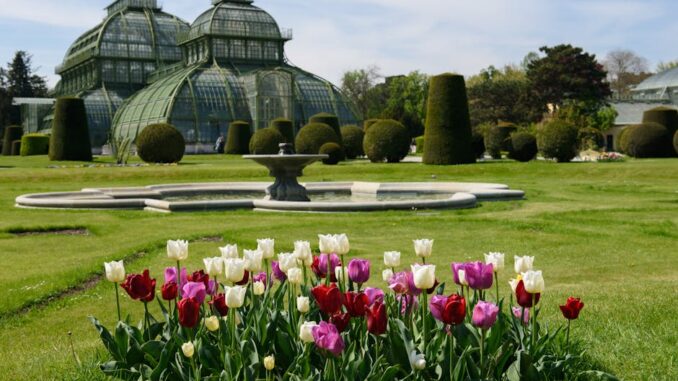
Historically, an orangery was a grand affair, a dedicated structure for cultivating delicate citrus trees in colder climates. Picture elaborate glasshouses, brimming with vibrant lemon and orange trees, a touch of Mediterranean sunshine in frost-kissed gardens. Pretty poetic, isn’t it? Today, this architectural gem has gracefully transitioned, evolving into a sophisticated, functional addition to contemporary homes. It masterfully marries the reassuring solidity of traditional brickwork with expansive, light-gathering glazing, forging a truly harmonious link between indoor comfort and the beauty of the outdoors. And honestly, I think it’s one of the best investments you can make for your home.
Boost your home’s value with a luxurious and stylish orangeryfrom Elegancia.homes.
The Enduring Allure of Orangeries: A Deep Dive into Design and Function
Orangeries are undeniably more than simple extensions; they’re transformative spaces, breathing an entirely new kind of life into a house. When you step into one, you immediately feel it – a sense of light, openness, and connection. Their design typically features a robust, insulated brick or stone base, soaring large glass windows or panels that reach towards the sky, and, crucially, a central roof lantern. This magnificent feature isn’t just for show; it acts as a funnel, directing glorious natural light deep into the heart of the space, creating an ethereal glow even on a cloudy day. What’s not to love about that?
This isn’t just an aesthetic choice, mind you. This thoughtful design significantly enhances the room’s thermal efficiency. Unlike some of their more delicate conservatory cousins, orangeries boast a more insulated environment, thanks to their solid wall components and advanced glazing. This means they remain wonderfully comfortable, come rain or shine, making them genuinely usable year-round. You won’t find yourself shying away from your orangery in the depths of winter or sweltering summer; they’re designed to be a consistent, welcoming haven. Valuedoors.co.uk offers a great overview, highlighting this key distinction.
Let’s peel back the layers a little more. The historical roots of the orangery are rich, tracing back to 17th-century European aristocracy. These structures allowed noble families to cultivate exotic plants, particularly citrus fruits, year-round, regardless of the harsh northern European winters. Think of them as early biomes, luxurious glasshouses that were as much about status as horticulture. Over the centuries, as architectural styles evolved and glass manufacturing improved, the orangery gradually shed some of its strict horticultural purpose and began morphing into a light-filled living space. Modern materials and construction techniques have truly unlocked its potential, allowing for greater structural integrity, superior insulation, and an almost limitless array of design possibilities. This blend of heritage and modernity is, in my opinion, part of their undeniable charm.
When we talk about the feel of an orangery, we’re talking about something quite special. The generous glazing invites the outside in, blurring the lines between garden and interior. Imagine sunlight streaming across polished floor tiles, warming the air, or watching a gentle autumn rain shower without feeling a single drop. The robust nature of the brickwork gives the space a sense of permanence and grandeur, anchoring it firmly to the main house, rather than feeling like a tacked-on afterthought. You get the best of both worlds: the light and airiness of glass, combined with the reassuring solidity and insulation of a traditional extension. The clever use of thermal breaks in frames, along with high-performance double or even triple glazing, means heat stays where it belongs, keeping your heating bills sensible. It’s an elegant solution, really.
Unlocking the Full Potential: Versatility Beyond Expectation
One of the most remarkable qualities of an orangery, and perhaps why I’m such a proponent, is its incredible versatility. It’s truly a blank canvas, adaptable to almost any family’s needs or lifestyle. Homeowners, with a touch of imagination and a good architect, have transformed these spaces into an astonishing array of functional areas. Here are just a few ideas, and believe me, the possibilities only stop where your imagination does:
-
The Sunlit Dining Room: This is a classic for a reason. Imagine starting your day with a cup of coffee, bathed in natural light, or hosting a magnificent dinner party where the garden forms a stunning, ever-changing backdrop. I once visited a client in Surrey who had converted their orangery into a dining room; they told me it became the absolute heart of their home. ‘We eat every meal here now,’ the wife explained, ‘even for Sunday roast, it’s just so bright and lovely, no matter the weather.’ It’s perfect for both casual family meals and more formal gatherings, effortlessly elevating any culinary experience. Roomoutside.com provides some inspiring examples of this kind of transformation.
-
The Luxurious Lounge or Relaxation Nook: Picture a serene space, perhaps with plush sofas and an array of potted plants, where you can unwind after a long day. It could be your dedicated reading nook, a quiet corner for meditation, or simply an elegant overflow for entertaining guests. The natural light truly enhances the mood, creating an inviting and tranquil atmosphere that a dimly lit interior room just can’t quite replicate.
-
The Productive Home Office: With the widespread shift to remote work, a dedicated home office has become essential for many. An orangery offers a bright, inspiring workspace, often overlooking the garden, which helps significantly with focus and well-being. Imagine having your office surrounded by greenery, free from the distractions of the main house. It’s a game-changer for productivity and job satisfaction, I’d wager.
-
The Vibrant Playroom or Creative Studio: For families with young children, an orangery can become a fantastic, light-filled playroom, keeping toys contained while still allowing kids to feel connected to the outdoors. Or, for the artist or hobbyist, it transforms into an inspiring studio space, perfect for painting, crafting, or pursuing any creative passion that thrives on natural illumination. No more cramped, poorly lit corners for your projects!
-
The Expansive Kitchen Extension: One of the most popular uses is integrating an orangery into a kitchen redesign, creating a magnificent open-plan kitchen-diner-living area. This completely transforms the functionality and social dynamics of the home, becoming the ultimate hub for family life and entertaining. Imagine cooking while chatting with guests, or keeping an eye on the kids playing, all in one bright, cohesive space.
-
The Invigorating Yoga Studio or Home Gym: If wellness is a priority, consider transforming your orangery into a personal sanctuary for exercise. The connection to nature, combined with abundant light, can make your morning yoga routine or workout feel incredibly invigorating. It’s a wonderful way to bring a sense of calm and focus to your fitness regime.
This adaptability ensures an orangery can cater to such a wide spectrum of needs and lifestyles. It really does offer a flexible solution that can evolve with you and your family as life changes. And that, to me, is true value.
A Savvy Investment: Enhancing Property Value and Appeal
Let’s talk brass tacks, or rather, property value. Investing in a high-quality orangery isn’t just about improving your current living situation; it’s also a remarkably savvy financial decision that can significantly boost your home’s market value. Various studies and estate agents consistently confirm that well-designed, properly built extensions like orangeries can add a substantial amount to a property’s worth. We’re talking up to 15% to a home’s value, which, when you consider today’s property prices, can be a tidy sum. Compare that to, say, around 5% for a basic conservatory, and the difference is stark. Valuedoors.co.uk corroborates this, highlighting the superior return.
Why this difference? It really comes down to perception and practical benefits. Orangeries are generally considered a more permanent, integrated, and architecturally substantial addition. Their superior insulation, solid roof elements, and robust construction mean they don’t carry the ‘conservatory curse’ of being too hot in summer and too cold in winter. This year-round usability makes them incredibly appealing to potential buyers. They see a versatile, well-built, and aesthetically pleasing space, not just a glass box.
Furthermore, an orangery often appeals to the modern buyer’s desire for light-filled, open-plan living. When someone views your home, they aren’t just looking at bricks and mortar; they’re imagining their life there. A beautifully designed orangery offers that aspirational lifestyle – bright mornings, cozy evenings, seamless indoor-outdoor flow. It ticks so many boxes that buyers are looking for today, making your property stand out in a competitive market. It’s not just a lifestyle enhancement; it’s a tangible asset that yields a robust return on investment, making it a genuinely smart financial move.
The Art of Seamless Living: Connecting Indoors with the Great Outdoors
One of the most profound benefits of an orangery is its unparalleled ability to create a truly seamless connection between your indoor sanctuary and the vibrant world outside. With their expansive glass panels, often incorporating magnificent bi-fold or sliding doors, you can literally open up an entire wall to your garden. Imagine throwing open those doors on a warm evening, letting the gentle breeze drift in, and having your living space spill out onto your patio or lawn. It’s an intoxicating feeling, isn’t it?
This isn’t merely about aesthetics; there are deep psychological benefits at play here. Connecting with nature, even visually, has been shown to reduce stress, improve mood, and enhance overall well-being. This concept, often called biophilic design, acknowledges our innate human desire to connect with the natural world. An orangery delivers this in spades. You can enjoy the lush greenery of your garden, watch the seasons gracefully change, or simply feel the warmth of the sun on your skin, all while being sheltered from the elements. Premierwindows.uk.com rightly points out this crucial benefit.
Think about the sensory experience: the soft rustle of leaves in the breeze, the vibrant colours of blooming flowers, the sound of birdsong drifting in, even the refreshing patter of rain against the glass. It truly elevates your daily living. This direct, unfettered link to nature can transform how you experience your home. You’re not just looking at your garden; you’re part of it, even when you’re indoors. You can extend this further by thoughtfully designing your outdoor space to flow directly from the orangery – perhaps a matching tiled patio, a well-placed pergola, or even a water feature that can be seen and heard from inside. It all works together to create an environment that nourishes the soul, and who wouldn’t want that?
Engineering Comfort: Energy Efficiency and Sustainability
In an era where energy costs are a constant concern and environmental consciousness is paramount, the energy efficiency of any home extension is, rightly, a critical factor. Modern orangeries are designed with this firmly in mind, moving far beyond the notoriously inefficient conservatories of yesteryear. With high-performance glazing and expertly insulated frames, they’re engineered to help regulate temperature effectively, keeping your space beautifully comfortable year-round without exorbitant heating or cooling costs. You can enjoy your orangery knowing you’re not unnecessarily bleeding money or energy, and that’s a huge relief for any homeowner.
Let’s delve a bit deeper into what makes them so efficient:
-
Advanced Glazing Technology: This isn’t just any old glass. Modern orangeries typically feature high-specification double or even triple glazing, often incorporating low-emissivity (low-E) coatings and inert gas infills like argon. Low-E coatings reflect heat, keeping it inside during winter and outside during summer, while the gas infill acts as an extra insulating barrier. This sophisticated glazing significantly reduces heat transfer, meaning less energy is required to maintain a comfortable temperature. It’s clever stuff, really.
-
Thermally Broken Frames: Whether you opt for elegant aluminium, robust uPVC, or classic engineered timber, the frames will incorporate ‘thermal breaks’. These are non-conductive materials inserted into the frame structure to prevent heat from escaping or entering through the frame itself. Without them, metal frames, for instance, would act as a super-highway for heat transfer, negating the benefits of the advanced glazing. It’s a small detail, but it makes a massive difference.
-
Insulated Roof Systems: While traditional conservatories often have entirely glass roofs, orangeries incorporate more solid, insulated roof sections, culminating in the roof lantern. This solid roofing provides a crucial thermal mass, helping to maintain a stable internal temperature. The roof lantern itself is also highly insulated, often with high-performance glazing, ensuring minimal heat loss through the most exposed part of the structure.
-
Underfloor Heating and Smart Controls: Many orangeries are fitted with underfloor heating, which is incredibly efficient as it provides radiant heat evenly across the floor area, rather than relying on convective currents. Pairing this with smart thermostats allows you to precisely control the temperature, even remotely, ensuring your orangery is always perfectly comfortable exactly when you need it to be. This level of control is something older extensions simply couldn’t offer.
This meticulous attention to energy efficiency means you truly can use your orangery throughout the year, enjoying bright, warm winter mornings and cool, airy summer evenings, all without wincing at your utility bills. It’s a testament to how far construction and material science have come. Premierwindows.uk.com reiterates the importance of these energy-saving features, which, let’s be honest, are essential in today’s world.
Bringing Your Vision to Life: Planning and Design Considerations
Embarking on an orangery project is an exciting journey, a chance to truly stamp your personality onto your home. But, like any significant home improvement, it demands careful thought, meticulous planning, and a clear vision. You wouldn’t just jump into building a new wing of your house without a blueprint, right? So, when considering an orangery, it’s absolutely essential to plan and design thoughtfully. Factors such as orientation, material choices, and seamless integration with your existing home play truly crucial roles in the ultimate success – and enjoyment – of your project. After all, you want it to look like it’s always been there, not like an afterthought. Homebuilding.co.uk is a great resource for initial ideas, by the way.
Crafting Your Initial Vision and Needs Assessment
Before you even think about builders or architects, sit down and genuinely ask yourself: What do I truly need this space for? Is it for lively family gatherings, a tranquil retreat, a dynamic home office, or a seamless extension of your kitchen? Consider your lifestyle now, and how it might evolve in the coming years. Think about your daily routines, how you entertain, and what kind of atmosphere you want to create. This initial brainstorming session forms the bedrock of your project, guiding all subsequent decisions, from size and layout to specific features.
The All-Important Site Survey and Orientation
Where your orangery sits in relation to your existing house and the sun’s path is incredibly important. A professional site survey will meticulously map out your property’s specifics, including boundaries, existing structures, and ground conditions. Crucially, a sun path analysis helps determine the best orientation for your orangery. For example, positioning it to capture optimal sunlight during certain times of the day can enhance its functionality and comfort, making it naturally brighter and warmer. However, too much direct summer sun could lead to overheating without proper shading or advanced glazing. A good designer will balance maximizing light with mitigating glare and excessive heat gain, ensuring your orangery is comfortable throughout the year, not just on perfect spring days.
Architectural Style and Material Choices
This is where the magic really begins to take shape. The key here is seamless integration. Your orangery should complement, rather than clash with, the architectural style of your existing home. Consider:
- Matching Existing Home: Look at your house’s brickwork, render, roof tiles, and window styles. Can you match or sensitively contrast these elements? A traditional period property might call for more classical detailing, perhaps using timber frames and intricate brickwork, whereas a modern home might lean towards sleek aluminium frames and minimalist lines.
- Frame Materials: You’ve got options. Engineered timber offers timeless elegance, exceptional insulation, and a natural aesthetic, but requires more maintenance. Aluminium provides slim sightlines, incredible strength, durability, and a contemporary feel, available in a vast array of colours. uPVC is a cost-effective, low-maintenance option that has come a long way in terms of aesthetics and performance.
- Roof Lantern Design: The roof lantern is often the crowning glory. Consider its size, shape (pyramid, rectangular, or bespoke), and the type of glazing. It should be proportionate to the overall structure and allow generous light penetration without compromising thermal performance.
Don’t be afraid to explore colour palettes too. A dark grey aluminium frame can create a striking, modern contrast on a lighter brick house, for instance. Your choices here will define the character of your new space.
Internal Layout and Finishes
Once the structure is decided, turn your attention inwards. This is where the comfort and functionality truly come alive:
- Flooring: Will you opt for durable ceramic or porcelain tiles that conduct heat well if you choose underfloor heating? Or perhaps engineered wood, which adds warmth and character? Whatever you pick, ensure it’s suitable for a space that bridges indoor and outdoor living.
- Lighting: Beyond the natural light from the roof lantern and windows, think about artificial lighting. You’ll need a mix: ambient lighting for overall illumination, task lighting (if it’s a kitchen or office), and accent lighting to highlight features or create atmosphere. Dimmers are a must for flexibility!
- Window Treatments: Consider blinds or curtains not just for privacy, but also for controlling light and temperature. Automated systems can be incredibly convenient for large expanses of glass.
- Furniture Placement: Plan your furniture layout carefully. How will people move through the space? Where will the focal points be? An orangery often benefits from furniture that’s versatile and perhaps slightly more robust, given its connection to the outdoors.
Navigating Planning Permission and Building Regulations
Ah, the paperwork! This is an area where professional guidance is invaluable. It’s often where projects can hit snags if not handled correctly.
- Permitted Development Rights vs. Full Planning Application: Some smaller extensions fall under ‘permitted development’ rights, meaning you won’t need full planning permission. However, there are strict rules regarding size, height, and proximity to boundaries. Any deviation, or if your property is in a conservation area or is a listed building, will almost certainly require a full planning application. Ignorance of these rules is not a defense, trust me on that one.
- Building Regulations: Regardless of planning permission, your orangery must comply with building regulations. These cover crucial aspects like structural integrity, thermal performance, ventilation, fire safety, and access. A good builder or architect will ensure your design and construction adhere to these standards. They’re there to ensure your extension is safe, sound, and energy-efficient.
- Engaging Professionals: This brings me to a crucial point: don’t skimp on professional advice. Architects can help you visualize your dreams and navigate complex regulations. Structural engineers ensure the building is sound. And most importantly, choose a reputable builder with a strong track record and excellent references. Trying to cut corners here is a false economy and can lead to costly problems down the line. I once heard a story about a homeowner who tried to bypass planning for a substantial extension, only to receive an enforcement notice and have to tear it down. A costly mistake, indeed, and entirely avoidable.
Budgeting and Timelines
Finally, be realistic about your budget and timeline. Obtain detailed quotes from multiple reputable contractors. Always, always include a contingency fund – I’d suggest 10-15% of your total budget – for unforeseen issues. Construction projects rarely run perfectly to plan, and a contingency protects you from nasty surprises. Similarly, get a clear timeline for the project, understanding that factors like weather and material availability can sometimes cause delays. Project management is key here, whether you handle it yourself or entrust it to your builder or an external project manager.
Conclusion
The rising demand for orangeries and well-executed home extensions isn’t just a fleeting trend; it underscores a deeper, more enduring desire for personalized, functional, and aesthetically pleasing living spaces. These beautiful additions offer a truly unique blend of timeless aesthetics, remarkable versatility, and tangible property value enhancement. More than that, they foster a profound connection with the natural world and provide a comfortable, energy-efficient environment that you can enjoy every single day of the year.
An orangery isn’t simply an extension of your house; it’s an investment in your lifestyle, your well-being, and the future value of your home. It’s about creating a personal sanctuary, a place where memories are made, light abounds, and the lines between indoor comfort and outdoor beauty wonderfully blur. So, if you’re dreaming of more space, more light, and a home that truly reflects your aspirations, perhaps it’s time to let your imagination wander and start planning that perfect orangery. You won’t regret it, I’m pretty sure about that.
Be the first to comment