

Unlocking Your Home’s Potential: A Deep Dive into Orangery Costs and Value
Ever dreamt of a space in your home that feels like a permanent embrace of the outdoors, yet offers all the comfort and security of being inside? A place where sunlight streams in, where you can watch the seasons change from a cozy armchair, or host lively dinners under a vast glass roof? That’s precisely what a well-designed orangery brings to the table, and honestly, it’s a game-changer for so many homeowners. It’s more than just an extension; it’s an evolution of your living space.
Historically, orangeries were grand structures for cultivating exotic plants in colder climates, a real status symbol for the aristocracy. Think about it, growing citrus fruits in frosty England! Today, they’ve evolved into stylish, versatile home additions, brilliantly blending solid, insulated walls with extensive glazing. Unlike their lighter, often less insulated cousins, the conservatories, orangeries boast a more substantial structure, typically featuring brick pillars, deep pilasters, and a solid perimeter roof that usually incorporates a stunning roof lantern. This design ensures superior thermal performance, making them truly usable year-round – a crucial distinction, if you ask me. This isn’t just about adding square footage; it’s about enhancing your lifestyle, flooding your home with natural light, and undeniably, boosting your property’s appeal and value.
Boost your home’s value with a luxurious and stylish orangeryfrom Elegancia.homes.
The Allure of the Orangery: More Than Just Glass and Brick
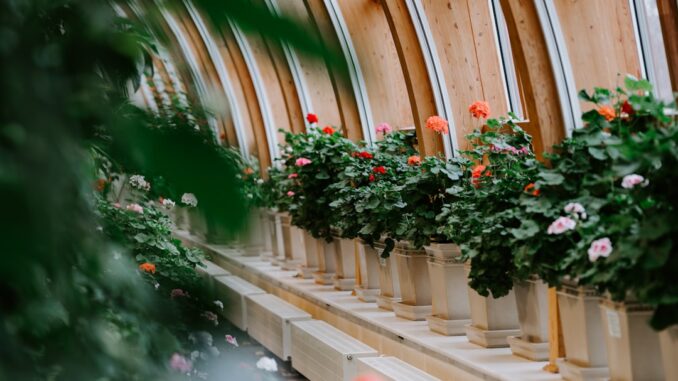
Imagine stepping into a room that feels simultaneously expansive and intimate. The solid sections of wall offer ample space for furniture, artwork, and even built-in storage, giving it a much more ‘room-like’ feel than a typical conservatory. Then, the abundant glazing and that magnificent roof lantern draw your gaze skyward, bathing the interior in a soft, diffused light that transforms the atmosphere. It’s perfect, for morning coffee or evening stargazing. This combination creates a sophisticated, adaptable space you can truly integrate into your daily life – a dedicated dining area, a tranquil home office, a vibrant family room, or even a luxurious kitchen extension. Really, the possibilities are almost endless, aren’t they?
Demystifying Orangery Costs: What to Expect When Expanding Your Horizons
Alright, let’s get down to brass tacks. The first question everyone asks, and rightly so, is ‘How much is this going to cost me?’ And the honest answer, like with any significant home improvement, is ‘it depends.’ The price tag on an orangery can fluctuate quite a bit, influenced by a myriad of factors from its sheer size and the materials you choose, to the intricacies of its design and even your geographical location. But don’t worry, we can definitely break this down to give you a clearer picture.
While providing exact figures is tricky without a specific design, we can look at some general ranges that often include the construction, materials, and basic interior finishes. Just keep in mind, these are starting points, not final quotes, as premium features or complex installations can certainly push these figures higher.
-
Small Orangery (approximately 9-12m²): For a more modest addition, perhaps a cozy reading nook or a charming breakfast room off the kitchen, you’re likely looking at an investment in the range of $30,000 – $55,000. This often covers a standard square or rectangular footprint, UPVC or basic aluminum framing, double glazing, and a simple roof lantern, with basic electrical and flooring. It’s an excellent entry point for adding light and space without overwhelming your budget or property footprint.
-
Medium Orangery (approximately 16-25m²): This size often lends itself beautifully to a dedicated dining room or a comfortable lounge area. Here, you’re probably budgeting anywhere from $55,000 – $90,000. At this level, you might start seeing options for higher-spec glazing, perhaps a more elaborate roof lantern, or the choice of engineered timber frames. You also get more flexibility with design, maybe a slightly more complex shape or enhanced internal finishes like underfloor heating preparation and more sophisticated lighting designs.
-
Large Orangery (25m² and upwards): When you’re dreaming of a sprawling open-plan kitchen-diner, a grand living space, or even a multi-functional area, you’re moving into the large orangery territory. Expect costs to begin at $90,000 and easily climb to $150,000+. These larger projects frequently incorporate bespoke designs, premium materials like hardwood frames, triple glazing, advanced climate control systems, and often require more extensive foundation work. The sky’s really the limit here, as you’re essentially adding a significant, custom-built extension to your home.
These estimates usually cover the ‘shell’ of the orangery – the structure, roof, glazing, doors, basic plastering, and electrical first fix. What they might not fully account for are the ‘turnkey’ elements: high-end flooring (think natural stone or bespoke wood), integrated smart lighting systems, air conditioning, custom blinds, extensive landscaping to seamlessly blend the new structure with your garden, or those really luxurious interior finishes that truly personalize the space. That’s where your contingency budget becomes your best friend, a point we’ll revisit soon.
Unpacking the Cost Drivers: What Makes the Price Tag Tick?
So, why such a range? It’s because an orangery project is a highly individualized undertaking. Let’s peel back the layers and examine the key factors that exert the most influence on your final invoice.
1. Size and Design Complexity: The Bigger, the Bolder, the Pricier
It stands to reason, doesn’t it? A larger orangery requires more materials, more labor, and often, more intricate engineering. But it’s not just about square footage. The complexity of the design plays a huge role. A simple rectangular footprint with a standard central roof lantern will be more cost-effective than, say, an L-shaped orangery hugging the corner of your house, featuring multiple glazed gables and an expansive, multi-section roof lantern. Every additional corner, every unique angle, every bespoke element adds to the design, manufacturing, and installation costs. Also, consider the roof itself. While a signature roof lantern is a hallmark of an orangery, its size, number of vents (manual or automated, a nice touch!), and the intricacy of its framework will significantly impact the price. A really tall ceiling height or an unusual span can also demand more structural support, which is often a hidden cost you might not initially think about.
And let’s not forget the groundworks. The foundation for an orangery is crucial; it needs to be robust and built to last. If your site has tricky access, or if the ground requires extensive excavation, piling, or dealing with existing drains, those hidden underground challenges can certainly add to the complexity and cost. I once knew a client, Sarah, who had a stunning vision for her orangery, but during excavation, they hit bedrock unexpectedly. Suddenly, what seemed like a straightforward foundation became a much more complex and costly endeavor. Always be prepared for what you might find below the surface!
2. Materials: Crafting Your Vision, Frame by Frame
This is where personal taste, performance requirements, and budget truly intersect. The choice of materials for your orangery’s frame and glazing will heavily dictate both its initial cost and its long-term performance and aesthetic appeal.
-
Frame Materials:
- UPVC (Unplasticized Polyvinyl Chloride): Often the most budget-friendly option, UPVC frames are durable, low-maintenance, and offer good thermal performance. They come in various finishes, including wood-grain effects, but sometimes lack the ‘premium’ feel of other materials. You can’t argue with their practicality though.
- Aluminium: A popular choice for a more contemporary aesthetic, aluminum frames are incredibly strong, allowing for slimmer sightlines and larger expanses of glass. They’re also highly durable and require minimal maintenance. While generally more expensive than UPVC, their sleek look and long lifespan often justify the investment.
- Timber (Hardwood/Engineered Wood): For those seeking classic elegance and a natural, warm feel, timber is often the go-to. Hardwoods like oak or meranti are beautiful but command a higher price and require more regular maintenance (painting/staining) to preserve their beauty. Engineered timber, on the other hand, offers enhanced stability and less maintenance while retaining much of the traditional aesthetic. It’s an investment, for sure, but the warmth and character timber brings are unmatched.
-
Glazing: This isn’t just about putting a pane of glass in a frame; it’s about engineering for comfort and efficiency. Double glazing is pretty standard, but opting for triple glazing offers superior thermal and acoustic insulation, albeit at a higher cost. Beyond that, specialized glass treatments can make a significant difference:
- Low-E (Low Emissivity) Coatings: These microscopic metallic coatings reflect heat, keeping your orangery warmer in winter and cooler in summer, saving on energy bills. A real smart choice, in my opinion.
- Solar Control Glass: Designed to reduce solar heat gain, preventing your orangery from becoming an oven on hot days.
- Self-Cleaning Glass: A fantastic convenience, as a special coating uses UV light and rain to break down and wash away dirt. You’ll thank yourself for this during pollen season!
- Security Glazing: Laminated or toughened glass can provide enhanced security against intruders, a worthwhile consideration for peace of mind.
-
Roof Lantern Materials: The main structure of the lantern usually mirrors your chosen frame material (UPVC, aluminium, or timber), but the glazing within it will also have options for different coatings and energy efficiencies. Automated vents, perhaps even with rain sensors, add convenience and improve air circulation, but also add to the expense.
3. Location, Location, Location: Regional Differences and Site Specifics
Ah, geography, always a factor in construction, isn’t it? The cost of labor, materials, and even regulatory fees can vary significantly from one region to another. Building an orangery in a bustling metropolitan area, for instance, often incurs higher labor rates and potentially more complex logistics (think limited access or parking for deliveries) compared to a rural setting. Similarly, if your property is remote, additional transport costs for materials and labor might creep in.
Beyond general regional differences, specific site conditions on your property are also critical. Is your garden easily accessible for construction vehicles and machinery? Or will materials need to be manually transported over a long distance, up a tricky slope, or through a narrow gate? These access challenges translate directly into increased labor time and, consequently, higher costs. Don’t forget, if you’re in a conservation area or a listed building, planning permissions can be more stringent and protracted, sometimes requiring specialist architects and additional reports, all of which add to your initial outlay.
4. Additional Features and Interior Finishes: The Personal Touches
Once the basic structure is up, the real fun (and cost accumulation!) begins with all the ‘extras’ that transform your orangery into a fully functional and personalized space.
-
Heating and Cooling Systems: Underfloor heating (either wet or electric) provides a luxurious, even warmth, but requires specialized installation. Air conditioning or integrated climate control systems are excellent for year-round comfort, especially in larger, sunnier orangeries, but represent a significant investment. Alternatively, traditional radiators might be a more budget-friendly option, but they do take up wall space. It’s all about balancing comfort with cost.
-
Electrical Work: Beyond standard sockets and switches, consider the lighting design. Do you want recessed spotlights, elegant pendant fixtures over a dining area, ambient wall sconces, or even exterior lighting to illuminate the garden at night? Smart home integration for lighting, heating, and blinds can offer ultimate convenience but adds complexity and cost.
-
Flooring: The choice here is vast and impacts both aesthetics and budget. Ceramic or porcelain tiles are durable and popular for their easy maintenance and suitability with underfloor heating. Engineered wood can provide warmth and character, while natural stone offers a luxurious, timeless appeal, but often at a higher price point. Don’t forget the cost of screeding or leveling the subfloor, which is often necessary before laying your chosen finish.
-
Blinds and Shading: Essential for privacy, temperature control, and glare reduction, bespoke blinds (manual or remote-controlled) are a smart investment. Integrated roof blinds within the lantern are particularly effective but can be pricey. Ignoring shading means you might create a beautiful space that’s unusable at certain times of day.
-
Landscaping Integration: A truly successful orangery doesn’t just bolt onto your house; it harmonizes with its surroundings. This might involve creating a new patio area, adding steps down to the garden, or planting scheme that complements the new structure. These exterior finishing touches, while not part of the orangery itself, significantly enhance its overall impact and usability.
-
Professional Fees & Permits: Don’t forget the often-overlooked costs of architects for design drawings, structural engineers for calculations, planning application fees, and building control inspections. These are non-negotiable expenses that ensure your project is safe, legal, and well-executed.
The Orangery Journey: A Step-by-Step Timeline of Your Project
Embarking on an orangery build is an exciting process, but understanding the typical phases helps manage expectations regarding both duration and expenditure. It’s rarely a ‘blink and it’s done’ affair; rather, it’s a series of carefully managed steps, each with its own timeline and financial implications.
-
Initial Consultation & Design (2-4 Weeks): This is where your dreams meet reality. You’ll meet with architects and orangery specialists to discuss your vision, assess your property, and refine design concepts. Expect several iterations of drawings and quotes. This phase is crucial for nailing down your requirements and getting a clear cost estimate.
-
Planning Permission & Building Regulations (8-16 Weeks, potentially longer): Once you’re happy with the design, the plans go to your local council. If your orangery falls under ‘permitted development’ and adheres to specific criteria, you might avoid full planning permission, but you’ll almost certainly need building regulations approval. This ensures structural integrity, energy efficiency, and safety. This waiting period can feel like an eternity, but it’s absolutely non-negotiable.
-
Site Preparation & Foundations (1-3 Weeks): With approvals in hand, construction begins. This involves clearing the site, excavating trenches for foundations, laying concrete footings, and ensuring proper drainage. Any unforeseen ground conditions, like that bedrock Sarah found, can extend this phase and increase costs.
-
Base Walls & Structural Elements (2-4 Weeks): The brick or stone base walls of your orangery go up, matching your existing property as closely as possible. This also includes installing any steelwork or structural timber elements that will support the roof and roof lantern.
-
Frame Installation & Glazing (2-4 Weeks): This is where your orangery really starts to take shape! The pre-fabricated frames for windows and doors are installed, followed by the glazing. This is a skilled job, ensuring everything is plumb, level, and weather-tight.
-
Roof Lantern & Roofing (1-2 Weeks): The pièce de résistance! The roof lantern is carefully craned into position and secured, and the surrounding flat roof section is built and weatherproofed. This is a moment of real visual transformation.
-
First Fix Electrics & Plumbing (1-2 Weeks): All the ‘behind-the-scenes’ wiring for lighting, sockets, and any underfloor heating or air conditioning is laid, along with any necessary plumbing for sinks or outdoor taps.
-
Plastering & Internal Finishes (2-3 Weeks): The interior walls and ceiling are plastered, creating a smooth finish. This is also when screeding for underfloor heating (if applicable) and final floor preparation happens.
-
Second Fix & Final Fit-out (1-2 Weeks): Light fixtures, switches, sockets, and any radiators are installed. The chosen flooring is laid, and any custom joinery or built-in furniture is fitted. This stage brings the space to life.
-
Snagging & Handover (1-3 Days): A final inspection with your builder to identify and rectify any minor imperfections. Once you’re completely satisfied, the project is officially handed over. Then, you can pop the champagne!
Overall, a typical orangery project, from initial concept to final handover, can take anywhere from 4 to 8 months, sometimes more if planning permission is particularly complex or materials have long lead times. Patience, as they say, is a virtue, and certainly a necessity here.
Smart Budgeting: Strategies to Keep Your Orangery Project on Track
Undertaking an orangery build is a significant financial commitment, but with careful planning and smart decision-making, you can manage your budget effectively and avoid unwelcome surprises. It’s about being proactive, not reactive, with your finances.
1. Define Your Requirements with Laser Focus
Before you even get a quote, sit down and really think about what you want and, crucially, what you need. Create a detailed wish list. What will the orangery primarily be used for? A dining area, a lounge, a home office, a kitchen extension? Each purpose dictates different requirements for layout, electrical points, heating, and finishes. Distinguish between your ‘must-haves’ (e.g., specific thermal performance, enough space for a dining table) and ‘nice-to-haves’ (e.g., remote-controlled blinds, a high-end sound system). Prioritize these. Having a clear vision not only helps contractors provide accurate quotes but also prevents ‘scope creep,’ where additions snowball during the project, pushing costs sky-high. Trust me, it’s easy to get carried away once you see things coming together!
2. Don’t Just Get One Quote; Get Multiple, and Dig Deep!
This is perhaps one of the most critical steps. Engage at least three reputable contractors and insist on detailed, itemized quotes. Don’t just look at the bottom line! Compare what each quote includes. Does it cover planning fees, building control, foundation work, electrical wiring, plastering, and final paint? Or is it just the shell? Are they quoting for the same quality of materials (e.g., double vs. triple glazing, UPVC vs. hardwood frames)? A cheaper quote might seem appealing, but it could mean lower quality materials, a less experienced team, or hidden exclusions that will cost you more down the line. Ask for references and check their past work. A good contractor won’t shy away from your questions; in fact, they’ll appreciate your thoroughness.
3. Consider the Long-Term Value: A Quality Investment
It’s tempting to cut corners to save money upfront, but often, this proves to be a false economy. Investing in quality materials and a thoughtful design not only ensures a more durable and aesthetically pleasing orangery but also significantly enhances your home’s long-term value and reduces future maintenance costs. High-performance glazing, for instance, might cost more initially, but it will save you money on heating and cooling bills for decades. A well-built, energy-efficient orangery will be a comfortable space that truly adds to your quality of life, rather than a cheap addition that’s too hot in summer and too cold in winter. Think about it: an orangery that’s too expensive to heat or cool isn’t really an asset, is it? It’s a waste.
4. Always Plan for Contingencies: The Unexpected is Inevitable
This is perhaps the golden rule of any construction project. No matter how meticulously you plan, unforeseen issues will arise. It could be unexpected ground conditions, a sudden price increase in materials, a minor design change you decide on halfway through, or even just some additional work required to integrate the orangery perfectly with your existing home. Always, always allocate a contingency fund, typically 10% to 15% of your total project budget. This isn’t ‘spare’ money; it’s a vital safety net that prevents financial stress and ensures the project can proceed smoothly even if a hiccup occurs. Think of it as insurance for your sanity and your wallet.
5. Weigh DIY Against Professional Expertise
While some minor tasks, like painting after plastering or installing decorative elements, might be suitable for a skilled DIY enthusiast, attempting structural work, electricals, or complex glazing installations yourself is a definite no-go. Not only can it be dangerous, but it can also lead to costly mistakes, invalidate warranties, and potentially fail building inspections. For anything structural or critical to the integrity and safety of the orangery, always use certified professionals. You’re investing in your home’s future; don’t compromise on expertise where it truly counts.
6. Explore Your Financing Options
How will you fund this beautiful new space? Most people don’t have the entire sum sitting in a savings account. Options often include re-mortgaging (potentially accessing lower interest rates), taking out a personal loan, or using a specialized home improvement loan. Carefully research each option, understanding the interest rates, repayment terms, and any associated fees. Speaking to a financial advisor can also provide valuable insights into the best approach for your personal circumstances.
Maximizing the Value and Enjoyment of Your Orangery
An orangery is much more than a pretty addition; it’s a strategic investment in your lifestyle and your property. Beyond the immediate joy of having a new, bright space, it brings a host of tangible and intangible benefits.
1. A Significant Boost to Property Value
A well-designed and constructed orangery can genuinely make your home stand out on the market. Unlike a basic conservatory, an orangery’s robust construction, superior insulation, and seamless integration with the main house often command a higher premium. Experts suggest that a high-quality orangery can increase your property’s value by as much as 7-15%. (idealhome.co.uk) Imagine that! It’s not just an expense; it’s an asset that pays dividends when you eventually sell. Buyers are increasingly looking for versatile, light-filled spaces, and an orangery ticks all those boxes with style.
2. An Enhanced and Flexible Living Space
The beauty of an orangery lies in its incredible versatility. It truly can be whatever you need it to be, transforming how you live and interact with your home. Think beyond just ‘another room.’
- The Ultimate Dining Area: Imagine hosting dinner parties bathed in natural light, with views of your garden creating a spectacular backdrop. It’s an inviting, airy space for everyday meals and special occasions alike.
- A Tranquil Lounge: Create a peaceful retreat where you can unwind, read a book, or simply enjoy the connection to nature without being exposed to the elements.
- A Productive Home Office: The natural light and sense of being ‘away’ from the main house can foster focus and creativity, making it an ideal workspace.
- A Vibrant Family Room or Play Area: Plenty of natural light and space make it perfect for kids to play, or for the whole family to gather, without feeling cramped.
- An Inspiring Art Studio or Hobby Room: The consistent, bright light is invaluable for creative pursuits. Maybe you’ve always wanted a dedicated space for painting or pottery; this could be it.
- A Seamless Kitchen Extension: Perhaps one of the most popular uses, extending your kitchen into an orangery creates a magnificent open-plan kitchen-diner, flooded with light and offering a superb entertaining hub. It really changes the dynamic of your entire ground floor. (roomoutside.com)
The quality of light and the seamless transition to the garden makes these activities so much more enjoyable. It becomes a space you actively want to spend time in, enhancing your daily living experience dramatically.
3. Exceptional Energy Efficiency and Year-Round Comfort
Modern orangeries are engineered for superior thermal performance, a stark contrast to the old-fashioned conservatories that were often too hot in summer and too cold in winter. Thanks to advanced construction techniques, insulated solid walls, and high-performance glazing, they are incredibly energy-efficient. (eliments.co.uk) Low-E glass and thermally broken frames minimize heat loss in colder months and reduce solar gain during warmer periods. This means lower heating and cooling bills, making your investment pay off over time through reduced energy consumption. You’ll have a comfortable space that remains a consistent temperature, whatever the weather outside, which is truly invaluable.
4. A Beautiful Connection to Nature and Enhanced Well-being
Beyond the practical benefits, an orangery fosters a unique connection to your garden and the natural world. The abundant glazing blurs the lines between indoor and outdoor living, bringing the changing seasons, the patterns of light, and the tranquility of nature right into your home. This visual connection can significantly boost your mood, reduce stress, and improve overall well-being. There’s something undeniably soothing about watching a gentle rain shower from a warm, dry spot, or seeing your garden come alive with spring blossoms, all from the comfort of your living space.
5. Boosting Your Home’s Aesthetic Appeal
An orangery isn’t just functional; it’s a statement piece. It adds architectural interest and elegance to your home’s exterior, elevating its curb appeal. Inside, the influx of natural light and the expansive views create a brighter, more open, and luxurious feel. It truly transforms the character of your entire property.
Common Pitfalls to Sidestep: Learning from Others’ Mistakes
Even with the best intentions, projects can hit snags. Being aware of common pitfalls helps you navigate your orangery journey more smoothly.
- Underestimating the True Cost: The most frequent mistake. Always factor in all the ‘extras’ – professional fees, enhanced finishes, landscaping, and that crucial contingency fund. A basic shell price is rarely the final cost.
- Skipping or Skimping on Planning Permission/Building Regulations: Don’t risk it. Not adhering to regulations can lead to costly remedial work, fines, or even forced demolition. Get all your approvals in place before construction begins.
- Choosing the Cheapest Quote Without Due Diligence: As tempting as it is, the lowest price often comes with hidden compromises. Thoroughly vet your contractors, check references, and ensure their quote is comprehensive and for like-for-like quality.
- Inadequate Ventilation or Temperature Control: An orangery, by its nature, has a lot of glass. Without proper ventilation (e.g., roof vents, opening windows) and potentially active climate control, it can become uncomfortably hot in summer or surprisingly chilly in winter. Plan for year-round comfort from the outset.
- Ignoring the Existing Architecture: The best orangeries look like they were always meant to be part of the house, not an afterthought. Ensure the design, materials, and proportions harmonize with your existing property. A jarring addition can detract from your home’s value.
- Poorly Chosen Glazing: If you opt for basic, inefficient glazing to save a few bucks, you’ll regret it when your energy bills skyrocket or the room is uncomfortable. Invest in good quality, energy-efficient glass.
Conclusion: A Worthwhile Investment in Your Home and Lifestyle
Adding an orangery is undoubtedly a significant undertaking, a substantial investment of both time and money. Yet, for so many, it represents one of the most rewarding home improvements they’ll ever make. By truly understanding the various cost factors, diligently planning your budget, and choosing experienced professionals, you position yourself for success. You’re not just adding bricks and glass; you’re crafting a beautiful, functional, and energy-efficient space that will enhance your home’s functionality, inject it with glorious natural light, and considerably boost its market value.
So, if you’re dreaming of a sun-drenched sanctuary, a vibrant entertaining space, or a tranquil haven that seamlessly connects your indoors with the beauty of the outdoors, an orangery could be the perfect solution. It’s an investment that pays dividends, not just financially, but in the sheer joy and quality of life it brings. Go on, start sketching out those ideas, your dream space might be closer than you think!
References
Be the first to comment