
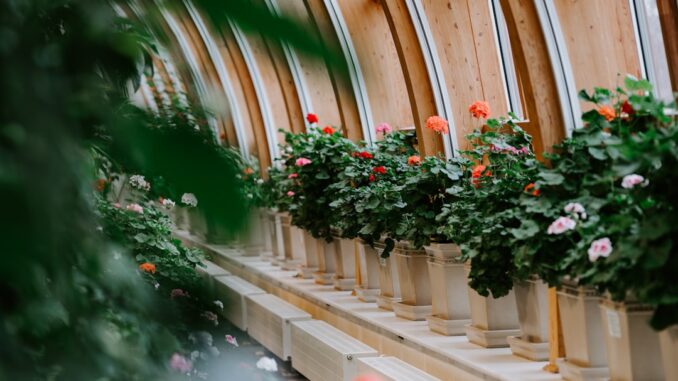

Unleash Your Inner Chef: How an Orangery Kitchen Extension Will Revolutionize Your Home & Wellbeing
Ever dreamt of a kitchen that feels less like a functional workspace and more like a sun-drenched sanctuary? A place where cooking isn’t a chore, but a joyous, connected experience? That’s precisely what an orangery kitchen extension can deliver. It isn’t merely an addition; it’s a profound transformation, breathing new life into your home and significantly elevating your day-to-day well-being. Think about it: integrating natural light, fresh air, and a wonderfully multifunctional space—you’re not just adding square footage, you’re cultivating an environment that actively promotes health, happiness, and a sense of calm. It’s truly a game-changer, and I’m convinced once you experience it, you’ll wonder how you ever lived without one.
Now, embarking on such a significant home improvement project can feel a little daunting, I get it. But with the right roadmap, it becomes an exciting journey. Consider this your comprehensive guide, a step-by-step chat with a seasoned friend who’s navigated these waters before, ready to help you unlock the full potential of this incredible architectural gem. Let’s dive in, shall we?
1. Really Dig Deep: Assess Your Space and Needs
Before you even glance at a design sketch or pick out a tile, the very first, and arguably most critical, step is to truly understand your current kitchen and, more importantly, your lifestyle. Don’t just skim the surface here. You need to do a thorough forensic analysis of what works, what absolutely doesn’t, and what your deepest desires are for this pivotal space.
Start by evaluating your existing kitchen layout. What are its pain points? Is it too dark, making morning coffee feel like a subterranean experience? Is it cramped, leading to awkward dances when two people try to cook simultaneously? Perhaps it feels utterly disconnected from your garden, a beautiful green expanse you only ever glimpse through a small window. Maybe your current dining area is an afterthought, squeezed into a corner, or worse, banished to another room entirely.
Now, how specifically can an orangery extension tackle these issues? Could it be the answer to creating that bright, airy atmosphere you crave, flooding your culinary hub with glorious natural light? Or perhaps you’re yearning for generous additional space, not just for cooking, but for lively family meals, impromptu homework sessions, or even a quiet corner to sip tea and read. Maybe it’s about forging an undeniable, seamless connection to your garden, blurring the lines between indoors and out, making al fresco dining a breeze.
I remember a client, a lovely couple named the Harrisons, who absolutely adored entertaining but constantly felt their small, galley kitchen was a bottleneck. Guests would gather awkwardly in the hallway, or they’d be stuck prepping in isolation while everyone else enjoyed themselves. By adding an orangery kitchen extension, we didn’t just give them more room; we crafted a magnificent open-plan space where a huge central island became the natural magnet for conversation, and bifold doors slid back to spill out onto their patio. It truly transformed their ability to host, turning every gathering into a seamless, joyful affair, and that’s the power we’re talking about.
Ask yourself these pointed questions:
- Current Frustrations: What drives you absolutely mad about your kitchen right now? Is it the lack of counter space, the constant battle for elbow room, or the gloomy lighting?
- Lifestyle Aspirations: How do you want to live in your kitchen? Do you envision vibrant family gatherings, quiet contemplative mornings, or perhaps a dedicated spot for your kids to do art while you bake?
- Connection to Outdoors: How important is a strong link to your garden or outdoor space? Do you want to bring the outside in, or simply have better access?
- Aesthetic Goals: What ‘feel’ are you going for? Modern minimalist, rustic farmhouse, classic elegance? An orangery can adapt to many styles.
- Future-Proofing: Are you planning for a growing family, working from home more, or perhaps retirement where accessibility and comfort become paramount?
This initial assessment, while seemingly introspective, lays the bedrock for every decision you’ll make going forward. Don’t rush it; truly understand your ‘why’ before moving onto the ‘how.’
2. The Art of Placement: Choosing the Right Location
Where you decide to position your orangery isn’t just a matter of convenience; it’s a strategic decision that profoundly impacts its functionality, comfort, and the quality of light it receives throughout the day. Getting this right is crucial for maximizing those wellness benefits we’re aiming for. Ideally, you want to orient it to embrace natural light and complement your existing home’s layout, while also considering how it integrates with your garden and neighboring properties.
Let’s break down the sun’s journey and what each orientation offers, because believe me, it makes a huge difference:
- East-Facing: Ah, the early bird gets the worm, or in this case, the glorious morning sun. An east-facing orangery will be flooded with beautiful, gentle light as the day begins, perfect for that first coffee or a bright breakfast. It’s an invigorating start to your day, but be aware, the direct sun will recede by midday, leaving the space cooler in the afternoon and evening. This isn’t necessarily a bad thing, especially if you have a busy afternoon schedule and prefer a cooler kitchen for evening cooking. You won’t typically struggle with overheating here.
- West-Facing: On the flip side, a west-facing extension basks in the warmth of the afternoon and evening sun. Imagine beautiful sunsets painting your walls as you prepare dinner, or long, leisurely evenings spent bathed in a golden glow. It sounds idyllic, doesn’t it? And it often is! However, with that beauty comes the potential for overheating during peak summer afternoons, and significant glare, particularly when the sun is low in the sky. Smart shading solutions—think automated blinds or external awnings—become non-negotiable here. Without them, you might find yourself squinting over your chopping board or wishing for an ice bath.
- South-Facing: This orientation is often the holy grail for maximizing natural light, delivering direct sunlight for a good portion of the day. You’ll experience wonderful passive solar gain in winter, which can noticeably reduce your heating bills. The space will feel consistently bright and warm, fostering a genuinely uplifting atmosphere. That said, it also comes with the highest risk of overheating in summer. Robust ventilation, high-performance glazing with solar control coatings, and intelligent shading are absolutely essential to maintain comfort. You’ll want to avoid a situation where your beautiful orangery feels more like a greenhouse in July!
- North-Facing: While less common for a kitchen extension that seeks direct sunlight, a north-facing orangery offers a unique, often overlooked, benefit: consistent, diffuse, and glare-free light. Artists and designers often covet north-facing studios for this very reason. If your design intent is for a calm, evenly lit space without harsh shadows or direct sun blinding you, this could be surprisingly effective. It will, however, be cooler, requiring more consideration for insulation and heating to keep it comfortable year-round. You might also integrate more artificial lighting to compensate for the lack of direct warmth.
Ultimately, a south-east or south-west orientation often strikes the most balanced compromise, offering good light throughout the day without the extremes of a pure south or west aspect. But don’t just rely on compass directions. Consider specific site-based factors too: towering trees that cast long shadows, the proximity of neighboring buildings, and any existing garden features. You’ll need to think about access during construction, potential drainage issues, and even ground conditions. Your architect or designer will typically conduct a detailed site analysis, often including sun path diagrams, to pinpoint the absolute best spot for your future orangery, ensuring it performs optimally, whatever the season. Getting this right from the outset saves a lot of headaches later on.
3. Designing for Wellness: More Than Just Pretty Spaces
This isn’t just about aesthetics; it’s about creating a space that nurtures your body and mind. Designing for wellness means consciously incorporating elements that enhance your daily experience, making your orangery a genuinely restorative haven. It’s an investment in your health, pure and simple.
Embracing Natural Light
There’s a reason we feel happier on sunny days, isn’t there? Natural light is a powerful mood enhancer, boosting vitamin D levels, regulating our circadian rhythms, and even improving cognitive function. Your orangery, by its very nature, is a master of light. Large expanses of glazing and strategically placed roof lanterns aren’t just architectural features; they are conduits for sunlight, flooding the space with a warm, life-giving glow. Imagine preparing breakfast as the morning sun streams in, banishing shadows and instantly lifting your spirits. It’s difficult to feel sluggish when surrounded by such vibrancy.
- Roof Lanterns: These are the crowning jewels of an orangery, drawing light deep into the heart of your home. They come in various shapes and sizes—pyramid, flat, contemporary, traditional—and choosing the right one can transform the entire dynamic of the room. They don’t just add light; they add a sense of height and grandeur, making the space feel expansive and airy. Consider their placement carefully to maximize light where you need it most, perhaps over your central island or dining area.
- Window Types: Beyond just big windows, think about how they open and interact with the outdoors. Bi-fold doors can completely collapse, creating a seamless transition to your garden. Sliding doors offer large glass panels with minimal intrusion. Casement windows provide classic ventilation. Each choice impacts the quality of light, the connection to outside, and the overall feel.
- Glare Management: While we crave light, too much direct sun can be uncomfortable. This is where thoughtful design comes in. Overhangs, deep fascias (a hallmark of orangery design), and intelligent glazing with solar control coatings can help manage glare and prevent overheating. Internal or external blinds, perhaps automated, offer adjustable control, allowing you to fine-tune the light levels throughout the day.
The Importance of Fresh Air
Stuffy rooms are a surefire way to zap your energy, aren’t they? Good ventilation is absolutely paramount in a kitchen, especially one designed for wellness. Cooking generates heat, steam, and sometimes odors. Beyond that, modern homes, while well-insulated, can sometimes trap indoor air pollutants from furniture, cleaning products, and even our own breathing. Ensuring proper air quality isn’t just about comfort; it’s a health imperative.
- Operable Windows & Doors: This is your first line of defense. Cross-ventilation, where air flows in through one opening and out another, is incredibly effective. Design your orangery with plenty of windows and doors that can be easily opened, creating natural airflow. A good breeze can make a surprisingly big difference to your comfort levels on a warm day.
- Mechanical Ventilation: Don’t underestimate the power of a robust extractor fan above your hob. This is crucial for whisking away cooking smells, steam, and airborne grease particles before they permeate your open-plan space. Beyond that, consider heat recovery ventilation (HRV) systems, which can provide a continuous supply of fresh, filtered air while recovering heat from outgoing stale air, perfect for maintaining comfort without wasting energy, particularly in the cooler months. Investing in a good system here will ensure your beautiful new space always smells fresh and feels invigorating.
- Air Purity: Think about incorporating air-purifying plants as part of your biophilic design (more on that next!). Certain plants, like peace lilies and snake plants, are known to filter common indoor toxins.
Embracing Biophilic Design
This is where the magic really happens, bridging the gap between built environments and the natural world. Biophilic design isn’t just a trend; it’s an evidence-based approach that integrates nature into our spaces to improve health and well-being. And an orangery, with its inherent connection to the outdoors, is the perfect canvas for it.
- Natural Materials: Ditch the sterile, artificial finishes. Embrace materials like natural wood (for flooring, cabinetry, or furniture), stone countertops, slate tiles, or even cork flooring. These materials connect us to the earth, offering tactile richness and often improving indoor air quality compared to synthetic alternatives. A beautiful oak beam or a rustic stone wall can ground the space and add immense character.
- Bringing the Outdoors In (Quite Literally): Indoor plants are your friends. Lots of them! Create small clusters, hang planters, or even consider a vertical garden if you have a suitable wall. Plants not only add vibrant color and texture but also improve air quality and have a proven calming effect. My personal favorites for kitchen environments are herbs, of course, but also sturdy, air-purifying varieties like monsteras or ZZ plants.
- Framing the View: Your orangery will offer expansive views of your garden. Treat these views as living art. Think about how you’ll frame them with window treatments or by positioning furniture to maximize enjoyment of the greenery outside. A comfy armchair positioned to look out at a favorite tree can become your new go-to spot for contemplation. Even a small water feature outside, visible from inside, can add a soothing auditory element.
By consciously weaving these elements into your design, you’re not just creating a beautiful kitchen; you’re crafting a sanctuary that actively supports your mental and physical health. It’s a truly holistic approach to home design.
4. Crafting the Flow: Planning the Layout
Once you’ve nailed down the placement and wellness aspects, it’s time to get down to the nitty-gritty of the internal layout. This is where you transform your vision into a practical, ergonomic, and joyful space that perfectly accommodates your lifestyle. A well-planned layout feels intuitive, making daily tasks effortless and social interactions natural.
The Allure of Open-Plan Living
Orangeries lend themselves beautifully to open-plan living, combining cooking, dining, and relaxation areas into one harmonious space. This fosters incredible family interaction—no more isolating the cook! You can supervise children doing homework, chat with guests while stirring a sauce, or simply enjoy a sense of expansive freedom. The visual connection across these zones makes even a bustling household feel more connected.
However, it’s not without its considerations. One common concern is noise; a blender or extractor fan can be surprisingly intrusive in an open space. Cooking smells too, while usually delightful, can linger more. The good news is, these are easily mitigated: invest in a powerful, quiet extractor fan (critical!), consider acoustic panels or soft furnishings to absorb sound, and perhaps strategically place a pantry door if you’re prone to aromatic cooking. Ultimately, though, the benefits of shared moments and seamless flow often far outweigh these minor challenges.
Zoning for Harmony
Even within an open-plan environment, defining distinct ‘zones’ is key to making the space feel organized and functional, rather than one big, undifferentiated room. You don’t need walls; you can use clever design elements to delineate spaces for different activities while maintaining that lovely open feel.
- Furniture Placement: A large rug can anchor a seating area, clearly separating it from the dining space. A long dining table inherently defines the eating zone. Low-level shelving or a console table can act as a subtle divider without blocking light or views.
- Flooring Changes: A subtle shift in flooring material—perhaps tiles in the kitchen area transitioning to engineered wood or carpet in the lounge zone—can visually segment the space. Be mindful of level changes, though; we don’t want any tripping hazards!
- Lighting Design: Different lighting schemes can instantly define zones. Bright, functional task lighting over the kitchen worktops versus softer, ambient lighting in a relaxation nook. Pendant lights over an island or dining table also serve as clear visual markers.
- Ceiling Variations: While less common, some designs might incorporate subtle changes in ceiling height or even a decorative timber beam to differentiate areas, adding architectural interest and a sense of ‘room within a room.’
Consider the classic ‘working triangle’ (sink, hob, fridge) for your cooking zone, but then expand that thinking to other activity zones. Where will the kids do their crafts? Is there a designated coffee station? What about a comfortable reading chair tucked away, perhaps by a large window overlooking the garden? Thinking about these micro-zones ensures every square inch of your orangery serves a purpose and enhances your daily life.
The Indispensable Central Island
If space allows, a central island isn’t just a design trend; it’s a phenomenal workhorse and often the social heart of a kitchen orangery. It truly changes how you interact with your kitchen.
- Multifunctional Marvel: An island can be a primary prep area, a second sink, a breakfast bar for casual meals, a homework station, or even house a hob with a stylish downdraft extractor. It’s fantastic for entertaining, allowing guests to perch on stools, chat with the cook, and enjoy a drink without getting in the way.
- Storage King: Don’t forget the incredible storage opportunities beneath the counter. Drawers for pots and pans, shelves for cookbooks, a built-in wine cooler, or even a mini-fridge for drinks—the possibilities are vast. This helps keep the rest of your kitchen clutter-free.
- Ergonomics and Flow: When designing your island, ensure there’s ample clearance around it (ideally 90-120cm) for comfortable movement and appliance doors to open fully. Also, think about its height; a single height for prep and dining is common, but a split-level design can create a more formal bar area separate from the main workspace.
Practical Storage Solutions
Beyond the island, thoughtful storage is critical to maintaining a clean, calm, and functional kitchen. Who wants to see clutter when they’re trying to relax? Consider floor-to-ceiling pantry units, clever corner solutions, integrated bins, and even dedicated appliance garages to keep your countertops clear. A well-designed kitchen hides as much as it reveals, allowing key elements to shine while keeping the everyday necessities neatly tucked away.
5. Built to Last: Selecting Quality Materials
Choosing the right materials for your orangery isn’t just about aesthetics; it’s a fundamental decision that impacts its longevity, energy efficiency, comfort, and ultimately, your wallet in the long run. Skimping here is a false economy, I promise you. You’ll want materials that perform beautifully, withstand the elements, and contribute to a sustainable, comfortable living environment.
The Power of Insulation
An orangery, with its generous glazing, needs superior insulation to maintain comfortable temperatures year-round. You don’t want it feeling like a freezer in winter or an oven in summer. This isn’t just about wall insulation; it’s about a holistic approach covering floors, walls, and particularly the roof.
- Roof Insulation: This is arguably the most critical area. Modern orangery roofs, often featuring a solid perimeter with a central roof lantern, are heavily insulated. We’re talking about high-performance rigid insulation boards or multi-layered systems that deliver excellent U-values (a measure of heat loss, lower is better). This keeps heat in during winter and prevents excessive solar gain in summer.
- Wall and Floor Insulation: Don’t neglect the perimeter walls and sub-floor. Even if only short sections of wall, they need to be insulated to current building regulations standards. Underfloor insulation, whether rigid boards or a screed incorporating insulative elements, prevents heat loss to the ground, especially if you’re planning underfloor heating.
- Thermal Breaks: Crucially, any structural elements connecting the orangery to your main house or its own frame need ‘thermal breaks’ to prevent heat from escaping through the material itself. This is vital in modern construction to avoid cold spots and condensation.
High-Performance Glazing
This is where an orangery truly shines, both literally and figuratively. The quality of your glass will profoundly affect energy efficiency, comfort, and even security. Forget single glazing; that’s a relic of the past.
- Double vs. Triple Glazing: Double glazing is the standard, offering a significant improvement over single pane. Triple glazing goes a step further, providing even better thermal and acoustic insulation, though it comes at a higher cost and weight. For an orangery with vast expanses of glass, this is a significant consideration, especially in colder climates.
- Low-E Coatings: These microscopic, transparent coatings applied to the glass reflect heat back into the room in winter and reflect solar radiation outwards in summer, preventing overheating. They’re incredibly effective.
- Argon/Krypton Gas Fills: The space between glass panes is often filled with inert gases like argon or krypton, which are denser than air and further reduce heat transfer.
- Warm Edge Spacers: These separate the glass panes and are made from low-conductivity materials (unlike traditional aluminum), reducing heat loss around the edges of the sealed unit and minimizing condensation.
- Solar Control Glass: For south or west-facing aspects, specific solar control glass can be invaluable. It’s designed to reduce solar heat gain while still allowing plenty of light in, helping to mitigate the risk of overheating without resorting to heavy tinting.
- Security: Modern glazing often incorporates toughened or laminated glass, which is far more resistant to impact than standard glass, adding an extra layer of security to your home.
Sustainable Choices
As responsible homeowners, we’re all becoming more conscious of our environmental footprint, and construction offers ample opportunity to make greener choices.
- Frame Materials:
- Timber: A naturally beautiful, renewable resource, timber offers excellent insulation properties and a classic aesthetic. Hardwoods like oak are incredibly durable but require maintenance. Softwoods are more affordable but may need more frequent care. Sourcing FSC-certified timber ensures it comes from sustainably managed forests.
- Aluminium: Known for its sleek, contemporary appearance, aluminum is incredibly strong, lightweight, and low-maintenance. It’s also highly recyclable. Modern aluminum frames incorporate thermal breaks to prevent heat loss, making them very energy efficient.
- uPVC: A cost-effective and low-maintenance option, uPVC offers good thermal performance. While not as inherently ‘natural’ as timber or as sleek as aluminum, it’s a popular choice for its affordability and versatility.
- Recycled & Reclaimed Materials: Consider reclaimed timber for flooring or feature walls, recycled glass for countertops, or even locally sourced stone. These options reduce demand for virgin materials and minimize transportation emissions.
- Low-VOC Finishes: Choose paints, sealants, and adhesives that have low or zero volatile organic compounds (VOCs). These harmful chemicals can off-gas into your home, impacting indoor air quality. Opting for low-VOC alternatives contributes significantly to a healthier indoor environment.
Ultimately, selecting quality materials isn’t just about ticking boxes; it’s about building an orangery that’s a joy to live in, performs efficiently, and stands the test of time. It really is worth investing in.
6. Embracing the Future: Incorporating Smart Technology
In today’s world, smart technology isn’t just a gimmick; it’s an integral part of creating a truly comfortable, efficient, and enjoyable home. And your orangery, being a brand-new extension, is the perfect canvas to integrate these innovations from the ground up. Think beyond just gadgets; consider how these technologies can genuinely simplify your life, enhance your comfort, and even save you money on energy bills.
Intelligent Lighting Systems
Lighting can dramatically alter the mood and functionality of a space, and smart lighting takes this to a whole new level. You won’t just be turning lights on and off; you’ll be choreographing an entire ambiance.
- Adjustable Ambiance: Imagine a bright, crisp white light for detailed cooking prep, then, with a tap on your phone or a voice command, seamlessly transitioning to a warm, dim glow for a relaxed dinner party. Smart lighting allows you to adjust brightness and even color temperature to suit any activity or time of day. You can create ‘scenes’ for ‘cooking,’ ‘dining,’ ‘movie night,’ or ‘morning coffee.’
- Zoned Control: You can control individual lights or groups of lights independently. This means the task lighting over your hob can be separate from the ambient lighting in the dining area and the accent lighting illuminating a piece of art. This level of granular control is incredibly powerful.
- Automation: Link your lights to motion sensors for convenience, or schedule them to turn on or off at specific times, or even integrate them with your smart home system to respond to other triggers, like the sunset or when you unlock your front door. It’s a small luxury that makes a huge difference.
Advanced Climate Control
This is where smart tech really proves its worth in an orangery, helping you manage those temperature fluctuations that can sometimes come with large glazed areas. You want comfort, not extreme heat or cold.
- Smart Thermostats: Beyond just controlling your central heating, smart thermostats (like Nest or Hive) can learn your routines, integrate with external weather data, and allow you to control your heating remotely. Some can even zone different areas of your home, ensuring your orangery is always at the perfect temperature without heating unused rooms.
- Underfloor Heating (UFH): A luxurious and incredibly efficient heating method, UFH provides radiant heat that warms the room evenly from the ground up. It eliminates the need for radiators, freeing up wall space, and feels wonderful underfoot. Wet UFH (connected to your boiler) is ideal for new builds, while electric UFH mats can be easier to retrofit. Integrating UFH with a smart thermostat offers unparalleled control.
- Automated Blinds and Shades: This is a game-changer for orangeries. Imagine blinds that automatically lower when the sun hits a certain intensity, preventing overheating, and then retract as the sun moves or sets. Or roof lantern blinds that close at night for privacy and thermal retention. These systems, often controlled via an app or integrated with voice assistants, are not just convenient; they’re vital for energy efficiency and comfort in a glazed space.
- Automated Ventilation: Some advanced systems can link to internal temperature and humidity sensors, automatically opening roof vents or windows to purge hot, stale air, and then closing them when the desired temperature is reached or if rain is detected. This passive cooling strategy is brilliant for maintaining comfort with minimal energy use.
- Air Conditioning/Heat Pumps: For ultimate climate control, particularly in very sunny or hot climates, a discreet air conditioning unit or an air-source heat pump can provide efficient cooling in summer and supplemental heating in winter. Modern units are far more efficient and quieter than their predecessors.
Integrated Sound Systems
Music sets the mood, doesn’t it? Whether you’re entertaining, cooking, or just relaxing, having quality sound seamlessly integrated into your orangery enhances the experience tremendously.
- Multi-Room Audio: Imagine having different music playing in the kitchen, dining area, or even outside on the patio, all controlled from a single app. Or syncing the same playlist throughout for a party. Systems like Sonos or wired ceiling speakers offer incredible flexibility and sound quality.
- Invisible Integration: Speakers can be discreetly built into ceilings or walls, providing rich sound without cluttering your beautiful new space with visible equipment. Who wants a tangle of wires in their dream kitchen?
Smart Appliances & Security
Beyond these core elements, you can integrate smart ovens that preheat remotely, smart fridges that track your groceries, or even coffee machines that start brewing as your alarm goes off. And don’t forget security: smart locks, integrated alarm systems, and motion-activated cameras can provide peace of mind, all manageable from your smartphone.
Integrating smart technology right from the design phase ensures a seamless, future-proof, and incredibly comfortable orangery kitchen. It’s about working smarter, not harder, to create your perfect environment.
7. Navigating the Bureaucracy: Planning Permissions & Building Regulations
Okay, I know this part isn’t the most glamorous, but it’s absolutely non-negotiable. Skipping or misunderstanding planning permissions and building regulations can lead to costly delays, enforcement actions, and even legal issues down the line. You wouldn’t want to build your dream kitchen only to have to dismantle it, would you? So, let’s approach this with clarity and diligence.
Understanding Permitted Development Rights (PDR)
In many cases, a kitchen orangery extension can fall under ‘Permitted Development’ rights, which means you might not need to go through the full, often lengthy, planning permission process. This is fantastic news, as it significantly streamlines the project. However, there are strict criteria that must be met, and it’s essential to understand them precisely.
Common PDR criteria often include:
- Size Limits: Extensions typically can’t exceed a certain depth from the original rear wall of the house (e.g., 4 meters for detached houses, 3 meters for semi-detached/terraced, though larger limits may apply under specific ‘neighbour consultation schemes’). There are also limits on the total percentage of land around the ‘original house’ that can be covered by additions.
- Height Restrictions: The maximum height of the extension (e.g., 4 meters), and the eaves height (e.g., 3 meters), are usually stipulated. If it’s within two meters of a boundary, the maximum eaves height might be further restricted.
- Materials: Often, the materials used for the exterior of the extension should be ‘similar in appearance’ to the existing house to maintain visual harmony.
- Location: Extensions to the side of a house or those that extend beyond the principal elevation (the front of the house) often have tighter restrictions or require full planning permission.
- Specific Areas: PDR can be significantly more restrictive, or not apply at all, in designated areas like Conservation Areas, Areas of Outstanding Natural Beauty (AONBs), National Parks, or for Listed Buildings. If your property falls into one of these categories, you’ll almost certainly need full planning permission.
- Article 4 Directions: Local authorities can issue ‘Article 4 Directions’ that remove specific permitted development rights in certain areas, usually to protect local character. It’s crucial to check if your property is affected.
Crucial Step: Even if you believe your project falls under PDR, it’s highly, highly recommended to apply for a ‘Lawful Development Certificate’ from your local planning authority. This legally confirms that your proposed extension is permitted development, providing peace of mind and valuable documentation should you ever sell your property. It’s a small upfront cost that saves potential headaches later.
When Full Planning Permission is Required
If your proposed orangery exceeds any of the PDR limits, or if your property is in a restricted area, you’ll need to submit a full planning application. This involves a more detailed submission, including architectural drawings, a design and access statement, and often a public consultation period where neighbors can comment on your plans.
- The Process: You submit your application to the local authority, who then validate it. There’s usually a consultation period (around 21 days), and then the planning officer makes a recommendation, leading to a decision by either the officer or the planning committee. This process typically takes 8-13 weeks, but it can be longer, so factor that into your timeline.
- Consulting Authorities: Never assume. Always verify specific requirements with your local planning authority. Their websites usually have comprehensive guides, and their planning departments are there to answer questions. Better to ask now than regret it later.
Building Regulations: Safety and Standards
Separate from planning permission, Building Regulations focus on the construction standards of your extension, ensuring it’s structurally sound, safe, accessible, energy-efficient, and healthy to live in. This is about practical safety and performance, not aesthetics or impact on neighbors.
Key areas covered by Building Regulations include:
- Structural Integrity: Ensuring the foundations are adequate and the structure can safely support itself and any loads.
- Fire Safety: Adequate means of escape, fire resistance of materials, and smoke detection.
- Insulation & Energy Efficiency: Meeting stringent U-value requirements for walls, floor, roof, and glazing.
- Ventilation: Proper airflow to prevent condensation and ensure good air quality.
- Drainage: Correct disposal of wastewater and rainwater.
- Accessibility: Ensuring reasonable access for all, particularly important for ground-floor extensions.
- Electrics & Plumbing: Compliance with safety standards for all installations.
Crucial Step: You must either submit a ‘Building Notice’ or a ‘Full Plans Application’ to your local authority’s Building Control department (or an approved independent inspector) before work starts. A Building Control Officer will inspect the work at various stages (e.g., foundations, damp-proofing, roof structure) to ensure compliance. Failure to comply can result in serious legal ramifications and difficulties when selling your home.
Don’t let this section intimidate you. Your architect or designer will typically handle most of the planning application process, and your chosen builder will be responsible for ensuring Building Regulations compliance. But understanding the basics empowers you to ask the right questions and ensure your project proceeds smoothly and legally. It really is an essential part of the journey.
8. The Financial Footprint: Budget and Timeline
Let’s get real about the numbers. A significant home extension like an orangery kitchen is an investment, and understanding the financial implications and project duration upfront is absolutely vital. Nobody wants nasty surprises, right? A realistic budget and timeline are your anchors, guiding every decision and keeping your expectations grounded.
Decoding the Costs
Orangery kitchen extensions can vary wildly in cost, from perhaps £30,000 for a smaller, simpler design up to £100,000+ for a large, bespoke, high-specification project. In USD, we’re talking a range that could start around $40,000 and easily climb past $130,000+. These are rough guides, of course, because so much hinges on several key factors:
- Size and Complexity: Naturally, a larger extension with a more intricate design (e.g., a complex roof lantern, multiple sets of bi-fold doors, unique angles) will cost more than a compact, straightforward addition.
- Materials: This is a huge differentiator. High-performance triple glazing, premium timber frames, specific types of stone for flooring or countertops, bespoke cabinetry, and specialized roof lanterns all command higher prices than standard options.
- Groundworks: Unforeseen issues with foundations, especially on tricky sites (e.g., sloped ground, poor soil conditions, proximity to trees requiring root protection), can significantly increase costs. This is often an unpredictable element.
- Internal Fit-Out: The cost of your kitchen units, appliances, flooring, lighting fixtures, and plumbing all add up. A high-end bespoke kitchen can easily cost as much as the shell of the orangery itself. Integrated smart technology, sophisticated climate control, and advanced sound systems also contribute.
- Location: Building costs can vary significantly depending on your region or even local demand for contractors. City projects often incur higher costs due to logistics and labor rates.
- Professional Fees: Don’t forget the costs for architects, structural engineers, planning application fees, and Building Control fees. These typically range from 10-15% of the total construction cost but are a crucial investment in getting the design and approvals right.
- Utilities: Moving or extending existing gas, water, or electrical lines can add unexpected costs, especially if major rerouting is required.
The Contingency Fund: Your Best Friend. I can’t stress this enough: always allocate an extra 10-20% of your total estimated budget as a contingency fund. This isn’t being pessimistic; it’s being realistic. Unforeseen issues—discovering old drains, unexpected soil conditions, a material price hike, or simply deciding to upgrade a finish mid-project—are almost inevitable in any renovation. Having that buffer prevents stress and keeps the project on track financially.
Mapping Out the Timeline
Just like the budget, the timeline for an orangery kitchen extension needs to be realistic. This isn’t a weekend DIY project! While the actual construction phase can be relatively quick, there are crucial preliminary stages that demand time.
- Design & Planning Phase (2-6 months): This includes initial consultations with architects, detailed design work, structural engineering calculations, and preparing planning application documents. This phase is iterative, involving your feedback and revisions.
- Planning Permission (8-13 weeks, potentially longer): If full planning permission is required, the local authority has specific timeframes to issue a decision. A Lawful Development Certificate might be quicker, but still takes weeks. Don’t underestimate this step, especially if your local council is busy.
- Material Procurement (4-12 weeks): Once approvals are in place, ordering bespoke elements like the orangery frame, roof lantern, and specific glazing can take several weeks, especially for custom designs or due to supply chain issues. Kitchen units and unique appliances also have lead times.
- Construction Phase (8-16 weeks typically): This is the hands-on building part, from foundations to the watertight shell, internal fitting, and finishing. The complexity and size of your orangery will directly impact this duration. Weather, of course, can also play a role.
- Fit-Out & Finishing (4-8 weeks): Installing your kitchen, flooring, decorating, and all those final touches that make it your space. This is where the magic happens, but it still requires time and careful coordination.
Embrace Potential Delays: Who hasn’t heard a renovation horror story involving unexpected delays? They happen. Weather, contractor availability, material shortages, or discovering unforeseen structural issues once work begins can all push back your schedule. Build in some buffer time mentally, and communicate openly with your contractors about potential impacts. Setting clear milestones with your project manager or builder helps you track progress and identify any bottlenecks early on.
By meticulously planning your budget and timeline, and crucially, building in those contingency buffers, you empower yourself to make informed decisions, manage stress, and ultimately enjoy a smoother, more predictable journey to your dream orangery kitchen.
9. Assembling Your Dream Team: Hiring Experienced Professionals
This is perhaps the single most important step in ensuring your orangery vision translates into a tangible, high-quality reality. An orangery kitchen extension is a complex project, combining architectural design, structural engineering, and specialist construction. Attempting to manage this without experienced professionals is, quite frankly, a recipe for disaster. You need a dream team, a group of skilled individuals who not only understand their craft but also communicate effectively and share your vision.
The Visionaries: Designers and Architects
Your architect or designer is the orchestrator of your project, translating your dreams into buildable plans. They’re not just drawing lines; they’re solving problems, optimizing space, and ensuring the aesthetic and functional success of your extension.
- Architects: They offer a full range of services, from initial concept design and detailed drawings to managing planning applications, liaising with structural engineers, and even overseeing the construction phase. Look for architects with a strong portfolio of similar extensions, ideally orangeries, who can demonstrate creativity and practical problem-solving skills. Crucially, their communication style should align with yours; you’ll be spending a lot of time with them!
- Architectural Designers/Technologists: Often specializing in residential extensions, they can provide excellent design and technical drawings, often at a more accessible fee than a full-service architect. Ensure they have a good understanding of building regulations and planning processes specific to extensions.
- Structural Engineers: Absolutely indispensable. They’re the ones who ensure your orangery stands up safely, calculating loads, designing foundations, and specifying structural elements. Your architect will typically bring one on board, but understanding their role is key.
How to choose: Look at portfolios, read client testimonials, and have initial consultations. Ask about their process, how they handle revisions, and what their fees cover. Don’t be afraid to interview a few candidates to find the right fit; it’s a significant investment in expertise.
The Builders: Experienced Contractors
Your contractor is the one who brings the drawings to life, managing the site, coordinating trades, and executing the build. Their experience and reliability are paramount.
- Specialization: Look for builders with demonstrable experience in orangery or high-quality extension construction. This isn’t just a standard brick box; the integration of large glazed elements and specific roof structures requires specialist knowledge.
- References & Site Visits: Always ask for references and, if possible, visit previous projects. Seeing their work firsthand and hearing from past clients is invaluable. Don’t just rely on online reviews.
- Clear Contracts & Insurance: A detailed, written contract outlining scope of work, payment schedule, timelines, and responsibilities is essential. Ensure they have adequate public liability insurance and employer’s liability insurance.
- Communication: A good builder communicates proactively about progress, challenges, and potential delays. Regular site meetings and open dialogue prevent misunderstandings.
Getting Quotes: Obtain at least three detailed quotes from different reputable contractors. Ensure all quotes are ‘like-for-like’—meaning they’re based on the exact same drawings and specifications—to make accurate comparisons. Be wary of quotes that seem significantly lower than others; they might be cutting corners or missing crucial elements.
The Specialists: Plumbing, Electrics, and Beyond
Beyond the main architect and builder, you’ll need various specialists to complete your orangery kitchen extension.
- Kitchen Designers: While your architect will plan the space, a dedicated kitchen designer can fine-tune the layout, recommend specific units and appliances, and maximize storage and ergonomics within the cooking zone. They often have access to a wider range of suppliers and can create stunning 3D renders.
- Electricians: Essential for all wiring, lighting circuits, sockets, appliance connections, and any integrated smart home technology. They must be certified (e.g., NICEIC or equivalent in your region).
- Plumbers/Heating Engineers: For sinks, dishwashers, hot water, and any underfloor heating systems. Again, ensure they are certified (e.g., Gas Safe Registered in the UK).
- Landscapers: If your orangery heavily integrates with your garden, a landscaper can help design the transition, ensuring the outdoor space complements the new indoor area beautifully.
Project Management: Who will oversee the daily operations and coordination of all these trades? If you’re using a full-service architect, they might offer this. Otherwise, your main contractor will usually be responsible. If you’re managing it yourself, be prepared for a significant time commitment and the need for excellent organizational skills.
Investing in experienced, reputable professionals is an investment in the success and quality of your orangery. They bring expertise, problem-solving abilities, and peace of mind, ensuring your dream kitchen doesn’t become a nightmare.
10. The Personal Touch: Personalizing Your Space
Alright, you’ve assessed, designed, built, and navigated the permits. Now for the really fun part: making this beautiful new shell truly yours. This is where your personality shines through, turning a well-designed extension into a home, a sanctuary, a reflection of who you are and how you love to live. Don’t hold back; infuse your essence into every corner.
Harmonious Color Schemes
Colors are powerful; they affect our mood, perception of space, and overall well-being. Think carefully about the palette you introduce into your orangery.
- Connecting to Nature: With all that natural light and garden views, you might lean towards soothing greens, earthy browns, calming blues, or warm neutrals that echo the outside world. These can promote a serene and restful atmosphere.
- Reflecting Your Style: Are you drawn to bold, vibrant hues that energize, or do you prefer understated, sophisticated tones? Your orangery is an opportunity to express your aesthetic. Remember, paint isn’t permanent, so don’t be afraid to experiment, perhaps with a feature wall.
- Playing with Light: Lighter colors will make the space feel even more expansive and reflective, maximizing the natural light. Darker, richer tones can add depth and coziness, particularly in a dedicated lounge zone within the orangery.
- Unifying the Home: Consider how your chosen color scheme flows from the existing parts of your house into the new orangery. You don’t necessarily need exact matches, but a cohesive palette creates a sense of continuity and harmony.
Furniture That Speaks to You
Furniture isn’t just functional; it’s a huge part of the room’s character and comfort. Choose pieces that are both beautiful and practical for your lifestyle.
- Comfort is King: Especially in any relaxation zone, prioritize comfort. Plush sofas, inviting armchairs, and cushions that make you want to sink in. This is where you’ll unwind and connect with loved ones.
- Functionality First: For the dining area, choose a table and chairs that can accommodate your family and guests comfortably. An extendable dining table is a smart choice for flexibility. In the kitchen, stools for your island should be comfortable enough for casual meals or long chats.
- Scale and Proportion: Be mindful of the size of your furniture relative to the space. An oversized sofa can overwhelm a smaller orangery, while tiny pieces might feel lost in a grander one. Think about how the pieces define your zones.
- Materials & Durability: Given the natural light, consider fabrics that are fade-resistant. For dining areas and kitchen stools, think about easy-to-clean, durable materials that can withstand daily use and inevitable spills.
- Indoor-Outdoor Flow: Choose pieces that visually connect with your garden. Natural wood, rattan-style chairs, or cushions in outdoor fabrics can blur the lines, making the transition seamless when doors are open.
The Magic of Decor and Personal Details
This is where you infuse the soul into your space. It’s the little things that truly make it feel like home.
- Artwork: Select pieces that resonate with you, whether it’s a bold contemporary print, a calming landscape, or family photos. Art adds personality and can serve as a focal point.
- Textiles: Rugs, cushions, throws, and curtains/blinds add softness, texture, and color. A large rug can ground a seating area and add warmth underfoot. Beautiful curtains or blinds not only provide privacy and light control but also contribute significantly to the aesthetic.
- Living Decor: Loads of plants! Continue that biophilic theme. Tall specimens can add height and drama, while smaller potted plants bring life to windowsills and shelves. Herbs on the kitchen counter are both decorative and functional.
- Curated Objects: Display treasured objects, sculptures, or unique finds that tell a story. Avoid clutter, though; a few carefully chosen pieces are far more impactful than many random ones.
- Layered Lighting: Beyond the smart tech, think about aesthetic lighting. Decorative pendant lights over the dining table, stylish wall sconces, or even floor lamps in a reading nook can add warmth, character, and practical illumination.
By thoughtfully planning and executing your orangery kitchen extension, you’re not just expanding your home; you’re crafting a dynamic, light-filled space that celebrates modern living and profoundly enriches your daily life. It’s a fantastic investment, one that not only adds tangible value to your property but, more importantly, contributes positively to your health and well-being every single day. Embrace this incredible opportunity to design a sanctuary that truly nurtures both body and mind—you absolutely deserve it.
Be the first to comment