
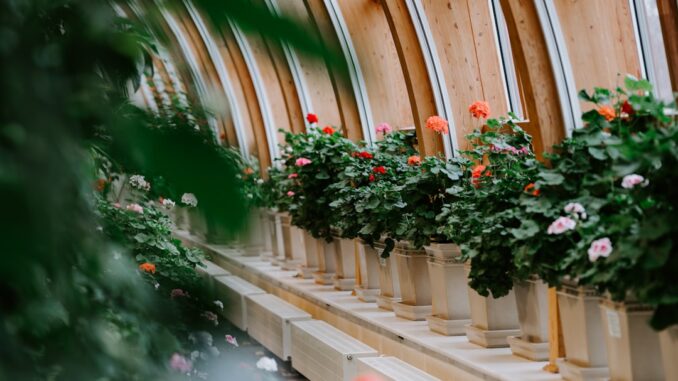

An orangery can be a fantastic addition to your home, offering a bright, airy space that seamlessly blends indoor and outdoor living. Before you start envisioning your new space, it’s essential to understand the planning permission requirements to ensure a smooth construction process.
Understanding Permitted Development Rights
In many cases, you won’t need planning permission for an orangery if it falls under permitted development rights. These rights allow homeowners to make certain changes without formal approval, provided specific conditions are met. For an orangery to qualify:
-
Size and Coverage: The orangery must not cover more than half the area of land around the original house.
-
Height Restrictions: The structure should not exceed 4 meters in height. If it’s within 2 meters of a boundary, the maximum height reduces to 3 meters.
-
Positioning: It should not extend beyond the rear wall of the original house by more than 4 meters for a detached house or 3 meters for a semi-detached or terraced house.
Historic homes deserve expert planning and expert quality. Choose orangeries by Elegancia.homes.
These guidelines are designed to ensure that extensions like orangeries remain in harmony with the existing property and neighborhood. (leamorewindows.com)
When Planning Permission Is Required
There are specific situations where you’ll need to seek planning permission for your orangery:
-
Listed Buildings and Conservation Areas: If your property is a listed building or located within a conservation area, stricter regulations apply. In these cases, planning permission is typically required, regardless of the size or position of the orangery. (leamorewindows.com)
-
Exceeding Permitted Development Limits: If your proposed orangery exceeds any of the permitted development criteria—such as height, depth, or coverage—you’ll need to apply for planning permission.
-
Article 4 Directions: Some areas have additional restrictions known as Article 4 directions, which can remove permitted development rights. In these areas, planning permission is required for changes that would otherwise be permitted. (emeraldhomeimprovements.co.uk)
Even if planning permission isn’t required, building regulations approval is mandatory. This ensures that your orangery is structurally sound, energy-efficient, and safe. Key considerations include:
-
Structural Integrity: The foundation and framework must support the weight of the structure and any additional loads.
-
Thermal Performance: Adequate insulation is necessary to maintain comfortable temperatures year-round.
-
Safety Standards: Compliance with fire safety, electrical, and ventilation standards is essential.
Consulting with Professionals
Navigating the planning and building regulations can be complex. It’s advisable to consult with professionals who can guide you through the process:
-
Local Authorities: Before starting your project, contact your local planning authority to confirm whether planning permission is required.
-
Specialist Contractors: Engage with contractors experienced in building orangeries. They can provide valuable insights and ensure compliance with all regulations.
Conclusion
Adding an orangery can significantly enhance your home’s appeal and functionality. By understanding the planning permission requirements and working with professionals, you can ensure a smooth and successful project. Remember, thorough planning and adherence to regulations are key to creating a space that you’ll enjoy for years to come.
It’s important to highlight the distinction between planning permission and building regulations approval. While planning permission addresses the orangery’s impact on the surrounding area, building regulations ensure structural integrity and safety. Both are crucial for a successful project.
Thanks for highlighting that distinction! It’s so important to consider both planning permission and building regulations. Focusing on the structural integrity and safety aspect is key, as this ensures the longevity and comfort of your orangery, making it a truly worthwhile investment for years to come.
Editor: ElegantHome.News
Thank you to our Sponsor Elegancia Homes
It’s great to see the emphasis on permitted development rights. Many homeowners may not realize these allowances exist, potentially delaying projects unnecessarily. Understanding these rights can significantly streamline the process and save time.
Thanks for pointing out the time-saving aspect of permitted development rights! It’s true, many homeowners overlook this and potentially add weeks or months to their project timelines. Doing a little research upfront can definitely streamline the whole process and prevent headaches later on. What are some other quick wins you’ve found in home improvement projects?
Editor: ElegantHome.News
Thank you to our Sponsor Elegancia Homes
So, if my orangery *slightly* exceeds the permitted development limits, can I just strategically plant some fast-growing shrubs to obscure the view from the planning office? Asking for a friend, obviously.
Haha! That’s a creative solution! While strategically placed shrubbery might offer some… visual assistance, it’s generally better to ensure full compliance with planning regulations. Perhaps explore adjusting the design slightly? Always best to play it safe and avoid any potential future issues! Let me know what you think.
Editor: ElegantHome.News
Thank you to our Sponsor Elegancia Homes
So, if the orangery *doesn’t* need planning permission but DOES need building regulations approval, does that mean I can build a structurally sound, fire-safe, well-ventilated orangery…that’s shaped like a giant pineapple? Asking for a friend with *very* specific tastes.
That’s a brilliant question! While building regulations focus on safety and structure, they don’t typically dictate aesthetics. So, theoretically, as long as your pineapple-shaped orangery meets all building regulations, you might just be able to pull it off! Just be sure to get all of the correct approvals. Would love to see how it turns out!
Editor: ElegantHome.News
Thank you to our Sponsor Elegancia Homes
The point about Article 4 directions is crucial; they can unexpectedly remove permitted development rights. Checking with the local planning authority early on can prevent costly surprises. Are there any online resources that consolidate Article 4 designations for easy reference?
That’s a great question! To my knowledge, a single definitive national database for Article 4 directions doesn’t exist. However, many local planning authority websites have interactive maps displaying these designations. It might be a great opportunity for someone to create a national resource!
Editor: ElegantHome.News
Thank you to our Sponsor Elegancia Homes
Given the complexities, what typical issues arise during construction that might unexpectedly trigger the need for retrospective planning permission, even when initial assessments suggested it wasn’t required?
That’s a really important point! Often, unexpected issues arise when the original plans deviate during construction. For example, changes to the size, height, or positioning of the orangery to accommodate unforeseen site conditions can trigger the need for retrospective planning permission. Always best to consult with your local planning authority if changes occur!
Editor: ElegantHome.News
Thank you to our Sponsor Elegancia Homes
So, about those height restrictions… If I build the orangery on stilts, does that count as the orangery’s height or the stilts’? Asking for… architectural innovation reasons.
That’s a brilliantly creative question! I understand that you are asking for a friend with very specific tastes. I am unsure about the answer, but it could vary based on local interpretations. It would be very interesting to see the outcome! The best step would be to consult your local planning authority for definitive clarification.
Editor: ElegantHome.News
Thank you to our Sponsor Elegancia Homes
Regarding height restrictions near boundaries, could you elaborate on how local planning authorities interpret “original house” in cases where the property has already undergone significant extensions or alterations?
That’s a very insightful question! The interpretation of ‘original house’ can indeed be tricky after alterations. Generally, authorities consider the structure as it existed on a specific date (often the date of original construction or a cut-off date in planning legislation). It varies, so confirming with your local planning authority is essential. Their guidance will be specific to your property’s history. Has anyone had experience with this?
Editor: ElegantHome.News
Thank you to our Sponsor Elegancia Homes
Concerning Article 4 directions, what recourse is available to homeowners if they believe such a designation unfairly restricts their permitted development rights?
That’s a really interesting question! While challenging an Article 4 direction can be complex, homeowners can appeal through the local planning authority or, in some cases, via a judicial review. It often hinges on demonstrating that the direction is disproportionate or lacks sufficient justification. Has anyone had experience with this process?
Editor: ElegantHome.News
Thank you to our Sponsor Elegancia Homes
So, Article 4 directions can remove permitted development rights? Does that mean my dreams of a neon pink orangery in a conservation area are dashed? Asking for a friend…who *really* likes pink.
Thanks for your comment! Article 4 directions can indeed impact permitted development rights, especially in conservation areas. While a neon pink orangery might face challenges, exploring sympathetic design options that align with the area’s character could be a great compromise. It depends on the specific regulations and local planning officer interpretation.
Editor: ElegantHome.News
Thank you to our Sponsor Elegancia Homes
Given the size restrictions for permitted development, are there innovative design approaches that allow homeowners to maximize the usable space within those limitations while still achieving a desired aesthetic?
That’s a great question! Integrating multi-functional furniture and clever storage solutions can definitely maximize usable space within an orangery, even with size restrictions. Also, consider vertical design elements like tall shelving or living walls to draw the eye upward and create a sense of spaciousness. What are your favourite space-saving techniques?
Editor: ElegantHome.News
Thank you to our Sponsor Elegancia Homes
Beyond local authority consultation, what specific documentation or evidence is most helpful in demonstrating compliance with permitted development rights when uncertainties arise?
That’s a really valuable point! Beyond local authority consultation, detailed site plans, photographs documenting the ‘original house,’ and manufacturer specifications for materials used can be incredibly helpful. Also, a report from a surveyor confirming measurements and compliance with relevant regulations can provide additional support. Has anyone found success with other documentation?
Editor: ElegantHome.News
Thank you to our Sponsor Elegancia Homes
Given that building regulations approval is always mandatory, how do these regulations specifically address the integration of the orangery’s design with the existing home’s energy efficiency and overall environmental impact?
That’s a very pertinent question! Building regulations address energy efficiency through requirements for insulation, glazing, and ventilation. These ensure the orangery minimizes heat loss and maximizes natural light, effectively reducing the overall energy demand of the combined structure. Are there any innovative technologies you’ve seen used to enhance energy efficiency in orangeries?
Editor: ElegantHome.News
Thank you to our Sponsor Elegancia Homes
The emphasis on consulting local authorities is key. Their interpretation of regulations, especially regarding boundaries and existing structures, can vary. Sharing site-specific plans early on helps avoid potential complications.
Great point! Engaging early really is key, as you mentioned. Clear communication and site-specific plans can definitely help prevent misunderstandings. Has anyone found that pre-application advice from local authorities helps streamline the process too?
Editor: ElegantHome.News
Thank you to our Sponsor Elegancia Homes
So, it’s all about regulations, eh? If my orangery *does* need planning permission, could I argue it’s actually a very elaborate bird feeder to bypass the rules? Asking for… ornithological reasons.
That’s certainly an inventive idea! While I admire the creative thinking, arguing that your orangery is a giant bird feeder might be a tough sell to the planning authorities. Let me know if the birds enjoy it though, especially the architecturally designed bird feeders!
Editor: ElegantHome.News
Thank you to our Sponsor Elegancia Homes
Given that building regulations approval is always mandatory, what typical inspections are required during the construction process to ensure compliance, and at what stages do they generally occur?
That’s an excellent question! Building regulations inspections typically occur at key stages: foundation laying, structural framework completion, insulation installation, and final completion. These ensure that the orangery adheres to safety and energy efficiency standards. Have you considered any specific energy-efficient features for your orangery?
Editor: ElegantHome.News
Thank you to our Sponsor Elegancia Homes
The guidelines regarding height restrictions near boundaries are helpful. How are these height measurements calculated, especially when the ground level around the property isn’t uniform or is significantly sloped? Does the average ground level get taken into consideration?