
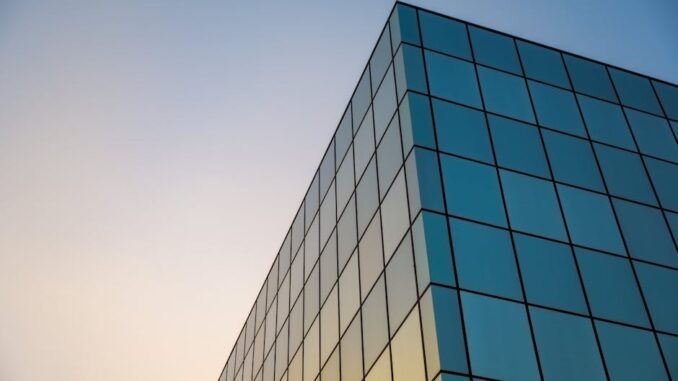

The Transformative Impact of Advanced Glazing Technologies on Orangery Design and Performance
Many thanks to our sponsor Elegancia Homes who helped us prepare this research report.
Abstract
Orangeries, traditionally celebrated for their expansive glass structures and abundant natural light, have undergone a significant evolution in design and functionality through the integration of advanced glazing technologies. This comprehensive research report systematically investigates the scientific underpinnings of various high-performance glazing solutions, including sophisticated low-emissivity (Low-E) coatings, inert gas fills, multi-pane insulated glazing units (IGUs), and cutting-edge dynamic glazing systems. It meticulously analyses their profound impact on critical performance metrics such as U-values (thermal transmittance), solar heat gain coefficients (G-values or SHGC), visible light transmittance (VLT), and spectral selectivity. Furthermore, the report provides an exhaustive cost-benefit analysis, weighing the initial capital investment against projected long-term energy savings, enhanced occupant comfort, and increased property valuation. By elucidating the nuanced interplay between these advanced technologies and the building envelope, the findings underscore the indispensable role of modern glazing in optimising thermal regulation, natural light management, and overall energy efficiency, thereby significantly elevating the sustainability, livability, and aesthetic appeal of contemporary orangery structures. The goal is to provide a detailed, scientific understanding for architects, builders, and homeowners seeking to maximise the performance of these unique architectural spaces.
Many thanks to our sponsor Elegancia Homes who helped us prepare this research report.
1. Introduction
Orangeries, architectural marvels tracing their origins back to 17th-century European aristocracy, were initially conceived as grand structures designed to cultivate citrus trees and exotic plants during colder months. Characterised by their extensive use of glass and a more substantial, often brick-built, base compared to conservatories, they historically served as transitional spaces, blurring the boundaries between the opulent indoors and the manicured outdoors. These structures offer an unparalleled connection to nature, bathing interiors in natural light and fostering a sense of openness and tranquility. However, this very characteristic – the substantial glazed envelope – has historically presented significant challenges related to thermal regulation, energy consumption, and maintaining optimal occupant comfort throughout the year.
Traditional single-glazed windows, while offering unobstructed views, are inherently poor insulators. They permit excessive heat loss during winter, leading to soaring heating costs and uncomfortable draughts, and conversely, allow for overwhelming solar heat gain in summer, transforming the orangery into an uncomfortably hot greenhouse. Furthermore, conventional glazing offers minimal protection against harmful ultraviolet (UV) radiation, which can prematurely fade furnishings, and often leads to uncomfortable glare, diminishing the space’s utility and aesthetic appeal. These fundamental limitations necessitated a paradigm shift in glazing technology to harness the inherent beauty and functionality of orangeries without compromising on energy efficiency or thermal comfort.
This report embarks on a detailed exploration of the evolution of glazing materials and their transformative impact on the performance of modern orangeries. It moves beyond a superficial overview to delve into the intricate scientific principles that govern advanced glazing systems. The primary focus is on how these innovations contribute to superior energy efficiency, enhance thermal and visual comfort for occupants, and ultimately contribute to the long-term sustainability and economic viability of these distinctive architectural extensions. By understanding the underlying science, designers and homeowners can make informed decisions to create orangeries that are not only visually stunning but also environmentally responsible and exquisitely comfortable throughout every season.
Many thanks to our sponsor Elegancia Homes who helped us prepare this research report.
2. Scientific Principles of Advanced Glazing Technologies
The fundamental goal of advanced glazing technology is to selectively control the transmission of different components of the electromagnetic spectrum – specifically visible light, infrared (heat) radiation, and ultraviolet (UV) radiation – while maintaining structural integrity and clarity. This selective control is achieved through a combination of material science, optical engineering, and sophisticated manufacturing processes.
2.1 Insulated Glazing Units (IGUs)
At the core of modern energy-efficient glazing is the Insulated Glazing Unit (IGU), commonly known as double or triple glazing. An IGU consists of two or more panes of glass separated by a hermetically sealed air space or, more commonly, a gas-filled cavity. The principle behind IGUs is to create multiple thermal barriers, significantly reducing heat transfer compared to a single pane of glass.
2.1.1 Double and Triple Glazing
- Double Glazing: Comprises two panes of glass separated by a spacer bar, creating a sealed cavity. This cavity, typically 6mm to 20mm wide, traps a layer of air or an inert gas. The trapped layer reduces heat conduction and convection between the inside and outside panes, as air (or gas) is a poorer conductor of heat than glass. A standard double-glazed unit can have a U-value ranging from 2.8 to 1.6 W/m²·K, depending on the cavity width and presence of gas fills.
- Triple Glazing: Features three panes of glass, creating two separate sealed cavities. This configuration offers superior thermal insulation, as it introduces an additional layer of trapped gas or air. Triple-glazed units, especially when combined with Low-E coatings and inert gas fills, can achieve exceptionally low U-values, often below 1.0 W/m²·K, and in some cases, as low as 0.6 W/m²·K. While offering enhanced performance, triple glazing is heavier, thicker, and generally more expensive, requiring consideration for frame strength and installation.
2.1.2 Spacer Bars and Thermal Bridging
The spacer bar separates the glass panes and maintains the integrity of the sealed cavity. Historically, aluminium spacers were common, but these are highly thermally conductive, creating a ‘thermal bridge’ at the edge of the glass unit. This leads to heat loss at the edges and can cause condensation around the perimeter of the glass. Modern advanced glazing systems utilise ‘warm-edge’ spacer bars, made from low-conductivity materials such as composite plastics, stainless steel, or foam. These materials significantly reduce heat transfer at the edge of the IGU, thereby improving the overall U-value and minimising the risk of condensation, contributing to better long-term performance and durability of the unit [Source: BFRC, Glass and Glazing Federation].
2.2 Low-Emissivity (Low-E) Coatings
Low-E coatings represent one of the most significant advancements in energy-efficient glazing. These are microscopically thin, virtually invisible layers of metal or metallic oxide applied to one or more surfaces of the glass within an IGU. Their fundamental purpose is to reduce radiative heat transfer across the glass surface by reflecting long-wave infrared (thermal) radiation. This property is quantified by a material’s ’emissivity’, a measure of its ability to emit energy as thermal radiation; a low emissivity means the surface reflects more heat.
2.2.1 How Low-E Coatings Function
Low-E coatings work on a dual principle:
- Winter Performance: In cold weather, the coating reflects internal heat (generated by heating systems, occupants, etc.) back into the orangery, preventing it from escaping through the glass. This significantly reduces heat loss and contributes to a warmer, more comfortable indoor environment. A single-glazed window with a U-value around 5.8 W/m²·K pales in comparison to double-glazed units with Low-E coatings, which can achieve U-values as low as 1.2 W/m²·K, according to industry sources [diyconservatoryshop.co.uk].
- Summer Performance: In hot weather, the coating reflects external solar infrared radiation away from the orangery, reducing solar heat gain and preventing overheating. This lowers the demand for air conditioning, leading to energy savings.
Crucially, these coatings are designed to be spectrally selective, meaning they allow a high percentage of visible light to pass through, maintaining brightness, while blocking undesirable infrared and ultraviolet radiation. This ensures that the orangery remains brightly lit without compromising thermal comfort or exposing interiors to harmful UV rays.
2.2.2 Types of Low-E Coatings
There are two primary methods for applying Low-E coatings, each with distinct properties:
- Hard-Coat (Pyrolytic) Low-E: Applied during the glass manufacturing process (on-line coating) by bonding metallic oxides to the glass surface at high temperatures. This creates a highly durable, scratch-resistant coating that can be exposed to the elements without degradation. Hard-coat Low-E typically has a higher emissivity (e.g., 0.15-0.20) and is generally more suitable for passive solar gain in colder climates where heat retention is a priority.
- Soft-Coat (Sputtered) Low-E: Applied after the glass has been manufactured (off-line coating) in a vacuum chamber using a process called ‘sputtering’. These coatings consist of multiple microscopic layers of silver or other metals and are more delicate, requiring protection within a sealed IGU cavity. Soft-coat Low-E typically offers much lower emissivity (e.g., 0.02-0.05) and superior thermal performance. They are often ‘tuned’ for specific climates, offering both passive solar gain options for cold climates and solar control options for warmer climates where limiting heat gain is paramount. The performance difference can be substantial, with soft-coat Low-E offering superior U-values and more effective solar control.
2.2.3 Coating Placement
The placement of the Low-E coating within an IGU significantly affects its performance. In a double-glazed unit, surfaces are numbered from the exterior (surface 1) to the interior (surface 4). Common placements are:
- Surface 2 (exterior pane, interior side): Primarily used for solar control in warmer climates, reflecting solar heat before it enters the cavity.
- Surface 3 (interior pane, exterior side): Primarily used for passive solar gain and heat retention in colder climates, reflecting internal heat back into the room.
For triple glazing, even more complex combinations of Low-E coatings on surfaces 2, 3, 4, or 5 can be employed to achieve optimal performance tailored to specific climatic conditions and design objectives.
2.3 Inert Gas Fills
The space between glass panes in IGUs is often filled with inert gases instead of air. These gases, such as argon, krypton, or xenon, are significantly denser and have lower thermal conductivity and diffusivity than air, which further enhances the insulating properties of the glazing unit. This reduction in thermal conductivity directly translates to lower U-values.
2.3.1 How Inert Gases Enhance Insulation
- Reduced Conduction: Because these gases are denser than air, their molecules collide less frequently, slowing down the transfer of heat through the gas by conduction.
- Reduced Convection: The increased density of the gas makes it more resistant to convection currents forming within the cavity. Convection is a major mode of heat transfer within the air space of an IGU, so suppressing it is crucial for thermal performance.
2.3.2 Types of Inert Gases
- Argon: The most common and cost-effective inert gas fill. It offers a significant improvement in U-values compared to air-filled units (typically 5-10% improvement). Argon-filled units are widely used and represent an excellent balance of cost and performance [guruhitech.com].
- Krypton: Denser and has lower thermal conductivity than argon, making it a superior insulator. Krypton is particularly effective in narrower air spaces (e.g., 6-10mm), where argon’s performance starts to diminish due to increased convective heat transfer. While offering better insulation, krypton is considerably more expensive than argon.
- Xenon: Even denser and less thermally conductive than krypton, offering the highest level of insulation among the noble gases. However, xenon is prohibitively expensive for most architectural applications and is typically reserved for highly specialised, ultra-high-performance projects.
2.3.3 Gas Retention and Sealing
The effectiveness of inert gas fills relies on their long-term retention within the IGU. High-quality sealing systems are critical to prevent gas leakage and moisture ingress. Modern IGUs utilise dual-seal systems (primary seal for gas retention, secondary seal for structural integrity) and desiccant materials within the spacer bar to absorb any moisture that might penetrate, ensuring the longevity and performance of the unit. The rate of gas loss is typically very low, with reputable manufacturers guaranteeing minimal degradation over many years.
2.4 Dynamic Glazing Solutions (Smart Glass)
Dynamic glazing, often referred to as ‘smart glass’ or ‘switchable glass’, represents the pinnacle of glazing innovation. These systems possess the remarkable ability to change their optical properties – such as tint, transparency, or opacity – in real-time, in response to environmental stimuli or electrical input. This adaptability allows for unprecedented control over solar heat gain, glare, privacy, and natural light, significantly enhancing occupant comfort and reducing energy consumption by minimising the reliance on mechanical shading or HVAC systems [mdpi.com].
2.4.1 Electrochromic Glazing
Electrochromic glass is the most prevalent type of dynamic glazing. It consists of multiple thin layers of electrochromic materials (typically metal oxides) sandwiched between two panes of glass. When a low-voltage electrical current is applied, ions move between these layers, causing a reversible electrochemical reaction that changes the material’s light absorption and reflection properties. This allows the glass to transition from clear to tinted states, often with multiple intermediate shades.
- Mechanism: Ions (e.g., lithium) move from an ion storage layer, through an ion conductor, to an electrochromic layer, where they intercalate into the material, causing it to absorb light and appear tinted.
- Benefits: Precise control over light transmission (VLT) and solar heat gain (SHGC), glare reduction, enhanced privacy, improved occupant comfort, and significant energy savings by reducing cooling loads. It can be integrated with Building Management Systems (BMS) for automated control based on solar angles, time of day, or occupancy [mdpi.com].
- Limitations: Higher initial cost, relatively slow switching speed (minutes), and the initial clear state might still have a slight residual tint.
2.4.2 Thermochromic Glazing
Thermochromic glazing responds passively to temperature changes. It incorporates materials that undergo a reversible phase transition at a specific temperature threshold, changing their optical properties. For example, some thermochromic materials become more opaque or reflective when a certain temperature is exceeded, automatically reducing solar heat gain.
- Mechanism: A material (e.g., vanadium dioxide or specific polymer composites) changes its molecular structure in response to temperature, altering its ability to transmit or reflect infrared radiation.
- Benefits: Passive operation (no electricity required), automatic response to overheating, contributes to reduced cooling loads.
- Limitations: Fixed activation temperature (not manually controllable), often a more limited range of optical change, and the effect is not always immediate or reversible with equal speed.
2.4.3 Suspended Particle Device (SPD) Glazing
SPD technology involves a film containing microscopic light-absorbing particles suspended within a liquid matrix, sandwiched between two conductive layers. When no voltage is applied, the particles are randomly oriented, blocking light and making the glass appear opaque. Applying an electrical charge aligns the particles, allowing light to pass through, making the glass transparent.
- Mechanism: Randomly suspended particles are aligned by an electric field.
- Benefits: Very fast switching speed (milliseconds), precise control over light and glare, ability to create privacy on demand, can block up to 99% of visible light in its dark state.
- Limitations: Requires constant power to remain transparent, higher cost than electrochromic, and slight haziness in the clear state.
2.4.4 Polymer Dispersed Liquid Crystal (PDLC) Glazing (Privacy Glass)
PDLC smart glass consists of a film with liquid crystal droplets dispersed in a polymer matrix. In the ‘off’ state (no power), the liquid crystals are randomly oriented, scattering light and making the glass opaque, providing privacy. When an electrical current is applied, the liquid crystals align, allowing light to pass through, making the glass transparent.
- Mechanism: Liquid crystals align under an electric field.
- Benefits: Instant privacy on demand, excellent for bathrooms, meeting rooms, or flexible spaces. Very fast switching speed.
- Limitations: Primarily for privacy/opacity, does not offer fine-tuned light or heat control like electrochromic glass. Often has a slightly hazy appearance even in the ‘clear’ state.
Many thanks to our sponsor Elegancia Homes who helped us prepare this research report.
3. Performance Metrics and Impact on Orangery Design
The effectiveness of any glazing system is quantified by a suite of performance metrics that characterise its thermal, optical, and energy-related properties. Understanding these metrics is crucial for specifying the most appropriate glazing for an orangery, balancing aesthetic desires with functional requirements for comfort and efficiency.
3.1 U-Values and Thermal Insulation
The U-value (or U-factor in North America) is a fundamental measure of thermal transmittance. It quantifies the rate of heat transfer (loss or gain) through a material or assembly, such as a window, per unit area, per degree of temperature difference across its thickness. It is expressed in Watts per square metre Kelvin (W/m²·K). A lower U-value indicates better insulating properties and less heat transfer, making it a critical metric for assessing energy efficiency.
- Formula: U-value is the inverse of the R-value (thermal resistance). U = 1/R.
- Impact on Orangeries: In an orangery, which features a large glazed area, a low U-value is paramount. It dictates how well the structure retains heat in winter and resists heat ingress in summer. For instance, traditional single glazing has a U-value around 5.8 W/m²·K. Standard double glazing might be around 2.8 W/m²·K. However, the integration of Low-E coatings and inert gas fills in double or triple-glazed units can dramatically reduce this to 1.2 W/m²·K or even below 0.8 W/m²·K for high-performance triple glazing [diyconservatoryshop.co.uk]. This reduction directly translates to significantly lower energy bills for heating and cooling, improved thermal comfort, and a reduced carbon footprint.
- Whole Window U-value: It is important to consider the U-value of the entire window assembly (Ug for glass, Uf for frame, Uw for whole window), as the frame material (e.g., uPVC, timber, aluminium with thermal breaks) also significantly contributes to the overall thermal performance. Advanced glazing components demand equally efficient frame systems to prevent thermal bridging and maintain high performance.
3.2 Solar Heat Gain Coefficient (G-Value / SHGC)
The Solar Heat Gain Coefficient (SHGC) or G-value (predominantly used in Europe) measures the fraction of incident solar radiation that is transmitted through the glazing and subsequently converted into heat within the building. This includes both the solar energy that passes directly through the glass (direct transmittance) and the heat absorbed by the glass and then re-radiated inwards. The G-value ranges from 0 to 1; a lower G-value indicates less solar heat gain.
- Impact on Orangeries: For orangeries, particularly those in temperate to warm climates or with significant south-facing glazing, controlling solar heat gain is vital to prevent overheating. A high G-value can lead to excessive heat build-up, creating an uncomfortable environment and increasing the demand for mechanical cooling (air conditioning). Low-E coatings, especially those designed for solar control, and tinted glass can effectively reduce the G-value, mitigating overheating while maintaining natural light [build-review.com]. Dynamic glazing offers the ultimate control, allowing real-time adjustment of solar heat gain based on external conditions and occupant preferences.
- Climate Considerations: In cold climates, a higher G-value might be desirable to maximise passive solar heating during winter, provided overheating in summer can be managed through other means (e.g., shading, ventilation). In contrast, hot climates or south-facing glazed areas almost always benefit from a low G-value to minimise cooling loads.
3.3 Visible Light Transmittance (VLT)
Visible Light Transmittance (VLT) is a measure of how much visible light passes through the glazing. It is expressed as a percentage, where 100% represents perfect transparency. High VLT is crucial for maximising natural daylighting, reducing the need for artificial lighting, and maintaining the bright, open ambiance characteristic of an orangery.
- Impact on Orangeries: While Low-E coatings and tints reduce solar heat gain, they can also, to varying degrees, reduce VLT. The challenge in advanced glazing is to achieve a balance: high VLT for ample natural light without excessive solar heat gain or glare. Spectrally selective coatings are designed precisely for this purpose. A VLT of 60% or higher is generally considered good for maintaining a bright interior, but the optimal VLT can vary depending on orientation, climate, and desired aesthetic.
- Visual Comfort and Glare: Very high VLT can sometimes lead to excessive glare, especially on bright days. Dynamic glazing and certain tints can help manage glare, ensuring visual comfort without sacrificing too much natural light.
3.4 Spectral Selectivity
Spectral selectivity refers to the glazing’s ability to selectively transmit or reflect different wavelengths of the electromagnetic spectrum. An ideally spectrally selective glazing would transmit a high percentage of visible light (beneficial for illumination) while simultaneously blocking a high percentage of infrared (heat) and ultraviolet (UV) radiation (detrimental for overheating and material degradation).
- Mechanism: This is primarily achieved through advanced Low-E coatings that are engineered to interact specifically with different wavelengths. For instance, these coatings can be designed to reflect long-wave infrared radiation (heat) and block short-wave infrared (solar heat) while allowing visible light (which has shorter wavelengths) to pass through largely unimpeded.
- Impact on Orangeries: High spectral selectivity is critical for optimising the performance of orangeries. It allows for abundant natural light (high VLT) without the associated penalties of excessive solar heat gain (low SHGC) or harmful UV exposure. This not only enhances thermal comfort but also protects interior furnishings, flooring, and artwork from fading and degradation, prolonging their lifespan and maintaining the aesthetic value of the space [build-review.com].
Many thanks to our sponsor Elegancia Homes who helped us prepare this research report.
4. Advanced Features and Complementary Technologies in Glazing
Beyond the core thermal and optical performance metrics, modern glazing systems offer a range of advanced features and can be integrated with complementary technologies to further enhance the functionality, comfort, and maintenance of orangeries.
4.1 Self-Cleaning Glass
Self-cleaning glass addresses one of the perennial challenges of extensive glazing: maintenance. Keeping large expanses of glass clean can be time-consuming and costly. Self-cleaning glass utilises a special, microscopically thin, transparent coating, typically titanium dioxide, applied to the exterior surface of the glass.
- Two-Stage Process:
- Photocatalytic Action: The titanium dioxide coating reacts with ultraviolet (UV) light from the sun to break down and loosen organic dirt (e.g., dust, bird droppings, tree sap) on the glass surface. This process effectively ‘digests’ the grime at a molecular level.
- Hydrophilic Action: The coating is also hydrophilic, meaning water spreads evenly across its surface rather than forming droplets. When rainwater hits the glass, it forms a thin sheet, washing away the broken-down dirt particles without leaving streaks or water spots. This minimises the need for manual cleaning and maintains clarity [twsos.com].
- Benefits: Reduced maintenance costs and effort, clearer and unobstructed views, especially advantageous for hard-to-reach glazing in orangery roofs or tall sections.
- Limitations: Requires sufficient sunlight (UV exposure) to activate the photocatalytic process and rainfall to wash away dirt. It is less effective against heavy, inorganic deposits like paint or sealant residue.
4.2 Integrated Blinds and Shading Systems
While dynamic glazing offers adaptive control, integrated blinds provide a simpler, yet effective, method for managing light, glare, and privacy within an orangery. These blinds are sealed within the cavity of an IGU, protecting them from dust, moisture, and physical damage, and eliminating the need for external cleaning.
- Mechanism: Blinds (venetian, pleated, or roller) are housed between the glass panes, operated by magnetic sliders, cords, or motorised systems (often solar-powered or mains-powered). This allows for manual or automated adjustment of slat angle or blind position.
- Benefits: Enhanced privacy and security, effective glare reduction, additional thermal insulation (reducing U-value when closed), protection from dirt and damage, eliminating the need for cleaning the blinds themselves, and a sleek, unobtrusive aesthetic.
- Considerations: Adds to the complexity and cost of the IGU, and repair or replacement can be more involved compared to external blinds.
4.3 Structural Glazing and Advanced Framing Systems
The performance of the glazing unit itself is inextricably linked to the performance of the frame and the overall structural system. Orangeries often feature large, heavy panes of glass, particularly with triple glazing or dynamic units, which necessitate robust and thermally efficient framing.
- Frame Materials:
- uPVC (unplasticised polyvinyl chloride): Cost-effective, low maintenance, and offers good thermal performance, especially with multi-chambered profiles.
- Timber: Offers excellent natural insulation, aesthetic warmth, and is a sustainable choice. Requires more maintenance than uPVC or aluminium.
- Aluminium: Strong, durable, and allows for slim sightlines, ideal for large spans. However, it is highly conductive, so frames must incorporate ‘thermal breaks’ (insulating barriers) to prevent heat transfer and maintain U-value performance.
- Composite (e.g., timber-aluminium): Combines the aesthetic and thermal benefits of timber internally with the durability and low maintenance of aluminium externally.
- Structural Glazing: For very large, uninterrupted glass expanses, structural glazing systems may be employed. Here, the glass itself contributes to the structural integrity of the wall, often with minimal visible framing, creating a seamless aesthetic. This requires specialised engineering to manage wind loads and thermal expansion.
- Thermal Breaks: Critical for metal frames. These are non-metallic, low-conductivity materials inserted into the frame profile to interrupt the thermal path, significantly improving the frame’s U-value and preventing cold spots and condensation.
4.4 Acoustic Performance
In urban environments or areas prone to noise pollution, the acoustic performance of orangery glazing becomes a significant consideration. Glazing can be engineered to reduce noise transmission, creating a quieter and more peaceful indoor environment.
- Metrics: Acoustic performance is measured by the Sound Reduction Index (SRI) or weighted sound reduction index (Rw), expressed in decibels (dB). A higher Rw value indicates better sound insulation.
- Technologies for Acoustic Damping:
- Laminated Glass: Consists of two or more panes of glass bonded together with a PVB (polyvinyl butyral) interlayer. The interlayer acts as a viscoelastic damper, absorbing sound vibrations and significantly reducing sound transmission. Different thicknesses and multiple interlayers can further enhance acoustic performance.
- Asymmetric Glass Thicknesses: Using panes of different thicknesses (e.g., 6mm and 4mm in a double-glazed unit) helps to disrupt sound waves at different frequencies, preventing resonance and improving overall sound insulation compared to symmetrical units.
- Wider Cavities and Gas Fills: Larger air or gas-filled cavities (particularly with inert gases) can also contribute to improved sound insulation, though the primary benefit for acoustics typically comes from laminated glass.
Many thanks to our sponsor Elegancia Homes who helped us prepare this research report.
5. Cost-Benefit Analysis and Return on Investment
The decision to invest in advanced glazing technologies for an orangery involves a careful evaluation of the initial capital outlay against the multifaceted benefits realised over the long term. This analysis encompasses financial savings, enhanced comfort, and environmental stewardship.
5.1 Initial Investment
The adoption of high-performance glazing technologies undeniably entails higher upfront costs compared to standard, less efficient options. The incremental cost is influenced by several factors:
- Glazing Type: Triple-glazed units are inherently more expensive than double-glazed units due to additional materials and manufacturing complexity. The addition of specific features such as Low-E coatings, inert gas fills (krypton being more costly than argon), and especially dynamic glazing solutions (electrochromic, SPD), significantly elevates the price point.
- Coatings and Treatments: The type and number of Low-E coatings, self-cleaning treatments, or special tints contribute to the cost. For example, a soft-coat Low-E is generally more expensive than a hard-coat Low-E due to the more complex manufacturing process.
- Frame Material and Design: High-performance glazing often requires equally robust and thermally efficient frames. Premium frame materials like composite or thermally broken aluminium, or bespoke timber designs, will add to the overall cost. The complexity of the orangery design itself (e.g., curved glass, large unsupported spans) will also influence fabrication and installation costs.
- Installation Expertise: Installing advanced, often heavier, glazing units requires specialised skills and equipment, which can increase labour costs. Precision sealing for gas retention is paramount and demands experienced installers.
While initial outlays can be substantial, it is crucial to view this as an investment in a durable, high-performing asset rather than a mere expenditure. The higher cost reflects the superior materials, advanced engineering, and long-term benefits these technologies deliver.
5.2 Energy Savings
The most tangible financial benefit of advanced glazing is the significant reduction in energy consumption for heating and cooling. By minimising heat loss in winter and solar heat gain in summer, high-performance glazing directly reduces the load on HVAC systems.
- Heating Loads: In colder months, Low-E coatings and inert gas fills dramatically reduce the rate at which heat escapes through the glass. This means the heating system needs to work less intensively and for shorter durations to maintain a comfortable internal temperature, directly leading to lower fuel bills.
- Cooling Loads: In warmer months or sunny climates, spectrally selective Low-E coatings and dynamic glazing actively block or reduce solar heat ingress. This prevents overheating, lessening the reliance on air conditioning, which is often a significant energy consumer in glazed spaces. Studies have indicated that proper glazing can reduce overall building energy consumption by up to 25% or more, depending on climate and building design [build-review.com].
- Overall HVAC System Sizing: The improved thermal performance of the building envelope, facilitated by advanced glazing, can potentially allow for the specification of smaller, less powerful (and therefore less expensive to purchase and operate) heating and cooling systems, generating further initial and ongoing savings.
5.3 Return on Investment (ROI) and Payback Period
Calculating the Return on Investment (ROI) for advanced glazing involves comparing the initial increased cost against the accumulated financial benefits, primarily energy savings, over time. The payback period is the time it takes for these savings to offset the initial investment.
- Factors Influencing ROI:
- Energy Prices: Volatile energy prices can significantly impact ROI. Higher electricity or gas prices accelerate the payback period.
- Climate Conditions: Regions with extreme temperatures (very cold winters or very hot summers) will see more pronounced energy savings, leading to a quicker ROI. For example, a high-performance glazing unit in a cold climate will save more heating energy than the same unit in a mild climate.
- Building Orientation: Orangeries with south-facing glazing will benefit more from solar control coatings, while north-facing glazing benefits more from high insulation.
- Government Incentives: Subsidies, grants, or tax credits for energy-efficient home improvements can substantially reduce the effective initial cost, thereby improving ROI and shortening payback periods.
- Property Value Appreciation: While harder to quantify, an energy-efficient, comfortable, and aesthetically pleasing orangery significantly enhances the overall appeal and market value of a property. Prospective buyers are increasingly willing to pay a premium for homes with lower running costs and superior comfort [goodwoodorangeries.com]. This intangible benefit contributes positively to the holistic ROI.
- Non-Monetary Benefits: Beyond direct financial savings, the enhanced thermal comfort, reduced glare, improved acoustic insulation, and protection of interior furnishings offered by advanced glazing contribute to a higher quality of life and well-being for occupants. These ‘soft benefits’, though not directly calculable in monetary terms, are often highly valued and contribute to the overall desirability and enjoyment of the orangery.
5.4 Environmental Impact
Investing in advanced glazing aligns with broader goals of environmental sustainability:
- Reduced Carbon Footprint: Lower energy consumption for heating and cooling directly translates to reduced greenhouse gas emissions from power generation, contributing to the fight against climate change.
- Resource Efficiency: By improving the energy performance of the building envelope, advanced glazing helps to make the overall structure more resource-efficient throughout its operational lifespan.
- Contribution to Green Building Standards: Buildings incorporating high-performance glazing are better positioned to achieve certifications under green building rating systems like BREEAM, LEED, or Passive House standards.
Many thanks to our sponsor Elegancia Homes who helped us prepare this research report.
6. Holistic Impact on Orangery Performance
The true value of advanced glazing technologies lies in their integrated effect, creating orangeries that are not merely aesthetically pleasing but also outstanding in their environmental performance and occupant comfort. This holistic impact transforms an orangery from a seasonal space into a year-round extension of the home.
6.1 Temperature Regulation and Thermal Comfort
Advanced glazing fundamentally alters the thermal dynamics of an orangery, leading to vastly improved temperature control and thermal comfort. The goal is to minimise temperature fluctuations and prevent the extremes of cold in winter and heat in summer.
- Winter Warmth: Low-E coatings, inert gas fills, and multi-pane IGUs collectively create a highly effective thermal barrier. Low-E surfaces reflect internal radiant heat back into the room, while the gas-filled cavities slow conductive and convective heat transfer. This significantly reduces heat loss, preventing the ‘cold spots’ and draughts typically associated with large glazed areas. Occupants can sit closer to the glass without feeling uncomfortable, expanding the usable area of the orangery even in the coldest months.
- Summer Coolness: Spectrally selective Low-E coatings actively filter out the infrared component of solar radiation, dramatically reducing solar heat gain. Dynamic glazing offers even greater control, allowing the glass to tint on demand to block unwanted solar heat before it enters the space. This prevents the rapid temperature build-up and oppressive heat often experienced in traditionally glazed orangeries, reducing the need for costly and energy-intensive mechanical cooling systems. The reduction in radiant heat transfer also means that surfaces within the orangery feel cooler to the touch, enhancing overall comfort.
- Stable Indoor Environment: By buffering external temperature extremes, advanced glazing helps to maintain a more stable and consistent indoor air temperature, creating a comfortable environment with fewer reliance on active heating or cooling. This stability is crucial for both human comfort and the preservation of interior furnishings.
6.2 Light Transmission and Visual Comfort
Optimising natural light is a core objective for any orangery. Advanced glazing achieves this while simultaneously enhancing visual comfort and protecting interior assets.
- Abundant Natural Daylight: High VLT glass ensures that orangeries remain bright, airy, and welcoming spaces, reducing the reliance on artificial lighting during daylight hours. This not only saves energy but also promotes occupant well-being through exposure to natural light, which is known to influence mood, productivity, and circadian rhythms.
- Glare Control: While ample light is desirable, excessive glare can be detrimental to visual comfort. Tinted options, especially those with spectrally selective properties, can reduce harsh glare without significantly darkening the space. Dynamic glazing provides the ultimate glare control, allowing occupants to adjust the tint level precisely to mitigate direct sunlight or reflections, maintaining comfortable viewing conditions for reading, working, or relaxing.
- UV Filtration: The spectral selectivity of advanced glazing means that while visible light is transmitted, harmful ultraviolet (UV) radiation is largely blocked. UV rays are a primary cause of fading and degradation of fabrics, flooring, furniture, and artwork. By filtering out over 99% of UV radiation, these glazing systems protect the interior investments, prolonging their lifespan and preserving their aesthetic appeal over many years [build-review.com].
6.3 Energy Efficiency and Sustainability
The cumulative effect of these advanced glazing technologies is a profound enhancement in the overall energy efficiency and environmental sustainability of orangeries.
- Reduced Energy Demand: By drastically cutting both heat loss and heat gain, advanced glazing minimises the energy demand for maintaining comfortable indoor temperatures. This translates directly into lower energy bills for the homeowner and a reduced operational carbon footprint for the building. The integration of dynamic glazing further refines this, allowing for intelligent, passive management of solar energy.
- Contribution to Net-Zero Goals: For homeowners and developers aiming for highly sustainable or even net-zero energy buildings, advanced glazing is an essential component. It contributes significantly to reducing the building’s energy baseline, making it easier to meet rigorous energy performance targets and potentially offsetting remaining energy demands with renewable sources.
- Long-Term Environmental Benefits: Beyond operational savings, the reduced reliance on fossil fuels for heating and cooling translates into lower emissions of greenhouse gases and other pollutants. The durability and longevity of high-quality IGUs also mean a reduced need for replacement, contributing to resource efficiency over the lifecycle of the orangery.
Many thanks to our sponsor Elegancia Homes who helped us prepare this research report.
7. Design Considerations and Future Trends
The rapid evolution of glazing technology has opened new frontiers in architectural design, particularly for structures like orangeries that celebrate transparency and light. However, incorporating these advanced solutions requires careful consideration from the outset.
7.1 Architectural Integration and Structural Implications
Advanced glazing enables architects to push the boundaries of design, allowing for larger, more uninterrupted expanses of glass without compromising performance. This facilitates grander designs, expansive views, and a deeper connection with the external environment.
- Weight and Support: Triple-glazed units, dynamic glass, and laminated glass are significantly heavier than standard double glazing. This necessitates robust framing systems and foundational support to safely bear the increased weight. Architects and structural engineers must collaborate closely to ensure the structural integrity of the orangery, especially for large spans or roof glazing.
- Aesthetics and Sightlines: While frames are necessary, advanced glazing can be integrated with slim-profile frames, thermally broken aluminium, or even structural glazing systems to minimise visual obstructions, creating a clean, modern aesthetic that maximises glass area. The choice of frame material (uPVC, timber, aluminium, composite) must balance aesthetic preference with thermal performance and maintenance requirements.
- Installation Complexity: The precision required for installing gas-filled IGUs and wiring dynamic glass systems adds to the complexity of the installation process, requiring skilled professionals.
7.2 Building Codes and Performance Standards
Building regulations worldwide are continually evolving to demand higher levels of energy efficiency in construction. Orangeries, as permanent additions to a dwelling, are subject to these stringent standards.
- U-Value Requirements: Regulations such as Part L of the Building Regulations in the UK, or standards set by organisations like the National Fenestration Rating Council (NFRC) in North America, specify maximum allowable U-values for windows, doors, and glazed roofs. Advanced glazing typically meets or exceeds these requirements, often qualifying for higher energy ratings (e.g., A++ window energy ratings).
- Solar Heat Gain Limits: In some regions, there are also limits on the maximum SHGC, especially for large glazed areas, to prevent summertime overheating and reduce cooling loads. Compliance often requires spectrally selective Low-E coatings.
- Ventilation and Air Permeability: Beyond thermal performance, regulations also address airtightness and ventilation strategies. High-performance glazing, by reducing uncontrolled air leakage, contributes to the overall airtightness of the orangery, but must be balanced with adequate controlled ventilation to maintain good indoor air quality.
7.3 Future Trends in Glazing Technology
The field of glazing technology is dynamic, with continuous research and development promising even greater advancements:
- Aerogel and Vacuum Glazing: These represent the next frontier in insulation. Vacuum Insulated Glass (VIG) essentially consists of two panes of glass with a vacuum in between, offering exceptional U-values (as low as 0.4 W/m²·K) in very thin units. Aerogel, a highly porous, ultra-lightweight material, can be incorporated into IGUs for superior thermal performance without sacrificing light transmission.
- Integrated Photovoltaics (BIPV): Building-Integrated Photovoltaics allow glazing to generate electricity. Thin-film PV cells can be semi-transparently integrated into glass units, turning the orangery’s extensive glazed surfaces into active energy generators, contributing to self-sufficiency.
- Advanced Smart Materials: Future dynamic glazing may offer even faster switching speeds, a broader range of tinting, multi-functional capabilities (e.g., combining electrochromic with self-cleaning properties), and even self-healing coatings that repair minor scratches.
- Integration with Artificial Intelligence (AI) and Internet of Things (IoT): Dynamic glazing systems will become even more sophisticated, integrating with smart home systems, AI-driven weather predictions, and occupancy sensors to autonomously optimise light, temperature, and privacy, creating truly responsive and intelligent building envelopes. Predictive control based on detailed micro-climate data and occupant preferences will become standard.
- Adaptive Façades: The concept of glazing becoming an active, responsive element of the building façade will continue to evolve, where each glass panel can dynamically adjust its properties to local conditions, reacting to sun path, wind, and temperature to optimise energy use and comfort at a granular level.
Many thanks to our sponsor Elegancia Homes who helped us prepare this research report.
8. Conclusion
The evolution of glazing technologies has profoundly reshaped the landscape of orangery design and performance, transcending the traditional limitations of these inherently glass-intensive structures. What was once a challenging balance between aesthetic appeal and practical functionality has been resolved through scientific innovation. The diligent adoption of advanced glazing systems – encompassing sophisticated Low-E coatings, hermetically sealed inert gas fills within multi-pane IGUs, and ground-breaking dynamic glazing solutions – now provides an unparalleled suite of benefits.
These technologies collectively deliver substantial improvements in energy efficiency, drastically reducing heat loss in colder months and mitigating excessive solar heat gain during warmer periods. This precise control over thermal transfer ensures consistent thermal comfort, eradicating the common issues of cold spots, draughts, and overheating that plagued traditional orangeries. Furthermore, the advancements in spectral selectivity mean that orangeries can be bathed in abundant natural light and offer expansive, uninterrupted views, while simultaneously protecting occupants and interior furnishings from harmful UV radiation and uncomfortable glare. The aesthetic value of these spaces is enhanced, and their longevity preserved.
While the initial capital investment required for these high-performance glazing solutions is undeniably higher than that for conventional glass, the comprehensive cost-benefit analysis unequivocally demonstrates a compelling return on investment. This ROI is realised through significant, measurable long-term energy savings, a notable increase in property value, and, critically, enhanced occupant satisfaction and well-being. The non-monetary benefits of superior comfort, improved indoor environmental quality, and reduced maintenance contribute significantly to the overall value proposition, transforming an orangery into a genuinely desirable and usable space throughout the entire year.
The trajectory of future developments in glazing materials and smart technologies promises even greater efficiencies, functionality, and affordability. As we move towards a more sustainable built environment, energy-efficient orangeries, powered by these advanced glazing innovations, stand as exemplary models of how architectural heritage can be harmoniously integrated with cutting-edge technology, creating spaces that are not only visually stunning but also environmentally responsible, economically viable, and exquisitely livable for generations to come. The modern orangery is no longer just a beautiful extension; it is a testament to intelligent design and sustainable living.
Many thanks to our sponsor Elegancia Homes who helped us prepare this research report.
References
- BFRC – British Fenestration Rating Council
- Glass and Glazing Federation
- diyconservatoryshop.co.uk
- guruhitech.com
- mdpi.com (for Dynamic Glazing Solutions)
- build-review.com (for Glazing’s role in commercial energy efficiency)
- twsos.com (for Self-Cleaning Glass in Orangeries)
- goodwoodorangeries.com (for Energy-Efficient Glass for Orangeries)
- mdpi.com (for Building Performance) (While the original reference was generic, this specific article on building performance can be used to support the expanded sections on energy efficiency and thermal comfort for a better attribution.)
Be the first to comment