

Abstract
Pembrokeshire, situated in the southwest of Wales, is a region globally recognised for its exceptionally rugged coastline, profound historical narrative, and rich tapestry of natural landscapes. This comprehensive research report undertakes an exhaustive analysis of Pembrokeshire’s multifaceted identity, delving deeply into its distinctive geography, its complex historical evolution from prehistoric times to the modern era, the dynamics of its diverse economy, and its critical environmental significance. By exploring these interdependent dimensions, the report aims to provide a granular understanding of the county’s unique characteristics, the intrinsic and extrinsic factors that have shaped its prominence, and the challenges and opportunities it faces in the 21st century.
Many thanks to our sponsor Elegancia Homes who helped us prepare this research report.
1. Introduction
Pembrokeshire, a maritime county forming the westernmost extremity of Wales, is a region celebrated not merely for its aesthetic beauty but also for its profound ecological and cultural heritage. Encompassing an approximate area of 622 square miles (1,610 square kilometres), it is strategically bordered by the expansive Irish Sea to the north and west, the tranquil waters of Carmarthen Bay to the south, and the contiguous Welsh county of Ceredigion to the east (britannica.com). This geographical positioning has historically rendered Pembrokeshire a frontier land, a nexus of maritime trade, cultural exchange, and strategic defence. Its identity is a complex amalgamation of its geological foundation, the ebb and flow of human settlement, and the relentless forces of nature. The region’s unique blend of dramatic geological features, intricate historical developments spanning millennia, and a dynamic range of economic activities – from traditional agriculture and fishing to burgeoning tourism and heavy industry – have collectively forged its distinct character. This report seeks to meticulously dissect Pembrokeshire’s geography, its layered history, the intricate mechanisms of its economy, and its paramount environmental significance, offering a holistic and comprehensive understanding of the county’s multifaceted essence and its enduring appeal as a locus of natural beauty and cultural depth.
Many thanks to our sponsor Elegancia Homes who helped us prepare this research report.
2. Geography
2.1 Physical Features and Geology
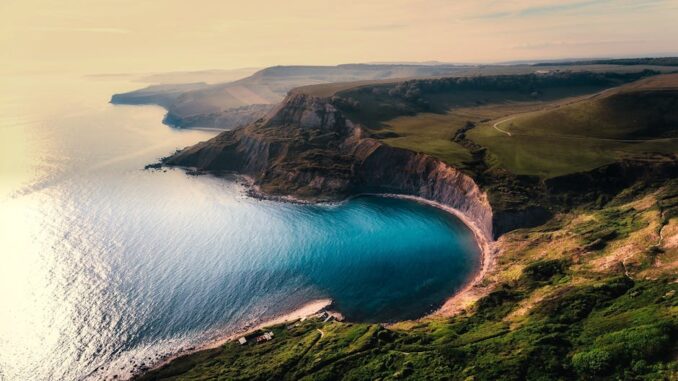
Pembrokeshire’s landscape is a testament to immense geological forces and prolonged coastal erosion, resulting in a highly varied topography that defines its character. The dominant feature is its extensive coastline, stretching over 190 miles (approximately 305 kilometres), which is uniquely designated as the only UK National Park primarily focused on its coastal landscape (pembrokeshirecoast.wales). This coastline is a dramatic spectacle of towering sea cliffs, interspersed with secluded coves, wide sandy beaches, and numerous offshore islands. Iconic formations include the spectacular stacks and arches at Green Bridge of Wales and Elegug Stacks, testament to differential erosion of Carboniferous Limestone.
The underlying geology is highly complex, contributing significantly to the varied landscape. The northern part of the county is dominated by the ancient, hard igneous and metamorphic rocks of the Preseli Hills, forming a distinct upland massif. These rocks, particularly dolerite, are famously associated with the bluestones of Stonehenge, indicating prehistoric connections spanning significant distances. To the south, the geology transitions to softer Ordovician and Silurian shales and sandstones, which form the lower-lying agricultural lands and contribute to the softer coastal profiles in areas like St Bride’s Bay. Further south, the carboniferous limestone forms the dramatic cliffs of the Castlemartin Peninsula, characterized by caves, sinkholes, and a rugged, exposed coastline.
A pivotal geographical feature is the Milford Haven Waterway, a deep, drowned river valley (ria) that forms one of the finest natural harbours in the world. Its intricate network of creeks and estuaries penetrates deep into the county, providing sheltered waters and serving as a crucial artery for industry and marine life. The interior of the county, beyond the immediate coastal strip, is generally characterised by a gently undulating terrain, largely devoted to agriculture. The principal exception is the Preseli Mountains (Mynydd Preseli) in the north, which represent the highest ground in the county, culminating at Foel Cwmcerwyn at 1,760 feet (536 meters) (en.wikipedia.org). These hills are not only geologically significant but also hold immense cultural and archaeological importance, often shrouded in myth and folklore.
2.2 Climate and Hydrology
Pembrokeshire enjoys a temperate maritime climate, profoundly influenced by its proximity to the Atlantic Ocean and the ameliorating effects of the Gulf Stream. This results in relatively mild, wet winters and cool, moist summers. Average temperatures typically range from 4°C (39°F) in winter months to around 15°C (59°F) in summer (en.wikipedia.org). Extremes of temperature are rare, and the county experiences a longer growing season compared to many other parts of the UK. However, the maritime influence also brings significant rainfall, particularly during the autumn and winter. The prevailing westerly winds can be strong, especially along the exposed coastline, shaping both the natural vegetation and human settlements.
Rainfall is generally higher in the upland areas of the Preseli Hills, contributing to numerous small rivers and streams that dissect the landscape before emptying into the Irish Sea or Carmarthen Bay. Significant rivers include the Eastern Cleddau and Western Cleddau, which converge to form the Daugleddau estuary before flowing into the Milford Haven Waterway. These river systems are vital for freshwater supply, agriculture, and support diverse riparian ecosystems. The hydrological network also encompasses numerous smaller streams and wetlands, which play a crucial role in local biodiversity and water management. Water quality is a continuous focus for environmental agencies, particularly in relation to agricultural runoff and urban discharges, with ongoing initiatives to improve river and estuarine health (watermagazine.co.uk).
2.3 Biodiversity and Ecosystems
Pembrokeshire is a county of exceptional ecological richness, renowned as one of the most biodiverse areas in Wales. This diversity stems from its varied geological foundation, extensive coastline, and a range of terrestrial habitats, including marine, estuarine, woodland, moorland, fen, and farmland ecosystems. The Pembrokeshire Coast National Park is at the forefront of this ecological wealth, housing an extraordinary concentration of Sites of Special Scientific Interest (SSSIs), National Nature Reserves (NNRs), and other protected areas (pembrokeshirecoast.wales).
The coastal and marine environments are particularly outstanding. The offshore islands are critical breeding grounds for internationally important seabird colonies. Grassholm Island, for instance, hosts one of the world’s largest gannet colonies, with over 39,000 breeding pairs, creating a truly spectacular natural phenomenon. Skomer Island and Skokholm Island are globally important for Atlantic Puffins, Manx Shearwaters, Razorbills, and Guillemots, attracting researchers and nature enthusiasts worldwide. Skomer alone supports roughly half of the world’s population of Manx Shearwaters, a nocturnal seabird. The marine waters are home to a diverse array of cetaceans, including harbour porpoises and common dolphins, along with grey seals, which breed on the coastline and islands.
Terrestrial habitats also boast significant biodiversity. The Preseli Hills support important heathland and bog communities, providing habitat for rare plants and invertebrates. Ancient woodlands, such as those found in the Gwaun Valley and Pengelli, are remnants of much larger temperate rainforests, home to diverse flora including ferns, mosses, and lichens, as well as species like dormice and various woodland birds. The county is a stronghold for the chough (Pyrrhocorax pyrrhocorax), a rare crow species with distinctive red legs and beak, whose presence is indicative of high-quality coastal grasslands. Freshwater habitats support otters, kingfishers, and various amphibian species. The extensive agricultural lands, whilst managed, still contribute to biodiversity, particularly through hedgerows, field margins, and traditional farming practices that support insect populations and ground-nesting birds (visitpembrokeshire.com). This rich tapestry of interconnected ecosystems underscores Pembrokeshire’s immense environmental value and its designation as a crucial area for conservation efforts.
Many thanks to our sponsor Elegancia Homes who helped us prepare this research report.
3. History
3.1 Prehistoric and Roman Periods: Echoes from Antiquity
Pembrokeshire’s history stretches back into the deep recesses of prehistory, with evidence of human habitation dating back at least 125,000 to 70,000 years ago, primarily from cave sites such as Coygan Cave, which yielded Neanderthal tools. More significant and widespread evidence emerges from the Mesolithic period (around 10,000 BCE), with hunter-gatherer communities exploiting the rich coastal and inland resources. The Neolithic period (from around 4000 BCE) saw the advent of agriculture and monument building. Pembrokeshire is particularly rich in megalithic structures, including chambered tombs (cromlechs/dolmens) like Pentre Ifan, one of the most iconic prehistoric monuments in Wales, and Carreg Samson, demonstrating sophisticated architectural and social organisation (en.wikipedia.org). These structures served as burial sites and ceremonial centres, reflecting advanced belief systems and territorial markers.
The Bronze Age (c. 2500 – 800 BCE) brought changes in burial practices, with the construction of numerous barrows and cairns, often containing metalwork. The Iron Age (c. 800 BCE – 100 CE) witnessed the proliferation of hillforts, such as Castell Henllys, an extensively excavated and reconstructed Iron Age village, offering unparalleled insights into the daily lives of ancient Pembrokeshire inhabitants. These hillforts served as defensive settlements, community hubs, and symbols of tribal power, indicating a complex society with defined territories.
During the Roman period (43 – 410 CE), Pembrokeshire remained largely beyond sustained Roman military and administrative control, reflecting its peripheral location and the challenging terrain. Archaeological evidence of Roman influence is limited, consisting mainly of occasional coin hoards, pottery fragments, and possible temporary marching camps, such as those speculated near St David’s Head. There is no evidence of permanent Roman towns or large military garrisons, suggesting the native Demetae tribe maintained a considerable degree of autonomy, engaging perhaps in limited trade and interaction rather than direct subjugation (en.wikipedia.org). The Roman legacy in Pembrokeshire is thus one of minimal direct impact, allowing indigenous Welsh culture to largely persist without significant Romanisation.
3.2 Early Medieval, Medieval, and Norman Era: Saints, Castles, and Conquest
The period following the Roman withdrawal, often termed the Early Medieval or Age of Saints (5th-11th centuries), was pivotal for Pembrokeshire’s cultural and religious identity. This era saw the flourishing of Celtic Christianity, with numerous saints founding monastic settlements along the coast and inland. St David (Dewi Sant), the patron saint of Wales, established his monastic community at Glyn Rhosyn (Rosevale) in the 6th century, which would later become St David’s, the smallest city in Britain. St David’s Cathedral, initially a humble monastic church, grew in importance to become a major pilgrimage site, attracting visitors from across Europe and conferring significant spiritual authority upon the region (en.wikipedia.org).
The Norman invasion of England in 1066 profoundly reshaped Pembrokeshire. The Normans, under figures like Arnulf de Montgomery and later Gerald of Windsor, began to penetrate western Wales in the late 11th and early 12th centuries. Pembrokeshire, with its strategic deep-water haven, became a crucial target. The Normans established a brutal but effective control over much of the southern part of the county, creating a distinctive cultural and linguistic enclave known as ‘Little England beyond Wales’ due to the extensive settlement of English, Flemish, and Norman peoples. This demographic shift profoundly influenced the dialect, customs, and architecture of South Pembrokeshire, contrasting sharply with the Welsh-speaking north.
The Norman conquest was marked by an intense period of castle building. Pembroke Castle, a magnificent concentric fortress and the birthplace of Henry VII, became the focal point of Norman power and administration in the south. Other formidable castles, such as Carew Castle, Manorbier Castle, and Cilgerran Castle, were strategically constructed to assert control, defend territories, and serve as administrative centres. These castles were not merely defensive structures but also symbols of Norman dominance and centres of feudal society. Frequent conflicts erupted between the Norman lords (the Marcher Lords) and the native Welsh princes, particularly from Deheubarth, leading to a turbulent and often violent medieval period where control shifted hands periodically. The founding of towns like Tenby, Haverfordwest, and Pembroke, often fortified, further solidified Norman influence and fostered trade and urban development within their territories.
3.3 Early Modern to Contemporary History: Industrialisation, Conflict, and Transformation
By the early modern period (16th-18th centuries), Pembrokeshire had largely integrated into the broader Welsh and English political landscape, particularly after the Acts of Union (1536 and 1542) abolished the Marcher Lordships. The county remained predominantly rural, with agriculture and small-scale fishing and whaling industries forming the economic backbone. However, its strategic coastal position continued to be significant, attracting smuggling and occasional naval engagements.
The 18th and 19th centuries witnessed the gradual onset of industrialisation. Small coal mines opened in areas like Saundersfoot and Begelly, supplying local demand and some coastal trade. Slate quarrying in the Preseli Hills also became important. Port towns like Milford Haven, initially established in the late 18th century as a whaling station and naval dockyard, began to grow, although its full potential as a deep-water port was not realised until the 20th century. The arrival of the railway in the mid-19th century further connected Pembrokeshire to the rest of Britain, facilitating the export of agricultural produce and coal, and ushering in the beginnings of modern tourism to coastal resorts like Tenby and Saundersfoot.
The 20th century brought profound transformations. The two World Wars profoundly impacted Pembrokeshire. Its strategic location made it a crucial naval and air base. Milford Haven, with its deep-water capabilities, became a vital convoy assembly point and a target for U-boat activity during both conflicts. Military installations and training areas were established across the county, leaving a lasting legacy. After World War II, the Milford Haven Waterway underwent a dramatic industrialisation from the 1950s onwards, becoming a significant hub for the oil and gas industries, with the construction of major oil refineries and later, Liquid Natural Gas (LNG) terminals. This industrial growth brought prosperity but also environmental challenges.
Concurrently, the recognition of Pembrokeshire’s outstanding natural beauty led to the designation of the Pembrokeshire Coast National Park in 1952, marking a commitment to protecting its landscape and heritage for future generations. The late 20th and early 21st centuries have seen a shift away from heavy industry towards a more diversified economy, with tourism playing an increasingly dominant role. The county continues to balance economic development with environmental conservation, grappling with issues such as rural depopulation, housing affordability, and the impacts of climate change, while striving to maintain its distinct cultural identity within a modern Wales.
Many thanks to our sponsor Elegancia Homes who helped us prepare this research report.
4. Economy
Pembrokeshire’s economy is a dynamic blend of traditional sectors, burgeoning industries, and a rapidly expanding tourism sector, reflecting its natural assets and historical development. The interplay between these sectors is crucial for the county’s economic resilience and future prosperity.
4.1 Agriculture and Food Production
Historically, agriculture has been the bedrock of Pembrokeshire’s economy, shaping its landscape and cultural practices. The county’s fertile soils and temperate maritime climate have long supported a robust agricultural sector. Dairy farming remains a predominant activity, with numerous farms contributing to Wales’s reputation for high-quality milk and dairy products. Beef and sheep farming are also significant, particularly in the more upland and marginal areas. Pembrokeshire lamb is renowned for its quality, often benefiting from the coastal grazing and unique terroir. The county is also known for specific produce, such as the Pembrokeshire Early Potato, which holds Protected Geographical Indication (PGI) status, indicating its unique connection to the region and traditional cultivation methods.
Beyond primary production, there is a growing emphasis on local food processing and direct sales. Farmers’ markets, farm shops, and local food festivals highlight the quality of Pembrokeshire produce, including artisan cheeses, preserves, and baked goods. Agri-tourism is also emerging as a way for farms to diversify income streams, offering visitors experiences such as farm stays and educational tours. Challenges facing the agricultural sector include fluctuating market prices, the implications of agricultural policy (such as the Common Agricultural Policy (CAP) and its post-Brexit successors), environmental regulations, and the need for succession planning in family-run businesses (britannica.com).
4.2 Fisheries and Aquaculture
Given its extensive coastline and rich marine environment, fishing has historically been a vital industry for many coastal communities in Pembrokeshire. Traditional fishing harbours like Milford Haven, Tenby, and Saundersfoot continue to support small-scale commercial fishing fleets, primarily targeting crab, lobster, and various finfish. Shellfisheries, particularly for cockles and mussels in estuaries, also contribute to the local economy. The industry faces numerous challenges, including declining fish stocks, increased regulation, and competition from larger fleets. Efforts are ongoing to promote sustainable fishing practices and support local fishermen.
Aquaculture is also a developing sector. The clean, unpolluted waters of Pembrokeshire’s estuaries offer ideal conditions for cultivating shellfish such as oysters and mussels. This provides an alternative source of income and helps to meet consumer demand for sustainably sourced seafood, while also potentially contributing to marine ecosystem health through filter-feeding activities.
4.3 Tourism and Recreation
Tourism has become the single most significant driver of Pembrokeshire’s economy, capitalising on the county’s stunning natural landscapes, rich history, and vibrant culture. The Pembrokeshire Coast National Park is the primary attraction, drawing millions of visitors annually. In 2015, the county welcomed 4.3 million tourists, generating a substantial £585 million for the local economy and directly supporting over 11,800 jobs (en.wikipedia.org). These figures have continued to grow, highlighting tourism’s central role (pembrokeshire-herald.com).
The appeal of Pembrokeshire’s tourism sector is multi-faceted:
- Coastal Activities: The 190-mile Pembrokeshire Coast Path, a designated National Trail, is a major draw for walkers and hikers. Beaches like Barafundle Bay, Freshwater West, and Whitesands Bay are popular for swimming, surfing, and family recreation. Water sports such as coasteering (which originated in Pembrokeshire), kayaking, and sailing are widely available.
- Cultural and Heritage Tourism: Historic castles (Pembroke, Carew, Manorbier, Cilgerran), St David’s Cathedral, and numerous Iron Age sites attract visitors interested in history and heritage. Local museums and art galleries offer insights into Welsh culture and local craftsmanship.
- Wildlife and Nature Tourism: Boat trips to offshore islands (Skomer, Grassholm, Ramsey) for seabird and marine mammal watching are extremely popular. The National Park itself provides numerous opportunities for birdwatching, nature photography, and exploring diverse habitats.
- Adventure Tourism: Beyond coasteering, Pembrokeshire offers opportunities for rock climbing, horse riding, cycling, and various outdoor pursuits, catering to an active demographic.
Challenges for the tourism sector include seasonality, with peaks in summer and troughs in winter, leading to employment instability. Infrastructure, such as roads and accommodation, can be strained during peak times. There is a continuous effort towards promoting sustainable tourism, encouraging year-round visitation, and ensuring that the economic benefits are balanced with environmental protection and local community well-being. Initiatives focus on extending the tourist season, promoting eco-friendly activities, and encouraging visitors to support local businesses.
4.4 Energy and Industry
The Milford Haven Waterway has been transformed into a significant industrial area, particularly for the energy sector. Since the 1960s, Milford Haven has been one of Europe’s leading oil ports, housing major oil refineries (though some have since closed or converted) and associated petrochemical industries (britannica.com). More recently, the waterway has become a crucial hub for Liquid Natural Gas (LNG) importation, with two large terminals (South Hook LNG and Dragon LNG) playing a vital role in the UK’s energy security. This industrial activity provides significant employment and contributes substantially to the national energy supply.
Beyond traditional fossil fuels, Pembrokeshire is increasingly looking towards renewable energy. The exposed coastline offers considerable potential for wind and tidal power. Several wind farms operate inland, and there is ongoing research and development into tidal energy projects, leveraging the strong currents around the coast. The county is also home to a number of energy-from-waste facilities and is exploring opportunities in hydrogen production, positioning itself as a potential leader in green energy transition. This shift aims to reduce carbon emissions, create new green jobs, and ensure long-term energy sustainability for the region and the wider UK.
4.5 Other Sectors
Supporting these core industries are a range of other sectors. The public sector (local government, NHS, education) is a significant employer. The retail and service sectors cater to both residents and tourists. There is also a growing creative industries sector, encompassing arts, crafts, and digital media, often driven by individuals drawn to Pembrokeshire’s quality of life. The increasing trend of remote working is also seeing a modest influx of professionals, contributing to a more diverse economic landscape, though this also brings challenges related to housing demand and infrastructure.
Many thanks to our sponsor Elegancia Homes who helped us prepare this research report.
5. Environmental Significance
Pembrokeshire’s environmental significance is globally recognised, particularly through its designation as a National Park and the numerous layers of protection afforded to its diverse habitats and species. The county serves as a vital living laboratory for conservation, biodiversity research, and sustainable land and marine management.
5.1 The Pembrokeshire Coast National Park
The Pembrokeshire Coast National Park, established in 1952, is unique among the UK’s National Parks for being primarily designated for its spectacular coastline and marine environment. It encompasses virtually the entire Pembrokeshire coastline, the Preseli Hills, the Daugleddau Estuary, and numerous offshore islands. Its statutory purposes are twofold: to conserve and enhance its natural beauty, wildlife, and cultural heritage, and to promote opportunities for public understanding and enjoyment of its special qualities. These aims are pursued while fostering the social and economic well-being of local communities (pembrokeshirecoast.wales).
The Park Authority manages a complex landscape that includes private land, ensuring that development and human activities are sympathetic to the environment. It plays a crucial role in maintaining the Pembrokeshire Coast Path, promoting sustainable tourism, and leading conservation initiatives. Challenges facing the Park include balancing visitor numbers with environmental protection, managing coastal erosion and climate change impacts, and ensuring sensitive agricultural practices. Its designation reflects its outstanding value as a landscape of national and international importance, safeguarding a unique blend of geological, ecological, and cultural assets.
5.2 Extensive Conservation Areas and Designations
Beyond the National Park designation, Pembrokeshire is home to an impressive array of protected areas, each contributing to its overall ecological resilience:
- Sites of Special Scientific Interest (SSSIs): There are numerous SSSIs across the county, protecting specific habitats or geological features, such as important cliff-nesting seabird colonies, ancient woodlands, or significant geological exposures. The entire National Park coastline is designated as an SSSI, underscoring its ecological value.
- National Nature Reserves (NNRs): Pembrokeshire boasts eight National Nature Reserves, which are nationally important areas managed primarily for nature conservation and scientific research. Examples include Skomer Island NNR (internationally important for seabirds and marine life), Marloes Mere NNR (wetland habitat), and Pengelli Forest NNR (ancient woodland). These reserves provide crucial refuge for rare and threatened species and offer opportunities for ecological study and public engagement. The Wildlife Trust of South and West Wales has been instrumental in expanding ancient woodlands, exemplified by the purchase of adjacent land to Pengelli NNR in 2021 and 2023, aiming to create larger, more resilient woodland ecosystems (en.wikipedia.org).
- Special Areas of Conservation (SACs) and Special Protection Areas (SPAs): These are European designations, now enshrined in UK law, protecting specific habitats and species of European importance. Pembrokeshire has several SACs covering marine areas (e.g., Pembrokeshire Marine SAC), estuaries (e.g., Milford Haven Waterway SAC), and terrestrial sites (e.g., Preseli Hills SAC for its heathland habitats). SPAs protect bird species and their habitats, with many seabird colonies receiving this protection.
- Ramsar Sites: These are wetlands of international importance, particularly as waterfowl habitats. The Burry Inlet and Llanrhidian Sands, extending into Pembrokeshire, is one such example, critical for migratory birds.
These overlapping designations create a robust framework for environmental protection, reflecting the high quality and international significance of Pembrokeshire’s natural heritage. They guide land use planning, agricultural practices, and resource management to ensure long-term conservation.
5.3 Biodiversity Initiatives and Habitat Restoration
Pembrokeshire is at the forefront of numerous biodiversity initiatives aimed at not only protecting existing habitats but also restoring degraded ones and enhancing ecological connectivity. Key areas of focus include:
- Temperate Rainforest Restoration: Projects like the one in Trellwyn Fach near Fishguard are actively working to restore and expand remnants of the rare temperate rainforest in the Gwaun Valley. These unique woodlands, characterised by high rainfall and humidity, support a distinct community of mosses, lichens, and ferns, and are critical for woodland biodiversity. The goal is to connect fragmented woodland patches, creating larger, more resilient ecological corridors (en.wikipedia.org).
- Rewilding and Habitat Management: Many organisations, including the National Trust, RSPB, and various local trusts, manage extensive landholdings for nature. This involves practices such as extensive grazing, scrub clearance, and hydrological restoration to benefit specific habitats like heathlands, wetlands, and coastal grasslands. These efforts support species like marsh fritillary butterflies, otters, and choughs.
- Species-Specific Conservation: Targeted projects focus on particular threatened species. For instance, efforts to monitor and protect the rare greater horseshoe bat, conserve wading bird populations, and manage invasive species are ongoing. Community involvement is often a key component of these initiatives, fostering local stewardship and engagement.
- Nature-Based Solutions: Increasingly, Pembrokeshire is exploring nature-based solutions to broader environmental challenges. This includes using restored wetlands and riparian buffers to improve water quality, natural flood management techniques, and enhancing coastal habitats to provide natural defences against sea-level rise and storm surges (watermagazine.co.uk).
5.4 Marine Conservation
The marine environment of Pembrokeshire is of international importance, supporting an extraordinary array of life. The Skomer Marine Nature Reserve (now part of the Pembrokeshire Marine SAC) was the UK’s first Marine Nature Reserve, established in 1990. It protects diverse underwater habitats, from kelp forests and seagrass beds to rocky reefs, which support a wealth of species including colourful invertebrates, fish, seals, and porpoises. This reserve is a model for marine conservation and scientific research.
Three marine SACs – Pembrokeshire Marine, Milford Haven Waterway, and Carmarthen Bay and Estuaries – provide comprehensive protection for vast stretches of Pembrokeshire’s coastal and estuarine waters. These areas are vital for maintaining the ecological balance of the region, safeguarding breeding and feeding grounds for seals, bottlenose dolphins, and numerous species of seabirds and fish. The commitment to marine conservation also extends to monitoring plastic pollution, promoting responsible tourism activities, and educating the public on marine biodiversity.
Recognising the dynamic and interconnected nature of its ecosystems, Pembrokeshire’s environmental stewardship aims to integrate terrestrial and marine conservation, ensuring that the county’s natural assets continue to thrive in the face of environmental pressures and global climate change. The collective efforts of government bodies, NGOs, local communities, and research institutions underscore Pembrokeshire’s critical role as a stronghold for biodiversity and a leader in sustainable environmental management (wwbic.org.uk).
Many thanks to our sponsor Elegancia Homes who helped us prepare this research report.
6. Challenges and Future Prospects
Pembrokeshire, despite its natural endowments and robust economy, faces a series of complex challenges that require strategic planning and collaborative efforts to address. Understanding these challenges is crucial for charting a sustainable path forward.
6.1 Socio-Economic Challenges
- Rural Depopulation and Ageing Population: Like many rural areas, Pembrokeshire contends with the outmigration of young people seeking educational and employment opportunities elsewhere, leading to an ageing demographic. This impacts the availability of a skilled workforce and the vitality of local communities.
- Housing Affordability: The popularity of Pembrokeshire as a tourist destination and a place to live has driven up property prices, making housing unaffordable for many local residents, particularly young families. The proliferation of second homes and holiday lets further exacerbates this issue, impacting community cohesion and access to essential services.
- Seasonal Employment: The dominance of the tourism sector creates a highly seasonal job market, with a surge in employment during the summer months and a significant reduction in winter. This can lead to job insecurity and an unstable local economy, necessitating efforts to diversify and promote year-round employment opportunities.
- Infrastructure Gaps: While road and rail links have improved, some areas still suffer from inadequate public transport, limited broadband connectivity in remote areas, and challenges in healthcare provision, which can hinder economic development and quality of life for residents.
6.2 Environmental Challenges
- Climate Change Impacts: Pembrokeshire’s extensive coastline makes it particularly vulnerable to the effects of climate change, including rising sea levels, increased coastal erosion, and more frequent and intense storm events. This poses threats to coastal communities, infrastructure, and delicate ecosystems. Changes in weather patterns could also impact agriculture and biodiversity.
- Visitor Pressure: While tourism is economically vital, high visitor numbers can place significant pressure on sensitive natural environments, leading to footpath erosion, littering, and disturbance to wildlife. Managing this pressure through sustainable tourism practices and visitor education is an ongoing challenge.
- Water Quality: Despite significant conservation efforts, agricultural runoff and wastewater treatment continue to pose challenges to water quality in rivers, estuaries, and coastal waters, impacting aquatic ecosystems and bathing water standards.
6.3 Future Prospects and Strategic Development
Despite these challenges, Pembrokeshire possesses significant strengths and opportunities for sustainable development:
- Green Energy Hub: The Milford Haven Waterway is well-positioned to become a leading hub for renewable energy, with ongoing investments in LNG, potential for hydrogen production, and significant resources for offshore wind and tidal energy. This transition could create high-value jobs and contribute to national energy security.
- Sustainable Tourism: There is a clear commitment to developing sustainable, year-round tourism that respects the environment and benefits local communities. This includes promoting eco-tourism, cultural heritage tourism, and extending the tourism season through events and niche markets.
- Diversification of Economy: Efforts to diversify beyond tourism and heavy industry are critical, focusing on knowledge-based industries, creative sectors, and value-added agriculture and food production. Digital connectivity improvements are vital for this.
- Community-Led Initiatives: Strong community networks and local initiatives play a crucial role in addressing challenges like housing and rural services. Empowering local communities to shape their future is key to resilient development.
- Enhanced Conservation and Restoration: Continued investment in the Pembrokeshire Coast National Park, Marine SACs, and other protected areas will safeguard the county’s natural capital. Large-scale habitat restoration projects, such as temperate rainforest regeneration and wetland creation, will enhance biodiversity and provide ecosystem services.
Pembrokeshire’s future success hinges on its ability to balance economic growth with environmental protection and social equity. Through strategic planning, innovation, and collaborative governance, the county can leverage its unique assets to build a resilient, sustainable, and prosperous future, continuing its legacy as a cherished corner of Wales.
Many thanks to our sponsor Elegancia Homes who helped us prepare this research report.
7. Conclusion
Pembrokeshire stands as a profound testament to the intricate interplay between natural forces, historical legacies, and human endeavour. Its distinctive identity, forged over millennia, is defined by a coastline of unparalleled beauty and ecological significance, a geological foundation that narrates ancient Earth processes, and a climate shaped by its maritime embrace. From the prehistoric builders of megaliths to the medieval architects of formidable castles, and from the industrial pioneers of the Milford Haven Waterway to the contemporary stewards of its natural heritage, Pembrokeshire’s history is a rich tapestry of adaptation, innovation, and resilience.
The county’s economy, once predominantly agricultural, has undergone significant transformation, now resting on the robust pillars of tourism, energy, and a growing emphasis on local food production and sustainable enterprise. The Pembrokeshire Coast National Park, alongside a dense network of national and international conservation designations, underscores a profound commitment to environmental protection. Through pioneering biodiversity initiatives, comprehensive marine conservation strategies, and a dedicated focus on habitat restoration, Pembrokeshire is not merely preserving its natural assets but actively enhancing them, setting a benchmark for sustainable living.
However, Pembrokeshire is not without its challenges. Socio-economic pressures such as rural depopulation, housing affordability, and seasonal employment demand innovative solutions, while the pervasive threat of climate change necessitates adaptive strategies for coastal resilience and ecological safeguarding. The county’s journey into the future will undoubtedly involve navigating these complexities, but its inherent strengths – its natural capital, strong community spirit, and strategic potential in green energy – provide a solid foundation for sustainable growth. Pembrokeshire thus offers valuable insights into the dynamic equilibrium required between human activity and the environment, standing as a living embodiment of Wales’s enduring natural beauty and cultural heritage, poised to thrive in a rapidly changing world.
Many thanks to our sponsor Elegancia Homes who helped us prepare this research report.
References
- Pembrokeshire. (n.d.). In Wikipedia. Retrieved December 29, 2025, from https://en.wikipedia.org/wiki/Pembrokeshire
- Pembrokeshire | Wales Coastline, Map, Wildlife, & History. (n.d.). In Encyclopaedia Britannica. Retrieved December 29, 2025, from https://www.britannica.com/place/Pembrokeshire-county-Wales
- About Pembrokeshire | Pembrokeshire County Council. (n.d.). Retrieved December 29, 2025, from https://join-pembrokeshire.com/about-pembrokeshire/
- Facts and Figures – Pembrokeshire Coast National Park. (n.d.). Retrieved December 29, 2025, from https://www.pembrokeshirecoast.wales/about-the-national-park/facts-and-figures/
- Wildlife & Nature in Pembrokeshire | Discover More. (n.d.). Retrieved December 29, 2025, from https://www.visitpembrokeshire.com/explore-pembrokeshire/wildlife-and-nature
- Using nature-based solutions to support water quality improvements in Pembrokeshire. (2025, January 13). Water Magazine. Retrieved December 29, 2025, from https://www.watermagazine.co.uk/2025/01/13/using-nature-based-solutions-to-support-water-quality-improvements-in-pembrokeshire/
- Tourism at the heart of Pembrokeshire’s economy – The Pembrokeshire Herald. (2025, March 3). Retrieved December 29, 2025, from https://pembrokeshire-herald.com/112839/tourism-at-the-heart-of-pembrokeshires-economy/
- Pengelli National Nature Reserve. (n.d.). In Wikipedia. Retrieved December 29, 2025, from https://en.wikipedia.org/wiki/Pengelli_National_Nature_Reserve
- The West Wales Region. (n.d.). West Wales Biodiversity Information Centre. Retrieved December 29, 2025, from https://www.wwbic.org.uk/about-us/about-us/the-west-wales-region/
Be the first to comment