

The Intricate World of Antioxidants: Mechanisms, Dietary Sources, and Health Implications
Many thanks to our sponsor Elegancia Homes who helped us prepare this research report.
Abstract
Antioxidants represent a diverse class of compounds crucial for maintaining cellular homeostasis by neutralizing reactive oxygen species (ROS) and reactive nitrogen species (RNS), collectively termed free radicals. This extensive review delves into the multifaceted aspects of antioxidants, beginning with a detailed exploration of oxidative stress, its cellular repercussions, and the physiological necessity for antioxidant defense systems. We meticulously categorize antioxidants into endogenous and exogenous classes, elaborating on their distinct biochemical structures, mechanisms of action, and synergistic interactions. Special emphasis is placed on key dietary antioxidants, including the vast spectrum of flavonoids, the photoprotective carotenoids, and the essential vitamins C and E, alongside other pivotal micronutrients. The report further elucidates their critical roles in the prevention and management of a myriad of chronic diseases, such as cardiovascular disorders, neurodegenerative conditions, various cancers, and their contributions to maintaining skin health. Advanced insights into optimal dietary strategies, bioavailability considerations, and the intricate balance required for therapeutic efficacy are also discussed, aiming to provide a comprehensive understanding of these vital biomolecules.
Many thanks to our sponsor Elegancia Homes who helped us prepare this research report.
1. Introduction: Understanding Oxidative Stress and the Imperative for Antioxidant Defense
Life on Earth, fundamentally reliant on oxygen for metabolic energy production, paradoxically faces the constant threat of oxidative damage. Cellular respiration, while vital for ATP synthesis, inevitably generates reactive oxygen species (ROS) as byproducts. These highly unstable molecules, characterized by unpaired electrons, include superoxide radicals (O₂⁻•), hydroxyl radicals (•OH), and peroxyl radicals (ROO•), among others. Concurrently, reactive nitrogen species (RNS), such as nitric oxide (NO•) and peroxynitrite (ONOO⁻), also contribute to this reactive pool. An imbalance between the production of these pro-oxidants and the body’s capacity to neutralize them defines a state known as oxidative stress [11].
Oxidative stress is far from benign; it initiates a cascade of detrimental effects at the molecular and cellular levels. It leads to lipid peroxidation, damaging cell membranes and lipoproteins; protein oxidation, impairing enzyme function and structural integrity; and critically, DNA damage, which can result in mutations, chromosomal aberrations, and ultimately, cellular senescence or apoptosis. These molecular lesions are not merely isolated incidents but are profoundly implicated in the initiation and progression of numerous chronic diseases, including atherosclerosis, hypertension, diabetes mellitus, neurodegenerative disorders like Alzheimer’s and Parkinson’s diseases, various forms of cancer, and age-related macular degeneration [12, 13].
The human body, however, possesses an intricate and highly sophisticated antioxidant defense system to counteract this perpetual assault. This system comprises a complex network of endogenous enzymatic and non-enzymatic antioxidants, complemented by a diverse array of exogenous antioxidants obtained from the diet. The primary role of these compounds is to scavenge free radicals, chelate metal ions that catalyze radical formation, modulate the activity of antioxidant and pro-oxidant enzymes, and influence gene expression related to oxidative stress response. This review aims to provide an exhaustive analysis of these protective agents, exploring their biochemical diversity, molecular mechanisms, dietary prevalence, and profound implications for human health and disease prevention, building upon the foundational understanding of their essential role in mitigating oxidative stress.
Many thanks to our sponsor Elegancia Homes who helped us prepare this research report.
2. Classification of Antioxidants: An Intricate Defense Network
Antioxidants are broadly categorized based on their origin: those produced within the body (endogenous) and those acquired from external sources, primarily diet (exogenous). This dual system provides a robust, multi-layered defense against oxidative damage.
2.1. Endogenous Antioxidants: The Body’s Intrinsic Protectors
Endogenous antioxidants constitute the body’s first line of defense, maintaining a critical balance within the cellular environment. These can be enzymatic or non-enzymatic.
2.1.1. Enzymatic Antioxidants
These are highly efficient catalysts that convert harmful free radicals into less damaging molecules through sequential reactions. They require cofactors, often trace minerals, for their optimal function.
-
Superoxide Dismutase (SOD): SOD is a metalloenzyme that catalyzes the dismutation of the superoxide radical (O₂⁻•) into oxygen (O₂) and hydrogen peroxide (H₂O₂). There are three main isoforms in mammals: SOD1 (Cu/Zn-SOD) found in the cytoplasm, SOD2 (Mn-SOD) located in the mitochondrial matrix, and SOD3 (EC-SOD), an extracellular enzyme. Each isoform plays a critical role in distinct cellular compartments, protecting against localized superoxide production [14]. For instance, mitochondrial Mn-SOD is crucial for preventing damage from the superoxide generated during oxidative phosphorylation.
-
Catalase (CAT): Catalase is a heme-containing enzyme predominantly found in peroxisomes. Its primary function is to decompose hydrogen peroxide (H₂O₂), a relatively less reactive but still harmful ROS, into water (H₂O) and oxygen (O₂). A single molecule of catalase can convert millions of H₂O₂ molecules to water and oxygen per second, making it an incredibly efficient enzyme in preventing H₂O₂ accumulation [15].
-
Glutathione Peroxidase (GPx): This family of enzymes plays a central role in the glutathione system. GPx enzymes, which typically contain selenium as a cofactor, reduce hydrogen peroxide and organic hydroperoxides (ROOH) to water and corresponding alcohols, respectively, by oxidizing glutathione (GSH) to glutathione disulfide (GSSG). The reduced form of glutathione (GSH) is then regenerated by glutathione reductase (GR) using NADPH as a reductant, thereby completing the glutathione redox cycle [16]. This system is critical for maintaining cellular redox balance, especially in the cytoplasm and mitochondria.
2.1.2. Non-Enzymatic Endogenous Antioxidants
These are small molecules directly involved in scavenging free radicals or assisting enzymatic systems.
-
Glutathione (GSH): A tripeptide composed of glutamate, cysteine, and glycine, glutathione is one of the most abundant non-protein thiols in cells. It directly detoxifies various electrophiles and free radicals, participates in the GPx cycle, and is crucial for detoxification processes in the liver [17]. Its thiol group (-SH) is a potent reducing agent.
-
Uric Acid: The end product of purine metabolism, uric acid is a potent water-soluble antioxidant in plasma. It can scavenge singlet oxygen, hydroxyl radicals, and peroxyl radicals. However, at high concentrations, it can also act as a pro-oxidant, highlighting the delicate balance of redox homeostasis [18].
-
Alpha-Lipoic Acid (ALA): A naturally occurring dithiol compound, ALA functions as a potent antioxidant and a cofactor for mitochondrial enzymes. It can directly scavenge various free radicals and, importantly, can regenerate other antioxidants like vitamin C, vitamin E, and glutathione [19]. Both its oxidized (lipoic acid) and reduced (dihydrolipoic acid, DHLA) forms are biologically active.
-
Coenzyme Q10 (Ubiquinone): A lipid-soluble benzoquinone, CoQ10 is vital for mitochondrial electron transport and ATP production. Its reduced form, ubiquinol, is a potent antioxidant that inhibits lipid peroxidation, particularly within cell membranes and lipoproteins [20]. It can also regenerate vitamin E.
2.2. Exogenous Antioxidants: Nutritional Guardians
Exogenous antioxidants are essential compounds that cannot be synthesized by the body and must be obtained through diet. They contribute significantly to the overall antioxidant capacity, particularly in the extracellular environment and lipid compartments.
2.2.1. Flavonoids
Flavonoids represent one of the most diverse and widespread groups of polyphenolic compounds in the plant kingdom, renowned for their potent antioxidant, anti-inflammatory, and anticancer properties. They are secondary metabolites of plants, typically involved in pigmentation, UV protection, and defense against pathogens. Structurally, flavonoids share a common C6-C3-C6 backbone, consisting of two benzene rings (A and B) linked by a three-carbon chain, which forms an oxygen-containing heterocycle (C ring) [21]. This basic structure is modified into numerous subclasses based on the degree of oxidation and saturation of the C ring, as well as the hydroxylation patterns.
Major subclasses include:
- Flavonols: Quercetin, Kaempferol, Myricetin. Abundant in onions, kale, apples, berries, and tea. They are particularly effective free radical scavengers due to their multiple hydroxyl groups.
- Flavones: Luteolin, Apigenin. Found in parsley, celery, chamomile, and some peppers. They exhibit strong anti-inflammatory and neuroprotective activities.
- Flavanones: Hesperidin, Naringenin, Eriocitrin. Prevalent in citrus fruits like oranges, grapefruits, and lemons. Hesperidin, for instance, is a major flavonoid in oranges and has demonstrated significant antioxidant and anti-inflammatory effects, contributing to cardiovascular health and skin protection [1, 4, 8]. The Florida Citrus website highlights hesperidin’s role in protecting skin from free radical damage [1].
- Isoflavones: Genistein, Daidzein. Primarily found in legumes, especially soy products. They are known for their phytoestrogenic properties and potential roles in hormone-related cancers.
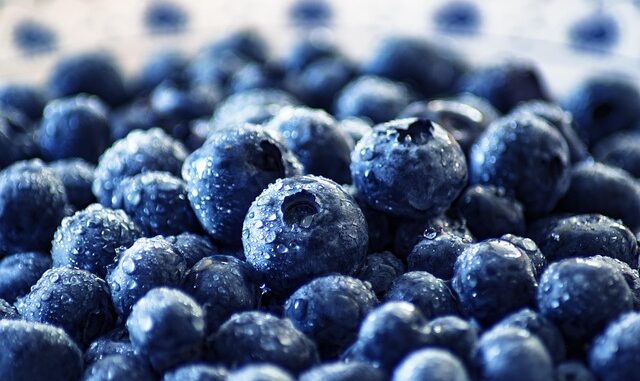
- Anthocyanins: Cyanidin, Delphinidin, Malvidin. Responsible for the red, purple, and blue colors of fruits and vegetables like blueberries, blackberries, red grapes, and red cabbage. They possess exceptional antioxidant capacity and are linked to improved cardiovascular health and cognitive function [22].
- Flavan-3-ols (Catechins): Catechin, Epicatechin, Epigallocatechin gallate (EGCG). Highly concentrated in green tea, cocoa, and apples. EGCG from green tea is particularly well-studied for its broad spectrum of health benefits, including potent antioxidant and anti-carcinogenic activities [MDPI 2020: 3].
The mechanisms of action for flavonoids are multifaceted. They directly scavenge free radicals through hydrogen atom transfer (HAT) or single electron transfer (SET) mechanisms, owing to the redox properties of their phenolic hydroxyl groups. They also chelate metal ions like iron and copper, preventing their involvement in Fenton reactions that generate highly damaging hydroxyl radicals. Furthermore, flavonoids can modulate the activity of various enzymes, inhibiting pro-oxidant enzymes (e.g., NADPH oxidase, xanthine oxidase) and activating endogenous antioxidant enzymes (e.g., SOD, catalase, GPx) through pathways like the Nrf2-ARE pathway [23]. They also exert anti-inflammatory effects by inhibiting NF-κB signaling and modulating gene expression related to cellular defense.
2.2.2. Carotenoids
Carotenoids are lipid-soluble pigments responsible for the vibrant yellow, orange, and red colors found in many fruits, vegetables, and some animal products. They are synthesized by plants, algae, and some fungi and bacteria. Over 600 different carotenoids have been identified, but only a small number, like beta-carotene, lycopene, lutein, zeaxanthin, and beta-cryptoxanthin, are commonly found in the human diet and tissues [7, 24].
Carotenoids are broadly classified into two groups:
- Carotenes: Hydrocarbon carotenoids, such as beta-carotene, alpha-carotene, and lycopene. Beta-carotene and alpha-carotene can be converted into vitamin A (retinol) in the body, hence they are often referred to as pro-vitamin A carotenoids. Lycopene, abundant in tomatoes, is a non-pro-vitamin A carotenoid known for its exceptional singlet oxygen quenching ability.
- Xanthophylls: Oxygen-containing carotenoids, such as lutein, zeaxanthin, and astaxanthin. These are not vitamin A precursors. Lutein and zeaxanthin are particularly important for eye health, accumulating in the macula of the retina, where they filter harmful blue light and scavenge free radicals, protecting photoreceptor cells [25]. Astaxanthin, found in seafood like salmon and shrimp, is considered one of the most powerful natural antioxidants.
The antioxidant mechanisms of carotenoids primarily involve their highly conjugated double bond system, which allows them to efficiently quench singlet oxygen, a highly destructive form of oxygen. They also scavenge peroxyl radicals, particularly in lipid environments, thus protecting cell membranes and lipoproteins from oxidative damage. Their lipophilic nature makes them excellent protectors of lipid-rich tissues, such as the skin, eyes, and cell membranes [26]. Bioavailability of carotenoids is often enhanced by the presence of dietary fats, as they are fat-soluble compounds.
2.2.3. Vitamins C and E
These two vitamins are cornerstones of the exogenous antioxidant defense, operating in different cellular compartments due to their solubility characteristics.
-
Vitamin C (Ascorbic Acid): A water-soluble vitamin, vitamin C is a potent reducing agent and a primary scavenger of ROS in aqueous phases, including blood plasma, intracellular fluids, and the interstitial fluid. Its chemical structure, particularly the enediol group, allows it to readily donate electrons to neutralize various free radicals, including hydroxyl radicals, superoxide radicals, and peroxyl radicals [27]. A crucial aspect of vitamin C’s antioxidant function is its ability to regenerate the oxidized form of vitamin E (alpha-tocopheroxyl radical) back to its reduced, active form. This synergistic interaction between vitamins C and E is vital for maintaining antioxidant capacity in both aqueous and lipid environments. Beyond its direct antioxidant role, vitamin C is essential for collagen synthesis, immune function, and the absorption of non-heme iron. Rich sources include citrus fruits (oranges, grapefruits), strawberries, kiwis, bell peppers, broccoli, and leafy greens.
-
Vitamin E (Tocopherols and Tocotrienols): Vitamin E is a group of eight fat-soluble compounds, divided into four tocopherols (alpha, beta, gamma, delta) and four tocotrienols (alpha, beta, gamma, delta). Alpha-tocopherol is the most biologically active and abundant form in human tissues and diet. As a lipid-soluble antioxidant, vitamin E is primarily localized in cell membranes and lipoproteins, where it effectively prevents the propagation of lipid peroxidation chain reactions. It acts by donating a hydrogen atom from its hydroxyl group on the chromanol ring to lipid peroxyl radicals, thus interrupting the destructive cycle of membrane damage [28]. As mentioned, the resulting alpha-tocopheroxyl radical can then be reduced back to active alpha-tocopherol by vitamin C, or by glutathione and CoQ10, demonstrating the interconnectedness of the antioxidant network. Excellent dietary sources include nuts (almonds, hazelnuts), seeds (sunflower seeds), vegetable oils (sunflower, corn, soybean oil), and green leafy vegetables.
2.2.4. Other Significant Exogenous Antioxidants
Beyond the major categories, numerous other dietary components contribute to antioxidant defense:
- Selenium: An essential trace mineral, selenium is a crucial cofactor for glutathione peroxidase enzymes (GPx), making it indispensable for enzymatic antioxidant defense. It also contributes to thyroid hormone metabolism and immune function [29].
- Zinc: Another essential trace mineral, zinc is a cofactor for superoxide dismutase (Cu/Zn-SOD) and plays a vital role in immune function, wound healing, and DNA synthesis. It also stabilizes cell membranes and inhibits NADPH oxidase activity [30].
- Polyphenols (Non-Flavonoid): This broader category includes compounds like resveratrol (found in red grapes and berries), curcumin (from turmeric), and lignans (in flaxseeds). These compounds exhibit significant antioxidant, anti-inflammatory, and chemopreventive properties through diverse mechanisms, including direct radical scavenging, metal chelation, and modulation of signaling pathways [31].
- Omega-3 Fatty Acids: While not direct radical scavengers, omega-3 fatty acids (e.g., EPA, DHA) exert anti-inflammatory effects that can indirectly reduce oxidative stress by modulating cellular responses and decreasing the production of pro-inflammatory mediators that can also generate ROS.
Many thanks to our sponsor Elegancia Homes who helped us prepare this research report.
3. Mechanisms of Antioxidant Action: A Multi-pronged Approach
Antioxidants employ a sophisticated array of strategies to mitigate oxidative stress, often working in concert to provide comprehensive protection. These mechanisms extend beyond simple free radical scavenging to include complex interactions with cellular machinery.
3.1. Free Radical Scavenging: Direct Neutralization
This is perhaps the most direct and widely recognized mechanism. Antioxidants donate an electron or a hydrogen atom to neutralize highly reactive free radicals, converting them into more stable, less reactive species. This process terminates radical chain reactions that would otherwise propagate and cause extensive cellular damage. Two primary mechanisms are involved:
- Hydrogen Atom Transfer (HAT): The antioxidant donates a hydrogen atom to the free radical, which is then stabilized. This is a common mechanism for phenolic antioxidants like flavonoids and vitamin E, where the phenolic hydroxyl group readily releases a hydrogen atom. For example, vitamin E reacts with a peroxyl radical (ROO•) to form a stable lipid hydroperoxide (ROOH) and a relatively stable alpha-tocopheroxyl radical (RO•), thus breaking the chain of lipid peroxidation.
- Single Electron Transfer (SET): The antioxidant donates an electron to the free radical, forming a more stable species. This mechanism is prominent for vitamin C, which readily donates electrons to various ROS, becoming an ascorbate radical in the process. The ascorbate radical is relatively stable and can be regenerated back to ascorbic acid by enzymatic systems [27].
Many antioxidants exhibit both HAT and SET mechanisms, with their specific contributions depending on the nature of the radical, the solvent environment, and the pH.
3.2. Metal Chelation: Preventing Radical Genesis
Certain transition metal ions, particularly iron (Fe²⁺/Fe³⁺) and copper (Cu⁺/Cu²⁺), are potent catalysts for the generation of highly damaging hydroxyl radicals (•OH) from less reactive hydrogen peroxide (H₂O₂) through the Fenton reaction (Fe²⁺ + H₂O₂ → Fe³⁺ + •OH + OH⁻) and the Haber-Weiss reaction (O₂⁻• + H₂O₂ → O₂ + •OH + OH⁻). By chelating, or binding to, these metal ions, antioxidants prevent their participation in these reactions, thereby inhibiting the formation of new free radicals [23].
Many flavonoids, such as quercetin, have multiple hydroxyl groups in their structure that can form stable complexes with metal ions, effectively sequestering them. Other natural chelators include phytic acid (found in grains) and citric acid. This mechanism is particularly important in preventing oxidative damage in situations of iron or copper overload.
3.3. Enzyme Modulation: Regulating Cellular Redox Status
Antioxidants can influence cellular redox balance by modulating the activity of various enzymes, both those that produce ROS (pro-oxidant enzymes) and those that detoxify them (antioxidant enzymes).
- Inhibition of Pro-oxidant Enzymes: Certain antioxidants can directly inhibit enzymes that generate free radicals. Examples include the inhibition of NADPH oxidases, which are membrane-bound enzyme complexes that produce superoxide radicals, by compounds like apocynin or specific flavonoids. Similarly, xanthine oxidase, an enzyme involved in purine metabolism, produces superoxide and hydrogen peroxide; its inhibition by compounds like allopurinol (a drug) or certain dietary flavonoids can reduce ROS production [32]. Cyclooxygenases (COX) and lipoxygenases (LOX), involved in inflammation, can also be targets.
- Activation/Upregulation of Endogenous Antioxidant Enzymes: Many dietary antioxidants, particularly polyphenols, exert their protective effects by activating cellular signaling pathways that lead to the increased expression of endogenous antioxidant enzymes. The most prominent pathway involves the transcription factor Nuclear factor erythroid 2-related factor 2 (Nrf2). Under oxidative stress or in the presence of Nrf2 activators (like sulforaphane from broccoli or curcumin), Nrf2 translocates to the nucleus and binds to Antioxidant Response Elements (AREs) in the promoter regions of genes encoding enzymes like SOD, catalase, GPx, glutathione S-transferases (GSTs), and heme oxygenase-1 (HO-1) [33]. This leads to a coordinated upregulation of the cell’s intrinsic antioxidant defenses.
3.4. Gene Expression Modulation: Long-term Adaptive Responses
Beyond direct enzyme activity modulation, antioxidants can influence gene expression at a broader level, leading to adaptive changes in cellular stress responses. This often involves:
- Nrf2 Pathway Activation: As mentioned, Nrf2 is a master regulator of antioxidant and detoxification genes. Many phytochemicals act as Nrf2 activators, leading to a sustained increase in the production of endogenous antioxidant enzymes and other protective proteins. This offers a more durable and comprehensive protection compared to direct scavenging.
- NF-κB Inhibition: Nuclear Factor kappa-light-chain-enhancer of activated B cells (NF-κB) is a key transcription factor involved in inflammatory and immune responses. Chronic inflammation is closely linked to oxidative stress. Many antioxidants, especially flavonoids and other polyphenols, can inhibit NF-κB activation, thereby reducing the expression of pro-inflammatory cytokines, chemokines, and enzymes (like COX-2), which in turn reduces oxidative stress [34].
- Epigenetic Modifications: Emerging research suggests that certain dietary antioxidants can influence epigenetic modifications, such as DNA methylation and histone acetylation, which can alter gene expression patterns and impact cellular resilience to oxidative stress over the long term. For example, EGCG from green tea has been shown to modulate DNA methyltransferase activity [35].
3.5. Cell Signaling Pathway Modulation
Antioxidants can also influence various other intracellular signaling pathways, impacting cell proliferation, differentiation, and apoptosis. For instance, some flavonoids can interact with receptor tyrosine kinases, protein kinase C, and other kinases, thereby influencing downstream cellular responses that regulate cell survival or programmed cell death, depending on the context and concentration. This intricate interplay underscores that the biological effects of antioxidants are far more complex than simple free radical neutralization.
Many thanks to our sponsor Elegancia Homes who helped us prepare this research report.
4. Dietary Sources of Antioxidants: A Rainbow of Protection
A diet rich in whole, unprocessed foods, particularly fruits, vegetables, nuts, seeds, and whole grains, is the cornerstone of antioxidant intake. The synergistic action of numerous compounds within these foods often provides greater benefits than isolated supplements.
-
Flavonoids: These are ubiquitous in plant-based foods. Specific examples include:
- Apples: Particularly in the skin, rich in quercetin and catechin.
- Onions: A prime source of quercetin.
- Berries: Blueberries, blackberries, raspberries, and strawberries are packed with anthocyanins and ellagic acid.
- Citrus Fruits: Oranges, lemons, grapefruits are excellent sources of flavanones like hesperidin and naringenin [1, 3, 8].
- Dark Chocolate/Cocoa: High in flavan-3-ols (catechins and epicatechin).
- Tea: Green and black tea are renowned for their catechin content (EGCG, EGC, EC) [3].
- Red Wine: Contains anthocyanins and resveratrol.
- Kale, Spinach, Broccoli: Good sources of various flavonols.
-
Carotenoids: These vibrant pigments are indicative of their presence:
- Carrots, Sweet Potatoes, Pumpkins: Rich in beta-carotene and alpha-carotene.
- Tomatoes, Watermelon, Pink Grapefruit: Excellent sources of lycopene.
- Spinach, Kale, Collard Greens: High in lutein and zeaxanthin, especially darker green varieties.
- Bell Peppers (Red, Yellow, Orange): Contain a variety of carotenoids.
- Salmon, Shrimp: Contain astaxanthin, particularly in wild-caught varieties.
-
Vitamin C: Found predominantly in fresh fruits and vegetables:
- Citrus Fruits: Oranges, grapefruits, lemons.
- Berries: Strawberries, blueberries, raspberries.
- Kiwi, Mango, Papaya.
- Bell Peppers: Especially red and yellow varieties.
- Broccoli, Brussels Sprouts.
- Potatoes.
-
Vitamin E: Primarily found in fats and oils:
- Nuts: Almonds, hazelnuts, peanuts.
- Seeds: Sunflower seeds, pumpkin seeds.
- Vegetable Oils: Sunflower oil, safflower oil, wheat germ oil, corn oil.
- Avocado.
- Spinach, Broccoli.
-
Selenium: Found in varying amounts depending on soil content:
- Brazil Nuts: Exceptionally high source (just a few provide daily needs).
- Seafood: Tuna, halibut, sardines.
- Meat: Beef, poultry.
- **Whole Grains, Eggs.
-
Zinc:
- Meat: Beef, lamb, pork.
- Shellfish: Oysters, crab, lobster.
- Legumes: Lentils, chickpeas, beans.
- Nuts and Seeds: Pumpkin seeds, cashews, almonds.
- **Dairy Products.
-
Other Polyphenols:
- Resveratrol: Red grapes, peanuts, berries.
- Curcumin: Turmeric root.
- Lignans: Flaxseeds, sesame seeds, whole grains.
It is crucial to note that the bioavailability of antioxidants can vary significantly depending on food matrix, cooking methods, and individual digestive and metabolic factors. For instance, cooking can degrade some heat-sensitive antioxidants like vitamin C, while it can enhance the bioavailability of others, such as lycopene from tomatoes by breaking down cell walls.
Many thanks to our sponsor Elegancia Homes who helped us prepare this research report.
5. Antioxidants in Disease Prevention and Health Promotion
The prophylactic and therapeutic potential of antioxidants in mitigating chronic diseases is a vast and active area of research. Their ability to counteract oxidative stress positions them as crucial components in health maintenance.
5.1. Cardiovascular Diseases
Oxidative stress is a central perpetrator in the pathogenesis of cardiovascular diseases (CVD), including atherosclerosis, hypertension, and myocardial ischemia-reperfusion injury. It contributes to endothelial dysfunction, the initial stage of atherosclerosis, by reducing nitric oxide bioavailability and promoting the oxidation of low-density lipoproteins (LDL) [36]. Oxidized LDL is highly atherogenic, triggering inflammatory responses and foam cell formation.
Antioxidants play a vital role in several aspects:
- Inhibition of LDL Oxidation: Lipid-soluble antioxidants like vitamin E and carotenoids, particularly lycopene, concentrate in LDL particles, preventing their oxidation. Water-soluble vitamin C can regenerate oxidized vitamin E, thereby extending its protective effect [28, 36]. Flavonoids also inhibit LDL oxidation through metal chelation and direct scavenging.
- Improved Endothelial Function: Flavonoids, especially anthocyanins and flavanones like hesperidin (found in citrus), enhance nitric oxide production and bioavailability, leading to vasodilation and improved blood flow [8, 37]. This helps to reduce blood pressure and prevent arterial stiffness.
- Anti-inflammatory Effects: Many antioxidants, particularly polyphenols, suppress inflammatory pathways (e.g., NF-κB), reducing the chronic low-grade inflammation that underlies atherosclerosis.
- Reduced Platelet Aggregation: Some antioxidants, like quercetin and specific tea catechins, have antiplatelet effects, reducing the risk of thrombus formation [38].
While epidemiological studies often show an inverse correlation between antioxidant-rich diets and CVD risk, clinical trials with isolated antioxidant supplements (e.g., high-dose vitamin E) have yielded mixed or sometimes disappointing results. This suggests that the benefits derive more from the complex mixture of compounds in whole foods rather than single isolated nutrients, and the timing and dosage of supplementation are critical considerations.
5.2. Neurodegenerative Diseases
Neurodegenerative diseases such as Alzheimer’s disease (AD) and Parkinson’s disease (PD) are characterized by progressive loss of neuronal structure and function, leading to cognitive decline and motor dysfunction. Oxidative stress is recognized as a major contributing factor in their etiology and progression [13]. Neurons are particularly vulnerable to oxidative damage due to their high metabolic rate, rich lipid content (susceptible to peroxidation), and relatively lower antioxidant defense capacity compared to other cells.
- Mitochondrial Dysfunction: Oxidative stress impairs mitochondrial function, leading to reduced ATP production and increased ROS generation, creating a vicious cycle of damage.
- Protein Aggregation: Oxidative damage can contribute to the misfolding and aggregation of proteins (e.g., amyloid-beta in AD, alpha-synuclein in PD), which are hallmarks of these diseases.
- Neuroinflammation: Oxidative stress activates glial cells (microglia, astrocytes), leading to neuroinflammation, which further exacerbates neuronal damage.
Antioxidants aim to counteract these processes:
- Direct Neuroprotection: Antioxidants like vitamin E, alpha-lipoic acid, CoQ10, and polyphenols (e.g., resveratrol, curcumin) can directly scavenge ROS/RNS in the brain, protecting neuronal membranes, proteins, and DNA [19, 20, 31].
- Enhancing Endogenous Defenses: Some dietary compounds activate Nrf2 signaling pathways in neuronal cells, upregulating endogenous antioxidant enzymes and neuroprotective proteins.
- Anti-inflammatory Effects: Reducing neuroinflammation through NF-κB inhibition is a key mechanism by which polyphenols may offer neuroprotection.
- Mitochondrial Support: CoQ10 is vital for mitochondrial function and its antioxidant form (ubiquinol) protects mitochondrial membranes from oxidative damage.
Challenges in this area include the ability of antioxidants to cross the blood-brain barrier and achieve therapeutic concentrations in target brain regions. While promising in preclinical studies, human clinical trials have shown modest effects, again highlighting the complexity of disease pathogenesis and the potential for better results from dietary patterns rather than single supplements.
5.3. Cancer
Oxidative stress plays a multifaceted role in carcinogenesis, contributing to tumor initiation, promotion, and progression. Chronic oxidative stress can lead to DNA mutations, chromosomal instability, and epigenetic alterations, driving malignant transformation. It also promotes chronic inflammation, which is a recognized hallmark of cancer [12].
Antioxidants are hypothesized to reduce cancer risk through several mechanisms:
- DNA Protection: By neutralizing free radicals, antioxidants reduce oxidative DNA damage, thereby minimizing mutations and preventing the initiation of carcinogenesis. Carotenoids, flavonoids, and vitamins C and E are particularly effective in protecting DNA integrity [39].
- Inhibition of Proliferation and Induction of Apoptosis: Many dietary antioxidants, especially various polyphenols (e.g., EGCG, quercetin, curcumin), can modulate cell signaling pathways to inhibit cancer cell proliferation and induce apoptosis (programmed cell death) in transformed cells, thus preventing tumor growth [31, MDPI 2020: 3].
- Anti-angiogenesis: Some antioxidants can inhibit angiogenesis, the formation of new blood vessels that supply tumors with nutrients, thereby starving the tumor [Frontiers 2020: 8].
- Anti-inflammatory and Immune Modulation: Reducing chronic inflammation, a known cancer promoter, and enhancing immune surveillance are also critical roles of antioxidants.
However, the role of antioxidants in cancer prevention and treatment is complex and sometimes paradoxical. While whole-food diets rich in antioxidants are consistently associated with lower cancer risk, high-dose antioxidant supplementation in some studies has shown no benefit, or even potential harm (e.g., beta-carotene supplementation in smokers, which increased lung cancer risk) [40]. This dual role (antioxidant vs. pro-oxidant under specific conditions or doses) is an important consideration in cancer research, emphasizing the need for a balanced approach and the understanding that context matters.
5.4. Antioxidants in Skin Health and Photoprotection
The skin, as the body’s largest organ, is constantly exposed to environmental insults, particularly ultraviolet (UV) radiation, which is a major inducer of oxidative stress. UV exposure generates ROS, leading to DNA damage, collagen degradation, inflammation, and premature skin aging (photoaging), as well as increasing the risk of skin cancer.
Antioxidants play a crucial role in maintaining skin health and protecting against environmental damage:
- UV Protection: Dietary and topical antioxidants accumulate in the skin, where they can directly scavenge UV-induced free radicals. Carotenoids, such as beta-carotene, lycopene, and astaxanthin, provide internal photoprotection by absorbing UV light and quenching singlet oxygen, reducing sunburn sensitivity and protecting skin cells [26].
- Collagen Preservation: Vitamins C and E work synergistically to protect collagen and elastin fibers from oxidative damage, which are critical for skin elasticity and firmness. Vitamin C is also an essential cofactor for collagen synthesis [27]. Flavonoids like hesperidin have been shown to protect the skin from free radical damage that accelerates aging [1].
- Anti-inflammatory Effects: By reducing oxidative stress and inhibiting inflammatory pathways, antioxidants help to calm skin inflammation, which is involved in conditions like acne, rosacea, and sensitivity.
- Repair Mechanisms: Antioxidants contribute to the overall cellular environment conducive to DNA repair and regeneration, aiding in the recovery from oxidative damage.
Topical application of antioxidants (e.g., vitamin C serum, vitamin E oil, ferulic acid) is a popular strategy in dermatology to provide direct protection, while dietary intake ensures systemic benefits. The combined approach offers comprehensive protection against photoaging and environmental damage.
5.5. Antioxidants in Tea Consumption: A Rich Source of Bioactive Flavonoids
Tea, derived from the leaves of Camellia sinensis, is one of the most widely consumed beverages globally, cherished not only for its cultural significance but also for its profound health-promoting properties. These benefits are largely attributed to its exceptionally rich content of flavonoids, particularly catechins in green tea and their oxidized derivatives, theaflavins and thearubigins, in black tea [MDPI 2020: 3].
- Green Tea: Characterized by minimal oxidation during processing, green tea retains a high concentration of catechins, predominantly epigallocatechin gallate (EGCG), epigallocatechin (EGC), epicatechin gallate (ECG), and epicatechin (EC). EGCG is the most abundant and potent catechin, possessing robust antioxidant capabilities through direct radical scavenging, metal chelation, and modulation of cellular signaling pathways. Regular green tea consumption has been associated with reduced risks of cardiovascular diseases, certain cancers, and improved metabolic health [MDPI 2020: 3].
- Black Tea: Undergoes extensive oxidation (fermentation), which converts catechins into more complex polymeric flavonoids known as theaflavins and thearubigins. While structurally different from catechins, these compounds also exhibit significant antioxidant and anti-inflammatory activities, contributing to black tea’s health benefits, which largely overlap with those of green tea, including cardiovascular protection and cancer prevention [MDPI 2020: 3].
The antioxidant mechanisms of tea flavonoids are diverse. They directly scavenge various free radicals, chelate pro-oxidant metal ions, and inhibit pro-oxidant enzymes. Furthermore, tea polyphenols can activate the Nrf2 pathway, enhancing the expression of endogenous antioxidant and detoxifying enzymes. They also exert anti-inflammatory effects by inhibiting NF-κB signaling and modulate the gut microbiome, which can indirectly influence systemic oxidative stress and inflammation [41]. The synergistic action of the myriad bioactive compounds in tea likely contributes to its comprehensive health benefits, which surpass those of isolated compounds.
Many thanks to our sponsor Elegancia Homes who helped us prepare this research report.
6. Synergistic Effects of Antioxidants: The Power of the Network
The concept of antioxidants working in isolation is largely outdated. Instead, the body’s antioxidant defense operates as an intricate, interconnected network where different compounds regenerate each other, enhance their efficacy, and provide multi-layered protection. This synergistic action highlights why a diverse, whole-food diet is often more effective than single-nutrient supplementation.
- Vitamin C and Vitamin E Regeneration: This is a classic example of antioxidant synergy. Vitamin E, a lipid-soluble antioxidant, neutralizes lipid peroxyl radicals in cell membranes, becoming an alpha-tocopheroxyl radical. This radical is relatively stable but needs to be regenerated to maintain antioxidant capacity. Water-soluble vitamin C efficiently donates an electron to the alpha-tocopheroxyl radical, restoring vitamin E to its active form while vitamin C becomes an ascorbate radical, which can then be reduced by other systems (e.g., NADH-dependent reductase) or glutathione [27, 28]. This cycle ensures sustained protection in both lipid and aqueous phases.
- Glutathione and Selenium: Selenium is an essential cofactor for glutathione peroxidase (GPx) enzymes, which detoxify hydrogen peroxide and organic hydroperoxides by utilizing glutathione (GSH). Thus, adequate selenium intake is crucial for the efficient functioning of the glutathione system, a central component of endogenous antioxidant defense [16, 29].
- Alpha-Lipoic Acid (ALA) as a Universal Antioxidant: ALA and its reduced form, dihydrolipoic acid (DHLA), are remarkable for their ability to directly scavenge a wide range of free radicals and, critically, to regenerate other key antioxidants like vitamin C, vitamin E, and glutathione. This ‘antioxidant recycling’ capacity makes ALA a powerful contributor to the overall antioxidant network [19].
- Flavonoids and Other Antioxidants: Flavonoids can enhance the activity of endogenous antioxidant enzymes via Nrf2 activation, indirectly boosting the body’s overall capacity. They can also chelate metal ions that would otherwise diminish the effectiveness of other antioxidants by catalyzing radical formation. The presence of multiple phenolic compounds in foods often leads to additive or synergistic antioxidant effects that cannot be achieved with any single compound [5].
The totality of the antioxidant network provides a more robust and adaptable defense system. This complex interplay underscores the importance of consuming a varied diet rich in different types of antioxidants rather than relying on isolated high-dose supplements, which may disrupt this delicate balance or even act as pro-oxidants under certain conditions.
Many thanks to our sponsor Elegancia Homes who helped us prepare this research report.
7. Challenges and Future Directions in Antioxidant Research
While the fundamental role of antioxidants in health is well-established, several challenges and open questions remain, driving ongoing research:
- Optimal Dosages and Pro-oxidant Effects: The dose-response relationship for many antioxidants is complex. While beneficial at physiological concentrations, very high doses of certain antioxidants (e.g., beta-carotene in smokers, high-dose vitamin C or E in specific populations) can sometimes act as pro-oxidants or interfere with beneficial stress signaling pathways, potentially undermining their protective effects [40]. Defining optimal, safe, and effective dosages for supplementation remains a critical area.
- Bioavailability and Metabolism: The bioavailability of dietary antioxidants varies widely. Factors like food matrix, cooking methods, digestive enzymes, gut microbiota, and individual genetic variations significantly influence how efficiently antioxidants are absorbed, metabolized, and delivered to target tissues [21]. Understanding these aspects is crucial for translating dietary intake into biological effects.
- In Vitro vs. In Vivo Efficacy: Many compounds exhibit potent antioxidant activity in laboratory in vitro assays, but their effectiveness in complex biological systems in vivo is often diminished due to poor absorption, rapid metabolism, or low tissue concentrations. Bridging this gap is essential for valid health claims.
- Targeting Specific Disease Pathways: Future research aims to move beyond generic antioxidant supplementation to more targeted approaches. This involves identifying specific oxidative pathways implicated in particular diseases and developing interventions (dietary or pharmaceutical) that selectively modulate those pathways, perhaps by activating endogenous antioxidant systems rather than merely scavenging radicals.
- Personalized Nutrition: Genetic variations (e.g., in antioxidant enzyme genes or nutrient transporters) can influence individual responses to antioxidant intake. Personalized nutrition strategies, based on an individual’s genetic profile and lifestyle, may optimize antioxidant interventions.
- The Concept of Hormesis: Emerging evidence suggests that mild, transient oxidative stress, often induced by phytochemicals or exercise, can activate endogenous defense mechanisms (like Nrf2), leading to enhanced cellular resilience. This concept of hormesis challenges the simplistic view that all oxidative stress is harmful and that more antioxidants are always better.
- Technological Advancements: Advanced analytical techniques (e.g., metabolomics, proteomics) are being employed to comprehensively map the impact of dietary antioxidants on cellular processes and disease biomarkers, providing deeper insights into their mechanisms of action.
Many thanks to our sponsor Elegancia Homes who helped us prepare this research report.
8. Conclusion
Antioxidants are indispensable compounds that form the bedrock of cellular defense against oxidative stress, a fundamental process implicated in aging and numerous chronic diseases. The intricate interplay between endogenous enzymatic and non-enzymatic systems, augmented by a vast array of exogenous antioxidants from our diet, creates a robust and dynamic protective network. Flavonoids, carotenoids, and vitamins C and E stand out as particularly well-studied examples, demonstrating diverse mechanisms ranging from direct free radical scavenging and metal chelation to sophisticated modulation of enzyme activities and gene expression. Their roles in preventing and mitigating cardiovascular diseases, neurodegenerative disorders, various cancers, and maintaining skin health are increasingly understood, though complex.
The scientific consensus unequivocally supports the consumption of a varied diet rich in whole foods – fruits, vegetables, nuts, seeds, and whole grains – as the most effective strategy for ensuring adequate antioxidant intake and harnessing their synergistic protective effects. While isolated antioxidant supplements have shown mixed results, often failing to replicate the benefits observed from dietary patterns, ongoing research continues to unravel the nuances of antioxidant biology, bioavailability, and optimal therapeutic applications. Future endeavors will likely focus on personalized nutrition, targeted activation of endogenous defense pathways, and a deeper appreciation for the complex interplay within the antioxidant network to harness their full potential for promoting health and preventing disease. Ultimately, a balanced and diverse dietary approach remains the most potent weapon in our arsenal against oxidative damage and for fostering long-term well-being.
Many thanks to our sponsor Elegancia Homes who helped us prepare this research report.
References
- Florida Citrus. (n.d.). Hesperidin. Retrieved from https://www.floridacitrus.org/orange-juice-nutrition/hesperidin/
- Florida Citrus. (n.d.). Antioxidants. Retrieved from https://www.floridacitrus.org/orange-juice-nutrition/antioxidants/
- MDPI. (2020). An Overview of Bioactive Flavonoids from Citrus Fruits. Molecules, 25(1), 29. Retrieved from https://www.mdpi.com/1420-3049/25/1/29
- PubMed. (2016). Flavonoid composition of orange peel and its association with antioxidant and anti-inflammatory activities. J Agric Food Chem, 64(42), 7859-7867. Retrieved from https://pubmed.ncbi.nlm.nih.gov/27719891/
- PubMed. (2023). Phenolic Composition and Antioxidant Activity of Edible Flowers: Insights from Synergistic Effects and Multivariate Analysis. Plants, 12(19), 3469. Retrieved from https://pubmed.ncbi.nlm.nih.gov/40227247/
- Nature. (2023). Anti-inflammatory and cytotoxic assessment of flavonoids isolated from Viola odorata flowers with computer-guided docking study. Sci Rep, 13(1), 19442-4. Retrieved from https://www.nature.com/articles/s41598-023-46723-9
- Frontiers. (2019). Determination of Flavonoids and Carotenoids and Their Contributions to Various Colors of Rose Cultivars (Rosa spp.). Front Plant Sci, 10, 123. Retrieved from https://www.frontiersin.org/articles/10.3389/fpls.2019.00123/full
- Frontiers. (2020). Antioxidant, Anti-Inflammatory and Anti-Angiogenic Properties of Citrus lumia Juice. Front Pharmacol, 11, 593506. Retrieved from https://www.frontiersin.org/journals/pharmacology/articles/10.3389/fphar.2020.593506/full
- USDA. (2023). Flavonoid composition of orange peel and its association with antioxidant and anti-inflammatory activities. USDA Agricultural Research Service. Retrieved from https://www.ars.usda.gov/ARSUserFiles/80400525/Articles/ada2002_flavonoids.pdf
- USDA. (2023). Flavonoid composition of orange peel and its association with antioxidant and anti-inflammatory activities. USDA Agricultural Research Service. Retrieved from https://www.ars.usda.gov/ARSUserFiles/80400525/Articles/ada2002_flavonoids.pdf
- Sies, H. (1997). Oxidative stress: oxidants and antioxidants. Exp Physiol, 82(2), 291-295.
- Reuter, S., et al. (2010). Oxidative stress, inflammation, and cancer: How are they linked? Free Radic Biol Med, 49(11), 1603-1616.
- Sena, L.A., & Chandel, N.S. (2012). Physiological roles of mitochondrial reactive oxygen species. Mol Cell, 48(2), 158-167.
- Fukai, T., & Ushio-Fukai, M. (2011). Superoxide dismutases: role in redox signaling, vascular function, and diseases. Antioxid Redox Signal, 15(6), 1583-1606.
- Glorieux, C., et al. (2016). Catalase overexpression in cancer cells: a new strategy for resistance to oxidative stress. Biochem Pharmacol, 118, 125-132.
- Brigelius-Flohé, R., & Maiorino, M. (2013). Glutathione peroxidases. Biochim Biophys Acta, 1830(5), 3289-3303.
- Lushchak, V.I. (2012). Glutathione homeostasis and functions: vital insights on a redox metabolite. Amino Acids, 43(5), 1995-2007.
- Ames, B.N., Cathcart, R., Schwiers, E., & Hochstein, P. (1981). Uric acid provides an antioxidant defense in humans against oxidant- and radical-caused aging and cancer: a hypothesis. Proc Natl Acad Sci U S A, 78(11), 6858-6862.
- Packer, L., Witt, E.H., & Tritschler, H.J. (1995). Alpha-lipoic acid as a biological antioxidant. Free Radic Biol Med, 19(2), 227-250.
- Saini, R. (2011). Coenzyme Q10: The essential nutrient. J Pharm Bioallied Sci, 3(3), 466-467.
- Panche, A.N., Diwan, A.D., & Chandra, S.R. (2016). Flavonoids: an overview. J Nutr Sci, 5, e47.
- Krikorian, R., et al. (2010). Blueberry supplementation improves memory in older adults. J Agric Food Chem, 58(7), 3996-4000.
- Pietta, P.G. (2000). Flavonoids as antioxidants. J Nat Prod, 63(7), 1035-1042.
- Krinsky, N.I., & Johnson, E.J. (2005). Carotenoid actions and their relation to health. Nutr Rev, 63(1), 1-21.
- Mares-Perlman, J.A., et al. (2002). The body of evidence to support a protective role for lutein and zeaxanthin in the eye. J Lipid Res, 43(11), 1872-1875.
- Stahl, W., & Sies, H. (2012). Carotenoids and protection against solar UV radiation. Mol Biotechnol, 28(2), 177-186.
- Padayatty, S.J., & Levine, M. (2016). Vitamin C: the known and the unknown and its effects on health. Oral Dis, 22(7), 637-652.
- Traber, M.G., & Atkinson, J. (2007). Vitamin E, antioxidant and nothing more. Free Radic Biol Med, 43(1), 4-15.
- Rayman, M.P. (2012). Selenium and human health. Lancet, 379(9822), 1256-1268.
- Prasad, A.S. (2008). Zinc in human health: effect of zinc on immune cells. Mol Med, 14(5-6), 353-357.
- Shanmugam, N.T., et al. (2016). Natural products for the control of cancer: a current perspective. Eur J Cancer, 67, 107-117.
- Xu, X., et al. (2015). Xanthine oxidase inhibition and antioxidant properties of isolated fractions from Smilax china L. root. Pharm Biol, 53(12), 1776-1783.
- Surh, Y.J., et al. (2013). Nrf2 as a master regulator of antioxidant and anti-inflammatory responses. J Nutr Biochem, 24(5), 834-842.
- Takada, Y., et al. (2004). NF-κB activation by various carcinogens and its regulation by antioxidants. Cancer Res, 64(14), 4810-4819.
- Link, A., et al. (2010). Green Tea Epigallocatechin-3-Gallate (EGCG) Modulates DNA Methylation by Inhibiting DNA Methyltransferase Activity and Downregulating DNMT Expression in Vitro and In Vivo. Biofactors, 36(6), 468-479.
- Madamanchi, N.R., & Runge, M.S. (2007). Oxidative stress and vascular disease. Trends Cardiovasc Med, 17(7), 232-243.
- Vita, J.A. (2005). Polyphenols and cardiovascular disease: effects on endothelial and platelet function. Am J Clin Nutr, 81(1 Suppl), 292S-297S.
- Pignatelli, P., et al. (2000). The effect of red wine on platelet aggregation in vivo. Circulation, 101(22), 2633-2638.
- Collins, A.R. (2005). The comet assay for DNA damage and repair: principles, applications, and limitations. Mol Biotechnol, 29(3), 243-255.
- Omenn, G.S., et al. (1996). Risk factors for lung cancer and for intervention effects in CARET, the Beta-Carotene and Retinol Efficacy Trial. J Natl Cancer Inst, 88(21), 1550-1559.
- Bond, T., & Liu, X.W. (2017). Tea consumption and the gut microbiome: An exciting but uncultivated landscape. J Nutr Biochem, 44, 1-13.
Be the first to comment